
Raising a cockatiel well means guiding a baby or juvenile bird through each life stage until it becomes a confident, healthy adult companion. That journey covers choosing a healthy bird, setting up a safe cage, feeding the right foods at the right stage, building trust through consistent daily handling, and knowing exactly when something needs a vet instead of a YouTube fix. Done right, it takes patience and a routine, not perfection.
How to Grow a Cockatiel Bird: A Beginner Care Guide
Clara Hayes
21 May 2026
What 'growing' a cockatiel actually means
People search 'how to grow cockatiel bird' for a few different reasons: some are raising a hand-fed chick, some just brought home a weaned juvenile, and some want to develop their bird's personality and skills over time. All three goals overlap more than you'd think. Physical growth, emotional development, and behavioral training all happen together, and neglecting one tends to stall the others.
Here's a quick map of the life stages you'll be working with. Eggs incubate for roughly 17 to 23 days. Chicks fledge (leave the nest) around 5 weeks. Most cockatiels reach full weaning somewhere between 7 and 9 weeks, though individuals vary. By 7 to 10 weeks, a healthy bird should weigh approximately 85 to 100 grams. After that, your focus shifts from physical survival to socialization, diet refinement, and building a real bond.
| Stage | Age Range | Primary Goal |
|---|---|---|
| Hatchling/Chick | 0 to 5 weeks | Warmth, formula feeding, survival basics |
| Weaning | 5 to 9 weeks | Transitioning to solid food, socialization begins |
| Juvenile | 9 weeks to 6 months | Taming, trust-building, diet stabilization |
| Young adult | 6 months to 1 year | Training, enrichment, full behavioral development |
| Adult | 1 year and beyond | Maintenance, continued enrichment, health monitoring |
Choosing a healthy bird and setting up a safe home
Picking a healthy cockatiel
If you're buying from a breeder or a store, look for a bird that is alert and responsive, holds its feathers smoothly against its body, has clear eyes and nostrils, and is eating on its own. Avoid any bird that sits fluffed up at the bottom of the cage, has discharge around the nostrils, or seems lethargic. For beginners, a fully weaned juvenile (9 weeks or older) is strongly recommended over an unweaned chick. Hand-feeding young chicks carries real medical risks and is best left to experienced breeders or avian professionals.
Cage size, bar spacing, and placement
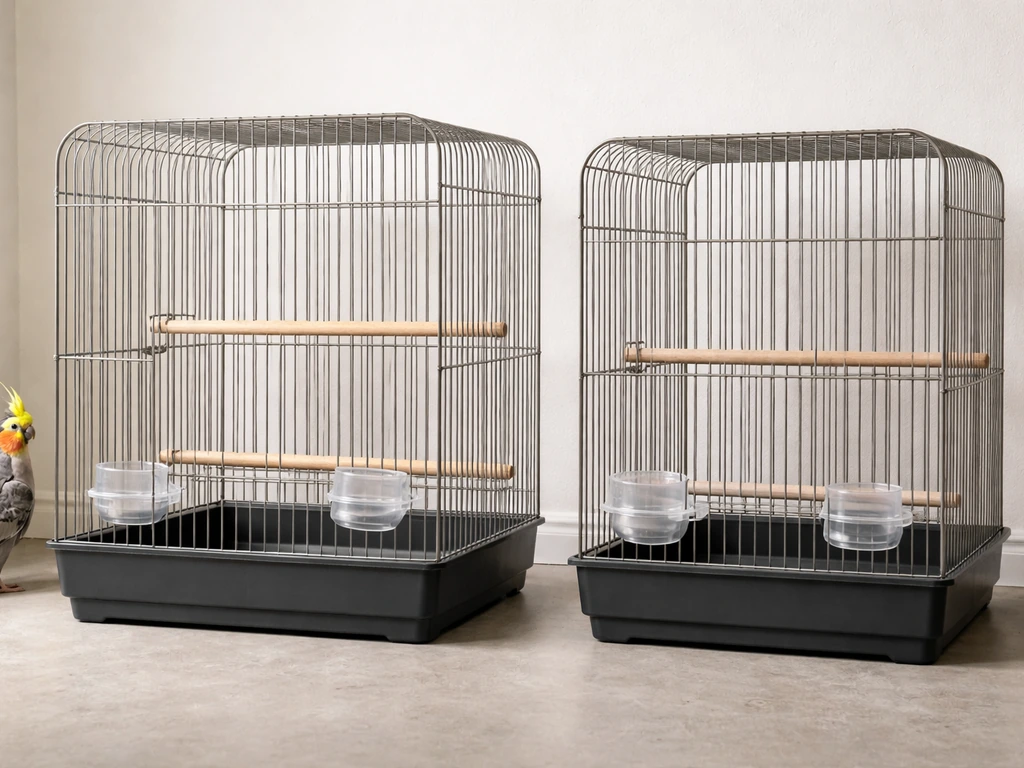
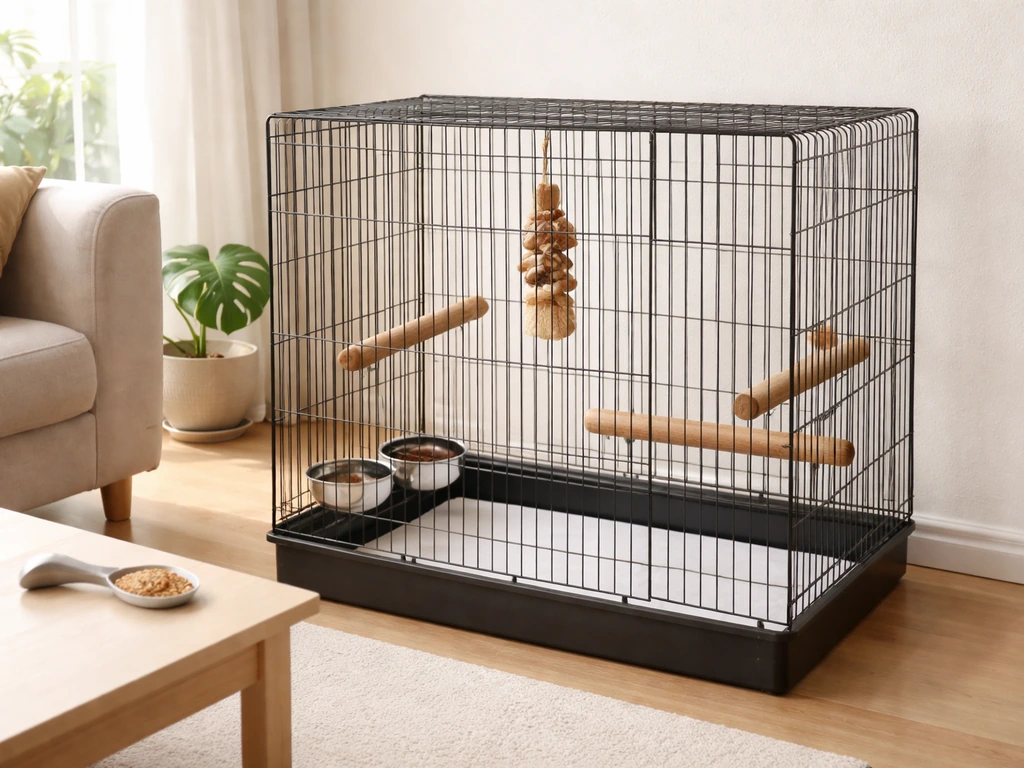
The cage is your bird's entire world, so get this right before bringing anyone home. For a single cockatiel, aim for a minimum cage size of 24 inches wide by 24 inches deep by 30 inches tall. Bar spacing should be no more than 1/2 inch to 5/8 inch. Bars spaced too widely let a cockatiel get its head stuck, and bars too close together limit climbing. Avoid round cages (they disorient birds and waste space) and any cage with zinc or lead paint, which are toxic.
Placement matters as much as the cage itself. Keep the cage in a room where the family spends time, but away from kitchen fumes, which are deadly for birds, especially non-stick cookware at high temperatures. Position the cage against a wall on at least one side so the bird has a sense of security, and keep it away from air conditioning vents, drafts, and exterior windows that let in cold air at night.
One important note on windows: glass filters UV light, so placing the cage at a window does not count as providing full-spectrum light. If you want to offer safe natural light, use a bird-safe full-spectrum lamp instead, and never leave a bird in direct unfiltered sun without shade to retreat to.
Cockatiels are prone to night fright, where they startle in the dark and injure themselves thrashing against cage bars. Keeping a small nightlight near the cage reduces this risk significantly.
Temperature, humidity, and perches
Adult cockatiels are comfortable between about 65 and 80 degrees Fahrenheit. Chicks and weaning birds need more warmth. For hand-feeding chicks, ambient brooder temperatures typically start around 90 to 95 degrees Fahrenheit for very young hatchlings and decrease as the bird develops feathers. Drafts are the most common environmental threat, so check for air movement at cage level, not just what you feel standing up. Humidity around 40 to 60 percent is comfortable for most cockatiels and helps with feather quality.
Use at least two or three perches of varying diameter (between 3/8 inch and 3/4 inch is a good range) so the bird's feet aren't always gripping the same diameter. Natural wood perches like manzanita or dragonwood are excellent. Avoid sandpaper perch covers, which abrade feet without actually helping nails.
Feeding your cockatiel at every stage
Hand-feeding chicks (0 to 7 weeks): what you need to know
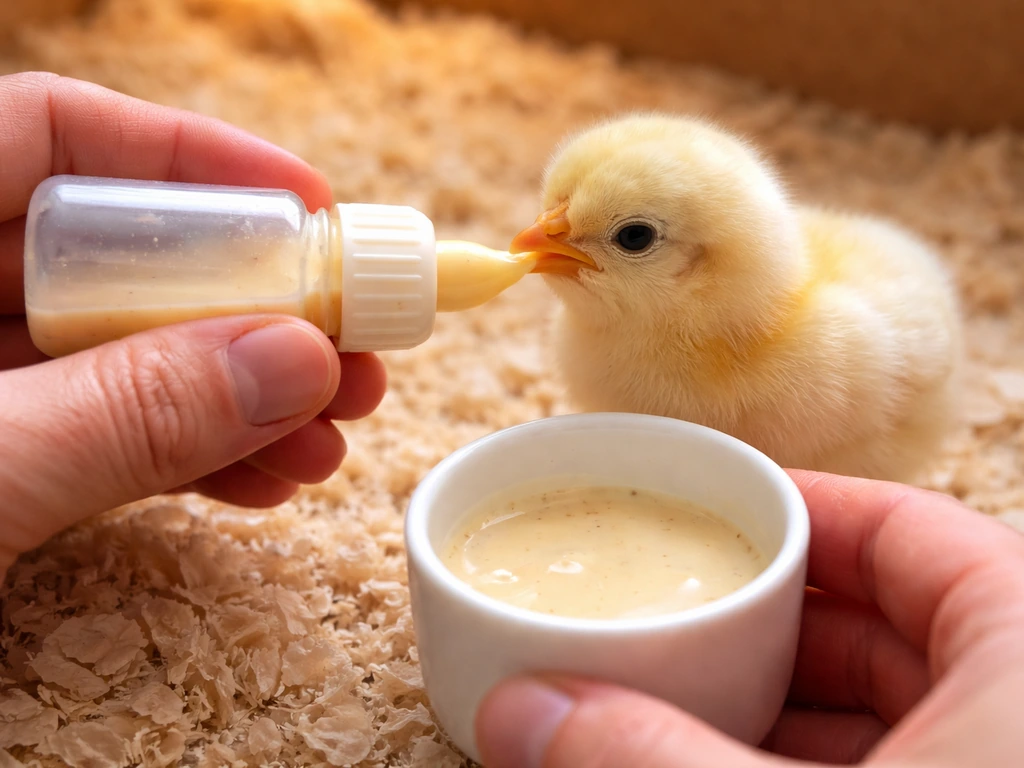
If you're hand-feeding a chick, this is the highest-stakes part of the whole process. Formula temperature must be between 102 and 106 degrees Fahrenheit throughout the mixture when feeding. Above 110 degrees Fahrenheit (43.3 degrees Celsius), you risk a crop burn, which is an internal injury that can be fatal. Below that range, the bird won't digest properly. Always test temperature with a thermometer, not your wrist.
A general feeding schedule for days 10 to 14 involves feeding every 3 hours. The critical rule between every single feeding is that the crop must be empty or nearly empty before you offer the next feeding. A crop that hasn't emptied after 3 to 4 hours can indicate crop stasis, which leads to bacterial or fungal overgrowth and can become life-threatening quickly. If the crop is still full at the next feeding time, do not force more formula. Contact an avian vet.
One more point worth repeating: if a baby bird does not display a strong, active feeding response (bobbing head, gaping beak), attempting to feed it dramatically increases the risk of aspiration, where formula enters the trachea and lungs. This is often fatal. If a chick seems weak or unresponsive, that's a vet call, not a feeding opportunity.
Weaning (5 to 9 weeks): introducing solid food
During weaning, offer soft foods alongside formula. Warm, soft pellets, cooked rice, mashed sweet potato, and sprouted seeds are good starting points. Keep fresh water available at all times. Don't force weaning on a schedule, some birds take longer than others, and stress-weaning a bird produces a fearful, underfed juvenile that's much harder to tame later. Let the chick lead by gradually showing more interest in solid food and requesting formula less urgently.
Juvenile and adult diet: pellets, seeds, and fresh food

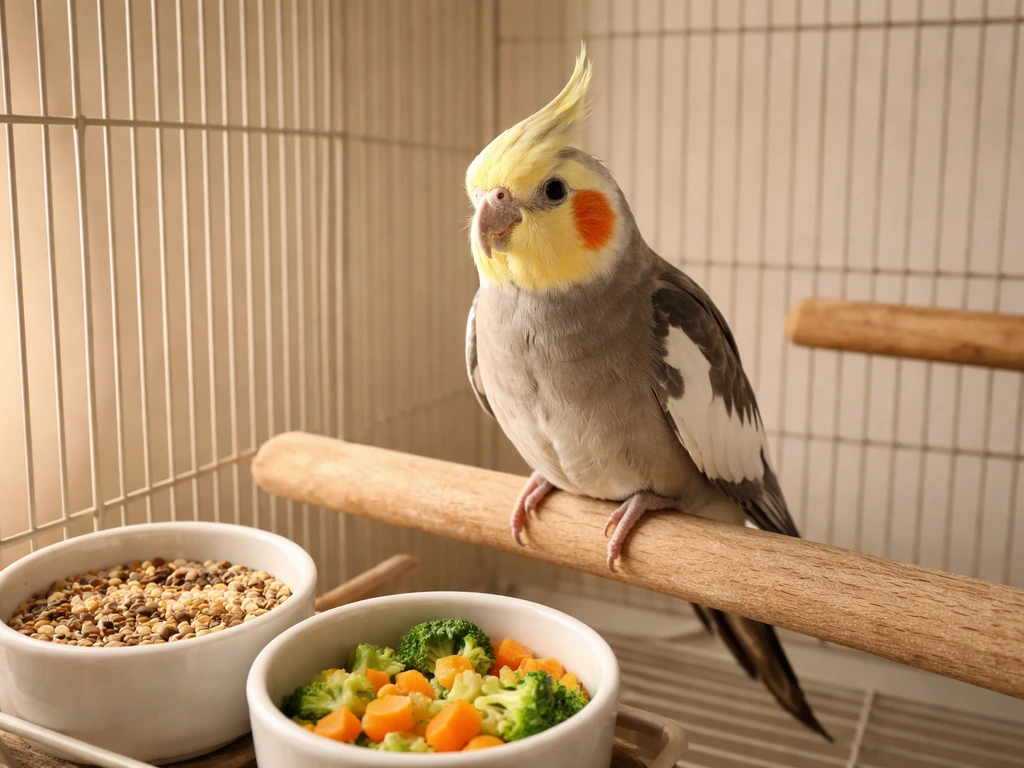
Once fully weaned, aim for a diet where nutritionally complete pellets make up at least 60 to 70 percent of what the bird eats. Fresh vegetables, leafy greens, and fruits should account for no more than 20 to 25 percent. Seeds can be offered as a small portion or as a training treat, but an all-seed diet is nutritionally incomplete and linked to fatty liver disease over time. Transitioning a seed-addicted bird to pellets takes patience, sometimes weeks, and should be done gradually so the bird doesn't go without food while refusing the new option.
Foods to keep away from cockatiels entirely: avocado, chocolate (a caffeine source), caffeine in any form, alcohol, and onion. These are toxic to parrots including cockatiels. Stick with bird-safe vegetables like broccoli, carrots, leafy greens, and cooked sweet potato, and limit fruit to small amounts a few times a week because of the sugar content.
Fresh water should be changed daily. Misting your cockatiel a few times a week with warm water from a clean spray bottle also helps with feather condition and hygiene, especially during molt.
Daily care and building trust through taming
The daily routine that actually works
Cockatiels thrive on predictability. A consistent daily routine reduces stress and speeds up taming more than any single training technique. Here's a practical daily structure to build around:
- Morning: uncover the cage, offer fresh water and food, and spend 5 to 10 minutes near the cage talking calmly before attempting any interaction
- Midday or afternoon: one to two structured out-of-cage sessions of 15 to 30 minutes each in a safe, bird-proofed room
- Evening: a quieter interaction period, gentle talking or whistling, before covering the cage at a consistent time each night
- Weekly: full cage cleaning, perch inspection, toy rotation
Taming and trust-building: realistic timelines
Start with just sitting near the cage, reading aloud or talking softly, for the first few days. Don't reach in immediately. Let the bird get used to your presence at a distance before you introduce your hand. Most cockatiels will stop alarm-calling at your presence within 3 to 7 days if you're calm and consistent.
Once the bird is comfortable with you nearby, introduce your hand inside the cage slowly, palm up, fingers relaxed, without making direct eye contact (which can feel threatening). Offer a small treat from your fingers. Repeat this for several sessions before expecting any physical contact. The step-up command, where you gently press your finger just above the bird's feet and say 'step up,' can usually be introduced around week 2 or 3 with a cooperative bird. Some birds take longer, especially if they weren't well-socialized as chicks.
Biting is normal during early taming and doesn't mean the bird is permanently aggressive. It usually means 'I'm scared' or 'I need space right now.' Don't pull away sharply when bitten (it rewards the behavior) and don't punish the bird. Instead, calmly say no, pause the interaction for a minute, then try again with a lower-pressure approach. Progress tends to happen in plateaus, not smooth arcs. A week of good progress followed by a regression is completely normal.
For a bird that's also being taught to talk or whistle, taming comes first. A bird that trusts you learns vocalizations far more readily. Teaching your cockatiel to talk builds naturally on the bond you establish through these handling sessions. Once your cockatiel is comfortable, you can start training it to talk with short, consistent practice sessions and lots of repetition.
Grooming basics and when to hand it off
Nail trimming and wing clipping are both areas where beginners should proceed with real caution or not at all until trained in person. After your cockatiel is comfortable with handling and step-up, you can learn how to put a bird harness on a cockatiel safely using proper sizing and a slow introduction nail trimming and wing clipping. Improper nail trimming can cause severe bleeding and injury.
Both procedures should be done by an avian vet, a trained bird groomer, or someone who has specifically shown you the technique hands-on. Wing clipping in particular requires a careful discussion with your vet about whether it's appropriate for your bird's environment and safety situation. Holding a bird too firmly around the chest during restraint can restrict breathing, which is dangerous.
Troubleshooting the things that stall your bird's growth
Most setbacks fall into a handful of predictable categories. Use this checklist when something seems off:
Not eating or losing weight
- Check that food is actually being consumed, not just scattered (weigh the bird weekly with a gram scale if you're concerned)
- Confirm food dishes are accessible and not blocked by perches or toys
- If transitioning to pellets, make sure seed is still available so the bird isn't going hungry during the transition
- A bird under 85 grams at 7 to 10 weeks of age warrants a vet call
- Loss of appetite in an adult bird, especially combined with fluffed feathers or lethargy, is a vet visit, not a wait-and-see situation
Regurgitation and crop problems (chicks)
- Regurgitation in adults can be normal courtship behavior when directed at a mirror or favorite person, but excessive regurgitation without a clear social context needs vet attention
- In hand-fed chicks, a crop that stays full for more than 3 to 4 hours is a red flag for crop stasis
- Check formula temperature (102 to 106 degrees Fahrenheit), consistency, and ambient brooder temperature if crop emptying is slow
- Never feed a chick whose crop hasn't emptied from the previous feeding
Stress signals and feather issues
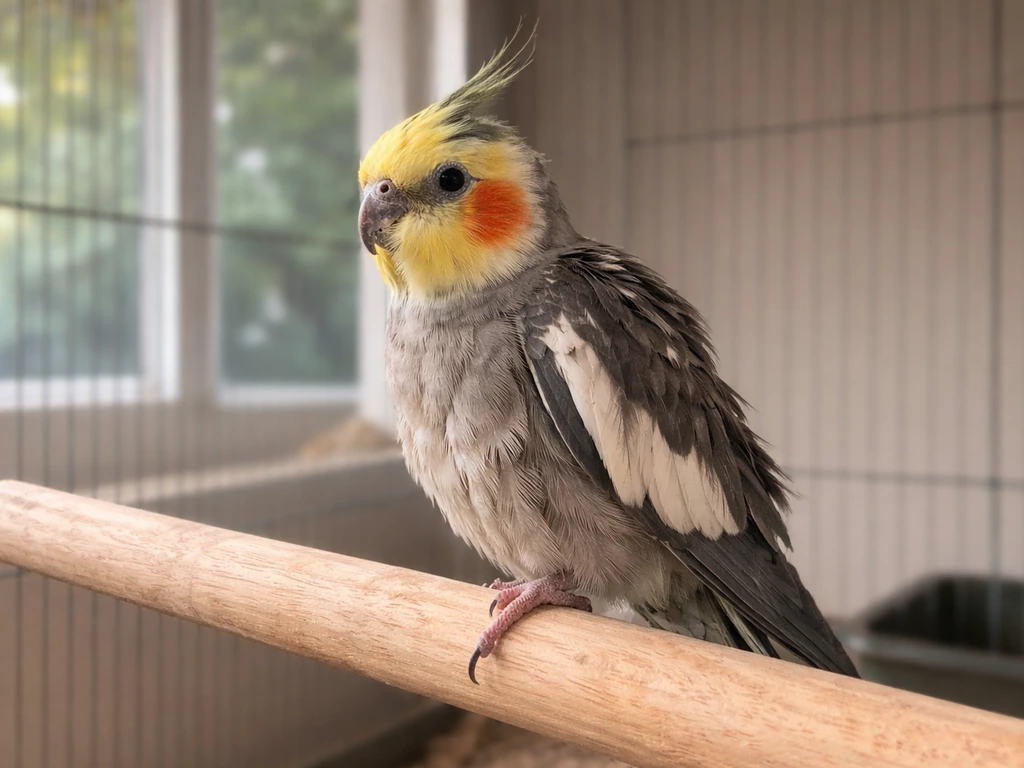
- Feather plucking that draws blood needs prompt veterinary attention to rule out medical causes
- Uneven feather growth or bleeding feathers (blood feathers) are also vet-worthy symptoms
- Chronic stress signals include night fright episodes, screaming for extended periods, repetitive cage-pacing, and fear reactions to previously neutral stimuli
- Review environmental stressors: new pets, loud sounds, relocated cage, inconsistent handling schedule, or a nearby cat or dog staring at the cage
Respiratory red flags
- Open-mouth breathing, tail bobbing while breathing, clicking or wheezing sounds, and labored breathing are all emergencies
- Discharge from the nostrils is another immediate vet sign
- Check for kitchen fume exposure, especially from non-stick pans, aerosol sprays, scented candles, or air fresheners near the cage
Enrichment, exercise, and keeping development on track
A cockatiel that's physically healthy but bored will develop behavioral problems: excessive screaming, feather destruction, aggression, or over-bonding to one person. If you plan to take your bird outside, leash training can also be a form of enrichment, but only introduce it with patience and bird-safe safety practices Enrichment is not optional. Enrichment is not optional, it's a health requirement.
Rotate toys every week or two so novelty stays high. Cockatiels enjoy shreddable toys (palm leaf, cork, paper), foraging puzzles where food is hidden or wrapped, bells, and mirrored toys (though mirrors can encourage obsessive behavior in some birds, so watch for that). Foraging, which means making the bird 'work' to find food the way it would in the wild, is one of the most effective enrichment tools available. Wrap pellets in paper, hide treats in cardboard tubes, or use a foraging toy designed for small parrots.
For flight exercise, cockatiels benefit from daily free-flight time in a safe, bird-proofed room. Before any out-of-cage time, check for ceiling fans (off and ideally locked), mirrors and windows (covered or marked so the bird doesn't fly into them), open toilets, other pets, and any toxic houseplants within reach. If you’re curious how a cat catches a bird, safe bird-proofing and supervision during out-of-cage time are the key defenses how does a cat catch a bird.
If you also have a cat, keep collars and any dangling accessories safely out of reach or choose a bird-safe setup to prevent accidental harm how to make a bird safe cat collar. If you want to take your cockatiel outside safely, learn how to put a leash on a bird so you can practice short, controlled sessions in a calm environment.
If the bird's wings are clipped, it can still glide and exercise, but make sure there are no high drops that could cause an injury on landing.
As your bird becomes more comfortable being handled and stepping up reliably, you can begin working on more advanced behaviors like targeting, recall training, and eventually wearing a harness for supervised outdoor time. These skills build directly on the trust and step-up foundation you established during taming.
When to call an avian vet, and the ethical side of breeding
Non-negotiable vet situations
Beyond the annual wellness exam that every cockatiel should have, certain symptoms always require a vet call rather than home management:
- Open-mouth breathing, labored breathing, or tail-bobbing while at rest
- Rapid weight loss (a gram scale used weekly is genuinely useful here)
- Loss of appetite lasting more than 24 hours
- Feather plucking that draws blood, bleeding feathers, or abnormal feather growth
- Nasal discharge or crusty nares
- Crop not emptying in a hand-fed chick within 3 to 4 hours
- Lethargy, puffed feathers, or sleeping on the cage floor during the day
- Vomiting (not normal bonding-related regurgitation) that is excessive, ongoing, or accompanied by other symptoms
- Any injury, including bleeding, broken feathers, or suspected collision trauma
Annual wellness exams are a baseline, not a ceiling. New birds should ideally see an avian vet within the first week of coming home, both to establish a baseline weight and to catch any problems that weren't visible at purchase.
Breeding, hand-feeding, and ethical considerations
If your interest in 'growing' cockatiels extends to breeding them, that's a serious undertaking that requires honest self-assessment. Hand-feeding chicks carries significant welfare risks when done by inexperienced handlers, including crop burns, aspiration, and stress-weaning. There are also documented ethical concerns around the practice of selling unweaned chicks, which shifts the medical risk and weaning responsibility onto buyers who may not be equipped for it. Most avian welfare organizations advise that unweaned birds should not be sold, and many reputable breeders refuse to do so.
In the United States, birds bred in captivity for sale are subject to oversight under the Animal Welfare Act framework, and local regulations vary. Before breeding cockatiels, research your local laws, connect with an avian vet who can guide you through the process, and be honest about whether you have the time, equipment, and expertise to safely raise chicks before attempting it. The birds' welfare depends on that honesty.
If at any point circumstances change and you can't provide appropriate care, rehoming through a reputable avian rescue or shelter is a responsible choice. Cockatiels can live 15 to 25 years, and finding them a good home is a legitimate, humane option when the alternative is inadequate care.
FAQ
Can I grow my cockatiel faster by housing it with another bird or letting it learn from older birds?
Yes, but it should happen only after your cockatiel is fully weaned and reliably eating on its own. If you need to separate birds or plan a supervised introduction, start with cage-to-cage contact for short periods so each bird can observe without crowding. Avoid placing two birds together if either one is underweight, sick, or overly young, since young birds can be bullied and underfed.
How do I know when it is safe to reduce formula during weaning?
For weaning birds, the main goal is to ensure the crop empties normally and that the bird is taking a meaningful amount of solid food, not just sampling it. If you are moving formula down, reduce gradually and watch body weight, crop emptying consistency, and droppings. If the crop stays full, droppings change drastically, or the bird becomes lethargic, stop the reduction and contact an avian vet.
My cockatiel bites immediately when I put my hand in. What should I change in the routine?
In daily handling, the “right” amount of eye contact is minimal at first, and the key is to use a calm, predictable approach. When you introduce your hand, pause if the bird escalates to lunging or sustained fear cues, and try again later with a lower-pressure session. If biting happens during every session, it often means the interaction pace is too fast, not that the bird is being “bad.”
How can I tell the difference between a normal molt and a health problem like mites or stress feather loss?
Feather loss can be normal during molt, but you should not ignore accompanying signs like thick crusting on skin, scale-like buildup, strong odor, blood, repeated “hiding” behavior, or sudden lethargy. Also, severe feather destruction plus nonstop screaming can indicate stress or insufficient enrichment, not just molt. If you see changes to appetite, weight, breathing, or droppings, treat it as a medical issue and call an avian vet.
What is the safest way to handle nighttime lighting for a cockatiel that gets night fright?
Yes, and it is safer than skipping it. A low, steady night light helps prevent night frights, and you can also reduce triggers by keeping the room lighting consistent and avoiding late-night door slams or sudden bright flashes. Do not use harsh red or blue lights, and keep the night light dim enough that it does not fully disrupt sleep patterns.
My cockatiel seems unusually quiet and fluffed up. What are the first checks before assuming it is “just resting”?
Start by checking the obvious environmental cause: drafts, overheating, and cage placement near AC vents or exterior windows. At the same time, check diet completeness, since an all-seed diet can worsen general health and energy levels. If the bird is fluffed, not interested in normal activities, has nasal discharge, or shows breathing changes, do not wait. Call an avian vet to rule out infection or systemic illness.
What should I do if a hand-fed chick’s crop looks full right at feeding time?
If you suspect crop stasis or formula-related issues, do not try to “fix it” with extra feedings. The article’s safety rule is to ensure the crop empties before the next feeding, and if it is still full, contact an avian vet. Also stop attempting feeds immediately if there are aspiration red flags like coughing, weak gape response, or formula bubbles around the beak.
What household products and air exposures are most likely to harm a cockatiel?
Do not use standard household cleaners, scented sprays, or aerosol products near the cage. Many invisible residues and fragrances irritate the respiratory system, and kitchen fumes are an additional major risk. If you must clean, use bird-safe methods like warm water and mild, fragrance-free soap on cage components, rinse thoroughly, and keep fumes away while the bird is in a separate well-ventilated area.
If I want natural light benefits, is it enough to place the cage near a window?
You can use a full-spectrum lamp, but it should be positioned to avoid overheating and direct glare. Since glass filters UV, rely on the lamp rather than the window for full-spectrum benefit. Also provide shaded retreat space, because even beneficial light should not force the bird to stay in direct, unrelieved brightness.
When is a good time to start harness training, and how do I prevent panic during the first tries?
Yes, but only with the bird’s consent signals and safety checks. Wait until the bird regularly steps up and is calm with your hand near the body. For harness use, introduce it gradually (short sessions while the bird is comfortable), and avoid taking it outside until the bird can maintain relaxed behavior in a calm indoor setting first. If your bird becomes intensely panicked, the harness introduction is too fast and should be paused.
Next Articles
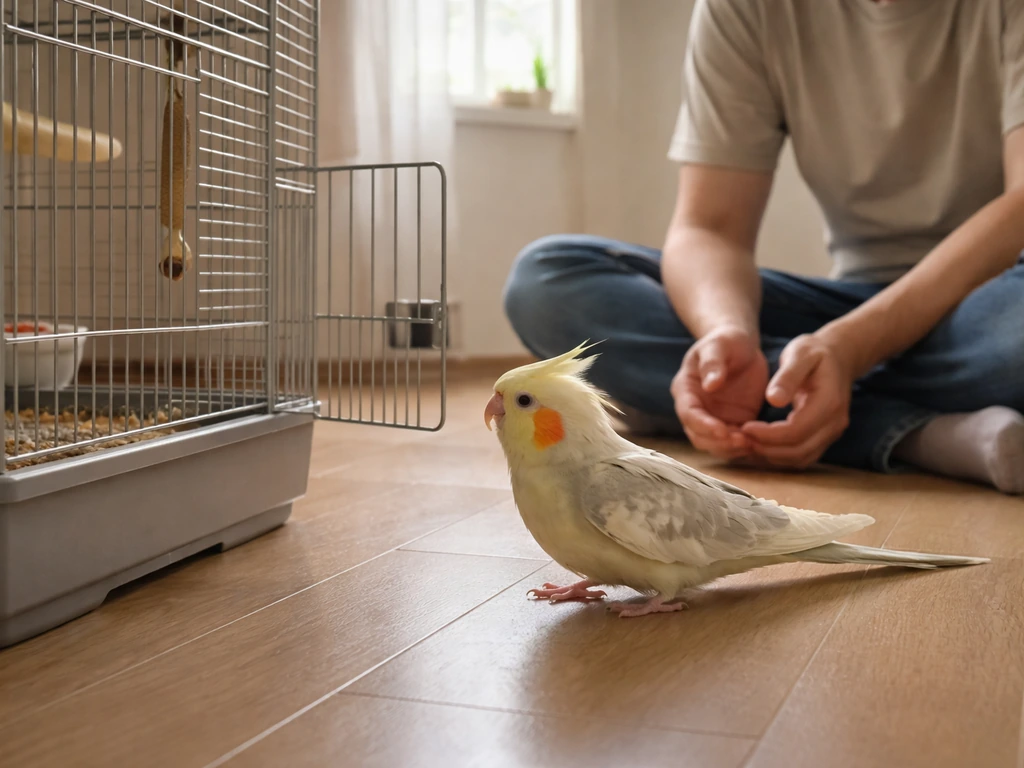
How to Catch a Cockatiel Safely: Step by Step Guide
Humane step-by-step guide to catch an escaped cockatiel safely: lure, trap, handle, avoid panic, and get next care fast.
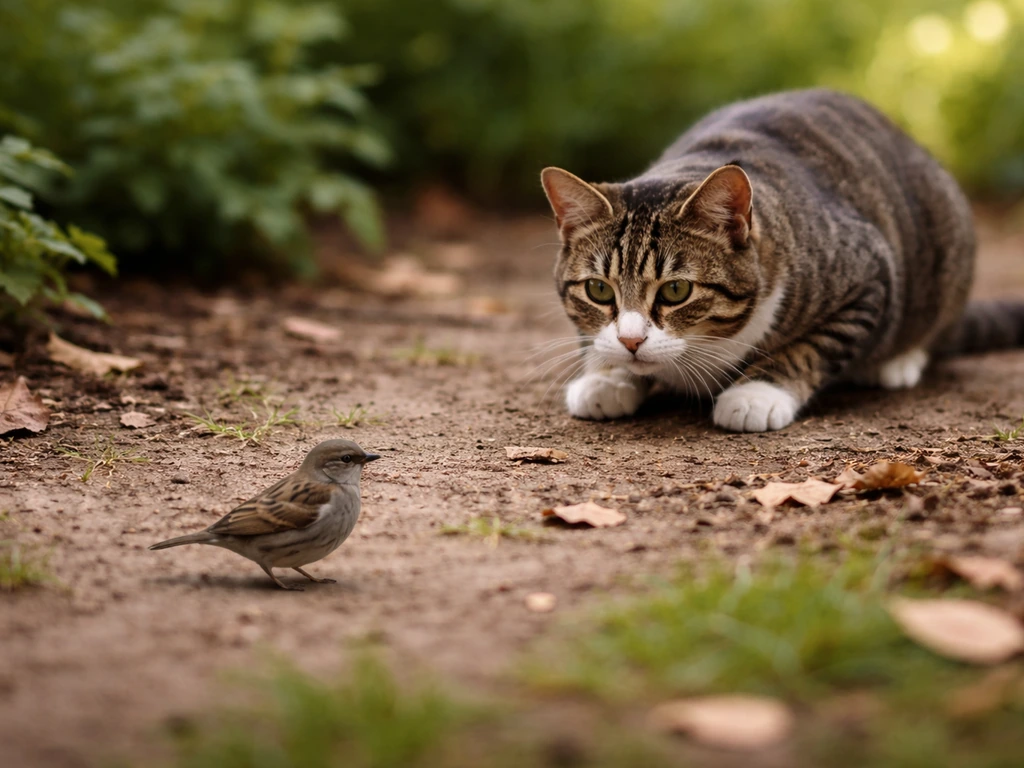
How Does a Cat Catch a Bird and How to Prevent It
Learn how cats hunt and pounce birds, plus step-by-step humane prevention for homes, yards, and pet birds.
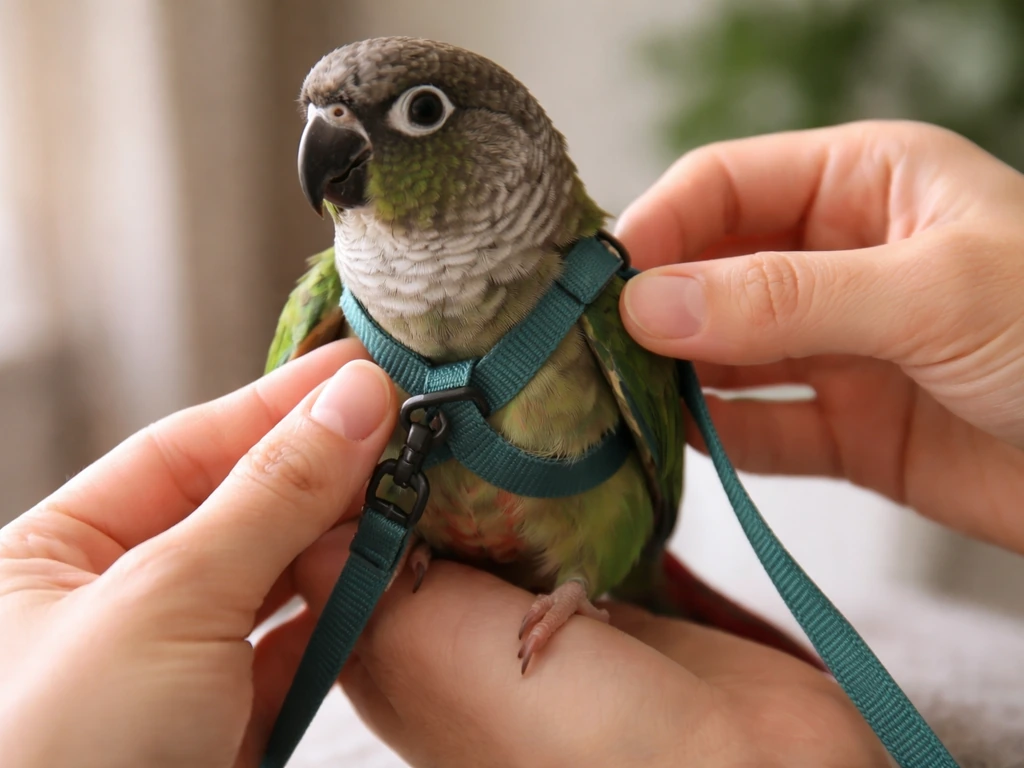
How to Put a Leash on a Bird Safely Step by Step
Safety-first step by step guide to fit a bird harness leash, choose size, train calmly, and troubleshoot panic.