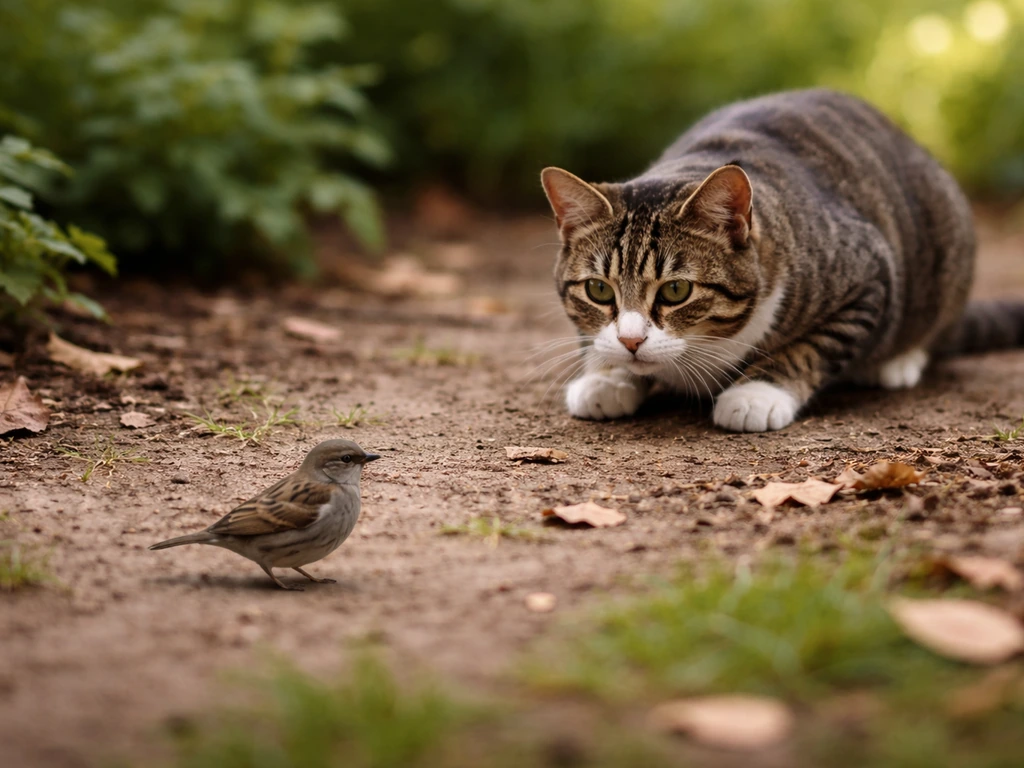
If your cockatiel is loose right now, stop moving, lower yourself to the bird's level, and speak softly. The single biggest mistake people make is chasing the bird, which burns precious time and causes panic. Instead, stay still, offer food from your hand or a familiar dish, and let the bird come to you. That strategy works for a loose bird inside your home, in your yard, or in a neighbor's tree, and I'll walk you through every step below.
How to Catch a Cockatiel Safely: Step by Step Guide
Clara Hayes
19 May 2026
First: figure out exactly which situation you're in
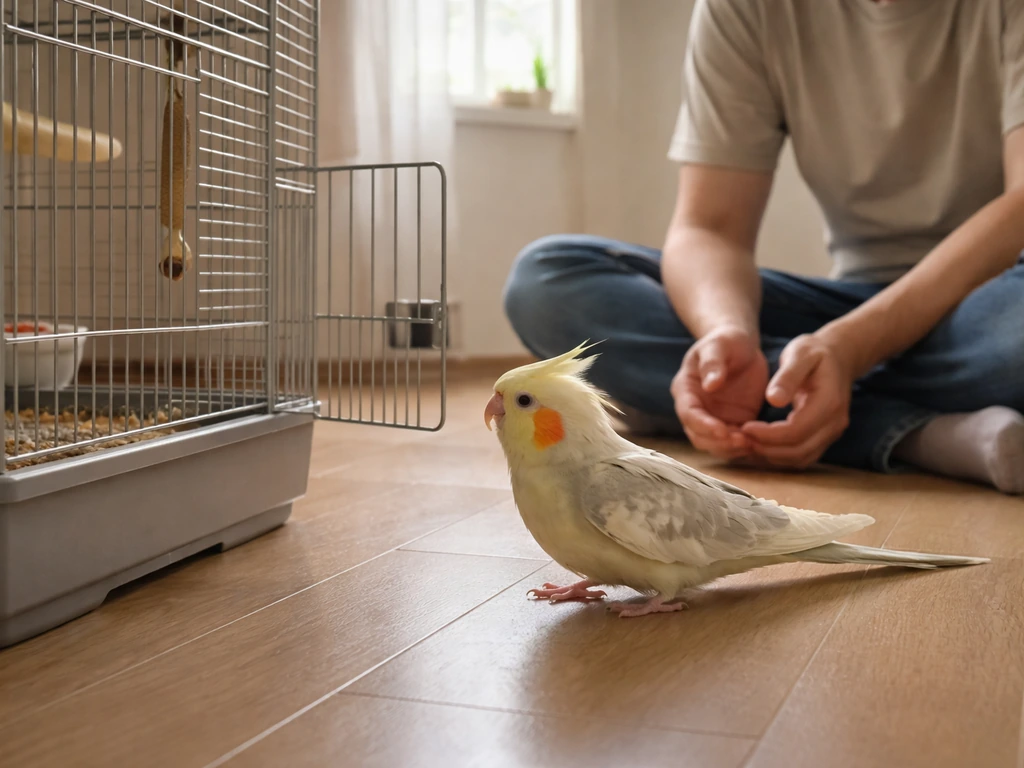
Your approach depends on two things: whether this is your own tame bird or a stranger's pet, and where the bird is right now. A hand-tamed cockatiel that escaped this morning will respond very differently to you than a bird that has been loose for days and is now frightened and exhausted. A bird that looks like a cockatiel but has no leg band and was not recently reported missing could be a long-escaped feral bird with little human socialization.
Cockatiels are not native to North America or Europe, so any cockatiel you spot outside is a pet or a descendant of pets, never a true wild bird. That distinction matters because it means you are always dealing with a domestic animal that can legally be caught and rehomed, not a protected wild species.
- Your own pet cockatiel escaped: you have a significant advantage because the bird recognizes your voice, your smell, and your home. Move to the luring section immediately.
- Someone else's lost cockatiel found in your yard: treat it gently as a stressed, potentially dehydrated bird. Check for a leg band, post on local lost-pet groups, and use the same luring steps below.
- A cockatiel that has been outside for more than 24 hours: it may be sunburned, dehydrated, or injured. Prioritize calm capture and a vet check before anything else.
- You are not sure if it's a cockatiel: cockatiels are about 12 inches long, have a distinctive crest, orange cheek patches, and a long tapered tail. If the bird looks different, don't assume it's safe to catch without checking local wildlife rules.
Set up a safe space before you do anything else
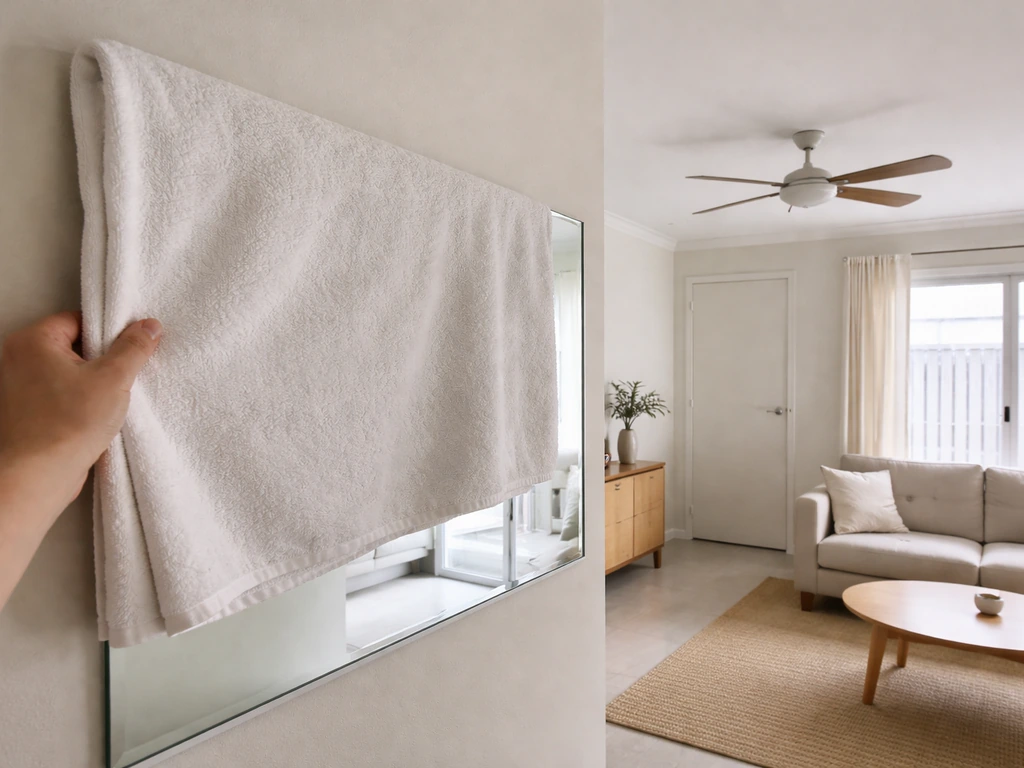
If the bird is inside your home, secure the space first. Close all windows, doors, and ceiling fans. Cover mirrors and glass doors with a sheet or towel so the bird doesn't fly into them at speed. Turn off any open flames on the stove and remove other pets, especially cats and dogs, from the room entirely.
To keep everyone safe, this is also where you can think about preventing accidental contact, similar to how to make a bird safe cat collar especially cats. If a cat is nearby, you can think through how predators typically behave so you can remove the risk and keep the bird safe. Dim the lights slightly if the bird is very agitated, because lower light levels naturally calm birds and reduce frantic flying.
You want the bird to land somewhere predictable, so clear flat perch-like surfaces: the back of a sofa, a bookshelf, or a curtain rod.
If the bird is outside, your priority is containment before it moves farther away. Note exactly where it is, then have one person stay in visual contact while another person gathers supplies: the bird's cage, a favorite treat, and a towel. Do not let the bird out of sight even for a moment. If you lose visual contact with a cockatiel outdoors, your odds of recovery drop significantly.
What to have ready before you approach
- A small, secure travel carrier or the bird's own cage (the familiar cage is often the most powerful lure you have)
- Millet spray, a piece of warm corn, or whatever treat the bird goes crazy for
- A soft hand towel or small fleece square
- A backup container: a shoebox with air holes punched in the lid and lined with a paper towel or soft cloth works well for emergency transport
- Your phone for playing cockatiel contact calls or the bird's own whistles if you have a recording
Luring the bird to you without triggering a chase
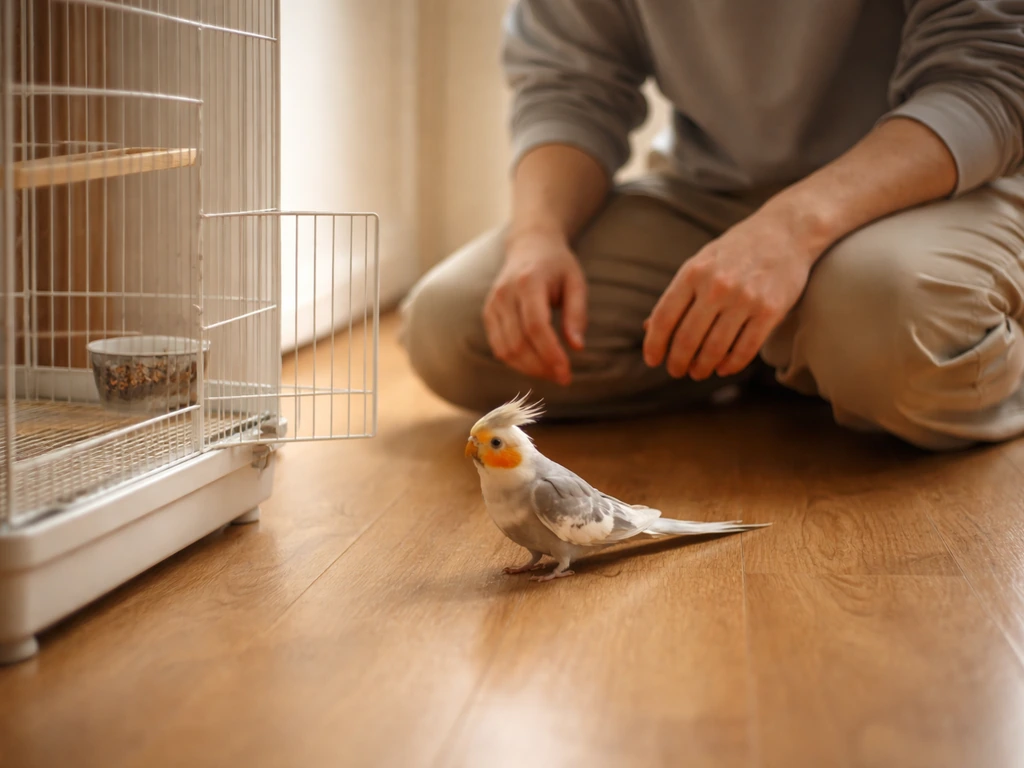
Luring is always safer than grabbing. A cockatiel that chooses to come to you is a calm bird, and a calm bird is far easier to handle without injury to itself or to you. The core principle is to make yourself boring and the food irresistible.
- Sit or crouch on the floor at the bird's level. Standing over a bird feels like a predator approach and will keep it moving away from you.
- Extend your hand with millet or a treat held loosely. Don't wave it or thrust it toward the bird. Hold it still and let the smell and sight do the work.
- Talk in a low, steady, familiar tone. Use the bird's name if you know it. Repeat phrases the bird has heard before, like its favorite song or a word it knows.
- If you have a recording of the bird's own contact calls or a cockatiel flock call on your phone, play it softly. Birds have a strong instinct to respond to contact calls, especially when they feel isolated.
- Place the bird's cage nearby with the door open and fresh food inside. Many escaped cockatiels walk back in on their own once they calm down.
- Be patient. A single 20-minute calm session often outperforms an hour of frantic chasing. If the bird is not approaching, stop, leave the room or yard for five minutes, and try again.
For an outdoor bird, the same rules apply but you are fighting a bigger environment. Set the cage at ground level in the bird's line of sight, load it with food and a water dish, and then back away at least 10 to 15 feet. Some people leave the area entirely and watch from a window or around a corner. Cockatiels are flock birds and feel much safer when they can observe a situation without a human looming nearby.
How to actually catch the bird once you're close enough
The step-up method (best for a tame bird)
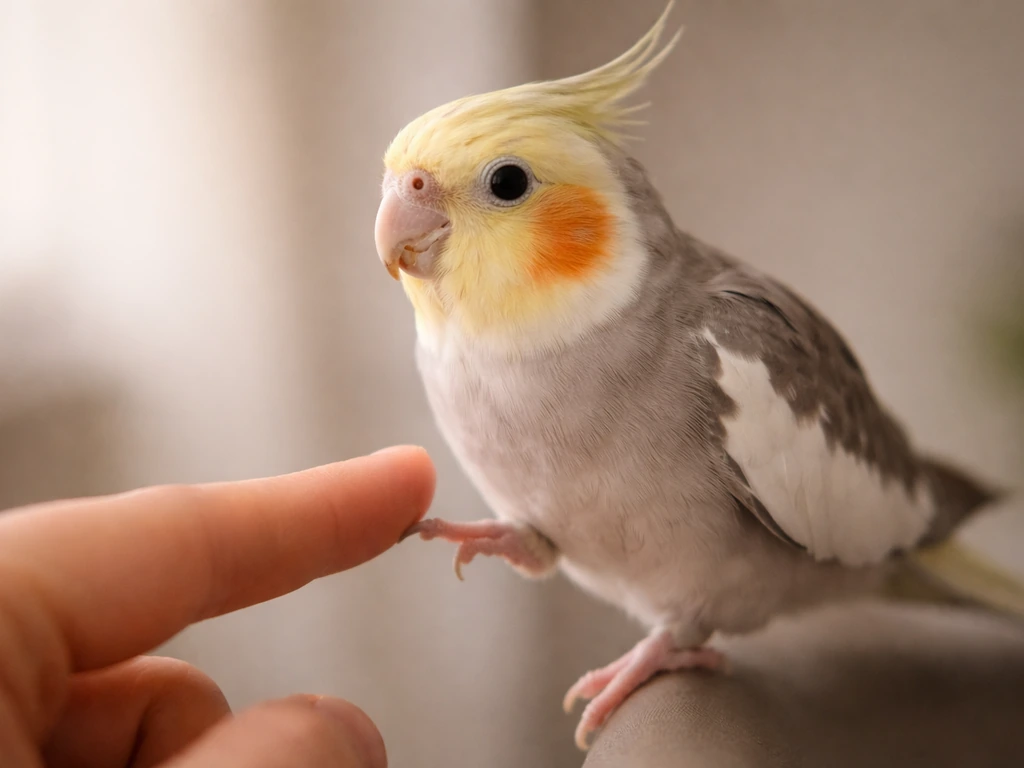
If the bird is tame and you've gotten within arm's reach, use the step-up. If the bird is tame and you've gotten within arm's reach, use the step-up, and you can follow the same overall approach in how to pet a cockatiel bird for gentle, low-stress contact. Hold one finger horizontal and press it gently but firmly against the bird's lower chest, just above where the legs meet the belly.
Apply light upward pressure and say 'step up' in a calm voice. A bird that knows this command will step onto your finger almost automatically. Once it's on your hand, bring your hand slowly toward your body and cup your other hand loosely over the bird's wings to prevent a sudden flight. Don't squeeze, just create a gentle barrier.
The towel method (for a frightened or unhandled bird)
When a bird is too scared or unhandled to step up willingly, a soft towel is your best tool. Drape a small hand towel loosely over the bird in one smooth, confident motion. Don't hesitate or dab at it repeatedly, because a slow, uncertain approach is worse than a quick, decisive one. Once the towel is over the bird, use both hands to gently gather the bird through the fabric.
Hold the bird with your dominant hand wrapped around the wings and body, thumb and index finger supporting the head on either side without pressing on the throat. The towel prevents bites and keeps the bird from seeing your hands, which reduces panic significantly. Keep the bird upright, not on its back.
Cornering a bird on the ground or low perch
If the bird has landed on the ground and appears tired, move very slowly toward it at an angle rather than head-on. Head-on approaches trigger flight. Approach from the side or slightly behind, stay low, and use the towel method as soon as you are within reach. If two people are available, one can gently herd the bird toward a corner or a piece of furniture while the other waits calmly with a towel or the open cage door nearby.
What not to do
- Do not chase the bird from room to room or tree to tree. You will exhaust it and yourself, and a panicked bird can fly into walls or windows.
- Do not use a net unless the bird is injured and cannot be approached any other way. Nets frequently cause feather damage and can injure wings.
- Do not turn the lights off completely to catch the bird in the dark. Some guides suggest this, but a bird that can't see can still thrash and injure itself.
- Do not grab by the tail or wing. You can pull feathers out or break bones.
- Do not spray water at the bird to ground it.
Handling, transport, and keeping the bird calm after capture
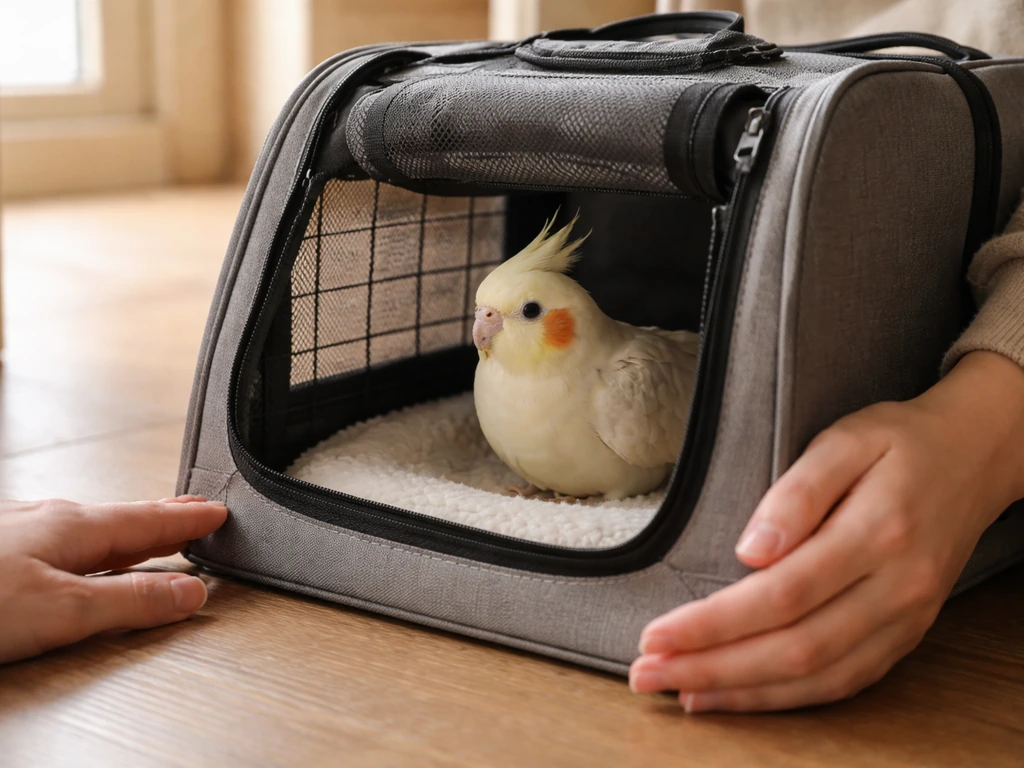
Once you have the bird in hand, the next few minutes matter a lot. Keep your movements slow and deliberate. Speak quietly and avoid sudden noises. Transfer the bird into its cage or a secure travel carrier as smoothly as possible.
Once the bird is settled in a carrier, you can focus on how to put a bird harness on a cockatiel safely and comfortably secure travel carrier. If you don't have a proper carrier, a shoebox works for short transport: punch air holes in the lid, line the inside with a paper towel or soft cloth, and place the bird inside.
If the bird is injured or orphaned with obvious injuries, Audubon recommends securing it in a ventilated box or bag with air holes and keeping it in a quiet place for about one hour before contacting a wildlife rehabilitator if it does not fly away secure it in a ventilated box/bag with air holes.
Treat an unknown bird as potentially wild or injured first by placing it in a well-ventilated, secure container and keeping it calm, rather than repeatedly trying to handle it while it is stressed place it in a well-ventilated, secure container and keep it calm. Keep the box in a warm, quiet spot.
Tufts Wildlife Clinic also advises keeping a found bird in a warm, quiet spot to reduce stress after capture. Birds lose heat quickly when stressed, so aim for a room temperature around 75 to 80 degrees Fahrenheit, or wrap a heating pad set on low underneath one half of the box (not the whole bottom, so the bird can move away from heat if needed).
Once contained, leave the bird alone for at least 30 minutes. Resist the urge to keep checking on it or talking to it constantly. Once the bird is calm, you can start gentle routines for how to train cockatiel bird to talk. Darkness and quiet are genuinely calming for birds, which is why a covered cage works so well. After the bird has settled, offer fresh water and a small amount of familiar food. Watch for signs that it's reorienting: standing upright, preening, or beginning to eat are all positive signals.
For transport to a vet or new location, keep the carrier covered with a light cloth and avoid loud music or sudden temperature changes. Car vents blowing directly on a bird can cause respiratory stress. A 30-minute car ride in a covered, ventilated box is usually fine as long as the temperature inside stays stable.
When things aren't going smoothly
The bird keeps flying away every time you get close
Stop approaching and go back to luring. The bird is too stressed to accept contact right now. Place the cage or food source and walk completely out of the space. Come back in 10 to 15 minutes. Repeat this cycle. Most cockatiels will settle within one to two hours if no one is chasing them. If it's been more than two hours with zero progress indoors, dim the lights to about 30 percent of normal and try again. Outside, if dusk is approaching, cockatiels instinctively seek shelter and may become more approachable as light fades.
The bird is biting or hissing when you try to handle it
A biting cockatiel is a scared cockatiel, not an aggressive one. Use the towel method rather than bare hands. If you must use bare hands, accept that you will probably get bitten, wear thin gloves for protection, and still prioritize a smooth and confident motion over a hesitant one. Never pull away sharply when bitten, because this can injure the bird's beak. Stay still for a moment, then continue the movement calmly.
The bird escaped again immediately after capture
This usually means the transfer from hand to cage was too slow or the cage door was not positioned correctly. Practice the motion before you catch the bird: hold the carrier with the door open, imagine where your hand will enter, and run through the sequence in your head. When you do have the bird in hand, move directly and without hesitation to the open cage door. Don't pause to show other people the bird or to inspect it first.
The bird has been outside overnight or longer
A bird that has spent a night outside may be cold, dehydrated, or weakened by stress. To learn the daily routine and essentials for long-term care, see our guide on how to grow cockatiel bird A bird that has spent a night outside may be cold, dehydrated, or weakened by stress. .
If it's sitting low to the ground and not flying away when you approach, it is likely in distress and you can pick it up more easily, but that ease of capture is a warning sign, not good luck. Wrap it gently in a cloth, place it in a warm, dark container, and go to an avian vet the same day. Don't try to force food or water into a bird that can't stand on its own.
After you've caught the bird: what comes next
Basic health check
Once the bird has calmed down (usually after 30 to 60 minutes of quiet rest), do a quick visual check. Look for cuts, blood, or feathers that are stuck together, which can indicate a wound. Check the wings by letting the bird perch and watching whether both wings sit symmetrically at rest. Check the feet for swelling. Listen for any clicking, wheezing, or labored breathing. Any of these signs warrant a same-day call to an avian vet.
Legal and ethical considerations for found birds
If the bird is not yours, you have an ethical and in some places a legal responsibility to try to find its owner before keeping it. Post photos on neighborhood apps like Nextdoor, check local Facebook lost-bird groups, and contact your local humane society or parrot rescue. Cockatiels can live 15 to 25 years, so the person who lost this bird is probably devastated. A leg band will have an ID number you can trace through bird registries. If no owner comes forward after a reasonable search period (usually 30 days in most jurisdictions), contact a local parrot rescue about rehoming or adoption.
Preventing the next escape
Most cockatiels escape through an open door or window, often because someone in the household didn't know the bird was out of its cage. A simple house rule: always check for the bird before opening any exterior door. Clip the bird's flight feathers if it is not going to be flown outdoors intentionally (talk to your vet about how much to trim so the bird can still glide safely to the floor). If you want your cockatiel to have outdoor time, a properly fitted harness is the safest option, and learning to harness-train your bird is well worth the few weeks of practice it takes.
When to call a professional
- The bird has been outside for more than 24 hours and shows signs of injury or weakness.
- You cannot get within 10 feet of the bird despite multiple calm attempts over several hours.
- The bird is in a location you cannot safely access, such as a rooftop or high tree with no nearby landing perch.
- The bird is showing labored breathing, bloody discharge, or cannot perch on its own.
- You suspect the bird may be ill rather than just escaped.
In those cases, contact a local avian vet, a parrot rescue group, or a licensed wildlife rehabilitator. Rehabilitators deal with escaped pet birds regularly and often have humane trap options and experience coaxing frightened birds down from height. You can also reach out to online communities like cockatiel owner forums where members sometimes organize local volunteer search parties for lost birds. The sooner you ask for help, the better the outcome.
FAQ
What should I do if my cockatiel keeps climbing higher and I cannot get close enough to use the step-up or towel?
Use the same luring idea, but switch your goal to moving the bird to you. Set the cage up below and within the bird’s line of sight, place favorite treats and water inside, and keep people at a distance so it feels no chase pressure. If it is perched high outdoors, consider contacting an avian vet or a parrot rescue for professional help rather than attempting to reach or use a net.
Is it ever okay to use a net to catch a cockatiel?
Generally, no. Nets and quick scooping motions tend to trigger panic and can cause wing or beak injuries. If the bird will not step up, the lower-stress option is a towel capture, or waiting it out with food and a door-open cage so it chooses to enter.
How do I lure a cockatiel if it will not eat from my hand or refuses treats completely?
Try a familiar dish the bird already associates with feeding, and place it closer to the cage than to you. Increase success by reducing movement and sound, dimming lights if the bird is agitated, and positioning your body low and off to the side. If it still will not take food, focus on containment and calm rest, then offer water once the bird is settled.
What if the bird is wet, tangled in something, or has something stuck on its body?
Do not yank or try to free it while it is struggling. Increase control by containing the area, then contact an avian vet or wildlife rehabilitator for guidance. If you must stabilize briefly to prevent worsening injury, use gentle support with a towel and keep the bird upright, then get professional help immediately.
How long should I wait before changing tactics indoors?
If you have made no progress within about two hours indoors, dim the lights to around 30 percent and restart with luring. If you are still unable to get it after that, keep the bird’s environment calm and ask for help from a local parrot rescue or avian vet, since repeated chasing attempts often prolong panic.
A neighbor’s cockatiel landed on my property, how can I tell if it is tame or feral enough to approach?
Use behavior, not appearance, to judge risk. A tame bird often shows curiosity and may move toward you when food is offered, while a long-escaped or feral bird may freeze, stay low in cover, or avoid human presence. Regardless, prioritize distance and containment, and avoid grabbing until you are confident it is calm or you can use the towel method safely.
What should I do if my cockatiel bites during the capture attempt?
Treat it as fear, not aggression. Switch to the towel method to reduce direct hand exposure, avoid jerking away if you are bitten, and keep the capture motion smooth and confident. Afterward, check for any mouth or beak injury and monitor breathing and ability to perch, then contact an avian vet if anything seems off.
What is the safest way to prepare a travel carrier before I actually catch the bird?
Stage it in advance so there is no fumbling mid-capture. Have the carrier on a stable surface near the bird, open the door fully, and keep one person ready to transfer immediately once the bird is in hand. If using a covered shoebox temporarily, ensure air holes are in place and keep the bird in a warm, quiet area without crowding or constant opening.
Can I transport the bird right away after capture, or should I wait?
If the bird is alert and breathing normally, transfer to the carrier promptly but still do it smoothly. If it seems exhausted, injured, or unusually quiet, give a short period of quiet rest in a covered carrier first (about 30 to 60 minutes), then reassess. If you hear wheezing, clicking, or see signs of trauma, call an avian vet the same day.
What room temperature is safest while the bird is recovering in the carrier?
Aim for room temperature similar to typical indoor comfort, roughly the mid to upper 70s Fahrenheit. Avoid placing heat directly under the entire bottom, instead heat only one side or use partial placement so the bird can move away if it gets too warm.
Should I cover the cage or carrier while I’m trying to catch the bird?
Once you have containment and the bird is inside the carrier or cage, covering helps reduce visual stimulation and frantic movement. While actively trying to lure it, prioritize predictable landing surfaces and open access to the cage, then use partial darkness or lowered lights only if the bird appears highly agitated.
What are signs I should stop trying to catch the bird and get professional help?
Stop and contact an avian vet or parrot rescue if the bird is visibly injured, cannot perch or stand normally, is severely overheated or chilled, has labored breathing, or keeps collapsing or thrashing in a way that suggests an urgent medical issue. In those cases, improvised capture attempts can worsen injuries.
Next Article
How Does a Cat Catch a Bird and How to Prevent It
Learn how cats hunt and pounce birds, plus step-by-step humane prevention for homes, yards, and pet birds.