Talking to a bird doesn't mean teaching it to say "hello" (though that might come later). It means learning to communicate in a way the bird actually understands: through calm body language, well-timed sounds, and consistent behavior that tells the bird you're safe to be around. Whether you're working with a pet parrot, a shy budgie, or a wild songbird in your backyard, the core idea is the same. You meet the bird on its terms first, and then build a two-way exchange from there.
How to Talk to a Bird: Humane Step-by-Step Guide
Clara Hayes
3 Apr 2026
What "talking to a bird" actually means
Most people searching for how to talk to a bird are really asking: how do I get a bird to notice me, trust me, and respond to me? The answer involves three channels working together: sound, body language, and proximity. Birds are wired to read all three simultaneously, which is why a person who says the right words while leaning forward too fast or making eye contact too intensely will still get a frightened bird. Understanding how to communicate with a bird means accepting that the bird sets the pace and defines what "friendly" looks and sounds like.
Sound is one part of it. Birds use calls to signal safety, alert to danger, invite contact, and reinforce bonds. When you mimic those sounds at the right moment, or respond to a bird's call with a matching tone, you're participating in a conversation it already knows how to have. Body language is just as important: posture, eye contact, the speed of your movements, and even your breathing rate all communicate intent. Trust-building is the third layer, and it takes the most time. It's not a technique so much as a pattern of repeated, low-pressure interactions that accumulates into familiarity.
Before you start: reading mood and setting up the space
The single most important skill you can develop before attempting any communication is reading a bird's current emotional state. Trying to interact with a stressed or threatened bird is counterproductive and can set back weeks of progress. According to veterinarian Laurie Hess, DVM, growling, snapping, and lunging are clear signals the bird needs to be left alone to calm down. Tail flaring, crest changes (in crested species), and aggressive vocalizations all say the same thing: not now. If you see any of these, walk away calmly and try again later.
A bird that's ready for interaction looks loose and relaxed: feathers slightly puffed but not slicked down, movement that's curious rather than frantic, and soft or quiet vocalizations. Watch for a few minutes before you do anything. Observing movement, feather condition, and respiratory effort before approaching is the same protocol avian vets use before handling, and it works just as well in your living room or backyard.
Environment matters a lot. Keep the space quiet. Excessive noise, bright chaotic light, and unpredictable movement all increase cortisol in birds and make communication much harder. For pet birds, dim the room slightly, turn off the TV, and sit at the bird's eye level rather than standing over it. For wild birds, choose a calm time of day (early morning works well) and position yourself somewhere you can stay still for several minutes without fidgeting.
One more note: if you have any anxiety or tension around birds yourself, that's worth acknowledging before you start. Birds pick up on nervous energy through micro-movements and breath rate. If this is something you're working through, taking a look at how to overcome bird phobia might be a useful first step before you try to build a connection.
How to mimic bird communication: sounds, timing, and species
Birds communicate vocally in specific patterns, and matching those patterns (even roughly) signals that you're part of their world rather than a threat. The key variables are pitch, rhythm, and timing. You don't need to produce a perfect bird call. You need to produce something close enough, at the right moment, to trigger a response.
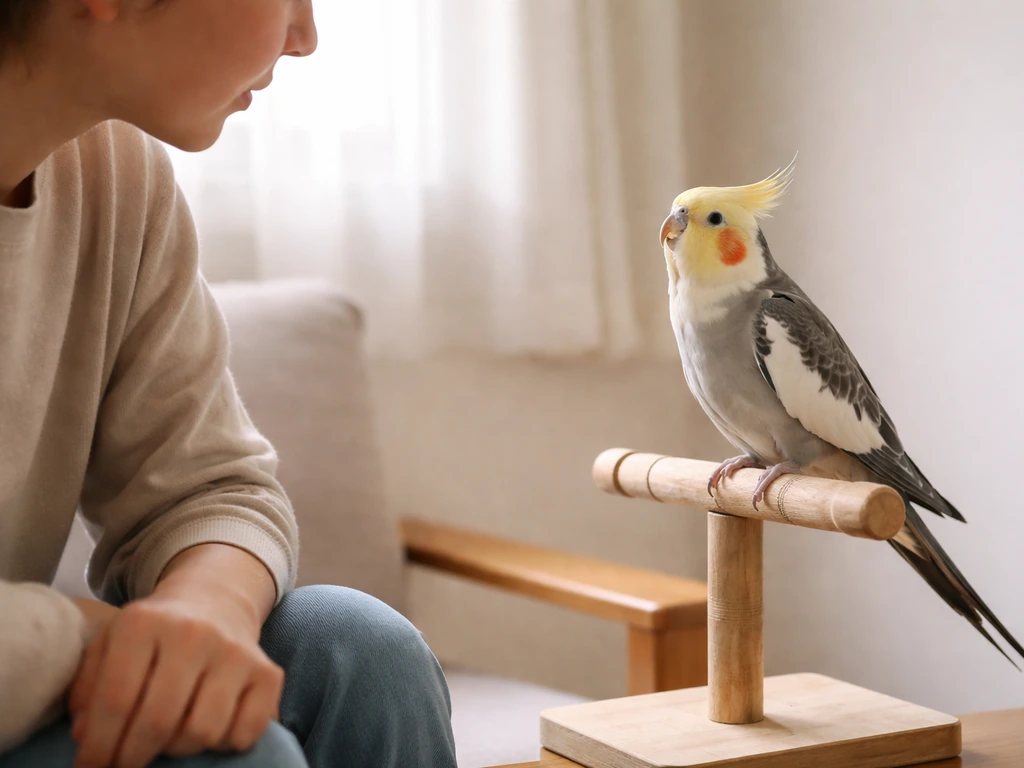
For pet parrots and cockatiels, short soft whistles and gentle murmuring tones work well as opening signals. Keep your voice low and unhurried. Avoid loud, sharp sounds or rapid changes in volume. With budgies, try repeating short simple phrases or words in a calm, consistent tone. Resources like BudgieBliss suggest starting with something as simple as the bird's name or "hello," said in the same tone each time, as an entry point for vocal interaction.
For wild backyard birds, timing matters more than your ability to reproduce a perfect call. Most songbirds respond well to quiet, patient presence and soft repetitive sounds. Pishing (a repeated "pssh-pssh-pssh" sound) is used by birdwatchers to pique curiosity, and it genuinely works with many small songbirds. Chip notes (short, sharp contact calls) can also prompt a response if you listen first and echo back what you hear. Wait for the bird to call, then respond with something similar in pitch and rhythm. The pause between call and response is part of the conversation.
Using call-and-response to build a real exchange
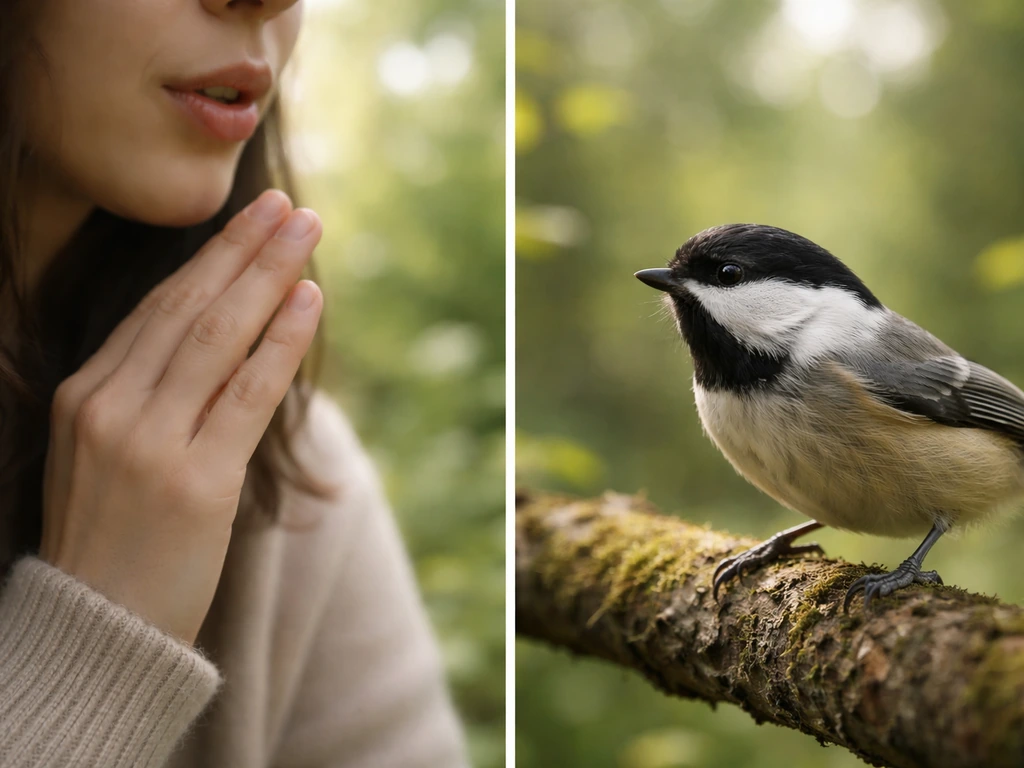
Call-and-response is the most natural form of bird communication, and it's the easiest way to get a bird to actively engage with you rather than just tolerate your presence. The idea is simple: the bird makes a sound, you respond with something similar, and the bird responds again. Over multiple sessions, the bird starts to anticipate your response and may even initiate the exchange.
To do this effectively, you have to actually listen and wait. A lot of people make the mistake of filling every silence with noise, which overwhelms the bird and gives it nothing to respond to. Offer a soft call, then go quiet. If the bird responds, echo it back with the same tone and length. If it doesn't, wait 20 to 30 seconds and try again. With pet birds, pairing a calm response to their vocalizations with something they already like (a treat, a gentle word) teaches them that engaging with you produces good outcomes.
Reinforcing calm behavior is equally important. When the bird sits quietly near you, makes soft contact calls, or turns toward you with a relaxed posture, acknowledge it with a quiet word or a small reward. This is the foundation of how to bond with a bird over time: every calm, positive interaction adds a layer of trust that makes the next one easier.
Species-specific guidance
Parrots and cockatiels
Parrots are vocal learners, which means they can genuinely pick up words and phrases and use them in context over time. But before any of that happens, you need to establish basic trust. Hands coming too fast or from above are a common trigger for fear responses, so keep your movements slow and lateral rather than dropping down from above. LafeberVet's guidance is clear: if you see any signs of fear, anxiety, or aggressive behavior, stop what you're doing immediately and adjust. Don't push past the bird's threshold. Clicker training works particularly well with parrots because the click marker gives the bird precise feedback about exactly which behavior earned the reward, making the learning loop much tighter.
With cockatiels specifically, keep taming and training sessions to 5 to 10 minutes at a time. Short sessions allow the bird to process what happened and come back refreshed rather than fatigued. Male cockatiels tend to be more vocal and outwardly social than females, so if your goal is a bird that actively engages in vocal exchanges, a male bird will often get there faster.
Budgies
Budgies are naturally social and curious, which works in your favor. They tend to respond well to repetitive, predictable vocal patterns. Use 5 to 10 repetitions of a short phrase per session, reward each correct response immediately, and run multiple short sessions across the day rather than one long one. Consistency is everything with budgies: same words, same tone, same timing. The more predictable you are, the faster they learn to predict what you'll do next, which is exactly what builds trust.
Finches
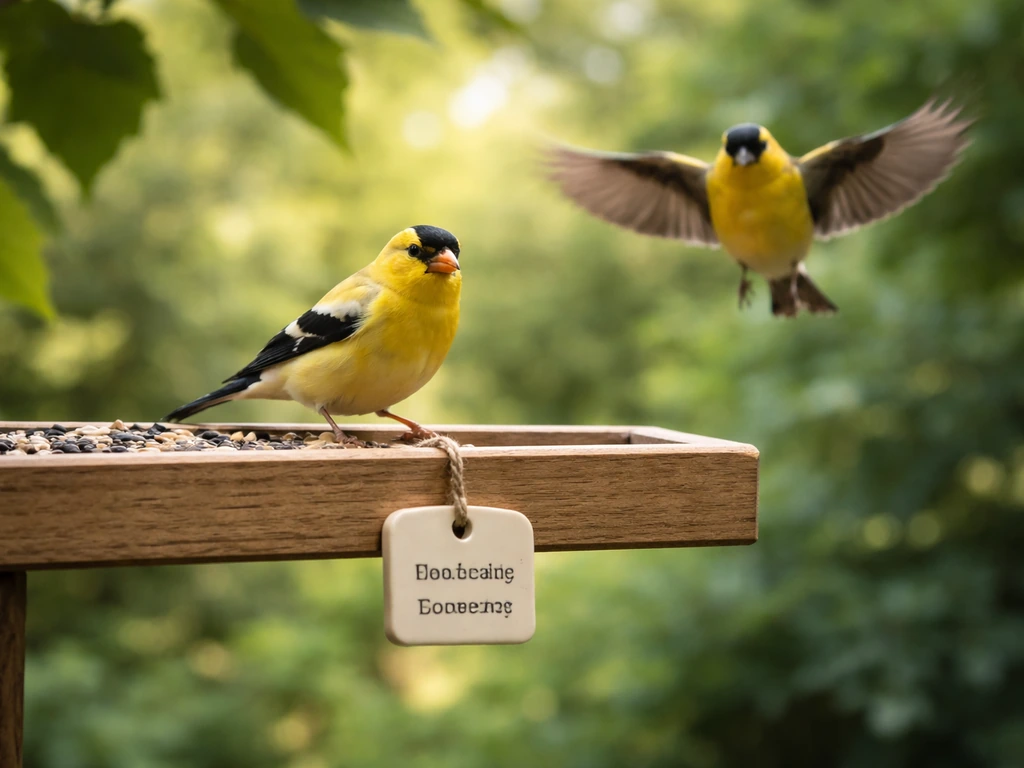
Finches are not typically hand-tamed in the same way parrots and budgies are, and most don't enjoy close physical contact. "Talking" to a finch looks more like creating a consistent, calm presence near their enclosure, speaking softly and predictably, and over time becoming someone they're not alarmed by. Vocal mimicry is less effective here. What works is a steady daily routine: same approach time, same soft greeting, no sudden movements. Finches communicate a lot through movement and song, so watching how they position themselves relative to you is the clearest signal of how comfortable they feel.
Backyard wild birds
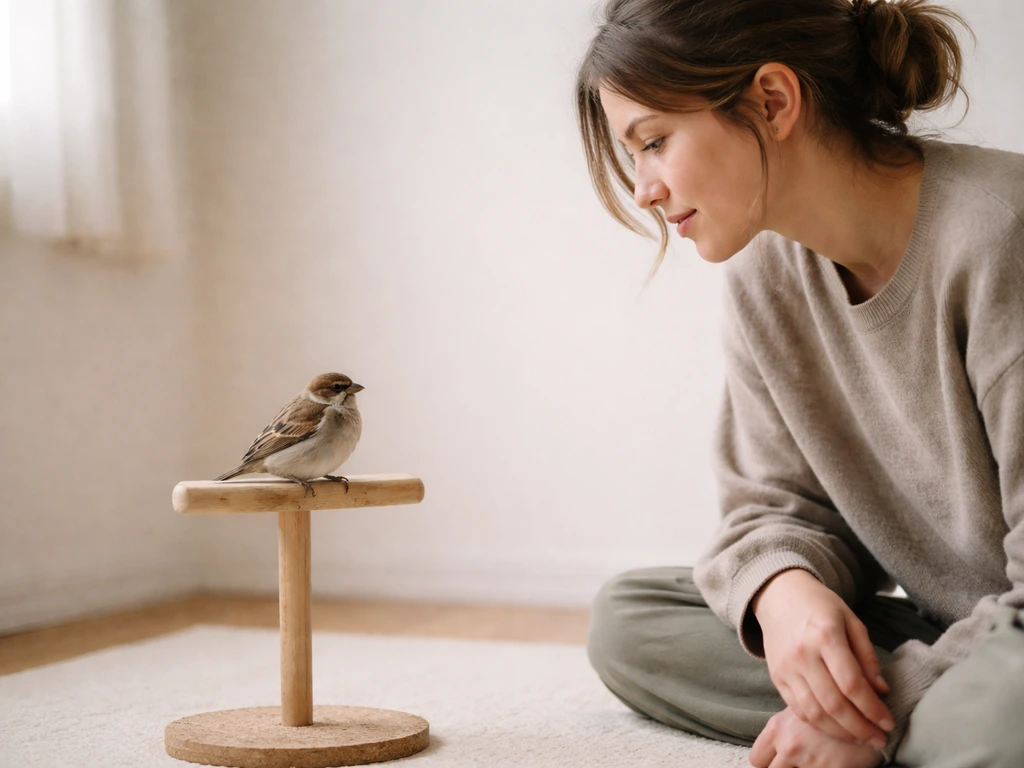
Wild songbirds, sparrows, jays, crows, and similar yard visitors can absolutely learn to recognize and approach specific people, but the process is mostly about making yourself a reliable, non-threatening presence over weeks and months. Placing yourself in the same spot at the same time each day, keeping still, and letting the birds come to you is more effective than any specific sound technique. Soft pishing and contact call echoing can spark curiosity in the short term, but familiarity is what keeps them coming back. If your goal is how to get close to a bird in a wild setting, patience and predictability matter far more than perfect mimicry.
Training steps that earn trust faster
For pet birds, the most reliable path to consistent engagement is a structured positive reinforcement routine. Continuous reinforcement (rewarding every correct response) is best when teaching a new behavior, because more frequent positive reinforcement increases the rate of the desired behavior faster than intermittent reward schedules. Once the behavior is reliable, you can shift to a more variable schedule to maintain it. The core steps for building a training routine look like this:
- Choose a quiet time when the bird is alert but relaxed, not just after feeding or when it's sleepy.
- Position yourself at the bird's eye level, about an arm's length away to start.
- Offer a calm verbal greeting in the same tone each session (the bird's name works well).
- Wait for any positive response (movement toward you, a soft vocalization, relaxed posture) and reward it immediately.
- Keep the session to 5 to 10 minutes, then end on a positive interaction even if it's small.
- Run two to three sessions per day rather than one long one.
- Gradually reduce the physical distance over sessions as the bird's comfort increases.
Physical approach is its own skill. Knowing how to approach a bird correctly (slowly, from the side, at eye level, without direct staring) removes a huge source of accidental stress from your sessions. Once you're consistently approaching without triggering a fear response, you can start working on verbal and sound-based exchanges.
When the bird won't engage: troubleshooting
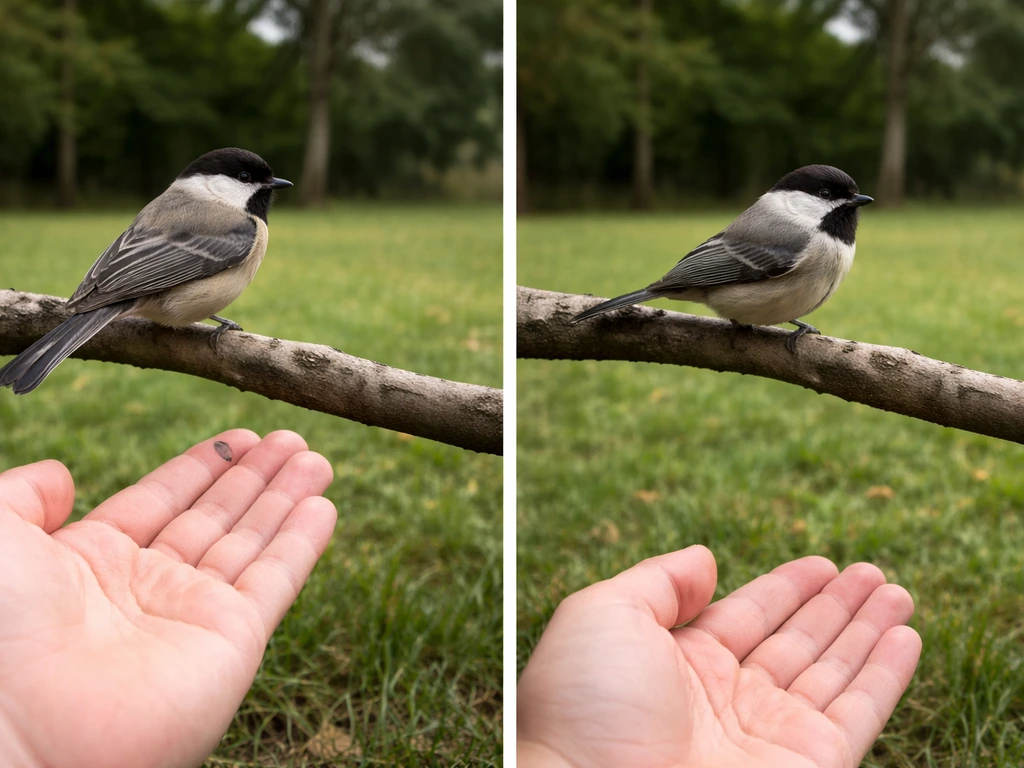
If a bird consistently ignores you, retreats, or escalates to threat displays, the problem is almost always one of a few things: too much, too fast, or the wrong timing. Work through this checklist before changing your technique.
- Are you approaching at the right time of day? Many birds are most receptive in the morning and less so in the late afternoon.
- Is the environment too loud, bright, or chaotic? Reduce stimulation before each session.
- Are you making direct, sustained eye contact? Many birds read this as a threat. Try looking slightly to the side.
- Are you moving too quickly or from above? Slow down and keep all movements lateral.
- Are your sessions too long? Cut them shorter. Even two minutes of positive contact beats ten minutes of mixed signals.
- Have you been consistent? Birds build trust through repetition. Missing several days resets more progress than you'd expect.
- Is the bird unwell? A bird that was previously engaging and has suddenly stopped responding may be sick. Contact an avian vet.
If a bird consistently shows aggression (lunging, biting, loud alarm calls), don't push through it hoping the bird will get used to you. That approach, sometimes called flooding, is generally less effective and more stressful than gradual desensitization, where you systematically reduce the distance or intensity of your interaction over many sessions until the bird adjusts at its own pace. Learning how to approach a bird without scaring it is a skill that pays dividends across every other aspect of bird communication.
Humane, ethical, and legal considerations
For pet birds, the main ethical obligation is to pay attention to stress signals and stop when the bird tells you to. The LafeberVet principle of adjusting "moment by moment" to maintain a calm bird isn't just good training advice, it's the ethical baseline. A bird that's being pushed past its comfort threshold in every session isn't learning to communicate with you. It's learning that you're unpredictable and unsafe.
For wild birds, the considerations get more serious. Most migratory and native wild birds in the United States are protected under the Migratory Bird Treaty Act, which means handling, transporting, or possessing them without a permit is a federal offense. If you find an injured or sick wild bird, the right move is to contact a licensed wildlife rehabilitator, not to attempt rehabilitation yourself. The U.S. Fish and Wildlife Service is clear that even well-intentioned handling of a baby bird or injured adult should go through a licensed professional. The same advice comes from the MSPCA, the Schuylkill Center, and Audubon Texas: keep people, children, and pets away, don't offer food or water unless specifically advised by a licensed rehabilitator, and make the call to a professional as quickly as possible.
Transporting a wild bird for rehabilitation purposes may also require a permit depending on your state and the species involved. Coordinate with your local licensed rehabilitator before moving any bird. This isn't meant to discourage you from helping, it's meant to make sure any help you offer actually helps.
| Species/Context | Best Communication Approach | Session Length | Realistic Trust Timeline | Key Caution |
|---|---|---|---|---|
| Parrots | Soft voice, clicker training, lateral approach, vocal mimicry | 5–15 minutes | Weeks to months depending on history | Never approach from above; stop immediately at any fear signal |
| Cockatiels | Gentle whistles, short sessions, name repetition | 5–10 minutes | 2–6 weeks for basic comfort | Males respond faster vocally; watch for crest signals |
| Budgies | Simple repeated phrases, immediate reward, consistent tone | 5–10 minutes, 2–3x daily | 1–4 weeks for initial trust | Consistency is critical; missed sessions slow progress significantly |
| Finches | Calm presence, soft predictable routine, no handling pressure | 5–10 minutes nearby | Months for close proximity tolerance | Don't expect hand-taming; proximity comfort is the realistic goal |
| Wild backyard birds | Pishing, contact call echoing, still consistent presence | 15–30 minutes per session | Weeks to months for habituation | No handling; legal protections apply to most native species |
The throughline across all of these contexts is the same: slow down, pay attention, and let the bird lead. Real communication with a bird isn't something you do to it. It's something that develops between you over time, built out of patience, consistency, and a genuine willingness to read what the bird is telling you.
FAQ
What should I do if the bird gets quiet, stops moving, or turns away when I try to talk to it?
Treat that as a “not now” signal, even if it looks calm. Stop the vocalization, hold still, and lower your body so the bird has less reason to feel watched. Wait until the bird resumes loose, relaxed posture, then try again later in the session with a softer sound and longer pauses.
How close should I get before I start doing call-and-response with a pet bird?
Do it only after the bird is already comfortable with your presence at that distance, meaning it remains loose, with no tail flicking, lunging, or hard staring. If you need a “test,” start with a low-volume tone from where the bird is relaxed, then gradually decrease distance over multiple sessions rather than immediately moving closer.
Is it okay to make eye contact when I’m trying to talk to a bird?
Use indirect eye contact rather than sustained staring. Many birds read a fixed, intense look as a challenge or threat, so try focusing on the bird’s head area briefly, then looking slightly away while you speak softly. Consistently leaning forward or staring while calling often backfires.
Why does my bird seem to get worse after I repeat the same sound over and over?
Over-repetition can become pressure. If the bird shows crest/feather tension, increased breathing effort, or sharp alarm notes, pause and switch to “quiet listening” for 1 to 2 minutes. Then try a shorter prompt with a longer silence, so the bird gets a chance to respond without being overwhelmed.
How long should I wait after a bird calls before responding?
Aim for a clear pause, the bird’s version of “your turn.” A practical rule is to wait until the bird finishes its sound, then respond with a similar rhythm and timing, not instantly and not after a long delay. If there is no response, wait about 20 to 30 seconds before trying again.
What’s the safest way to talk to a wild bird without attracting unwanted attention from predators or other people?
Choose a calm time of day, stay in the same spot, and avoid sudden movements or approaching while calling. Keep your voice soft and predictable, and watch for hesitation or alarm posture. If the bird retreats or gives alert calls, stop calling immediately and let it settle before continuing.
Can I teach a bird to say specific words immediately, or should I focus on something else first?
Focus first on trust and response to your presence, then add words as a reward-linked signal later. For most birds, “talking” starts as turn-taking sounds, soft vocalizations matched to timing, and calm association with you. Trying to push word learning before the bird feels safe can increase fear responses.
Do I need to mimic exact bird sounds to communicate well?
No. You just need a close enough pitch, rhythm, and timing to signal you are trying to interact. If the bird stops responding, don’t escalate volume or complexity. Return to simpler sounds and longer pauses, because timing often matters more than perfect imitation.
What if my bird is aggressive when I talk to it, even if I’m using gentle sounds?
Stop and reassess the approach speed and proximity first, because vocal tone alone often cannot override fear triggered by body movement. Do not use flooding, instead reduce the distance or intensity across sessions using gradual desensitization. If lunging, biting, or loud alarm calls persist, pause attempts and get guidance from an avian veterinarian or qualified trainer.
How do I know whether my bird is stressed versus just curious?
Curiosity usually comes with loose posture, mild head movement, and softer or quiet vocalizations. Stress often shows tighter feathers, crest changes, rapid or heavy breathing, and behaviors like tail flaring, snapping, or lunging. If you see multiple stress indicators, step away calmly and try later.
What should I do if I have anxiety or tense body language around birds?
Assume your micro-movements and breath rate are being noticed, even if you think you are calm. Practice sitting at bird level, keeping hands still, and using slower breathing before any vocal attempts. If anxiety is strong, addressing it first will usually improve outcomes more than changing your sound technique.
How should I change rewards when my bird starts responding reliably?
When a behavior becomes consistent, shift from rewarding every correct response to a less predictable schedule to maintain motivation without encouraging frantic behavior. Keep rewards small and immediate, and stop rewarding if the bird shows stress, urgency, or increased vocal intensity that signals pressure.
Is clicker training always appropriate for parrots, and how should I start?
Clicker training is particularly effective for parrots because it marks the exact moment the desired behavior happens, reducing confusion. Start with a short pairing phase (click then treat) so the bird learns that the click predicts good outcomes. Only then use the click for a target behavior, and avoid clicking during anxious states.
Why do cockatiels sometimes stop vocalizing during training sessions?
Short, fatigue-free sessions matter. If the bird goes quiet abruptly, it may be processing or becoming overstimulated. Keep sessions brief (often 5 to 10 minutes), end on a calm success, and use steady, unhurried prompting rather than repeating louder calls to “get a reaction.”
What’s the best approach for finches if they do not like close contact?
Treat “talking” as creating a reliable, non-threatening routine near the enclosure. Speak softly and predictably, stay at the same spot, and avoid mimicry as a primary tool. Notice movement and song patterns, if they reposition away or show alarm behavior, lower stimulation and increase distance.
If I see an injured wild bird, can I talk to it or try to feed it to help it recover?
Do not attempt feeding or water unless a licensed rehabilitator specifically advises it, even if the bird seems approachable. Your best “communication” action is to keep people and pets away, and contact a licensed wildlife rehabilitator promptly. Moving or handling without the right permissions can also be illegal depending on species and state rules.
Next Articles
How to Catch a Bird Without Killing It: Humane Steps
Humane, trap-free steps to catch a wild backyard bird safely, minimize stress, contain it calmly, then release or reloca
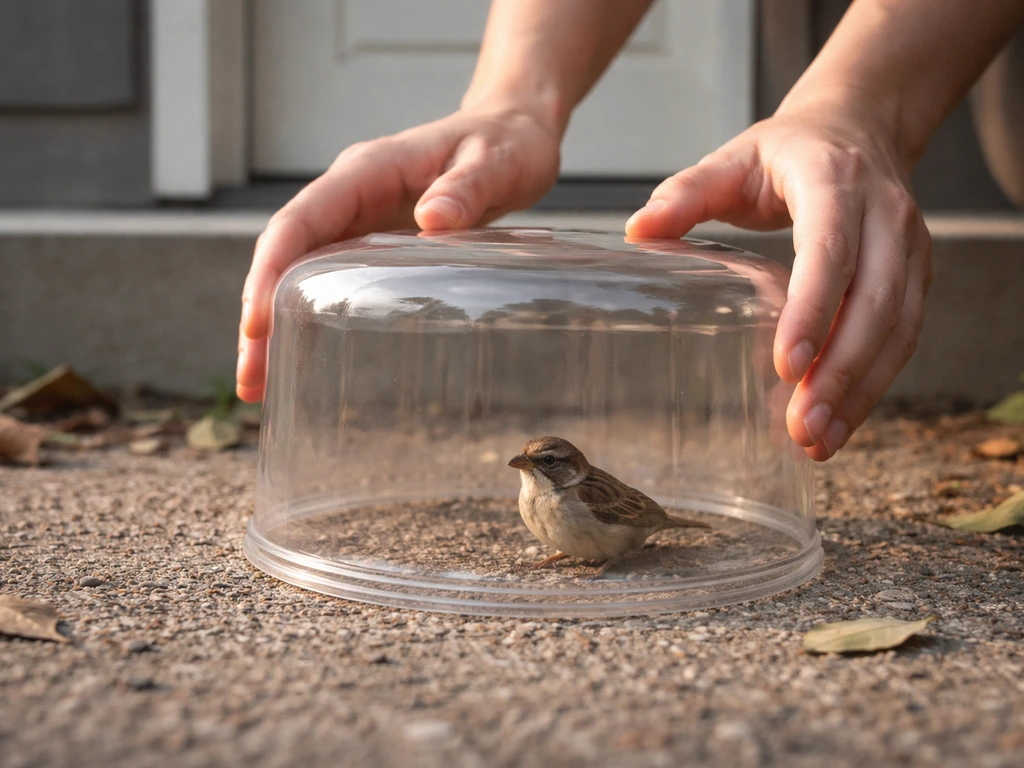
How to Catch a Bird With a Bottle Safely and Humanely
Humane, safety-first steps to catch a bird with a bottle or cover, plus safer alternatives and what to do after capture.
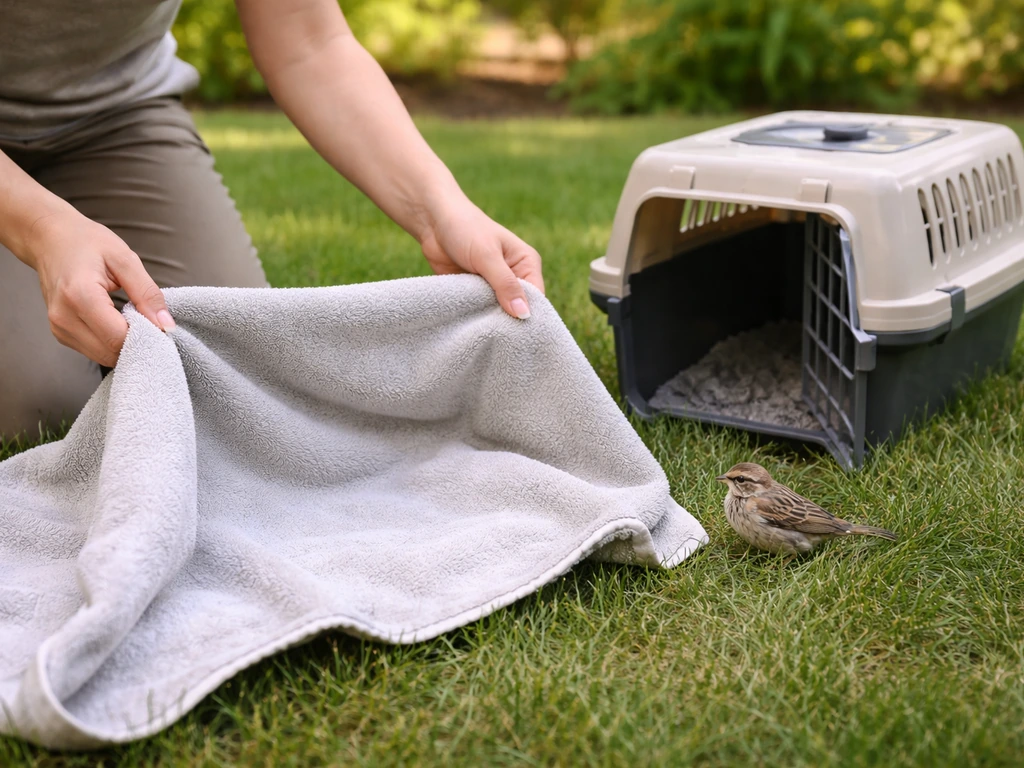
How to Catch a Bird Alive Safely and Humanely
Humane, safety-first steps to catch a live bird for backyard or pet rescue, with stress-free handling and next actions