Communicating with a bird is not about speaking their language perfectly. It is about learning to read what they are already telling you and responding in ways they can understand. Whether you have a new budgie sitting nervously in the corner of its cage or a cockatiel who screams every time you leave the room, the same core idea applies: birds communicate constantly through sound and body language, and your job is to listen, interpret, and respond consistently. Do that, and trust follows.
How to Communicate With a Bird: Step-by-Step Guide
Clara Hayes
8 Apr 2026
Bird communication basics: sounds, body language, and timing
Birds use two main channels to communicate: vocalizations and physical signals. Understanding both, and knowing when each tends to show up, gives you a real foundation for reading any bird accurately.
What their sounds actually mean
Most bird vocalizations fall into a handful of functional categories. Contact calls are the most common thing you will hear from a pet bird. These are short, repeated sounds that essentially mean 'Where are you? I am here.' Alarm calls are louder, more urgent, and often repeated rapidly. Research on cockatiels has shown that the rate of alarm calls, specifically how many calls per unit of time, actually reflects the bird's emotional state, with faster calling signaling higher distress. Then there are social/song vocalizations, which tend to be relaxed, variable, and often happen when a bird is content. Finally, you get distress calls, which are distinct from alarm calls and usually signal pain, severe fear, or extreme isolation.
Body language carries just as much information as sound. Fear signals include feathers slicked flat against the head and body, a slightly open mouth, the bird standing very tall with its head pulled back, eyes darting around looking for an escape, and a crouched posture ready to spring away.
Aggression signals look different: feathers puffed up around the head and shoulders, wings held slightly away from the body, tail fanned out, the beak open, and sometimes rapid pupil changes (called eye pinning) where the pupil rapidly dilates and constricts. A bird showing eye pinning alongside puffed feathers and an open beak is genuinely agitated. One showing eye pinning while actively engaging with you and making contact sounds is usually just excited.
Timing also matters. Birds are most communicative and socially open during the morning and early evening, which mirrors their natural active periods. Forcing interaction when a bird is sleepy, digesting, or already stressed will reliably produce the wrong responses. Picking a quiet window when your bird is alert but calm, which SpectrumCare's cockatiel training guidance specifically recommends, makes every communication attempt far more productive.
How to communicate with your pet bird from day one
The single biggest mistake new bird owners make is trying to do too much too fast. A bird that just arrived in your home is in a genuinely stressful situation. Before you can communicate anything useful, you need to build a baseline of safety. That means spending the first several days simply being present near the cage without reaching in, talking quietly, and letting your bird adjust to your movements, voice, and schedule.
Once your bird is eating normally and its feathers are relaxed most of the time, you can start structured communication. Bonding with a bird happens through consistent, low-pressure daily contact, and the earlier you make communication a daily ritual rather than a special event, the faster it builds. Sit near the cage at the same times each day. Narrate what you are doing in a calm, conversational tone. Offer a small treat through the cage bars with no expectation attached. These three things alone do more for trust than most formal training in the first two weeks.
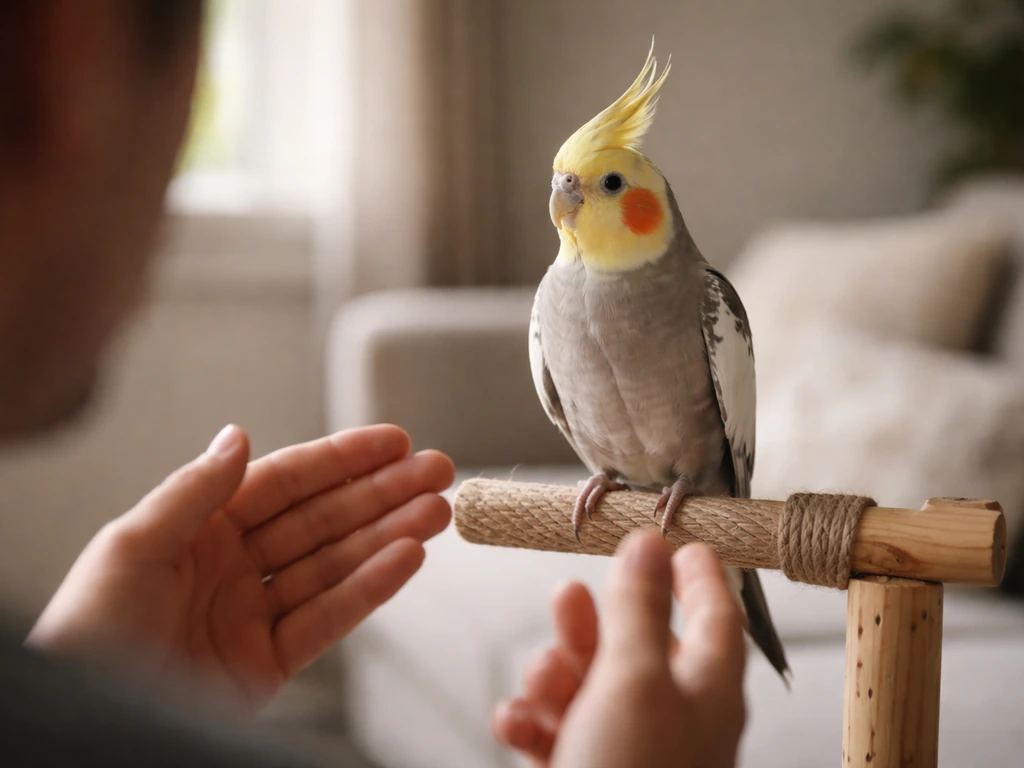
When you are ready to start step-up training, which is the foundational request you will use more than any other, present your finger or hand slowly at perch height, below the bird's feet, and wait. Do not push forward into the bird. Let the bird make the choice. Lafeber's step-up training guidance reinforces that the goal is cooperation, not compliance. If the bird steps up, calmly reward it. If it leans back or moves away, that is a clear 'not yet' signal. Respect it and try again in a few minutes. Forcing the step-up breaks trust faster than anything else.
Target training is another powerful communication tool, especially for parrots. You teach the bird to blank" rel="noopener noreferrer">touch a small target (like the tip of a chopstick or a dedicated target stick) with its beak in exchange for a treat. From there you can guide movement, encourage exploration, and teach boundaries, all without physically manipulating the bird. According to training guidance from parrots.org, target training works through positive reinforcement and daily practice, and it gives you a shared 'vocabulary' the bird can rely on.
Species-specific signals you need to know
Parrots
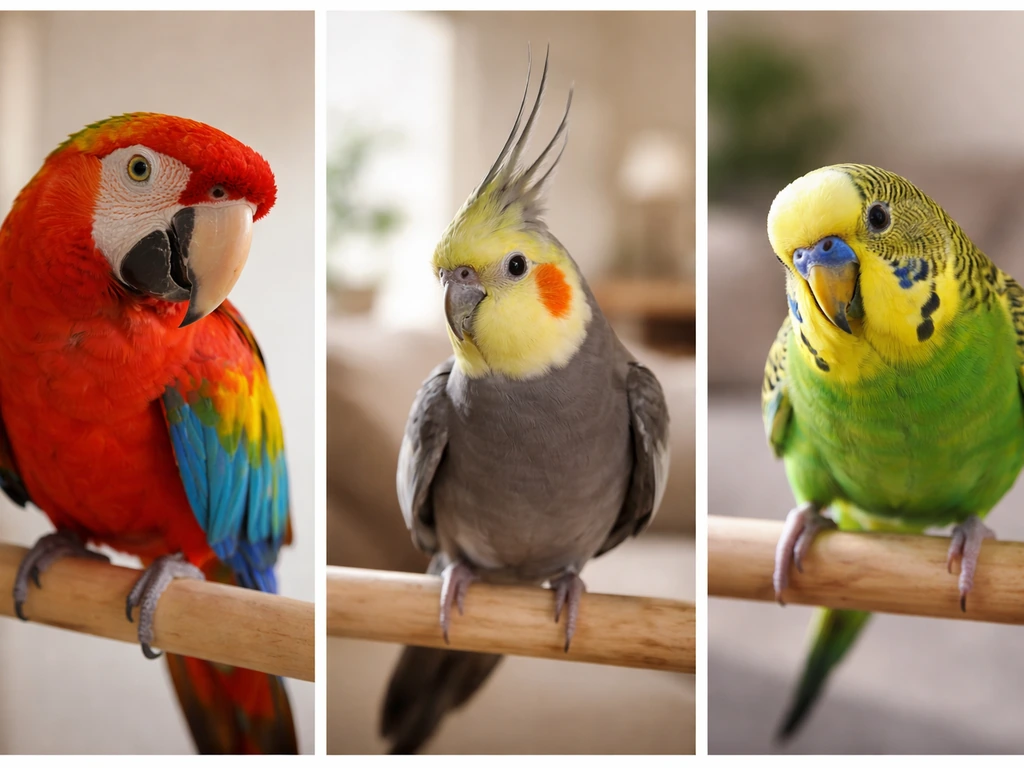
Parrots are the most expressive pet birds, and their body language is dense with detail. Eye pinning is a parrot-specific signal worth learning first: the pupil rapidly shrinks and dilates, and context tells you everything. During play or when the bird is focused on something interesting, eye pinning often means excitement. During handling disputes or when a stranger approaches, it signals high arousal and possible aggression. LafeberVet's guidance on reading bird body language is clear that observing these signals should determine whether you proceed with handling or give the bird space to settle. A parrot with puffed feathers around its head and neck, wings slightly spread, and an open beak is not a bird to reach for right now.
Cockatiels
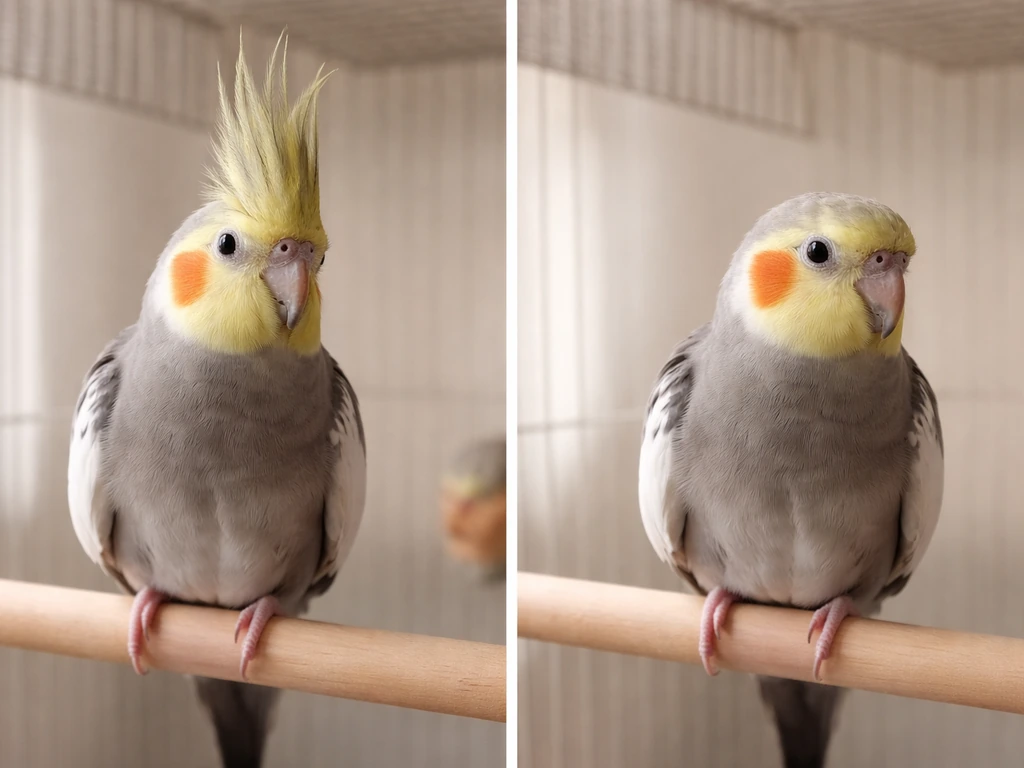
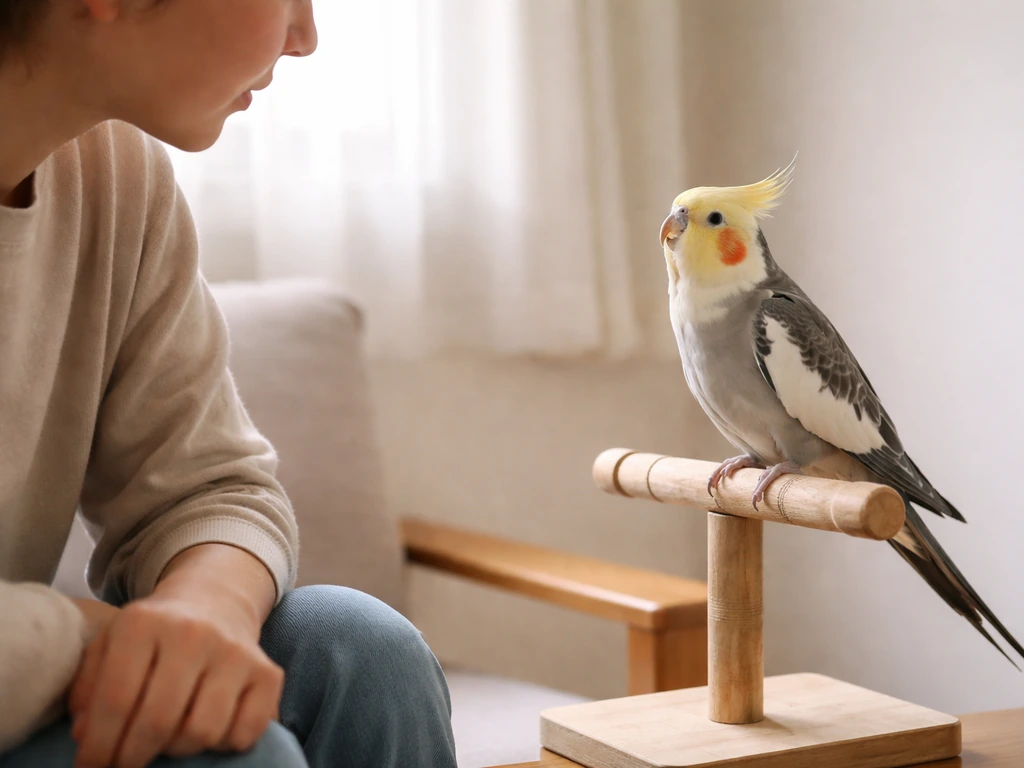
Cockatiels have one of the most readable communication styles of any pet bird, largely because their crest position tells you a huge amount. A fully raised crest usually signals excitement or alertness, a relaxed slightly fanned crest means the bird is content, and a completely flattened crest signals fear or aggression. Combine that with head bobbing, which can accompany elevated crest positions and indicates engagement or courtship, and you get a very clear picture of what is happening emotionally.
The contact call, often described as a repeated 'Where'd you go?! ' sound, is something almost every cockatiel owner will hear when they leave the room. This is the bird checking that its flock companion is still present. A brief pattern where the cockatiel calls, listens for a response, then settles is completely normal, not a problem that needs fixing.
Responding with a short vocal reply from wherever you are in the house is exactly the right answer.
Budgies
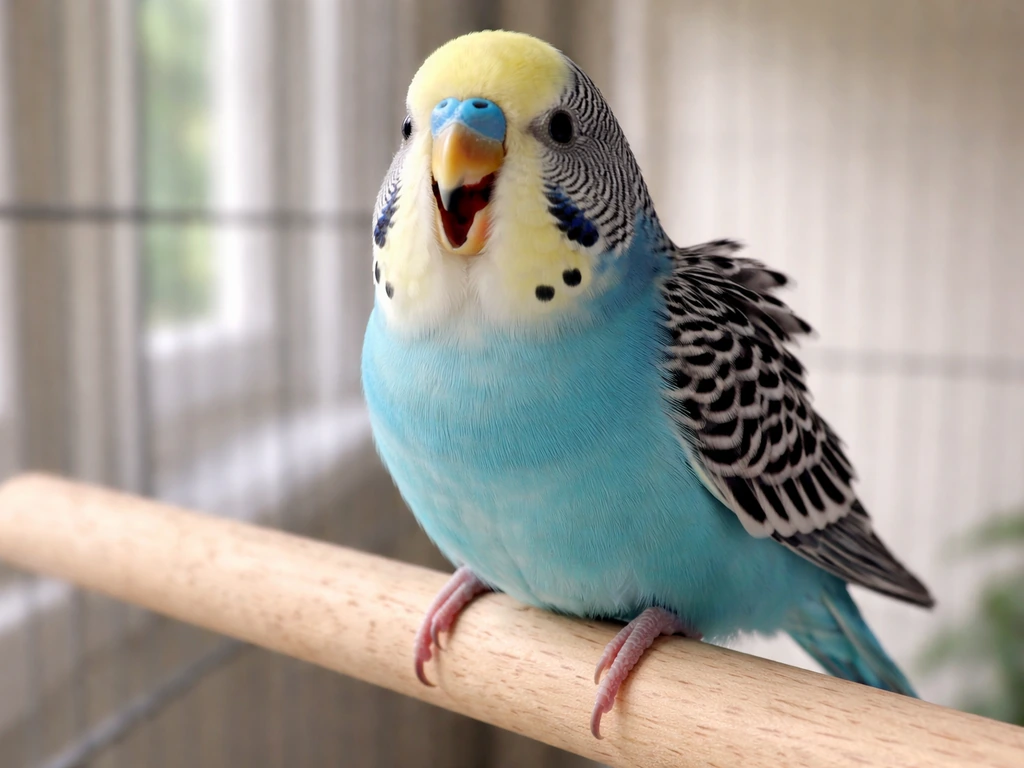
Budgies are social birds that rely heavily on contact calls, similar to cockatiels but often quieter and chattier when content. Lafeber notes that a budgie's contact call when it misses you sounds like a long, drawn-out, insistent single note, distinct from its normal chatter. When a budgie is comfortable, it will chatter almost constantly, grinding its beak slightly before sleep (a very good sign), and may gently nibble your fingers during interaction. Fear in a budgie looks like sudden stillness, a very upright posture, and the bird pressing itself into a corner or the back of the cage. Approach a scared budgie slowly, with your hand angled slightly sideways rather than pointing directly at it, and talk quietly throughout.
Finches
Finches communicate differently from the parrot family because they are not typically hand-tamed, and most of your communication with them happens at a respectful distance. University of California research on zebra finches found that their call types function almost like distinct words, each tied to a specific communicative purpose such as sounding an alarm or advertising position to other finches. Alarm calls in finches are loud, sharp, and distinct from their normal contact chatter.
The National Finch and Softbill Society describes these alarm calls as the ones you will hear when a predator (or you moving too quickly) is perceived as a threat. If your finches go suddenly quiet and press together on a perch, that is also an alarm response. Your communication goal with finches is to be predictable: move slowly, feed at consistent times, and avoid sudden noises near their enclosure.
Communicating with wild yard birds: attracting vs. approaching
With wild birds, your communication toolkit is almost entirely about environment and patience rather than direct interaction. You are not trying to tame wild birds. You are creating conditions where they feel safe enough to be present and observed closely, which is its own rewarding form of communication.
Feeders, water sources, and appropriate native plantings do the heavy lifting. The U. S. Fish and Wildlife Service notes that bird feeding is one of the most widely practiced wildlife interactions in the country, and when done thoughtfully it can support local bird populations.
Place feeders where you can observe them from inside the house first. Once birds are visiting regularly, you can gradually move your observation point closer, using the same habituation principle that works with pets: repeated, non-threatening exposure at a consistent distance reduces the bird's flight response over time.
Research on urban birds found that tolerance toward humans does not shift quickly just because people are around more often, which tells you that patience, not frequency alone, is what builds proximity tolerance.
If you want to get close to a bird in your yard without flushing it, move slowly and avoid direct eye contact, which birds interpret as predatory focus. Crouch or sit rather than standing at full height. Let the bird set the pace. Making soft, low sounds can help signal that you are not a threat, but silence is usually better than any vocalization you could try to imitate.
Hygiene is non-negotiable when attracting wild birds. Salmonella is a documented risk associated with bird feeders and birdbaths, and the CDC-linked guidance on emerging infectious diseases specifically advises preventing pet birds from contacting wild birds, spilled seed, and birdbaths to reduce cross-contamination risk. Wash your hands after handling feeders, clean feeders regularly with a dilute bleach solution, and keep children away from areas with heavy bird droppings. These are not optional precautions.
A simple daily routine for better bird communication
Most people skip the routine and wonder why their bird does not seem to 'get' them. Consistent communication requires consistent structure. Here is a practical daily framework that works for pet birds at any stage of taming:
- Morning check-in (2 to 3 minutes): Before doing anything else, go to your bird's space, make eye contact, and say good morning in a calm, consistent tone. Note the bird's posture and sound level. This tells you immediately how the bird is doing today.
- Observation window (5 to 10 minutes): Watch your bird without interacting. Notice what it is doing, what sounds it is making, and how its feathers look. Fluffed feathers at rest plus tail bobbing can signal illness, not just mood, so this is also a health check.
- Structured interaction (10 to 15 minutes): This is where you do any training, handling, or enrichment. Start by offering a target or a treat to gauge the bird's receptiveness. If the response is positive, continue. If the bird turns away, puffs up, or vocalizes with alarm, end the session early and try again later.
- Vocal exchange (throughout the day): Respond to your bird's contact calls with a brief verbal reply from wherever you are. This is the single easiest thing you can do to make a pet bird feel secure.
- Evening wind-down (5 minutes): Dim the lights slightly around the cage, speak in a quieter voice, and avoid sudden stimulation in the last 30 minutes before cover time. A calm, predictable end to the day significantly reduces morning stress calling.
Impulse control training, such as teaching a 'wait' cue, slots neatly into your structured interaction window. Avian Behavior International describes the wait cue as a way to communicate 'hold position until I release you,' which prevents lunging, biting during approach, and overexcited responses that break down communication. Teaching it takes about a week of consistent short sessions and pays off in nearly every future interaction.
When things go wrong: troubleshooting common miscommunications
Fear biting and aggression
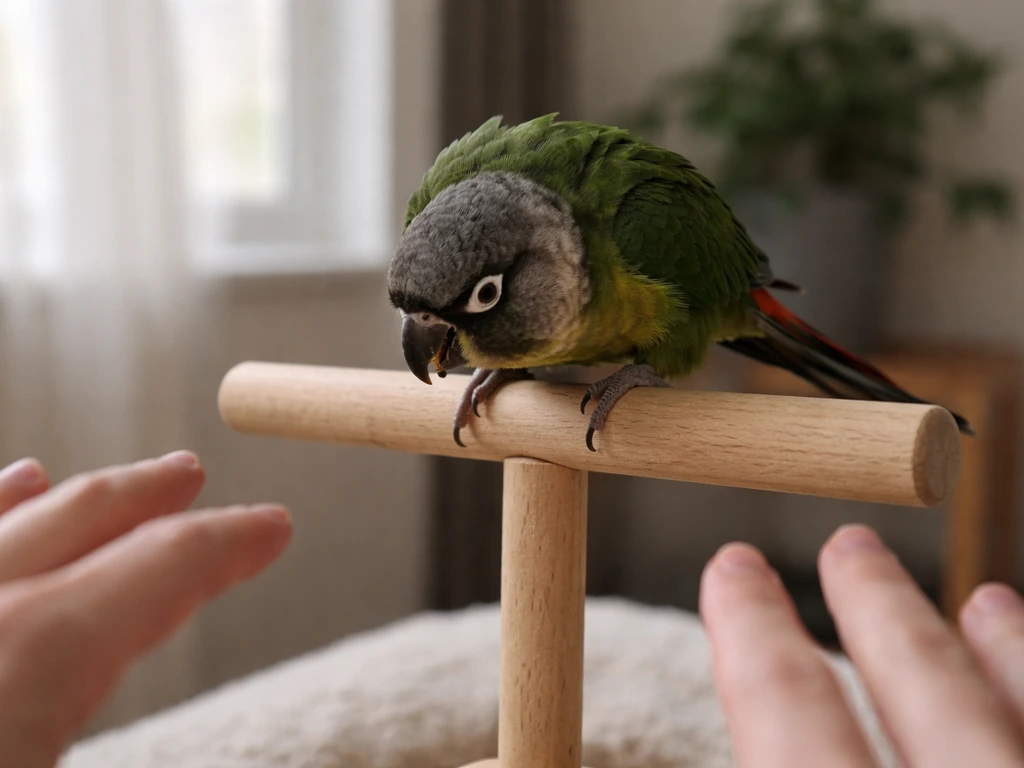
A bird that bites during handling is almost always communicating fear or frustration, not malice. Go back to your body-language checklist: were the feathers slicked back? Was the bird leaning away before you reached in? If yes, the bite was preceded by clear signals you may have missed or overridden. The fix is not punishment (which makes fear worse), it is slowing down your approach and building more approach tolerance before attempting handling. Approaching a bird without scaring it is a learnable skill, and it is the single most important one to get right if you have a bird that bites.
Shutting down or going quiet
A bird that suddenly stops vocalizing and becomes very still is not being calm. Quietness combined with slicked feathers, a slightly open mouth, and wide eyes is a fear freeze response. This often happens when sessions are too long, the environment is overstimulating, or too many new things are happening at once. Reduce complexity, shorten sessions, and give the bird 20 to 30 minutes in a quiet, covered space before trying again.
Excessive calling or screaming
The most common owner error with calling birds is accidentally rewarding the behavior by rushing over every time the bird screams. If the bird screams and you appear, it learns that screaming works. Instead, wait for a momentary pause and then respond. Over time, this shapes the bird toward shorter, quieter contact calls rather than extended screaming. This does not happen overnight, but it does happen within two to four weeks of consistent application.
New aggression in a previously tame bird
If a bird that was reliably stepping up suddenly refuses, cries out when touched, shows weak grip, or becomes aggressive without any obvious environmental cause, do not push through with training. SpectrumCare's guidance on cockatiel handling notes these signs specifically as indicators that a vet visit is warranted. Pain and illness change bird behavior dramatically, and what looks like a communication breakdown may actually be a health problem.
Wild birds that seem injured or overly tame
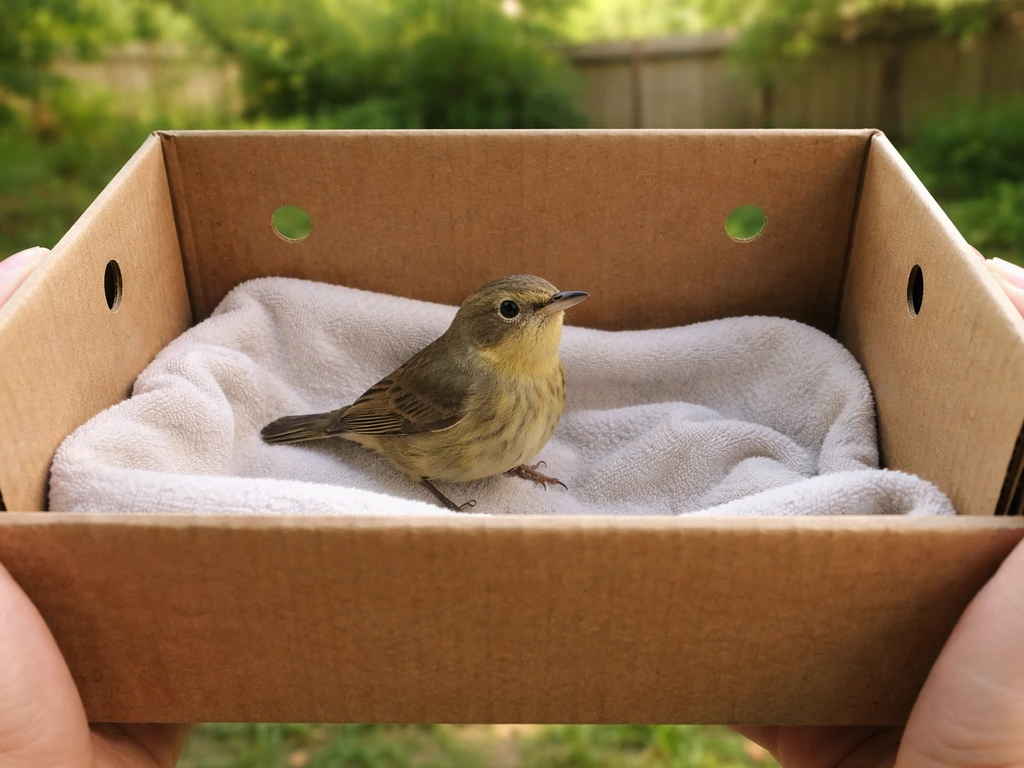
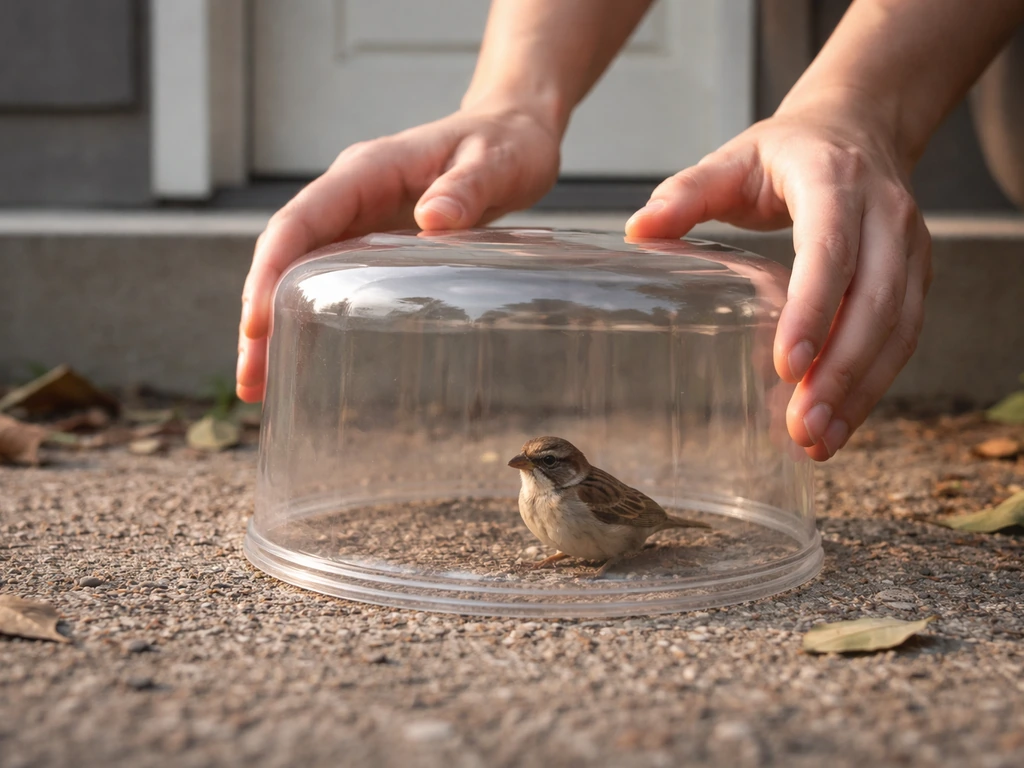
A wild bird that lets you approach very closely without flying is usually sick or injured, not friendly. Resist the urge to handle it with bare hands. Contact a licensed wildlife rehabilitator instead. In most countries, handling wild birds without a permit is illegal under migratory bird protection laws, even with good intentions.
Safety, ethics, and honest timelines
Humane bird communication has a few firm rules. Never use punishment, including yelling, squirting water, or physically restraining a bird, as a communication tool. It creates fear, breaks trust, and can cause lasting behavioral damage. Never force handling past clear refusal signals. And never assume a bird is 'fine' based only on the absence of noise. Quiet and still can mean content, but it can also mean fearful or unwell.
Realistic timelines matter because unrealistic expectations are the number-one reason people give up. Here is a rough guide based on species and starting point:
| Species / Situation | Basic trust (no fear response) | Reliable step-up / interaction | Consistent two-way communication |
|---|---|---|---|
| Young hand-fed parrot | Immediate to 1 week | 1 to 3 weeks | 1 to 3 months |
| Adult untamed parrot | 2 to 8 weeks | 2 to 6 months | 6 to 18 months |
| Cockatiel (hand-fed) | 1 to 2 weeks | 2 to 4 weeks | 1 to 3 months |
| Cockatiel (parent-raised) | 3 to 8 weeks | 2 to 4 months | 4 to 12 months |
| Budgie (young) | 1 to 3 weeks | 3 to 6 weeks | 2 to 4 months |
| Finch (captive) | Weeks to months (distance-based) | Not applicable | Environmental cues only |
| Wild yard birds | Weeks to months | Not applicable | Feeder/habitat-based only |
These ranges assume daily, consistent, low-pressure interaction. Skipping days or having inconsistent approach methods will push timelines out significantly. If you are new to birds and feeling uncertain about where to start, learning how to approach a bird safely and confidently is the practical foundation everything else builds on.
On the ethics side: do not attempt to 'talk to' or mimic wild bird alarm calls in ways that could disrupt nesting or cause birds to flush repeatedly. Chronic disturbance, even unintentional, causes real harm. Attracting wild birds through habitat and food is ethical. Pursuing, cornering, or handling them is not. For those who find wild birds genuinely intimidating, working through those feelings first, rather than forcing interaction, produces much better outcomes for both the person and the bird. Overcoming a fear of birds is something a lot of people deal with and there is genuinely useful guidance available for it.
The practical next step depends on where you are right now. If you have a new pet bird, start with the daily routine in this guide and focus entirely on observation before interaction. If you have a bird that is already somewhat tame, add target training and the wait cue to your sessions this week. And if you want to go deeper on the verbal side of things, understanding how to talk to a bird effectively gives you practical language and tone guidance that pairs well with everything covered here. Communication with birds is a skill. It gets better every week you practice it.
FAQ
How long should I try to communicate with my bird each day, especially when it is new?
Choose a consistent, predictable time window and keep your voice at a low volume even if you are speaking. If the bird is already alert and using relaxed body language, you can try a 2 to 5 minute “sit and narrate” session, then end before the bird shows friction signs (slick feathers, repeated alarm calling, repeated stepping back). Many birds communicate best when they are not being asked to do anything yet, so the first goal is successful calm exposure.
Does my bird understand what I say, or is tone more important than words?
Yes, birds can read your tone and tempo even when they do not understand words. The practical rule is to avoid sudden pitch changes, loud greetings, and rapid back-and-forth talk, because those can resemble a threat response. Instead, use steady, quiet narration and pause briefly when the bird vocalizes, so you are not constantly overlapping. Treat the bird’s calls as “turns” in a conversation.
What should I do if my bird keeps calling, how do I know whether it wants attention or is distressed?
If your bird is vocalizing, do not automatically treat every sound as a request. For example, contact calls often mean “I see you and I want reassurance,” while alarm calls mean “something feels unsafe.” Wait for the bird to show a calmer follow-up signal before you move closer, and only approach quickly if the bird is clearly seeking interaction (relaxed posture, normal crests for cockatiels, no pinned/agitated signs).
My bird screams when I leave, how do I stop rewarding that behavior by accident?
Watch for a pattern, not a single moment. If the bird “cries out” and you rush over, you may be reinforcing extended screaming, even if your intention is comfort. Use a short delay, then respond when the bird briefly pauses, and reward any quiet, regulated behavior (even staying calm on the perch). This reshapes the behavior through outcomes, not through scolding.
What if my bird steps up sometimes, but then suddenly starts biting or backing away?
If a bird steps up but then immediately pinches, lunges, or tries to escape, treat that as information about timing, not as “mixed signals.” Reduce the physical demand: lower your hand slightly, aim for perch contact first (not full lift), and shorten the session. Also consider whether the bird is due for a break, since overstimulation can make even previously cooperative birds suddenly refuse.
How can I approach safely if I get nervous about timing and accidentally spook my bird?
Use a “no surprise approach” rule. Move slowly, angle your body so you are not looming directly over the bird, and let your hand arrive at perch height gradually. If the bird shows fear posture, crest flattening (for cockatiels), or slick feathers, stop and wait until it relaxes before trying again. For hand position, avoid pointing directly, especially with budgies that can interpret direct pointing as threat.
How do I tell the difference between a calm quiet bird, a fearful freeze response, and a bird that might be unwell?
Try a triage checklist: is the bird quiet and still with fearful body signs (slick feathers, wide eyes, half-open mouth), or is it quiet and relaxed (normal posture, smooth breathing, food intake)? Fear freeze often looks like wide eyes plus stillness, and unwell birds may also eat less or change perching habits. If handling causes repeated weak grip, pain behaviors, or new aggression without a clear training cause, prioritize a vet visit.
What should I do if my bird suddenly becomes less friendly after previously improving?
If your bird seems “withdrawn” during your usual bonding window, do not force interaction. Return to low-pressure observation for several days, keep your approach consistent, and reduce novelty (fewer toys, fewer changes in the room). You can also try offering a treat through the cage on the bird’s schedule rather than at the moment it looks most uncomfortable. Communication often rebuilds through predictability.
Can I teach communication without relying on step-up training?
If you want more “spoken” interaction without physical handling, use a cue paired with a choice, like touching a target or stepping onto a familiar perch. This creates a shared vocabulary without overwhelming the bird. Keep sessions short and end on success, because many parrots and cockatiels escalate when they are tired or overstimulated.
How should I communicate with zebra finches if I cannot (or do not want to) hand-tame them?
Yes, but do it cautiously. Start at a distance where the finches keep calling normally and do not press together or go suddenly quiet. Keep your movements slow and avoid being overhead. When you can approach safely, keep feeding and cleanup routines consistent, because finches often “learn you” as a predictable schedule, not as a person you interact with directly.
Is it ever okay to mimic wild birds to get closer, and how do I avoid harming them?
Do not mimic or imitate wild bird alarm calls as a “test,” and avoid calling too close to nesting season or crowded roosting areas. If birds repeatedly flush or circle back tensely, treat that as a disturbance signal and back off. Ethical communication is mostly about making the environment safe and predictable, then letting birds choose proximity.