Move slowly, stay low, and let the bird set the pace. Whether you're trying to get closer to a robin at your feeder or earn trust from a new cockatiel, the single biggest mistake people make is moving too fast and too directly. Birds are prey animals hardwired to treat any sudden, looming presence as a predator. Once you understand what stress looks like in a bird's body language, and you adjust your speed, angle, and distance accordingly, you'll get dramatically closer without triggering a panic response.
How to Approach a Bird Without Scaring It Safely
Clara Hayes
1 May 2026
Bird behavior basics: reading stress before it becomes a spook
Before you take a single step toward any bird, you need to know what you're watching for. Birds communicate stress in layers, starting subtle and escalating fast. The earlier you catch the signals, the easier it is to de-escalate.
The most useful rule of thumb, borrowed from wildlife-watching guidance, is this: if your presence changes a bird's behavior, you are already too close. That change might be a pause in feeding, a sudden stillness, a slight turn of the head toward you, or a freeze. These are early-warning signals, not emergencies, but they are your cue to stop moving and give the bird a moment to decide you're not a threat.
Here's how the escalation ladder typically looks, from mild to severe:
- Alerting: The bird pauses what it was doing, lifts its head, and orients toward you. Early stage. Stop moving.
- Freezing: The bird becomes completely still. It is actively assessing whether you're dangerous. Increase your distance and lower your body.
- Crouching or leaning forward: A bird about to bolt. Back off now.
- Fluffed feathers around the head and shoulders combined with wings held slightly out: Agitation or threat display in pet birds. Don't close distance.
- Tail fanning (spreading tail feathers wide): Aggression or high excitement. A clear 'back off' signal.
- Eye pinning (pupils rapidly constricting and dilating): High arousal state. In pet birds especially, do not put a finger near the bird's face during eye pinning — bites are common.
- Open mouth, upright posture, puffed body: Full threat display. The bird is telling you it will defend itself.
- Flying or running away: You've already pushed too far. Give the bird time to resettle before trying again.
In pet parrots and cockatiels, these cues can shift quickly and sometimes overlap. A bird that looks relaxed (slightly puffed, eyes half-closed) is very different from a bird that's puffed and upright with its tail spread. Context matters: a cockatiel gently grinding its beak while settled on a perch is content; the same bird puffed up with raised crest feathers and pinned eyes is not. Take a few seconds to read the whole picture before moving closer.
Approaching wild birds in your yard
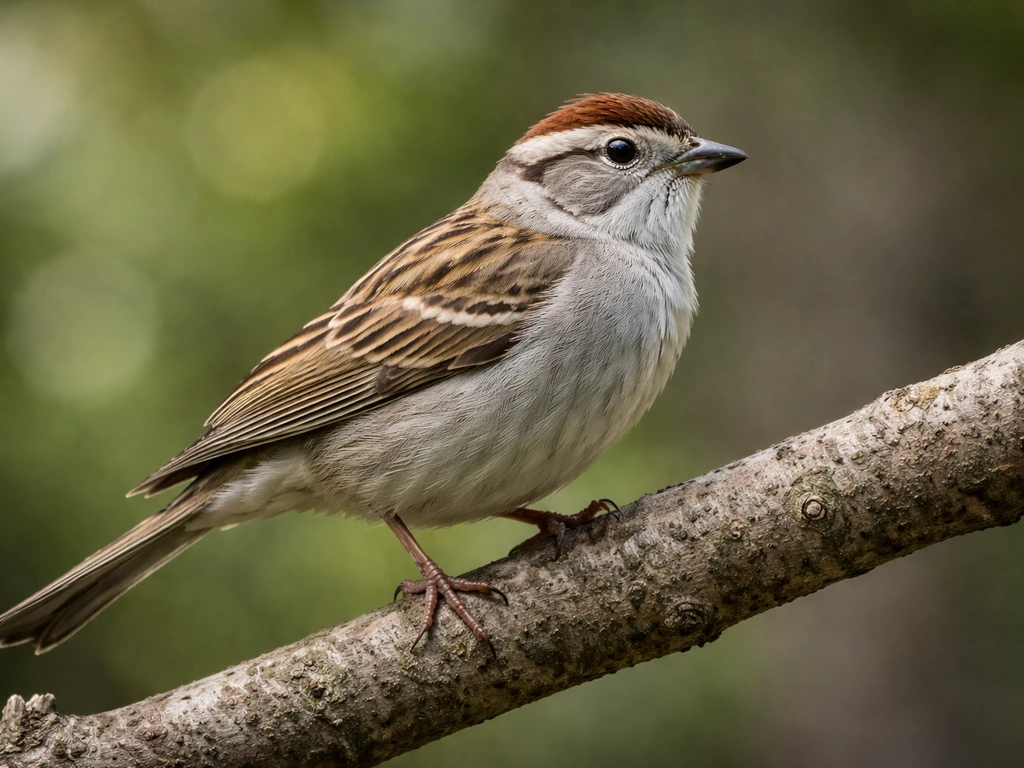
Wild birds in yards, whether sparrows at a feeder, mourning doves on the ground, or a curious crow on the fence, respond best to predictability and a sense of control over their exit. Your goal isn't to touch them. It's to be close enough to observe them clearly while they remain calm. It's the same kind of slow, low approach mindset as in how to get close to a bird, so the bird stays calm while you observe it clearly. Here's how to do it.
Set up the environment before you even step outside
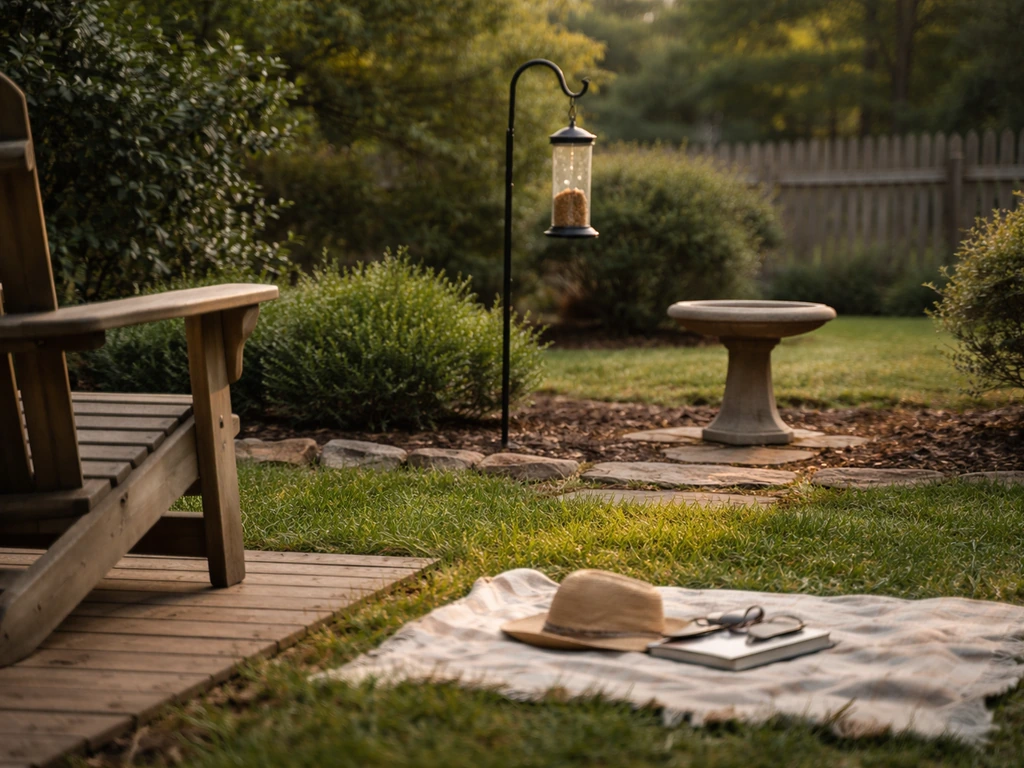
Place feeders, birdbaths, and perches where you can observe them from a seated, low-to-the-ground position, a porch chair, a garden bench, or even a blanket on the ground. Put cover nearby (a shrub or low hedge gives birds a quick escape route they can see). When birds know they have an easy exit, they're far less defensive about your presence.
Build a predictable routine
Go out at the same time each day, ideally early morning when birds are most active and hungry. Move to your spot calmly and sit down. Birds in your yard will start to associate your presence with the normal, safe rhythm of their environment. Over days and weeks, many species will begin feeding while you're within 10 to 15 feet, then closer. Predictability is the most underrated tool in the kit.
Body position and movement when approaching
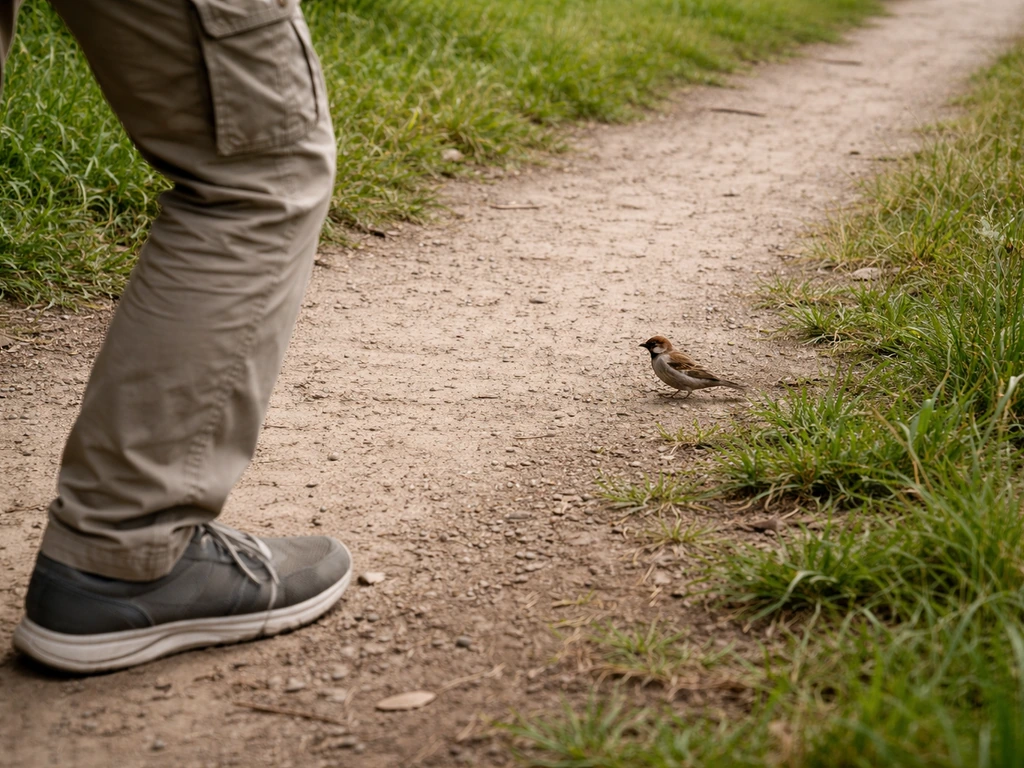
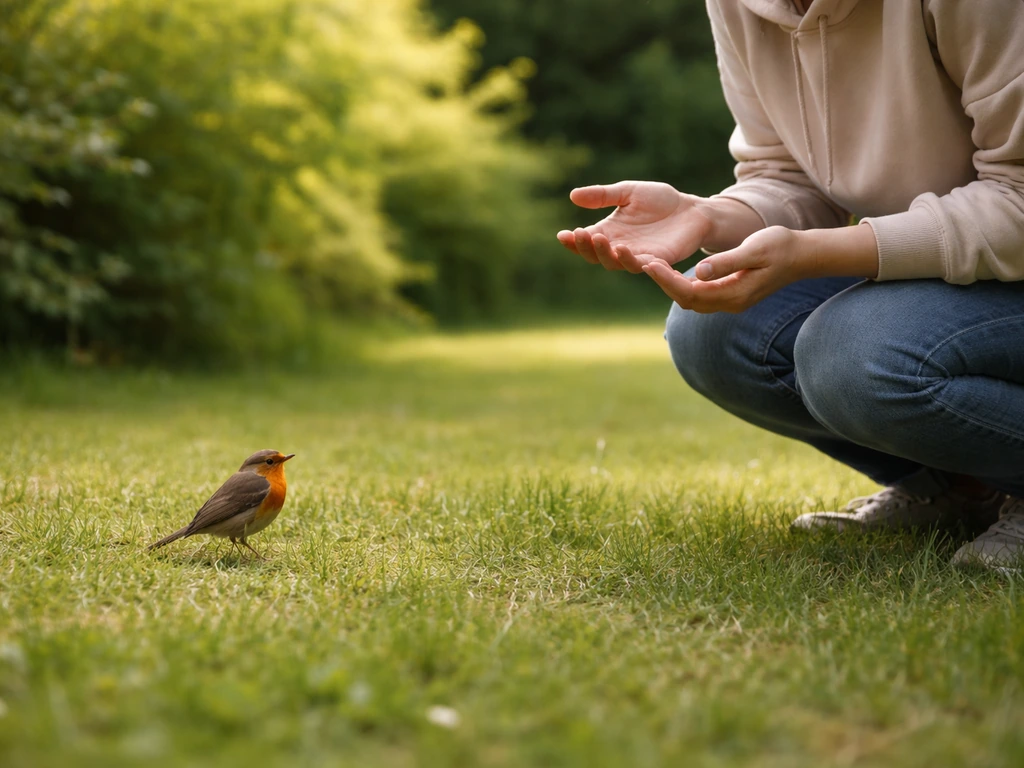
If you want to move closer to a bird that's already present, approach from the side rather than head-on. A direct frontal approach mimics a predator's charge. Move in a slight arc. Keep your body low and your movements slow and continuous rather than stop-start (which looks more alarming than a smooth, slow advance). Avoid making direct, sustained eye contact with small birds as this can be read as a predator stare. Look slightly to the side of the bird.
Watch the bird as you move. The moment you see any alerting behavior, freeze. Wait until the bird returns to its previous activity, then continue at an even slower pace. If the bird flies, don't follow. Chasing always makes things worse. Sit down, stay still, and wait for it to return on its own terms.
Using food to build proximity over time
If your goal is to eventually have wild birds feed from your hand, start by placing food (sunflower seeds, millet, or suet depending on the species) at the normal feeder distance. Over several days, gradually move a small amount of food closer to where you sit. Eventually place some on a surface near your hand, and finally in your open palm. This process takes weeks, not days. Blue jays, chickadees, and house sparrows are among the bolder species that will sometimes hand-feed with patient conditioning.
Approaching pet birds: parrots, cockatiels, budgies, and finches
Pet birds vary enormously by species and individual history. A hand-raised budgie may step up confidently from day one. A rescue cockatiel with a difficult past might treat your hand like a threat for months. Finches, being non-contact birds by nature, aren't really candidates for hand-taming the way parrots are, they're best appreciated up close rather than handled. For parrots, cockatiels, and budgies, the principles below apply well.
Start at the bird's pace, not yours
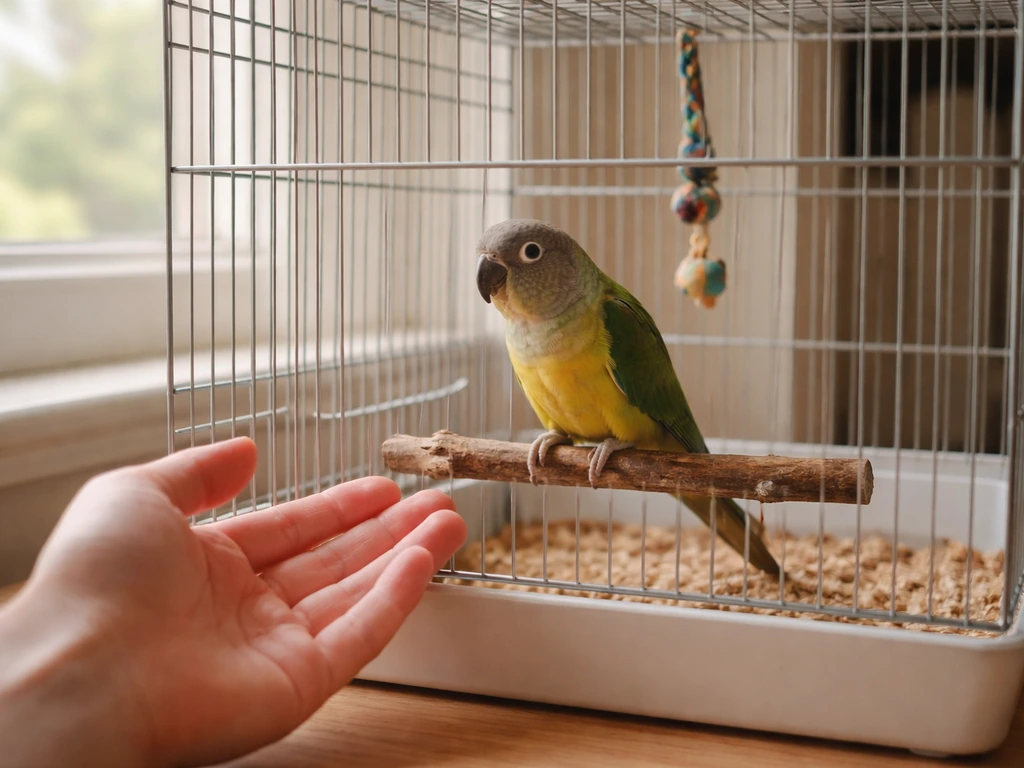
Enter the room calmly and quietly. Don't head straight for the cage. Sit or stand a few feet away and let the bird observe you. Talk softly. If the bird watches you with curiosity rather than alarm (relaxed feathers, soft vocalizations, or movement toward you on the perch), that's a green light to inch closer. If it moves to the far side of the cage or starts alarm calling, sit down and give it more time before moving nearer.
How to use your hand without triggering a fear response
When you're ready to introduce your hand, come from below the bird's eye line rather than from above. A hand descending from above looks like a hawk strike. Bring your hand in slowly from the side or slightly below perch level, fingers together and flat, and hold it still a few inches away. Let the bird look at it, sniff it, or peck at it gently without pulling back. If the bird steps away from your hand, honor that. Move your hand back slightly and let the bird come to neutral again before offering the hand once more.
Species-specific notes
| Species | Typical temperament | Best first approach | Key watch-out |
|---|---|---|---|
| African Grey / Amazon parrot | Intelligent, cautious, can be territorial | Sit near the cage for several sessions before opening it; let the bird come to the door | Eye pinning + tail fanning = stop immediately |
| Cockatiel | Generally curious and social, can be nippy when scared | Offer a finger perch just at chest height; use soft whistling | Hissing or crest fully erect means back off |
| Budgerigar (budgie) | Bold but startle-prone; individual variation is wide | Start with millet spray held in fingers near the perch | Rapid breathing + puffing = overstressed, end the session |
| Finch (zebra, society, etc.) | Non-contact; very flighty | Observe quietly; minimize cage disturbances | Handling causes extreme stress; not recommended for most keepers |
Letting the bird choose: target training and step-up basics
The most effective approach to getting a bird comfortable with your presence and eventually your hand is consent-based training. You're not forcing the bird to tolerate you; you're building a history where the bird chooses to come closer because doing so has always paid off.
Target training: the gentlest way to build proximity
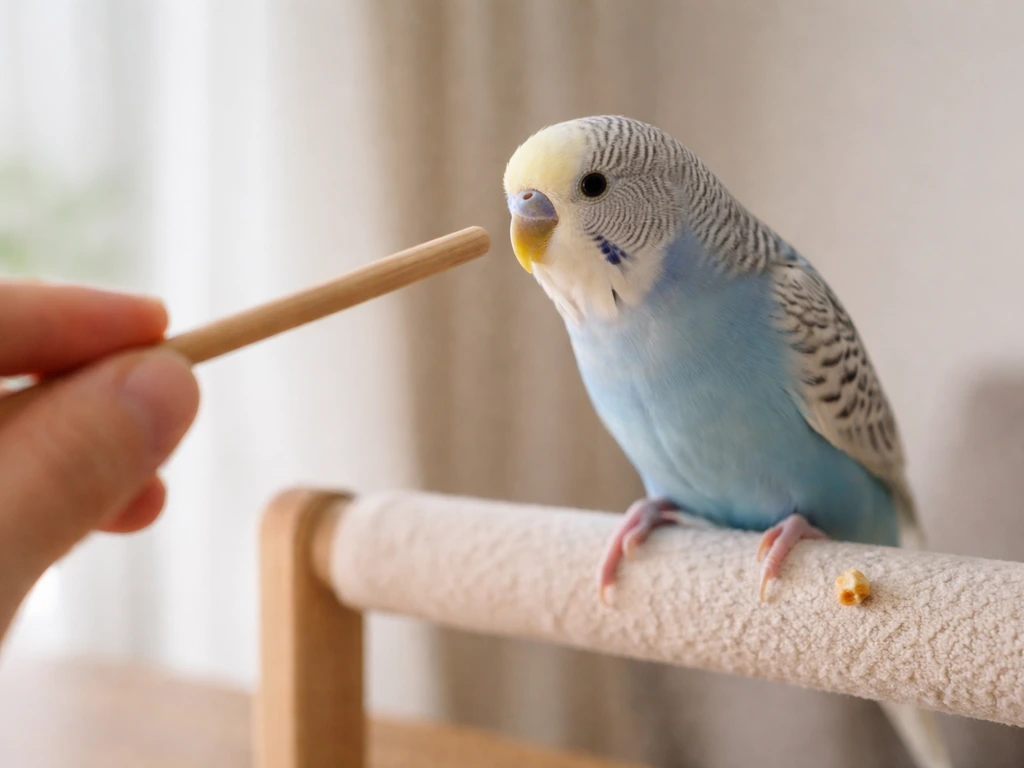
Target training uses a simple object (a chopstick, a pen cap, or a commercial target stick) to guide the bird toward a position or person without any grabbing or chasing. Here's the basic sequence:
- Choose a high-value reward the bird goes crazy for: a small piece of nutriberry, a sunflower seed, a tiny bit of millet. Use it only during training sessions.
- Present the target stick tip near the bird (but not touching it). The moment the bird looks at or moves toward it, immediately reward.
- Over several short sessions (5 minutes max), shape the behavior so the bird is actively touching the tip of the stick with its beak to earn the reward.
- Once the bird is confidently touching the target, use it to guide the bird toward your hand — hold the target just over your fingers so the bird has to step forward onto your hand to reach it.
- Reward the moment contact happens. Keep your hand still and calm.
Target training is especially useful because it removes the pressure of a hand reaching toward the bird. The bird is moving toward something it wants, which changes the whole emotional tone of the interaction. It also lets you move the bird to a carrier, a scale, or a new perch without stress, genuinely useful beyond just building trust.
Step-up training: the end goal
Step-up training is the classic technique where a bird learns to step onto your finger or hand on cue. The key is not rushing to the full step-up before the bird is ready. Start by rewarding the bird simply for staying calm near your hand. Petco’s step-up training guide also emphasizes positive training and rewarding calm behavior with treats or luring rather than punishment [rewarding the bird simply for staying calm near your hand](https://www.
petco. com/content/content-hub/home/articlePages/01/basic-bird-training-how-to-train-your-bird-to-step-up. html). Then reward for touching your hand.
Then for putting one foot on it. The full step-up comes last, not first. Use a consistent verbal cue ('step up' works fine) and say it in the same calm, even tone every time. Reward immediately and reliably every time the bird responds correctly, especially in the early stages.
If you're working with a fearful or previously aggressive bird, standard step-up methods may need to be modified significantly. Don't push through a fear response in the name of 'progress.' Forcing contact when a bird is distressed doesn't build trust; it teaches the bird that you are a source of stress, which takes much longer to undo.
Realistic timeline to expect
- Days 1 to 3: Bird tolerates your presence near the cage without alarm calling or moving away. You're sitting nearby, talking softly, not pushing contact.
- Days 4 to 10: Bird shows curiosity — moves toward you on the perch, watches your hands with interest rather than fear.
- Weeks 2 to 4: Bird approaches your hand voluntarily during target or millet training sessions.
- Weeks 4 to 8: Bird accepts step-up on cue with minimal hesitation.
- Weeks 8 and beyond: Bird tolerates handling in varied contexts, including outside the cage.
These timelines are starting points, not guarantees. A rescue bird with trauma history can take six months to reach what a hand-raised bird manages in a week. Adjust your expectations to the individual bird you actually have in front of you.
Building the calm environment and daily trust routine
Your body language and environment outside of formal training sessions matter just as much as what you do during them. Birds are constantly watching you and forming impressions of whether you're safe.
- Keep the cage or bird area in a room where the bird can see normal household activity without being overwhelmed. Somewhere with human foot traffic is good; a TV blasting at full volume directly opposite the cage is not.
- Approach the bird's space the same way every time: calm, unhurried, no sudden gestures. Avoid waving your arms, rushing past the cage, or making loud noises nearby.
- Talk to the bird throughout the day, even when you're not training. Soft, consistent vocalizations help the bird habituate to your voice and begin associating it with safety. This is closely related to how you'd communicate and bond with a bird more generally.
- Don't skip days. Consistency is what builds trust. A week of good sessions followed by five days of ignoring the bird sets you back further than a week of doing nothing at all.
- Respect the bird's down-time signals. A bird that's puffed up, settled, and sleepy does not want to train. Pick your sessions for when the bird is active and alert.
Troubleshooting: when the bird bolts, bites, or completely ignores you
If progress has stalled or gone backwards, work through this checklist before changing your training plan:
- Is the bird healthy? A bird that's sick or in pain will be defensive regardless of your technique. Check for fluffed feathers combined with lethargy, watery droppings, or loss of appetite. Rule out a health issue first.
- Are sessions too long? Five to ten minutes max. If you're going longer, you're probably pushing past the bird's comfort zone.
- Is the reward good enough? If the bird is barely interested in the treat, it won't work hard to earn it. Try different foods and find the one the bird actively gets excited about.
- Are you moving too fast? Break the step you're working on into smaller pieces. Reward earlier in the sequence.
- Is something in the environment spooking the bird? New objects, a window with outdoor predators visible, or loud appliances can undermine every session. Check for environmental triggers.
- Are multiple people in the household approaching with inconsistent technique? Everyone interacting with the bird needs to use the same calm, consistent approach. Mixed signals slow progress dramatically.
- After a bite: Don't yelp, pull away sharply, or punish the bird. A sudden reaction is frightening and often makes biting worse. Calmly withdraw your hand, end the session, and evaluate what cue you missed before the bite happened.
- After repeated bolting (wild birds): Stop trying to approach and go back to stationary observation. Let the bird rediscover that you're not a threat before attempting to close distance again.
When you should not approach: safety, health, and legal lines
Knowing when not to approach is just as important as knowing how. Here are the situations where the right move is to stay back.
Wild birds: don't handle them
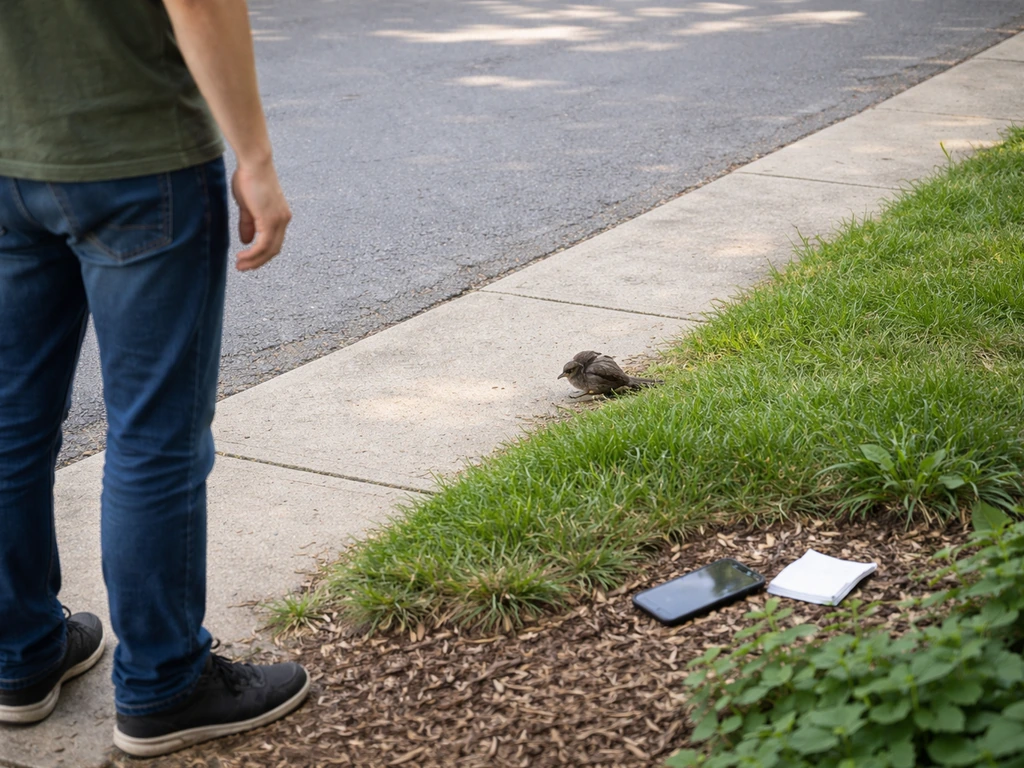
Unless you are a trained wildlife rehabilitator, do not pick up or restrain a wild bird. There are real legal protections for most wild bird species in many countries (including the Migratory Bird Treaty Act in the US), and handling protected species without authorization is illegal. Beyond legality, handling a wild bird causes extreme stress and can cause injuries like broken blood feathers, or even death from shock.
If you find a bird that appears injured or sick, contact a local wildlife rehabilitator or licensed veterinary clinic. Unless you are trained to do so, keep a good distance and contact the RSPCA for help rather than approaching or handling wildlife that may be distressed contact a local wildlife rehabilitator or licensed veterinary clinic. Do not attempt to raise, tame, or keep a wild bird as a pet. The goal with wild birds in your yard is observation and passive enjoyment, not taming or handling.
Health and hygiene precautions
Wild birds can carry pathogens including avian influenza (bird flu), which has been a genuine public health concern with ongoing monitoring in wild bird populations. CDC guidance recommends avoiding direct contact with wild birds and not touching materials contaminated with wild bird saliva, mucus, or droppings. Wash your hands thoroughly after spending time near bird-feeding areas. If you're filling feeders or cleaning birdbaths, wearing disposable gloves is a reasonable precaution.
For pet birds, standard hygiene (handwashing after handling, clean cages, fresh food and water) is important both for the bird's health and yours. If a pet bird bites and breaks the skin, clean the wound promptly.
Situations where approaching any bird isn't the right call
- A wild bird that appears to be nesting or brooding — approach stresses the bird and may cause nest abandonment.
- Any bird exhibiting severe illness symptoms (inability to fly, seizures, visible wounds) — call a rehabilitator, don't handle it yourself.
- A pet bird that is clearly in distress or showing signs of illness — get veterinary advice before continuing training.
- Situations where a bird flu outbreak has been reported locally — follow CDC and local public health guidance and limit unnecessary contact with wild birds.
Your practice plan for this week
Here's a simple starting point regardless of whether you're working with a yard bird or a pet:
- Today: Spend 10 minutes in quiet observation. Don't approach. Watch for the stress signals listed above and practice identifying them.
- Days 2 to 3: Move a little closer during each session, stopping at the first sign of a stress cue. Sit down and be still. For pet birds, sit near the cage and talk softly. For wild birds, sit near the feeder without moving.
- Days 4 to 5: Introduce a reward. For pet birds, offer a small treat through the cage bars or door. For wild birds, place food closer to where you're sitting.
- Days 6 to 7: Evaluate your progress. Is the bird more relaxed near you than on day one? That's success, even if you're not yet close enough to touch. Adjust your timeline to what the bird is actually showing you, not what you'd hoped for.
Getting close to a bird without scaring it is fundamentally a practice in reading another creature's emotional state and responding to it honestly. Learning how to approach a bird also means adjusting your pace and distance so you never trigger a stress response. Bonding with a bird follows the same principles: move calmly, respect stress signals, and let trust build over time Getting close to a bird.
Using consistent, gentle body language and giving the bird time to adjust are key parts of how to communicate with a bird. The birds that end up most comfortable with people are the ones whose signals were taken seriously from the beginning. Patience here isn't passive, it's the most active thing you can do.
FAQ
What should I do if I accidentally move too fast and the bird startles?
Stop immediately, freeze, and keep your body still for a few minutes. Resume only when the bird returns to its prior behavior, like feeding or normal head movements. If it keeps repositioning farther away or escalating to alarm calls, you should end the attempt and try again later, since repeated quick retries often teach the bird that you are unpredictable.
Is it okay to crouch and reach toward a bird to “help it” get used to me?
Reaching toward a bird from the front or from above usually raises the threat signal, even if you are slow. Instead, keep your hands low and use approach angles that do not mimic a pounce. For pet birds, use consent-based steps like letting the bird investigate your stationary hand, or guide with target training so the bird moves toward what it chooses.
How can I tell the difference between normal curiosity and real fear or stress?
Curiosity often looks like approach behaviors that do not interrupt core activity, such as relaxed posture, soft or non-alarm sounds, and the bird moving closer while remaining settled. Fear tends to bring posture changes (puffed, upright, tail spread, pinned eyes), sudden stillness, head freezes, turning sharply to face an exit, or alarm vocalizations. If any behavior change persists after you stop moving, treat it as a warning.
Should I keep talking to a pet bird while trying to approach?
Soft, consistent talking can help, but the key is volume and predictability. Avoid sudden loud bursts, fast conversation turns, or anything that makes the bird focus intensely on you. If the bird shows alarm calling or avoids you during the talk, pause the interaction and let it settle before trying again.
Can I use eye contact to build trust with a bird?
For small birds, sustained direct eye contact can read like a predator stare. Aim your gaze slightly to the side and let the bird come to you. For pet birds, brief glances are fine, but if the bird becomes rigid or escalates, reduce direct focus and return to side-angle body language.
What’s the safest way to offer food without making the bird panic?
For wild birds, place food at a known location first, then gradually bring it closer to where you sit over time, without sudden hand entries. For pet birds, offer food calmly from a position that does not come from above the eye line, and keep your hand still once presented. If the bird backs away, withdraw the offering slightly and try again only when it returns to a neutral state.
How close is “close enough” when observing wild birds in my yard?
Close enough means you can see clearly without changing their routine. A practical check is the one your article already emphasizes, if your presence alters behavior, you are too close. Also consider time, if the bird resumes normal feeding only after you move away, your stopping distance should be larger the next session.
What if the bird flies away when I freeze, does that mean I should follow it?
No. If it flies, don’t chase or follow. Sit still and give it time to decide your presence is safe again. Often the best next step is waiting and returning to your seated position at the same time later, so the bird learns predictability rather than a chase pattern.
How long should I wait before trying again after a failed approach?
Give the bird time to reset. For wild birds, the next session should usually be later in the day or the following day, especially if you triggered flight. For pet birds, if you saw clear escalation, pause the session, do a low-pressure step later, like rewarding calm proximity, and avoid restarting at the same intensity the bird disliked.
Are there species or situations where hand-taming is the wrong goal?
Yes. Some birds, like non-contact species, may remain comfortable with close observation without wanting handling. In addition, injured or ill birds and highly fearful individuals may need a different priority, like minimizing stress and getting proper veterinary or rehabilitation support. In these cases, focus on passive trust, not forcing steps like hand-reaching or step-up attempts.
What should I do if a pet bird bites while I’m trying to approach?
Stop the approach, don’t pull away abruptly, and step back to a distance where the bird is calm. Clean the wound promptly if skin is broken. Then rebuild progress at a safer stage, such as rewarding calm proximity or target training, since bites often indicate the bird reached its stress threshold.
When is it unsafe to approach a wild bird at all?
Avoid approaching wild birds you suspect are injured, sick, or dependent on parents. Also avoid direct handling unless you are authorized, and do not attempt to restrain or pick them up “just to help.” Instead, contact a local wildlife rehabilitator or licensed veterinary clinic and limit your role to observation and keeping people and pets at a distance.
What hygiene precautions matter if I’m feeding or cleaning bird areas?
Wash hands thoroughly after working near feeders and birdbaths, especially before eating or touching your face. If you are handling potentially contaminated surfaces like droppings or old feed, wearing disposable gloves while cleaning can reduce exposure. These steps are especially important during periods when avian disease monitoring is active.
Next Articles
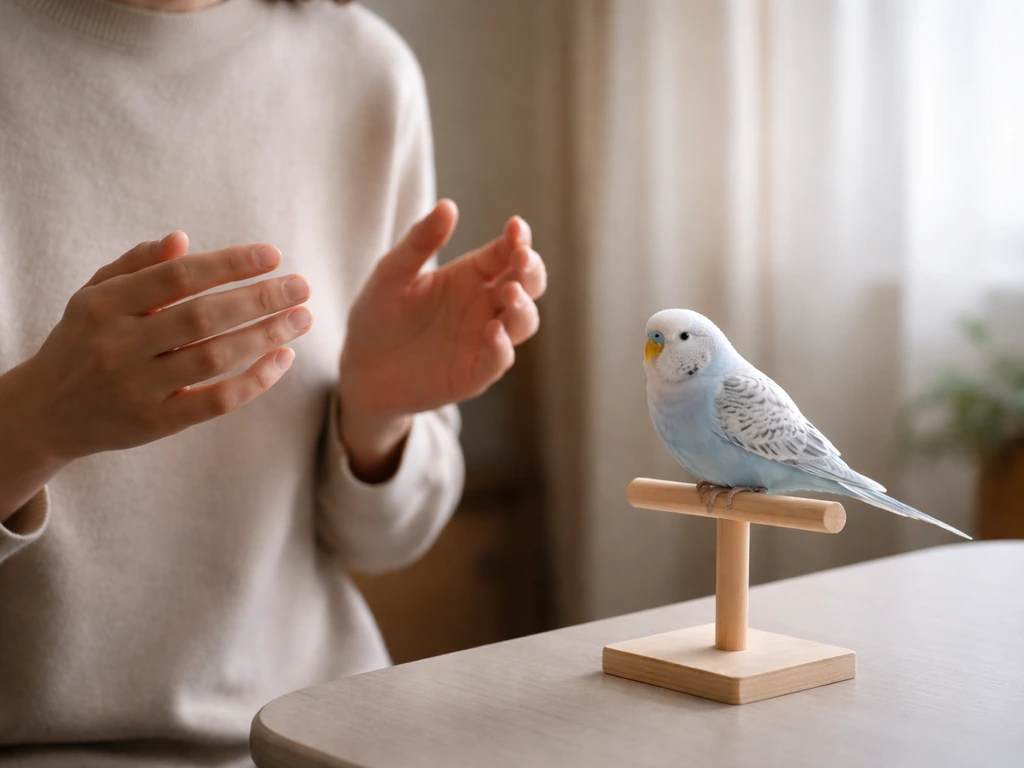
How to Approach a Bird Safely: Trust Steps and Tips
Learn how to approach a bird safely with trust-building steps, body language, feeding tips, and fixes for common issues.
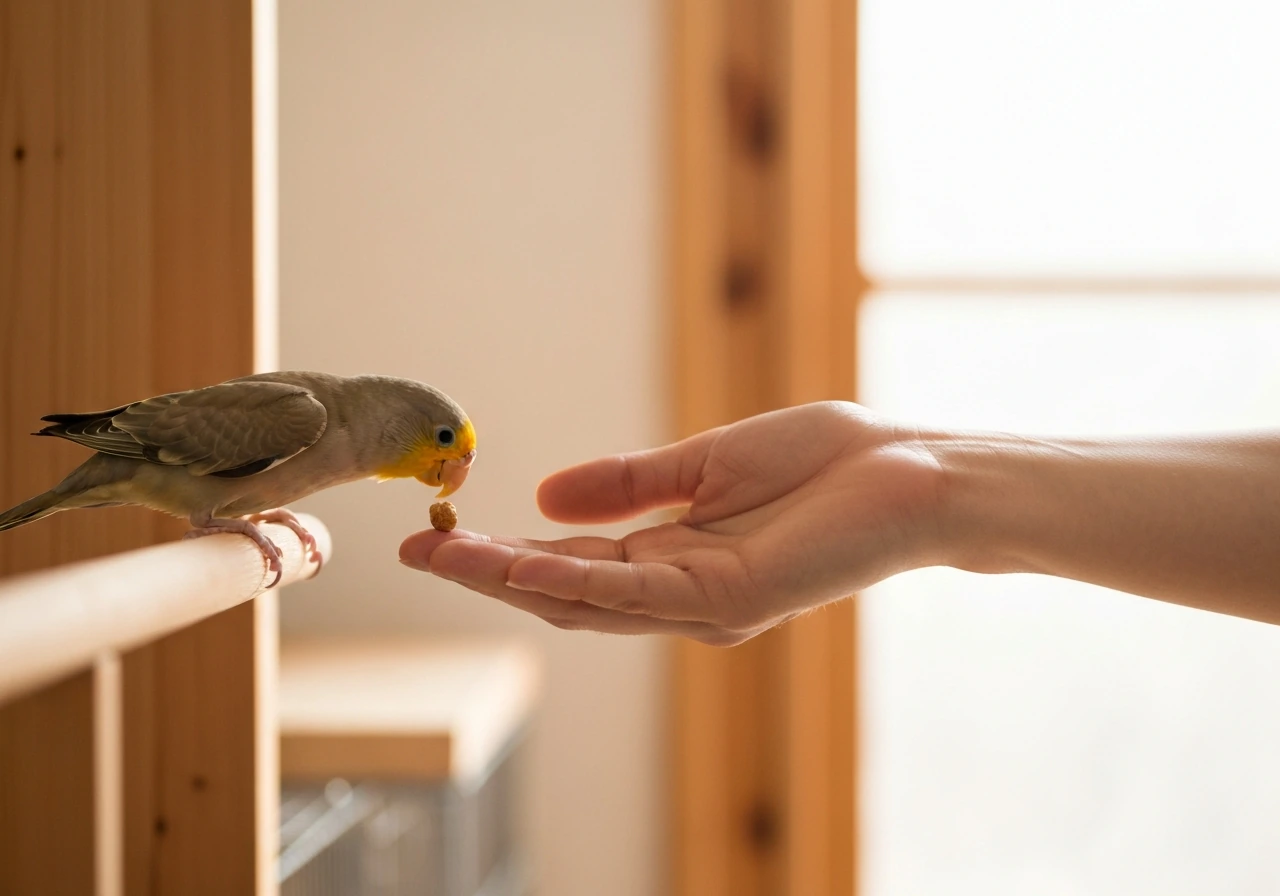
How to Bond With a Bird: Step-by-Step Trust Plan
Step-by-step plan to bond with a bird using positive routines, treats, cues, and safe handling for pet or wild birds.
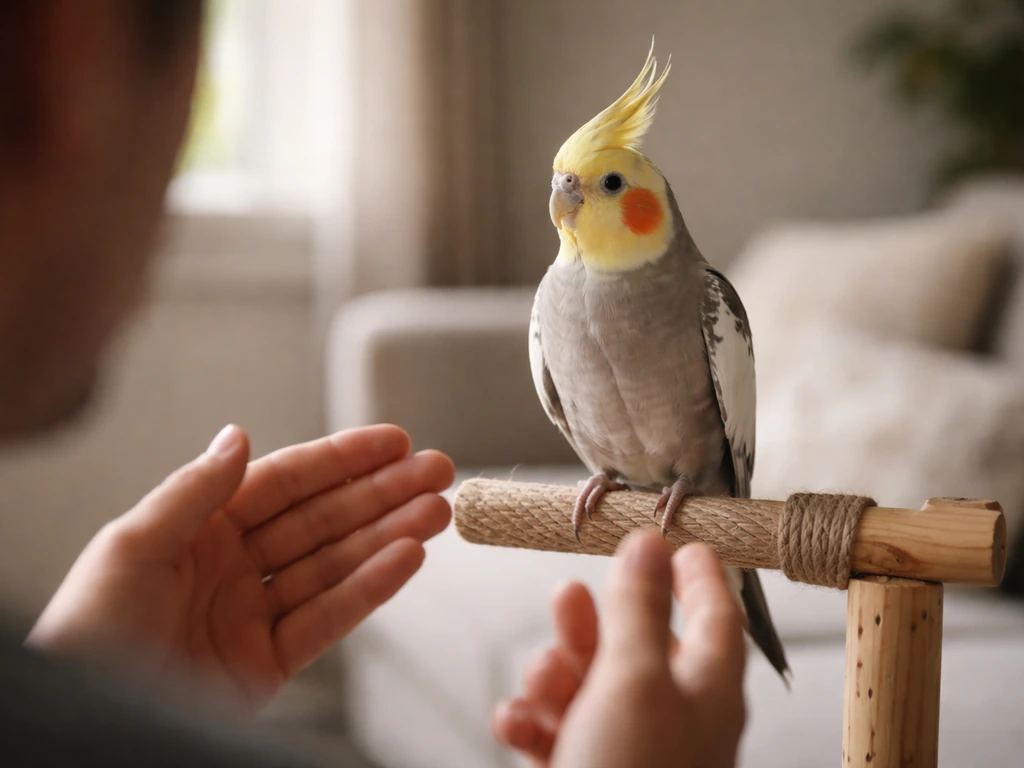
How to Communicate With a Bird: Step-by-Step Guide
Step-by-step bird communication routine using vocalizations, body language, trust building, and species tips for pets an