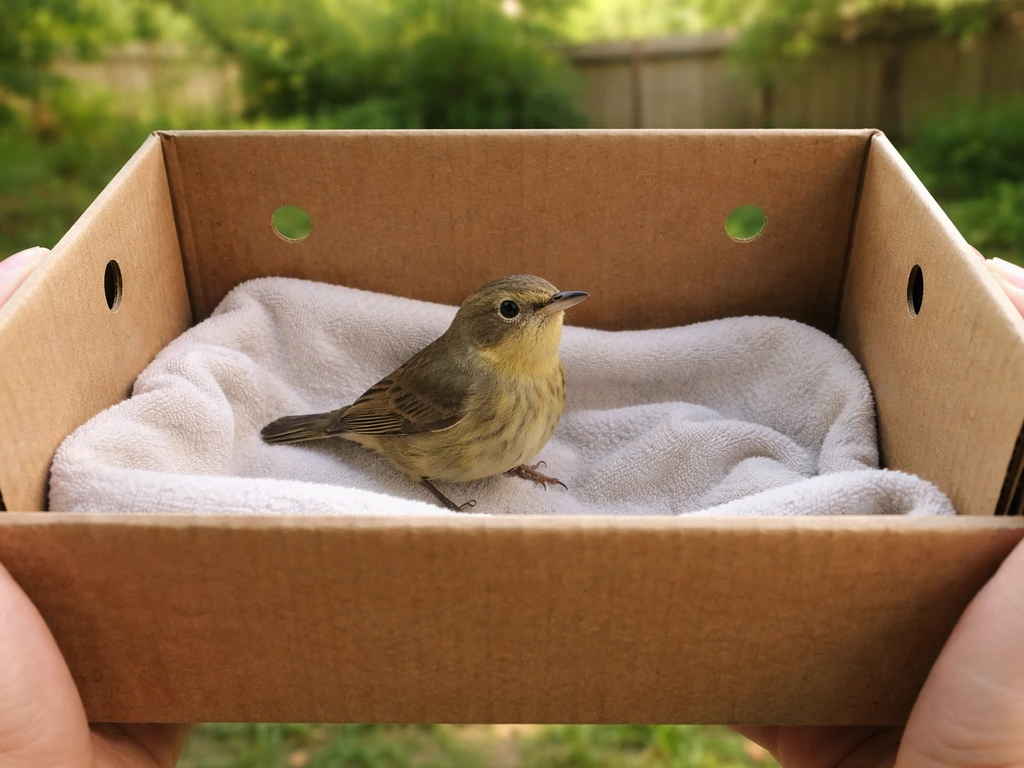
Taming a bird comes down to one thing: earning trust. Whether you have a new budgie sitting frozen in the corner of its cage or a cockatiel that lunges every time you open the door, the process is the same. You build trust slowly, use food as a bridge, and let the bird set the pace. This guide walks you through exactly how to do that, from day one through your first real handling sessions, with species-specific adjustments and honest timelines so you know what to expect.
How to Tame a Bird: Humane Steps for Pet Birds and Wild Birds
Clara Hayes
2 Apr 2026
What taming actually means (trust, not obedience)
A lot of people think taming means making a bird do what you say. It doesn't. Taming is the process of convincing a bird that you are safe, predictable, and worth being near. Obedience is a byproduct of that trust, not the goal itself. A bird that trusts you will step up, take treats from your hand, and stay calm during handling. A bird that has only been forced into compliance will bite, lunge, or shut down under stress.
The distinction matters practically. When you approach a bird aggressively, chase it, or grab it before it's ready, you damage the bond and set your timeline back by days or weeks. The RSPCA frames successful handling as something that protects and grows trust, and that framing is exactly right. Every interaction is either a deposit or a withdrawal from the trust account you're building with your bird.
Trust-building also means respecting a bird's body language rather than overriding it. A bird that's backing away, fluffing its feathers, or pinning its eyes is telling you something important. Reading those signals, and responding to them, is what separates taming from just tolerating being handled.
Where to start based on the bird you have
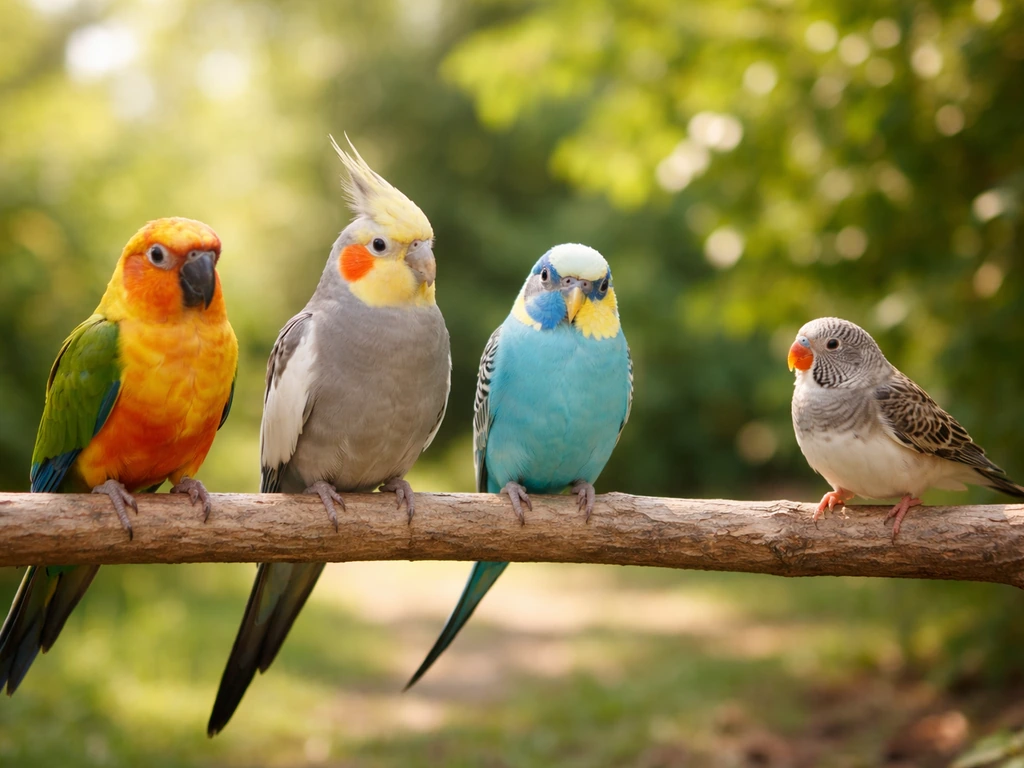
Different species have different starting temperaments, and your approach on day one should match your bird's natural wiring. Here's a practical breakdown by species.
Parrots (including conures, amazons, African greys, cockatoos)
Parrots are intelligent and emotionally complex. They are also highly social, which works in your favor. A parrot that is hand-fed as a chick will often be quite handleable from the start, but re-homed or wild-caught parrots need a full trust-building program. Start by simply sitting near the cage without interacting. Let the bird get used to your presence, your voice, and your movements before you ever open the door. Positive reinforcement is the most effective training method for parrots. Reward calm behavior, reward looking at you without alarm, and reward any movement toward your hand before you ever ask for a step-up.
Cockatiels
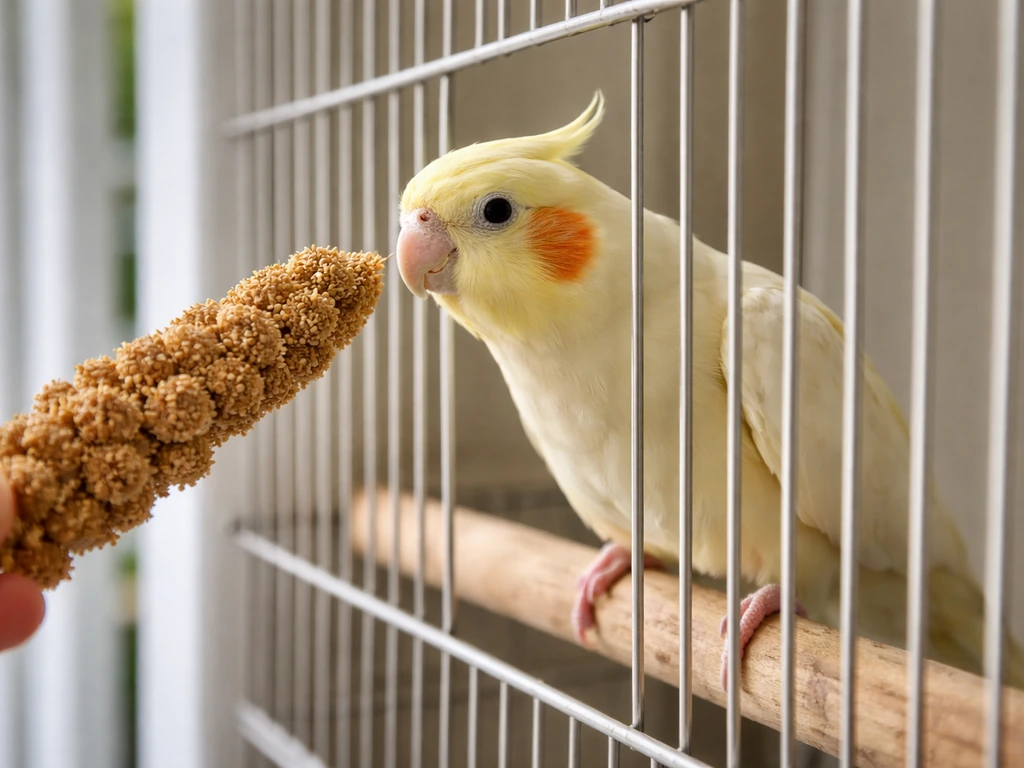
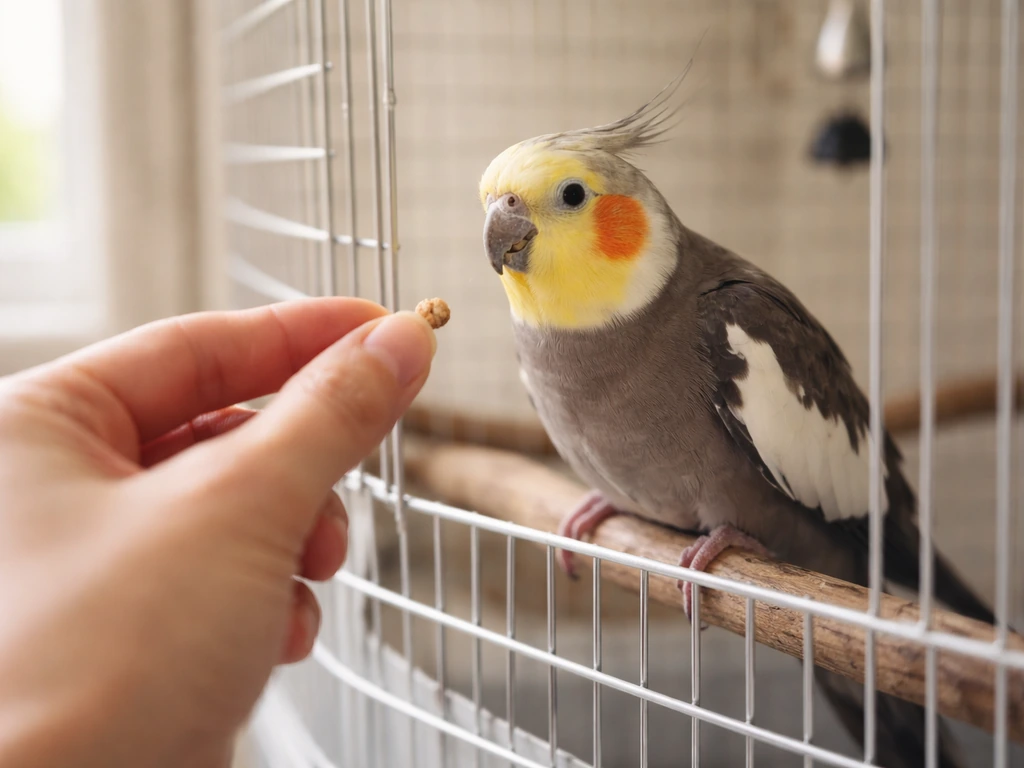
Cockatiels are generally one of the easier pet birds to tame because they are naturally curious and motivated by food. Millet spray is almost universally effective as a training treat. The approach is the same as with larger parrots, but cockatiels tend to reach the hand-contact stage faster. They are also more sensitive to sudden movements and loud noises, so keep sessions quiet and calm.
Budgies (budgerigars)
Budgies are small, fast, and easily startled. The biggest mistake with budgies is rushing. Because they are tiny, people underestimate how frightening a large human hand is to them. Start by placing your hand inside the cage without moving it. Just let it sit there, maybe with a small piece of millet at the end, and wait. This can take several sessions before the budgie will approach. Patience here pays off significantly down the line.
Finches and other small birds
Finches are a different category altogether. Most finch species are not good candidates for hands-on taming in the same way parrots or cockatiels are. They are prey animals with strong flight instincts and they do not naturally seek out human physical contact. If you have finches, your goal should be habituation rather than hands-on taming: getting them comfortable with your presence near the cage, coming to the feeder when you are nearby, and tolerating gentle observation. Attempting to handle finches the way you would a parrot causes significant stress and is generally not recommended.
The daily taming routine that actually works
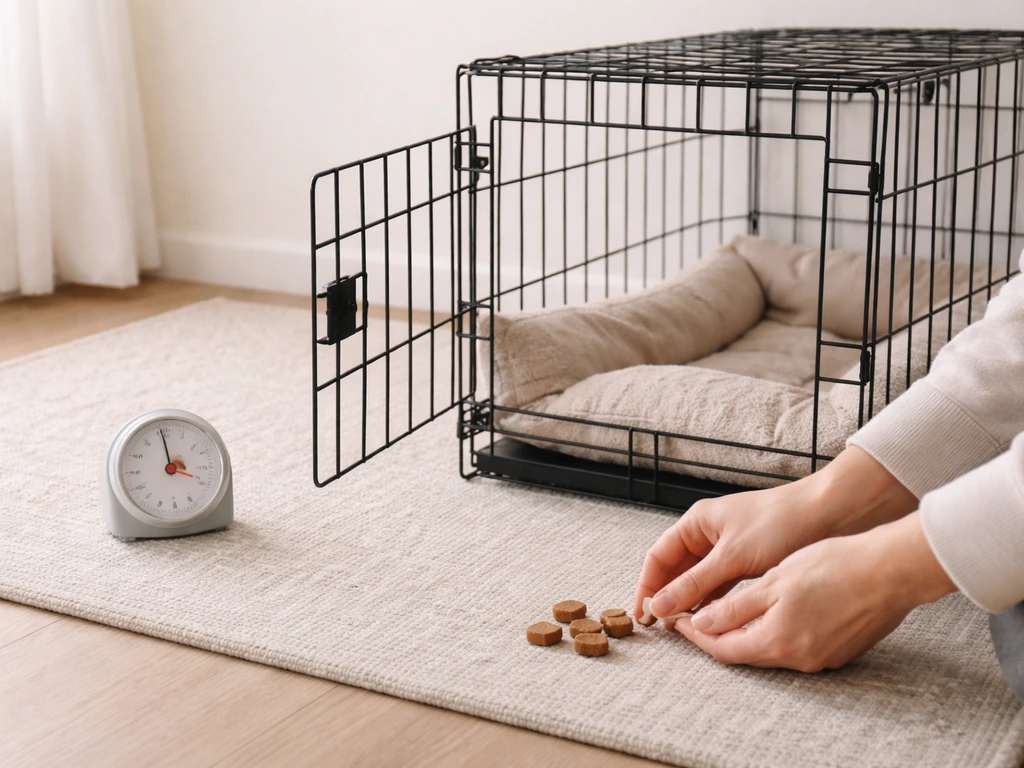
Consistency beats intensity every time. Short, frequent sessions are far more effective than one long session a week. Aim for two to three sessions per day, each lasting five to fifteen minutes. Here's how each session should go, staged by where your bird currently is in the trust-building process.
Stage 1: Presence (days 1 to 7)
Sit near the cage. Talk quietly. Read a book out loud, describe what you're doing, or just narrate your day in a calm voice. Don't stare directly at the bird, which can feel threatening. Let the bird observe you from a safe distance. Feed treats by placing them through the cage bars or in the food dish while you're nearby. The goal here is that the bird learns your presence predicts good things.
Stage 2: Hand in cage (days 5 to 14)
Open the cage and slowly place your hand inside, holding a treat. Don't reach toward the bird. Just hold your hand still, treat visible, and wait. If the bird moves away, that's fine. Stay still, keep the treat offered, and give it a minute. Close the cage and try again next session. A key staging principle from avian training experts is that you make the bird comfortable with your hand in the cage before you ever ask it to step up. Each small step forward gets rewarded with a treat and calm verbal praise.
Stage 3: Pairing a cue (days 10 to 21)
Once the bird takes treats from your stationary hand, you can start pairing a verbal cue. Say "step up" in a clear, calm voice every time you offer your hand with the treat. The bird's sight of your hand plus the sound of "step up" become paired with the reward. This is the same conditioning principle used in clicker training: a neutral signal predicts something good. At this stage, reward any contact with your hand, even just a toe touching your finger. Shaping means reinforcing successive approximations of the final behavior, not waiting for perfection on the first try.
Stage 4: Step-up (days 14 onward)
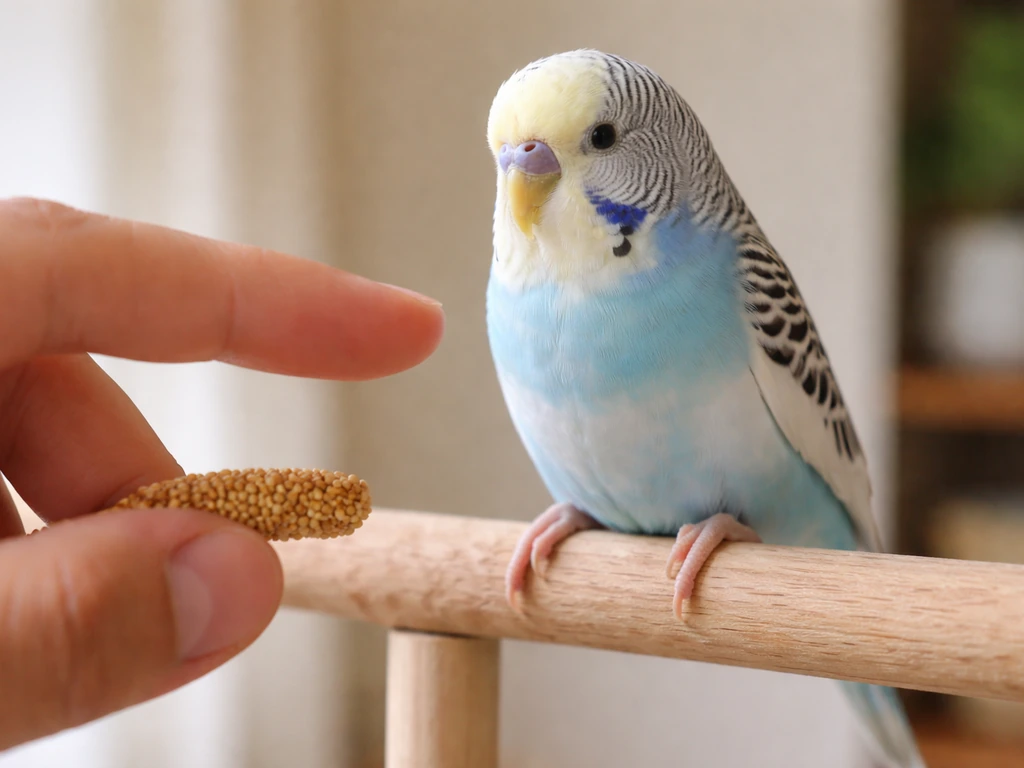
Position your hand so it acts like a perch, just above the bird's feet. Gently press your finger against the bird's lower chest, just above where its legs meet its belly. This slight pressure naturally triggers a step-up response in most birds. Say "step up," and the moment a foot lands on your hand, give the treat and verbal praise immediately. Proper hand positioning makes stepping up easy and natural. If the bird walks across your hand to get to the treat rather than stepping cleanly up, that counts and that's fine. The Gabriel Foundation specifically recommends letting a bird walk across your hand for an offered treat as a non-threatening entry point to step-up training, and forcing a step-up before the bird is ready reliably results in bites.
Stage 5: Out-of-cage time and handling
Once your bird is stepping up consistently inside the cage, practice stepping up and then stepping back onto a perch. Gradually extend the time the bird spends on your hand before returning it. Begin moving your hand slowly while the bird is on it. Out-of-cage time is important for the bird's wellbeing and for deepening your bond. Birds benefit from regular out-of-cage interaction every day, and that unstructured time together is often what accelerates trust as much as the formal training sessions.
Reading your bird: comfort, fear, and when to stop
Knowing when to keep going and when to back off is one of the most important skills you can develop. Watch your bird's body language constantly during sessions. Here are the key signals to know.
| Signal | What it means | What to do |
|---|---|---|
| Relaxed feathers, one foot tucked | Comfortable, calm | Continue at current pace |
| Leaning toward you, eyes soft | Curious and engaged | Good time to advance a stage |
| Feathers puffed around head or shoulders, wings slightly held away | Agitated or stressed | Slow down, reduce pressure |
| Tail fanning, eye pinning, mouth open | High aggression warning | Stop the session immediately |
| Backing away, turning body away | Uncomfortable with current approach | Give space, try again next session |
| Open-mouth breathing, wings held away from body | Overheating or severe stress | End session, ensure ventilation and calm |
| Beak grinding (soft, while settling) | Contented and relaxed | You're doing great, keep going |
Any body language associated with aggression is a clear signal to stop. Do not push through. Ending a session when the bird is stressed does not reinforce bad behavior; it prevents you from making the situation worse. The next session, start at a stage the bird was previously comfortable with and rebuild from there. Positive punishment, such as scolding or flicking the bird, is not recommended and actively undermines trust.
Handling safety and avoiding bites
If a bite does happen, the most important thing is not to jerk your hand away sharply. A sudden withdrawal rewards the bite by making it effective (you retreated), and it can also startle or injure the bird. Stay calm, say "no" in a firm but quiet voice, and gently set the bird back on its perch. Then end the session. The best approach to avoiding bites in the first place is conditioning the bird to handling before you need to physically restrain it. Before you handle wildlife, make safe decisions first and be aware of the general risks of intervening with animals, including birds, as outlined in RSPCA’s wildlife safety guidance Handling safety and avoiding bites.
If you ever do need to restrain a bird for a health check or nail trim, never squeeze around the chest. Birds breathe by expanding their chests, and pressure around the thorax can literally prevent them from breathing. Support the bird's body from below and keep your grip gentle but secure, using a towel if needed for larger birds. This is a situation where reading the bird's comfort level and using finesse and technique matters far more than grip strength.
Wild birds in your yard: what's realistic (and what's legal)
A lot of people searching for how to tame a bird are actually thinking about the robin on their porch or the sparrow that keeps returning to the feeder. The honest answer here is that "taming" a wild bird is very different from taming a pet bird, and in some cases it's legally restricted or genuinely not in the bird's best interest.
In the United States, most wild songbirds are protected under the Migratory Bird Treaty Act, administered by the U.S. Fish and Wildlife Service. This means that capturing, holding, or interfering with migratory birds is illegal without a federal permit. You cannot legally keep a wild bird, even if it seems injured or friendly. If you find an injured wild bird, contact a licensed wildlife rehabilitator in your area rather than attempting to handle or tame it yourself.
What you can do ethically and legally is create an environment that encourages wild birds to feel safe near you. If you're curious about how to tame wild birds through habituation, the approach involves consistent, predictable presence near feeders, moving slowly, and letting birds associate you with food and safety over weeks or months. Some species, like chickadees and titmice, can become remarkably comfortable taking seeds from an open hand after a patient conditioning period. But this is habituation, not taming in the pet-bird sense, and the bird always retains full freedom to leave.
Before you decide whether any level of contact with a wild bird is appropriate, it's worth thinking through whether you can really tame a wild bird at all, because the answer depends heavily on the species, its history, and what you mean by "tame."
Feeder setup and safe attracting practices
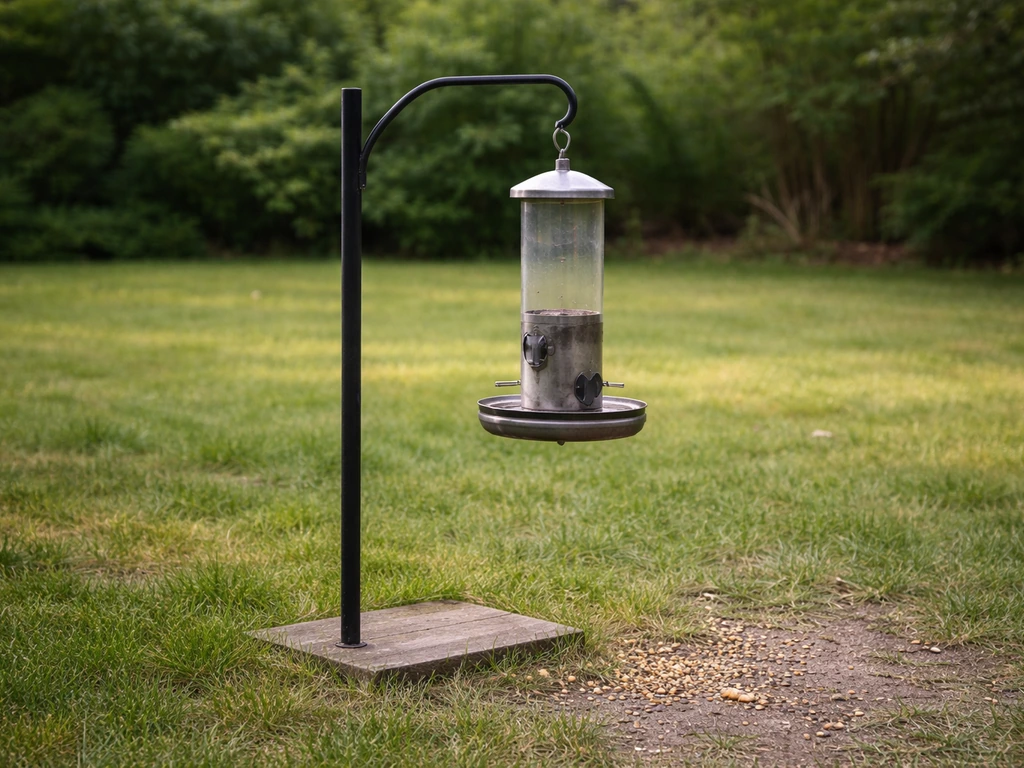
If your goal is to get wild birds comfortable near you, the feeder setup matters a lot. Place feeders in open locations where birds can see predators approaching, away from dense shrubs or brush that cats can hide behind. Keep feeders clean, scrubbing them with a 10% non-chlorinated bleach solution at least a few times a year and any time you notice sick birds. Disease spreads quickly at feeders because birds congregate at unnaturally high densities, and illnesses like salmonellosis, house finch eye disease, and avian pox are associated with poorly maintained feeders. Don't let seed accumulate on the ground, and if you see multiple sick birds at a feeder, take it down temporarily and clean it thoroughly before putting it back up.
Troubleshooting: when things aren't going as planned
The bird won't step up
- Go back a stage. The bird probably isn't comfortable with your hand yet. Spend more time at the hand-in-cage stage before asking for the step-up.
- Check your treat value. Is the treat actually motivating? Try a different food. Millet works for cockatiels and budgies; for parrots, small pieces of fruit, nut, or whatever they go crazy for work best.
- Check your hand position. Your hand should be at or just above the bird's feet, not hovering above the bird. A hand above the head reads as a predator.
- Try a dowel or perch first. Some birds step onto a perch more readily than a hand initially. Use that as a bridge.
- Reduce distractions. Other pets in the room, loud TV, or people walking through can make the bird too anxious to focus.
The bird won't take treats
- Train before a meal, not after. A bird that just ate is not motivated by food. Most birds are most receptive in the morning before their main feeding.
- Experiment with treat types. Some birds prefer seeds, others fresh fruit or soft foods. Find the one thing your bird goes out of its way to get.
- Your hand may still be too scary. If the bird won't take treats from your hand but eats normally from its dish, the problem is proximity, not the treat. Place treats closer to you over multiple sessions.
- The bird might be unwell. A bird that suddenly loses interest in food should be seen by an avian vet. Illness commonly presents as reduced appetite and lethargy.
Fear periods and regression
It's completely normal for a bird to seem to regress after making progress. A new object in the room, a change in routine, a loud noise, or even seasonal hormonal changes can trigger a fear period where the bird seems more skittish than before. When this happens, don't push through. Drop back to an earlier stage that felt safe, rebuild from there, and give the bird a few extra days before advancing again. Some birds, especially re-homed or older birds, may need several training sessions just to become comfortable with the initial approach phase. Progress may come in "one training session or several training sessions" depending on the individual bird, and both are completely normal.
Aggression and lunging
Aggression is almost always fear-based in birds that haven't been conditioned to handling. Hormonal birds (especially during breeding season) can also be territorial. If your bird is consistently lunging or biting, step back and focus entirely on treat-based interactions through the cage bars for a week or two. Don't reach into the cage at all during this period. Let the bird associate your hand with treats only, with no pressure. If aggression is severe or sudden in onset (especially in a bird that was previously tame), consult an avian vet to rule out pain or illness as the cause, and consider working with a certified animal behaviourist who specializes in birds.
How long does this actually take
Timelines vary more than most guides admit. A hand-raised cockatiel that's simply in a new home might be stepping up within a week. A rescue parrot that was mishandled for years might take three to six months of consistent work before it trusts you enough for regular physical contact. Here's a rough guide by scenario.
| Scenario | Realistic timeline to stepping up | Notes |
|---|---|---|
| Hand-raised pet bird in new home | 3 to 14 days | Mainly needs to adjust to you specifically |
| Young budgie or cockatiel, not yet handled | 2 to 6 weeks | Millet and patience are your best tools |
| Re-homed adult parrot with no prior training | 1 to 4 months | Expect setbacks; go slow |
| Rescue or traumatized bird | 3 to 12 months or more | May need avian behaviourist support |
| Wild bird yard habituation (hand-feeding) | 2 to 6 months of consistent presence | Species-dependent; chickadees fastest |
Measuring progress isn't just about whether the bird steps up. Early wins include the bird eating normally when you're nearby, moving toward you instead of away, accepting treats from your hand through cage bars, and staying calm when you open the cage door. These are real, meaningful milestones. Celebrate them.
Signs you're on track
- The bird watches you with relaxed posture rather than alarm
- It flies toward you or moves to the side of the cage closest to you
- It accepts treats directly from your fingers without backing away
- It stays on your hand for more than a few seconds without trying to escape
- It shows relaxed body language (soft eyes, smooth feathers) while you're nearby
- It makes contact calls or vocalizes happily when you enter the room
Species-specific guides worth reading next
If you have a lovebird, the taming process has some specific quirks worth knowing about. Lovebirds are intensely bonded animals and their behavior toward humans depends heavily on whether they're kept singly or in pairs. Reading up on how to tame a lovebird will give you species-specific techniques that general parrot advice doesn't cover.
Doves are another species people often try to tame, and they respond very differently from parrots. If you're working with a dove, the approach to taming a dove bird leans more on calm, slow movement and less on food-based step-up training. Doves don't perch on fingers the same way parrots do, and understanding their comfort signals is essential.
For anyone still in the early stages of understanding what a fulfilling relationship with a pet bird can actually look like, it helps to think about what loving a bird really involves beyond training: enrichment, companionship, veterinary care, and respecting the bird as a complex animal with needs that go well beyond step-up commands.
Whatever bird you're working with, the core principle doesn't change: go slow, reward small wins, read the body language, and let the bird lead the pace. Birds don't operate on human timelines, and the ones that end up most genuinely tame are almost always the ones whose owners resisted the urge to rush.
FAQ
How long should it take to tame a pet bird using the trust-first approach?
It varies by bird history, age, and how consistently you work. As a practical rule, you should see at least one measurable early change within 1 to 2 weeks, such as calmer eating when you’re nearby or accepting treats through cage bars. If you see no improvement after a few weeks, reduce intensity, start farther back in the steps, and consider a behavior issue that could be pain, illness, or fear linked to a specific trigger.
Can I tame a wild bird, or will it always stay wild?
In most cases you cannot legally “tame” a wild migratory bird, but you can sometimes habituate a bird to your presence near food. Habituation means the bird keeps full freedom to leave, and repeated close contact still risks stress or abandonment. If a wild bird shows injury or dependence on people, contact a licensed wildlife rehabilitator rather than trying to build handling trust.
What’s the fastest way to stop biting during early taming sessions?
The fastest fix is to stop increasing pressure and go back to treat-only interactions. For 1 to 2 weeks, avoid opening the hand toward the bird or asking for step-up, and reward calm behavior through cage bars or near the entrance with your hand staying neutral. Also shorten sessions and keep them quiet, because many bites are fear responses to sudden movement or your timing.
My bird takes treats but still won’t step up. What should I do next?
If your bird will eat but avoids step-up, you likely need more shaping and less “requesting.” Keep your hand stationary and reward tiny contact, such as a toe touch, then reward leaning forward, then reward a full foot placement without immediately lifting or pressing. Only ask for step-up once the bird consistently offers interest toward the hand.
Should I try to force step-up to “get it over with” when the bird is being stubborn?
No. Forcing typically increases fear, teaches that you are unpredictable, and often causes bites. Instead, make step-up optional at the beginning (bird can choose to approach or not), and advance only when the bird shows relaxed body language, takes treats willingly, and allows your hand to stay close without freezing or backing away.
How do I know when I’m progressing versus when I’m pushing too hard?
Progress looks like consistency, such as the bird approaching the hand more quickly, accepting treats with less tension, or staying calm when you open the door. Pushback looks like increased flinching, repeated backing away, hard staring combined with puffing, tail flicking that escalates, or refusal to eat during sessions. When in doubt, end the session early and return to the last comfortable step next time.
What should I do immediately after a bite happens?
Stay calm and avoid yanking your hand away suddenly, because abrupt retreat can accidentally teach the bird that biting makes you back off. Say a firm but quiet “no,” gently guide the bird back to its perch or let it regain comfort, then end the session. Afterward, adjust the next attempt to an earlier stage (for example, treat-only through bars) so the bird rebuilds predictability.
Can I use a clicker or target training instead of the verbal cue “step up”?
Yes, but keep the logic consistent. Use a neutral marker (click or a word) that always predicts a treat, and pair it with the exact action you want. For step-up, marker timing should be immediate when any part of the intended contact happens (even a toe). Avoid switching between markers and cues mid-session, because that can slow conditioning.
What’s the safest way to handle my bird if I must do a nail trim or health check?
Use technique that supports breathing, avoid squeezing around the chest, and support the bird from below with a gentle but secure hold (often with a towel for larger birds). Aim for the least restraint time possible, and separate health handling from taming sessions to prevent confusing the bird. If your bird repeatedly escalates in restraint, ask an avian vet for a handling plan tailored to your species.
How should I position my hand during step-up to reduce stress?
Offer your hand as a stable perch just above the feet, keep it still, and avoid reaching from above or grabbing. Pressing on the lower chest area only works as a cue for many birds, but if your bird backs away or freezes, pause and return to earlier stages. Your best indicator is whether your bird relaxes enough to approach rather than retreating.
My bird regresses after progress. What can cause that, and what should I do?
Common triggers include new objects, routine changes, loud household noises, seasonal hormone shifts, and even subtle changes in lighting or airflow. When regression happens, don’t interpret it as failure. Drop back to the stage where the bird felt safe, treat calmly, and give extra time before reattempting the step-up stage.
Do shorter, more frequent sessions really work better than long sessions?
For most birds, yes. Short sessions reduce stress buildup and allow repeated opportunities to earn rewards. If your sessions consistently run past the point where the bird shows tension or avoidance, you are likely extending fear rather than building trust, so stop earlier and resume at the last comfortable step.
What should I do if my bird is hormonally aggressive, especially during breeding season?
During hormone surges, aggression can be territorial and not purely fear-based. Temporarily focus only on treat-based interactions, no reaching into the cage, and avoid forcing contact. Keep your approach predictable, reduce stimulation that can trigger mating behavior, and if aggression is sudden or severe, consult an avian vet to rule out pain or illness.
Are finches good candidates for taming in the same way as parrots?
Usually no. Many finches are prey-driven and do not seek hand contact, so attempting finger handling often causes major stress. A more appropriate goal is habituation, such as accepting your presence near the cage, approaching feeders when you’re nearby, and tolerating observation without trying to create step-up training.
Next Article
How to Catch a Bird Without Killing It: Humane Steps
Humane, trap-free steps to catch a wild backyard bird safely, minimize stress, contain it calmly, then release or reloca