Building a real bond with a bird comes down to three things: earning trust on the bird's terms, reading what the bird is telling you with its body, and being consistent over time. Whether you have a lovebird or cockatiel in a cage, a budgie you want to handle, or you're trying to coax wild birds into your backyard, the approach is the same at its core: go slowly, use positive reinforcement, and never force the interaction. That's how you love a bird in practice.
How to Love Bird: Build Trust, Tame, or Attract Them Safely
Clara Hayes
27 Apr 2026
What do you actually mean by 'loving' a bird?
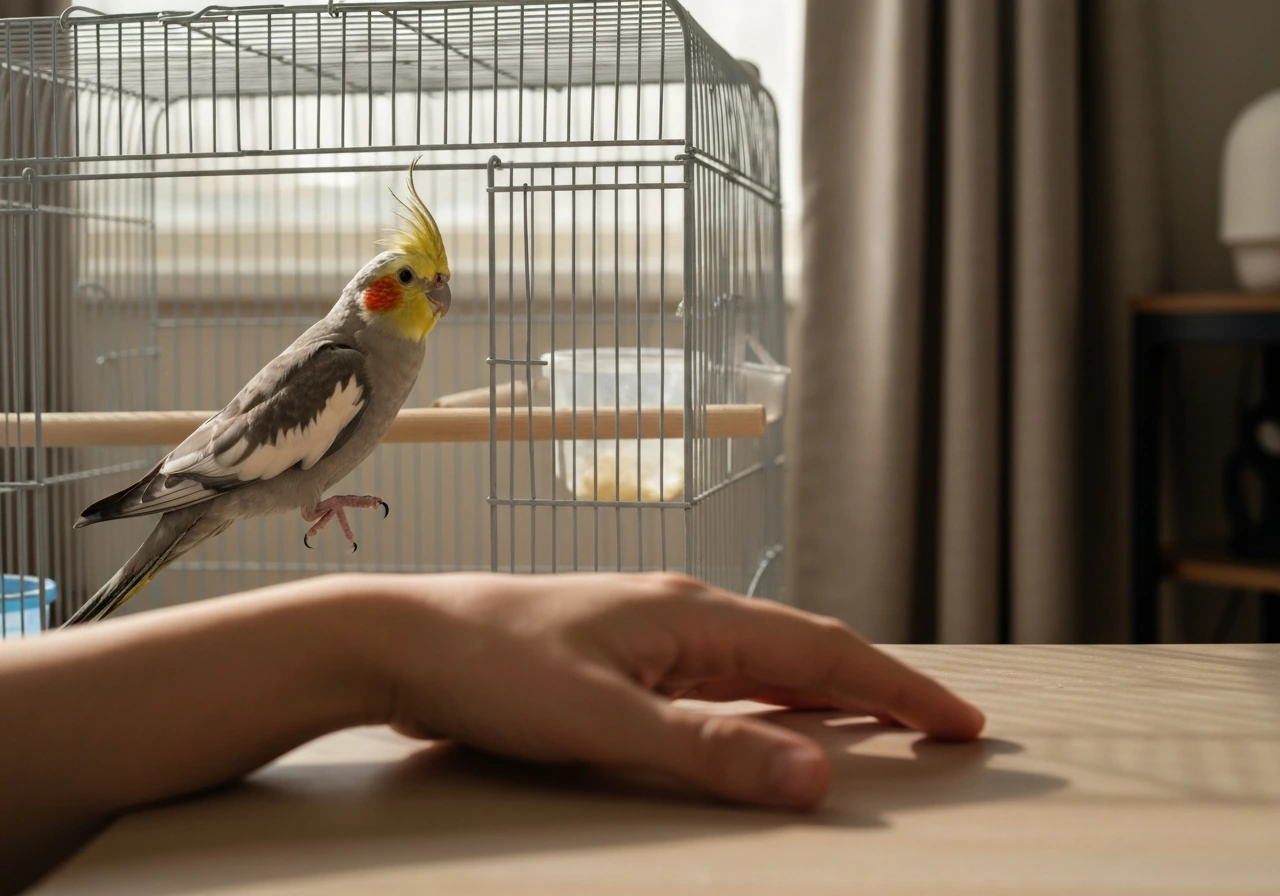
The phrase 'how to love a bird' covers at least three very different situations, and which one applies to you shapes everything about the approach you should take.
- Bonding with a pet bird: building a relationship of mutual trust so your bird genuinely enjoys your company and comes to you willingly.
- Taming and handling a pet bird: teaching your bird to step up, accept touch, and behave calmly during handling—this is a trained skill, not just affection.
- Attracting wild birds: creating a safe, welcoming yard habitat so wild birds visit regularly without becoming dependent or stressed.
These goals overlap but aren't identical. A tamed lovebird you can handle is also usually a bonded bird, but a wild finch that visits your feeder every morning isn't tame and shouldn't be treated as such. The sections below cover all three, so find the one that fits your situation and start there. If you specifically want to tame a lovebird step by step, the topic of how to tame a lovebird goes deeper into that species. If you're working with other species like doves or wild birds, those situations have their own nuances worth exploring separately.
Safety, ethics, and legal basics before you start
Before you do anything with any bird, know these fundamentals. They protect the bird, protect you, and keep you on the right side of the law. Purdue University’s veterinary guidance warns that trimming only one wing can cause an unbalanced descent that may injure the bird and recommends having an experienced veterinarian show you how before attempting wing trimming at home (see: General Husbandry of Caged Birds) General Husbandry of Caged Birds (Purdue University College of Veterinary Medicine).
For pet birds
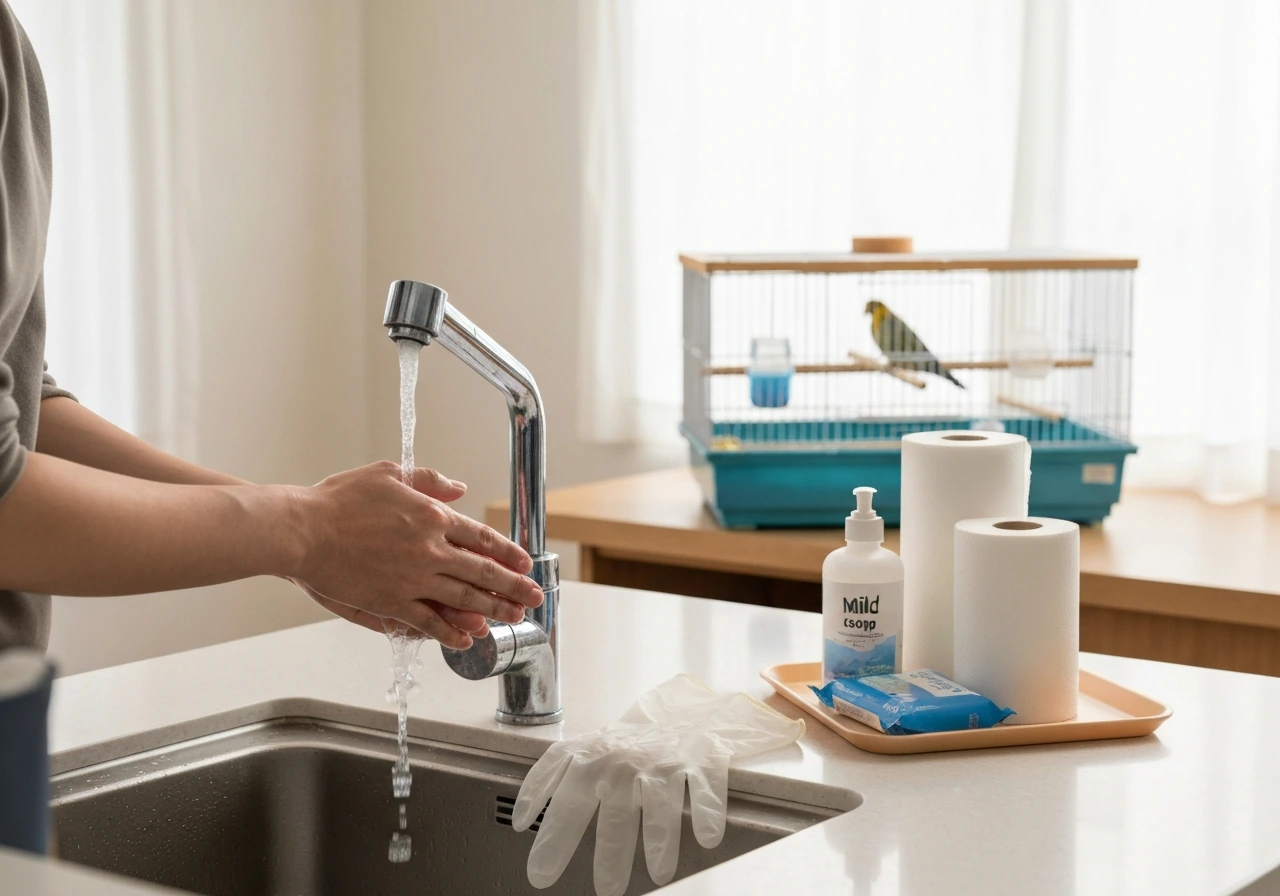
- Wash your hands before and after handling. Birds can carry bacteria and fungi, and you can transfer things to them too.
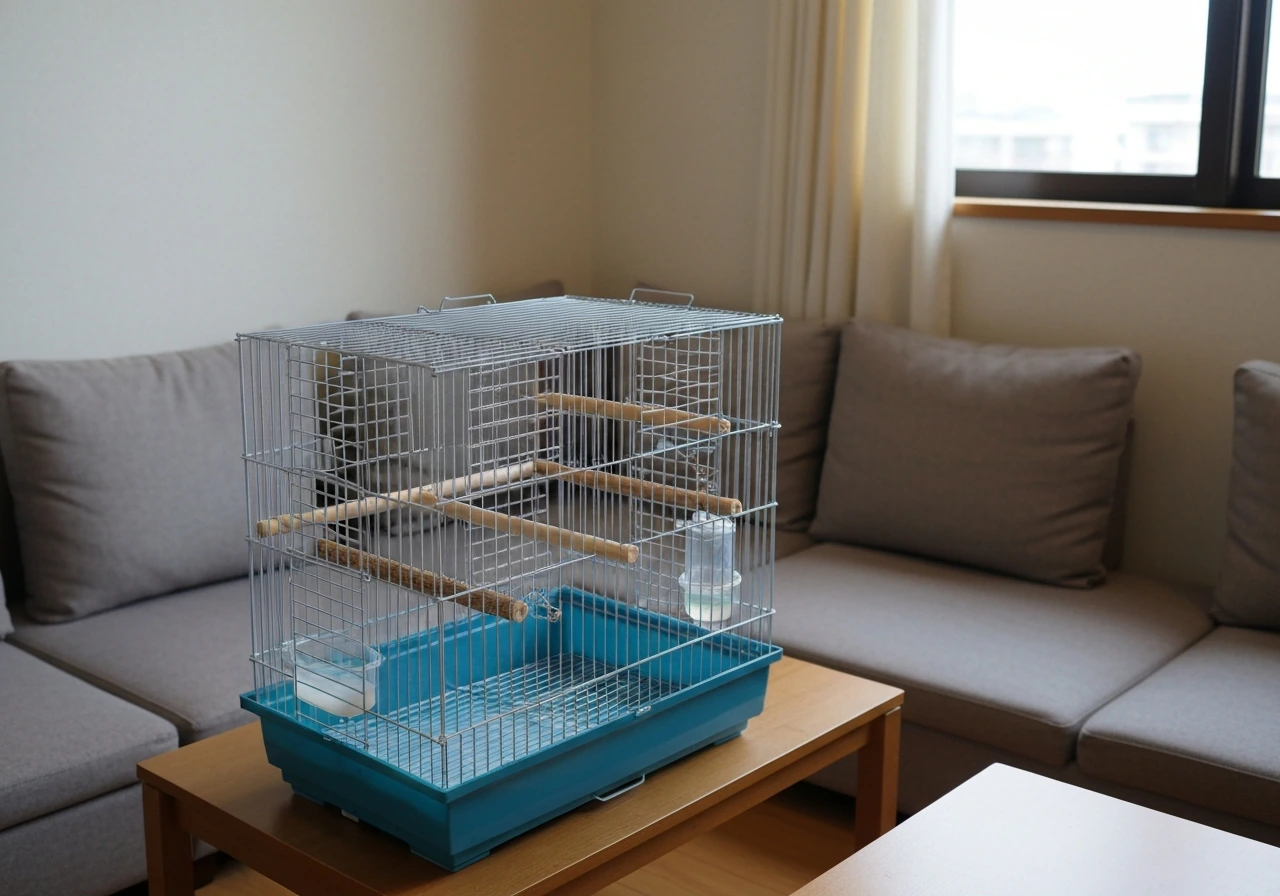
- Keep the environment safe: no ceiling fans running, no open windows or doors, no toxic houseplants, no non-stick cookware fumes (PTFE/Teflon is lethal to birds).
- Know the difference between a tired bird and a sick bird. A fluffed-up bird sitting quietly is sometimes relaxed and sometimes ill. If fluffiness is paired with lethargy, loss of appetite, or unusual droppings, see an avian vet before starting any training.
- Sudden behavior changes (a usually gentle bird suddenly biting hard or becoming irritable) can signal pain or illness. Rule out medical causes first.
- Wing trimming is a personal and welfare decision. The Association of Avian Veterinarians recommends balancing safety with the bird's need for exercise and natural movement. If you're unsure, talk to an avian vet before clipping.
- Learn basic towel restraint before you need it in an emergency. Practice calmly so the towel doesn't become a terror trigger. Your avian vet can show you the right technique.
For wild birds
- The Migratory Bird Treaty Act (MBTA) protects most wild birds in the U.S. from harm, harassment, capture, or possession. Even well-meaning handling of wild birds can be illegal. If you find an injured wild bird, contact a licensed wildlife rehabilitator.
- Supplemental feeding at backyard feeders is legal and widely practiced, but be aware that multiple federal and state agencies (USDA-APHIS, NYSDEC, Mass.gov) warn against feeding wildlife that could become dependent, concentrate disease, or lose their natural foraging behavior. Keep feeders clean, maintain natural food sources like native plants, and don't hand-feed wild birds to the point they stop foraging naturally.
- Check local ordinances. Some municipalities and federal lands (including areas managed by the U.S. Forest Service) have specific rules restricting wildlife feeding to control disease spread.
- Don't attempt to tame or handle wild birds. Respect the legal and ethical boundary between wild and captive animals.
Building trust with pet birds: species by species
Every pet bird species has a different baseline temperament, and the pace at which you move matters enormously. Pushing too fast creates fear and biting, which then become habits. Moving at the bird's pace feels slow at first but gets you to a genuinely trusting bird much faster in the long run.
Lovebirds
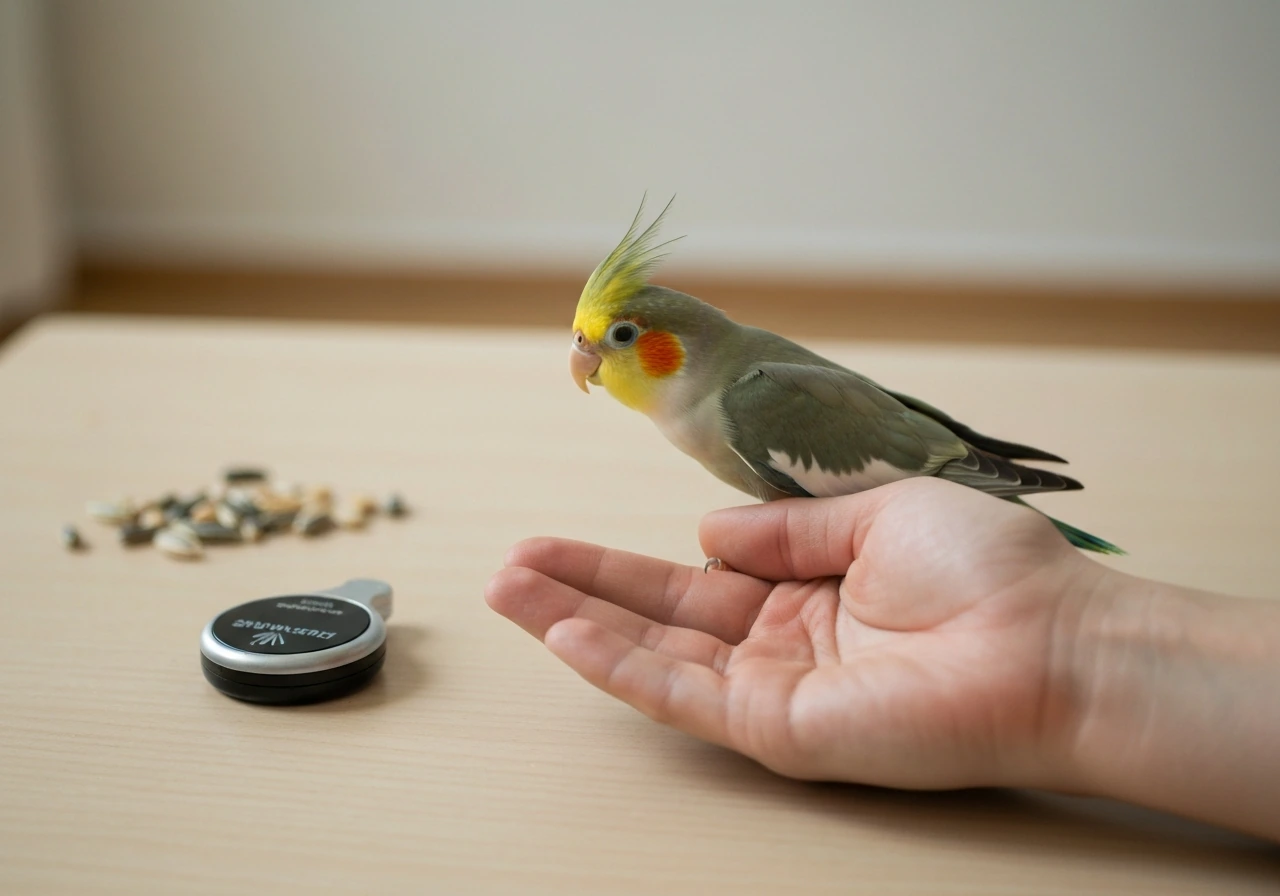
Lovebirds are small, bold, and opinionated. A hand-raised lovebird can be incredibly affectionate, but an untamed or re-homed lovebird may bite hard and often. Start by simply spending time near the cage without trying to interact. Talk softly, read out loud, let the bird get used to your presence and voice as neutral and non-threatening. Offer a small treat (a sliver of apple or a seed) through the cage bars so the bird begins associating your hand with good things. Only when the bird approaches the treat calmly do you progress to opening the cage door.
Cockatiels
Cockatiels are generally one of the more forgiving species to tame. They're social, curious, and usually willing to interact once initial fear subsides. The same proximity-first approach works well: sit near the cage, let the bird get comfortable with your presence, then progress to offering food from your hand inside the cage before asking for any step-up behavior. Cockatiels are often food-motivated, so millet spray is a powerful training reward.
Budgies (Budgerigars)
Budgies can be tamed at almost any age, but younger birds (under six months) typically progress faster. The key with budgies is repetition and patience: short, daily sessions work far better than occasional long ones. Budgies are flock animals and feel safer when you're at their level, so sit down when working with them. Let the budgie climb onto your hand from a perch rather than scooping it up from below.
Finches
Finches are fundamentally different from parrots and cockatiels. They're generally not companion birds in the hands-on sense: they're kept for their song and beauty, and most finches do not enjoy being handled. Loving a finch looks like providing an enriched, spacious environment, a compatible companion bird, correct diet, and the opportunity to fly freely in a large cage or aviary. Minimize unnecessary handling, which causes finches significant stress.
Environment setup for all pet birds
- Place the cage at or slightly below eye level. Cages too high can make the bird feel dominant and harder to handle; too low can make the bird feel vulnerable.
- Position the cage in a room where the family spends time so the bird gets used to everyday household activity.
- Avoid placing the cage near kitchen fumes, drafts, or direct all-day sun.
- Provide enrichment: foraging toys, different perch textures, and regular rotation of items to keep the bird mentally engaged.
How to tame and handle your bird safely: a step-by-step routine
Taming is a progressive process. To learn how to tame a bird step by step, focus on trust-building first and keep sessions short and positive. The goal at every step is to keep the bird below its stress threshold so it never feels the need to bite or flee. Here's the sequence that works.
- Condition a marker sound. If you're using a clicker, pair it with a small food reward 20 to 30 times over two or three sessions until your bird visibly reacts to the click (looks alert, approaches, or shows anticipation). If you don't use a clicker, a short word like 'yes' works the same way.
- Introduce targeting. Hold a small target (a chopstick with a colored tip works well) just outside the bird's normal reach. The instant the bird touches it with its beak, click and deliver the treat. Repeat until the bird is reliably touching the target from its perch.
- Move the target gradually closer to your hand. Over several sessions, position the target so touching it requires the bird to lean toward or step toward your hand. Let the bird set the pace.
- Introduce a perch for step-up. Present a hand-held perch (a dowel) rather than your bare hand at first. Use the target to guide the bird toward stepping onto the perch. Click and reward immediately when one foot goes on. Never push the perch into the bird's chest forcefully, but a gentle forward nudge just below the belly button area encourages stepping.
- Progress to your bare hand. Once the bird steps onto a held perch confidently, substitute your finger or hand. Keep the same position, the same calm energy, and the same reward.
- Keep sessions to about 15 minutes or less. End each session while the bird is still engaged and before it shows any stress. A bird that ends a session on a positive note comes back to the next session with more confidence.
Body language is everything during this process. Signs the bird is comfortable include relaxed feathers, alert bright eyes, and a willingness to approach or take food. Signs you need to back off include flattened feathers held tight against the body, leaning or moving away, crouching with an open beak, fanned-out tail feathers, or a stiff frozen posture. If you see any of these, reduce the intensity of the interaction immediately. Go back to the previous step where the bird was calm. Forcing past these signals teaches the bird to bite as the only way to make you stop.
Desensitization works hand in hand with targeting. If your bird is afraid of your hand, start with your hand held still at a distance where the bird stays calm, reward calm behavior, and very gradually decrease the distance over multiple sessions. Never move your hand closer until the bird is genuinely relaxed at the current distance.
Attracting wild birds to your yard without causing harm
Attracting wild birds is less about training and more about habitat design. You're making your yard a place birds choose to visit because it meets their needs. Done right, this is one of the most rewarding and humane ways to enjoy birds.
Food and feeders

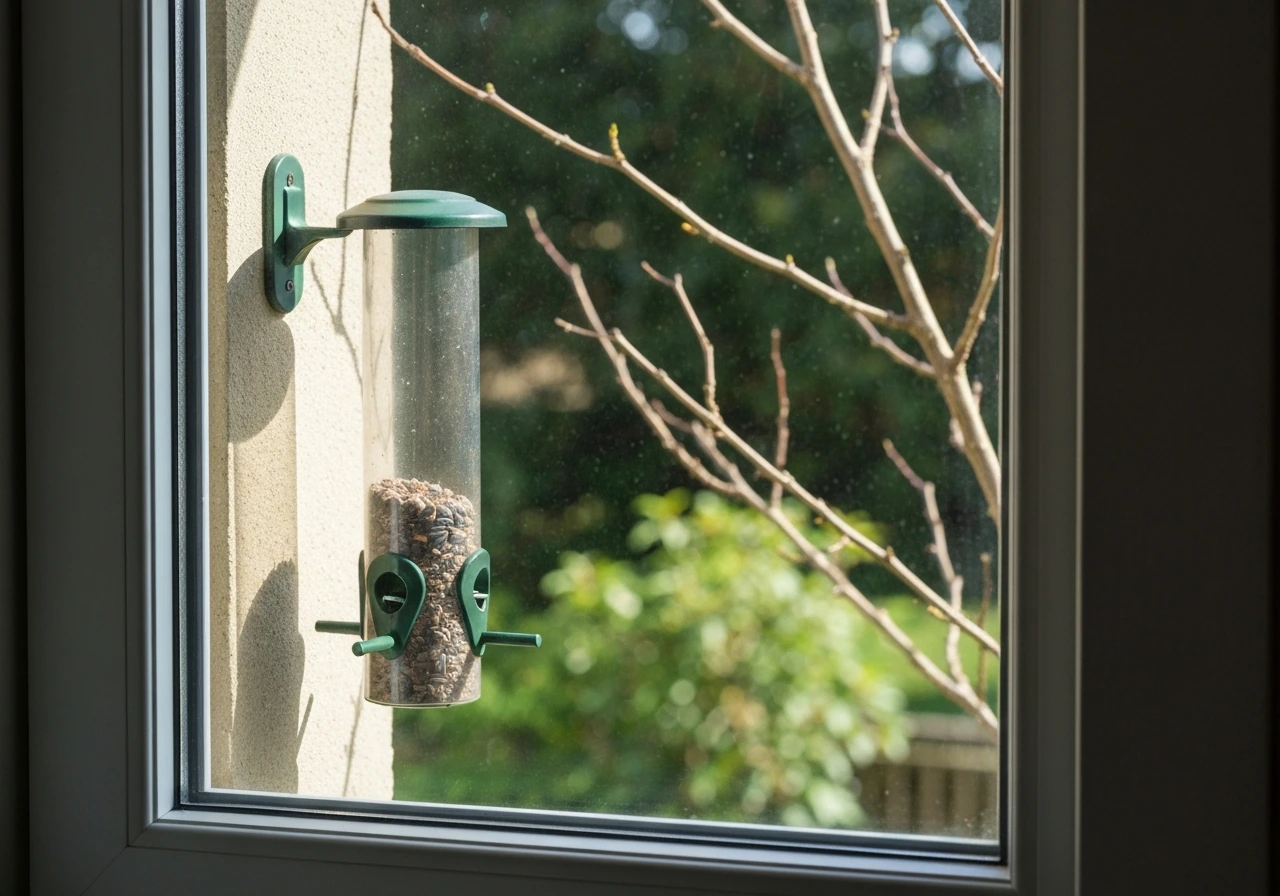
- Match seed to the birds you want. Black oil sunflower seeds attract the widest variety of songbirds. Nyjer (thistle) seed attracts finches specifically. Suet cakes bring in woodpeckers, nuthatches, and chickadees.
- Place feeders at least 10 feet from windows (to prevent collision) or very close to windows (within 3 feet) so birds don't build up enough speed to be hurt if they do hit the glass.
- Clean feeders every one to two weeks with a 10% bleach solution, rinse thoroughly, and dry before refilling. Dirty feeders concentrate disease and can kill the birds you're trying to help.
- Never hand-feed wild birds repeatedly to the point of dependency. A bird that stops foraging naturally because your hand is easier is a bird with compromised nutrition and reduced survival skills.
Water
A clean, shallow birdbath is often more effective at attracting birds than feeders, especially in summer. Keep the water no deeper than 2 to 3 inches. Change the water every two to three days to prevent mosquito breeding and algae. A small dripper or solar-powered wiggler that moves the water surface attracts birds from a surprising distance because they can hear and see the movement.
Habitat and planting
- Native plants are the single biggest thing you can do for wild birds. They provide insects (which most birds need to feed their young even if adults eat seed), berries, and nesting cover.
- Dense shrubs like native viburnums, serviceberry, and dogwood provide both food and shelter.
- Leave some leaf litter in garden beds. Many birds forage in it for insects.
- Dead trees (snags) left standing provide nesting cavities for woodpeckers, bluebirds, and chickadees. If a dead tree isn't a safety hazard, consider leaving it.
- Put up nest boxes sized for the species you want to attract and mount them at species-appropriate heights, facing away from prevailing wind and afternoon sun.
Minimizing hazards
- Keep cats indoors. Domestic cats are the number-one human-related cause of wild bird mortality.
- Use window decals or external screens to reduce collision risk.
- Avoid pesticide use in areas where birds forage. Insects are a critical food source.
- Don't try to handle or capture wild birds for any reason other than an immediate safety emergency, and even then, contact a licensed rehabilitator.
Troubleshooting common problems
My bird bites every time I try to handle it
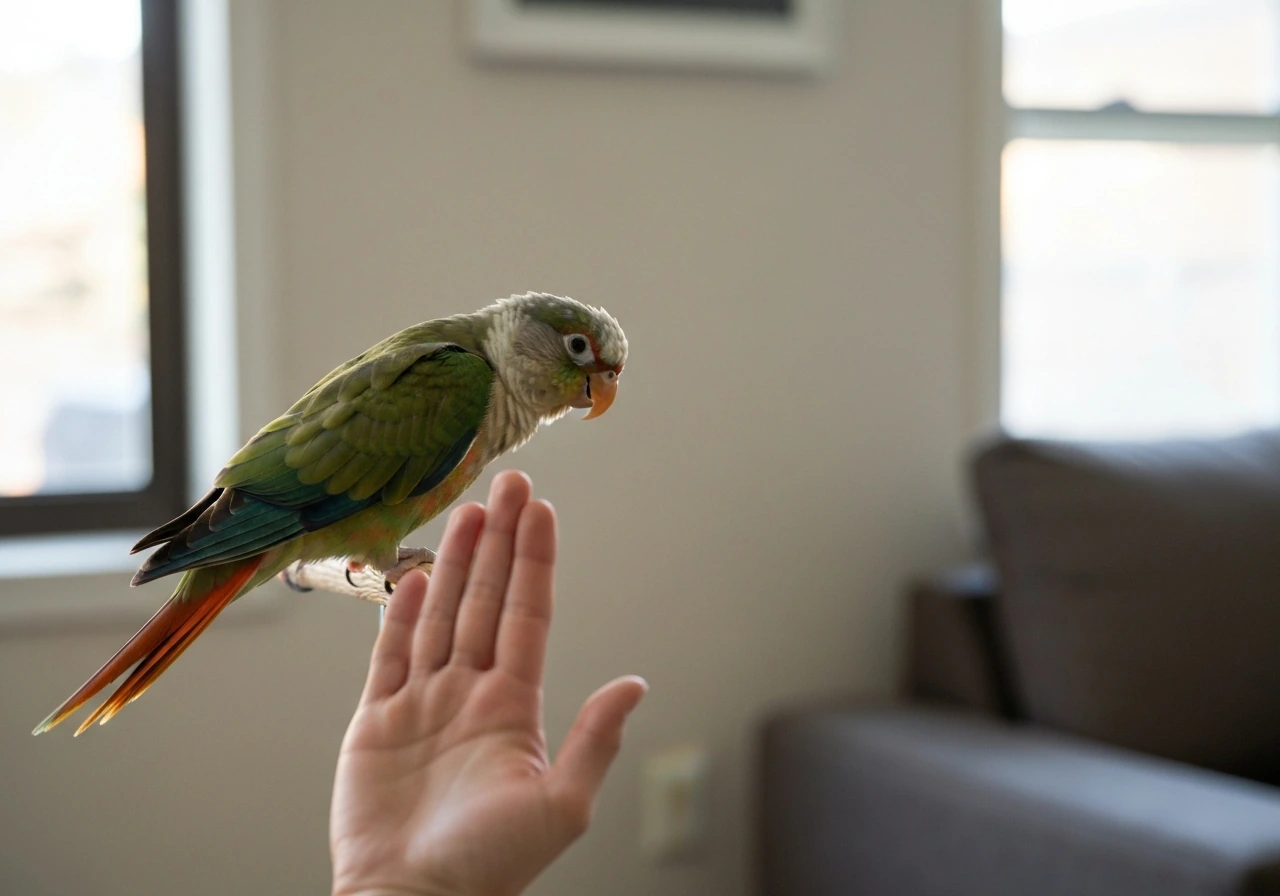
Biting almost always means the bird is communicating discomfort and has learned that biting works to make the aversive thing (your hand) go away. Stop advancing when you see pre-bite signals: crouching, open beak, fanned tail, body lean away. Go back to the step where the bird was last calm and rebuild from there. Never yell, pull away sharply, or punish a bite: that escalates the problem. If biting is severe or has become a deep habit, an avian behavior consultant can help you design a desensitization program.
My bird refuses to step up
Refusal to step up usually means one of three things: the bird doesn't have enough positive reinforcement history with your hand, the bird has been forced to step up before and learned that resisting delays the aversive, or the bird simply isn't motivated by the reward you're offering. Try a higher-value reward, make sure you've done enough targeting and hand-proximity sessions first, and ensure your body language is calm and your movements are slow and predictable.
My bird was tame and now it's fearful or aggressive
Regression happens. Common causes include a change in the household (new pet, new person, moved furniture, change in routine), the bird reaching sexual maturity (hormonal birds often become temporarily more aggressive), or an underlying health issue. If the change is sudden and paired with any other symptom (fluffed feathers, changed droppings, reduced appetite), see an avian vet before doing any further training.
Cornell University’s veterinary news on PTFE toxicosis in ducks notes that PTFE is highly toxic to birds when inhaled and can cause respiratory distress and neurologic signs, so prompt avian care is important if you suspect exposure see an avian vet before doing any further training.
If the bird is healthy, treat it like a new bird and restart desensitization from the beginning. Pushing through regression makes it worse.
Wild birds won't come to my feeders
New feeders can take days to weeks for birds to discover, especially if you're not in an area with established bird activity. Make sure the feeder is visible (not hidden deep in a bush), is stocked with fresh seed (old seed smells and birds avoid it), and is positioned away from heavy foot traffic. Adding a birdbath nearby can speed things up significantly. Also make sure neighborhood cats aren't patrolling the area.
Quick troubleshooting checklist
| Problem | Most likely cause | What to do |
|---|---|---|
| Biting during handling | Fear, overarousal, or learned behavior | Back off, read body language, rebuild from a calmer step |
| Won't step up | Insufficient trust-building or low reward value | More targeting sessions, higher-value treat, slower pace |
| Feathers flattened/rigid | Fear or stress | Stop immediately, give the bird space, reduce stimuli |
| Regression after progress | Hormones, household change, or illness | Rule out illness first, then restart desensitization |
| Wild birds not visiting | Feeder too new, wrong seed, predator pressure | Wait, refresh seed, add water, remove cat presence |
| Bird screams excessively | Attention-seeking or environmental stress | Don't reward with attention at the moment; address environmental needs |
| Overly fluffed posture | Contentment OR illness depending on context | If combined with lethargy or appetite loss, see an avian vet |
Realistic timelines: what to expect and when
One of the most common frustrations with bird bonding is expecting it to happen faster than it does. Here's an honest breakdown by situation.
| Situation | Realistic timeline | Key factors that speed or slow progress |
|---|---|---|
| Hand-raised baby lovebird or cockatiel | Days to a few weeks for basic step-up and comfort | Consistent daily handling, early socialization by breeder |
| Untamed adult lovebird or parrot | 4 to 12 weeks for reliable step-up, longer for full comfort with handling | Prior trauma history, consistency of sessions, reward value |
| Rehomed or previously neglected bird | 3 to 6 months for meaningful trust, possibly longer | Previous negative experiences, need for slow desensitization |
| Young budgie (under 6 months) | 2 to 6 weeks for basic taming with daily sessions | Daily short sessions, correct reward, single-bird vs. pair |
| Adult untamed budgie | 6 to 12 weeks or more | Age, prior human contact, whether kept with other untamed birds |
| Wild birds to feeder (new setup) | 1 to 4 weeks for first regular visitors | Location, local bird population, feeder placement and seed freshness |
| Wild bird habitat (native planting) | One full season for initial visitors, 2 to 3 years for established habitat | Plant selection, regional species, removal of hazards |
For beginners with a new pet bird: aim for one 10 to 15 minute session per day, prioritize proximity and positive association before touching, and track progress in a simple notes app. If you're not seeing any improvement after four to six weeks of consistent daily work, consult an avian behavior specialist or your avian vet.
For backyard birders: set up habitat in stages (feeder first, then water, then native plants over a season), keep a species log, and resist the urge to intervene with individual birds. With blank" rel="noopener noreferrer">wild birds, the same principles apply, but you are usually working on taming behaviors from a distance rather than handling right away. The goal is a self-sustaining habitat, not a personal relationship with a wild animal.
For experienced owners or rehabilitators: the same principles apply but compressed, since you likely already know your bird's baseline body language. The biggest trap for experienced handlers is getting overconfident and skipping early-stage desensitization steps with a new or stressed bird. Even a bird you've handled for years needs time to re-acclimate after a stressful event. Meet the bird where it is today, not where it was six months ago.
Your next steps right now
If you have a pet bird you want to bond with: start today by just sitting near the cage for 10 minutes and talking softly. If you want species-specific help for a bite-prone companion, see how to tame a lovebird next. For doves specifically, use the same slow, trust-building approach and adjust it to their calmer, gentler pace how to tame a dove bird.
Once a wild bird is comfortable with you from a distance, you can use the same desensitization and positive reinforcement steps to work toward tame behavior desensitization sequence. If you’re wondering, can you tame a wild bird, the key is to focus on gradual trust rather than forcing contact tame behavior. To learn how to tame a wild bird step by step, keep the interaction gradual and focus on earning trust from a distance. Don't try to handle anything yet. Tomorrow, offer a small treat through the cage bars.
Build the food-hand association before you ever ask for a step-up. If you're working with a particularly fearful or bite-prone bird, look into how to tame a lovebird or other species-specific taming guides for a deeper dive into the desensitization sequence.
If you want wild birds in your yard: pick up a bag of black oil sunflower seeds and a simple tube feeder this week. Position it 10 or more feet from a window, fill it, and wait. Add a shallow birdbath within a few feet if you can. Then start thinking about one or two native shrubs for your yard this planting season.
Birds don't ask for much: safety, predictability, and a reason to trust you. The Association of Avian Veterinarians specifically flags household hazards for pet birds such as nonstick cookware air risks like PTFE fumes and advises supervising and reducing exposure blank" rel="noopener noreferrer">household hazards including nonstick cookware. Give them those three things consistently and the bond follows naturally.
FAQ
What should I do if my bird is progressing but suddenly starts biting again?
When a bird repeatedly avoids you or shows pre-bite body language, you should pause the training goal (like step-up) and only work on proximity and calm treats for several sessions. Reset by returning to the last distance or step where the bird was relaxed, then move forward in smaller increments (for example, one hand position change per session) instead of trying to “push through” discomfort.
How can I tell if a bite problem is training related or a health issue?
Look for signs of sickness rather than “bad attitude.” If you notice fluffed feathers for long periods, reduced appetite, coughing, sudden changes in droppings, lethargy, or persistent tail bobbing, stop training and book an avian vet visit before continuing desensitization. Stress can mask illness, and some conditions make the bird more reactive even with good handling.
Can I tame a wild bird just by feeding it, and when should I stop trying to get closer?
If a wild bird comes to your feeder, you should still keep the interaction non-contact. Tame behavior for wild birds usually means the bird can tolerate your presence from a predictable distance, not that it will let you touch it. Avoid approaching for handling, because repeated chase or reach attempts can reduce visits even if the bird initially seemed friendly.
My bird refuses treats during training. What can I change to make rewards work?
Use rewards the bird actually wants and deliver them at the right time. If the bird ignores the treat you offer, switch to a higher-value option for that species (for example, millet for many cockatiels and budgies) and start with easier access, like placing it where the bird already chooses to eat. If you feed the reward only after the bird fails, you may accidentally teach avoidance instead of calm behavior.
Why does my bird do targeting but still won’t step up?
Targeting and step-up should not be rushed to the “first success” level. If you want the bird to step up reliably, you must build the chain slowly: reward for looking at the target, then approaching it, then placing one foot, then two feet, then staying. Stop the session right before frustration starts so the bird associates the behavior with safety and success.
How much does session timing and frequency affect bonding, and what’s a good structure?
Avoid using food as a substitute for consistency. If you work with the bird at random times or for long sessions, the bird may learn that training means uncertainty or that your cues are unreliable. A simple routine, same time of day, short sessions, and ending on calm progress tends to create steadier trust than “whenever I have time” training.
What if my bird is afraid of my hand but seems fine with me being near the cage?
If your bird is uncomfortable with your hands, change the tool you present, not the pace. Try keeping your hand at a farther distance, or use a consistent target object (like a perch or training stick) to avoid the bird interpreting your hand as a grab. You can also reward calm behavior while your hand stays still, then gradually reduce the distance over many short sessions.
Should I work on hand contact immediately, or only after my bird is comfortable with proximity?
It depends on where the bird is on the comfort curve. If the bird is calm near you but bites when you approach with the hand, stop trying to touch and rebuild the hand-food association at the current safe distance. If the bird bites even without any movement, it may need immediate evaluation for pain or hormonal stress, because training alone may not resolve discomfort-driven aggression.
How do I help my bird warm up to new people without increasing fear or biting?
Yes, but use a separate, calm meeting plan. Have a visitor sit quietly for several sessions and keep the same gentle routine you use with the bird, including predictable treats through the bars. Ask the person to avoid sudden movements, direct stare, and reaching toward the bird, and treat any early signs of fear as a signal to stop and return to distance-based work.
What’s the best way to handle regression after moving, redecorating, or a new pet entering the home?
When setbacks happen after routine changes, treat it like re-acclimation, not failure. Restart from the earliest stage the bird was comfortable with (often proximity and calm treats), keep the environment stable where possible, and watch for health changes. If the regression includes physical symptoms, do not assume it is behavioral.
Where should I place a feeder and birdbath for safety, especially with neighborhood cats?
Do not place feeders where cats can ambush or where birds feel trapped by overhead cover. A practical target is to locate feeders at least 10 feet from windows for collisions, and also choose positions that reduce cat patrolling lines of sight. If you see repeated near-misses, reposition, reduce cover for predators, and keep the birdbath nearby so birds have a quick, safe water stop.
What small changes make wild birds visit more consistently?
A birdbath that birds can access safely can increase visits, but the bird must also be able to see danger. Place the bath in a spot with nearby perches or cover, but not so hidden that birds feel trapped. Keep water fresh on a consistent schedule, and consider adding a small dripper for movement because moving water can catch attention faster than static bowls.
Next Articles
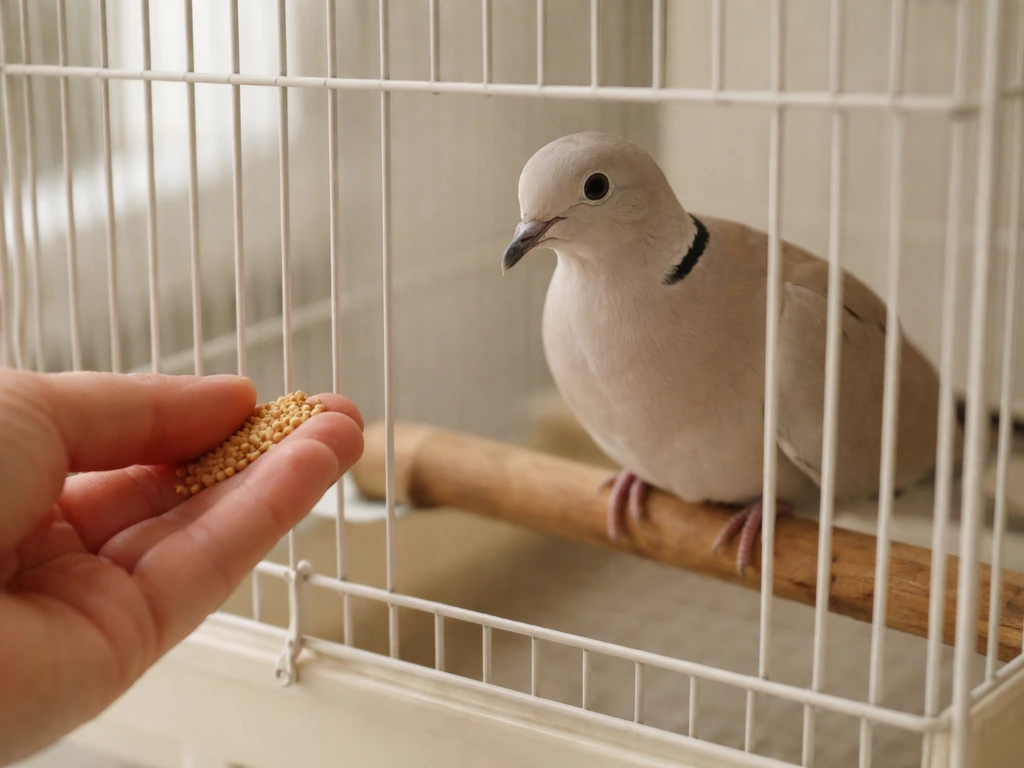
How to Tame a Dove Bird: Humane Step-by-Step Plan
Humane, step-by-step plan to tame a dove bird: assess fear, set up safely, use positive feeding, and train trust.
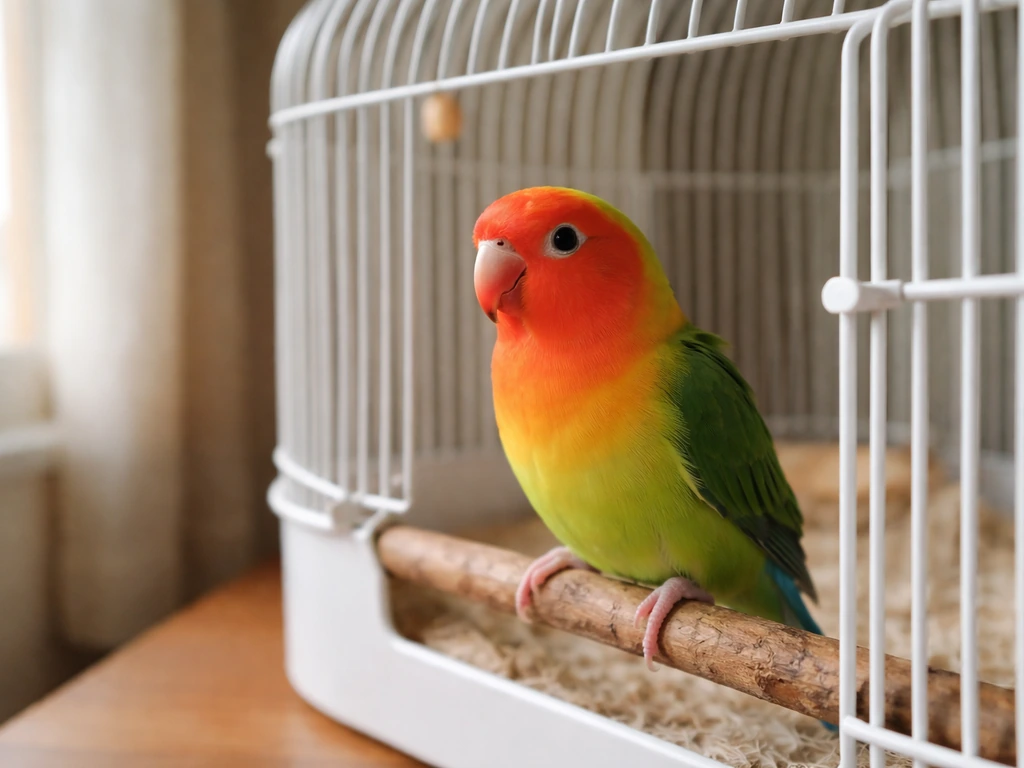
How to Tame a Lovebird: Gentle Step by Step Training Guide
Humane step-by-step lovebird training to build trust, reduce fear, and teach step-up, with routines and troubleshooting.
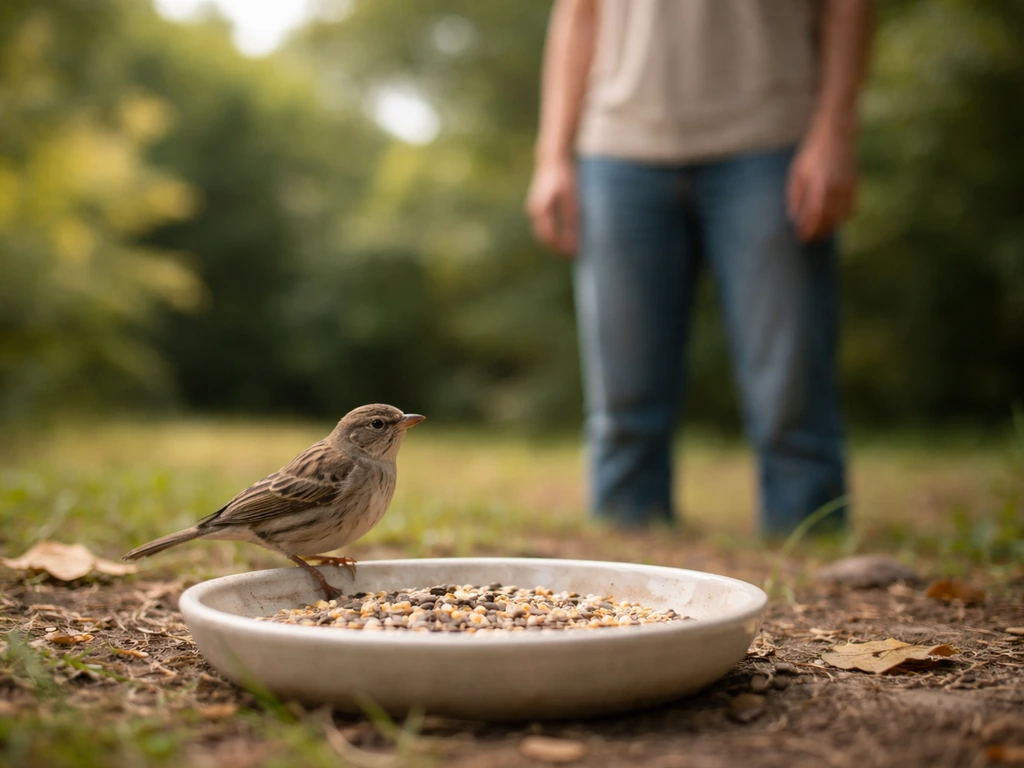
Can You Tame a Wild Bird? Humane Trust Building Steps
Can you tame a wild bird? Learn safe, humane trust-building steps, feeding routines, and when to avoid handling.