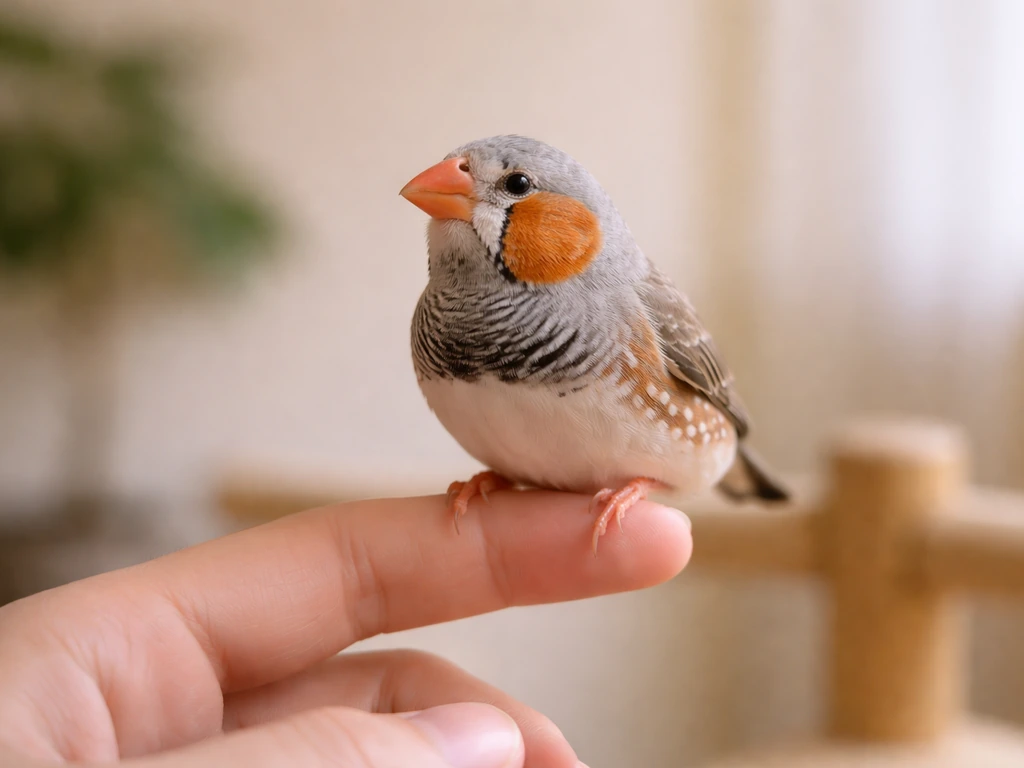
The safest and most enjoyable places to pet a bird are the head, cheeks, and the base of the beak. For most pet birds, those spots feel genuinely good and carry almost no risk of triggering a stress response or unwanted sexual behavior. Everything else requires more care, more context, and a good read of your bird's body language in the moment.
Where to Pet a Bird: Safe Spots for Pet and Wild Birds
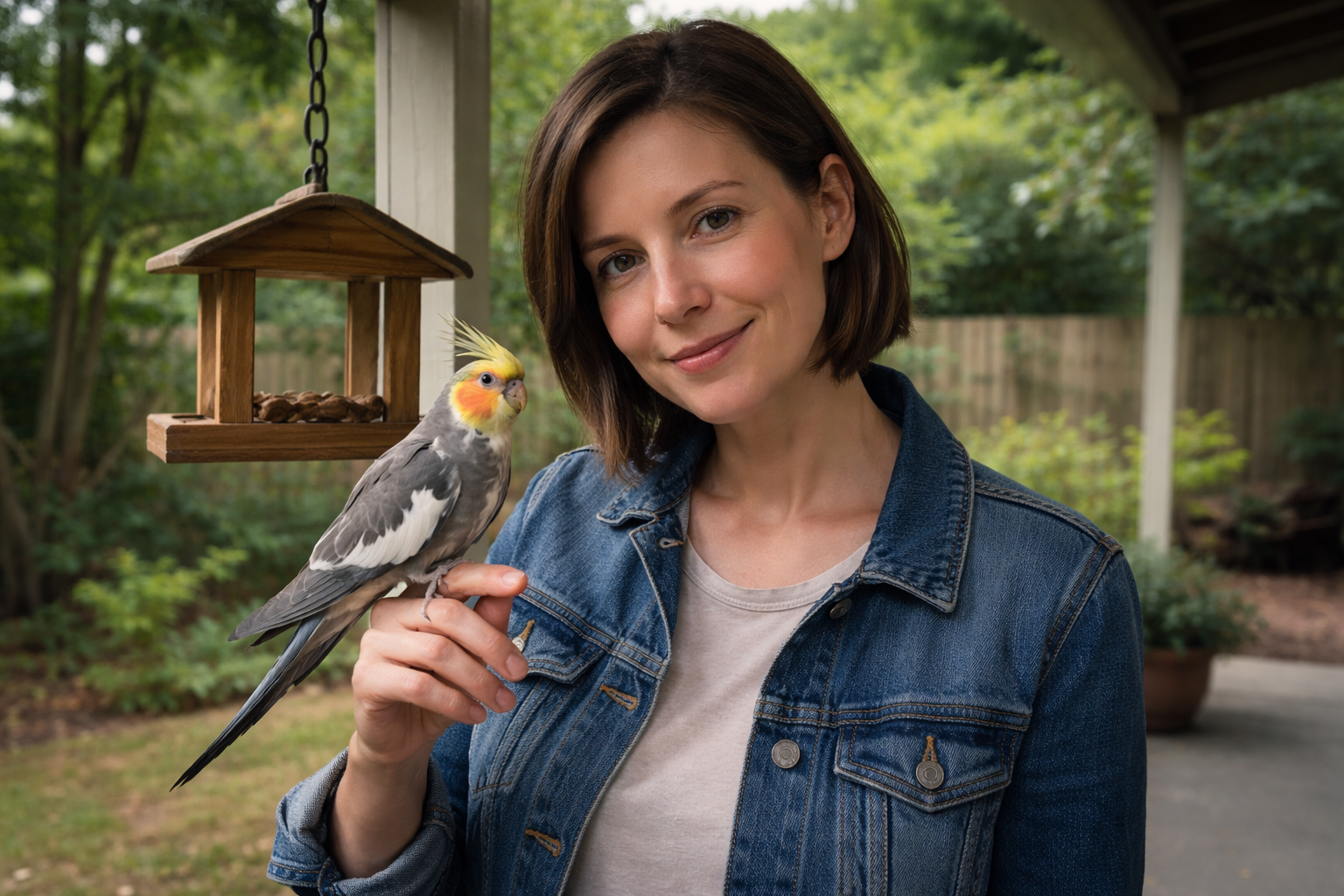
Clara Hayes
6 Apr 2026
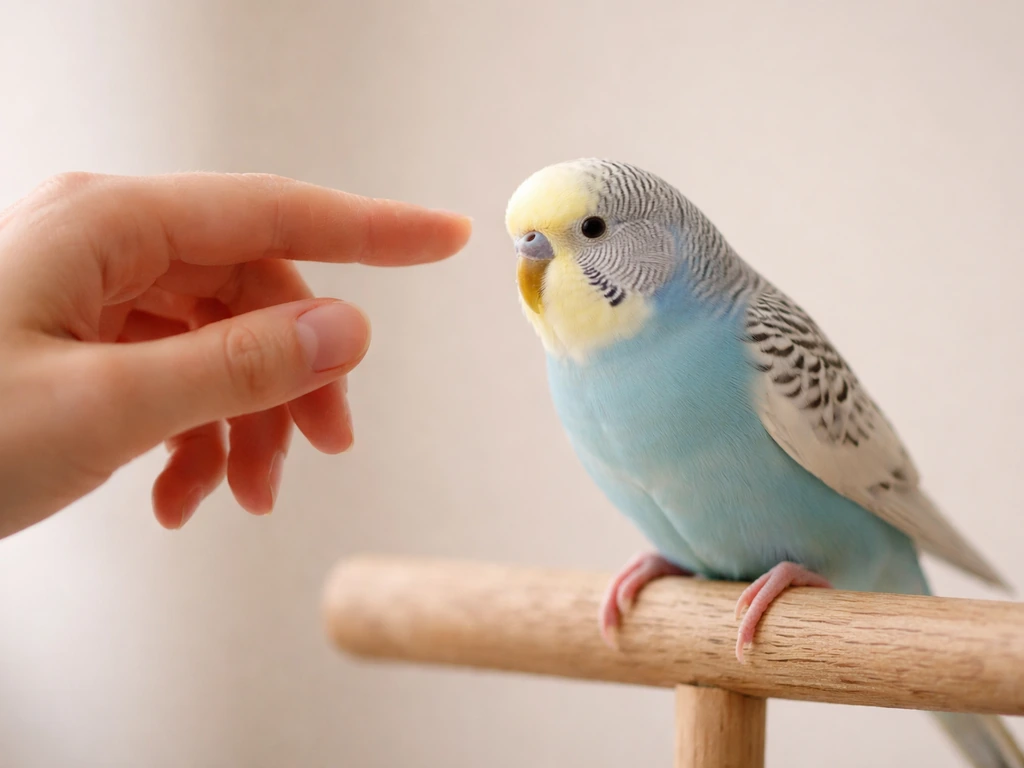
Quick safety and consent rules before you touch anything
Before your hand goes anywhere near a bird, run through these basics. They apply whether you're handling your own cockatiel or meeting someone's rescue parrot for the first time.
- Wash your hands first. The CDC lists hand hygiene as the most important infection-control step after contact with birds. Use soap and water for at least 15 seconds before and after any bird contact, especially if you've been handling food, other animals, or outdoor items. Alcohol-based hand sanitizer works in a pinch but soap and water is the gold standard.
- Let the bird see your approach. Never reach in from behind or from above. A hand appearing suddenly from overhead mimics a predator and will almost always end in a bite or a flight panic.
- Read consent before you touch. A relaxed bird holds its feathers smoothly, keeps its body weight forward, and may lean toward you. If it leans back, flattens its feathers tight against its body, or tenses up, that is a no. Respect it.
- Keep sessions short, especially early on. A few seconds of good contact beats two minutes of a stressed bird tolerating you. Short positive sessions build trust; forced long ones destroy it.
- Never touch a bird's face, eyes, or your own face during handling. Avian influenza and other pathogens can transfer via the eyes, nose, and mouth, so keep hands away from your face until you've washed up.
Best places to pet parrots, cockatiels, and budgies
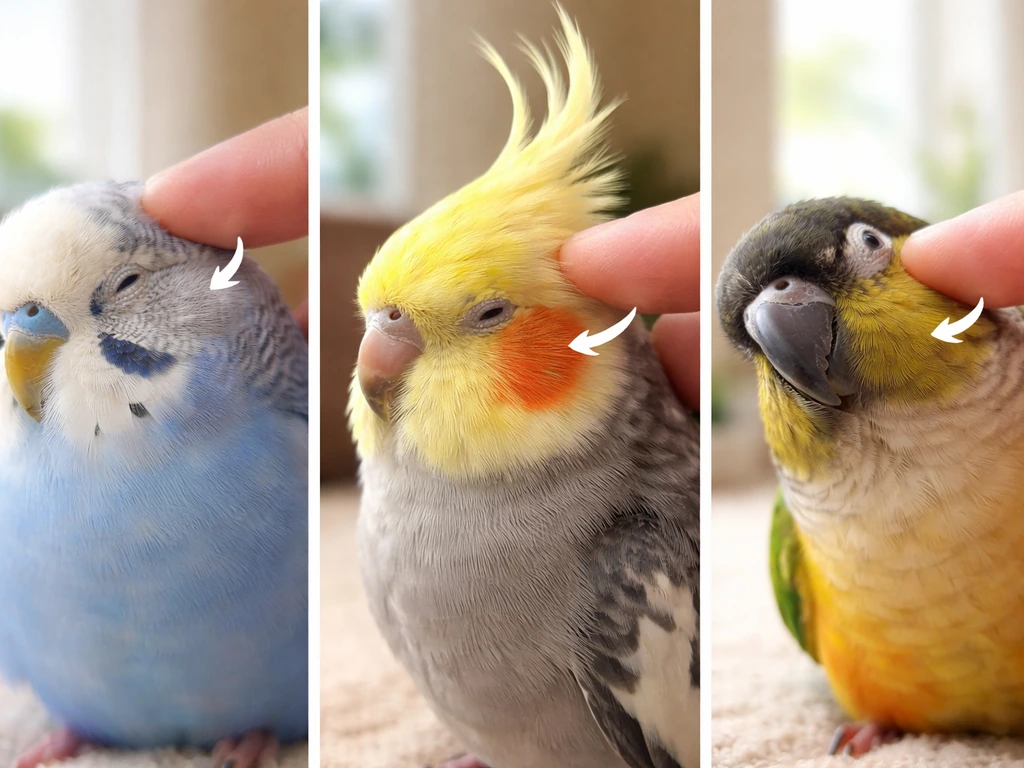
For most companion parrots, cockatiels, and budgies, the head is the sweet spot. Birds preen each other's heads and faces in the wild because those are the spots they physically cannot reach themselves. When you scratch the feathers on top of the head, behind the crest (on cockatiels), around the cheeks, or along the sides of the beak, you're offering something genuinely useful and socially meaningful to the bird. Most tame birds will lower their head and fluff up slightly in a relaxed way to ask for more.
The neck and the area just behind the crest on cockatiels are also popular targets. Use one or two fingertips and gently work through the feathers with small circular motions, similar to how another bird's beak would move. You'll know you've found the right spot when the bird tilts its head into your hand. For African greys, Amazons, conures, and larger parrots, the cheek patches and ear region are often favorites. Budgies tend to enjoy the top of the head and around the cere (the fleshy area above the beak). Every bird is an individual, so pay attention to which spots consistently get that relaxed head-tilt response versus which ones cause the bird to pull away.
Feet are another generally safe area, especially when a bird steps up onto your hand voluntarily. Light contact around the toes or the leg during step-up training is fine and helps build comfort with touch over time. Learning how to touch your bird in a way that feels good to them is a skill that develops over weeks, not days, so be patient with the process.
Small birds like finches: what touch looks like (and its limits)
Finches are a fundamentally different case from parrots and cockatiels. They are not naturally inclined toward human contact the way hand-raised psittacines can be. Most finches experience handling as a stressful event, not a pleasant one, and forcing regular petting will make them chronically anxious. That said, if you need to handle a finch for health checks or mild first aid, knowing where and how to do it safely matters a lot.
If a finch must be in hand, cup it gently with your palm and fingers, supporting its body without squeezing. Brief, gentle contact around the head or back can be used during necessary handling, but this is not the same as petting for pleasure the way you would with a cockatiel. Chewy's finch guidance makes it clear that encouraging a finch to perch on your finger is fine and far preferable to grabbing, but forcing handling will stress finches out.
Swiftail's finch care recommendations back this up: if contact is necessary, keep it calm and gentle, and use a soft towel or clean hand. Keep the session as short as possible and return the bird to its space promptly. PetMD also recommends keeping finch habitats in a quiet, low-traffic area to minimize baseline stress, which makes any necessary handling easier for both of you.
If you're specifically interested in engaging with finches through the Finch app or digital tools rather than live bird handling, check out this guide on how to pet bird on finch app for app-specific instructions. For real-life finch handling, the guide on how to pet bird in finch covers the gentle techniques specific to this species.
Where not to pet: areas that cause stress, injury, or unwanted behavior
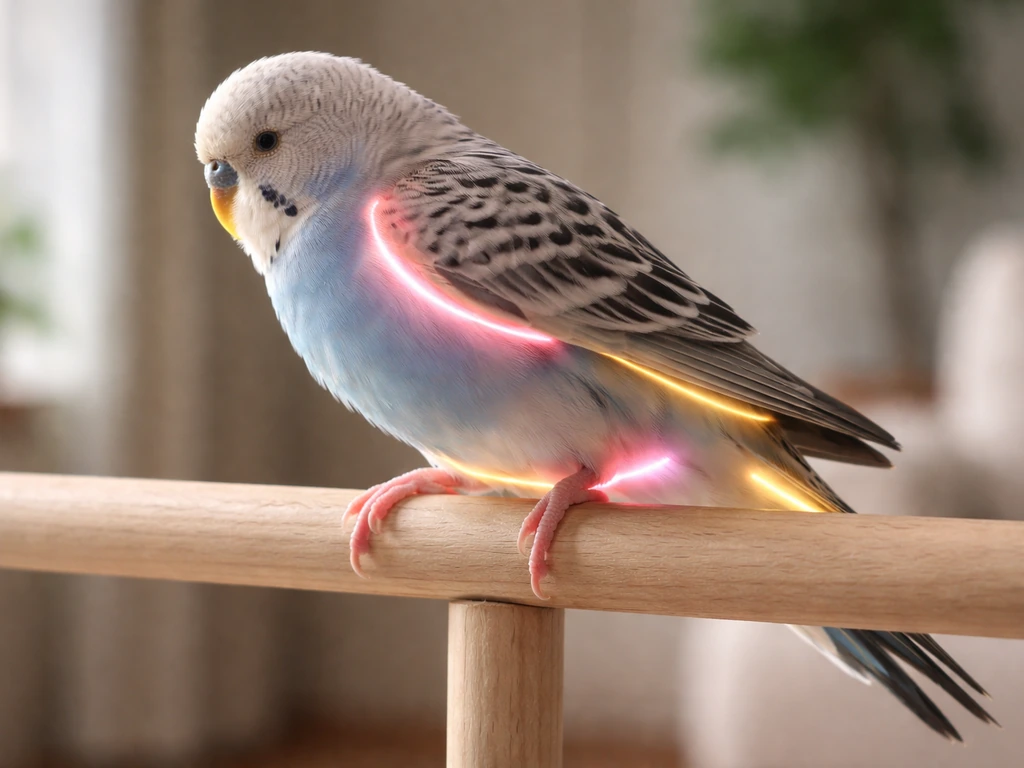
Some areas of a bird's body are off-limits not because touching them is immediately dangerous, but because they trigger stress responses, can cause pain, or, for certain species, stimulate hormonal and sexual behaviors that create long-term behavioral problems. Knowing where not to go is just as important as knowing the good spots.
| Body Area | Why to Avoid It | Species Notes |
|---|---|---|
| Back and wings | Stroking the back mimics mating behavior in many birds and can lead to chronic egg-laying in females, aggression, and feather over-preening. Wings are sensitive and easily injured. | Applies strongly to cockatiels, budgies, and lovebirds. PangoVet advises keeping attention above the back area for cockatiels specifically. |
| Tail and vent area | The vent area is highly sensitive and touching it is almost always perceived as threatening or inappropriate. Tail touching can trigger tail fanning, which is a warning sign. | Avoid across all species. Tail fanning after touching this area signals you are one step away from a bite. |
| Under the wings | Under-wing skin is thin and sensitive. Touching here can cause pain, fear responses, and in larger parrots, serious bites. | Avoid for all species. PangoVet flags this as a zone to avoid due to sensitivity and possible sexual-behavior stimulation. |
| Chest and belly (for untrusted birds) | A bird that does not fully trust you yet will experience belly touching as a predator-style grab. Even tame birds may react badly if surprised here. | Approach belly contact only after months of established trust, and always let the bird initiate or clearly signal comfort first. |
| Feet during perching (grabbing) | Grabbing or restraining feet during normal perching triggers a panic response tied to predator capture instincts. | Gentle contact during voluntary step-up is fine; grabbing is not. |
Preening behavior is related but distinct from petting. A bird preening you or asking you to preen specific feathers is communication. If you want to help a bird work through a pin feather near the head, that is a skill worth learning separately. The full guide on how to preen a bird walks through safe technique so you don't accidentally break a blood feather or cause pain.
How to approach and pet a bird step by step
This sequence works whether you are starting with a newly adopted bird or building trust with one that has had negative experiences. It is slower than most people expect, and that is by design. Rushing this process tends to set you back further than going slow.
- Start with presence, not touch. Sit near the bird's space for several minutes each day. Talk quietly. Let the bird get used to you without any pressure to interact. Do this for a few days before attempting any physical contact.
- Offer your hand as a neutral object. Hold your hand near the cage or perch without reaching toward the bird. Let the bird investigate at its own pace. If it moves toward you, stay still and relaxed. If it moves away, lower your hand and try again the next session.
- Move to near-contact. Once the bird is comfortable with your hand nearby, slowly move your fingertip to within an inch or two of the bird's chest or beak area. Still no touching. You are just reducing the distance threshold.
- Let the bird make first contact. Many birds will bump their beak against your finger to investigate before they are ready for petting. Let them do this as many times as they want. It is them practicing trust.
- Begin with one or two light strokes on the head. If the bird is relaxed and facing you, try one gentle stroke along the top of the head with a single fingertip. Watch immediately for body language feedback. A relaxed response means continue briefly. Any tension means stop.
- Use high-value treats as reinforcement. Offering a small treat (a bit of millet, a favorite seed, or a small piece of fruit) after successful calm contact helps the bird associate touch with something positive. This is the foundation of desensitization training.
- Gradually increase contact over days and weeks. Work up slowly to scratching around the ears, cheeks, and neck. Never push further than the bird's current comfort level in a single session.
- Keep every session short at first. Two to three minutes of quality positive contact is worth far more than 15 minutes of mixed signals. End on a good note before the bird gets tired or anxious.
blank" rel="noopener noreferrer">Merck's veterinary guidance supports moving slowly and using a quiet voice to reduce handling stress. ThinkParrot's training resources describe a similar approach for desensitization: present yourself at a comfortable distance, pair that with high-value treats, and progress only when the bird is fully relaxed at the current level. For a detailed companion to this process, the article on how to pet a bird covers positioning and technique in more depth.
Reading body language and troubleshooting resistance
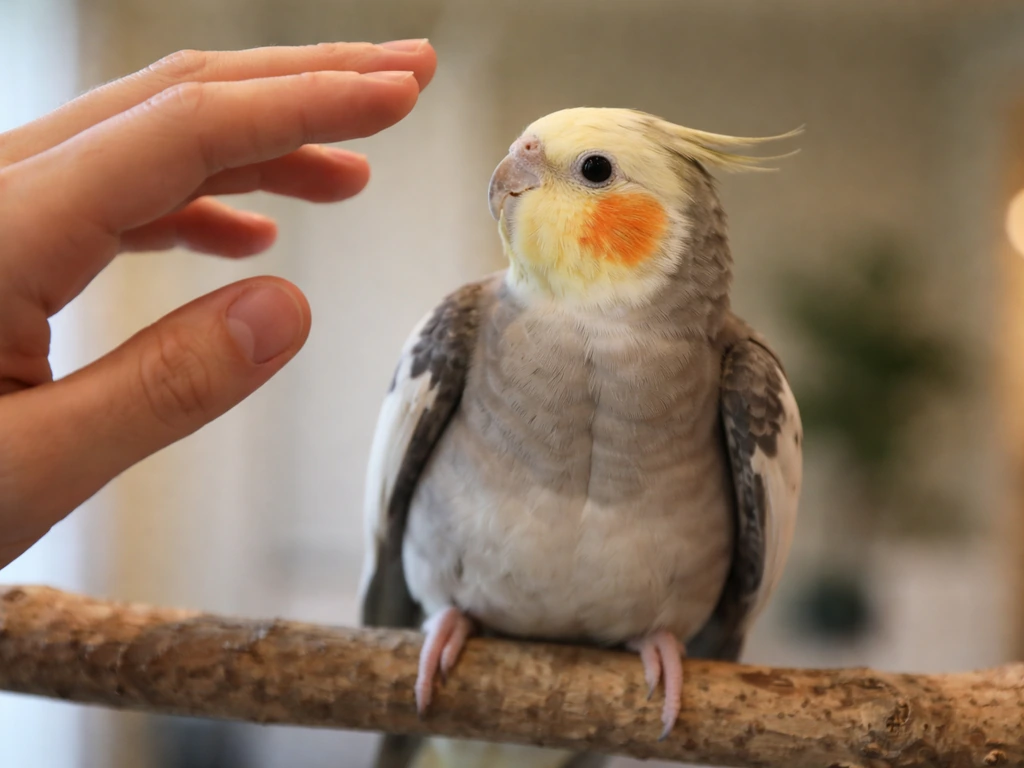
The biggest mistake people make when petting birds is not stopping soon enough when the bird signals discomfort. Birds give plenty of warning before they bite; the problem is most people miss the early signals and then feel surprised when the bite arrives. PetMD notes that biting in birds is often a sign of stress and fear, not simply aggression, so watch closely for discomfort before petting more bite. Here is what to watch for and what to do about it.
Signs the bird wants you to stop
- Leaning away from your hand, even slightly. This is the first and gentlest signal. Take it seriously.
- Feathers slicked flat against the body (not relaxed smoothness, but tense flatness) combined with the head pulling back.
- Tail fanning or flaring. Mickaboo's bird behavior resources are direct on this: if you continue doing what caused tail fanning, a bite is very likely next.
- Wings held slightly away from the body while quivering. Lafeber describes this as a fear/stress posture in overstimulated birds.
- Eye pinning (rapid pupil dilation and contraction in parrots). Often accompanies excitement that can tip into aggression.
- Crouching, trembling, or lunging at your hand.
- Darting eyes scanning for an escape route. This is a bird looking for a way out, not for affection.
- Biting at the perch or nearby objects aggressively.
What to do when you see these signals
- Stop immediately. Do not push through. Ending the session the moment you see stress signals is the most important thing you can do for long-term trust.
- Give the bird space and wait for it to relax before attempting anything else.
- Shorten your next session. If the bird hit a stress threshold quickly, you've been moving too fast. Scale back to an earlier step.
- Switch to treat-based interaction without touch. Let the bird take treats from your hand without any petting. This rebuilds positive association with your presence.
- Check for physical reasons. If a bird that normally tolerates petting suddenly becomes reactive, it may be in pain or ill. Feather condition, posture, and energy level changes are worth a vet check.
- Avoid 'pushing through' for trust. Forced contact does not build trust. It teaches the bird that stress escalation (up to and including biting) is the only way to make you stop.
Comfortable birds, according to Chewy's bird behavior overview, tend to hold smooth (not puffed) feathers, keep body weight forward, and do not lean back or lunge. Use that as your practical permission signal each time before you start a session. If the bird doesn't look like that, wait.
One nuance worth mentioning: some birds will permit physical affection but not more intimate contact like being kissed on the beak. If you're curious about where that line is and how to approach it safely, the piece on how to kiss a bird covers the hygiene and behavioral considerations in detail.
Wild birds vs. pet birds: what you can and can't do humanely (and legally)
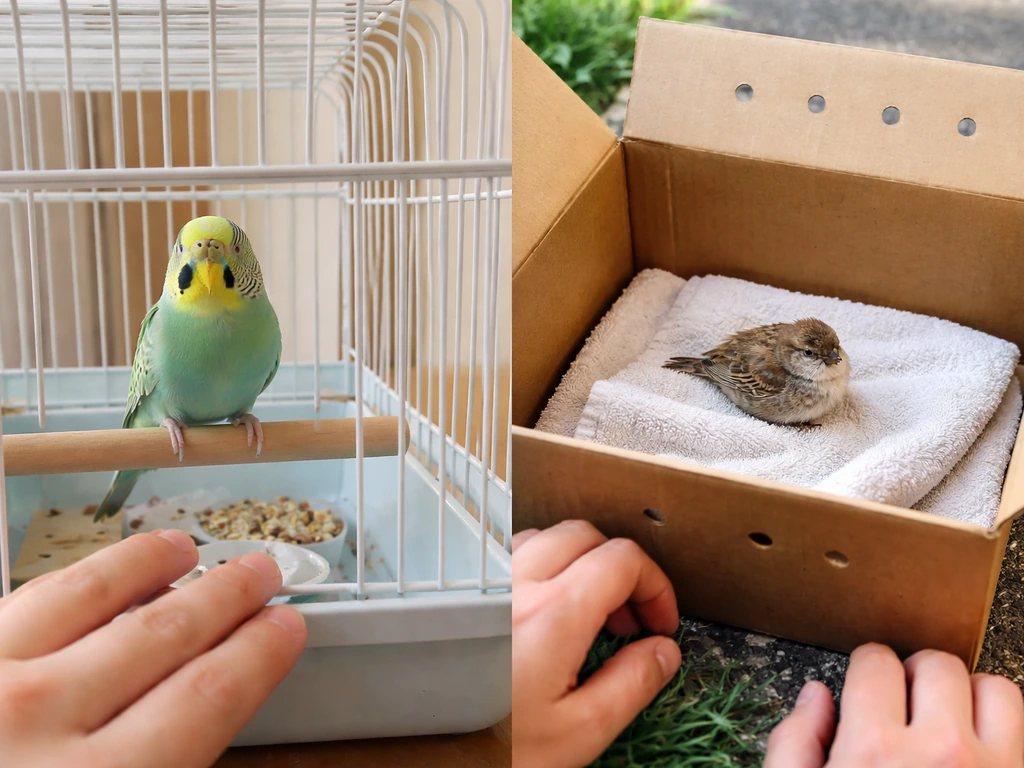
If you've found an injured or grounded wild bird in your yard, the handling rules are completely different from those for a pet bird, and the legal framework matters here.
First, resist the urge to immediately pick up any wild bird you see on the ground. Wildlife guidance from multiple state agencies instructs you to check whether a bird is actually in distress: look for parents nearby, assess whether it's a fledgling (short-tailed, hopping, not visibly injured) versus a bird that's genuinely sick or hurt. Many birds that look abandoned are not. Handling a healthy fledgling unnecessarily stresses it and can reduce its chances of survival.
If you confirm a wild bird is injured or ill, the U.S. Fish and Wildlife Service's Good Samaritan provision (50 CFR 21.31(a)) allows you to transport a migratory bird immediately to a permitted wildlife rehabilitator. That is the extent of what you should do. Do not attempt to care for it yourself at home. Texas Parks and Wildlife is clear that attempts to rehabilitate wildlife without proper training and supplies can be dangerous for both the person and the animal, and may violate wildlife codes. Florida Fish and Wildlife and Washington DFW similarly require appropriate permits for rehabilitation, and those permits do not exempt anyone from other federal or state laws.
Ojai Raptor Center's guidance explains why extended human contact with wild birds is genuinely harmful: imprinting leads a bird to lose survival skills, making it unable to return to the wild. The appropriate thing to do is get the bird to professional care quickly, with minimal handling in between.
When you do need to pick up an injured wild bird for transport, use a clean towel or cloth (not bare hands), drape it gently over the bird to reduce visual stimuli, and place the bird in a ventilated box in a quiet, dark space. Do not offer food or water, and do not talk to or handle it more than necessary. Look up your nearest licensed wildlife rehabilitator before or while you're doing this.
Wash your hands thoroughly with soap and water for at least 15 seconds after any contact with a wild bird. This is not optional. Canada's avian influenza guidance recommends avoiding direct contact with blood or body fluids and practicing proper hand hygiene after any contact with animals or their environments. The same caution applies to any setting where birds are kept in numbers, from backyard flocks to rescue facilities.
When to bring in expert help
If your bird consistently refuses touch after weeks of patient desensitization, suddenly becomes reactive when it previously tolerated handling, shows emergency signs like significant bleeding from a feather shaft or vent, labored breathing, or extreme lethargy, those are veterinary situations, not training problems. An avian vet can rule out pain, hormonal issues, or illness as the root cause of behavior changes. Routine checkups are also valuable: AvianVet.com's husbandry guidance notes that regular pre- and post-handling veterinary assessment helps establish what normal looks like for your bird, making it easier to notice when something is off.
For persistent handling or trust issues, an experienced parrot behavior consultant can design a desensitization program specific to your bird's history. This is especially useful for rescue birds that have experienced improper handling or abuse. If you're still in the early stages of deciding what kind of bird is right for your lifestyle before any of this becomes relevant, the guide on how to get a bird as a pet can help you match species temperament to your experience level and availability for trust-building work.
FAQ
How long should I pet a bird once I find the right spot?
Start with the smallest, most reliable target, head and cheek areas, then stop at the first sign of “not now” behavior. A good rule is one to two short scratches (seconds, not minutes) and reassess. If the bird leans away, pins its eyes tightly, flattens feathers, or licks the beak quickly, your spot or timing is wrong, and you should pause and try again later (or switch to step-up comfort only).
What signs mean I should stop petting before the bird bites?
Stop when the bird shows early discomfort cues, not after it escalates. Watch for puffing that is not relaxed, sudden stillness, body leaning back, head turning away, tail or wing tension, or a hard stare that snaps into motion. If you miss it and the bird bites, don’t immediately reattempt contact, give the bird a full break, and resume only when it is calm at a distance.
Can the best place to pet a bird change over time?
Yes, but do it indirectly. For many birds, a favorite touch area can change during molting, breeding season, or after pain. After a stressful event or medical visit, even usually “friendly” birds may be temporarily sensitive around the beak base, head, or vent. If you notice the bird becoming less responsive over a week or two, treat it as a normal change in comfort, not a behavior failure, and get a vet check if anything seems off physically.
Is it okay to pet a bird but avoid kissing, where is the “line”?
Avoid kissing on the beak and similarly intimate contact unless you are specifically trained on your bird’s comfort boundaries. Even when a bird tolerates it, saliva and shared microbes can be an issue, and some birds become more hormonally driven by that level of closeness. If you want affection, use the safe high-comfort zones first, and let the bird initiate any extra contact.
What should I do if my bird lets me touch it but never seems to relax into it?
Don’t use petting as a shortcut to replace trust-building. If the bird does not offer approach behavior (like stepping closer, head tilt, or relaxed posture), the session should be “touch-neutral,” meaning you keep your hand visible at a distance and only make brief contact if it clearly solicits it. For shy birds, progress is usually faster when you combine gentle presence, preferred treats, and short sessions rather than increasing touch intensity.
How can I tell whether I overstimulated my bird during petting?
If a bird has a favorite spot, don’t assume it wants repeated sessions in the same session. Many birds will accept affection, then “clock out” and become reactive after over-stimulation. Try a pattern like pet, pause, let the bird move, then pet again only if it returns to the same relaxed signals. If the bird gets snappy after a few minutes, your session is too long or too frequent.
Can I touch a bird’s feet and toes, and when is it considered safe?
Yes for steps of training, but keep it optional and self-initiated whenever possible. Gentle toe contact during step-up training is typically fine, but don’t “pet the toes” as a pleasure routine. If the bird pulls away, start earlier in the process (hand near perch, then hand contact only), reward calm body language, and increase touch only when the bird remains smooth-feathered and not leaning away.
What should I do if I find a wild bird on the ground, where do I draw the line between help and harm?
For wild birds, the right approach depends on whether it is truly distressed and whether you can legally transport it. If it appears to be a healthy fledgling, leave it alone and observe parents nearby, because unnecessary handling can reduce survival. If it is injured and you plan to transport for professional care, use a towel, minimize handling time, keep it quiet and ventilated, and wash thoroughly after contact.
My bird used to like being petted, now it suddenly refuses touch. Does that mean I’m doing something wrong?
If you suspect illness, pain, or hormonal issues, petting is not the fix. Sudden changes like new aggression, refusal of touch after previously tolerating it, labored breathing, significant bleeding from a feather shaft, extreme lethargy, or repeated vent-related reactions should be handled as veterinary issues. A vet can determine whether discomfort is causing the new boundaries and advise on safe handling limits while healing.
What’s different about where to pet a finch compared with parrots?
With finches, “petting for pleasure” is usually inappropriate because they often find handling stressful. The safer alternative is letting them step onto your finger voluntarily and keeping any necessary contact brief, supported, and calm (for health checks or minor aid). If a finch is required to be in hand, avoid squeezing and keep the session short, then return it to a quiet area to reduce baseline stress.
Next Article
How to Pet Your Finch: Safe Taming and Trust Steps
Learn how to pet a finch safely with trust steps, right touch points, timing, and troubleshooting for fear or bites.