The safest way to touch your bird is slowly, from the side, with one calm finger or the back of your hand, only after the bird has chosen to stay near you rather than retreat. That last part is the whole game. Touching a bird that wants to stay is easy. Touching a bird that wants to leave creates fear, and fear is the single biggest obstacle to a trusting relationship. Whether you have a parrot, a cockatiel, a budgie, or a finch, or you are watching a sparrow at your yard feeder, the core principle is the same: let the bird set the pace, read its body language at every step, and stop before it asks you to.
How to Touch Your Bird Safely Step by Step Guide
Clara Hayes
29 Apr 2026
Humane safety checklist before you make contact
Run through this checklist every single time, not just with a new bird. It takes about 60 seconds and prevents most of the bites, panics, and setbacks that frustrate people.
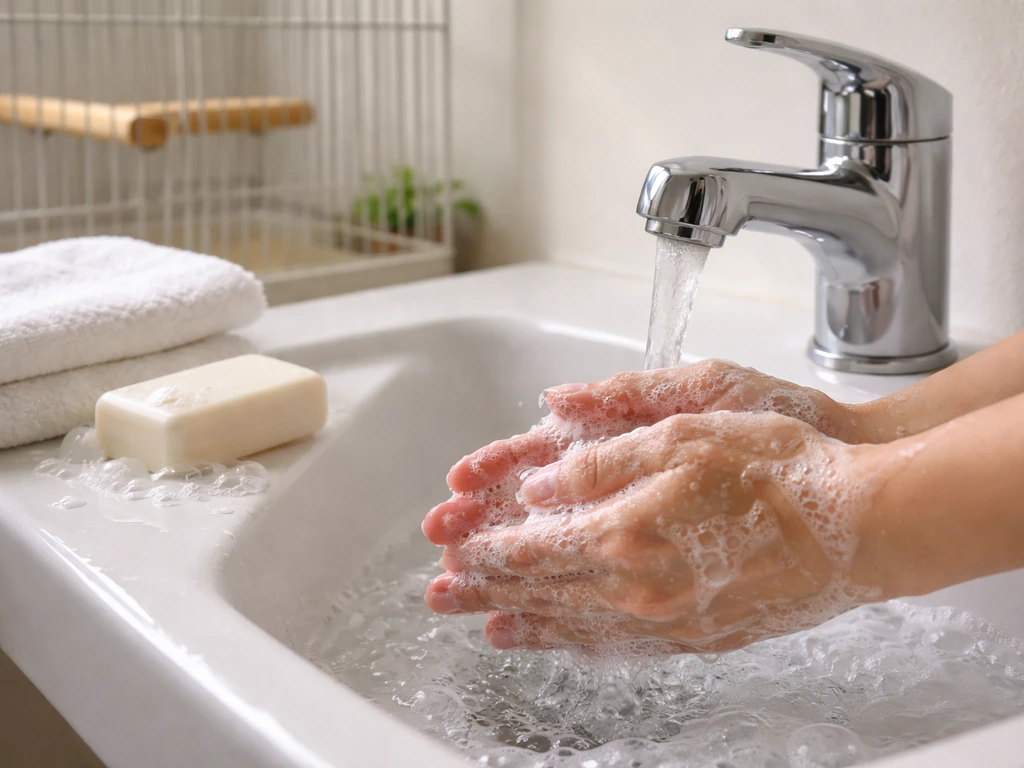
- Wash your hands for at least 15 seconds with soap and water before and after any contact. This protects both you and the bird from pathogens, including avian influenza risks flagged by the CDC and OSHA.
- Remove rings, bracelets, and loose cuffs. A bird's foot or beak can catch on jewelry instantly.
- Check the room. Close windows, doors, ceiling fans, and any open water sources (toilets, fish tanks, pots on the stove).
- No strong scents. Perfume, aerosol sprays, cigarette smoke, scented candles, and cooking fumes are all respiratory hazards for birds. Remove them before the session.
- Check your emotional state. If you are rushed, tense, or frustrated, reschedule. Birds read your body language and your energy will telegraph directly into the interaction.
- Keep sessions short from the start: two to three minutes maximum for a new or nervous bird. Longer is not better.
- Never use heavy gloves or force-restrain a bird against a surface. The RSPCA explicitly discourages these tactics, which cause panic and break trust. The only exception is an emergency medical situation handled by a vet.
- Have a single small treat ready (a millet sprig for small birds, a bit of nutrient-safe food for larger parrots) so you can reward calm behavior immediately.
Reading bird body language so you know when touching is welcome
Birds cannot tell you in words when they are uncomfortable, but they do tell you clearly if you know what to watch for. Most people miss the early warning signs and only notice the bite, which feels sudden but almost never is.
Green-light signals: the bird is relaxed and receptive
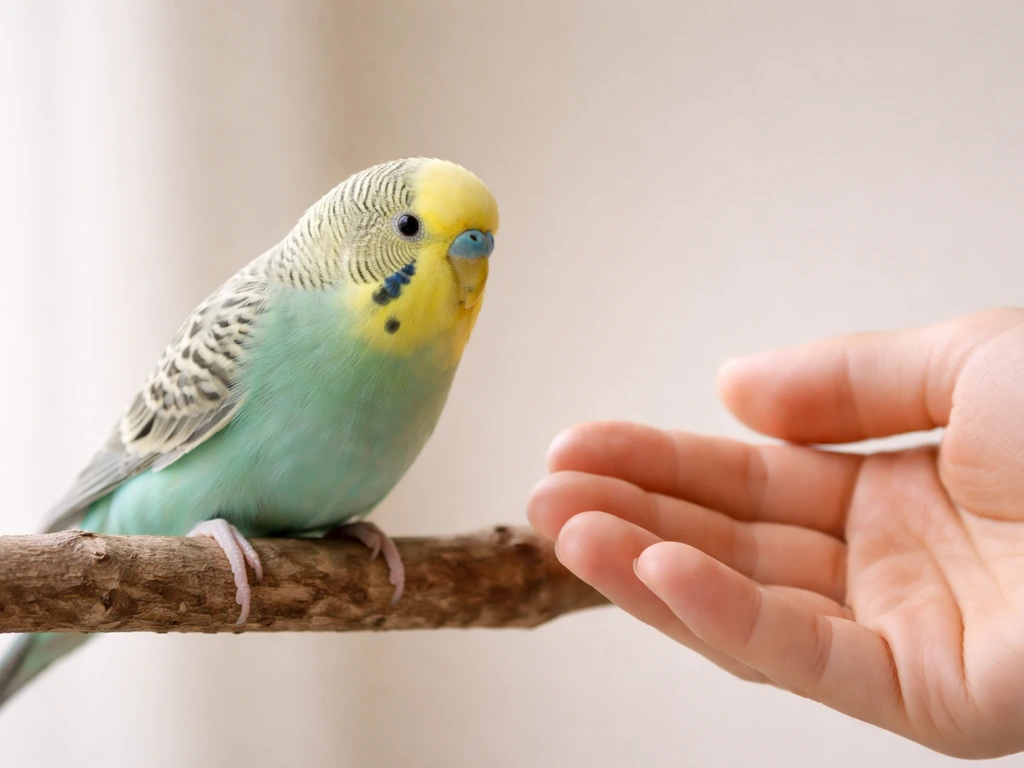
- Feathers are smooth and held slightly loose (not puffed up and not pin-tight against the body).
- The bird is vocalizing softly, preening itself, or eating near you.
- Eyes are bright and blinking normally, not pinned (rapidly dilating and contracting).
- The bird leans toward your hand or steps toward you voluntarily.
- Feet are relaxed on the perch, not gripping tightly.
Red-flag signals: stop and give space
- Feathers slicked flat and tight against the body (fear posture).
- Crouching low, leaning away, or backing along the perch.
- Beak open with hissing or rapid breathing.
- Rapid eye pinning (pupil contracting and expanding quickly), especially in parrots.
- Tail fanning or wings held slightly out from the body in an aggressive spread.
- Head turned away or the bird is actively trying to move to the far end of a perch.
- Repeated biting at the air in your direction (a final warning before contact biting).
The RSPCA training guidance has a useful mantra that I fully agree with: "Stop, and re-think your approach." The moment you see a red-flag signal, the session is over. Remove your hand slowly, step back, and let the bird settle. This is not failure. It is exactly the right response, and it builds more trust faster than pushing through ever will.
Step-by-step guide for pet birds
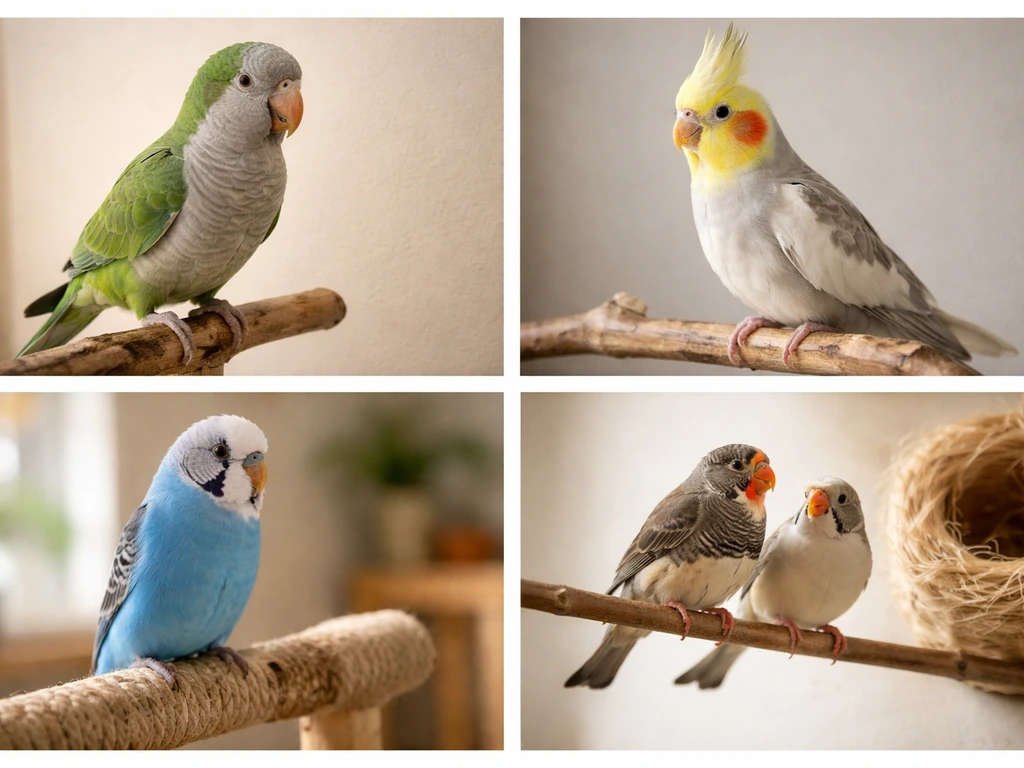
The approach varies somewhat by species, but the foundational sequence is the same across parrots, cockatiels, budgies, and finches. The approach varies somewhat by species, but the foundational sequence is the same across parrots, cockatiels, budgies, and finches Step-by-step guide for pet birds. Start with presence, move to proximity, then light touch, then confident handling. Never skip a stage just because the bird seems fine one day. If you want the full, species-friendly walkthrough, see our guide on how to pet a bird.
Parrots (African greys, conures, amazons, cockatoos, and similar medium to large species)
- Sit at cage height, slightly to the side, not looming over the bird. This removes the predator-from-above posture that makes parrots nervous.
- Spend five to ten minutes in the same room doing something calm (reading, quiet talking) without directing attention at the bird. Let it get used to your presence without pressure.
- Offer a treat through the cage bars first. No eye lock, no fast movement. Just a calm hand, treat extended, wait. If the bird takes it, that is a yes.
- Open the cage door and present the back of your hand, not your fingers, at perch height. The back of the hand is less threatening than an open palm with fingers pointing like a threat display.
- If the bird steps forward, let it sniff or beak your hand gently. Do not pull away.
- Once the bird is comfortable with your hand in the cage, introduce the step-up cue: press the side of your index finger gently but firmly against the lower part of the bird's chest, just above the feet, and say 'step up' in a calm, low voice. The slight pressure on the chest triggers a natural stepping reflex in most parrots.
- Hold the step-up for only a few seconds at first, then lower your hand back to the perch and reward immediately. The RSPCA recommends this short-duration approach specifically to build confidence without overstimulating.
- Gradually extend the duration over days and weeks, always ending before the bird shows stress.
Cockatiels
Cockatiels are naturally curious but can be skittish, especially birds that were not hand-fed as chicks. The step-up method above works well for them. The key species-specific tip: avoid reaching toward the crest. Cockatiels raise their crest when startled, and a hand moving toward that area triggers a strong panic response. Instead, approach from below and in front, aiming for the chest and feet. Millet spray is an incredibly effective training tool for cockatiels because they find it almost irresistible. Holding it still while your other hand approaches slowly for a brief chest touch is a reliable way to create a positive association with contact.
Budgies
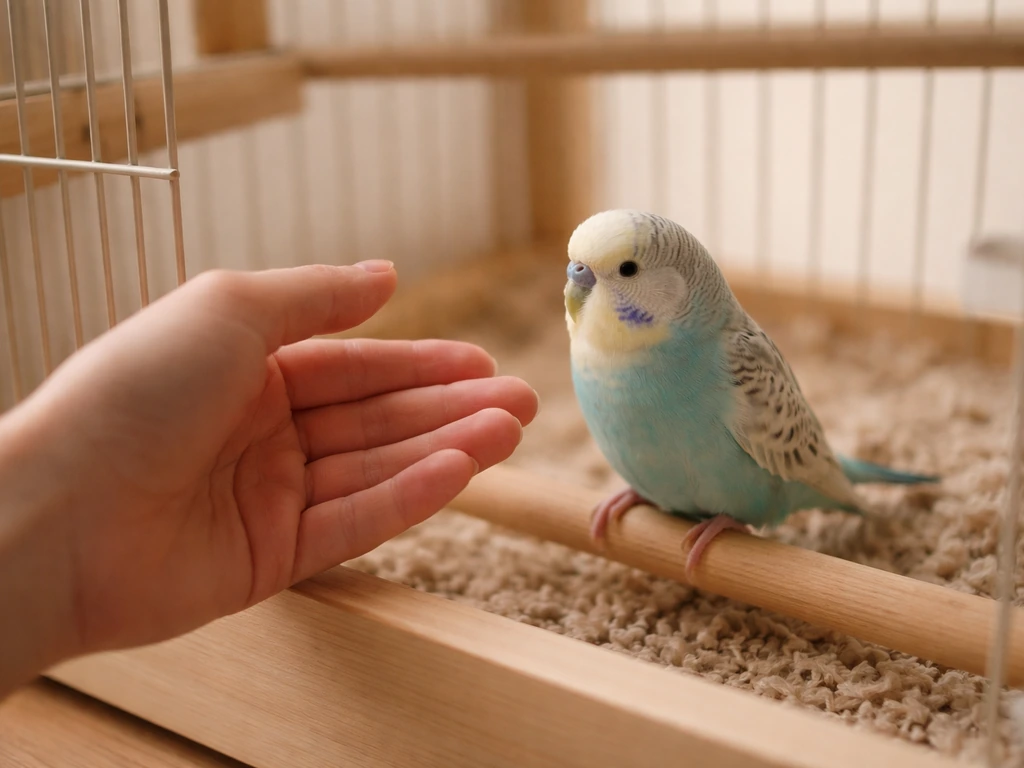
Budgies are small, fast, and startle easily, so the first few sessions should be entirely about getting the bird comfortable with a still hand inside the cage, no movement, no reaching. Sit your hand flat on the cage floor or on the perch beside the bird and wait. Let the bird walk onto your hand in its own time. This can take days of five-minute sessions.
Once a budgie is stepping up reliably, you can attempt brief body touch: a single finger gently stroking the back of the neck or behind the crest. That area (behind the head, around the ears and back of neck) is where a bonded budgie would preen a flock mate, so it signals safety rather than threat. Avoid the wings and tail initially.
Finches
Here is the honest truth about finches: most finches, including zebra finches and society finches, are not species that enjoy being touched or handled the way parrots and cockatiels do. They are flock birds that find human contact stressful rather than pleasurable. The goal with finches should be building comfortable proximity (flying freely in the room while you are present, landing near you) rather than hands-on touching.
Forced handling of a finch often causes acute stress that can genuinely harm the bird. If you do need to handle a finch for health checks, use a loose, gentle two-handed cup hold, supporting the body fully, never restraining the wings tightly, and keep it under 30 seconds. This is a topic worth exploring more fully in a dedicated petting guide for finches.
If you are using the Finch app, follow the finch petting steps there to keep your bird comfortable and minimize stress how to pet bird on finch app. For a deeper, step-by-step approach, see our guide on how to pet a bird in finch how to pet bird in finch.
How to interact with wild birds in your yard
The honest answer here is: you should not be trying to touch a wild bird in your yard. Wild birds are not tame, are not seeking human contact, and the stress of being handled by a human is a genuine health risk for them. For tips on where to pet a bird safely, focus on areas the bird already offers and avoid handling it when it seems stressed. The legal reality (covered in the section below) also matters. What you can do is create conditions where a wild bird voluntarily stays close to you, which is genuinely rewarding and much safer for the bird.
- Set up feeders and a clean water source consistently so that birds associate your yard with safety and food.
- Spend time sitting quietly near the feeders, initially 10 to 15 feet away, doing nothing alarming. Read, have coffee, be still.
- Gradually move your chair closer over days and weeks, only if the birds continue feeding normally at your presence.
- Some species, particularly chickadees and nuthatches, can be coaxed to take seeds directly from an open, motionless palm held near a feeder. This takes patience, weeks of building up proximity, and an open flat palm at feeder height. The bird chooses whether to land. You never reach toward it.
- If a wild bird appears injured or sick in your yard, do not attempt to handle or rehabilitate it yourself. Contact your nearest licensed wildlife rehabilitator or local wildlife agency.
Any contact beyond a wild bird voluntarily landing on your hand crosses into territory that is stressful for the bird and potentially illegal. The section on legal boundaries below explains why.
Building trust over time: realistic timelines
People consistently underestimate how long this takes with a nervous bird, and overestimate how quickly they should be progressing. Here is a realistic framework based on where a bird is starting from.
| Starting point | Realistic timeline to comfortable touch | What it looks like at that stage |
|---|---|---|
| Hand-raised, already step-trained parrot or cockatiel | 1 to 3 sessions (hours to days) | Steps up readily, tolerates head and neck scratches, may seek contact |
| Parent-raised but socialized cockatiel or budgie | 2 to 6 weeks of daily short sessions | Accepts hand in cage, may step up, tolerates brief touch on chest or neck |
| Untamed adult parrot (rehomed, rescue, or minimal prior handling) | 3 to 12 months of consistent daily work | Stops fleeing at approach, eventually steps up, touch is still brief and on bird's terms |
| Budgie with no prior taming | 4 to 8 weeks minimum | Will land on hand voluntarily, may allow brief neck/head touch |
| Finch (any) | Months to years, with realistic expectation of proximity rather than touch | Calm in your presence, may perch nearby; full handling remains stressful for most individuals |
| Wild yard bird (chickadee/nuthatch, seed-takers) | Weeks to months of consistent passive presence | May take seeds from open palm; no body contact is the goal |
Daily sessions are far more effective than occasional long ones. Five minutes every day beats 30 minutes on weekends. Consistency tells the bird that you are a predictable, safe part of its environment, and predictability is the foundation of trust.
When a bird bites, panics, or won't step up
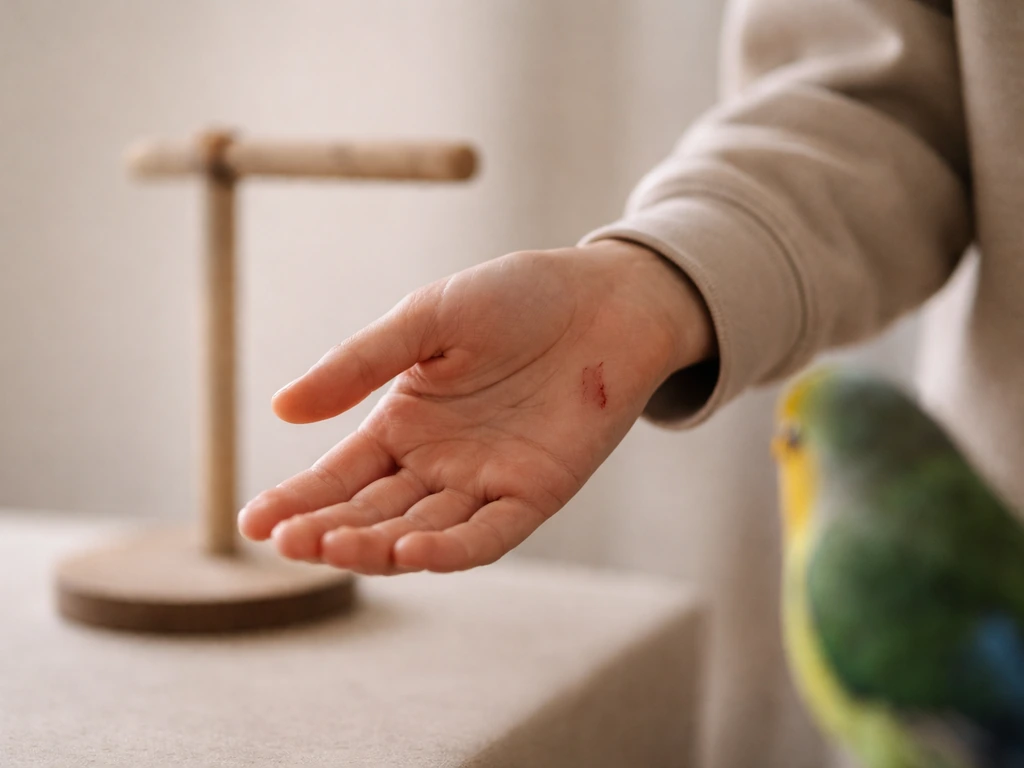
This happens to everyone. Here is how to handle each situation without losing the progress you have made.
If the bird bites
The worst thing you can do after a bite is pull your hand back sharply and make a noise. That reaction startles the bird, confirms that biting produces a response, and reinforces the behavior. Instead: stay still for one breath, say "no" once in a calm, firm voice, lower your hand slowly to the perch, and end the session. Do not punish, do not yell, do not tap the beak. Wash the bite site with soap and water immediately. Small bird bites rarely break skin, but parrot bites from larger species can be significant. If the bite is deep or the area shows signs of infection within 24 to 48 hours, see a doctor.
If the bird panics and flaps wildly
Back off completely, turn sideways (reducing your visual profile), crouch down to be lower than the bird, and speak quietly until it calms. Do not chase or try to re-contain it immediately unless there is a safety hazard. Give it ten minutes to settle, then calmly herd it back toward its cage if needed. After a panic episode, go back two full stages in your training sequence and rebuild from there.
Troubleshooting checklist when a bird won't come near or flinches repeatedly
- Is the room too loud or busy? Birds rarely approach when they feel exposed or unsettled by background noise.
- Are you making eye contact? Direct staring is a predator behavior. Avert your gaze and approach from slightly off-center.
- Are your movements too fast? Slow everything down by about half of what feels natural to you.
- Have sessions been too long? A flinching bird that was fine last week may be overtired of human contact. Cut sessions by half.
- Has anything changed (new cage location, new household member, diet change, illness)? Stress from unrelated factors reduces a bird's tolerance for handling.
- Is the bird getting enough sleep? Birds need 10 to 12 hours of darkness. A sleep-deprived bird is irritable and avoidant.
- When was the bird's last vet check? Persistent avoidance of touch, especially if the bird is also quieter than usual, can indicate pain or illness.
Legal and ethical limits: when not to touch
There are clear situations where the right answer is to not touch, call someone qualified, or both.
Wild birds and the law
In the United States, most wild native birds are protected under the Migratory Bird Treaty Act. Handling, capturing, or possessing a wild migratory bird without a federal permit is a federal violation, regardless of your intentions. The U. S.
Fish and Wildlife Service is explicit that members of the general public are not authorized to handle migratory birds for rehabilitation purposes. Michigan, for example, requires a state DNR wildlife rehabilitation permit before you can possess, transport, or treat a native wild bird, and federally protected species may require additional federal authorization on top of that. Other states have similar requirements. This is not a technicality to ignore.
If you find an injured wild bird in your yard, the correct and legal action is to contact a licensed wildlife rehabilitator or your state wildlife agency, not to bring the bird inside and attempt care yourself. The RSPCA advises that when you find a sick or injured bird you should [avoid handling it yourself](https://www. rspca. org.
uk/adviceandwelfare/wildlife/birds/injured) and instead use the appropriate advice and treatment channels.
A federal migratory bird rehabilitation permit does authorize brief hands-on handling for the sole purpose of containing and transporting a sick or injured bird to a permitted rehabilitator. That means if you find a clearly injured bird, you can carefully contain it in a box with air holes and drive it to a rehabilitation center. That is the limit of what the permit framework contemplates for most individuals, and even that is ideally done with guidance from the rehabilitator over the phone.
When your pet bird needs a vet, not more handling
If your pet bird is showing any of the following signs, stop training sessions and book an avian vet appointment instead of pushing through with touch work. Merck Veterinary Manual also stresses prompt veterinary advice when a pet bird shows concerning abnormal behavior or signs during injuries or accidents stop training sessions and book an avian vet appointment. A sick or painful bird will not and should not tolerate handling, and forcing it makes both the illness and the trust relationship worse.
- Fluffed feathers for extended periods (not just a brief post-bath puff)
- Sitting on the cage floor rather than on a perch
- Discharge from the eyes, nostrils, or beak
- Changes in droppings (watery, discolored, or absent feces)
- Sudden dramatic personality change (very quiet bird that was vocal, or vice versa)
- Loss of appetite lasting more than 24 hours
- Labored breathing or tail bobbing with each breath
Hygiene as an ethical practice, not just a personal one
Handling changes a bird's feather condition. Your skin oils transfer during petting and can affect the natural structure of the feathers over time. Avian veterinarians note that regular bathing helps birds remove oil buildup from human handling. This does not mean you should not pet your bird, it means building bathing opportunities (a shallow dish of lukewarm water, or a gentle mist spray) into your bird's routine as a counterpart to regular contact.
Washing your hands before touching your bird is just as important as washing them after: you can transfer lotions, food residues, and pathogens to a bird's feathers and skin. The CDC and OSHA both emphasize thorough hand hygiene in any context involving birds, not only in commercial settings.
Touching your bird the right way, meaning on its terms, at the right pace, with clean hands and a calm environment, is one of the most rewarding things about keeping a pet bird. If you are wondering about how to kiss a bird, the safest approach is to only do it when the bird is clearly comfortable and you keep it brief. The birds that genuinely want to be near you and seek out your hand are the ones that have been given the time and space to choose that. That choice, freely made, is what makes the relationship worth building.
FAQ
Can I touch my bird to calm it down when it seems scared?
Yes, but only in very specific situations. Use it as a training tool when the bird stays relaxed and voluntarily comes closer, keep contact brief, and stop at the first red-flag. If you need to restrain a wing or hold the body steady, switch to vet or qualified help, because tighter handling is more stressful than a carefully timed one-off touch.
How do I know when it is time to stop touching my bird?
Watch for comfort signals like relaxed posture, soft eyes, and staying near you without trying to move away. Avoid continuing when you see crest raised from startle (cockatiels), tail or wing tension, freezing, head turning away, or fast backing up. When in doubt, end the session early, because birds learn that “pressing on” is what leads to discomfort.
Does my bird’s mood ever change even if it usually tolerates touch?
Do not rely on the perch height alone. Birds can feel safe one day and startled the next, so keep the same pacing regardless of how long the session has been. A practical rule is to treat every session as a “new start,” even if you have been touching successfully for weeks.
What are the most common reasons birds suddenly refuse touch?
Work around common triggers. Many birds startle when hands come from above or move quickly, so slow your approach and enter the bird’s line of sight from the side or front. Also avoid touching right after loud sounds, household changes, or when the bird just finished a stressful event, because you will be reinforcing fear rather than safety.
What should I do if my bird used to allow touch but now it bites?
Not without preparation. For parrots and cockatiels, use a predictable routine: calm presence first, then light contact only after the bird chooses closeness. If your bird is not already stepping up or voluntarily approaching, “petting it anyway” is likely to escalate fear, so go back one or two stages before trying again.
How long should a “light touch” session last when I am building trust?
Start with one short touch and then return to proximity training. For example, try a single finger contact only when the bird is already close and settled, then immediately stop and let the bird move away if it wants. Repeat later rather than increasing duration the same day.
Does introducing another pet affect how I should touch my bird?
Yes, especially if you share a household with other animals. Keep separation during early touch training, so your bird is not forced to cope with scents or visual attention from another pet. If another animal approaches, end the session and reset at a calmer distance, because “touch plus stress” can permanently slow progress.
When should I avoid touching and focus only on presence and proximity?
Yes, for health and safety. Skip touch work during obvious illness signs, breeding hormones, or after a recent handling-related stress (like a vet visit) until your vet says it is okay. If you are unsure, do presence and proximity instead of contact, so you maintain trust without forcing physical interaction.
Is it safe to initiate contact when my bird comes toward me first?
You can, but do it as the bird asks rather than as an automatic step. If the bird approaches you, you can offer a still hand at the right stage, but do not sweep your hand over the bird’s head or trap it against a perch. If the bird leans in but stiffens when you touch, switch back to non-contact proximity until it relaxes.
What hand-safety mistakes cause more bites or discomfort?
Use hygiene and surface safety as part of the routine. Wash hands before handling, and avoid touching your bird right after using lotion, sanitizer, or strong-smelling hair or skin products. If your hands smell like food, your bird may peck or bite to investigate, so rinse and wait a few minutes after eating before retrying.
Next Articles
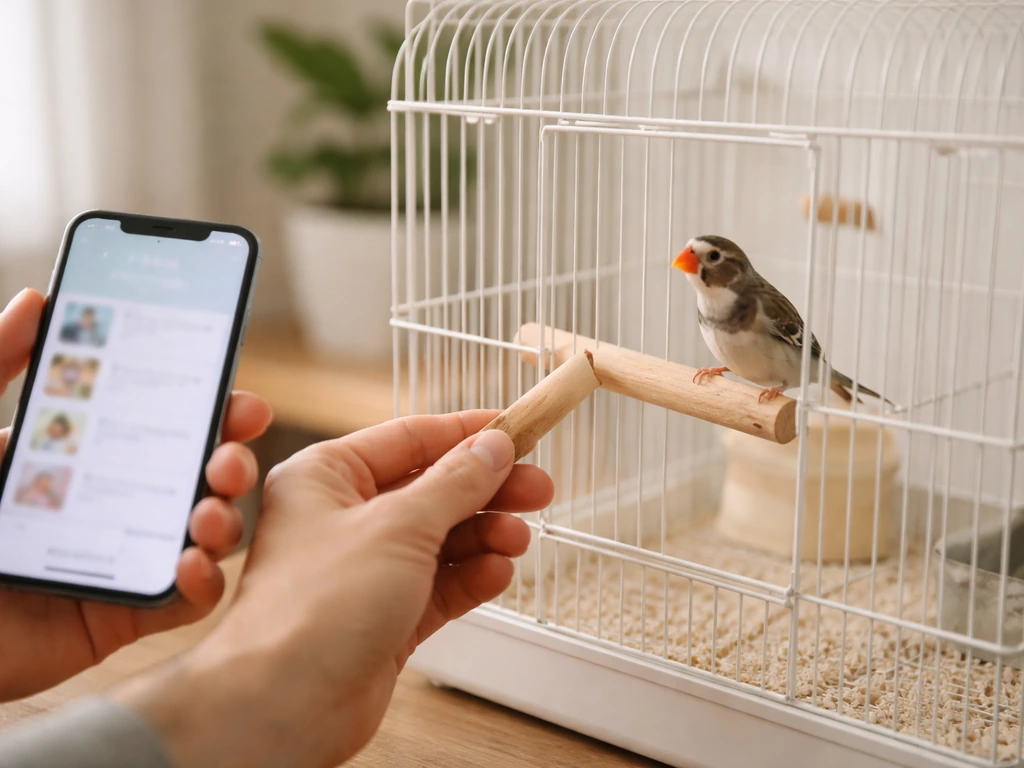
How to Pet a Finch on Finch App: Step by Step Guide
Step-by-step how to pet finch using Finch app guidance, build trust safely, with troubleshooting and humane handling tip
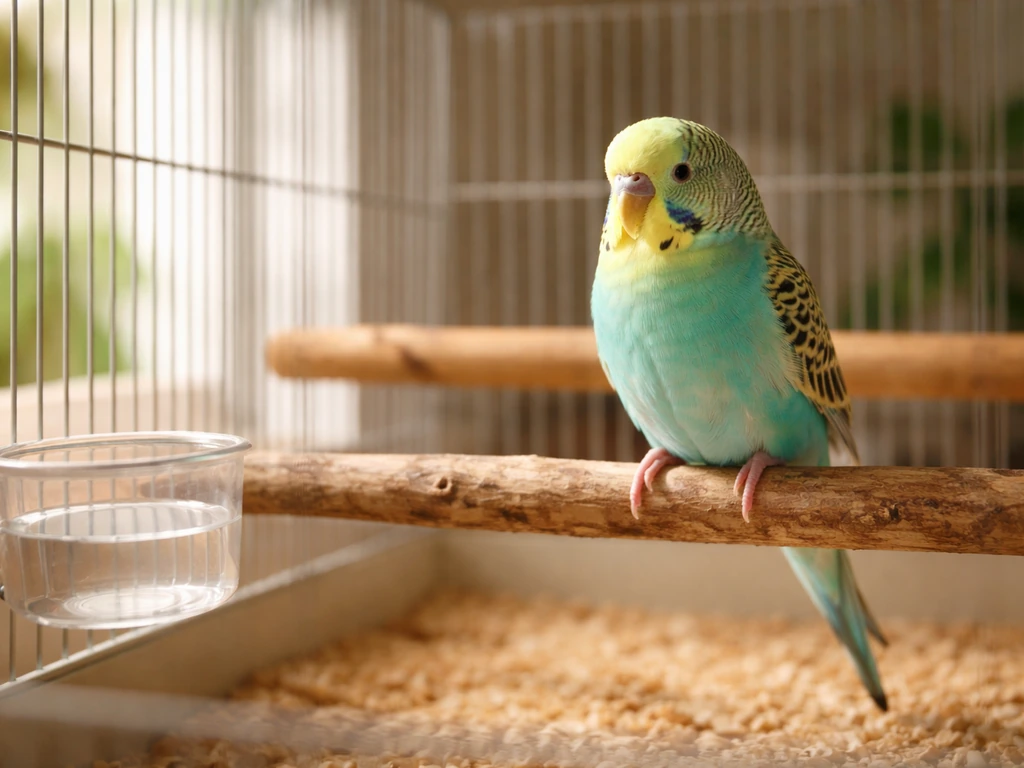
How to Get a Bird as a Pet: Beginner Guide
Step-by-step humane guide to get a pet bird: pick species, set up safe habitat, taming and day-one care, plus wild bird
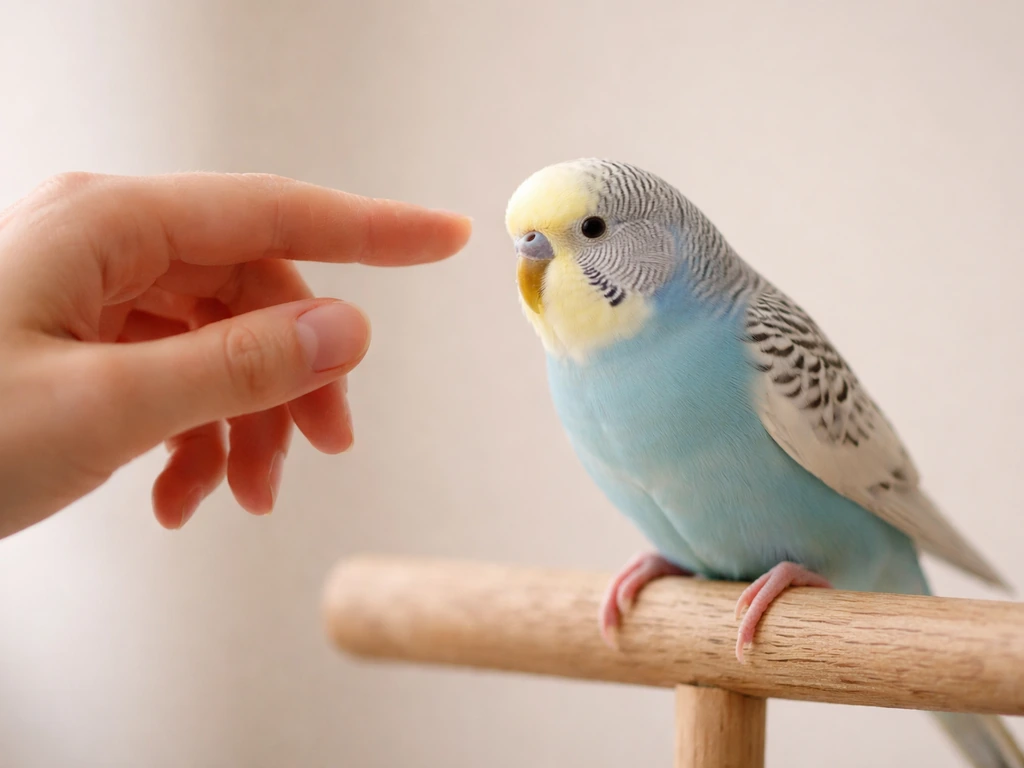
Where to Pet a Bird: Safe Spots for Pet and Wild Birds
Where to pet a bird safely: best touch spots for common pets and wild birds, plus where not to pet and stop signs.