Getting a bird as a pet is genuinely one of the most rewarding things you can do, but it goes sideways fast when people skip the groundwork. The short version: pick a species that fits your actual lifestyle, set up a safe environment before the bird arrives, source it responsibly, and invest real time in earning its trust. Do those four things and you are already ahead of most new bird owners. This guide walks you through every step in order.
How to Get a Bird as a Pet: Beginner Guide
Clara Hayes
12 Apr 2026
Pick the right bird for your lifestyle
This is the decision that determines whether you end up with a happy companion or a stressed bird and a frustrated owner. Temperament, lifespan, noise level, and how much daily attention a bird needs vary enormously between species. A budgie and an African grey are both "parrots" in the broad sense, but they demand completely different commitments.
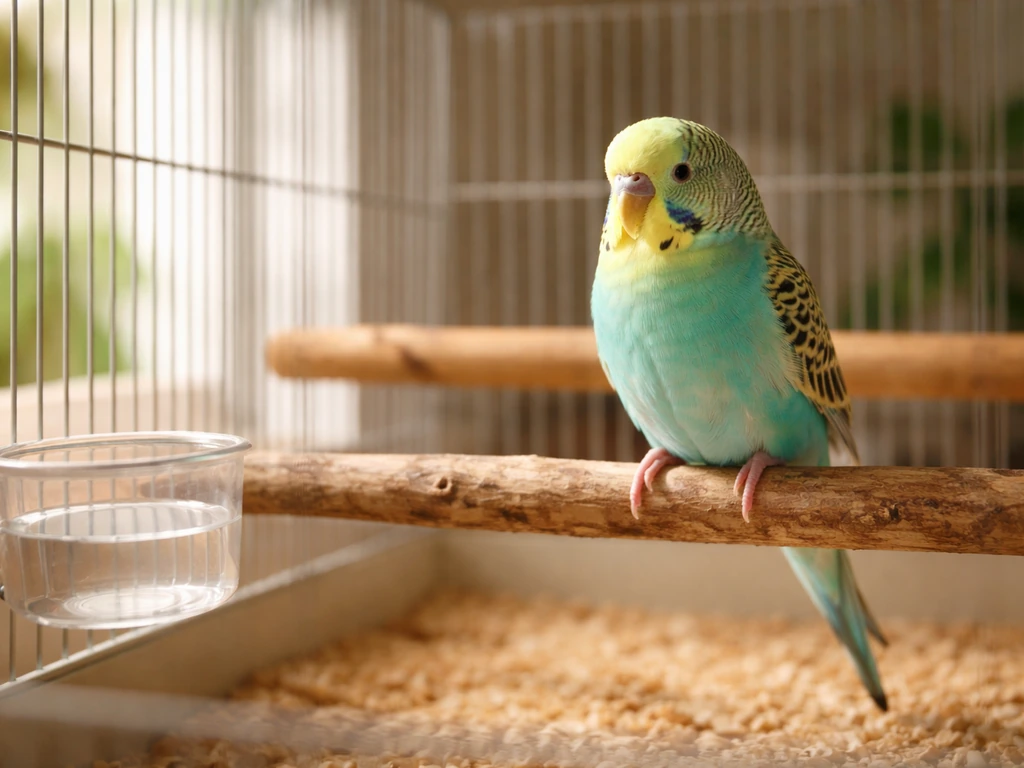
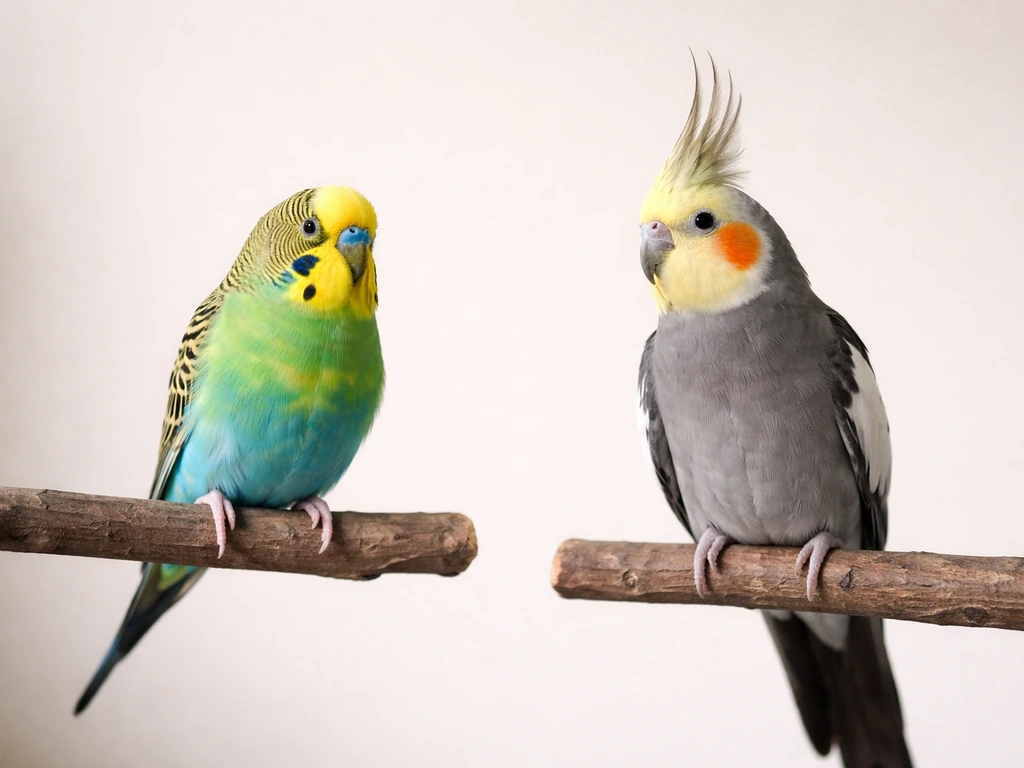
Budgerigars (budgies) are one of the best starting points for beginners. They live roughly 5 to 10 years, are small enough to handle comfortably, and respond well to gentle, consistent interaction. Cockatiels are another excellent choice: they are affectionate, moderately quiet, and social without being as demanding as larger parrots. Both species tolerate apartment living better than most birds. Finches sit at the other end of the hands-on spectrum: they are delightful to watch and listen to, but they generally prefer the company of other finches over direct human handling, which makes them ideal if you want an engaging bird without the daily taming work.
Medium and large parrots, including cockatoos, African greys, and macaws, are a different story. The ASPCA is direct about this: larger parrots can be extremely difficult to keep and require constant social and mental stimulation, a varied diet, and a fume- and toxin-free environment. They also live for decades, which means adopting a cockatoo is closer to a lifetime commitment than a hobby. If this is your first bird, be honest with yourself before going this route.
| Species | Typical Lifespan | Handling Need | Noise Level | Best For |
|---|---|---|---|---|
| Budgerigar (Budgie) | 5–10 years | Moderate | Low–Moderate | First-time owners |
| Cockatiel | 15–20 years | Moderate–High | Moderate | First-time owners who want bonding |
| Finch (e.g., Zebra Finch) | 5–10 years | Low (prefers flock) | Low | Owners who prefer watching over handling |
| Lovebird | 10–15 years | High | Moderate | Attentive owners with time |
| African Grey / Cockatoo | 40–60+ years | Very High | High | Experienced owners only |
Ask yourself honestly: how many hours a day are you home? Do you have other pets? Is your household noisy or calm? Can you commit to this bird's full lifespan? The answers should drive your species choice more than appearance or what looked cool at the pet store.
Before you get the bird: setup, supplies, and safety
The cage and the room need to be ready before your bird walks through the door. Scrambling to set things up after the fact adds stress for both of you, and some mistakes made in the first hours can be dangerous.
Cage sizing and bar spacing
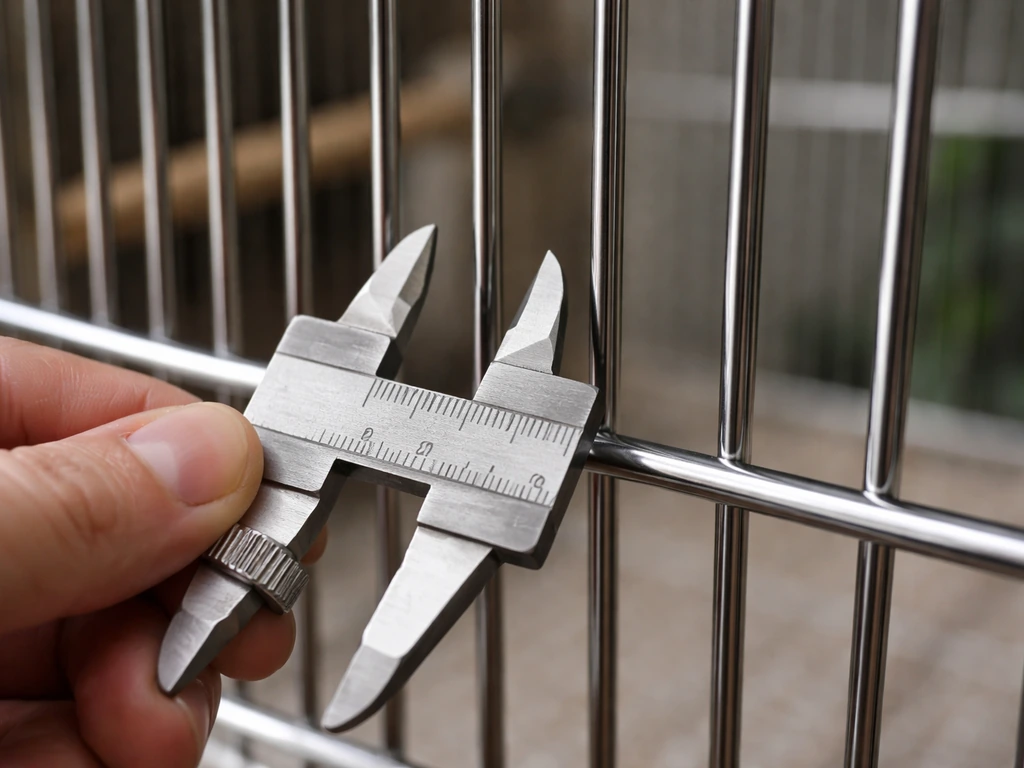
Bar spacing is not a trivial detail. If the gaps are too wide, a small bird can get its head stuck, which causes injury or death. For budgies, cockatiels, lovebirds, and parrotlets, the minimum cage size is 20 x 20 x 30 inches with bar spacing no wider than 0. 5 inches.
Finches need at least 8 x 30 x 18 inches with spacing of 1/4 to 1/2 inch, and because finches move horizontally rather than climbing, width matters more than height. For a pair of finches specifically, the cage should be at least 14 inches long and wide to give them real flight room. Larger parrots need proportionally larger enclosures; the goal is always a cage big enough that the bird can spread its wings fully without touching the sides.
Placement matters too. Keep the cage away from drafts, direct heating or cooling vents, and the kitchen. That last point is critical: overheated nonstick cookware releases PTFE (Teflon) fumes that are odorless to humans but can be fatal to birds within minutes. Cornell reports that a budgerigar study found exposure to PTFE pyrolysis products for nine minutes or longer resulted in clinical signs and death in 97% of birds exposure to PTFE pyrolysis products for nine minutes or longer can lead to clinical signs and death in most birds. Avoid using nonstick pans entirely if your bird is anywhere in the home, or at minimum keep the bird in a well-ventilated room completely separate from the kitchen when cooking.
Essential supplies checklist
- Appropriately sized cage with correct bar spacing for your species
- Multiple perches at different heights and textures (natural wood is ideal)
- Food and water dishes that attach securely to the cage
- Species-appropriate pellet diet plus fresh vegetables and fruits daily
- Safe toys for foraging and mental stimulation
- A cage cover or light-blocking cloth for 10–12 hours of sleep per night
- A small carrier or travel cage for vet visits
- A contact list for a local avian veterinarian (not just a general vet)
Most birds do best with 10 to 12 hours of sleep in a dark, quiet space, so plan where you will cover or move the cage at night before day one. Getting this routine established early makes a real difference in long-term temperament and health.
How to source a pet bird responsibly
Where you get your bird matters as much as which bird you choose. Adoption and rescue are genuinely the best first option. Rescues are full of birds that were surrendered because previous owners underestimated the commitment, and many of those birds are already partially tamed and just need a stable home. The ASPCA actively encourages adoption over purchasing, particularly for parrots.
If you choose to buy from a breeder, look for someone who handles their birds from a young age (this is called hand-raising), keeps a clean and uncrowded facility, and is willing to answer detailed questions about the bird's diet and history. In the U.S., breeders and dealers who sell birds commercially are subject to USDA Animal Welfare Act standards and inspection. That does not guarantee quality, but a seller who is registered and transparent about their practices is a better sign than someone selling out of a parking lot or a sketchy online listing.
Avoid pet stores that cannot tell you where their birds came from or that keep birds in visibly overcrowded or dirty conditions. A bird raised in a stressful environment often carries both health and behavioral challenges that are hard to undo.
Once you have your bird, schedule a veterinary exam immediately, before or shortly after bringing the bird home. CDC advises that new pet birds should be taken to an avian-experienced veterinarian “within a few days of purchase or adoption” for a health visit and care advice. A minimum "new bird" evaluation should include a physical exam, bloodwork, and cloacal and choanal checks. If you have other birds at home, quarantine the new bird for at least 30 days (some avian health experts recommend up to 60 days) in a completely separate room before any contact. This protects your existing flock from potential disease transmission.
Getting settled: bonding, trust-building, and realistic timelines
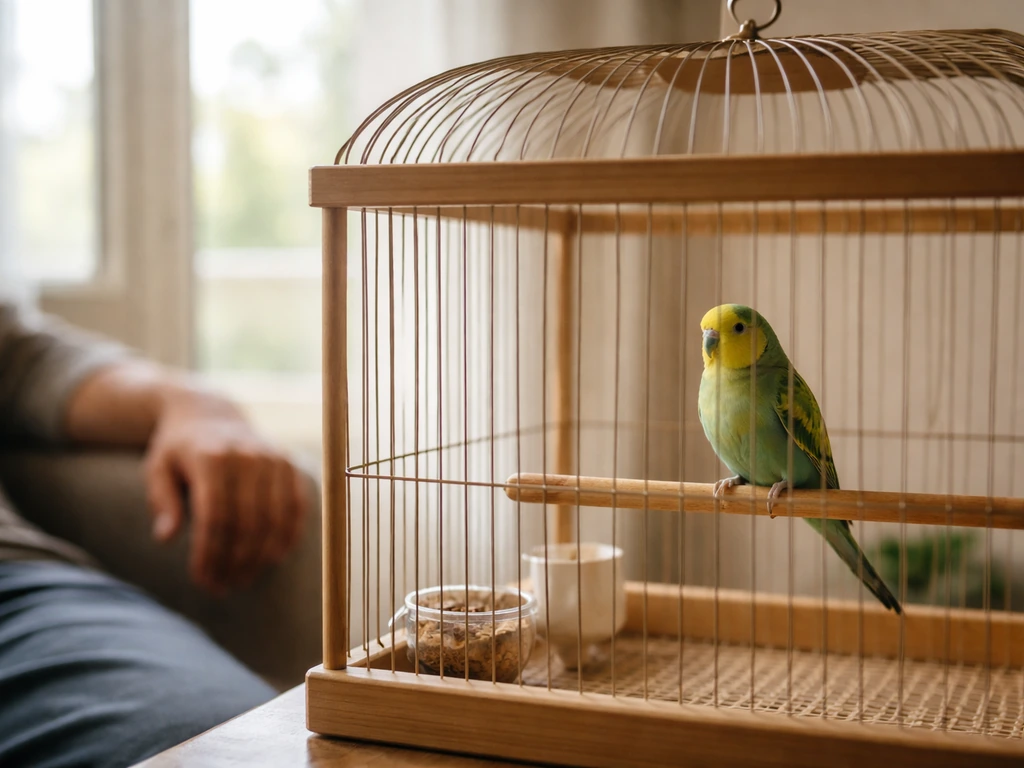
The first week is about the bird learning that your home is safe, not about getting it to sit on your finger. Resist the urge to force interaction. Let the bird observe you moving around the room, talking quietly, and going about your day. That passive exposure is trust-building, even when nothing dramatic is happening.
Here is a realistic timeline so you know what to expect and do not give up too early:
- Days 1–3: Leave the bird alone in its cage to acclimate. Speak softly when near it. Do not attempt handling.
- Days 4–7: Begin spending time near the cage. Offer a small treat through the bars. Read, talk on the phone, or work near the cage so the bird gets used to your presence.
- Week 2: Start offering treats from your open hand resting near the cage door. Do not push your hand toward the bird; let it come to you.
- Weeks 3–4: Begin short, calm out-of-cage sessions in a bird-proofed room. Keep sessions under 10 minutes at first.
- Month 2 onward: Gradually increase handling time and introduce basic step-up practice as the bird becomes comfortable.
Every bird moves at its own pace. A previously traumatized rescue bird may take three to four months to accept handling. A hand-raised budgie may climb onto your finger in a week. The timeline above is a guide, not a deadline. Patience here pays off for years.
Once your bird is comfortable with your presence, you can begin thinking about physical contact. Learning where to pet a bird correctly matters because birds have specific spots they enjoy (typically head and neck) and others that can feel threatening or overstimulating. Getting this right early builds positive associations with handling.
Taming and handling basics (species-specific tips)
Budgies and cockatiels
These two species are the most forgiving for beginners. Start step-up training by placing your finger gently against the bird's lower chest, just above its feet, and applying very slight upward pressure. Most budgies and cockatiels will step up within a few sessions if you are calm and consistent. Keep early handling sessions to five minutes or less and always end on a positive note, meaning the bird steps up or does something right before you return it to the cage. Once your bird is comfortable being handled, you can read more about how to pet a bird gently and confidently without triggering a fear response.
Finches
Finches are not typically tamed for handling the way parrots are, and that is perfectly fine. Their enrichment comes from flight, foraging, and the company of other finches. Focus on providing a roomy, stimulating environment and enjoy them as an observational companion. If you do want to interact more directly, the approach is slow and indirect: sitting near the cage daily, speaking softly, and allowing the birds to get used to your presence over weeks. For a deeper look at how to interact with finches in a hands-on way, how to pet bird in finch covers the specifics of what gentle physical interaction looks like with these small birds.
Larger parrots
With African greys, cockatoos, and similar species, body language reading is essential before you ever attempt physical contact. Watch for pinning eyes, raised feathers along the head or neck, and tail fanning as signs of agitation. When a larger parrot is relaxed, its feathers are smooth, its posture is upright but not rigid, and it may vocalize softly. Learning how to touch your bird safely and read its signals before you reach in will save you a painful bite and a setback in trust-building.
Many birds, once they trust you, enjoy having their head and neck feathers preened gently by a trusted human. This mimics what flock members do for each other and deepens your bond significantly. Understanding how to preen a bird properly, using your fingertips to gently separate and smooth head feathers, can become a daily bonding ritual once your bird is comfortable.
Training starter plan and daily routines
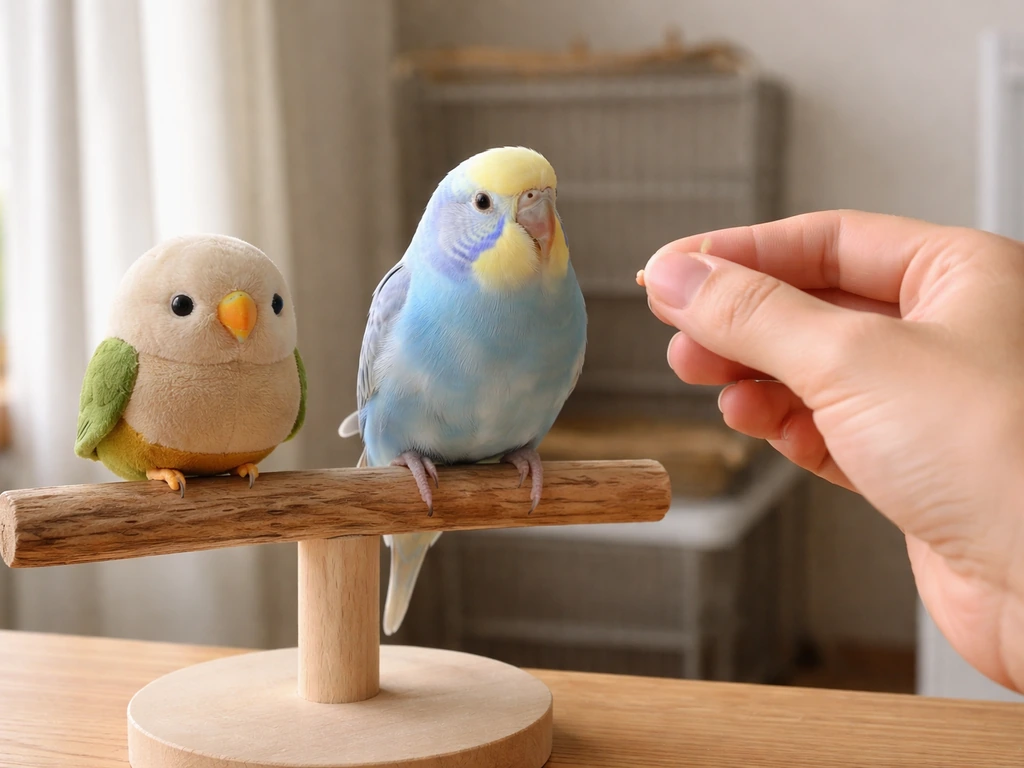
Positive reinforcement is the only approach worth using. Punishment does not work with birds and damages the trust you have been carefully building. The training framework recommended by the Association of Avian Veterinarians uses target training as the foundation: you present a small stick or dowel, ask the bird to touch it with its beak, mark the correct behavior with a sound (a click or a short verbal cue like "yes"), and immediately deliver a reinforcer. That reinforcer can be a small treat, praise, or even physical affection like a head scratch if your bird is already comfortable with contact. Target touches can eventually build into step-up training, cooperative vet-handling behaviors, and even more complex tricks.
Keep training sessions short: two to five minutes, two to three times a day. Birds learn faster in short, frequent sessions than in long ones. End every session while the bird is still engaged and succeeding, not after it has lost interest.
A sample daily routine for a budgie or cockatiel owner looks like this:
- Morning: uncover the cage, refresh food and water, spend five minutes talking near the cage
- Mid-morning: short five-minute training session using a target stick
- Afternoon: one hour of supervised out-of-cage time in a bird-proofed room (once the bird is tamed)
- Evening: second five-minute training session, followed by calm interaction or quiet time near the cage
- Night: cover the cage for 10–12 hours of uninterrupted sleep
Out-of-cage time is important. Oregon Humane's budgie guidance recommends at least about an hour of out-of-cage exercise daily for a properly tamed bird. Flight and exploration are not optional enrichment activities; they are necessary for physical and psychological health.
One thing that surprises new owners is how meaningful affectionate gestures become once trust is established. Some birds, particularly cockatiels and larger parrots, will actively seek out face contact from a trusted person. If you are curious about what is and is not safe in that department, how to kiss a bird explains the hygiene considerations and safe ways to respond to a bird that wants close contact without creating health risks for either of you.
If you use the Finch app or similar bird-watching tools as part of your broader interest in birds, you may have come across interaction features within the app itself. How to pet bird on Finch app walks through what those in-app gestures look like, which is a fun addition to your daily bird routine even if it is entirely separate from caring for a live bird.
Wild bird vs pet bird: legal and ethical guidance
This comes up more than you would think: someone finds a crow, a robin, or a sparrow in their yard, and the thought crosses their mind to keep it. Do not do this. In the United States, the Migratory Bird Treaty Act makes it unlawful to pursue, take, capture, possess, or transport migratory birds without a federal permit. This covers not just the birds themselves but also their nests, eggs, and feathers. The list of protected species is vast and includes most of the wild birds you are likely to encounter in a backyard. Violating the MBTA can result in serious fines and criminal charges.
If you find an injured or orphaned wild bird, the right move is to contact a licensed wildlife rehabilitator in your area. Do not attempt to care for it yourself, feed it, or keep it even temporarily without guidance, as well-intentioned handling can cause additional harm.
If what you really want is a closer connection with wild birds, the ethical and genuinely satisfying alternative is to make your yard a better habitat for them. Cornell Lab of Ornithology recommends practical steps like making windows visible to birds to prevent collisions, reducing or eliminating pesticide use, and improving habitat with native plantings. Similarly, providing a clean water source and shelter structures like brush piles gives wild birds what they actually need. These approaches let you observe and support wild birds without removing them from where they belong.
Troubleshooting common problems and when to see an avian vet
Common early problems and fixes
| Problem | Likely Cause | What to Do |
|---|---|---|
| Bird won't come near you | Still acclimating; past trauma | Slow down. Spend more passive time near the cage without attempting contact. |
| Biting during handling | Overstimulation or fear | Shorten sessions, read body language better, avoid forcing contact. |
| Feather plucking | Boredom, stress, skin issue, or illness | Increase enrichment; schedule an avian vet visit to rule out medical causes. |
| Constant screaming | Seeking attention or a natural contact call | Do not reward screaming with attention; reward quiet with interaction. |
| Refusing food changes | Preference for familiar foods | Introduce new foods alongside familiar ones gradually over weeks. |
| Puffed feathers and lethargy | Illness (potentially serious) | See an avian vet the same day or next morning. Do not wait. |
When to call the vet
Birds hide illness instinctively because showing weakness in the wild is dangerous. By the time a bird looks obviously sick, it has often been unwell for a while. Watch for any of these warning signs and treat them as urgent: puffed feathers combined with lethargy, discharge from the eyes or nares, changes in droppings (color, consistency, or volume), difficulty breathing, loss of balance, or sudden changes in vocalization patterns. MSPCA-Angell recommends establishing a relationship with an avian veterinarian before an emergency happens, not after. Find your vet before you bring the bird home if possible.
Annual wellness exams are important even when your bird seems healthy. Unlike cats and dogs, birds generally do not receive routine vaccines, so those yearly checkups are your main tool for catching metabolic issues, nutritional deficiencies, and early-stage illness before they become serious. Always wash your hands after handling your bird or cleaning its cage, both for your hygiene and to reduce the risk of transferring anything between birds if you have more than one.
Your immediate next steps
- Choose your species based on your honest daily schedule and experience level, not appearance alone.
- Set up the cage with correct sizing and bar spacing before the bird arrives.
- Identify and contact a local avian veterinarian; book a new-bird exam.
- Source your bird from a reputable rescue, humane society, or registered breeder.
- Quarantine for 30 days minimum if you have other birds at home.
- Spend the first week building trust through passive presence, not forced handling.
- Begin target training in week two or three using short, positive sessions.
- Monitor daily for changes in behavior, droppings, or appearance.
Getting a bird is a real commitment, but it is also one of the most interesting and rewarding relationships you can build with an animal. Birds are intelligent, communicative, and capable of genuine affection when they feel safe. Put in the groundwork described here, go at the bird's pace rather than your own, and you will end up with a companion that actively chooses to spend time with you. That is worth every bit of the effort.
FAQ
I work long hours, how do I choose a bird if I cannot provide constant attention?
If your home schedule is unpredictable, prioritize species that can tolerate partial social time and provide strong daily enrichment. Many parrots need consistent interaction and mental stimulation, so a more realistic setup is to plan fixed interaction windows (for example, morning and evening) plus foraging toys to cover the gaps. For finches, community housing reduces loneliness risk, since they generally do not bond the same way parrots do.
How can I tell if I am overwhelming my bird during the first week?
Watch for warning signs that you are bonding too fast: frantic pacing when you enter, freezing when you approach, lunging, tail fanning plus pinning eyes, or refusal to step up after repeated sessions. If you see these, pause physical training and return to passive trust-building (quiet presence, treats offered near the cage, no forced handling) for several days before trying again.
Can I quarantine a new bird in the same room as my current birds?
Yes, but do it with strict separation. Keep the new bird in a different room, use separate cleaning tools, and wash hands between handling. Avoid letting cages share air space near each other, and do not allow direct contact until after the quarantine window and a veterinarian check confirm no contagious concerns.
Is it possible to make any bird a “lap bird”?
Some birds can be trained, but do not assume “taming” works for every species the same way. Finches usually bond through environment and routine rather than frequent handling, while many parrots can learn cooperative behaviors via target training. If your goal is hands-on affection daily, that goal should shape your species choice before you buy or adopt.
What are the most common cage mistakes that put birds at risk?
Most cages fail for one of two reasons: bar spacing and insufficient footprint. Even if the bar spacing is safe, a cage that is too small for wing-spread forces constant contact with the sides, which can contribute to stress and injury. Measure your bird’s full wing span and choose a cage where it can stretch without touching.
Can I keep my bird in the house while cooking, if I use ventilation?
It depends on the bird and the room. The safest approach is to avoid kitchen air entirely when cooking with any potential fume sources. If you must cook, use strong ventilation, avoid overheating oils, and keep the bird in a separate well-ventilated room with the door closed. If your home uses nonstick cookware, the safest strategy is to stop using it completely.
What should I ask the avian vet during the initial new-bird exam?
The first vet visit is for baseline health and to establish a relationship. Ask your avian veterinarian what to monitor at home specifically for your species, and confirm which tests they expect beyond the general “new bird” panel. Also ask when to schedule the follow-up after quarantine, since timing can vary based on the bird’s history.
How strict does the 10 to 12 hours of sleep routine need to be?
Many new owners miss that sleep routine is part of health care, not just comfort. Aim for a consistent, dark, quiet schedule and avoid turning lights on or making noise late at night, because disrupted sleep can worsen irritability and can interfere with recovery from stress.
My bird bites when I reach in. What should I do first?
If your bird is biting, treat it as communication, not disobedience. Common fixes are reducing reaching speed, changing your approach angle, and checking for overstimulation during petting. Also review body language, since pinning eyes or raised head feathers often mean “not right now.” If biting escalates, pause handling and rebuild with target training.
When do changes in droppings or breathing mean I should seek emergency care?
If droppings change for more than a day, breathing sounds become noisy, or your bird becomes lethargic, do not wait for “the next check.” Birds can hide illness, so an urgent call to your avian vet is appropriate. In parallel, confirm warmth and basic husbandry basics like clean water and safe temperature, while you wait for instructions.
What if my bird does not respond to treats during training?
For some species, the “best” reinforcer is not food at first. If your bird is still fearful, start by rewarding calm behavior near the cage, then progress to taking treats from your hand before attempting contact. If the bird is already comfortable, head scratches or gentle preening can work, but only if the bird shows relaxed posture and keeps inviting interaction.