Petting a bird correctly comes down to three things: earning the bird's trust before you reach out, knowing exactly where and how to touch, and reading the signals that tell you when to stop. Whether you have a cockatiel on your shoulder or a sparrow hopping around your yard, the fundamentals are the same. Move slowly, let the bird set the pace, and keep your hands calm and predictable. That's it in a sentence. The rest of this guide fills in the details so you actually know how to do it right, step by step.
How to Pet a Bird Safely: Step by Step Guide
Clara Hayes
3 Apr 2026
Bird-safe basics before you touch
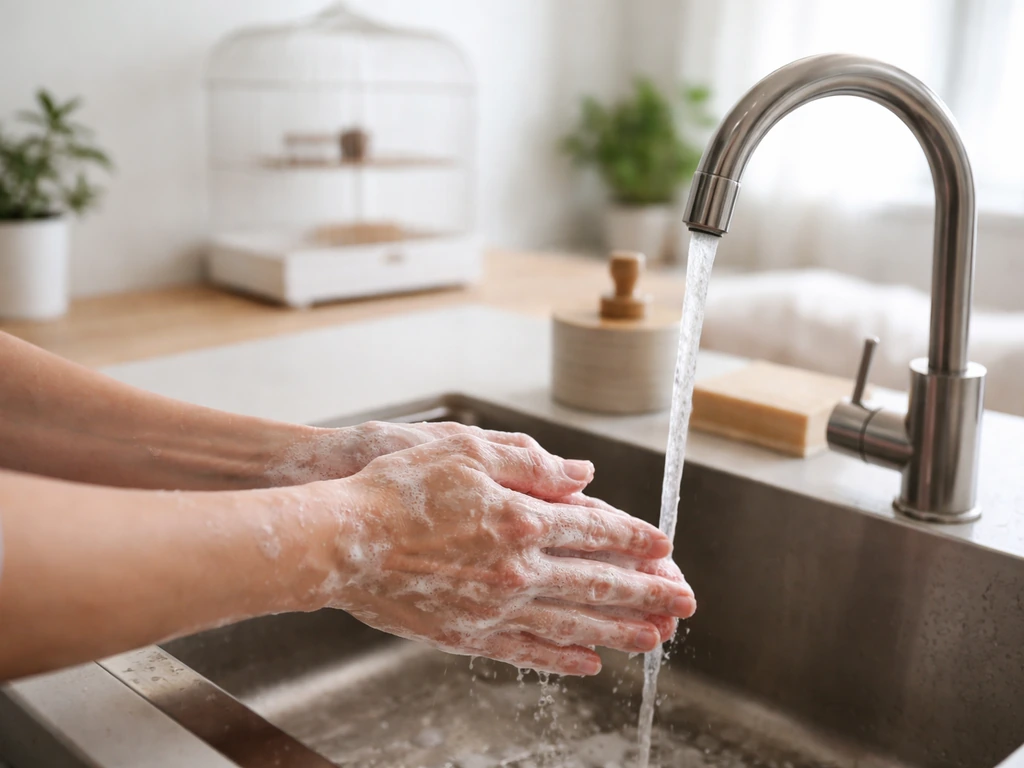
Before your hand goes anywhere near a bird, a few quick checks matter a lot. Wash your hands with soap and water. That protects both of you: it removes residues like lotions, perfumes, or food that a bird might try to bite off your fingers, and it reduces the risk of transmitting disease. Psittacosis (parrot fever) is a real concern with pet parrots and can spread to humans, and handwashing is one of the most effective defenses. Wash before and after every handling session.
Keep the room clear of chemical hazards. Birds have incredibly sensitive respiratory systems, and things like scented candles, hairspray, aerosol cleaners, and strong perfumes can seriously harm them. Turn off fans or heaters that create drafts, because drafts combined with temperature changes add unnecessary stress and can make a bird feel threatened before you even start. A calm, familiar-smelling, quiet environment is the foundation for a good first touch.
If you've just brought a new bird home, resist the urge to immediately start handling it. Give it a few days to settle into its cage and surroundings before attempting physical contact. And book a visit with an avian vet (a vet who specializes in birds) within the first week. Getting a professional health check early means you're not accidentally stressing a sick bird who's just hiding how bad it feels, which birds are very good at doing.
Step-by-step: how to actually pet a bird
Timing matters more than most beginners expect. Don't try to pet your bird when it's actively eating, playing with a toy, or looking sleepy with one eye closed. Wait for a moment when the bird is alert but calm, perched comfortably, and oriented toward you. That's your green light.
- Position yourself at the bird's level. Sit or crouch so you're not looming over it. Approaching from above triggers a prey-animal fear response. Come in from the side, at eye level if possible.
- Move slowly and telegraph every movement. Slide your hand toward the bird rather than reaching quickly. Keep your fingers relaxed, not spread wide or curled into a fist. A flat, steady hand feels less threatening.
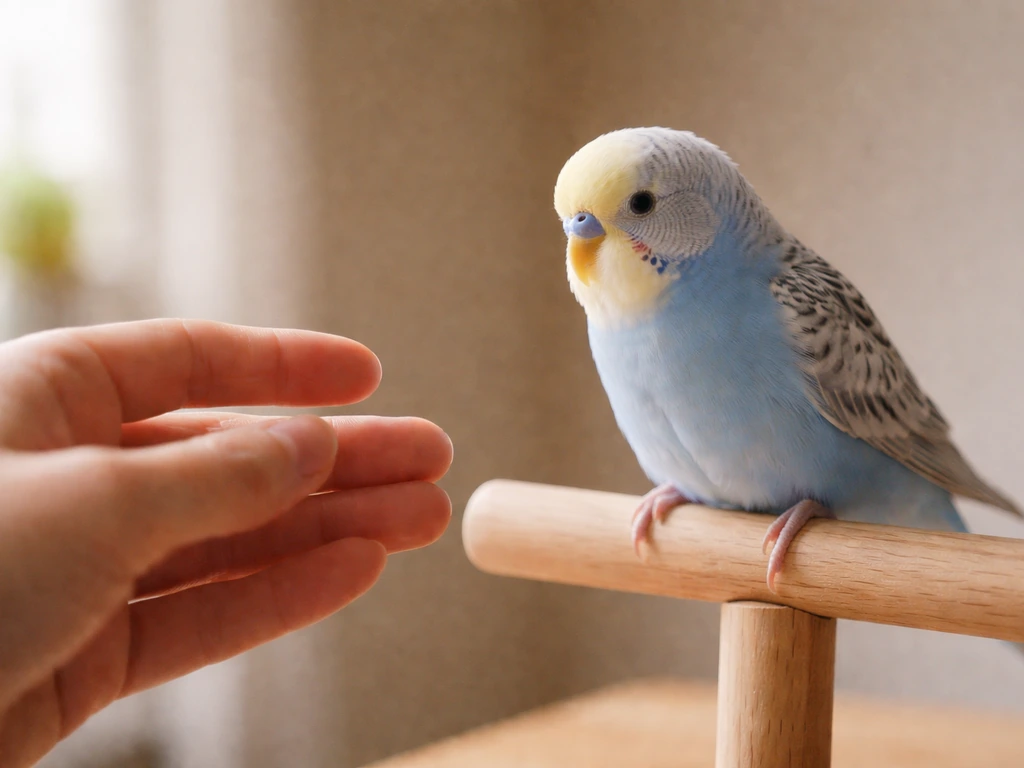
- Let the bird sniff or inspect your hand first. Hold your hand still about 5 to 10 cm (2 to 4 inches) away and wait. A curious bird will lean in, bob its head, or touch your hand with its beak. That's an invitation.
- Start with one finger. Gently offer the side of your index finger near the bird's chest (below the beak) and see if it steps up or leans into the contact. This is the step-up cue that makes handling a cooperative behavior rather than a forced one.
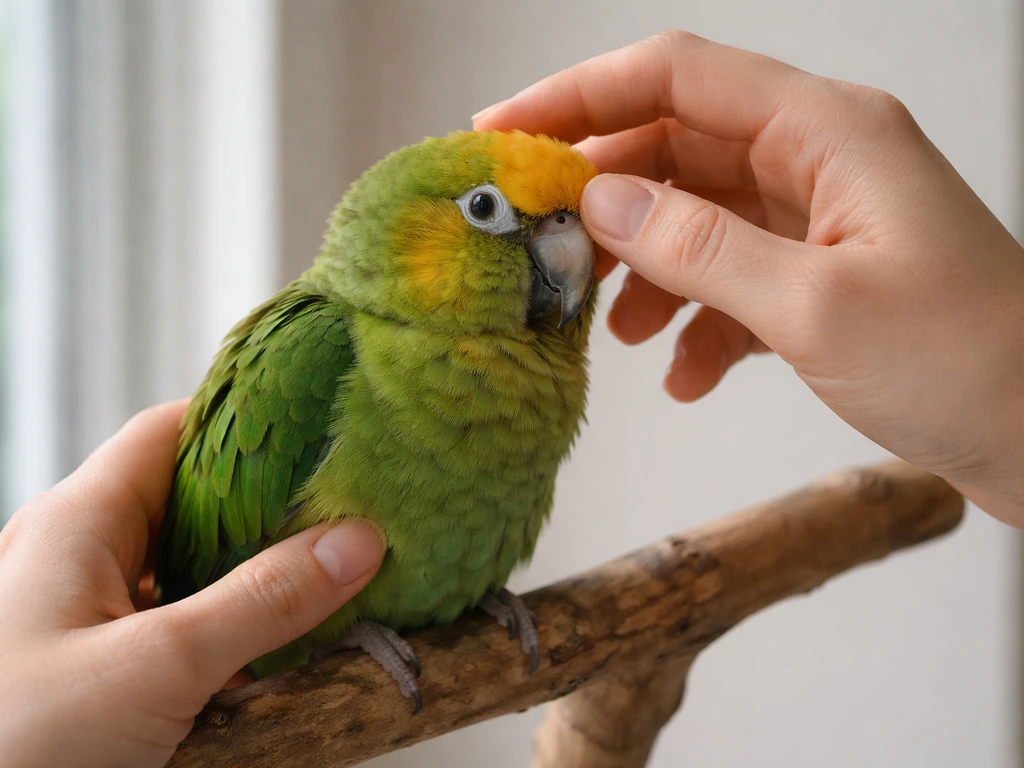
- Once the bird is calm and accepting, move one finger slowly toward the cheek, just below the eye. Use a light, gentle stroke. No pressing, no scratching hard at first. Keep the motion short and consistent.
- Pet in the direction feathers naturally lie, moving from head toward the neck. Never go against the grain aggressively, especially on a first session.
- Stop after 10 to 20 seconds on a first session. Let the bird decide if it wants more by watching its reaction (see the body language section below).
The head, cheeks, and the back of the neck are your safest zones. A bird that enjoys petting will often turn its head to give you better access to the cheek or tilt its chin up for neck scratches. If you want a deeper breakdown of exactly where to pet a bird depending on its mood and species, that guide goes into more anatomical detail than I can cover here.
First-time petting: building trust and reading body language
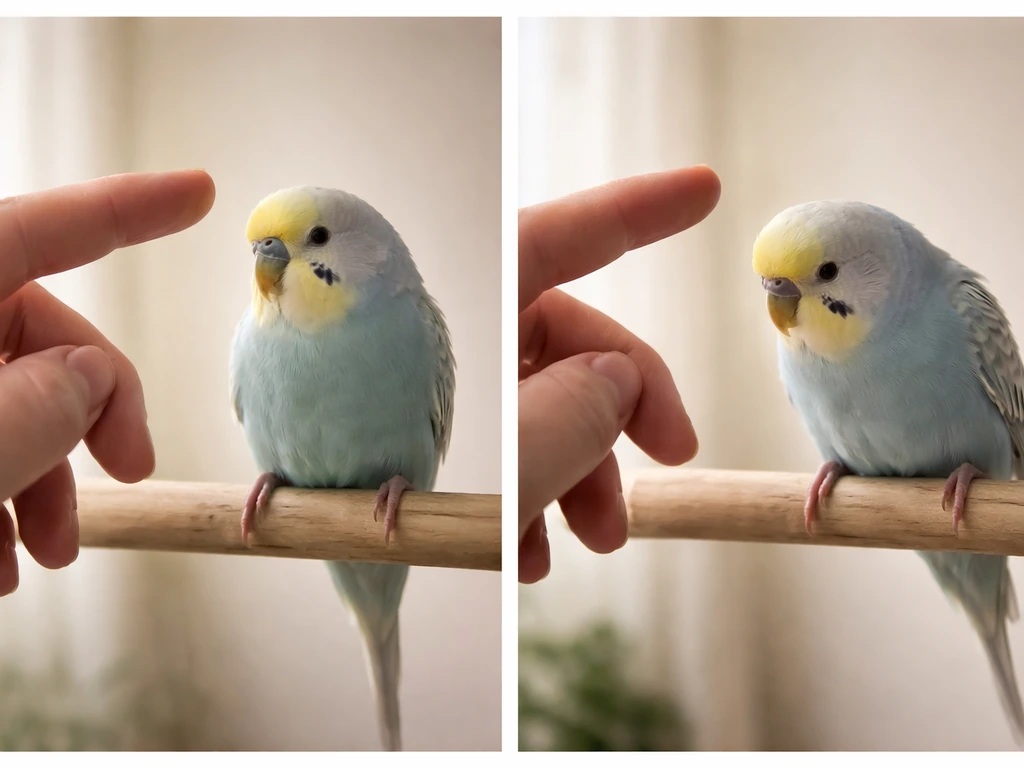
The single biggest mistake first-time bird owners make is trying to pet the bird before the bird actually trusts them. Trust takes time, and that timeline varies: some budgies become handleable in a week, some rescue parrots take months. There's no shortcut, but there is a reliable process. Spend time near the cage every day without trying to touch. Talk softly. Offer treats through the bars. Let the bird get used to your presence first. Only after the bird comes to the front of the cage when you approach should you start attempting physical contact.
Reading body language is non-negotiable. Careful observation of how your bird is holding itself tells you everything about whether it's ready to be touched or needs you to back off. Here's what to watch for:
| Body Language Signal | What It Likely Means | What to Do |
|---|---|---|
| Feathers slightly puffed, eyes half-closed, leaning toward you | Relaxed and receptive | Go ahead and pet gently |
| Head tilted down, nape feathers raised slightly | Asking for head scratches | Pet the neck and cheeks |
| Tail fanned out or bobbing, eyes pinning (pupils rapidly dilating/contracting) | Excited or agitated, not calm | Hold off, do not put fingers near the face |
| Wings held slightly away from body, beak open | Threatened or overheated | Back off, give space |
| Crouching low, feathers flat against body | Fearful | Stop, move away slowly |
| Biting or lunging at your hand | Clear 'no' | Withdraw hand calmly, no punishment |
| Continually fluffed feathers even in a warm room | Possible illness | Monitor closely, consider vet visit |
Eye pinning, where the pupils rapidly contract and expand, deserves a special mention. It means the bird is in a heightened state, whether excited, agitated, or aroused. Don't stick fingers into the bird's face when you see it, because the bite risk goes up significantly. Wait it out or redirect with a treat or toy.
One body language cue that trips people up is continual feather fluffing. A bird might fluff briefly after a good preen or when settling in for a nap, and that's fine. But if your bird is fluffed up consistently throughout the day, that's a potential illness signal, not relaxation. Don't keep petting a bird that might be sick. Get it checked. You can also learn more about the connection between handling and natural feather care by reading up on how to preen a bird, which explains how social grooming works and why it matters so much to birds.
The areas to avoid (and why)
Stick to the head, cheeks, neck, and chin for general petting, especially with birds you're still building a relationship with. Avoid the back, under the wings, the belly, and the tail. Stroking those areas can be perceived by the bird as mating behavior, not just affection. This is especially true with parrots and cockatiels. Constant back-stroking can trigger hormonal responses including aggression, loud vocalizations, and frustrated behaviors that are hard to undo. Some birds will even flatten their back and raise their tail as a mating invitation when stroked there. The kindest thing you can do is keep petting to the 'socially appropriate' zones, which mirror what birds do for each other in the wild: mutual head preening between flock mates. Knowing how to touch your bird in a way that doesn't accidentally reinforce hormone-driven behavior is one of the most practical things you can learn as a bird owner.
Species-specific petting tips
Parrots (African Greys, Amazons, Macaws, Conures)
Parrots are intelligent and have long memories for both good and bad experiences. A rough first handling session can set you back weeks. Because of their strong beaks, restraint-based petting is genuinely risky and stressful for both of you. Instead, build toward petting through positive, consent-based methods like targeting (where the bird learns to touch a stick with its beak for a treat) and step-up cueing. Once a parrot trusts you and steps up willingly, petting the head and cheeks becomes easy and genuinely enjoyable for the bird. During hormonal periods (typically spring), watch for back-flattening and tail-lifting, and keep petting strictly to the head and neck.
Cockatiels
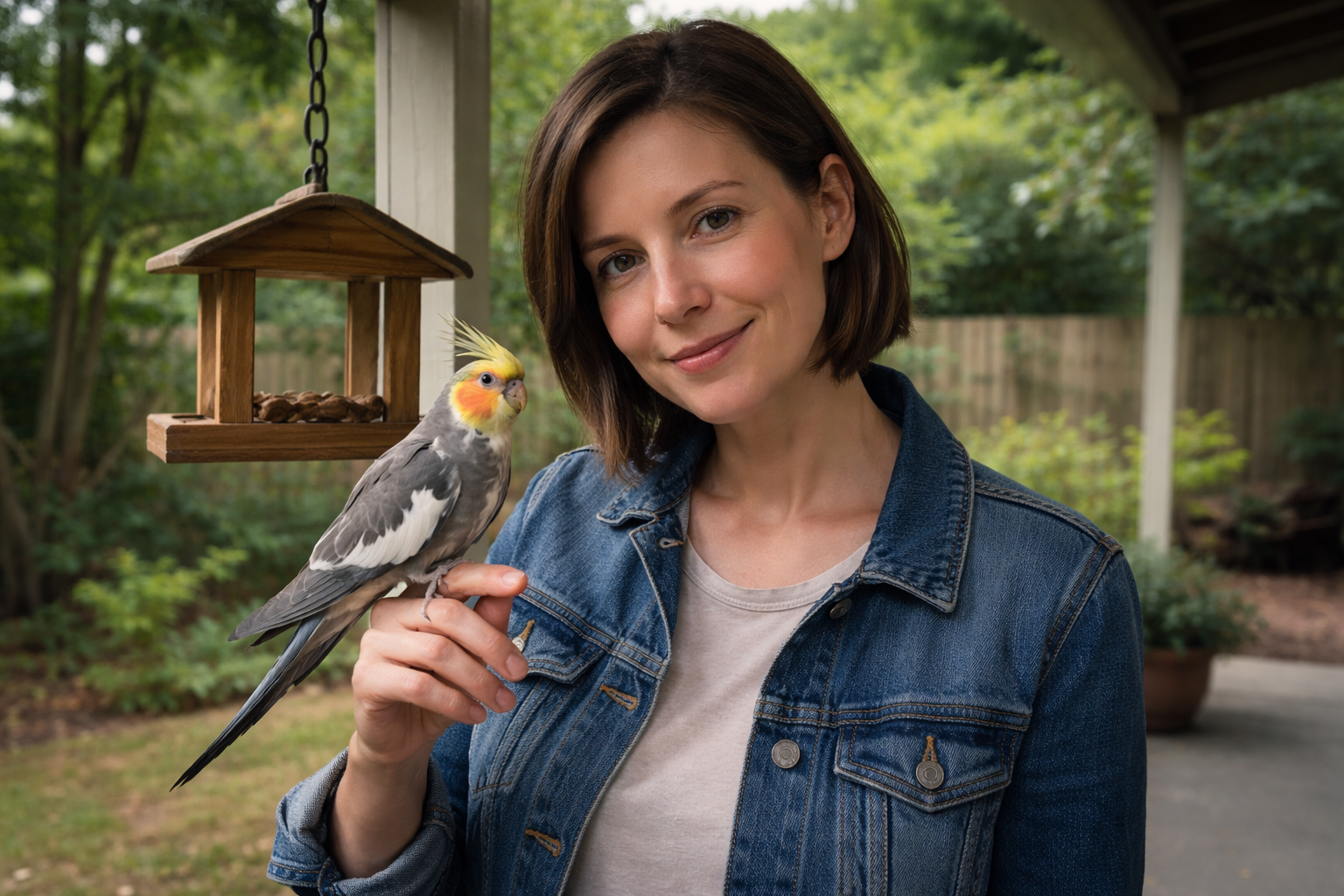
Cockatiels are one of the most affectionate bird species and usually enjoy head scratches enormously once they trust you. Many cockatiels will lean into your finger and make a soft grinding sound with their beak (like teeth-grinding in humans) when they're blissfully relaxed. Start with cheek rubs just below the crest, then move to the neck. Cockatiels can be hormonal too, so the same rule about avoiding back and belly applies.
Budgies (Budgerigars)
Budgies are small, quick, and initially quite flighty, but they tame up well with consistent, gentle handling. Offer your finger for step-up training first. Once your budgie is comfortable landing on your hand, try a light one-finger stroke along the cheek. Short sessions, every day, are more effective than one long session once a week. Young budgies (under six months) generally tame much faster than older ones, but even adult budgies can learn to enjoy being petted with patience.
Finches
Finches are a different case from the other species here. Most finches are not naturally hand-tame birds and they do not typically enjoy or seek out physical contact with humans. They're social with each other, not with us. If you do want to work toward hand-taming a finch, the key rule is never chase or grab. You can train them to accept your hand in the enclosure without panicking, and some individuals will step onto a finger over time with patient training. Never grip a finch tightly, as even mild over-handling pressure causes panic and can injure them. If you're playing the mobile game and looking for tips on how to pet bird in Finch, that's a completely different guide from this one. For real-life finch owners, patience and low-pressure exposure are the tools.
Wild yard birds
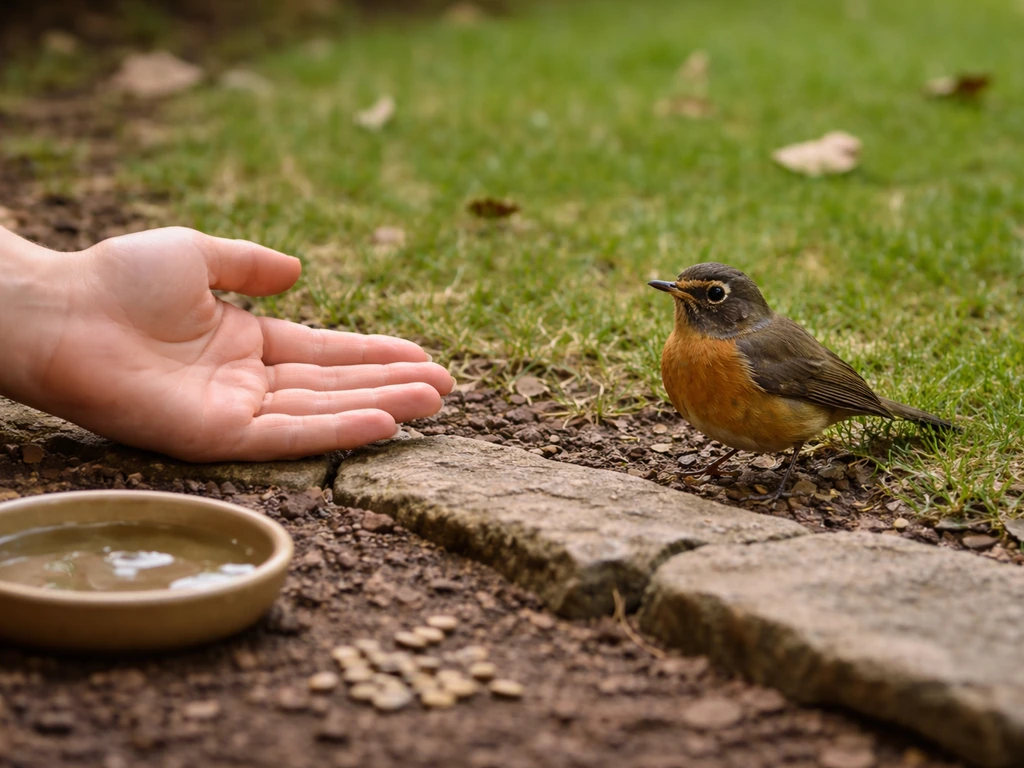
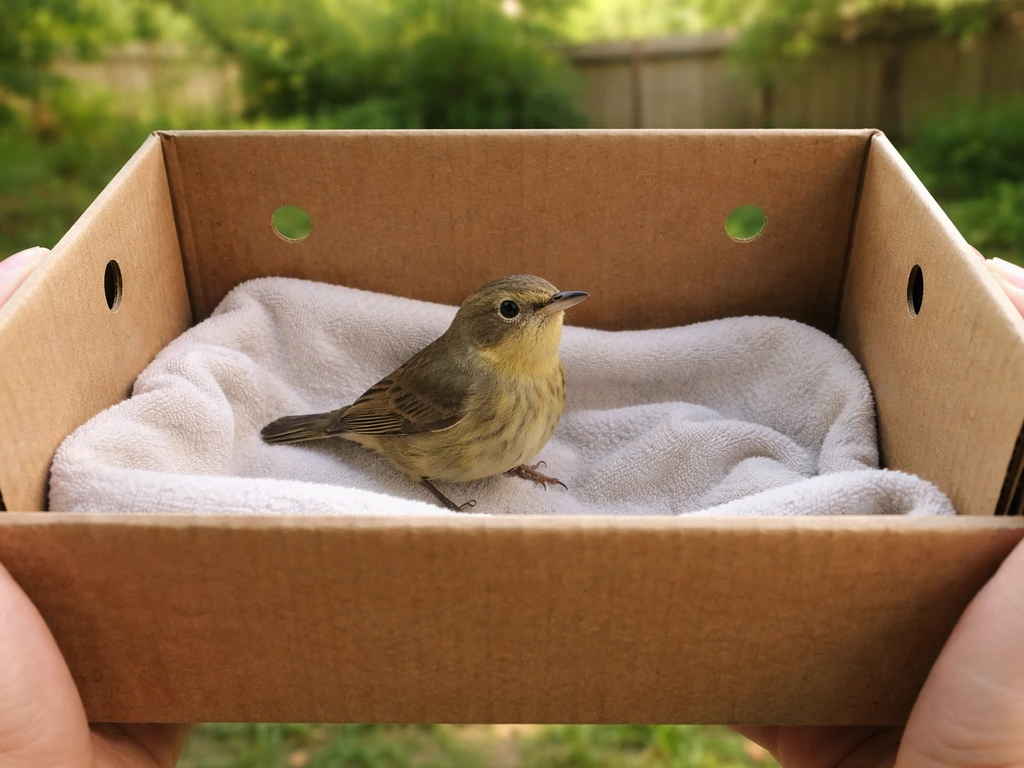
Here the honest answer is: don't pet wild birds. I know that's not what you wanted to hear if you have a friendly robin hopping up to you in the yard, but there are serious reasons for this boundary. Most common backyard birds in North America, including sparrows, robins, jays, and finches, are protected under the Migratory Bird Treaty Act. That law makes it unlawful to pursue, capture, or possess migratory birds, and 'attempt to capture' counts too. Even well-intentioned contact can technically put you on the wrong side of that law. Beyond legality, wild birds carry diseases including avian influenza A viruses, and the CDC recommends avoiding direct contact with wild birds, especially any that appear sick or are found dead. The CDC recommends avoiding direct contact with wild birds, and if contact is necessary, minimizing direct contact and washing hands with soap and water after touching birds Beyond legality, wild birds carry diseases including avian influenza A viruses. After any contact with feeders, bird baths, or bird food, wash your hands thoroughly. If you find an injured wild bird, do not handle it yourself beyond getting it into a box. Contact a licensed wildlife rehabilitator immediately. The right help for a wild bird is always a professional, not a caring amateur.
Troubleshooting: when the bird won't let you pet it
Even with good technique, some birds resist being petted, and that's completely normal. Here's a quick checklist of the most common reasons and what to do about each one.
- The bird is new to your home: Give it more time. Most birds need at least one to two weeks before they're comfortable being touched. Spend time near the cage daily without reaching in.
- You're moving too fast: Go back to basics. Sit near the bird, offer treats by hand through the bars, and let it approach you instead of the other way around.
- You're reaching from above: Always approach from the side or below. Coming from above mimics a predator and will trigger a fear response every time.
- The bird is having a hormonal period: During spring months especially, many birds become touch-sensitive or even aggressive. Reduce petting sessions and keep them to the head only.
- You've been petting the wrong spots: If back or belly petting has been triggering agitated behavior, stop those entirely for a few weeks and stick to head scratches only.
- The bird associates hands with something bad (like being grabbed for nail trims): Use target training to rebuild positive associations. Feed treats from the hand consistently before attempting petting again.
- The bird might be unwell: A bird that suddenly stops tolerating handling when it previously enjoyed it could be sick. Watch for other signs (fluffed feathers, labored breathing, reduced activity) and contact an avian vet if anything seems off.
- You've pushed past the bird's limit in a session: Keep sessions to 5 to 10 minutes at most, especially early on. End on a positive note before the bird gets tired or irritated.
If step-up behaviors or targeting have broken down along with petting, it often helps to go back to an easier, previously mastered behavior, like touching a target stick, to rebuild the bird's confidence and momentum before trying petting again. Rebuilding trust through small wins is far more effective than pushing through resistance. If you're still figuring out the basics of how to touch your bird in a way that builds rather than erodes trust, starting with targeting is the most reliable foundation I know.
Humane, ethical, and legal considerations
Petting a bird ethically means respecting its signals. A bird that doesn't want to be touched right now is not being difficult. It's communicating clearly, and ignoring that communication damages trust in a way that can take weeks to repair. The goal is always consent-based handling, where the bird actively participates rather than tolerates. If your bird is consistently avoiding contact, ask what needs to change in the environment or routine, not how to force the issue.
For anyone thinking about getting their first bird, the handling relationship starts before you even bring the animal home. Choosing the right species, sourcing from a reputable breeder or rescue, and setting up a proper environment all shape how easily a bird will accept handling. Reading about how to get a bird as a pet before you commit is genuinely worthwhile, because the species you pick and where it comes from have a huge impact on how handleable it will be.
On the legal side: wild birds are not pets, and handling them without proper authorization is illegal under the Migratory Bird Treaty Act in the United States. This includes 'rescuing' a bird that seems grounded or injured unless you're handing it directly to a licensed rehabilitator. The law is protective for good reason. Wild bird populations have enough pressure without well-meaning humans adding handling stress on top.
There's also a question some people have about affectionate behaviors beyond petting. If you're curious about something like how to kiss a bird, there are genuine hygiene and health considerations to know about before putting your face near a bird's beak, including psittacosis risk and the general recommendation to avoid mouth contact. It's worth reading up on before you try it.
Finally, if you're a Finch app user who stumbled here looking for in-app guidance, the how to pet bird on Finch app walkthrough covers the specific in-game interaction steps, which are quite different from the real-world techniques in this guide.
The bottom line on all of this: petting a bird well is a skill, not just a reflex. It requires attention, patience, and a willingness to let the bird lead. Get that right and most birds will not just tolerate petting, they'll actively ask for it.
FAQ
How long should I pet my bird during each session?
Use a simple “start small, stop fast” rule: offer petting for only a few seconds, watch for eye pinning, leaning away, feather flattening, or back and tail cues, then stop before the bird escalates. If the bird tries to reposition for your hand or leans in, that is your sign to continue briefly, not to extend the session.
What should I do if my bird flinches or pulls away while I’m petting?
Never force contact when the bird is backing away, turning its head away from your finger, or freezing with tense body posture. Instead, pause and switch to consent-based steps you already know the bird accepts, like presenting a treat through the bars, asking for step-up, or asking for targeting on a stick.
My bird bit me. How should I react so it does not get worse?
If a bird bites during early trust building, do not jerk your hand away. Keep your hand still for a moment, then withdraw calmly, wash your hands, and reset to a low-pressure interaction (talking, treats, or targeting). Reattempt petting only after the bird shows calm cues again.
Is constant fluffing always illness, or can it be normal?
If the bird is already fluffed for a short moment but remains responsive, that can be normal, however if fluffed is persistent (especially with reduced activity, siting low, or changes in droppings or breathing), stop petting and arrange an avian vet check. Petting can mask discomfort by encouraging the bird to tolerate rather than recover.
When should I avoid petting due to hormones, and what zone should I use instead?
For parrots and cockatiels, avoid petting after the bird has been heavily handled, fed, or roused with high arousal stimulation, because hormonal behaviors can ramp quickly. During spring or any time you see back-flattening and tail-lifting, stick strictly to head and neck and keep sessions very short.
What are early warning signs that my bird is getting too worked up?
Stop petting and give the bird a break if you see continual aggressive body language such as repeated lunging, biting attempts, or tail lifting followed by retreating. A good reset is to return to “respect distance” for a few days, then rebuild using targeting and treats before touching again.
Can I hold my bird gently to make petting easier?
Yes, but use it carefully: if you must restrain for safety, do it minimally and only for brief purposes like placing the bird back in the cage, not for continuing petting. For petting, consent-based behaviors (step-up, leaning in, target touch) are the safer alternative to any grip or pinning.
How soon after using lotion, cooking, or cleaning can I pet my bird?
Avoid touching after scented products or airborne chemicals are present, and also skip petting if you have just handled strong-smelling foods or cleaners. Birds can be reactive to residue and airflow, so wash hands again if you switch tasks mid-day.
My bird never seems to like petting. How can I build tolerance without pushing?
If a bird is not currently responding to affection, treat it like a training problem. Return to a previously mastered step (step-up, targeting, or calm approach), then build up gradually with very short, consistent sessions timed to when the bird is alert but not engaged in eating or playing.
What hygiene steps should I follow after petting versus after touching wild birds or feeders?
After any contact with a pet bird, you should wash hands with soap and water. After handling wild birds or items that wild birds frequent, wash thoroughly and avoid touching your face until you have cleaned up, because exposure risk is higher.
Next Article
How to Catch a Bird Without Killing It: Humane Steps
Humane, trap-free steps to catch a wild backyard bird safely, minimize stress, contain it calmly, then release or reloca