Preening your bird means helping it clean, align, and condition its feathers the way it would naturally do on its own or with a flock mate. Most healthy pet birds handle their own preening just fine, but there are real situations where your help matters: a bird that can't reach certain spots, a newly tamed bird that hasn't bonded yet, or a bird recovering from stress or illness. This guide walks you through exactly when and how to assist, what to avoid, and how to build the trust that makes the whole process easier over time.
How to Preen a Bird Safely: Step-by-Step Guide
Clara Hayes
4 Apr 2026
What preening actually is and why your bird needs it
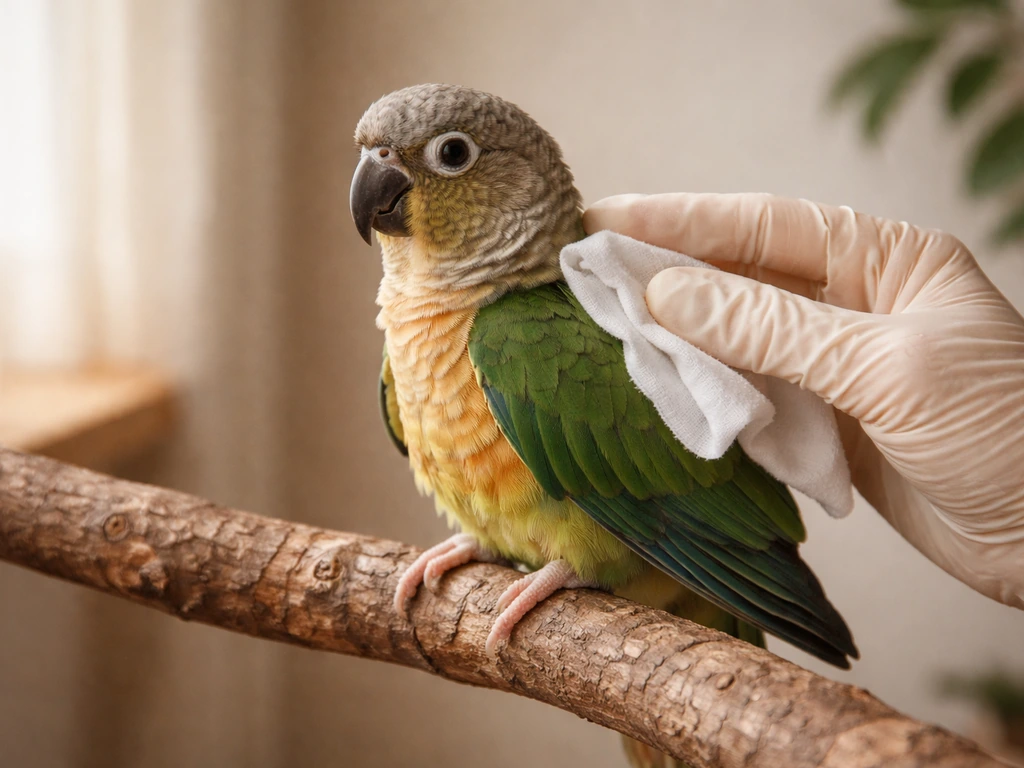
Preening is a bird's primary method of keeping its feathers in top condition. When a bird preens, it uses its beak and feet to clean each feather, realign the tiny barbs and barbules that zip feathers together (like a natural zipper), and distribute oil from the uropygial gland (also called the preen gland) located at the base of the tail. That oil is a holocrine sebaceous secretion with protective and antimicrobial properties, helping reduce parasitic organisms like lice and feather-degrading bacteria and fungi. Not every species has a uropygial gland, but most common pet birds do, including parrots, cockatiels, and budgies.
Without regular preening, feather barbs become misaligned, dirt builds up, and the feathers lose their insulating and flight-enabling structure. In a healthy bird, preening is nearly constant throughout the day. When you notice a bird preening less than usual, it's often one of the first visible signs that something is off physically or emotionally. Bathing actively encourages birds to preen by loosening debris and stimulating the natural grooming reflex, which is why bath routines and preening support go hand in hand.
Safety first: when you should and shouldn't step in
Before you touch a single feather, run through this quick checklist. Most preening assistance is safe and welcome, but a few situations call for a vet, not your fingers.
- Safe to assist: The bird is calm, eating normally, and tolerates gentle handling. You want to help with hard-to-reach pin feathers on the head or neck, or encourage better preening through bathing.
- Safe to assist: The bird has minor dirt or debris on accessible feathers and is not in distress.
- Stop and call an avian vet: You see a blood feather (a new feather still in its sheath with a visible blood supply) that is broken or actively bleeding. Do not pull it unless specifically instructed by a vet. Pulling it incorrectly can tear surrounding tissue and cause serious pain.
- Stop and call a vet: There is any bleeding from feathers, skin, or nails. A torn bleeding nail, for example, needs first aid (gentle pressure, styptic powder or cornstarch) and then professional evaluation, not DIY grooming.
- Stop and call a vet: You suspect mites, lice, or other parasites. There are no reliable over-the-counter treatments. An avian vet needs to diagnose and prescribe the right treatment.
- Stop and call a vet: The bird has significant feather loss, especially with redness, scaling, or skin changes. This could be a bacterial or yeast skin infection, not a grooming issue.
- Stop and call a vet: The bird is lethargic, puffed up, not eating, or showing obvious signs of illness. Sick birds need diagnosis, not handling stress.
- Do not attempt: Pulling any blood feather at home as routine grooming. Veterinarians treat this as a last resort even in a clinic setting.
How to preen your bird step by step
The steps below apply broadly to parrots, cockatiels, and budgies. Finches and other small hands-off species need a different approach, covered below. Always work in a warm, draft-free room so the bird doesn't chill after any moisture is involved.
Step 1: Set up a calm environment
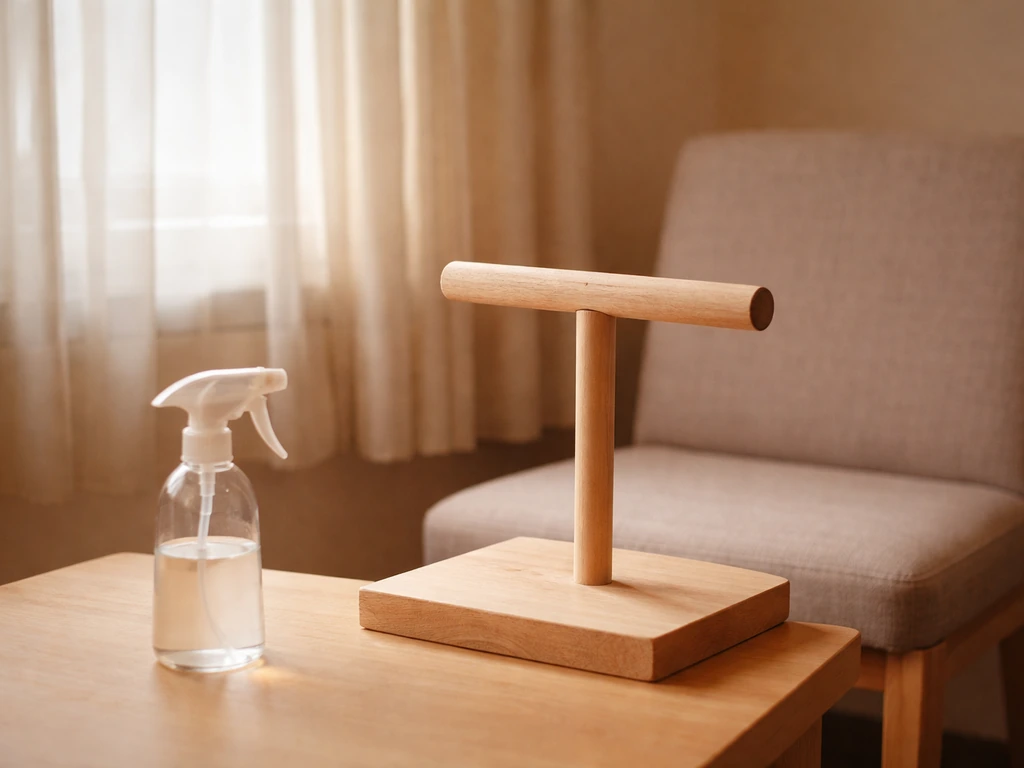
Choose a quiet room away from other pets, loud televisions, or open windows. The room should be comfortably warm, around 70 to 75°F. Have a clean plant mister (spray bottle set to a fine mist), a shallow dish of lukewarm water, and a small soft towel nearby. Turn off ceiling fans. Remove anything the bird could fly into if it startles.
Step 2: Let the bird bathe first
Bathing is the single best way to trigger natural preening behavior on its own. Lightly mist the bird with the spray bottle, mimicking rain, or let it perch on the shower door or a shower bar while you run a warm shower nearby. The moisture loosens debris and signals the bird's instinct to start preening. Frequency can range from daily to weekly depending on the bird's preference and your climate. After bathing, give the bird time to shake off, preen itself, and begin redistributing preen oil before you add your hands.
Step 3: Approach with a step-up and calm body language
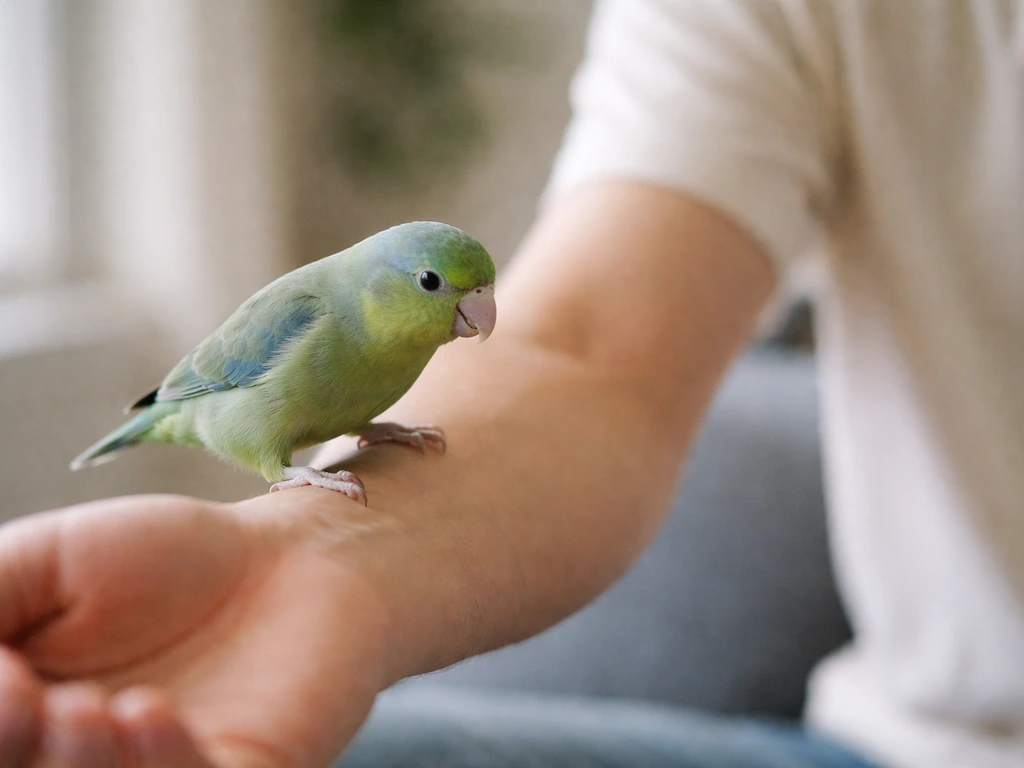
Ask the bird to step up onto your hand or forearm using its trained cue. Keep your movements slow and your posture relaxed. Do not loom over the bird from above. Position yourself at the bird's eye level when possible. If the bird steps up easily and is not fluffed, biting, or backing away, you have a green light to continue. If it hesitates, give it another minute and try again rather than forcing contact.
Step 4: Offer gentle head and neck preening
The head and nape of the neck are the spots a bird literally cannot reach on its own, and a bonded bird will often lower its head and ruffle these feathers to invite your help. Use your fingernail or the tip of a finger to gently roll the sheath off a pin feather on the head, or softly stroke the feathers on the nape in the direction of growth. Keep pressure extremely light. Watch the bird's posture: eye-closing, head lowering, and soft feather ruffling mean "keep going." Pulling back, tail fanning, or biting mean stop.
Step 5: Work with the feather direction
Always stroke feathers from the base toward the tip (in the direction they grow) unless the bird is actively inviting you to go the other way. Stroking against the grain can feel uncomfortable and may be misread by the bird as a threat. For larger parrots, you can use two fingers to gently zip a feather barb back together if it has separated. For cockatiels and budgies, lighter contact is better since their feathers are more delicate.
Species-specific notes
Parrots (including African greys, amazons, and conures) often actively seek head scratches and allopreening from trusted people. They tolerate longer sessions once trust is established. Cockatiels are enthusiastic bathers and will frequently self-preen vigorously after a misting. Focus your physical help on their crest and nape. Budgies benefit most from bathing encouragement rather than hands-on feather work given their small size. For finches and canaries, how to pet a bird like a finch is worth reviewing first, because these species generally prefer minimal direct contact and do best when you support preening indirectly through bathing dishes and a clean, low-stress environment rather than hands-on grooming.
Preening vs trimming vs cleaning: knowing which your bird actually needs
Not every feather or grooming issue is solved by preening assistance. Here's how to sort out what's actually going on.
| Issue | What it looks like | Right approach |
|---|---|---|
| Dirty or misaligned feathers | Feathers look dull, barbs separated, light debris visible | Encourage bathing; offer hands-on preening after bath |
| Blood/pin feather | Dark quill visible through sheath, may look dark/red inside | Leave alone; gentle sheath-rolling on head only; call vet if broken/bleeding |
| Overgrown nails | Nails curl, catch on fabric, or hinder perching | Schedule avian vet or experienced groomer; not a DIY task for first-timers |
| Wing feathers (clipping) | Uneven flight, repeated unsafe escapes | Avian vet or experienced groomer; do not clip blood feathers |
| Feather picking/plucking | Bare patches, chewed shafts, visible skin | Veterinary exam to rule out infection, parasites, or behavioral causes |
| Mites or lice | Excessive scratching, feather damage, visible movement on feathers | Avian vet diagnosis and prescription treatment only |
| General bathing | Dusty, itchy-looking bird; frequent scratching | Daily to weekly misting or shallow dish; warm draft-free room for drying |
One thing worth repeating: nail trims and wing clips involve living tissue with blood supply. An overgrown nail that snaps off at home can bleed significantly, requiring first aid and a vet visit. Save those tasks for a professional unless you've been personally trained by an avian vet or groomer to do them. Knowing how to safely touch your bird during handling for these tasks is something to work toward gradually as trust builds.
Troubleshooting common preening problems
Matted or persistently dirty feathers
If feathers look matted or greasy despite regular bathing, check whether the bird is actually getting wet enough. Some birds resist full misting but will bathe in a shallow dish. Others prefer a light shower. Try different water delivery methods over a week or two. If feathers still look poor after consistent bathing, there may be a nutritional deficiency or underlying health issue, and a vet visit is the right call. Handling residue from your hands can also build up on feathers, which is one reason frequent bathing matters for birds you handle regularly.
Overgrown nails
Overgrown nails are one of the most common issues people try to DIY and then regret. If the nail catches on fabrics or curls back toward the foot, it's overdue for a trim. Use a concrete or lava perch as a first line of passive maintenance since the texture naturally wears nails down. For an actual trim, have a styptic powder or cornstarch on hand before you start, or better yet, take the bird to an avian vet for the first few trims so you can watch the technique and learn where the quick is on your specific bird's nails.
Feather picking or plucking
If your bird is pulling out its own feathers, that is not a preening problem you can fix with better grooming technique. Feather picking has a long list of potential causes: boredom, loneliness, hormonal changes, nutritional gaps, bacterial or yeast skin infections, internal parasites, or even heavy metal toxicity. Increasing bathing frequency can help redirect the behavior because it induces normal preening and can deter picking, but it is not a cure if there's a medical cause. A thorough veterinary workup is the only way to rule out the medical causes before focusing on behavioral interventions.
Suspected mites or parasites
Mites are not something to treat yourself with store-bought sprays. There are several different types of mites and lice that affect birds, and each requires a different treatment regime. An avian vet needs to examine your bird, confirm what you're dealing with, and prescribe the appropriate medication. Some treatments like ivermectin are effective but carry risks for a small percentage of birds, which is another reason this needs to be handled by a professional who knows your bird's history and weight. In the meantime, getting your bird set up in the right environment with clean perches, washed cage accessories, and no wild bird contact can help reduce re-exposure.
Broken blood feather
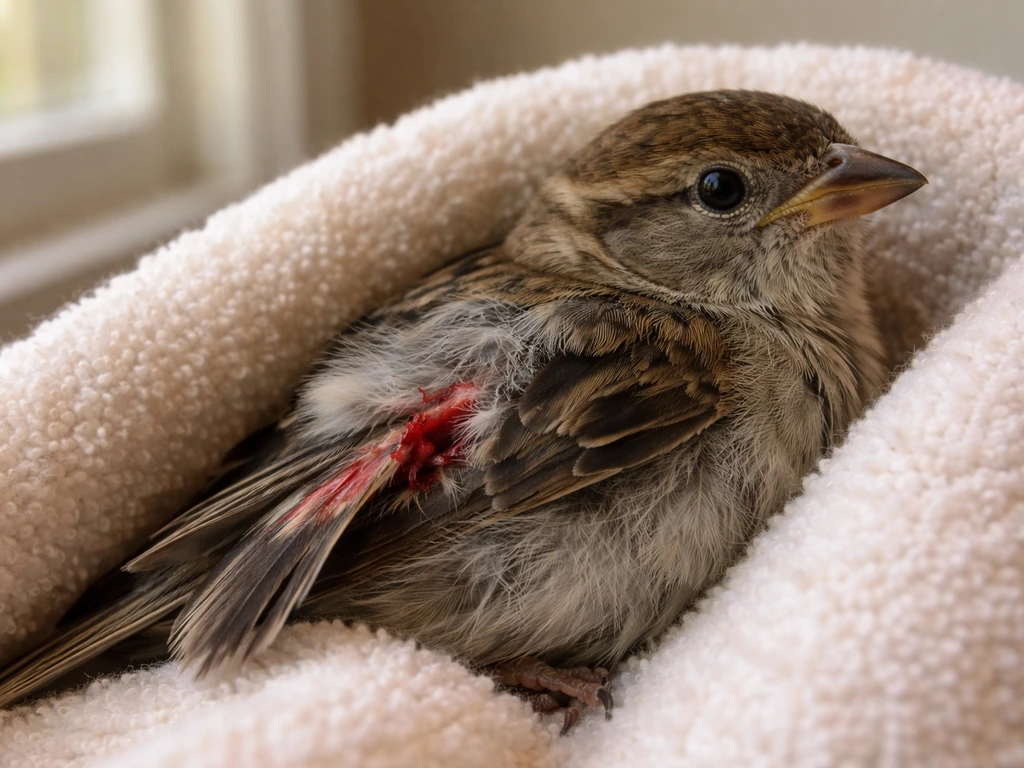
A blood feather that is broken and bleeding is a genuine emergency. If the bleeding doesn't stop, apply cautery powder or cornstarch to the tip of the feather shaft to slow it, and get to an avian vet the same day. Do not attempt to pull the feather at home. Removal without proper restraint and technique can tear surrounding tissue and cause significant pain. The vet will decide whether pulling is necessary or if pressure and time are enough.
Building trust so preening gets easier over time
The single biggest factor in whether your bird tolerates or even enjoys preening assistance is trust. A bird that associates your hands with positive experiences will lean into head scratches. A bird that's been grabbed, restrained, or startled repeatedly will bite first and ask questions later. That biting behavior is not aggression for its own sake: it works as an avoidance mechanism, and if your hand retreating every time the bird bites is the pattern, the bird learns that biting ends the interaction. Break that cycle with consistent, positive, low-pressure sessions.
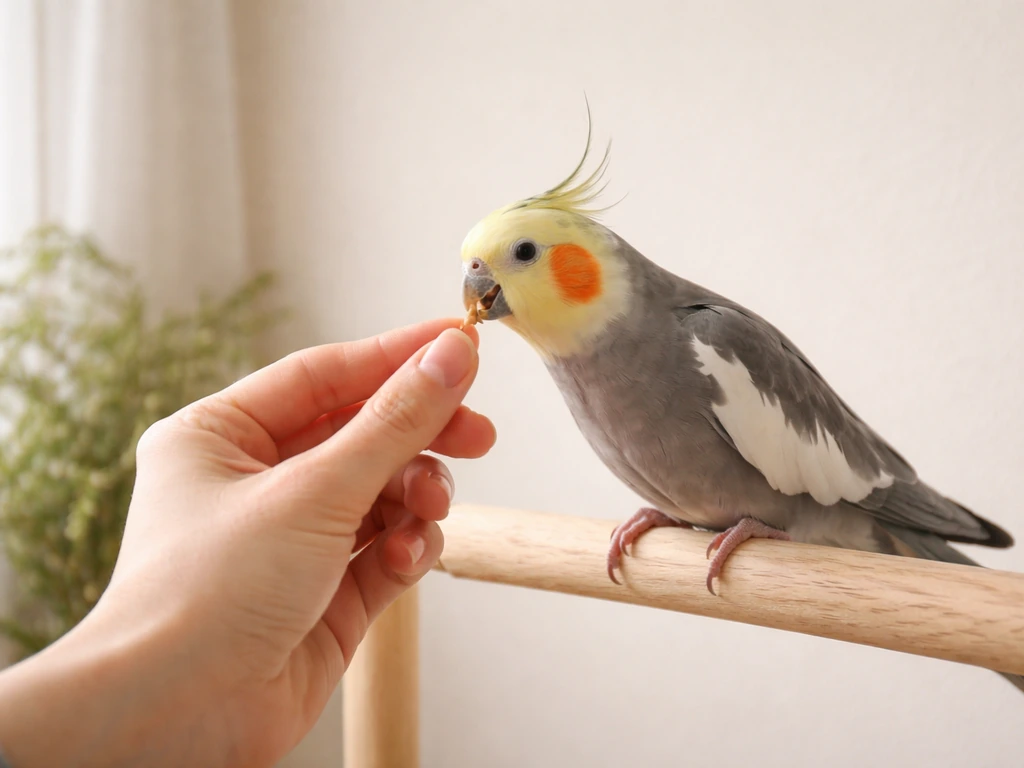
Start by simply being near the bird without trying to touch it. Let it eat treats from your hand. Practice step-up cues with positive reinforcement (a favorite treat immediately after compliance) before you ever attempt feather contact. Learning how to pet a bird correctly is the foundation here, because the touch skills you build during petting sessions directly transfer to preening assistance. Once the bird is reliably stepping up and accepting hand contact on the body, you can begin introducing gentle feather handling in very short sessions, 30 to 60 seconds at first, then gradually longer as the bird stays relaxed.
Knowing where to pet a bird is just as important as how, because some areas trigger alarm responses (wings, tail, feet) while others like the head and nape are almost universally welcome for preening-style contact once trust exists. Build toward the less-preferred areas slowly and always follow the bird's signals. A realistic timeline for a previously untamed adult parrot is four to eight weeks of daily short sessions before you have relaxed, cooperative preening. With a young or hand-raised bird, it can happen in days.
Positive reinforcement training is your most effective tool here. Taking the bird out of the cage consistently, using step-up and step-down cues, and rewarding calm behavior during handling all build the cooperative relationship that makes preening natural rather than stressful. Some birds also respond well to very gentle affectionate contact. If you want to understand the limits of that, it's worth reading up on how to kiss a bird safely, since face and beak proximity is something you only introduce after a solid trust foundation is already in place.
Wild birds in your yard: what you can and can't do
If you're a backyard birder who found a wild bird that looks like it's struggling to preen, has matted feathers, or seems generally unwell, the rules are very different from pet bird care. In almost every case, the right answer is: don't handle it.
Most wild birds in the U.S. are protected under the Migratory Bird Treaty Act, and a federal rehabilitation permit is legally required to possess, transport, or treat them. That means even well-intentioned hands-on care by an unlicensed person is technically illegal, and more practically, it often makes things worse. Wild birds experiencing feather problems, parasites, or injury need licensed wildlife rehabilitator expertise, not backyard grooming.
What you can do: If you find an injured or visibly sick wild bird, place it carefully in a cardboard box with ventilation holes, cover the top to reduce stress (darkness calms birds), and keep it in a warm quiet space. Do not offer food or water, especially to raptors. Then call your local wildlife rehabilitator or wildlife rescue hotline immediately. For birds showing obvious injury like bleeding or a drooping wing, time matters. If you're not sure whether a bird really needs help (fledglings on the ground often don't), watch from a safe distance before intervening.
To support healthy preening for the wild birds that visit your yard regularly, the most effective thing you can do is provide clean, shallow birdbaths with fresh water changed daily. Bathing naturally stimulates preening and helps birds maintain feather condition on their own. Keep the bath in an open area where cats can't ambush bathing birds, and place it near shrubs where birds can perch and preen safely after. That kind of passive, habitat-based support is both legal and genuinely helpful.
If you're just getting started with backyard birds and are curious about the experience of interacting more closely with them, keep in mind that even friendly yard birds are wild animals. Thinking through how to engage with birds using the Finch app for identification and behavior tips can be a rewarding way to deepen your connection without any physical handling involved.
A quick-reference guide to preening do's and don'ts
| Do | Don't |
|---|---|
| Mist or bathe your bird regularly (daily to weekly) to stimulate natural preening | Spray cold water or mist in a drafty room |
| Gently help roll the sheath off pin feathers on the head and neck | Attempt to remove or pull blood feathers at home |
| Use slow, calm movements and follow the bird's body language signals | Force handling when the bird is biting, backing away, or tail-fanning |
| Build trust with step-up training and positive reinforcement before feather contact | Jump straight to touching feathers on an untamed or stressed bird |
| Schedule nail trims and wing clips with an avian vet or trained groomer | Trim nails or clip wings yourself without proper training and styptic powder on hand |
| Contact an avian vet at the first sign of mites, feather loss, or skin changes | Use OTC mite sprays or home remedies without a vet diagnosis |
| Provide clean birdbaths for wild yard birds to support their natural preening | Handle or attempt to groom injured or sick wild birds yourself |
FAQ
How often should I preen a bird, and how do I know I am doing too much?
Let the bird set the pace, especially during early trust-building. For hands-on help, think in very short sessions (30 to 60 seconds at first) and stop as soon as the bird tenses, bites, or pulls away. If the bird is already bathing and self-preening well, your role should be occasional touch-ups, not daily full grooming.
What should I do if my bird fluffs up or freezes during preening?
Pause immediately and give space, fluffed posture often signals fear or overstimulation. Resume only after the bird relaxes, lowers its head voluntarily, and shows softened body language (for example, eye closing while staying still). If the reaction repeats, shorten sessions further and add more step-up and treat conditioning before any touching.
Can I use bird-safe oils or sprays to help feathers if my bird seems greasy or patchy?
Avoid adding oils, lotions, or grooming sprays unless a knowledgeable avian vet recommends something specific. Extra products can change how the preen gland oil spreads, trap debris, or irritate skin, which may worsen feather condition. If bathing does not improve the look after consistent routines, treat it as a health or nutrition question and get veterinary input.
My bird only tolerates bathing in a dish, not misting. Is that still effective for preening?
Yes, many birds preen better after a shallow dish bath because it provides enough moisture to loosen debris. Use lukewarm water, offer the dish in a warm draft-free spot, and remove it promptly afterward if the bird tends to stand in it for long periods. Afterward, give time for shaking and self-preening before any hands-on assistance.
Is it safe to preen over a pin feather, or should I avoid those areas?
Be extra cautious with pin feathers because they can bleed if handled roughly. Use extremely light pressure, only work if the bird is inviting contact, and stop if the bird reacts sharply. If a pin feather seems stuck, bleeding, or unusually painful, consult an avian vet rather than trying to force movement.
What are the most common preening mistakes that make birds bite more?
The biggest ones are looming from above, using fast or firm movements, and continuing when the bird signals stop (tail fanning, pulling back, or biting). Also avoid grabbing to position the bird, instead rely on step-up cues and work at the bird’s eye level so the bird can choose to participate.
How can I handle the head and nape safely if my bird is smaller or more sensitive?
Use the lightest contact possible and follow the direction of feather growth when stroking. For very small, delicate-feather species, prioritize indirect grooming (baths, perches, clean environment) rather than frequent hands-on work. If your bird shows discomfort quickly, end the session rather than “pushing through.”
What should I do if I suspect mites or lice, can I just preen and clean them off?
No, you should not rely on preening or store-bought sprays to resolve infestations because different parasites require different treatments. Schedule an avian vet exam to confirm what you are dealing with before using medication. In the meantime, keep cage accessories clean and reduce re-exposure by limiting contact with wild birds.
What if the bird is plucking or feather picking, is preening help still the answer?
Not by itself. Feather picking often has behavioral or medical causes, like boredom, hormones, skin infections, internal parasites, or toxic exposures, and preening technique cannot fix those root issues. Consider increased bathing only as a potential support, then seek a thorough avian workup if picking persists or accelerates.
My bird’s feathers look dirty right after handling. Why is that happening?
Hand residue from lotions, food oils, sweat, or even skin natural oils can transfer and leave a film that makes feathers look greasy, especially on frequent-handling birds. Keep handling sessions brief when possible, wash hands thoroughly with unscented soap before sessions, and build a consistent bath routine to help remove buildup.
What should I do if a feather breaks and bleeds during a preening session?
Treat it as urgent. Apply styptic powder or cornstarch to the feather shaft tip to slow bleeding, avoid pulling or tearing around tissue, and contact an avian vet the same day if bleeding does not stop promptly.
I have a finch or canary, can I use the same preening approach as parrots?
No, many small finch-like birds prefer minimal direct handling. Their needs are usually better met with low-stress housing, clean perches, and bath options that encourage natural preening without your fingers touching feathers. If you do offer any contact, keep it indirect and short, and prioritize species-appropriate care methods.
For wild backyard birds, how can I tell the difference between a normal molt and a problem that needs help?
Normal molting usually looks patchy but the bird remains active, alert, and able to perch. A problem is more likely if you see obvious injury, blood, a drooping wing, severe matting, lethargy, or difficulty moving, those cases call for wildlife rehabilitation guidance rather than attempts to groom. When unsure, watch briefly from a distance and contact a local wildlife rehabilitator.