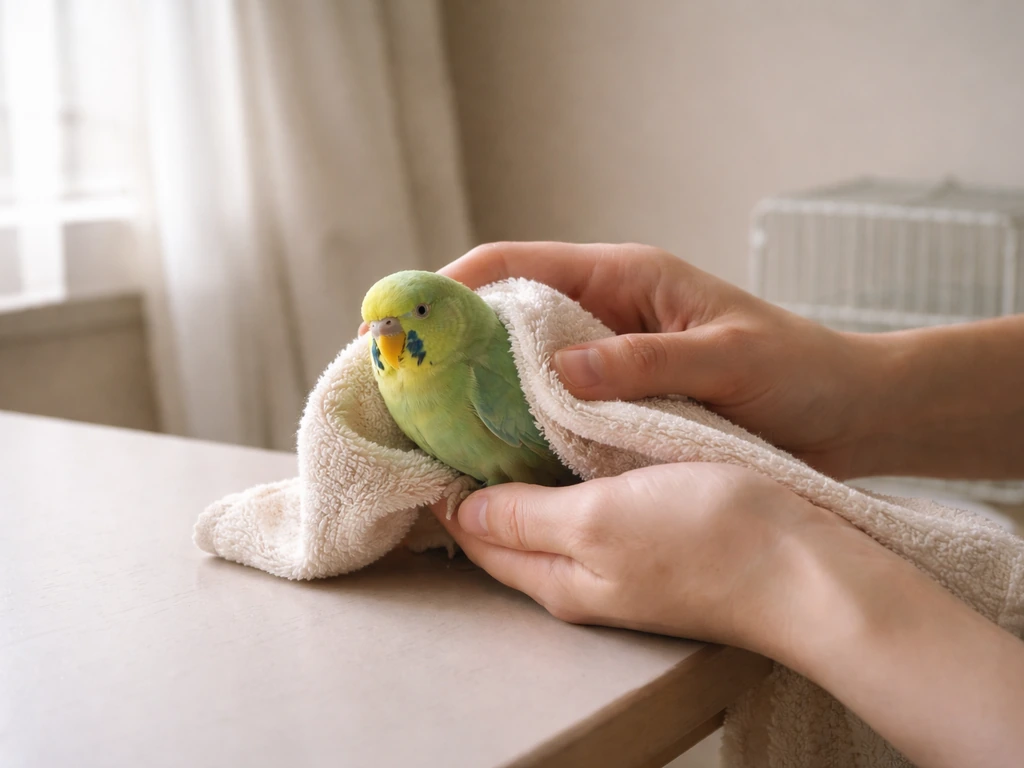
Picking up a bird the right way depends on one thing above everything else: knowing what kind of bird you're dealing with and why you need to pick it up. The technique for scooping up a tame budgie is completely different from containing a stressed wild sparrow on your patio. Get that distinction right first, and everything else falls into place.
How to Pick Up a Bird Safely: Wild and Pet Steps
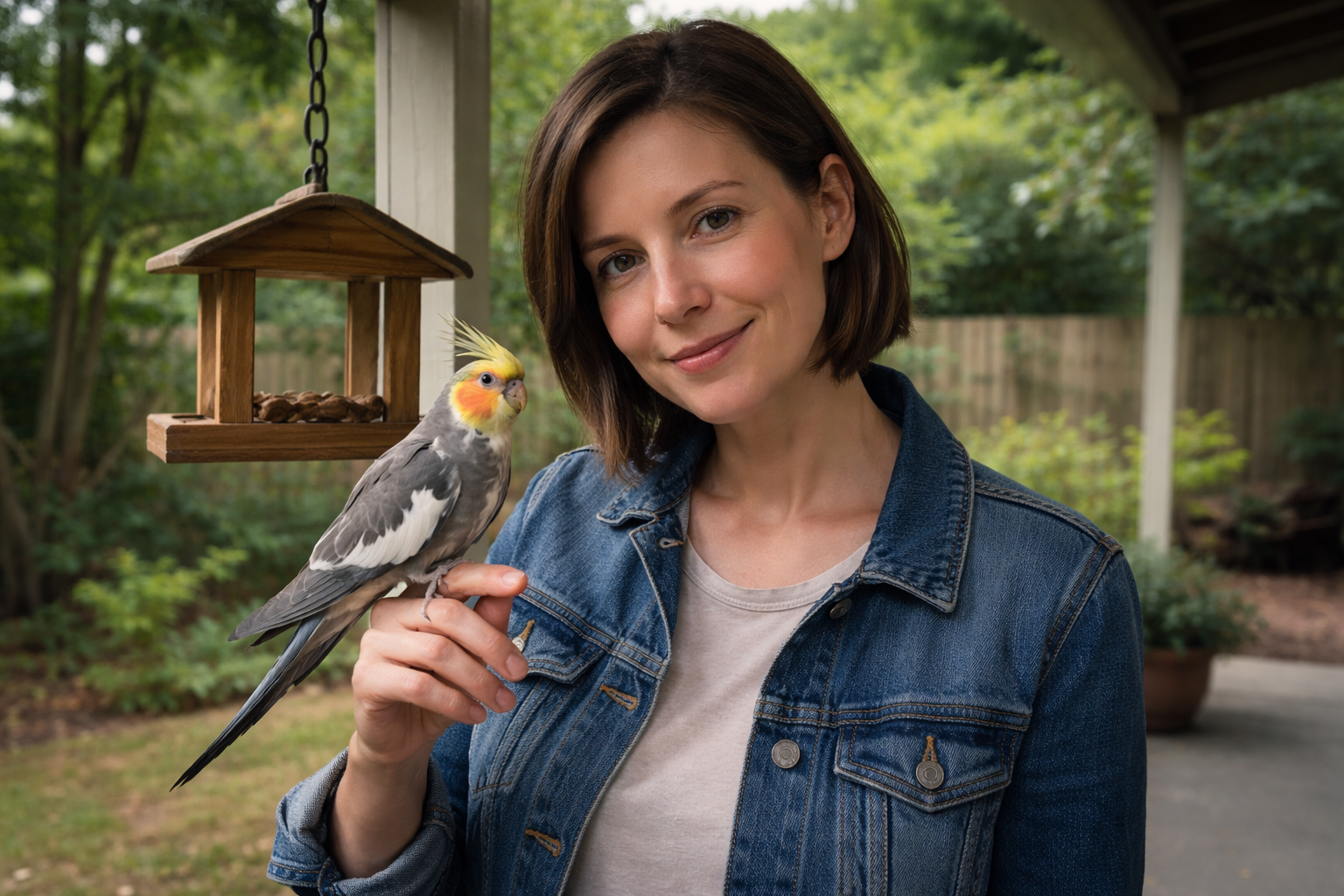
Clara Hayes
7 Apr 2026
Know whether it's a pet bird or a wild bird
This is genuinely the most important question to answer before you move a muscle. A pet bird and a wild bird require different goals, different tools, and different legal considerations. If you see a bird in your yard that isn't flying away when you approach, don't assume it's tame. An injured or sick wild bird will sometimes sit still out of sheer exhaustion, not friendliness. A bird acting unusually calm is actually one of the early indicators that it may be sick or in trouble, not that it wants to be your friend.
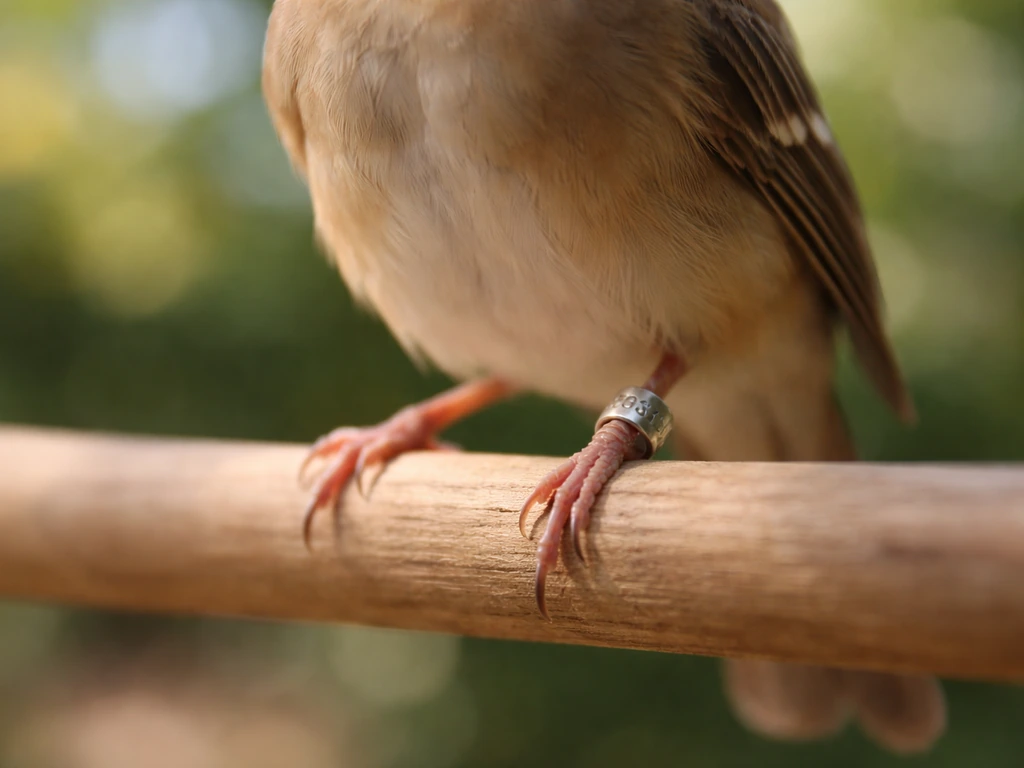
One reliable clue is a leg band. Banded birds were likely owned at some point. If you spot a bird with a colored ring or metal band, note the band details and contact a local vet, shelter, or pet store to trace the owner before you do anything else. Closed rings typically mean a bird was banded as a chick in captivity, while open bands have different import or transport histories. Either way, if you ever need a band removed, that's a job for an avian vet, not a pair of scissors.
If there's no band and the bird is clearly wild, before you touch it, you should genuinely ask yourself: does it need human help at all? Whether you should pick up a bird in the first place depends on whether it's actually in danger. A fledgling hopping around in your yard with no obvious injury almost certainly does not need rescuing. An adult bird that can't fly, has visible wounds, or is bleeding does.
Safety and humane rules before you try
Wild birds in the U.S. are protected under federal law. You cannot legally keep most wild birds, even briefly, without contacting a licensed wildlife rehabilitator. If you find an injured or orphaned baby bird, follow the U.S. Fish & Wildlife Service checklist guidance, including minimizing handling and contacting a licensed wildlife rehabilitator for the right next step. The goal when picking up a wild bird is always containment and handoff, not keeping. Handle it only as much as necessary to secure its safety, then get a rehabilitator on the phone right away for guidance.
For pet birds, the main safety rules are about preventing injury to both of you. The biggest handling mistakes people make are grabbing a bird by its legs or wings, squeezing the chest too hard, and letting a panicking bird thrash unsupported. Grabbing a parrot by the legs or wings causes the bird to struggle violently, which can fracture bones. Restraining the chest too firmly prevents the pectoral muscles from moving, and birds breathe differently than mammals: if you compress the chest cavity of a bird that's struggling against your grip, you risk suffocation. That's not alarmism, it's just anatomy.
- Never grab a bird by its legs, tail, or wings
- Never squeeze the chest or restrict the keel (breastbone) area
- Never pick up a bird if it's showing open-mouth breathing, tail bobbing with every breath, or labored respiration — these are signs of a medical emergency and a vet call comes first
- Wash your hands before and after handling any bird
- Keep children and other pets out of the space before you attempt a pickup
- Move slowly and speak quietly — sudden noise and movement are the main causes of panic
Approach and gain trust before you reach in
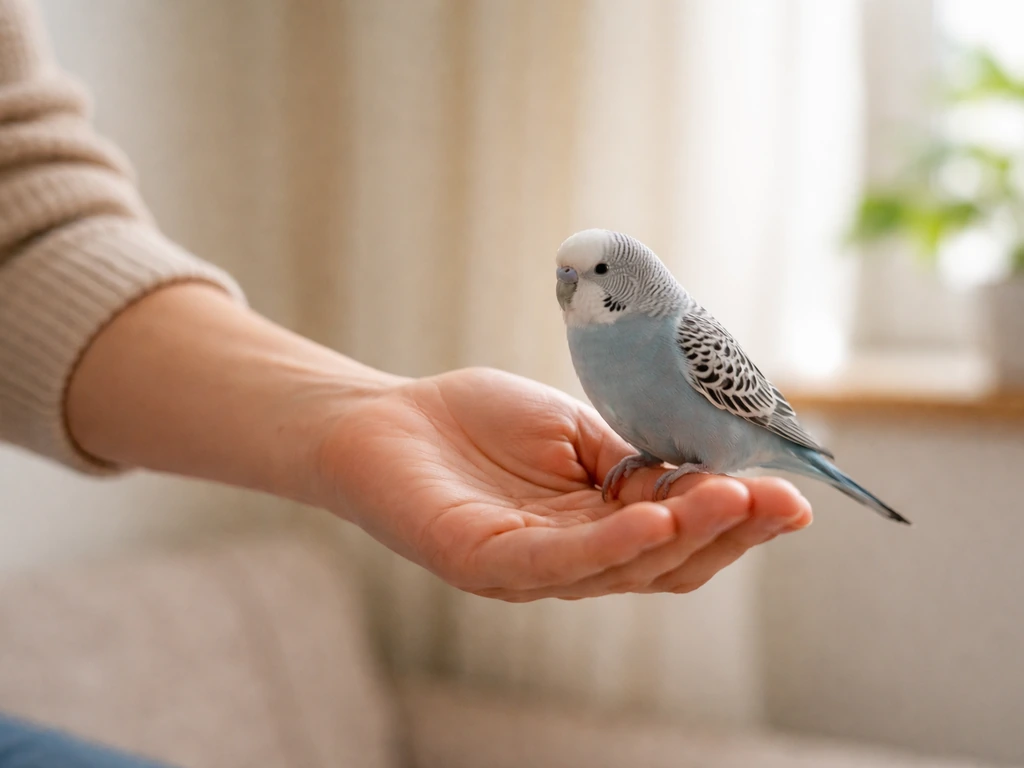
Body language matters enormously here. For pet birds, a direct stare is threatening. Keep your gaze soft, approach from the side rather than straight on, and lower your body so you're at the bird's level rather than looming from above. Move in slow arcs, not straight lines. Talk quietly and consistently so the bird tracks your location by sound and doesn't get startled when you appear. Timing matters too: approach when the bird is calm and relaxed, not when it's actively eating, sleeping, or already agitated.
Watch for these body language warning signs that tell you the bird is not ready to be handled. Fear signs include slicked-back feathers, a crouched posture that looks like the bird is about to spring, and open mouth. Aggression signs include eye pinning (the pupil rapidly contracting and dilating), tail fanning, and wings held slightly away from the body. If you see any of these, pause and give the bird a few minutes to settle before trying again.
For a calming setup with pet birds, dim the room slightly (not pitch black, just not harsh bright light), reduce ambient noise, and remove mirrors or other birds from the immediate area. For wild birds that need temporary containment, the principle is the same: dark, quiet, and warm is the combination that reduces stress the most effectively while you wait for professional help.
Step-by-step: picking up pet birds
The core technique is the same across species but scales with size. You're always aiming to support the bird's body from underneath while controlling wing movement just enough to prevent injury, without restricting the chest. Here's how it works per species.
Parrots (including larger conures, Amazons, African greys, cockatoos)
- Approach the cage calmly with the lights slightly dimmed. Let the bird see your hand before it enters the cage space.
- Offer your index finger or flat hand as a perch at chest height, just below the bird's feet. Say a calm, consistent cue word like 'step up' every time.
- Let the bird step onto your hand voluntarily. If it does, keep your hand level and steady. Don't move until the bird settles its weight.
- To fully hold a parrot that won't cooperate (for vet visits, emergencies), use a medium-weight towel. Drape it over your hand, gently wrap it around the bird's body from behind, supporting the back and sides without compressing the chest. The towel also covers the eyes, which immediately reduces panic.
- Keep your grip firm enough that the bird can't escape and hurt itself, but check constantly that it can expand its chest to breathe.
- Support the feet with your other hand or let them grip the towel fold.
Cockatiels
- Cockatiels are skittish but usually respond well to patient step-up training. Use the same finger-perch approach as above.
- For birds that bite or flare their crest flat in alarm, try offering a perch stick first so the bird practices stepping onto an object before your hand.
- Once on your hand, cup your other hand loosely over the bird's back (not squeezing) to prevent a sudden launch. Cockatiels can injure themselves badly if they panic and fly into a wall.
- For restraint, a lightweight cloth or small towel works well. Wrap loosely, covering the head to calm the bird, and always check for chest movement.
Budgies
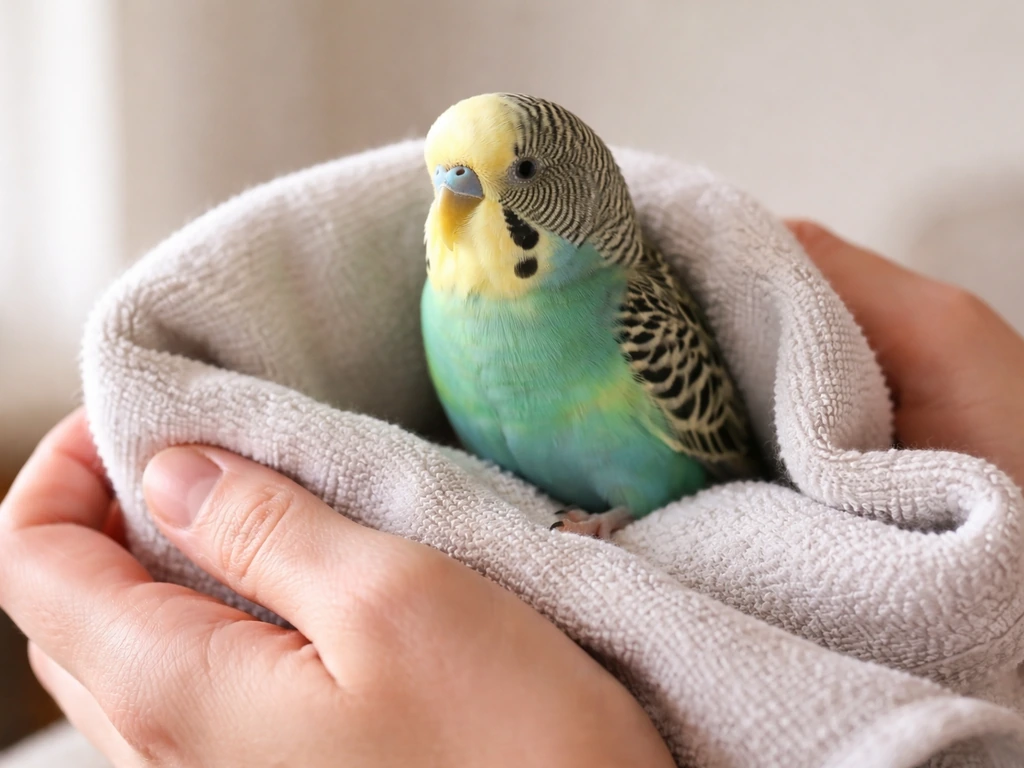
Budgies are small enough that an overly firm grip is a real risk. Picking up a small bird like a budgie requires a much lighter touch than you'd use with a parrot. Offer one finger as a perch and allow the budgie to step up freely. If you need to restrain a budgie for a health check, gently wrap it in a thin cloth with just the head and neck exposed, supporting the body with two fingers on each side of the keel, never pressing on it. If you mean something like poking or testing the bird with your fingers, avoid that and use the gentle step-up or containment approach instead poking a bird.
Finches and other small cage birds
Finches rarely become hand-tame and generally do not enjoy being picked up. For health checks or cage transfers, it's usually better to guide the bird into a small container using a card or your hand to gently herd it, rather than grabbing. If you must hold a finch briefly, cup it gently in both hands with just the head poking out, minimizing the time in hand as much as possible. Stress in small birds can escalate very quickly, so keep any handling session under a minute if you can.
Step-by-step: picking up a wild bird safely
Before anything else: call a licensed wildlife rehabilitator. Seriously. Even if the bird looks like it might be okay, even if it can still sort of fly, internal injuries are common in birds that have hit windows or been struck by something, and what looks like minor trauma can be fatal without treatment. Do not skip this step, especially for raptors, waterfowl, or any bird you're not sure about.
If the bird is in immediate danger (in traffic, being stalked by a cat, on an exposed surface in the cold) and you need to contain it while you wait for callback instructions, here's how to do it safely.
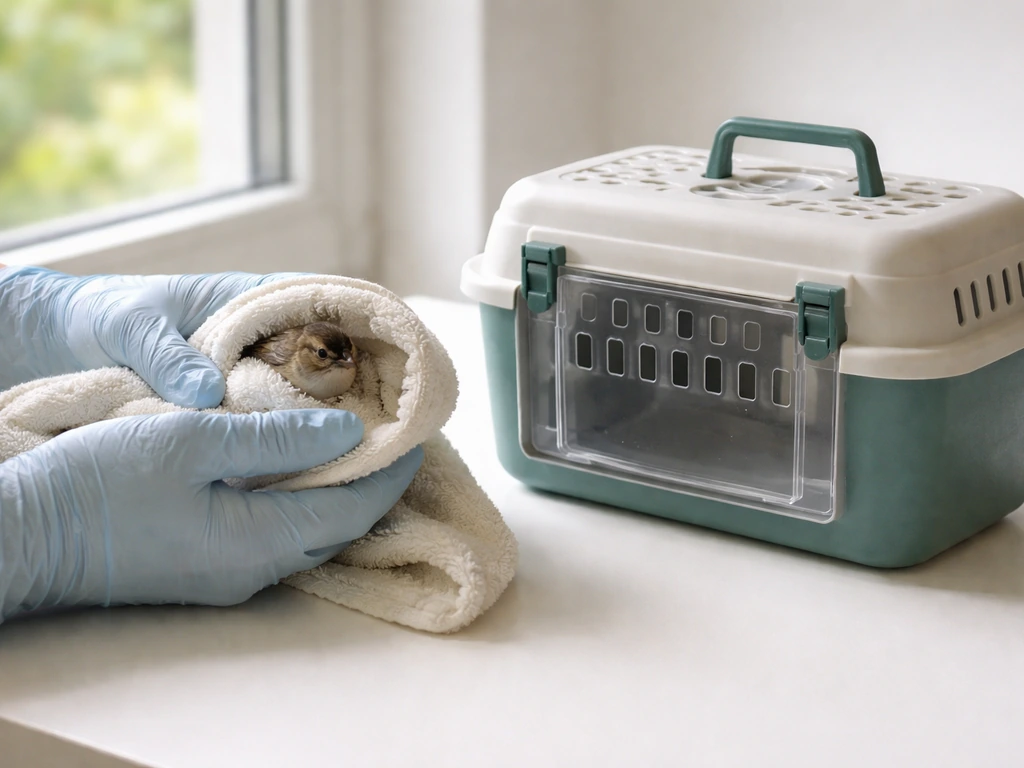
- Put on gloves if you have them. Garden gloves work fine for most songbirds. For raptors with talons, use thick leather gloves or fold a jacket over your hands.
- Approach slowly from behind or the side. Don't come straight at the bird's face.
- Drape a light cloth, towel, or jacket over the bird before you touch it. This covers its eyes and immediately reduces panic.
- Scoop your hands under the cloth and around the bird's body, supporting the breast from below with your fingers and keeping the wings folded against the body with light pressure on the sides. Gently wrapping the bird in cloth as you pick it up also helps prevent further damage if it struggles.
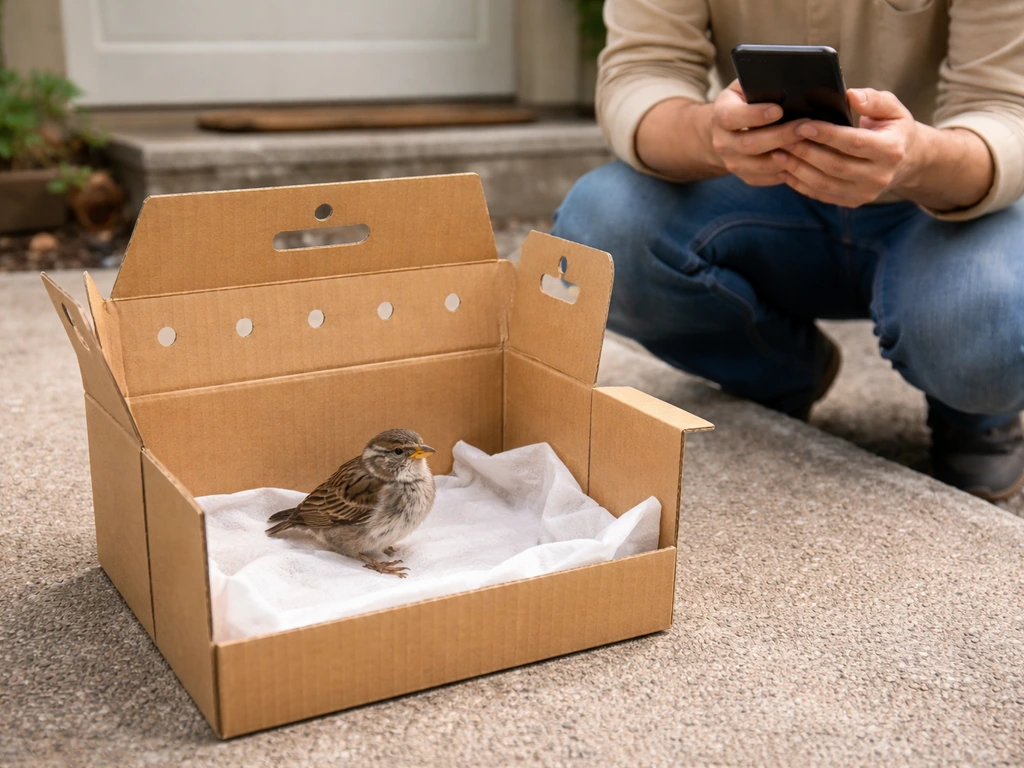
- Place the bird immediately into a cardboard box lined with a towel. Make small air holes in the lid if the box is sealed.
- Put the box somewhere warm, dark, and quiet. Do not check on it repeatedly, do not offer food or water yet, do not put it near other pets or children.
- Wait for the rehabilitator's instructions before doing anything else.
A few extra notes for specific wild bird types: small songbirds (sparrows, finches, robins) are handled the same way described above. Waterfowl like ducks or geese can bite and wing-strike hard enough to bruise, so use a larger towel and approach from behind. Raptors (hawks, owls, falcons) are a special case: their talons are the real danger, not their beaks, and you should not attempt to handle them without thick protective gloves or a heavy blanket. Contact a raptor-specific rehabilitator as fast as possible.
Handling tools and techniques that actually help
The towel is the single most useful tool for picking up any bird, pet or wild. It accomplishes three things at once: blank" rel="noopener noreferrer">it covers the bird's eyes to reduce panic, it gives you grip without direct pressure on the feathers, and it keeps wings from flapping in a way that could cause injury. Using a towel to grab a bird safely is a technique that avian vets and wildlife rehabilitators use routinely, and it's completely appropriate for home use when done correctly.
For the actual grip, think about two support points: the body and the feet. Your dominant hand cups the body (with the bird's back against your palm and your fingers loosely on each side of the keel), and your other hand or a fold of towel supports the feet. You never want a bird dangling by its chest with no foot support, that creates panic and puts unnecessary strain on the body.
Beyond towels, a cardboard box with a towel lining is the right containment tool for wild birds. It's dark, enclosed, quiet, and easy to ventilate with a few small holes. Don't use wire cages for wild birds in distress as the bird will injure itself trying to escape through the bars. For handling a bird that bites, a thick towel over your hand provides enough protection for most parrots and medium-sized birds, and it avoids the need to escalate into a confrontational grab that damages trust.
| Bird Type | Best Tool | Key Support Points | Main Risk to Avoid |
|---|---|---|---|
| Large parrot | Medium towel | Body from below, feet supported | Compressing the chest |
| Cockatiel | Lightweight cloth or small towel | Body cupped, wings lightly held | Panic launch into hard surfaces |
| Budgie / small cage bird | Bare hands or thin cloth | Two fingers each side of keel, never pressing | Over-squeezing the tiny body |
| Wild songbird | Light cloth or towel + cardboard box | Body scooped from below, wings folded in | Prolonged handling, heat stress |
| Wild raptor | Heavy towel or thick gloves | Body wrapped, talons controlled | Talon puncture wounds to handler |
| Waterfowl | Large towel | Body wrapped from behind, wings contained | Wing-strike bruising to handler |
When it goes wrong, and what to do next
The bird won't cooperate
If a pet bird is refusing to step up and actively biting or retreating, stop the session. Forcing the issue will set your trust-building back significantly, and a genuinely frightened bird can injure itself or you. Walk away, give the bird 20 to 30 minutes to calm down, and try again with a shorter, lower-pressure interaction. Learning how to grab a bird safely also means learning when not to grab at all. Patience here is not wasted time, it's the method.
If it's a wild bird and you can't contain it safely without risking injury to yourself or the bird, don't chase it. Keep the area clear of other threats (pets, traffic, people) and wait for a rehabilitator. Chasing a stressed bird around a yard often causes more harm than leaving it in place temporarily.
After handling: recovery basics
After any handling session, give a pet bird quiet time in a familiar space. Don't immediately put it back in a stressful situation or expect it to perform tricks. Watch for post-handling stress signs: prolonged fluffing, hiding, refusing food, or continued labored breathing. If a bird is still showing open-mouth breathing or tail bobbing (the tail moving up and down with each breath) more than a few minutes after handling ends, that's a veterinary emergency, not a waiting situation.
For wild birds you've contained, keep handling to the absolute minimum after the initial pickup. The warm, dark, quiet box approach is not just comfortable for the bird, it's genuinely therapeutic. Minimize noise during any transport, and resist the urge to peek into the box repeatedly. Every time you open the lid, you reset the bird's stress response.
When to call a professional
For pet birds: call an avian vet if the bird is bleeding that won't stop, breathing with its mouth open, or has been dropped or crashed into something. Restraint attempts that go beyond what feels manageable at home are worth handing off to a vet rather than risking injury through repeated failed attempts. If you're unsure whether your handling technique is safe, that uncertainty is reason enough to ask a professional.
For wild birds: even when a bird looks like it might recover on its own, there can be injuries that aren't visible but are still life-threatening. A licensed wildlife rehabilitator is the right call in virtually every wild bird scenario. They can also advise you on species-specific legal considerations so you're not accidentally crossing a line by keeping a protected species longer than necessary.
If you want to go deeper on humane technique, especially for birds that are resistant or defensive, it helps to understand how to pick up a bird without hurting it in more detail, particularly around hand positioning and reading body language before you commit to a pickup. And if you're working with a bird that's been traumatized or has a history of fear responses, a certified parrot behavior consultant or avian vet behaviorist can give you a personalized handling plan that protects both of you.
FAQ
If a wild bird seems calm, should I still pick it up to “help it”?
Not automatically. A calm posture can be a sign the bird is exhausted, sick, or injured, and handling can worsen shock or breathing. If it is in a safe spot, focus on containment planning (dark, quiet, minimal contact) and call a licensed wildlife rehabilitator for instructions before touching.
How can I tell whether a bird is a fledgling that should be left alone?
A fledgling that is hopping and alert in a protected area often does not need rescuing, especially if it is feathered and not bleeding or unable to stand. If the bird is in immediate danger (traffic, cats, severe cold, being stepped on), contain it briefly and contact a rehabilitator. If unsure, describe the bird’s size, behavior, and any visible injuries when you call.
What should I use to contain a wild bird if I do not have a towel?
Use a clean cardboard box lined with a soft cloth or paper towels, and keep it dark by covering part of the box with fabric. Avoid open containers where the bird can see and panic, and do not use wire or mesh enclosures, because escape attempts through bars can cause additional injury.
Is it safe to pick up a bird with gloves?
Gloves can help with bite protection, but they also reduce your fine control and can make it easier to squeeze or mishandle the chest. For pets, thin, non-slip gloves may be useful if the bird is prone to biting, but focus on correct support points (body and feet) and gentle wing control. For wild birds, gloves should not replace proper containment and rapid handoff to a rehabilitator.
What if the bird is covered in oil, debris, or sticky material?
Do not attempt to clean it yourself. Sticky substances can be toxic and cleaning can cause stress, feather damage, or ingestion while grooming. Contain the bird safely (dark, quiet, minimal handling) and call a wildlife rehabilitator urgently so they can advise on decontamination and hydration protocols.
Can I transport a wild bird in my arms or a carrier without a box?
It is better to use a dark, enclosed carrier or lined box rather than holding the bird in open air. Open transport increases flapping, overheating, and injury risk, especially during turns. Use ventilation holes, keep the environment quiet, and avoid repeatedly checking inside.
What if the bird’s mouth is open or it is tail bobbing after I pick it up?
That is a red flag for respiratory distress. For pet birds, treat it as an emergency and contact an avian vet immediately rather than waiting for it to settle. If it is a wild bird, keep handling to minimum, place it in a warm, dark container, and call a rehabilitator right away for urgent guidance.
How long is too long to hold a very small bird like a finch or budgie?
If the goal is containment for a quick check or transfer, keep time in hand as short as possible. Stress can escalate quickly in small birds, so aim for a swift, single attempt, then stop and reassess if the bird shows fear or defensive body language.
Should I attempt to remove a band from a bird if it looks stuck?
No. Even if it appears to be tight or embedded, band removal is a job for an avian vet because cutting can cause bleeding or further injury. If the band is on a potentially owned bird, document the color and any identifying details and contact a local vet, shelter, or pet store for tracing.
What should I do if a bird bites or claws me?
Do not escalate the handling to “make it stop,” instead create a safe barrier (towel over your hand, or pause and wait for calm). Afterward, wash the area thoroughly with soap and water. If the bite breaks skin, worsens pain, shows swelling, or involves a wild bird, seek medical care promptly because infection risk can be higher than people expect.
If I start to pick up a bird and it panics, when should I stop?
Stop immediately if the bird cannot be supported without struggling, if it thrashes unsupported, or if you see repeated fear or aggression signals. Give it time to settle (often tens of minutes), reduce visual pressure, and restart with a lower-pressure approach. Forcing the situation can delay trust building for pets and can increase injury risk for wild birds.
Do I need to worry about the bird’s temperature during temporary containment?
Yes. Cold-stressed wild birds can worsen quickly, but overheating is also a risk. Use a warm, dark, quiet setup and avoid direct heat sources. If the bird is very lethargic, has fluffed for a prolonged period, or seems too weak to breathe comfortably, treat it as urgent and call the rehabilitator right away.
Next Article
How to Grab a Bird Safely: Humane Steps for Pets and Wild Birds
Humane, step-by-step guide for safely grabbing pet and wild birds, with species tips, aftercare, and rescue rules.