Hand Tame Birds

Can You Pick Up a Bird Safely Step by Step
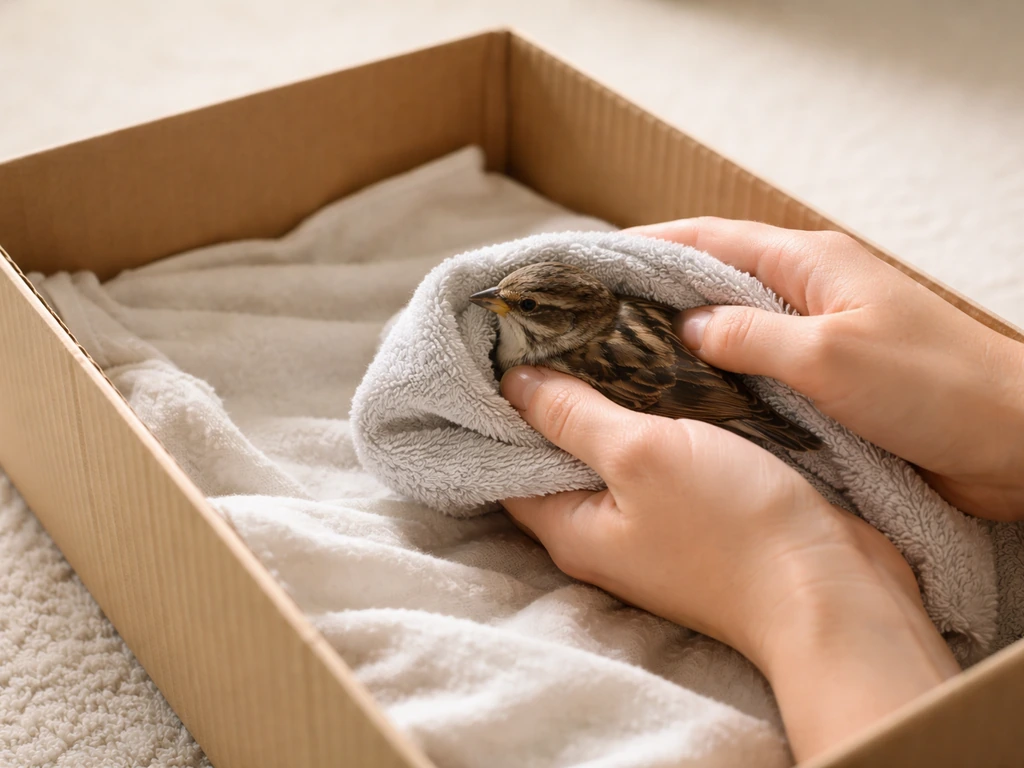
Hand gently supporting a small bird with a soft towel inside a lined cardboard box

Yes, you can pick up a bird, but whether you should, and how, depends entirely on whether it's a pet or a wild bird, and what condition it's in. For a pet bird you've been taming, picking it up is a normal part of the relationship. If you mean a specific bird you have at home, the safest option is to work with that species' taming steps instead of trying to poke or startle it. For a wild bird you've found on the ground, the answer gets more complicated fast: in the U.S., most wild birds are federally protected under the Migratory Bird Treaty Act, and you generally shouldn't handle them without a good reason and a plan. That said, if a bird is clearly injured and needs help, there are safe, humane ways to contain and transport it, and this guide walks you through exactly that.

Safety and legality: know this before you touch any bird
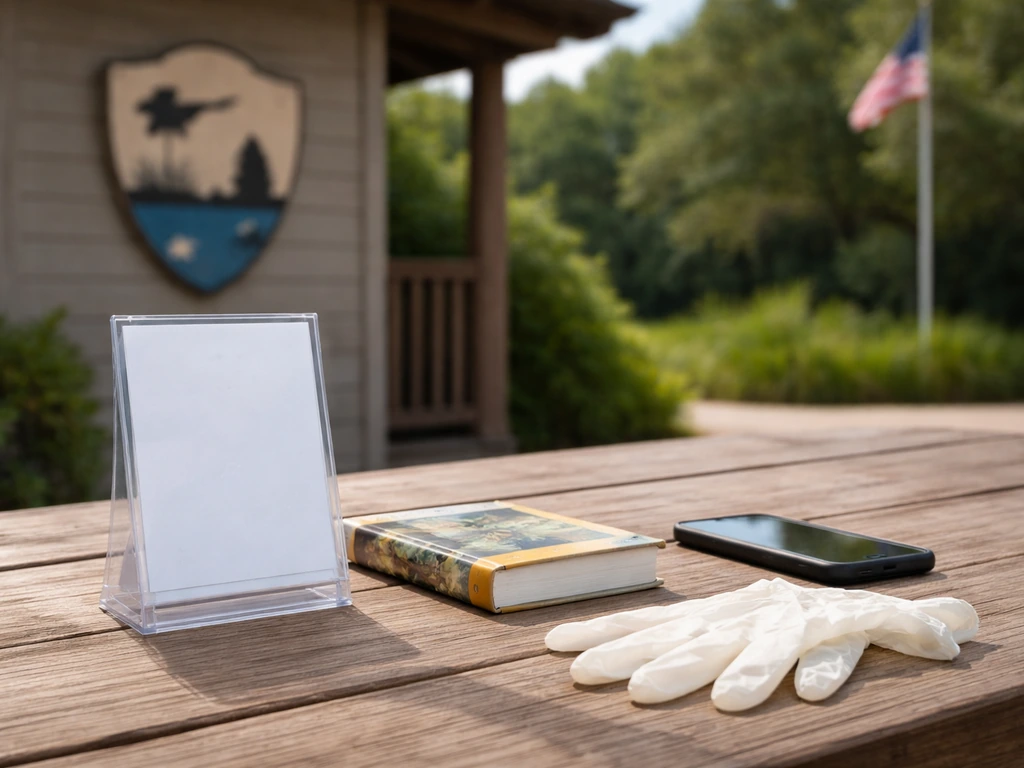
Gloves and wildlife information materials on a porch table with a blurred wildlife center sign backdrop.

The Migratory Bird Treaty Act (16 U.S.C. §§ 702–712) makes it illegal to capture, collect, or transport most wild migratory birds in the U.S. without federal authorization. That covers the vast majority of songbirds, raptors, waterfowl, and backyard species you're likely to encounter. So if you find a wild bird on the ground and it doesn't look injured, the right call is usually to observe from a distance and leave it alone. Fledglings especially are commonly mistaken for abandoned birds when their parents are actually nearby and watching.

There's a narrow exception: the U.S. Fish & Wildlife Service (FWS) guidance says the public can humanely contain a wild bird if it has entered a building and poses a health or safety risk, or if it is clearly injured, but even then, the goal is to transfer it to a licensed wildlife rehabilitator as soon as possible, not to keep it. If you're ever unsure, your state conservation agency maintains lists of permitted rehabilitators you can call for guidance before you do anything.

For pet birds, the legal picture is simpler, but you still want to handle with care. If the bird is yours, you have full authority to pick it up. If it belongs to someone else, get the owner's clear permission first, especially for species like parrots that are bonded to specific people and may bite a stranger on sight.

On the health side: both wild and domestic birds can carry diseases. The CDC recommends avoiding direct contact with sick or dead wild birds and warns that avian influenza and psittacosis can both be transmitted through contact with birds, their droppings, saliva, or mucus. Before you handle any bird, especially one that's visibly unwell, put on gloves. For sick birds, an N95 or appropriate mask is also a smart precaution. Wash your hands thoroughly with soap and running water afterward, every single time.

When picking up a bird is okay, and when it's not

Not every bird on the ground needs rescuing, and not every bird that needs help should be picked up immediately. Here's how to read the situation. To learn the practical steps for doing it safely, see the section on how to pick up a bird step by step.

It's usually okay to pick up or contain a bird when:

  • It's your pet bird and it's calm enough to be handled without extreme stress
  • A wild bird is clearly injured — visibly bleeding, has a broken wing hanging at an angle, or cannot stand
  • A wild bird has flown into a window and is stunned but showing no other injury signs (give it 15–20 minutes first; many recover on their own)
  • A wild bird is trapped inside a building and can't find its way out
  • A licensed wildlife rehabilitator or vet has instructed you to transport it

Hold off, or don't handle at all, when:

An adult’s open hand lowers calmly to a grounded pet bird fledgling on grass.
  • The bird is a fledgling hopping on the ground with no visible injury — this is normal behavior and the parents are likely close by
  • The bird is showing open-mouthed breathing at rest, tail bobbing, or seizures — these are serious distress signs and handling can worsen the situation; call a vet or rehabber first
  • You suspect the bird is sick with avian flu or another disease — keep your distance and contact animal control or a wildlife authority
  • The bird is a large raptor (hawk, owl, eagle) with no injury containment experience on your part — talons can cause serious puncture wounds and broken bones
  • You have no plan for what happens after you pick it up

A quick rule of thumb: if you're not sure whether to pick it up, don't, call a wildlife rehabilitator or avian vet first and describe what you're seeing. how to pick up a bird. That phone call takes two minutes and can save the bird's life.

How to pick up a bird: step-by-step

The core principle here is: slow, calm, and supported. Birds are easily sent into shock by sudden movements, being chased, or being squeezed. Your job is to reduce their stress at every step.

For a pet bird

  1. Lower yourself to the bird's level if it's on a perch or the floor. Avoid looming over it from above — that mimics a predator approach.
  2. Move slowly and speak in a low, calm voice the bird recognizes. Sudden silence is actually better than nervous chatter.
  3. Offer your index finger or flat hand at the level of the bird's feet, pressing gently against its lower chest just above the feet. Most trained birds will step up when they feel that gentle pressure.
  4. Once the bird steps onto your hand, keep your hand steady and bring it toward your body. Don't raise it above your shoulder or make sharp movements.
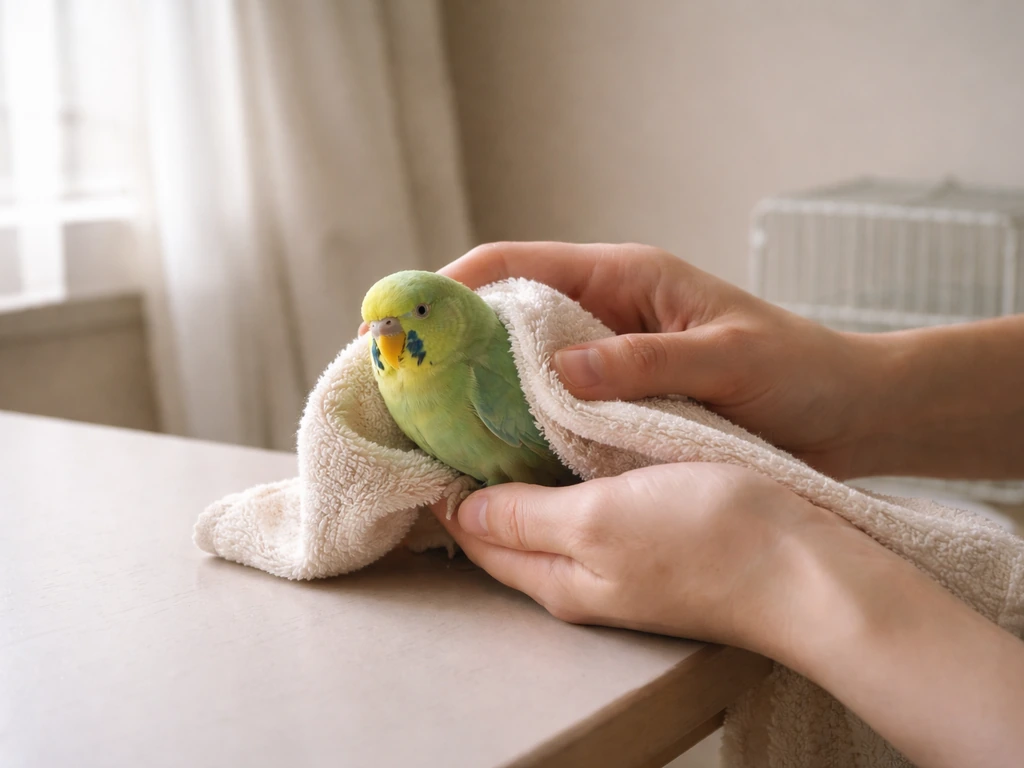
  5. If the bird needs to be fully held — for a vet visit, nail trim, or because it's injured — use a light towel. Drape it over the bird from above, gather the wings against the body gently, and cradle the bird in your palm. Your grip should encircle the body without pressing on the chest — birds breathe by expanding their chest, so chest compression is dangerous.
  6. Keep the restraint session as short as possible and return the bird to its safe space as soon as you're done.

For a wild bird that needs containment

Gloved handler gently placing a wild bird into a ventilated, lined containment box in dim light.
  1. Put on gloves before you approach. For sick birds, add a mask.
  2. Dim the environment if possible — close curtains, reduce noise. A calmer space means a calmer bird.
  3. Approach from the side, not straight on, and move slowly. Don't chase the bird — let it exhaust itself a little first if it's flapping, then approach when it's briefly still.
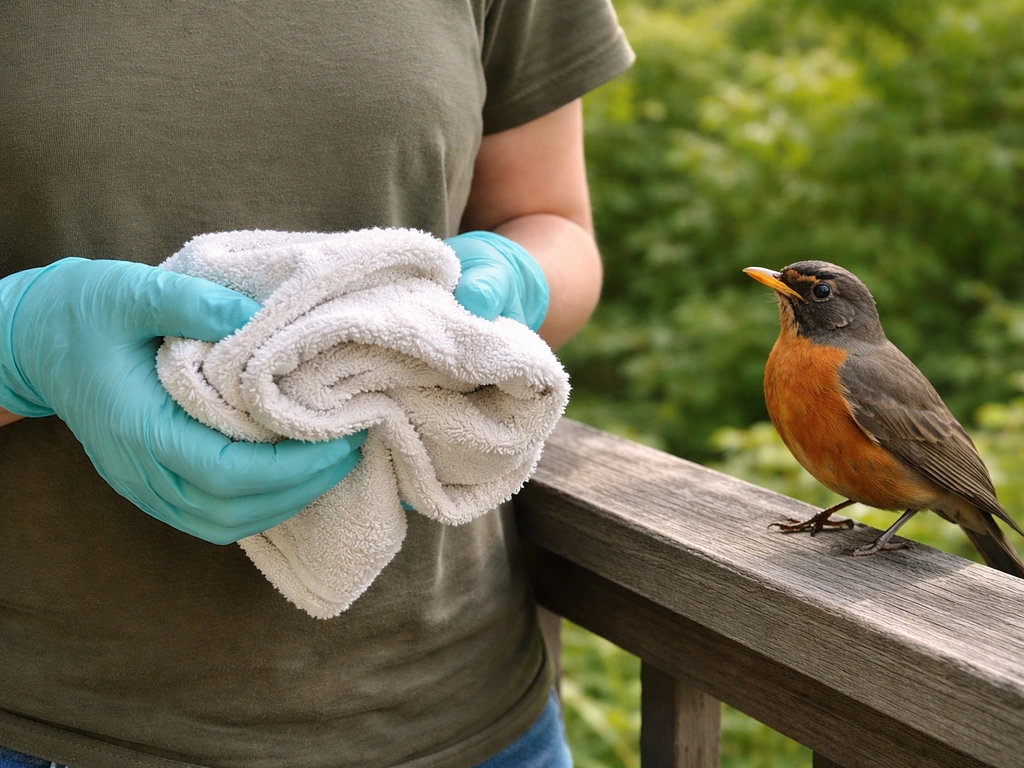
  4. Toss a light towel or small blanket over the bird to cover it completely. This blocks its vision and dramatically reduces panic. For larger birds, use a bigger towel or blanket.
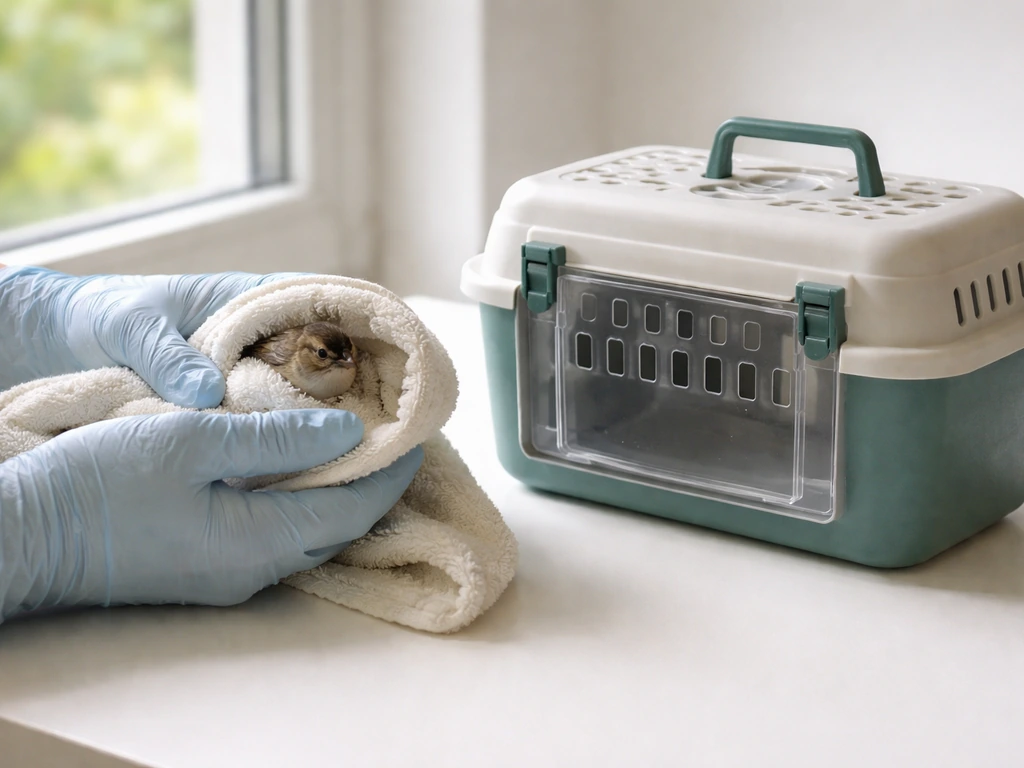
  5. Once covered, scoop both hands under the bird through the towel and gather the wings against its body firmly but gently. Again, avoid compressing the chest.
  6. Place the bird — still wrapped — into a ventilated cardboard box lined with a clean cloth. The box should be just large enough for the bird to sit upright comfortably. Darkness inside helps keep it calm.
  7. Close the box, keep it warm and quiet, and contact a wildlife rehabilitator immediately.

Species-specific handling basics

Different birds need different approaches. Size, temperament, and anatomy all matter, here's what to know for the species you're most likely dealing with.

SpeciesHandling notesMain risks
Parrot (medium to large)Usually step-up trained; use the 'step-up' cue before attempting to pick up. Untrained or stressed parrots bite hard — use a towel for restraint. Support the full body.Strong beak, powerful grip; can break skin easily
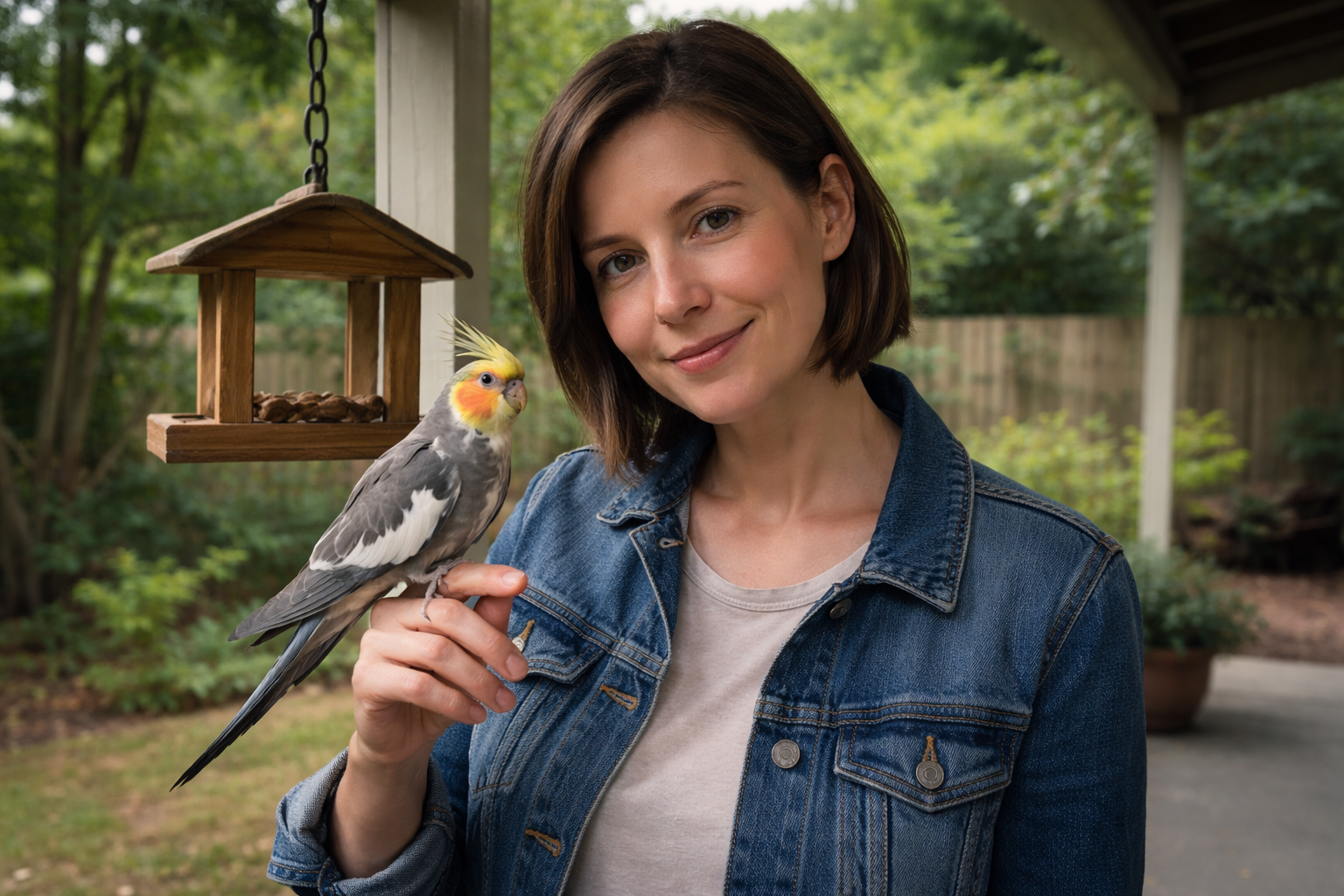
CockatielGenerally gentler than large parrots; often step-up trained. Approach slowly, offer finger at chest level. Use a small towel for vet visits.Light bites; tail feathers break easily if grabbed — never grab the tail
BudgieTiny and fast. Cup loosely in both hands rather than gripping. Very prone to stress; keep handling sessions brief.Fragile bones; extremely prone to shock if overhandled
Finch / CanaryRarely tame enough to step up willingly. Use a small cloth cupped over and around them. Minimize contact time sharply.Extremely fragile; high stress risk; rarely benefit from handling
Robin / Sparrow / Common songbird (wild)Towel approach works well. Keep in a small dark box. Do not attempt to feed water by force — aspiration risk.Stress-induced shock; disease transmission
Pigeon / Dove (wild)Relatively calm compared to songbirds. Can be scooped up fairly easily with gloved hands or a towel. Often injured by window strikes.Lice, mites; psittacosis risk — wear gloves
Crow / Jay (wild)Intelligent and defensive; will peck at hands. Towel is essential. Handle as briefly as possible.Sharp beak; will remember and target handlers they associate with stress
Hawk / Owl (wild)Do not attempt without thick leather gloves covering forearms. Talons are the primary danger, not the beak. Wrap body in a thick blanket.Severe puncture wounds from talons; bones in hands can be broken

For detailed techniques on specific pet species, there's more nuance worth covering separately, particularly for birds that bite during handling, small birds like budgies that need a very different hold than a parrot, and towel wrapping as a method on its own. Each of those situations calls for its own approach.

What to do immediately after picking up a bird

Warm towel-lined box with a small thermometer and gentle stabilization items for an injured bird

The moment the bird is in your hands or in a box, your job shifts from containment to stabilization and assessment. Here's what to work through quickly.

For a pet bird

  • Speak calmly and keep movements minimal to help it settle
  • Do a quick visual check: is it breathing normally? Any visible bleeding, swelling, or drooping limb?
  • If you're holding it for a routine purpose (nail trim, moving it), return it to its cage or perch as soon as the task is done
  • If it's showing any illness signs — open-mouth breathing, tail bobbing, fluffed feathers, or seizures — call an avian vet immediately and keep the bird warm and quiet until your appointment
  • Wash your hands thoroughly after every handling session

For a wild bird

  • Once the bird is in a ventilated, lined box, keep it in a quiet, warm room away from pets, children, and noise
  • Do not offer food or try to give water with a dropper — aspiration is a real risk and well-meaning feeding can cause harm
  • Contact a licensed wildlife rehabilitator as soon as possible — the sooner the bird gets professional care, the better its chances
  • If it's a window-strike bird with no obvious injury, check it after 15–20 minutes in a quiet, covered box. Many recover on their own and can be released. If it's still stunned or unsteady after that window, call a rehabber
  • If the bird has obvious injuries (broken wing, bleeding), don't delay — call a rehabber or wildlife vet immediately
  • Keep yourself protected: don't let it near your face, and wash hands and any exposed skin after contact

What to do if the bird won't let you pick it up

If you have a pet bird that consistently refuses to be handled, the answer is almost never to force the issue. Forcing contact builds fear and distrust, and a fearful bird becomes harder to handle over time, not easier. The better path is trust-building through training, and it's genuinely achievable with most species, even birds that have never been handled.

Building trust with a pet bird that won't be touched

  1. Start with presence, not contact. Sit near the cage daily and let the bird get used to you without reaching in. Read aloud, talk quietly, or simply be in the room.
  2. Introduce treats through the cage bars before you ever try to open the door. Let the bird choose to come to your hand for the treat — don't push your hand toward it.
  3. Once the bird is comfortable taking treats from your fingers at the bars, open the door and offer treats from your flat palm just inside the opening. Don't reach for the bird.
  4. Progress to placing your hand on the perch near the bird without offering anything — just let your hand be part of the environment.
  5. Introduce the step-up: hold your finger at the bird's chest level just above its feet and wait. The moment it puts one foot on, reward immediately. Build from there.
  6. Keep sessions to 5 minutes or less. End each session on a positive note — treat, verbal praise, or simply withdrawing calmly.

Realistic timelines vary a lot by species and individual history. A hand-raised cockatiel might step up within a few days of consistent work. A previously neglected parrot or a finch that's never been tamed might take weeks or months, and finches in particular may never be truly handleable, which is fine. Knowing the realistic ceiling for your species matters.

Alternatives when you can't pick up a wild bird

Orange cone and barrier cordon a small yard area while a container sits nearby for safe bird containment.

If a wild bird in your yard is in distress but actively fleeing from you, chasing it will exhaust it further and increase its stress. Instead, try containing the immediate area, keep pets and people away and give the bird space. Contact a wildlife rehabilitator and describe the situation; they can advise whether the bird needs capture or just monitoring. If the bird is a fledgling that's clearly mobile and alert, the best thing you can do is often to simply back away, keep your pets inside, and let the parents do their job.

If you genuinely can't avoid handling a bird that's fighting you, a pet that's biting hard, or a larger wild bird, a towel is your best friend. It protects your hands, reduces the bird's visual stimulation, and makes a safe, controlled grip much easier to achieve without injury to either of you. If you decide that a towel is the right tool, use it to support the bird gently and follow the safe, humane steps so you do not injure it a safe, controlled grip.

FAQ

What should I do if I find a baby bird on the ground but it doesn’t look injured?

If the bird is wild and appears healthy, you generally should not pick it up. For fledglings, a nearby parent is often watching, so the safer move is to keep pets and people back and observe from a distance until you see clear signs of injury or true abandonment.

Can you pick up a wild bird just to help it if you plan to release it later?

In the U.S., handling or transporting most wild migratory birds without authorization can be illegal, even if your intention is to help. Before you pick anything up, call your state conservation agency or a permitted wildlife rehabilitator to confirm what to do for that specific species and situation.

What if a wild bird flies into my building and won’t leave safely?

If a wild bird enters your home and is a safety risk, you may be able to contain it humanely, but the priority is to transfer it to a licensed wildlife rehabilitator as soon as possible. You should still avoid keeping it, and minimize time in your care to reduce stress and disease exposure.

Can you pick up a pet bird that isn’t yours if the owner is not there?

Yes, but permission is critical. If the bird belongs to someone else, get the owner’s clear consent first, and ask about bite behavior, preferred handling method, and whether the bird has any known medical issues or recent treatments that affect handling.

If I use gloves, do I still need to wash my hands after handling a bird?

Gloves help reduce exposure, but they are not a full substitute for hygiene. Avoid touching your face while handling, keep the bird’s droppings away from your clothing, and wash hands (and any exposed skin) with soap and running water immediately afterward.

What information should I tell a wildlife rehabilitator before I handle or move a bird?

Call it in and describe details like species (if known), size, behavior (standing, hopping, flying, weakness), and whether there is bleeding, drooping wings, tail dragging, or breathing trouble. Rehab staff use those observations to decide whether capture is needed or monitoring is safer.

What’s the safest way to handle a bird that panics or bites during pickup?

A bird that’s fighting, flailing, or biting strongly can go into shock if forced. If you must manage it, use a barrier method like a towel to protect yourself, but keep pressure gentle, support the body properly, and aim to transfer it to a vet or rehabilitator quickly rather than continuing prolonged handling.

Should I chase a wild bird that seems distressed to get it into a box?

If a wild bird is actively fleeing, chasing it can increase exhaustion and stress. Instead, contain the area (close doors, bring pets inside), give space, and wait for the bird to settle or accept guidance from a rehabilitator on whether capture is appropriate.

If my pet bird refuses to be held, should I still try to pick it up the same way?

If you have a pet bird that doesn’t step up reliably, forcing handling often worsens fear and makes future pickups harder. A better first step is trust-building training, using the bird’s preferred cues (food and calm timing) and only progressing when it shows comfort, not resistance.

Should I feed a wild bird I found before contacting a rehabber?

Because handling stress and diet changes can worsen illness, avoid giving food or water unless a vet or rehabilitator instructs you to. For sick or injured birds, focus on gentle containment, warmth appropriate to the situation, and prompt professional advice or transfer.
Next Articles
How to Pick Up a Bird That Bites Safely and Humanely
How to Pick Up a Bird Safely: Wild and Pet Steps
How to Grab a Bird Safely: Humane Steps for Pets and Wild Birds