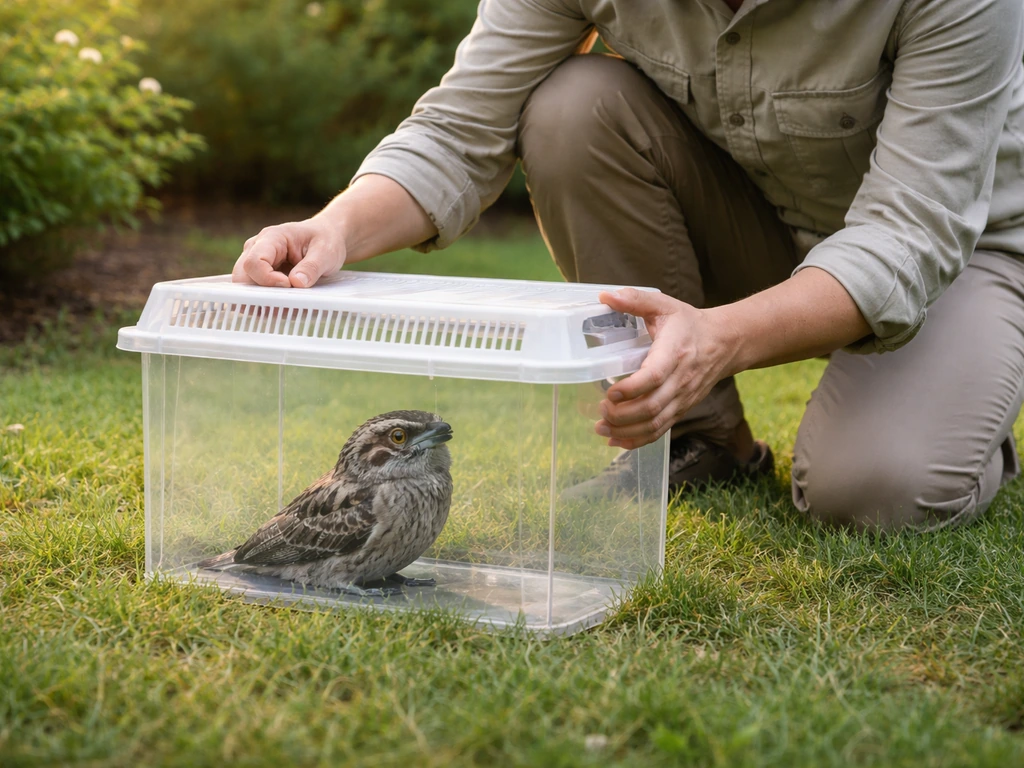
If you need to capture a wild bird right now, here is the short answer: move slowly, reduce light and noise in the space, use a towel or box to contain the bird gently, and get it to a licensed wildlife rehabilitator as quickly as possible. Everything else in this guide exists to help you do that without injuring the bird or yourself.
How to Capture a Bird Safely and Humanely: Step by Step
Clara Hayes
10 Apr 2026
Before you try: humane alternatives and when not to capture
Capturing a wild bird should always be a last resort. Before you reach for a towel or a box, ask yourself whether the bird actually needs your help. Many birds that look distressed are not in danger at all. A fledgling hopping on the ground is almost certainly being watched by its parents nearby. A bird that flew into a window may be stunned but will often recover on its own within 20 to 30 minutes if left quietly in place. A bird perching low and looking tired may simply be resting.
The best first move is usually to do nothing for a few minutes and observe. If the bird is alert, standing upright, and able to move its wings, give it space and time. Remove any nearby cats or dogs, keep children back, and watch from a distance. If the bird flies off, your job is done. Intervention is only warranted when you see an obvious injury (a drooping wing, blood, an inability to stand), the bird is in immediate danger from a predator or traffic, or it has been in the same helpless state for more than 30 minutes.
Chasing a bird is one of the worst things you can do. Pursuit triggers panic, burns energy the bird cannot spare, and dramatically increases the risk of the bird injuring itself on fences, glass, or hard surfaces. If the bird is capable of moving around, let it settle before you attempt anything. If it is indoors, there are passive methods (covered in a later section) that work far better than any chase.
Legal and ethical basics, and when to call a wildlife rehab
Most wild birds in the United States are protected under the Migratory Bird Treaty Act. That sounds complicated, but the legal picture for ordinary people is actually straightforward. Under federal regulation (50 CFR 21.76), any person who finds a sick, injured, or orphaned migratory bird may take possession of it without a permit for the sole purpose of immediately transporting it to a federally permitted wildlife rehabilitator. You are not allowed to keep it, treat it yourself, or release it on your own unless you hold the appropriate federal or state permits. Your legal role is transporter, not caretaker.
This means the moment you have the bird contained, your next call should be to a licensed wildlife rehabilitator. You can find one through your state wildlife agency, the blank" rel="noopener noreferrer">National Wildlife Rehabilitators Association directory, or by calling a local animal shelter or wildlife veterinarian. If you are dealing with a bird of prey such as a hawk, falcon, or owl, the handling stakes are even higher. Those birds have talons that can cause serious puncture wounds and they are subject to additional permit requirements, so read up on how to trap a bird of prey before you attempt anything with raptors.
Never attempt to capture a healthy, uninjured wild bird because you want to keep it. That is illegal for most species and causes real suffering. If you are not sure whether the bird needs help, call a local rehabilitator first and describe what you are seeing. They can often tell you over the phone whether capture is necessary.
Prepare your capture setup before you approach
Rushing in unprepared is how birds get hurt. Take two minutes to gather your materials before you get close to the bird.
What you need
- A cardboard box or pet carrier with ventilation holes (a box with a secure lid works well for most small to medium birds)
- A soft towel or thin fleece blanket (avoid terry cloth, which can snag toenails)
- A second towel or light sheet to drape over the container afterward
- Thin gloves (optional but useful for birds with sharp beaks or talons)
- Paper towels or a folded cloth to line the bottom of the container
- Your phone to call a rehabilitator immediately after containment
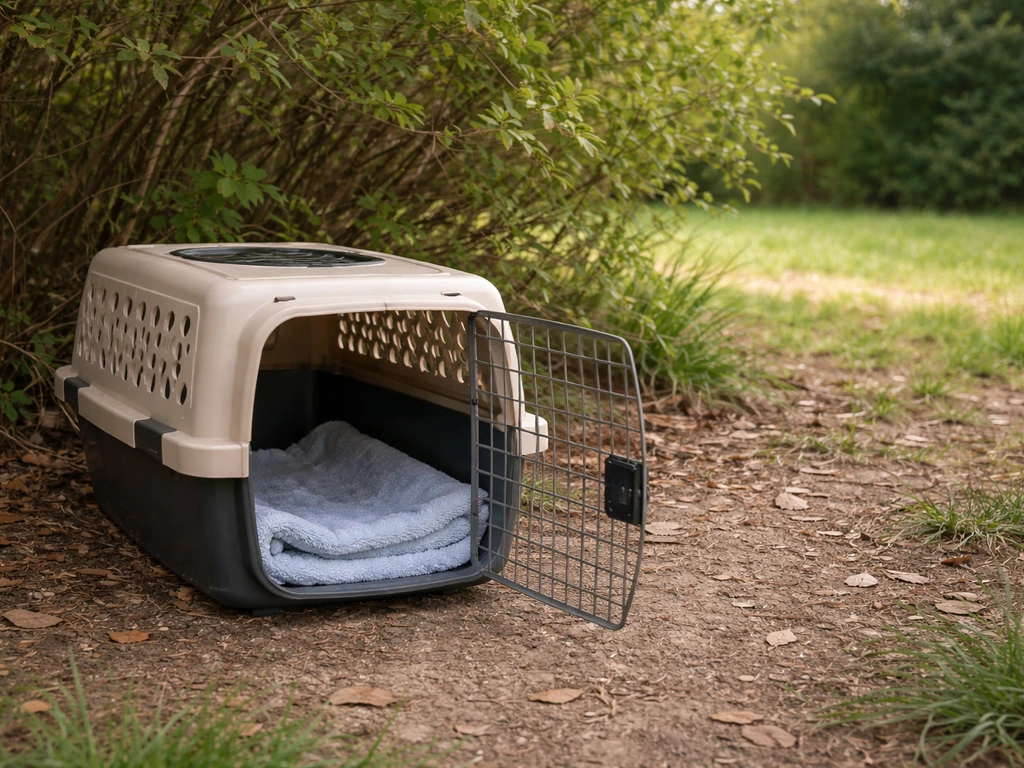
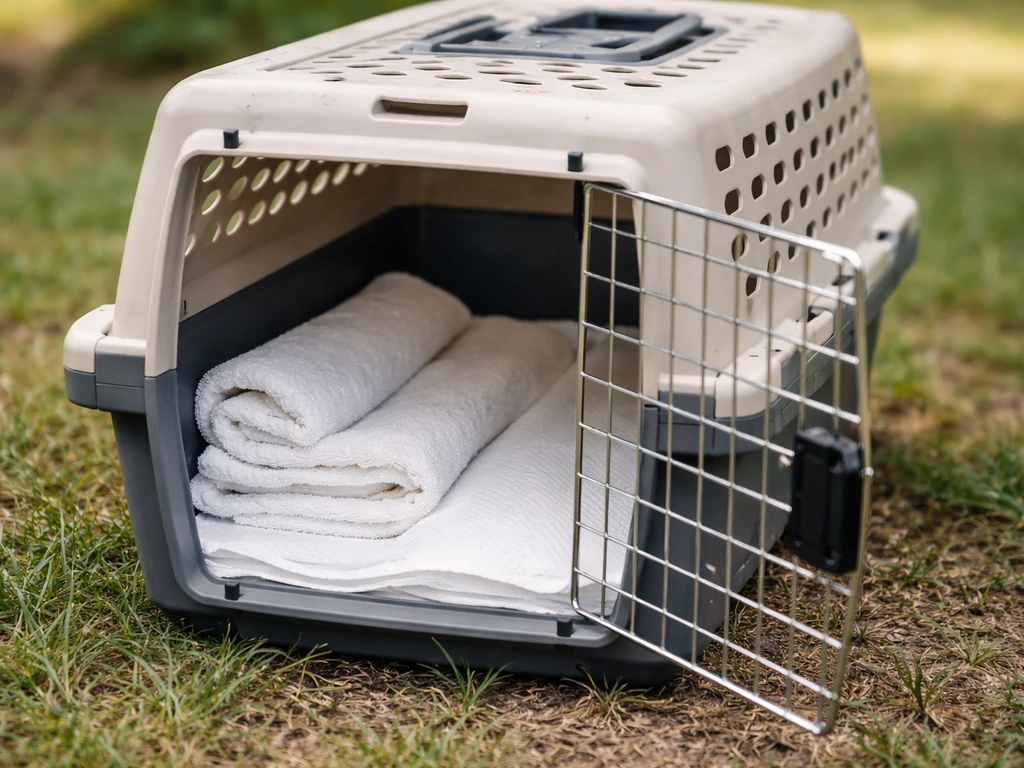
Prepare the container before you approach the bird. Line the bottom with a towel or paper towels so the bird has traction. Make sure the box has ventilation (a few pencil-sized holes if it is cardboard) but no gaps large enough for the bird to push through or stick its head out. A latched pet carrier is excellent if you have one. A shoebox with a lid you can tape down works for small birds. The goal is a dark, secure, well-ventilated space.
Safety precautions: wear gloves if you are dealing with any bird larger than a robin, especially one that is frightened. Even small birds can bite hard enough to break skin. Larger birds like herons, geese, or large shorebirds can strike with their beaks or wings with surprising force. If the bird is much larger than a pigeon, consider whether you have the equipment and experience to handle it safely, or whether calling a professional is the smarter move. Keep pets and curious children well away from the capture zone before you begin.
How to capture a wild bird outdoors, step by step
The approach varies depending on the bird's condition and behavior. The three most common outdoor scenarios are a grounded bird that cannot fly, a bird that is perching low and reachable, and a bird moving unpredictably through an open area.
Grounded or severely weakened bird
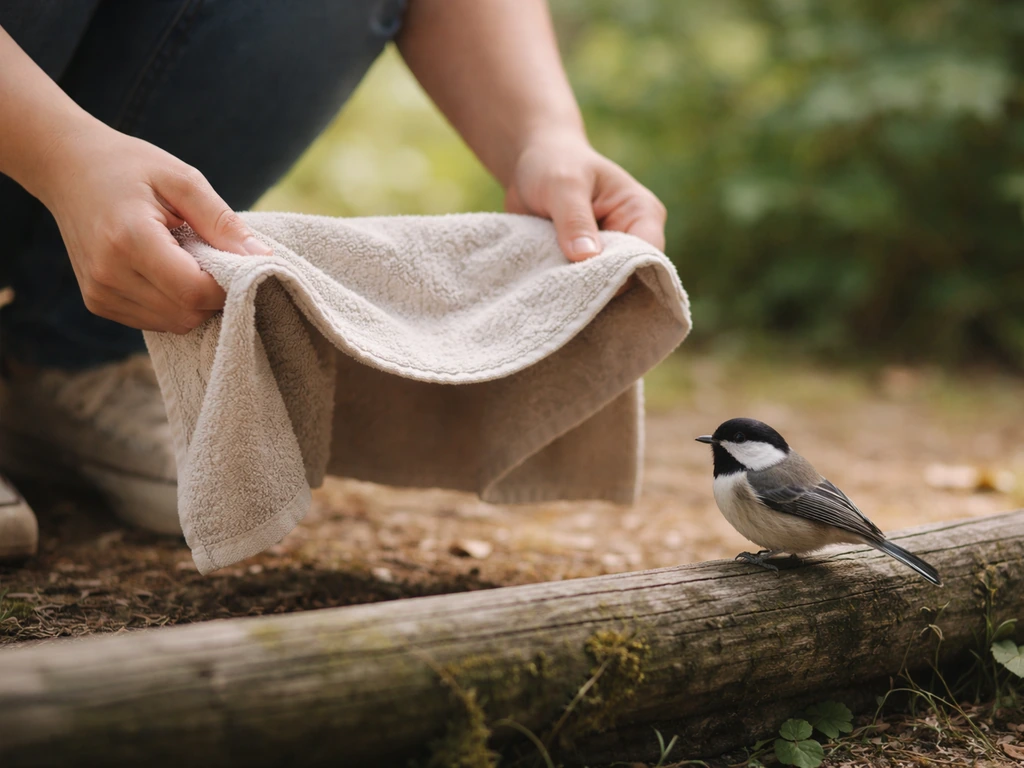
- Approach very slowly and stay low. Crouch down rather than looming over the bird from full height. Move in from the side rather than head-on.
- Hold the open towel in both hands at waist level. Do not wave it or make sudden movements.
- When you are within arm's reach, lower the towel over the bird smoothly and fully, covering its entire body and head. Darkness immediately calms most birds.
- Cup both hands around the bird through the towel, applying gentle but firm pressure to keep the wings against the body. Do not squeeze. The goal is to prevent flapping, not to restrict breathing.
- Lift the bird in the towel and transfer it directly into your prepared container. Lower the towel-wrapped bird into the box, open the towel inside so the bird is resting on the container floor, then withdraw the towel and secure the lid quickly.
- Cover the outside of the container with a light sheet or second towel to maintain darkness, and move it to a warm, quiet location away from pets and noise while you call a rehabilitator.
Perching bird within reach
If the bird is perched on a low branch, fence, or ground-level object and has not flown off as you approached, it is likely weakened enough that the towel method above will work. Approach from below and slightly behind the bird if possible. Drape the towel over it from above in one smooth, calm motion. Birds instinctively grip whatever they are standing on when startled, which briefly works in your favor. Move quickly but without any jerky or loud movements.
Bird moving through an open outdoor area
If the bird is making short hops or brief low flights but cannot sustain altitude, do not chase it. Instead, use your body and a second person if available to gently herd it toward a corner, a fence line, or a shrub where it will naturally stop moving. Let it settle fully, wait 30 to 60 seconds, then approach and use the towel method. If the bird keeps moving, take a break, back off for a few minutes, and try again. Fatigue will work in your favor eventually if the bird is genuinely injured. Patience here prevents far more injuries than any technique.
For situations where the bird is particularly skittish or unusual, the principles described in how do you catch a unique bird can give you additional species-aware strategies worth reading before you attempt capture.
How to capture a wild bird that's indoors or in an enclosure

A bird inside a house, garage, or screened enclosure is a different problem from an outdoor capture, and the passive approach almost always works better than any active method. Start here before you try anything else.
Try the passive exit method first
Turn off all lights in the room. Draw curtains and cover mirrors, since birds will fly at their own reflection and injure themselves. Leave one clear, bright exit open: an exterior door, a wide window with the screen removed. The contrast between the dark room and the bright exit will draw the bird toward daylight on its own. Leave the room, close interior doors, and give the bird 15 to 30 minutes of complete quiet. In many cases the bird will simply find the exit and leave without any further intervention. This is the kindest and safest outcome for everyone.
Gentle guidance when the passive method isn't enough
If the bird is still inside after 30 minutes, you can gently guide it toward the open exit using a broom, a long-handled object, or a large piece of cardboard held flat and used as a soft barrier. The goal is to direct the bird's flight path, not to hit or startle it. Move very slowly. If the bird lands again, stop moving and let it rest for a minute before resuming. Do not corner the bird against a wall or ceiling. Keep one clear flight path open toward the exit at all times.
Active capture indoors
If the bird is injured or clearly cannot fly well enough to find an exit, you will need to contain it directly. Wait for it to land somewhere low and accessible. Turn off the lights (darkness slows a bird's reactions and reduces panic). Approach slowly with your towel, cover the bird as described in the outdoor method, and transfer it to your prepared container. Tufts Wildlife Clinic advises that if you find a sick or injured wild bird, cover it with a towel (covering the head and keeping the wings tucked into the body) and do not give it food or water cover the bird as described in the outdoor method. Indoors, the biggest hazard is the bird panicking and flying into windows or ceiling fans, so work with all ceiling fans off and window blinds partially closed to reduce reflections.
If you regularly deal with birds finding their way into a yard enclosure or aviary situation, the techniques in how to trap a bird easy cover some useful setup-based approaches that reduce the need for direct handling altogether.
After capture: temporary holding, handling, and immediate care
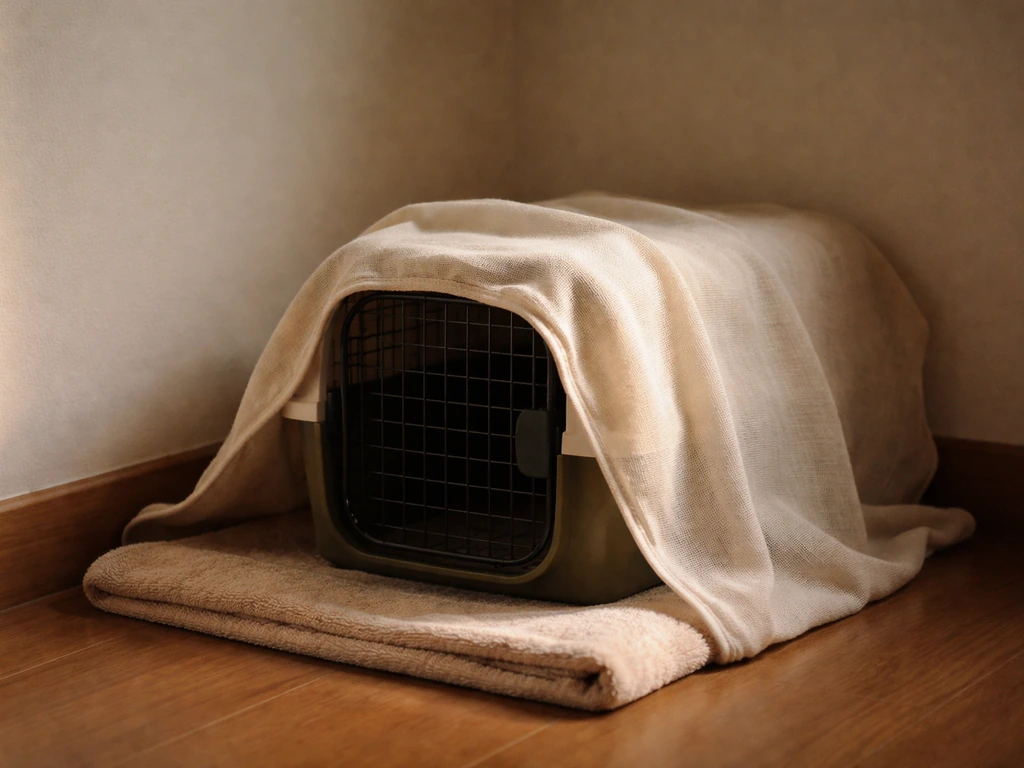
Once the bird is in the container, your main job is to do as little as possible. Wild birds experience human presence, noise, and eye contact as serious stressors. The less you handle, look at, or interact with the bird, the better its chances of surviving the next few hours.
The holding environment
Place the container in a warm, quiet, dark location. A bathroom with the fan off, a spare bedroom, or a quiet corner of a garage all work. The temperature should be comfortably warm but not hot, somewhere between 70 and 80 degrees Fahrenheit is a reasonable target for most species. Keep the container away from pets, children, televisions, and loud music. Cover it with a towel or sheet to maintain darkness inside even if the room has light.
Food and water: the important rule
Do not feed or give water to a wild bird unless a licensed rehabilitator has specifically instructed you to do so. This is one of the most important rules in wildlife triage. An injured bird may have internal injuries that make eating dangerous. Many birds require specialized fluid therapy before any food is introduced, something only a trained rehabilitator can assess. Giving water incorrectly (such as dripping it into the beak) can cause aspiration and kill the bird. If you cannot get the bird to a rehabilitator within one to two hours, call one immediately and ask for guidance. Do not improvise.
Minimizing handling after containment
Once the bird is boxed, resist the urge to open the container to check on it. Every time you open the lid, you are exposing the bird to light, noise, and your presence, all of which are stressful. Check only if you have a specific reason (the bird sounds like it is in acute distress or the container is not secure). Make your call to a rehabilitator, note the location where you found the bird (this helps with release decisions), and plan your transport. Move the container gently and keep it level during transport. Avoid loud music or sudden braking in the car.
It is worth noting that the trust-building and taming principles that apply to pet birds are a completely separate topic from this kind of emergency wild bird containment. The goal here is not relationship-building but safe, low-stress transport to professional care. The bird should be in a rehabilitator's hands as soon as possible.
Troubleshooting, escape prevention, and injury warning signs
Common capture problems and fixes
| Problem | Likely cause | What to do |
|---|---|---|
| Bird won't stay still long enough to cover | Not weakened enough, or being chased | Back off for 5 to 10 minutes, stop all pursuit, let the bird settle completely |
| Bird keeps flying into walls or windows indoors | Lights on, mirrors uncovered, too many people in room | Reduce light, cover mirrors, clear the room of everyone except one person |
| Bird escapes the container during transfer | Lid not secured fast enough, container too large | Use a smaller box with a fold-over lid, practice the transfer motion before the capture |
| Bird is clearly exhausted but won't let you close in | Approaching too directly from front or above | Approach from the side and below, move in a slow arc rather than straight line |
| Container making noise or bird thrashing inside | Container too slippery inside, bird can't grip | Check that lining (towel or paper towels) is in place and bird is upright, not on its back |
Escape prevention checklist
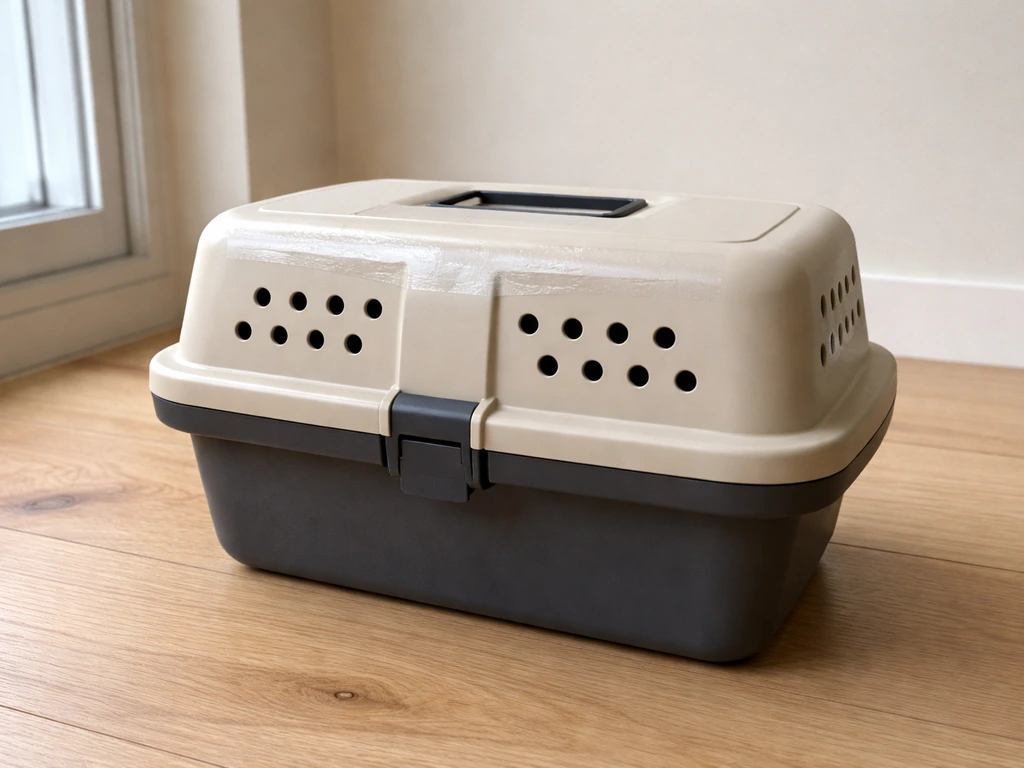
- Ventilation holes are no larger than your smallest finger
- Lid or flaps are fully closed and taped or latched before you move the container
- Container is never set down with the opening facing up and unsecured
- Pets and doors to the outside are managed before you open the container at the rehab facility
- Two people handle any transfer involving a bird larger than a pigeon
Signs the bird needs urgent professional attention
While your goal is always to get to a rehabilitator quickly, certain signs mean you need to move with real urgency. These include: the bird is bleeding actively from a wound, one or both eyes are closed or swollen shut, the bird is lying on its side and cannot right itself, the beak or legs appear broken or at an abnormal angle, or the bird is making labored breathing sounds. Capture and transport immediately if you see any of these, and call the rehabilitator on the way so they can prepare.
Signs of severe stress during containment (which you want to minimize) include: rapid, open-mouthed panting, frantic and sustained wing-beating against the container walls, or total stillness and unresponsiveness. If the bird seems unresponsive after capture, make sure the container is warm enough and call a rehabilitator right away.
Knowing when a situation is beyond a general guide
Some bird capture situations are genuinely specialized. Handling a large wading bird, a bird of prey, or a protected ground-nesting species requires different techniques and, in many cases, permits. If you are dealing with a ground bird in a specific regional habitat, the detail in how to catch a snipe bird covers the particular challenges of elusive ground birds. For those managing quail on a property, how to trap quail bird has setup-specific guidance. And if you ever need to contain a large, free-roaming bird in an open yard, the approaches in how to catch a peacock bird are a good reference for handling birds that can run as well as fly. For situations where a containment snare or slip setup might be considered under professional guidance, how to snare a bird outlines what those setups involve and the ethical considerations attached to them.
The single most important thing you can do after capturing any wild bird is get it into professional hands quickly. You have done your part by containing the bird safely. The rehabilitator's job is everything that comes next.
FAQ
What should I do if I cannot reach a wildlife rehabilitator immediately after capturing the bird?
In most cases, do not. If it is a wild bird, you should not attempt to keep it overnight or “care for it until morning.” Even for short holding, the safest option is to call a licensed wildlife rehabilitator right away and transport it as soon as they advise.
How can I tell if the bird is too hot or too cold while it is contained?
Keep the bird container covered and mostly closed, but if the bird is overheating risk (panting with a hot body, container placed near a heater or in direct sun), move the container to a cooler shaded spot. Avoid putting ice directly on the bird, and do not fan it aggressively, steadier cool air is better than sudden drafts.
Can I use my hands or a net to capture a bird if I do not have a towel or box?
Yes, but only when you already know capture is necessary and you are using it as a temporary transport step, not for long-term control. If you plan to use a towel or box, prepare it first and focus on calming containment, using gloves for larger birds and keeping the box level during movement to reduce stress.
Is it okay to feed or water the bird a little to keep it calm?
No. Do not offer bread, seed, milk, or water drops unless a rehabilitator specifically instructs you. Many common foods cause harm, and fluid introduced incorrectly can lead to aspiration, especially in weak or stunned birds.
The bird flew into a window, should I capture it right away?
If a bird hit a window and seems able to stand, you usually should not capture. Leave it quietly for about 20 to 30 minutes in a safe spot away from pets and traffic, then reassess. Capture is warranted only if you see persistent injury or it cannot recover its normal posture and movement.
What if the bird keeps landing and not exiting after I dim the lights indoors?
If the bird is in a room but you are waiting for it to exit, remove mirror-like distractions and keep one clear exit path open. Give it 15 to 30 minutes of quiet, and if you must guide it, use a flat barrier like cardboard while moving very slowly, stop when it lands to prevent panic.
Which symptoms mean I should capture and transport faster than usual?
Watch for breathing and posture rather than just movement. Immediate urgency applies if breathing sounds are labored, the bird is lying on its side and cannot right itself, eyes are closed or swollen shut, bleeding is active, or a beak or leg looks broken or misaligned. These are “capture now” signs.
What should I do if the bird seems unresponsive after I put it in the container?
If the bird is unresponsive right after containment, first ensure the container is warm enough and the environment is dark and quiet, then call the rehabilitator immediately. Do not repeatedly open the lid to check, because light and noise can worsen shock.
Why do rehabilitators ask where I found the bird?
Yes, and it matters for release location. Write down where you found it (exact address or nearest landmark, indoor vs outdoor, and whether it was near a window, road, or yard). Transport decisions and release feasibility can depend on those details.
What size and type of container is safest for a wild bird during transport?
Use the smallest enclosure that safely prevents escape and holds the bird steady for transport. A loose box with lots of empty space encourages flapping and collisions, and gaps that let the bird push through can cause head or wing injuries. Ventilation is essential, but avoid openings large enough for escape or entanglement.
Why is chasing a bird so risky if I think it is injured?
Yes, and it can make the bird worse. Even when you intend to help, chasing increases panic and injury risk on fences and glass. The practical alternative is to let it settle, remove distractions, and if needed use gentle herding toward a corner or toward an open exit without direct pursuit.
Do raptors require different handling than other birds?
Yes for some species, especially raptors, but capture methods and legality can vary. The safest approach is to call a rehabilitator first when the bird looks like a hawk, falcon, or owl, and avoid handling until you know the species-specific requirements and your own safety limits.
Next Article
How Do You Catch a Unique Bird Safely and Humanely
Humane, safety-first steps to catch a unique bird: pet training or wild temporary capture, plus checklists and handoff r