
Trapping a bird humanely and easily comes down to three things: choosing the right method for the situation, setting up correctly, and staying patient. Whether you have a wild bird stuck in your garage, a yard intruder you need to relocate, or an escaped pet bird that won't come back to you, the approach is almost always the same: minimize stress, use the right bait and containment, and act calmly. This guide walks you through every step, from the moment you spot the bird to what you do after you've got it safely contained.
How to Trap a Bird Easy: Humane Steps for Safe Capture
Clara Hayes
17 Apr 2026
Quick reality check: when trapping is and isn't the humane solution
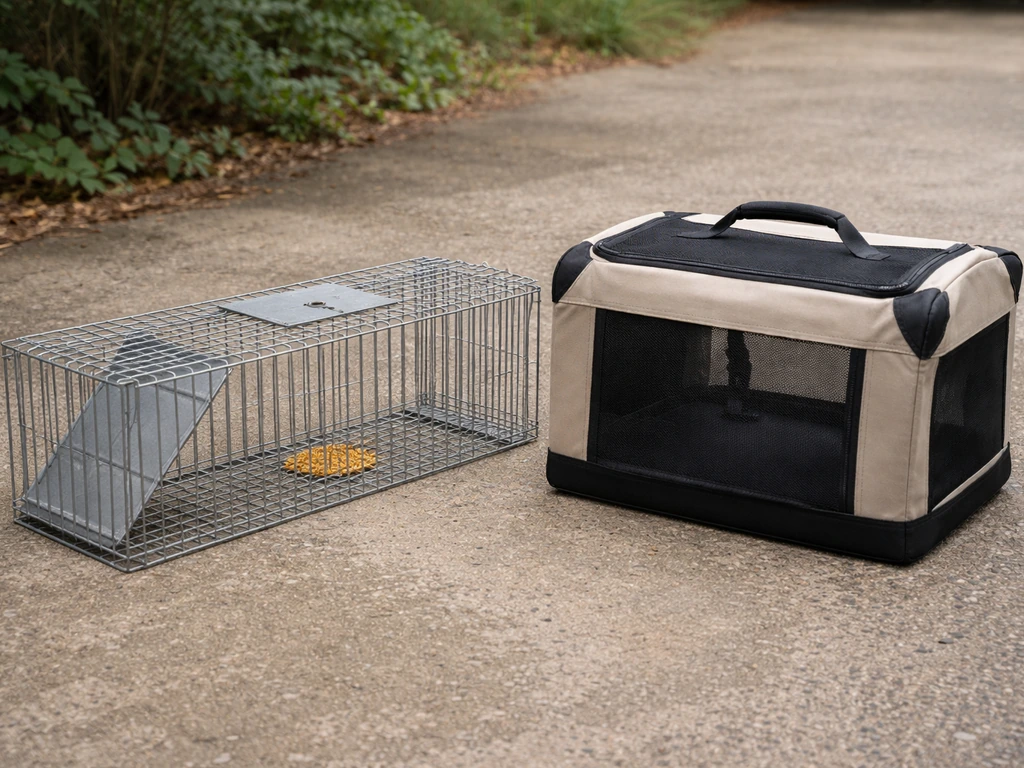
Before you set anything up, ask yourself whether you actually need to trap. Many situations that feel like "trapping" problems are really guidance problems. A wild bird that flew into your garage doesn't need a trap if you open the doors and wait quietly. A songbird singing from your roof doesn't need to be caught at all. Trapping makes sense when a bird is injured and can't fly out on its own, when a pet bird has escaped and won't respond to recall, when a wild bird is actively damaging property or posing a health risk, or when a bird is clearly distressed inside an enclosed space and can't find the exit.
Here's what you need to know legally before you do anything: the U.S. Migratory Bird Treaty Act (MBTA) protects the vast majority of wild birds in North America. Capturing, possessing, or transporting a migratory bird without authorization is a federal offense. There are some narrow general exceptions under 50 CFR § 21.12 that allow you to humanely remove a bird trapped in a building when it poses a health threat or risk of self-injury, but the moment you want to rehabilitate, relocate, or hold a bird longer than necessary, you typically need a federal permit under 50 CFR § 21.76 (rehabilitation) or 50 CFR § 21.100 (depredation control). Some species like European starlings and house sparrows are not protected under the MBTA, giving you more flexibility. When in doubt, contact a licensed wildlife rehabilitator before you touch anything.
Relocation is also not as simple as "catch and release somewhere nice." Multiple state agencies, including Florida Fish and Wildlife and Missouri Department of Conservation, actively discourage or prohibit releasing nuisance wildlife on public lands without written permission, and warn that relocated birds often disrupt established local populations. If you're dealing with a nuisance wild bird situation, calling your state wildlife agency first can save you from legal trouble and actually get the bird a better outcome.
For situations involving raptors specifically, the stakes are even higher. Trapping a bird of prey falls under additional regulations, and handling one incorrectly can get you seriously injured. Don't attempt it without expert backup.
Humane planning in the moment: safety, location, and supplies checklist
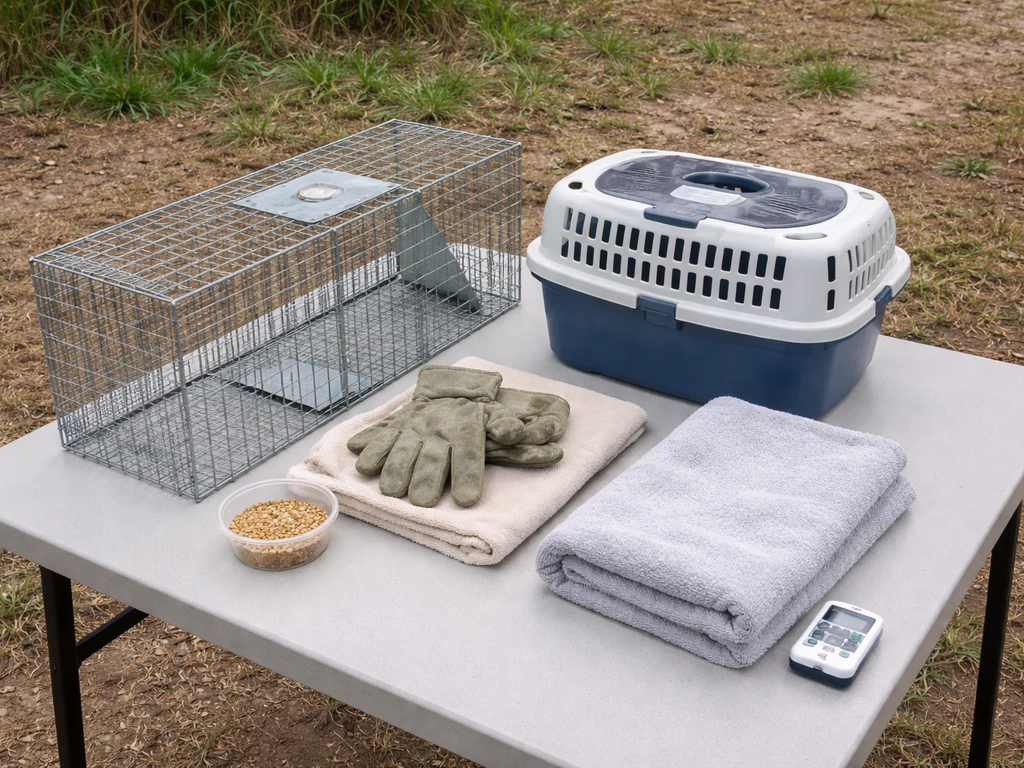
Good preparation takes five minutes and makes everything else go smoothly. Run through this before you start.
- Identify the species if possible: protected migratory bird, non-protected invasive (starling, house sparrow, pigeon), or escaped pet bird
- Check for injuries: is the bird walking, holding one wing low, or bleeding? If yes, call a licensed wildlife rehabilitator before attempting capture
- Gather your supplies: a cage trap or cardboard box with ventilation holes, a lightweight towel or pillowcase, gloves (for wild birds), appropriate bait (seeds, fruit, or the bird's usual food if it's a pet), a darkened carrier or transport box
- Pick your location: a quiet area with limited foot traffic, away from pets and children, where the bird has already been spending time
- Clear the space: close windows, cover mirrors and glass surfaces in enclosed areas to prevent panic flying and window strikes
- Plan your timing: early morning (just after sunrise) is the best window for most bird species because birds are active and hungry, and temperatures are manageable
- Have a contact ready: the number for your nearest licensed wildlife rehabilitator or avian vet, in case the bird is injured or you're unsure of the species
One thing people often overlook is temperature. A bird stuck in a hot garage or sunny yard can overheat quickly. If the weather is warm, work fast and keep the containment area shaded. On the flip side, a cold or wet bird is already stressed, so having a warm, dark box ready before you start the capture is essential.
Easy capture methods for wild birds in yards
For most yard situations, a live cage trap is the right tool. It's humane, low-tech, and when set up correctly, it works reliably. The basic principle: bait draws the bird in, the bird steps on a trigger plate, the door closes, and the bird is contained unharmed. You can buy wire mesh cage traps from hardware or garden stores in sizes appropriate for small to medium birds.
Before you even think about setting the trap, spend a day or two baiting without triggering it. Place the cage in the spot where the bird already feeds or roosts, prop the door open, and put bait inside. This lets the bird get comfortable with the structure. Birds that have entered a cage and eaten from it without incident are far more likely to enter again once the trap is set. This approach applies whether you're dealing with a persistent yard bird or following guidance on how to capture a bird for the first time.
For birds inside a building or enclosed space, the guide/exclusion method usually works better than a trap. Open every exit you can, close all other openings (including covering windows with paper or a sheet so the bird doesn't fly into glass), dim the lights in the room, and wait. Birds tend to move toward light and open air. If they're still stuck after 30 minutes, place a cage trap baited with seed near the exit, or gently use a large towel held at arm's length to guide the bird toward the opening. Never chase a bird around a room, as the panic alone can be fatal from cardiac stress.
Easy capture methods for escaped pet birds
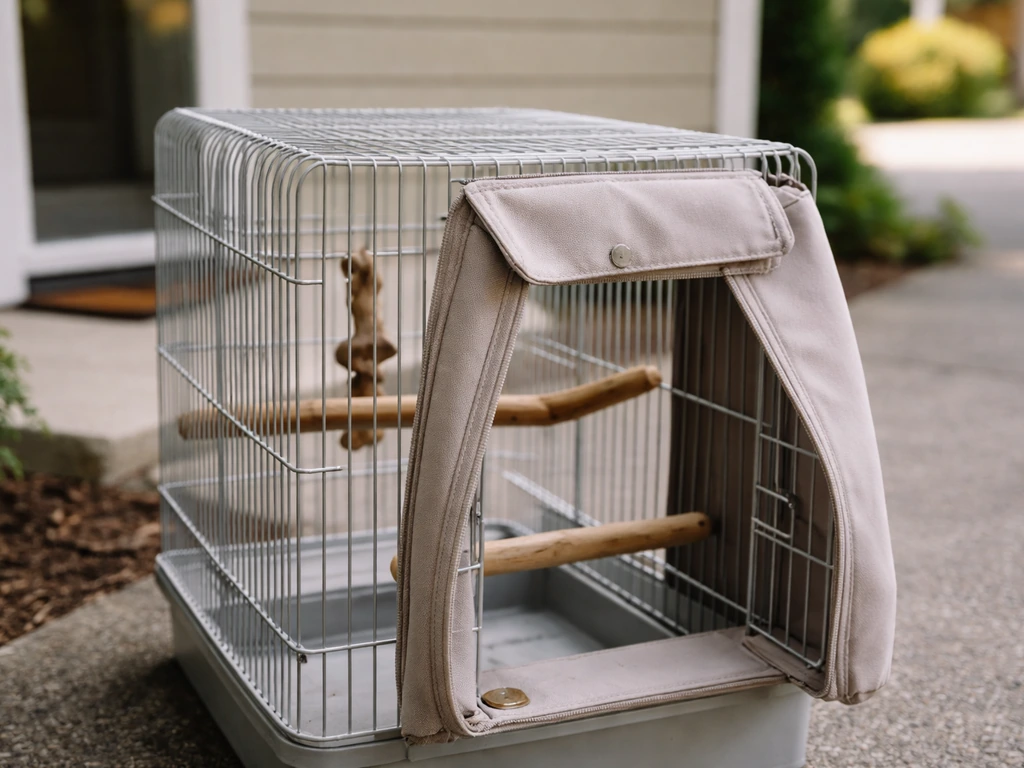
An escaped pet bird is a very different situation from a wild bird, and chasing it is almost always the wrong move. Your bird is already scared, disoriented, and using every bit of energy to stay safe. The fastest way to get it back is to stay calm and make yourself familiar and safe.
Start by placing the bird's own cage outside, near where it was last seen, with the door open and food visible inside. The sight and smell of a familiar space is a powerful draw. Sit quietly nearby, speak in your normal voice, and avoid eye contact, which birds read as a threat. For birds that know recall training, use the exact cues you've practiced. If your bird has a bonded companion, bring that bird outside in a travel cage nearby. The calls between them can bring an escaped bird down quickly.
If the bird has landed and is reachable, move slowly and sideways (not directly toward it), crouch to get below its eye level, and offer your hand or a perch at chest height. If it's exhausted or cold, it may step up readily. If it's still flighted and wary, you may need to gently corner it against a wall or fence using a large towel, then wrap it loosely and move it to its carrier. Don't squeeze, and don't cover the bird's nostrils. Once it's in a familiar carrier with its own food, most pet birds settle within minutes.
If your bird has been outside for more than a few hours or has flown a significant distance, it may need to be treated almost like a wild bird for recapture purposes. In those cases, catching a bird that has gone feral or is especially hard to approach requires a bit more strategy and patience.
Species-specific tips that actually matter
Parrots, cockatiels, and budgies
Parrots and cockatiels are smart enough to recognize a trap situation, which makes patience and familiarity your most powerful tools. If your bird won't step up, don't escalate. Sit near it for 10 to 15 minutes with no sudden movements, then try again. Favorite foods like millet spray, small pieces of fruit, or specific treats the bird associates with positive experiences work far better than generic birdseed as bait. For budgies, a familiar flock sound (even a recording) can help draw them toward you or toward a baited cage. Merck Veterinary Manual recommends observing the bird calmly in its space before attempting any physical restraint, and notes that many birds will step out onto a hand and can be gently toweled if needed.
Finches
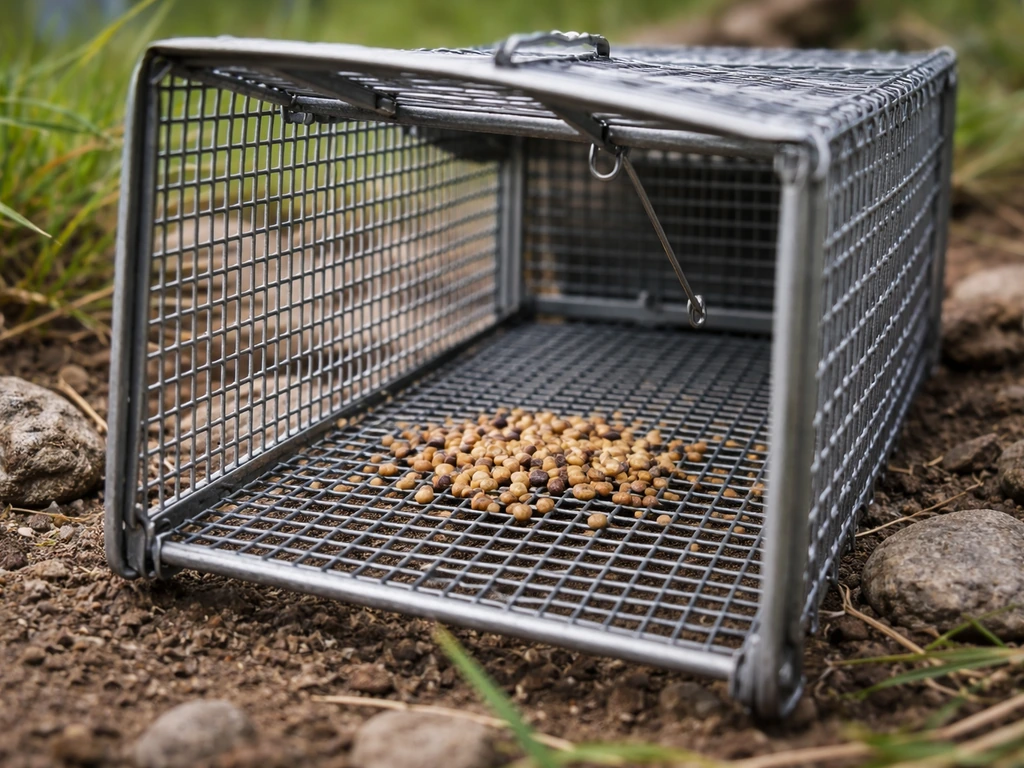
Finches are fast and skittish, so cage traps with a fine mesh or small-bar spacing are essential so they can't squeeze through or get a foot caught. Use finch-appropriate seed (nyjer or millet) as bait, and keep the trap low to the ground since finches are primarily ground and low-bush feeders. A finch that's been outside for more than a day may be harder to recapture because they blend into wild flocks quickly. Post flyers in the neighborhood and check with neighbors who have feeders.
Common wild birds: sparrows, starlings, pigeons, and similar
Sparrows and pigeons are relatively unfazed by cage traps and will enter a baited trap fairly readily, especially after a day of pre-baiting. Corn, millet, and cracked sunflower seeds work well. If you're dealing with a ground-nesting situation or a flock roosting on a structure, the approach is more about exclusion than trapping. For species like quail, where ground-level trapping is common, there are specific techniques worth understanding, and trapping quail follows slightly different rules around bait positioning and trap height than typical cage trapping. Snipe are a whole different challenge because of their habitat and behavior, and if you're dealing with one, reading up on how to catch a snipe bird specifically will save you a lot of frustration.
Peacocks and other large birds
Large birds like peacocks require a completely different scale of setup and often need more than one person. They can inflict real injury with their feet and beak, and a standard cage trap won't contain them. Catching a peacock involves larger enclosures, food-baiting over several days, and ideally a professional handler for the final containment step.
How to place bait, set the trap, and time the move
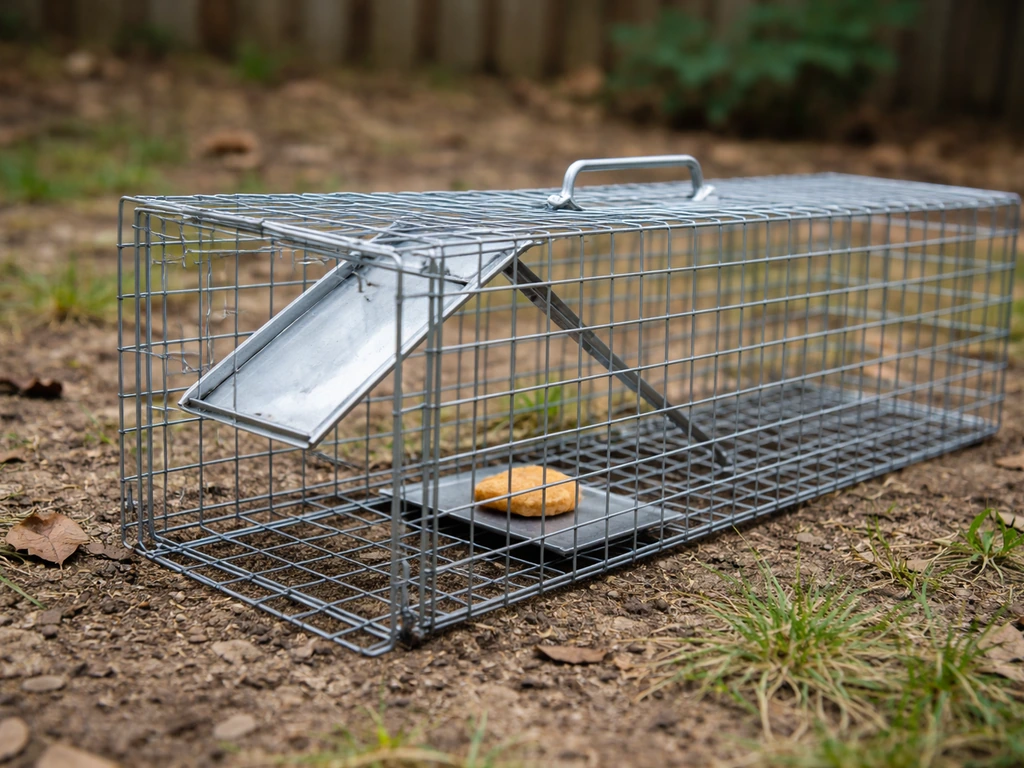
- Pre-bait without setting the trap: Place the cage in the bird's regular area with the door propped open and bait inside. Do this for one to two days so the bird eats from it comfortably. Use species-appropriate food: nyjer or millet for small seed-eaters, cracked corn or whole grain for pigeons and sparrows, mealworms for insectivores.
- Position the bait correctly: Once you're ready to set the trap, place the main bait at the center or rear of the cage, directly behind the trigger plate. The bird must fully step inside and onto the plate to reach it. A small trail of seed leading to the entrance helps, but keep the real draw behind that trigger. Don't get bait under the trigger plate mechanism, as this can prevent the door from closing properly.
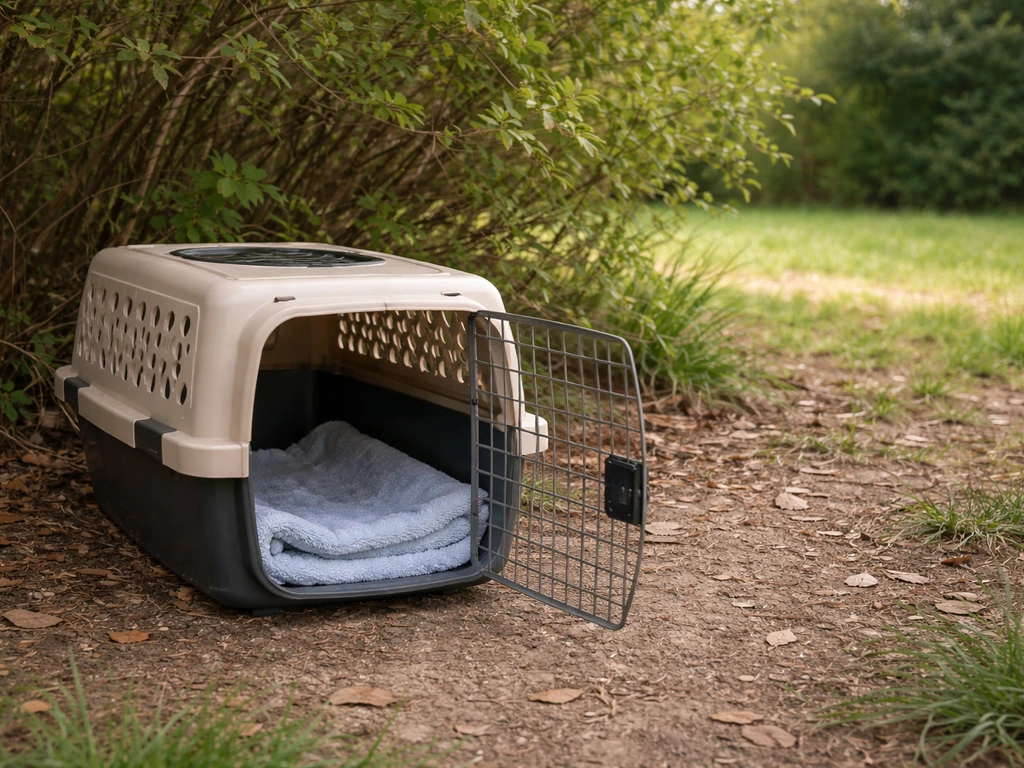
- Set the trap in the right spot: Place it where the bird has already been feeding, roosting, or walking. Flat, stable ground is important so the trap doesn't wobble and startle the bird. In yards, position it along a fence line or under a shrub if the bird prefers cover. In open areas, camouflage lightly with natural materials from the site.
- Time your set: Early morning is best, right after sunrise when birds are actively feeding. Avoid setting in midday heat. Check the trap frequently, at minimum every few hours, and never leave a set trap unattended overnight. The AVMA recommends checking at least once every 24 hours, but for birds, more frequent checks (every 2 to 3 hours) dramatically reduce stress and injury risk.
- The moment of capture: When the bird has triggered the trap and the door is closed, approach slowly and quietly. Cover the trap with a light cloth or towel immediately to reduce visual stimulation and calm the bird. Move it to a quiet, shaded area before attempting transfer.
For situations where you want to use a manual drop or snare method instead of a standard cage trap, the techniques are more hands-on and require more precise timing. Snaring a bird is a specific skill that only applies in narrow circumstances and comes with its own set of legal and safety considerations.
Troubleshooting: when things aren't working
| Problem | Likely Cause | Fix |
|---|---|---|
| Bird won't enter the trap | Trap is unfamiliar or in the wrong location | Move trap to where bird actually feeds; pre-bait without setting for 1-2 more days |
| Bird enters but doesn't trigger the door | Bait is too close to the entrance or the trigger is mispositioned | Move bait further back, behind the trigger plate; test the trigger with a light push to confirm sensitivity |
| Bird panics and injures itself inside | Trap left too long; no cover; high-traffic area | Check trap every 2 hours; cover with cloth immediately after triggering; set in a quieter spot |
| Trigger doesn't fire when bird steps on it | Bait or debris under the treadle; trigger adjusted too stiff | Clear any material from under the treadle; adjust trigger sensitivity per manufacturer instructions |
| Wrong bird (non-target species) enters | Bait too generalized or trap placed on a popular feeding route | Use more species-specific bait; move trap to a location the target bird uses exclusively |
| Bird refuses bait entirely | Wrong food for species; bird is too stressed to eat | Switch to a different bait; try a favorite treat or familiar food if it's a pet bird; give the bird more time to settle near the trap |
| Bird seems injured or won't move at all | Bird is sick or injured and needs professional care | Stop the trap setup; contain the bird in a dark, ventilated box; call a licensed rehabilitator immediately |
One common mistake is giving up too soon. Birds often take two to four days to fully trust a new object in their environment, even when it's baited with food they love. Patience and consistency matter more than any trick.
After you catch the bird: what to do next
Safe handling right after capture
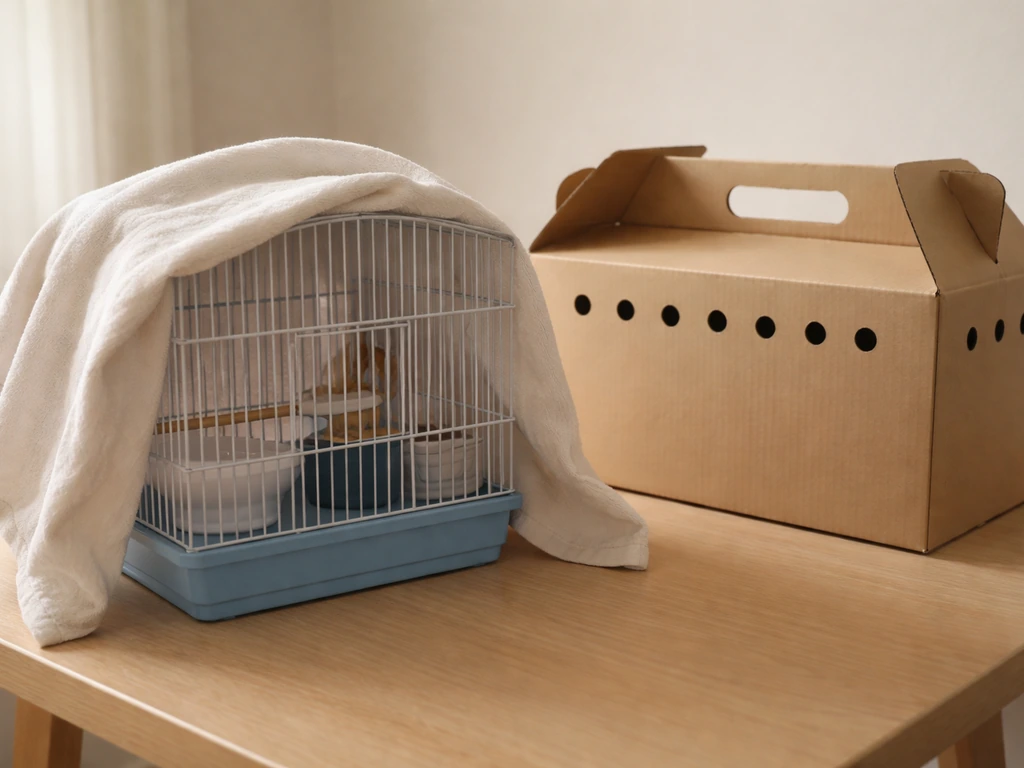
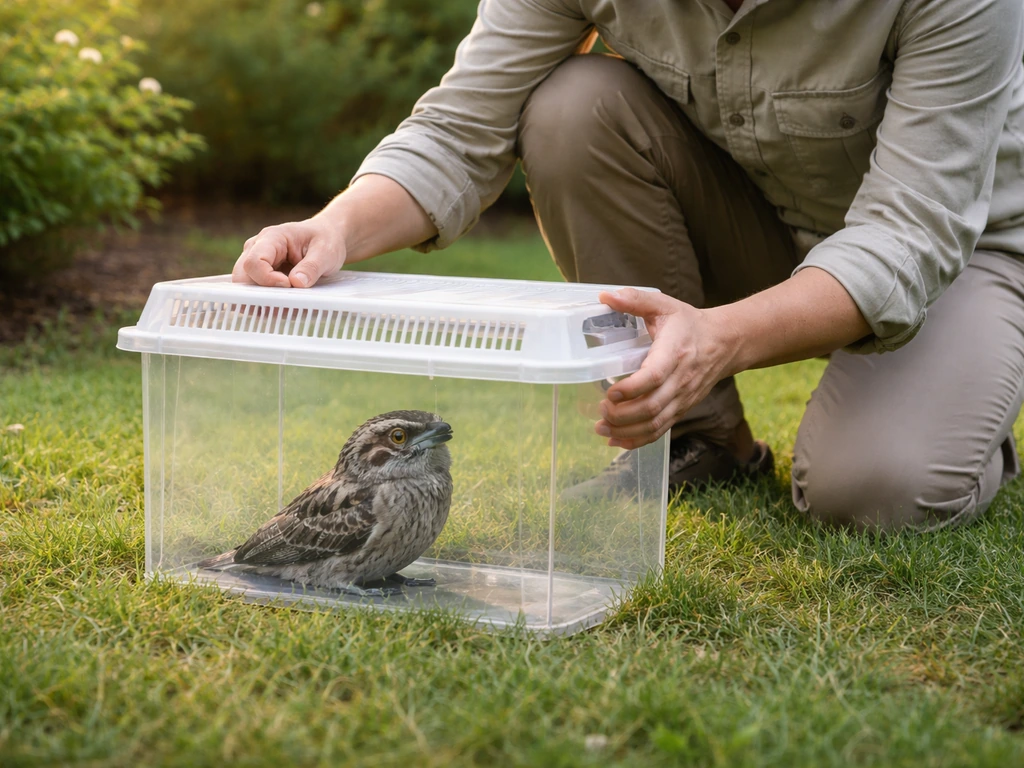
Cover the cage with a cloth the moment the door closes. This one step reduces panic dramatically. When you're ready to transfer the bird to a transport carrier, work quickly and calmly. For small wild birds, use a light towel to gently wrap the body with wings held loosely against the sides, support the feet, and keep fingers clear of the beak. Hold the bird upright, never on its back. Minimize restraint time as much as possible. The Merck Veterinary Manual emphasizes talking quietly and moving slowly throughout this process, which genuinely helps.
Temporary housing
Wild birds should be placed in a ventilated cardboard box or pet carrier lined with a non-slip surface (paper towel works). Keep it dark, quiet, and warm, around 80 to 85 degrees Fahrenheit for most songbirds. Do not offer food or water unless directed by a wildlife rehabilitator, as incorrect feeding can cause additional harm. Keep the box away from fans, air vents, pets, and children. Pet birds go into their own familiar carrier with their normal food and water available.
Release, relocation, and when to call a pro
For a healthy wild bird that flew into your garage and is uninjured, release is simple: take it outside and open the carrier door in a quiet area with trees or cover nearby. For injured birds, or birds you've held more than briefly, contact a licensed wildlife rehabilitator before releasing. Many state agencies prohibit releasing wildlife on public or managed lands without written permission from the landowner, and some states explicitly state that relocation is not recommended because of the risk to established local populations.
Call a licensed wildlife professional or avian vet if: the bird appears injured, lethargic, or has obvious wounds; it's a raptor or other large bird; you suspect it's a protected migratory species; or you've been holding it more than a couple of hours without being able to transfer it to proper care. Federal permits under 50 CFR § 21.76 are required for anyone rehabilitating migratory birds beyond very limited public handling exceptions, so this is genuinely not a DIY situation once the bird needs medical care.
For your recovered pet bird, schedule a vet check even if it looks fine. Escaped birds can be exposed to wild pathogens, temperature extremes, or stress injuries that aren't immediately visible. An avian vet visit within 24 to 48 hours of recovery is worth the peace of mind. And if you want to reduce the chance of this happening again, investing time in recall training and flight feather management is the most practical long-term solution.
FAQ
When should I stop trying to trap and switch strategies?
Yes. If the bird is calm and can exit on its own, the safest, most humane option is usually to remove the trap and switch to waiting plus exclusion. Keep doors or windows open, dim indoor lights, and cover reflective surfaces (like mirrors) to prevent additional confusion.
Can I feed a wild bird while it is trapped to calm it down?
Do not. Even if the bird looks healthy, do not offer food or water to an unknown wild bird unless a wildlife rehabilitator instructs you. Many injuries or shock states need medical assessment first, and incorrect feeding can worsen conditions or cause aspiration.
How do I position a cage trap so the bird enters and triggers it correctly?
The best trigger is the bird you are targeting. For yard cage traps, keep the pre-baiting spot exactly where the bird already feeds or roosts, then set the trap so the bird steps onto the trigger plate naturally (not forced). Avoid placing it where it can see you approach, and keep the trap area free of clutter that blocks escape routes.
What if the bird won’t enter once I actually set the trap?
Shifting the trap immediately is a common reason people fail. Birds that are comfortable with the cage during pre-baiting usually enter again if the trap location stays the same. If you must move it, move it slightly over time (for example, increments over 1 to 2 days), rather than a sudden relocation.
What should I do immediately after the trap door closes?
Covering the cage right when the door closes is helpful, and it also helps with handling afterward. When transferring, use a towel for support and keep fingers away from the beak, hold the bird upright, and avoid squeezing or covering the nostrils. The goal is to reduce panic, not restrain forcefully.
How can I prevent injury during transfer to a transport carrier?
For small to medium birds, most transfer issues come from jostling or placing the bird on its back. Keep the bird upright, minimize how long it is outside the dark transport carrier, and ensure the carrier has a non-slip lining so it does not slide.
A bird is stuck inside my house. Should I chase it or use a trap?
If it is within an enclosed space (garage, shed, room), the “open exits and block other paths” approach often beats trapping. If you still need a trap, place it near the exit route the bird keeps choosing, and avoid chasing. Chase attempts are risky because panic and exertion can quickly lead to cardiac stress.
How do I catch an escaped pet bird without stressing it more?
Yes, if the bird can be safely guided without physical pursuit. For a reachable, perched pet bird, move slowly and sideways, crouch to lower your height, and offer a familiar perch or hand at chest level. If it is not approaching, stop escalation and wait 10 to 15 minutes, then try again with familiar cues or treats.
What environmental conditions should I watch to avoid overheating or chilling the bird?
Temperature and airflow matter. In hot conditions, keep the containment shaded and limit time in exposed sunlight, because overheating can happen quickly. In cold or wet conditions, prepare a warm, dark box before capture so the bird can recover without spending extra minutes exposed.
What bait is best for different types of birds, and what should I avoid?
Most people make the mistake of using generic birdseed. Use bait that matches what the specific bird actually eats, and rely on favorites that the bird associates with positive experiences (like millet spray or specific fruit pieces for many parrots). For finches, use finch-appropriate seed, and keep the trap low because many finches feed low.
Can I just release the trapped bird somewhere nearby?
Don’t release a wild bird on public land unless you are sure it is allowed and appropriate. Many states restrict releases and, even where permitted, relocation can disrupt local populations. If the bird is injured, or you are unsure about permissions, contact a licensed wildlife rehabilitator before release.
When do I need to call a wildlife rehabilitator or avian vet instead of finishing the process myself?
If the bird appears injured, is lethargic, has visible wounds, is a raptor or large species, you suspect it is protected, or you cannot transfer it to proper care quickly, get professional help. Also seek help if you have held it for more than a couple of hours, because you may unintentionally put migratory birds at legal risk.
Next Articles
How to Trap Quail Bird Safely and Humanely Step by Step
Humane, step-by-step guide to safely trap quail using bait, live-capture setups, monitoring, handling, and release or tr
How to Capture a Bird Safely and Humanely: Step by Step
Humane, safety-first steps to capture an unknown wild bird or avoid it, with aftercare, taming tips, and legal guidance.
How Do You Catch a Unique Bird Safely and Humanely
Humane, safety-first steps to catch a unique bird: pet training or wild temporary capture, plus checklists and handoff r