You can make real, meaningful progress taming your bird in one day, but what that looks like depends on where you're starting. For most pet birds, 'tamed in one day' means noticeably calmer, willing to take treats from near your hand, and less panicked by your presence. Full step-up handling and finger-perching for a scared or newly adopted bird usually takes longer. That's not a failure. That's just how trust works with a prey animal. If you go into today with that mindset and follow the right steps, you'll end the day with a bird that trusts you measurably more than it did this morning.
How to Tame Your Bird in One Day: Step-by-Step Plan
Clara Hayes
21 May 2026
What 'taming in one day' actually means
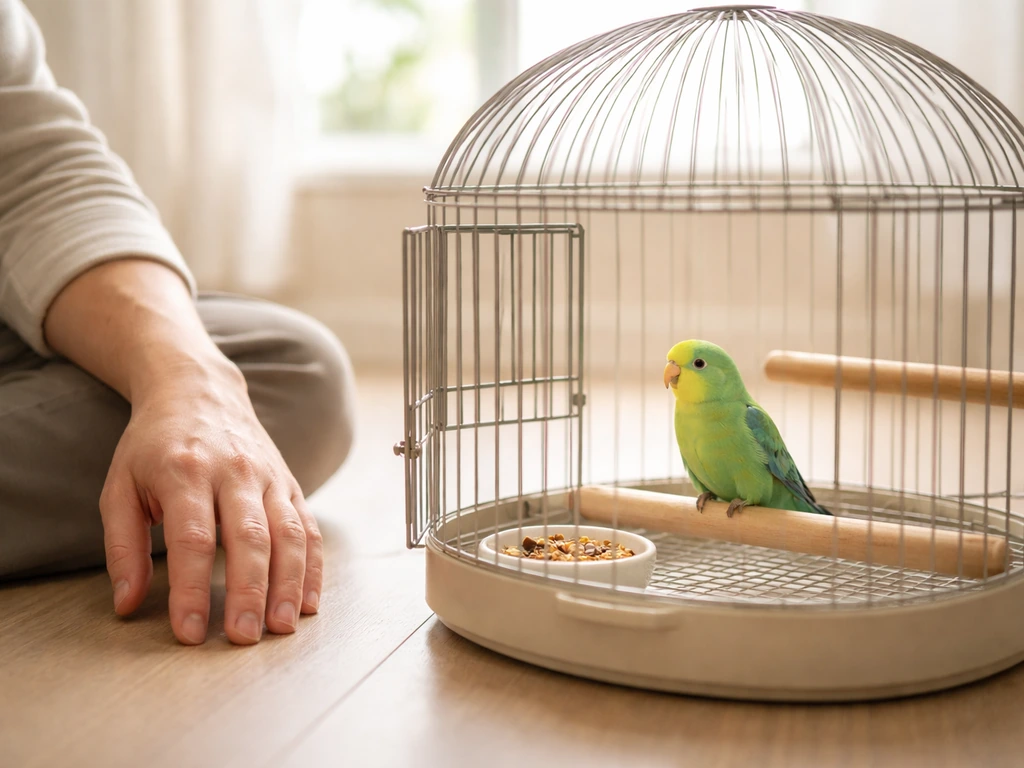
Birds are prey animals. Their instinct is to treat anything new, large, or fast-moving as a potential threat. That includes your hand. When you 'tame' a bird, you're not overriding that instinct by force. You're slowly proving to the bird that you are not a threat, and then that you are actually a source of good things. One day is enough time to move the needle significantly, especially with hand-raised birds, young birds, or species that are naturally curious like cockatiels and budgies. With a freshly wild-caught bird, a severely traumatized rescue, or a species that is naturally more reserved (like many finches), one day gets you through the groundwork and not much more.
The honest goal for today: reduce visible fear responses (frantic flapping, alarm calls, puffing up and retreating), get the bird eating normally in your presence, and ideally have it take a treat from close to your hand. If you hit all three of those today, you are on exactly the right path. Full handling and step-up training are topics worth exploring in their own right, and there's a lot of nuance in how to hand tame a bird over a longer timeline. If you're wondering how to hand tame a bird beyond the one-day goal, the step-by-step approach in this guide will help you plan the right pace. But today, focus on trust first.
Safety checklist before you start
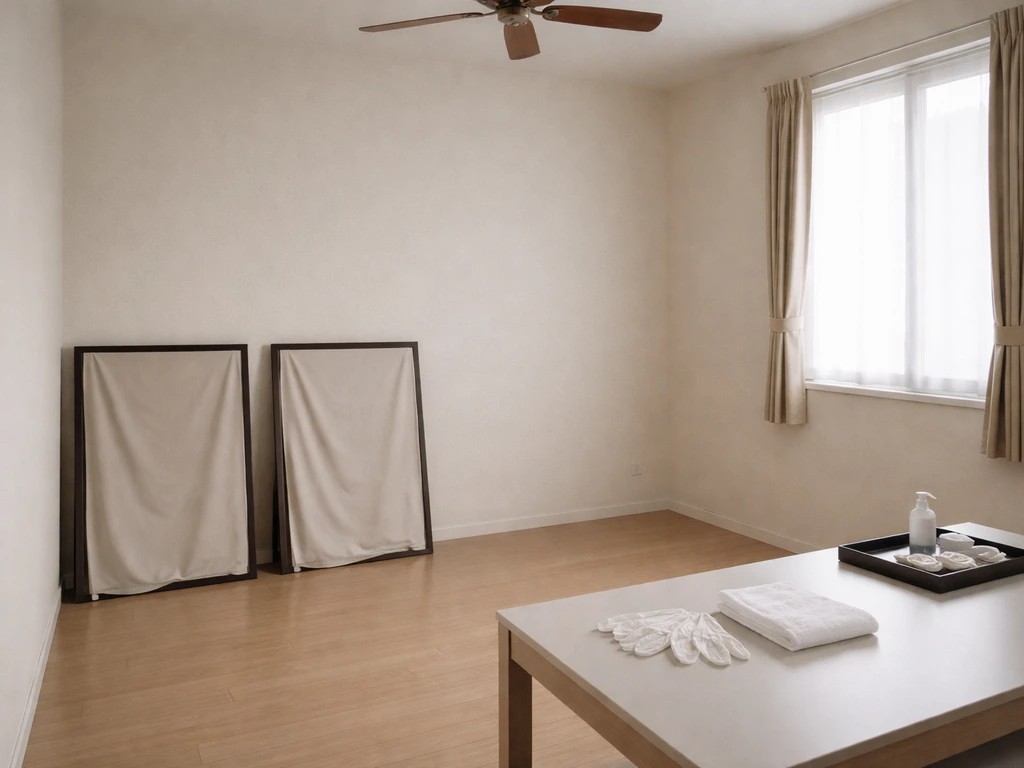
Before you do anything else, run through this quick setup. Skipping it is how sessions go wrong and set you back days.
- Close all windows, doors, and ceiling fans in the room where you'll be working. Birds that spook mid-session can fly into walls or escape.
- Remove mirrors, reflective surfaces, and other birds from the immediate training space. Other birds cause distraction and social stress.
- Make sure the cage is clean: fresh food, clean water, no moldy leftovers. A bird that feels sick or uncomfortable cannot focus on you.
- Check for emergency signs before you start: open-mouth breathing, tail bobbing, wheezing, or labored breathing at rest. If you see any of these, skip training and contact an avian vet immediately. Do not push through these signs.
- Wash your hands before and after every handling or training session. This protects both you and the bird.
- Don't train on an empty stomach. If you've recently changed the bird's food or it hasn't eaten today, get it eating normally first.
- Keep other pets, children, and loud sounds out of the room for the session.
- Wear plain, non-threatening clothing. Bright colors, hats, or dangling earrings can startle birds.
- Never put pressure on a bird's chest during any handling. Birds breathe differently than mammals and chest compression can be dangerous.
Your one-day plan by bird type
The same broad principles apply across species, but the pacing, body language cues, and treat choices differ. Here's how to run today based on what you have.
Parrots (conures, cockatiels, African greys, amazons, lovebirds)
Parrots are intelligent and emotionally sensitive. They will remember a bad interaction far longer than a good one, so today is about not making mistakes as much as it is about gaining ground. Start by spending 20 to 30 minutes just sitting near the cage and doing something calm: reading, working on a laptop, talking softly. Don't stare directly at the bird.
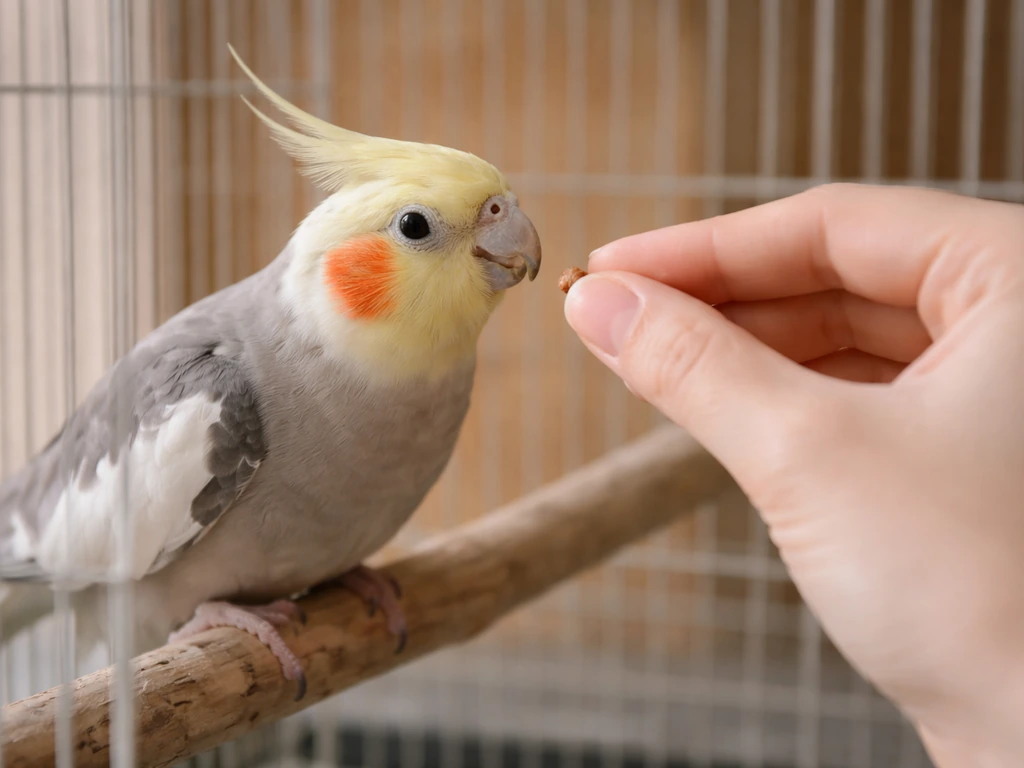
Let it observe you first. Once it's eating or preening (signs of relaxed alertness), move to treat introduction. Hold a preferred treat, like a small piece of almond, sunflower seed, or whatever your bird goes crazy for, just inside the cage bars or at the door. Don't reach in.
Just wait. The moment the bird takes or even approaches the treat, mark it with a calm 'yes' or a click if you're using a clicker, and let it eat. Do three to four short sessions of five to ten minutes each throughout the day, spaced at least an hour apart. Toward the late afternoon, if the bird is consistently approaching the treat, you can try holding the treat on your flat palm just inside the open cage door.
Keep your hand completely still.
A note on hormonal or territorial parrots: if your bird is displaying fanned tail feathers, regurgitating at you, or behaving aggressively without obvious fear triggers, that's sexual or hormonal behavior. The RSPCA is clear on this: walk away. Don't engage with this behavior and don't try to push through a taming session when it's happening. Come back in an hour.
Cockatiels
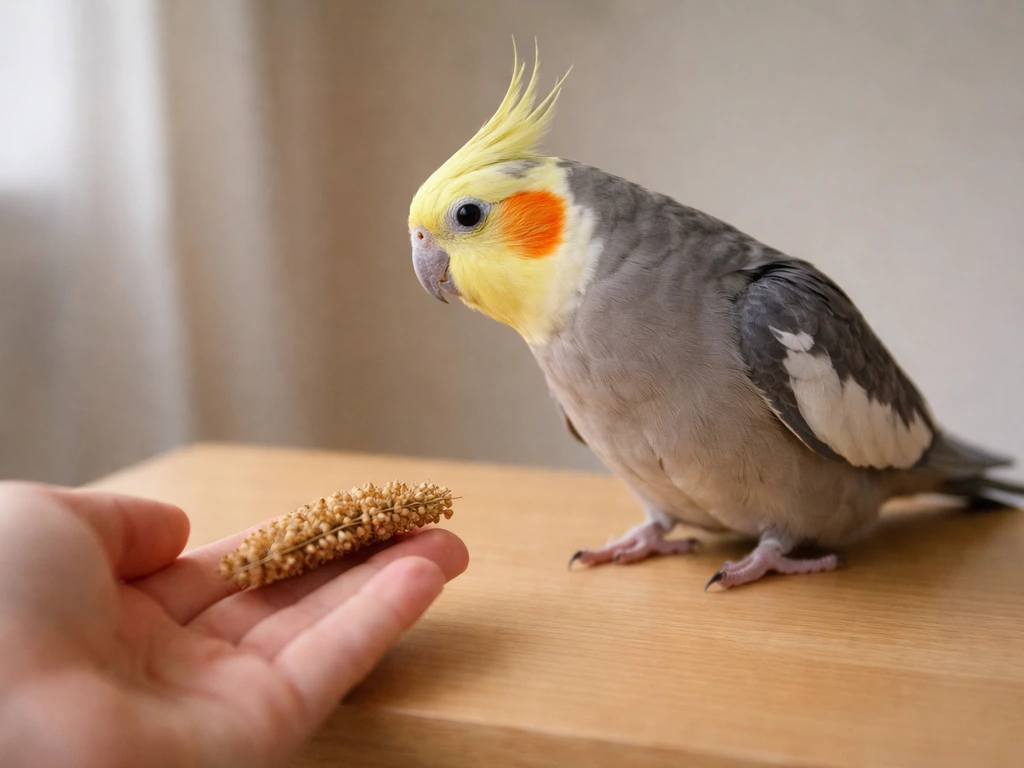
Cockatiels are one of the best candidates for genuine progress in one day, especially if they were hand-raised. They respond very well to calm presence, whistling, and millet. If your cockatiel is newly adopted or shy, start the day with presence-only: sit by the cage and let it get used to you. Millet spray is your secret weapon with this species.
Hold a sprig of millet just outside the cage bars. Cockatiels almost always can't resist it. Once the bird is eating millet from the spray in your hand through the bars, you're ready to try with the cage door open. Keep your free hand completely relaxed and visible, not hidden behind your back.
By the end of a full day of two to three short sessions, many cockatiels will step up onto a finger or perch extended gently toward their feet, especially if they were previously hand-raised.
Budgies (budgerigars/parakeets)
Budgies can be flighty and fast, but they're also intensely social and curious once they settle. The key with budgies today is confirming what treat they actually love before you start using it as a reward. Millet is the standard, but not every budgie has discovered it yet.
Offer a tiny amount inside the cage and watch the response. If they dive on it, you have your reward. Run your sessions the same way as cockatiels: presence first, treat at the bars, then slow progression toward an open hand at the cage door. One thing specific to budgies: they often tame faster when there's only one bird.
If you have a pair, it's actually normal that the birds bond to each other more than to you. Today, if possible, do your sessions with just one bird in the room.
Finches (zebra finches, society finches, canaries)
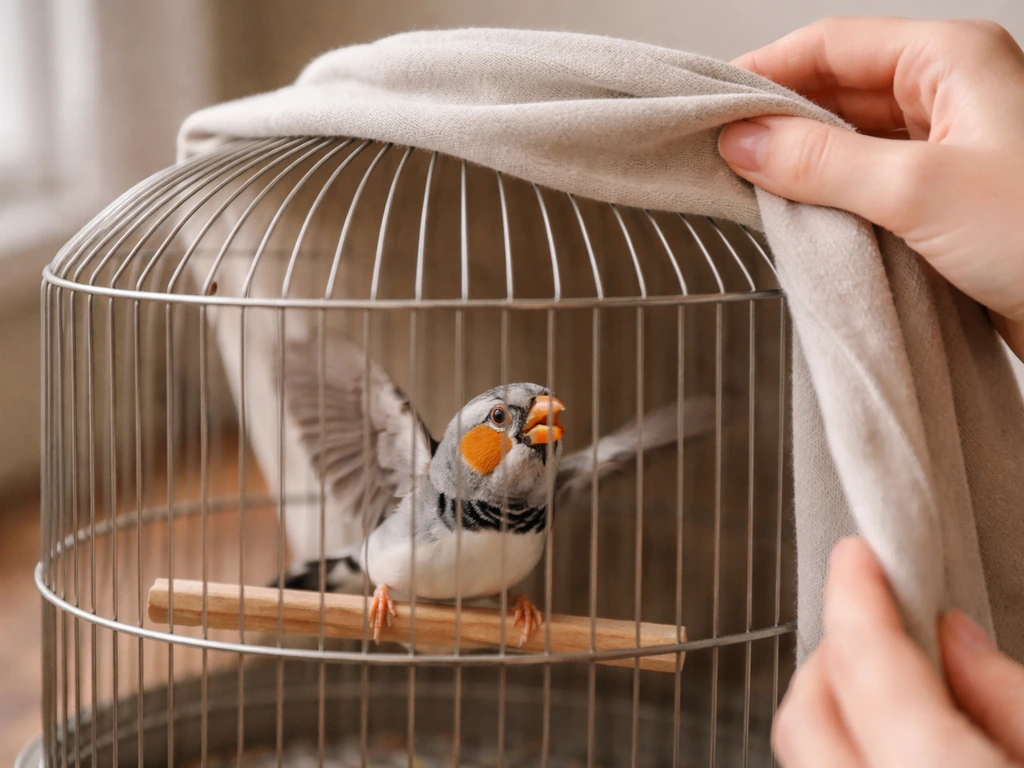
Be honest with yourself about what 'taming' means for finches. These are small, fast, naturally skittish birds that were never really bred for the kind of human-contact bonding that parrots and cockatiels are. In one day, a realistic goal is getting your finch to eat comfortably in your presence and to stop alarm-calling every time you enter the room. Actual hand-taming in the parrot sense is a long-term project for most finches and some never get there fully.
Today, focus on sitting quietly near the cage for extended periods, moving very slowly whenever you approach, and placing treats (small seeds, egg food, a piece of soft fruit) in the dish yourself so the bird associates your presence with food arrival. Don't attempt to put your hand into the cage today unless the bird is visibly calm. Progress with finches is measured in very small steps.
Desensitization and reward: the step-by-step method
The core technique for today is called desensitization combined with positive reinforcement. It sounds clinical but it's simple: you expose the bird to something mildly uncomfortable (like your hand nearby), pair it with something great (a treat), and repeat until the uncomfortable thing no longer triggers fear. Here's how to run each short session. If you want an even faster plan, use the desensitization and reward method to build trust step by step without overwhelming your bird.
- Sit down at the bird's level. Don't loom over the cage from above. Pull up a chair or sit on the floor.
- Be still for two to three minutes before doing anything. Let the bird re-settle if it alarmed when you came in.
- Introduce your hand (or the treat) slowly and only at the distance where the bird is alert but not panicking. That's your starting distance. Work at that distance, not closer.
- Hold the treat out. Do not wave it, toss it, or push it at the bird. Just hold it still.
- The moment the bird takes a step toward the treat, moves toward your hand, or takes the treat, say 'yes' clearly or click your clicker. The marker signal should come at the exact moment of the desired behavior, not after.
- Deliver the treat within about two to three seconds of the marker. The connection between the behavior and the reward is what builds the pattern.
- End the session before the bird gets tired or stressed. Three to five minutes is ideal for early sessions. Five to ten minutes maximum once the bird is engaged and relaxed.
- Walk away calmly after the session. Cover the cage if it's late in the day or if the bird is agitated after the session.
Run two to four of these sessions today with at least an hour between each one. More is not better. A bird that is overtired or overstimulated will be harder to work with tomorrow. Stop the session immediately if you see alarm calls, frantic movement, or the bird retreating to the far end of the cage and refusing to move. That means you've pushed too far. Next session, pull back to a greater distance and a slower pace.
If your bird is already comfortable near your hand but won't step up yet, you can introduce target training today. Present a small stick or the eraser end of a pencil near the bird's beak. When the bird touches it (even accidentally), mark and reward. This teaches the 'touch' behavior, which you can later transfer to stepping onto a finger. Keep target sessions at three to five minutes.
Wild birds in your yard: attracting vs taming
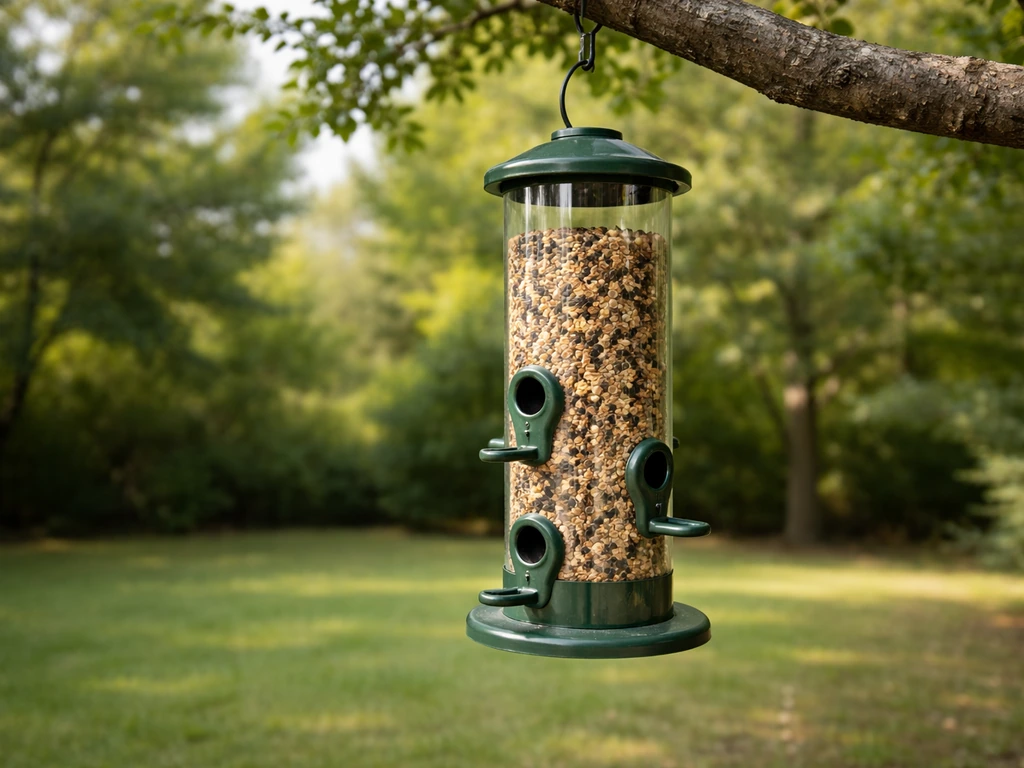
Wild birds are a completely different situation and it's important to be clear about this. You cannot and should not try to 'tame' most wild birds in the way you tame a pet bird. Wild birds in your yard are legally protected in most of the US under the Migratory Bird Treaty Act, and habituating them to close human contact can actually harm them by reducing their natural fear responses to real threats. What you can do is attract them reliably, observe them closely, and, over time, get them comfortable enough with your presence that they'll feed near you. That is the healthy and legal version of a 'tame' wild bird.
For today, here's the approach that works. Set up or refresh a clean feeder with appropriate food for your region and target species: black-oil sunflower seeds and nyjer seed cover most backyard species well. Do not use honey-water mixtures or bread, both of which can cause bacterial growth and respiratory illness in wild birds. Clean feeders are genuinely important here: moldy feeders spread disease through a flock. Then sit quietly about ten to fifteen feet from the feeder and wait. Over repeated sessions, you can gradually move your chair closer. Some habituated species like chickadees and nuthatches will eventually eat from a palm held with seed, but this takes days to weeks of gradual conditioning, not hours.
Do not attempt to catch, restrain, or confine a wild bird. Do not handle dead wild birds with bare hands. If you find an injured wild bird, contact a licensed wildlife rehabilitator rather than attempting to tame or treat it yourself. Check your local ordinances before setting up feeders, as some areas have restrictions on wildlife feeding, and in some parts of the country certain types of feeding are banned outright.
| Approach | Pet bird | Wild bird in yard |
|---|---|---|
| Goal of 'taming' | Trust, handling, step-up | Habituation, feeding comfort near humans |
| Direct hand contact today | Possible with calm technique | Not recommended or appropriate |
| Best reward | Species-specific treat (millet, almond, etc.) | Quality seed mix at clean feeder |
| Session length | 3–10 minutes, 2–4 times | Extended quiet observation, gradual proximity |
| Legal considerations | Standard pet ownership rules | Migratory Bird Treaty Act protections apply |
| Health/hygiene notes | Wash hands after contact; vet care for illness | Avoid bare-hand contact; clean feeders regularly |
When things go wrong today: troubleshooting
The bird is biting
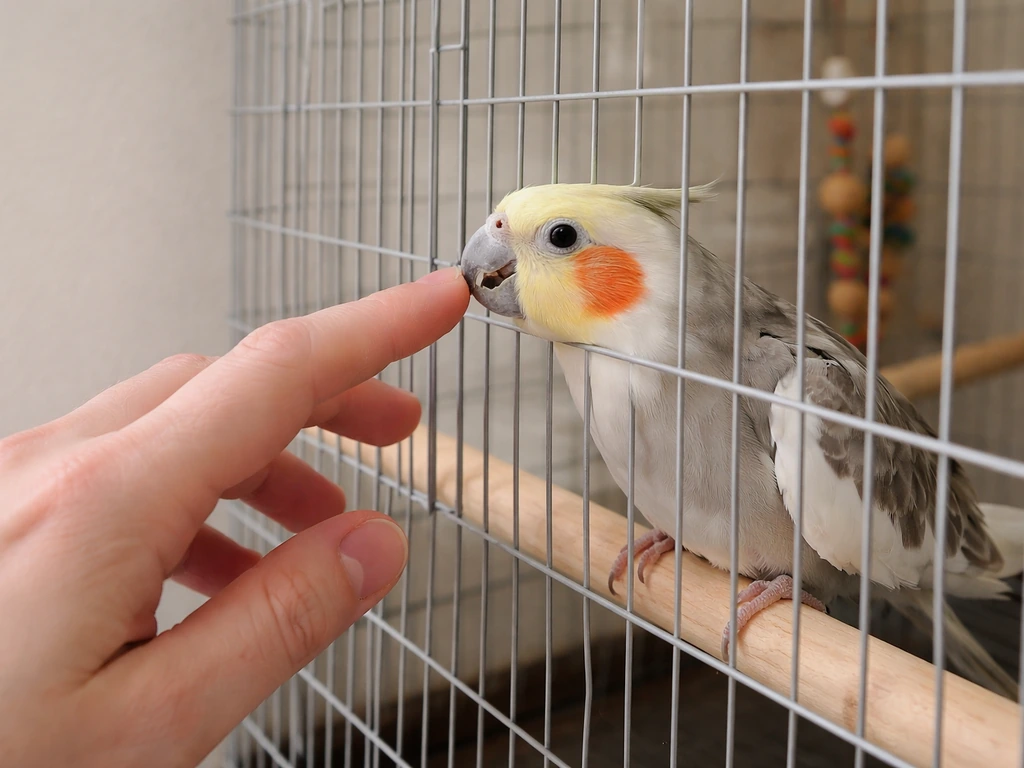
The worst thing you can do when a bird bites is yell, pull away sharply, or punish the bird. Yelling is reinforcing (it gets a reaction), and jerking your hand away teaches the bird that biting is an effective way to move your hand. If the bird bites, stay calm, remove your hand slowly, and end the session. Do not try again for at least an hour. Ask yourself: was your hand too close, too fast, or coming from above? Were there warning signs (pinning pupils, raised feathers, leaning away) that you missed? Biting is communication. It means the bird needs more time at the previous step.
The bird won't take food from anywhere near you
First, check that the bird is actually eating normally on its own when you're not around. If it's not eating at all, that's a health concern, not a training problem, and you should contact a vet. If the bird eats fine alone but freezes or retreats when you approach, you're moving too fast. Go back to basics: sit further away. Try placing the treat in the food dish so the bird doesn't have to come to you. Over several sessions, move the treat gradually closer to the cage bars. The bird will come to it on its own timeline.
The bird is showing extreme fear (panting, falling off perch, frantic flapping)
Stop immediately. Cover the cage partially with a light cloth to reduce visual stimulation and sit quietly across the room. Give the bird at least 30 minutes to calm down before checking on it again. If you see blank" rel="noopener noreferrer">open-mouth breathing, tail bobbing at rest, or any signs that look like physical distress rather than behavioral fear, treat it as a potential medical emergency and contact an avian vet. Stress can mask or trigger illness in birds, and a bird that appears ill should never be pushed through a training session.
The bird was doing well, then suddenly went backward
This is common and it doesn't mean you've failed. Birds have a strong memory for negative events, and one scary interaction (a loud noise, a fast movement, another animal appearing suddenly) can reset days of progress. The fix is the same as at the start: go back to the last step where the bird was comfortable, and rebuild from there. Don't try to skip forward to where you were. The Lineolated Parakeet Society puts it well: pushing or rushing can set the relationship back and require restarting from scratch. Slow down and you'll actually move faster.
Wild bird flew away and won't come back to the feeder
Give it time. Wild birds are cautious and will return to a reliable food source once the perceived threat (you) has been still and non-threatening for long enough. Stay seated, don't make eye contact directly with the birds, and avoid sudden movements. If the feeder has been recently cleaned or restocked, birds may need a day to rediscover it. Keep your sessions consistent and at the same time each day so birds learn to expect you.
Tonight and tomorrow: what to do after day one
End today by covering the cage for the night at the bird's normal bedtime. Keep the room quiet. Don't do a 'one more try' session after the bird has settled down for the evening. Rest is genuinely important for birds and a tired, disturbed bird is harder to work with the next morning.
Tomorrow, start by assessing where things are. Did the bird eat well overnight? Is it alert and active this morning? If yes, pick up where you left off in today's last successful session.
If the bird seems more relaxed with your presence already (eating while you're in the room, not alarm-calling when you walk in), you can very gradually move your sessions forward: shorter distance to the treat, hand slightly inside the open cage door, or gentle introduction of a finger just below the bird's feet without pressing or scooping.
If your goal is to get an untamed or skittish bird back in the cage, focus on slow, low-stress steps using food and predictable timing get an untamed bird back in the cage.
Consistency matters more than duration at this stage. Short, calm sessions every day will build trust faster than long, intense sessions every few days. If you're working on step-up training specifically, that's a natural next phase to focus on once the bird is reliably taking treats from your hand. The path from 'takes treats from my hand' to 'steps up on command' typically takes anywhere from a few days to a few weeks depending on the bird's history and personality. If you are wondering how long it takes overall, this is why the timeline can vary so much from bird to bird how long does it take to tame a bird.
There are situations where you should get professional help rather than pushing through on your own. If your bird shows any ongoing signs of illness (labored breathing, discharge, lethargy, not eating), contact an avian vet before continuing any training. If you're dealing with a bird with a history of serious aggression, a severe phobia response, or a rescue bird with unknown trauma, a consultation with an avian behaviorist can save you weeks of frustrating setbacks. For wild birds that appear injured or are behaving abnormally, contact a licensed wildlife rehabilitator. These are not signs of failure. They're just the right tool for a harder job.
FAQ
If my bird won’t take treats from my hand today, does that mean the one-day taming plan failed?
No. The one-day plan is designed to reduce fear and increase treat acceptance, not to produce reliable step-up behavior in every bird. If your bird can eat normally in your presence and will approach a treat within arm’s length (or inside the doorway) today, that counts as real progress, even if it still won’t step up tomorrow.
How do I know whether to move closer or pull back during a session?
Use a distance-based checkpoint: your next step should be something the bird can do while still showing relaxed alertness (steady posture, calm eyes, no frantic flapping or retreat). If it freezes, backs away, or refuses food, increase the distance and switch to “treat in the dish” (or treat at the bars) before you try hand delivery again.
What’s the most common mistake people make when offering treats to a fearful bird?
Avoid reaching quickly over the cage, and avoid sudden hand-height changes above the bird’s head. Instead, keep your hand low and still, approach from the side, and let the bird choose to move toward the treat. If the bird only calms after you stop moving, that’s a sign your motion speed is the trigger.
My bird takes food when I am not there, but not during training. What should I troubleshoot first?
Try a “food-motivated test” first. Check whether the bird will eat when you are in the room but not interacting, then confirm which treat reliably motivates it during training. If it takes the treat from the cage but won’t touch the treat on your palm, your delivery is likely the issue (position, stillness, or timing), not the treat choice.
When during the day should I run these one-day taming sessions?
For most parrots, cockatiels, and budgies, training works best in short windows when the bird is neither sleepy nor overexcited. If you notice tail puffing with agitation, persistent alarm calls, or rapid breathing during sessions, stop and resume later. You should also avoid training right after loud activity in the home, since birds can carry that stress into the next attempt.
Is it better to do extra sessions if my bird seems eager, or stick to the schedule?
Yes, but only within a safety rule: you should stop before the bird escalates. If the bird reaches “alarm” behavior (frantic flapping, repeated retreats, or refusing the treat), extend the break and do not repeat the same step immediately. A longer gap is usually better than repeating once more.
Can I use target training today to speed up step-up training?
Target training can help, but it is not the same as learning step-up. If your goal includes eventually stepping up, keep target sessions very short and always pair successful touches with reinforcement. Progress toward stepping up should only start once the bird actively touches the target without fear signs and can maintain calm when your hand approaches.
What should I do if my bird bites during the one-day taming attempt?
If the bird bites, do not yell or jerk away. Remove your hand slowly, end the session, and wait at least an hour before trying again at a safer distance. Then check for warning signs you missed, like leaning away, pinning pupils, or raised feathers, and reduce your approach level for the next attempt.
What if my parrot seems hormonal or territorial during training, not just afraid?
Yes, and it changes what you should aim for. If your bird shows sexual or hormonal behavior (for example regurgitation toward you, fanned tail paired with aggression, or unusually territorial guarding), the safest move is to pause training and give the bird time away. Later you can resume with a calmer interaction plan, but you should not try to “push through” during that behavior.
What should I do if my bird is not eating during training but eats fine when I leave?
If the bird is refusing to eat during training but eats normally otherwise, treat it as an exposure-timing problem, not a motivation problem. Go back to “treat at the bars” or “treat placed in the dish,” sit farther away, and only shorten the distance when the bird returns to eating quickly upon your presence.
Is covering the cage when a bird panics always the right response?
Covering a cage can help reduce visual stimulation, but it should be a temporary “reset” when the bird is overloaded. If you use a partial cover, do not use it to avoid medical concerns. If there are signs of physical distress (like open-mouth breathing or tail bobbing at rest), skip training adjustments and contact an avian vet.
How should I measure progress on day one if I’m not yet getting step-up?
A big part of one-day success is “state change,” not just exposure. Consistency matters, so keep sessions short, at similar times, and repeat the same cues. Also, measure progress by calm behaviors (eating, preening, approaching the treat) rather than by whether the bird allows handling.
Can I use the same one-day taming plan for wild birds in my yard?
If you are working with a wild bird, do not attempt handling or confinement, and do not try to force close contact. A realistic one-day outcome is repeatable feeding near you, not taming. Also, use region-appropriate food, keep feeders clean to reduce disease risk, and check local rules about wildlife feeding.
When should I stop trying the one-day plan and get professional help?
If biting or panic has escalated across days, or if the bird has ongoing illness signs (lethargy, discharge, labored breathing, or continued refusal to eat), professional support is the right next step. For severe phobias or a history of aggression, an avian behaviorist can adjust your plan faster than repeating the same distance and timing on your own.