You can make real progress taming a pet bird in as little as a few days, but the honest answer is that "quickly" means something different depending on the species, the bird's history, and what you're aiming for. A hand-raised cockatiel might step up for you on day one. A recently imported parrot or a scared rescue budgie might take two to four weeks before it stops flinching every time your hand enters the cage.
How to Tame a Bird Quickly: Safe Trust-Building Plan
Clara Hayes
2 May 2026
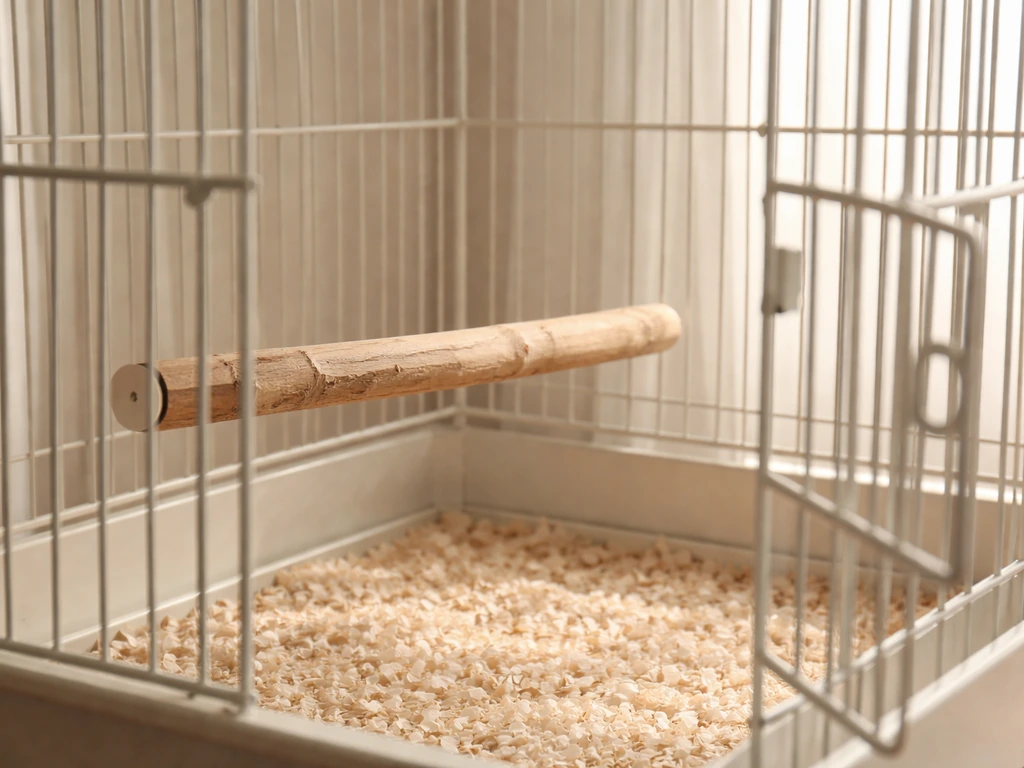
Wild yard birds are a different situation entirely: you can attract them and habituate them to your presence safely, but directly handling or taming a wild bird is both harmful and illegal in most cases. This guide walks through all of it, starting with what you can realistically accomplish today.
What "taming quickly" actually means
There are two different goals that often get lumped together. The first is short-term behavior wins: getting a bird to stop lunging, accept your presence near the cage, or step onto your hand. The second is genuine bonding, where the bird actively seeks you out and trusts you in novel situations. You can hit those early behavior milestones surprisingly fast. Real bonding takes longer, anywhere from a few weeks to a few months depending on the species and the individual bird.
A realistic timeline for most pet birds looks like this: in the first two to three days, the goal is simply reducing fear of your presence. By the end of the first week, most birds will accept treats from your fingers through the cage bars. Hand-feeding and step-up training typically happen in weeks two through four. Full, relaxed handling without stress signals usually comes after consistent daily work over four to eight weeks. If someone promises you a fully tamed parrot in 24 hours, be skeptical. You can make extraordinary progress in a day with a calm bird in the right conditions, but pushing too hard too fast is the fastest way to set yourself back by weeks.
Safety and humane handling basics first
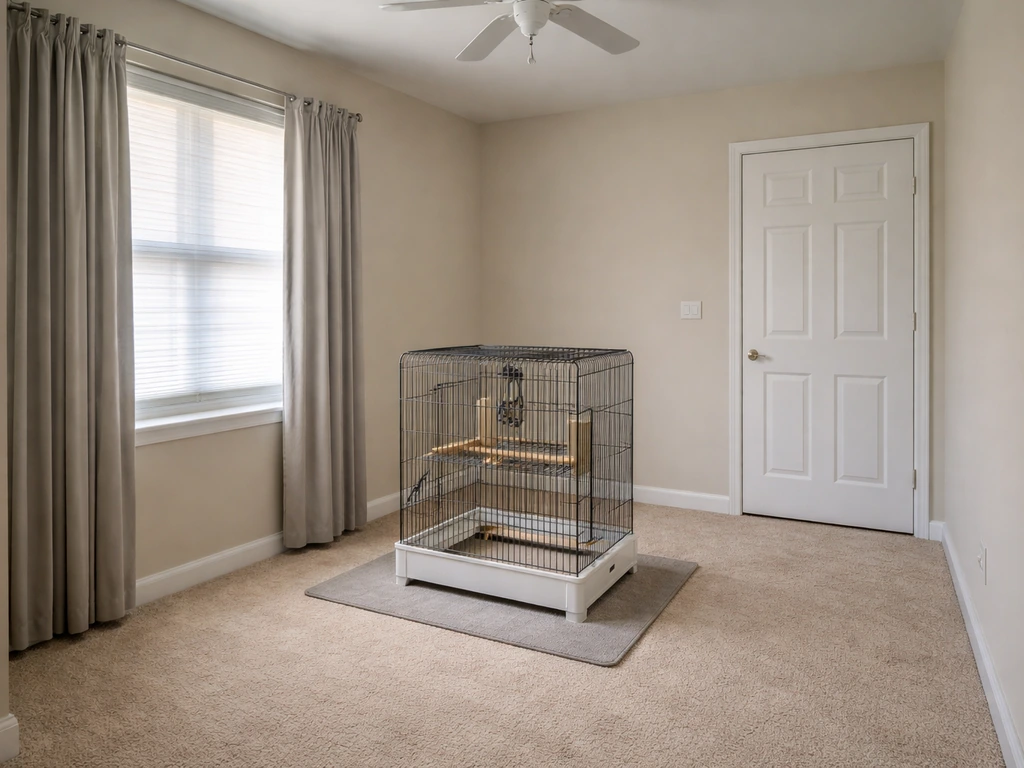
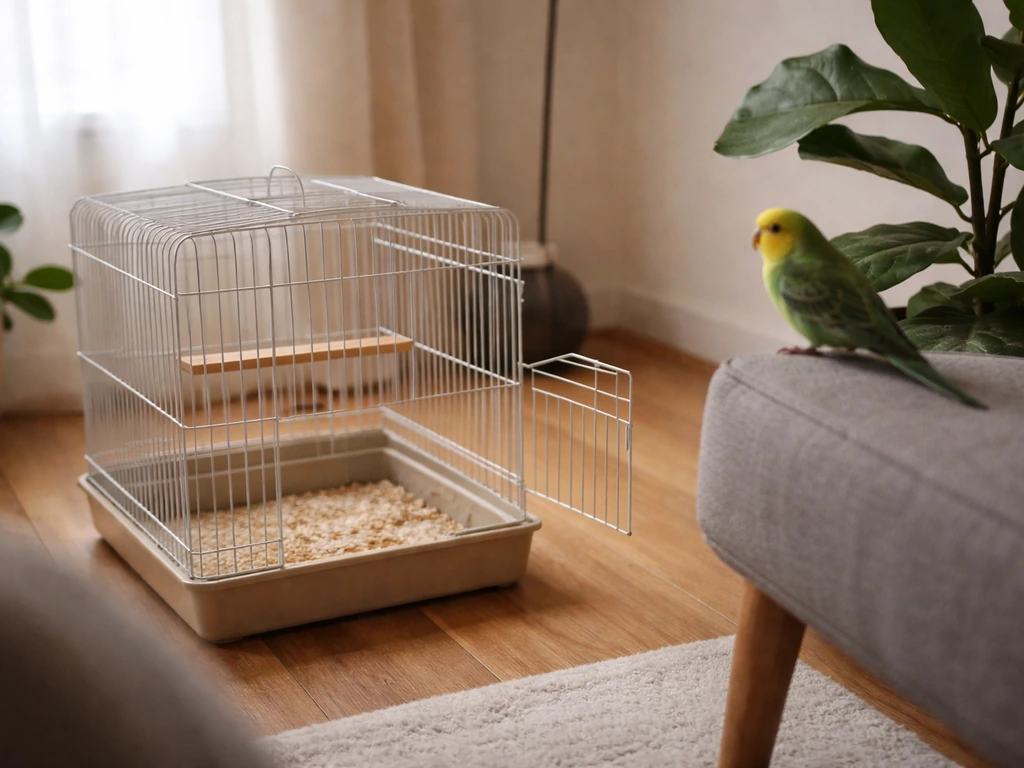
Before you touch anything, do a quick safety check. Make sure the room is secure: ceiling fans off, windows and doors closed, no open water sources like toilets or deep bowls, and no other pets in the space. Birds can go from cage to ceiling to behind the refrigerator in seconds, and a panicked bird is much harder to build trust with than a calm one.
Watch the bird's body language before every session. A bird that is puffed up, sitting low on the perch, and not eating is stressed or possibly sick. Do not push training on a bird showing those signs. A bird that is alert, moving around, vocalizing normally, and eating well is ready to work. Stress signals during a session include pinned eyes, rapidly fanning wings, open-mouthed panting, and frantic cage-climbing. If you see those, end the session immediately and give the bird 30 to 60 minutes to settle before trying again.
- Keep sessions short: 5 to 10 minutes maximum for nervous birds, two to three times per day
- Always move slowly and approach from the side rather than straight-on (direct eye contact can read as predatory)
- Speak quietly and consistently so the bird learns the sound of your voice as a safe cue
- Never grab, chase, or corner a bird to force handling — this destroys trust and can cause injury
- Wash your hands before and after every handling session
Building trust fast: a daily routine that works
Consistency is the fastest trust-builder there is. Birds are creatures of routine, and predictability from you signals safety to them. Build your sessions around the same time each day, ideally timed around the bird's natural active periods: mid-morning and late afternoon are usually best.
Start with proximity desensitization. Sit near the cage and do something calm: read, talk softly, eat a snack. Do not stare at the bird or reach toward it. Just be present. Most birds will stop alarm-calling within two to three sessions and start moving around normally while you're nearby. That shift is your green light to move to the next step.
- Days 1 to 3: Sit near the cage without interacting. Let the bird observe you at its own pace. Talk softly and move slowly.
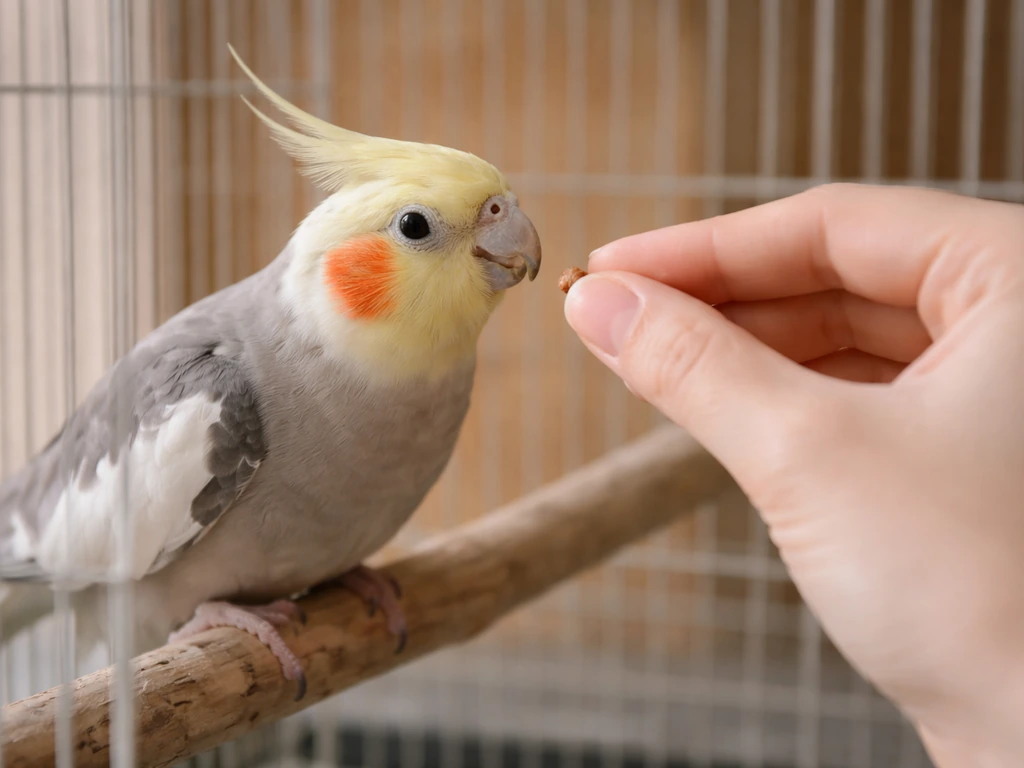
- Days 2 to 5: Offer a high-value treat (a piece of millet, a small slice of apple, a sunflower seed) through the cage bars. Hold still and let the bird come to you.
- Days 4 to 7: Once the bird takes treats comfortably through the bars, open the cage door and offer the treat from your hand just inside the opening. Do not reach in — just hold the treat and wait.
- Week 2: Begin target training inside the cage (see the section below). Introduce your hand more frequently inside the cage without forcing contact.
- Weeks 2 to 4: Work on the step-up cue. Introduce short, supervised out-of-cage time once the bird is reliably stepping up.
Reward training is the engine of this whole process. Use positive reinforcement only: offer a small treat the moment the bird does something you want, like moving toward your hand or stepping onto your finger. Timing matters enormously. The reward needs to come within one to two seconds of the behavior. If you're using verbal praise, use a consistent phrase like "good bird" in a bright, soft tone every single time.
Species-specific quick wins
Different species come with very different baselines. Knowing what's normal for your bird helps you set the right pace and avoid frustration.
Parrots (African Greys, Amazons, Conures, Macaws)
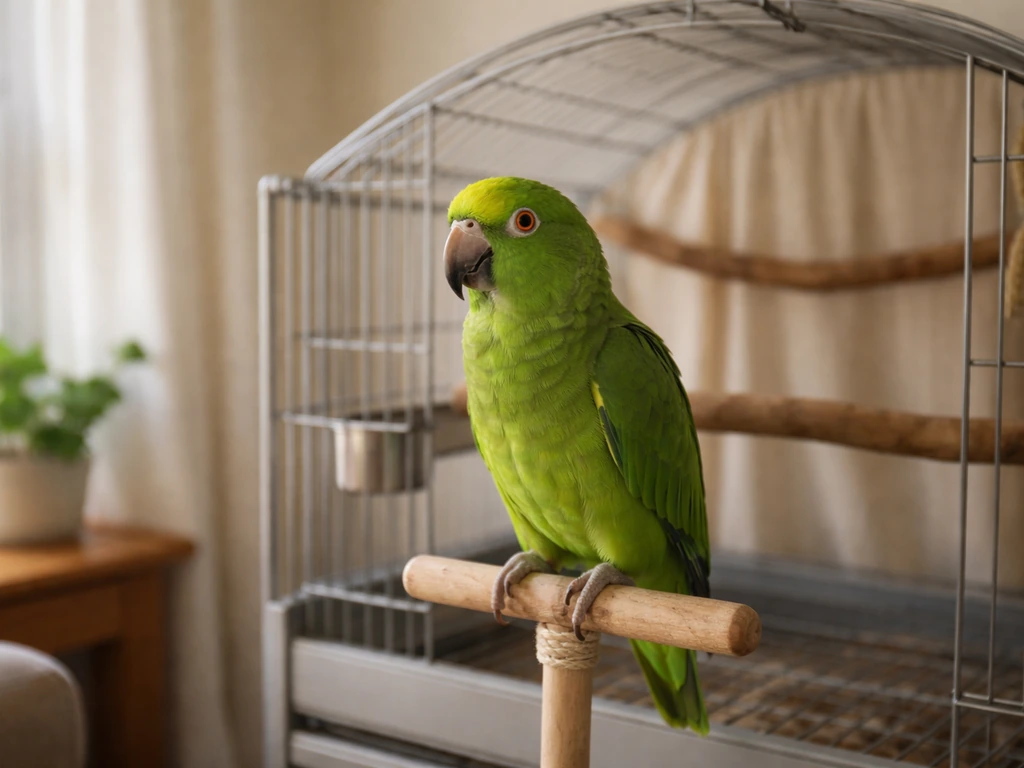
Larger parrots are intelligent but often reactive. They read your energy and body language acutely, and they have long memories for scary experiences. If a parrot has been poorly handled before, expect the desensitization phase to take longer, sometimes two to four weeks before the bird tolerates hand contact. The payoff is that once a parrot trusts you, the bond is remarkably deep. Use target training early (a chopstick or dowel the bird learns to touch with its beak), because it lets you direct the bird and build confidence without requiring physical contact. Conures are generally the fastest to warm up. African Greys and Amazons often need more patience.
Cockatiels
Cockatiels are one of the most rewarding species to tame because they genuinely enjoy human company once comfortable. A hand-raised cockatiel may step up on day one. A parent-raised or aviary cockatiel might take a week or two of consistent sessions. Millet spray is your best friend here: hold a sprig against the cage bars and let the bird eat from it while your hand is inches away. This builds positive association with your hand faster than almost any other approach. Cockatiels also respond strongly to your voice, so whistling simple tunes during sessions can accelerate bonding.
Budgies (Budgerigars)
Budgies can seem impossibly skittish at first, but they are social flock birds and they watch each other closely. If you have two budgies, training the bolder one first is the fastest path, because the second bird will often follow once it sees the first one taking treats from your hand. Young budgies (under four months) tame exceptionally quickly, sometimes within a week of consistent handling. Older, untamed budgies need more patience but are absolutely tameable. Keep the cage at eye level or just below, working with a bird that is perched above your eye line makes it feel dominant and less willing to accept your approach.
Finches
Finches are a fundamentally different case. They are not companion birds in the same way, and most finch species do not enjoy or benefit from handling. Trying to tame a finch the same way you'd tame a parrot will stress the bird without any real benefit to either of you. The goal with finches is habituation: getting the bird comfortable with your presence in the room, tolerating your hand near the cage when you're cleaning or refilling food, and maybe eventually eating from a dish you're holding. That's a win for a finch. If you genuinely want a hands-on bird relationship, a cockatiel or budgie is a much better match.
| Species | Typical time to first hand contact | Best treat | Ideal session length | Handling goal |
|---|---|---|---|---|
| Large Parrots | 1 to 4 weeks | Favored fruit or nut | 5 to 10 minutes | Step-up, shoulder time |
| Cockatiels | 3 to 14 days | Millet spray | 10 to 15 minutes | Step-up, head scratches |
| Budgies | 5 to 21 days | Millet spray | 5 to 10 minutes | Step-up, hand perching |
| Finches | Weeks to months (proximity only) | Small seeds in open dish | Passive presence only | Habituation, not handling |
Wild yard birds: what's actually possible (and what's off-limits)
This is where it's important to be direct. Directly taming or handling wild birds is harmful to the birds and illegal in most countries without a special permit. In the United States, nearly all native wild bird species are protected under the Migratory Bird Treaty Act. Handling them without a license, even with good intentions, can result in real legal consequences.
Beyond the legal side, the CDC specifically advises keeping distance from wildlife due to disease transmission risks, including avian influenza and other pathogens. The CDC also advises keeping distance from pet birds and wildlife because birds can spread disease, so safe handling and cleaning practices matter to help prevent transmission [keeping distance from wildlife due to disease transmission risks](https://www. cdc. gov/healthy-pets/about/birds.
html). This is not a technicality: wild birds carry bacteria and viruses that can transfer to humans through direct contact.
What you can do, safely and legally, is habituate wild birds to your calm presence. This is a genuinely rewarding process, and some species will eventually feed within a meter or two of a quiet, consistent observer. Here's how to do it right.
- Set up a reliable feeding station with fresh seed, suet, or a water source appropriate for the species you're attracting. Consistency matters more than abundance.
- Position a chair or seat about 3 to 5 meters from the feeder. Sit there quietly at the same time each day. Bring a book. Don't stare at the birds directly.
- Over one to two weeks, move the chair slightly closer every few days, only if the birds are feeding comfortably with you at your current distance.
- Some species, like black-capped chickadees and house sparrows, may eventually land within arm's reach if you hold seed in your open palm and sit completely still. This is the ethical limit of wild bird "taming."
- Never chase, corner, or attempt to catch a wild bird. If you find an injured wild bird, contact a licensed wildlife rehabilitator rather than attempting care yourself.
One important note on feeding: the USDA advises against indiscriminate wildlife feeding because it can create dependency and public health problems. Keep feeders clean (scrub them every one to two weeks), avoid ground-level feeding that attracts rodents, and remove feeders if you see signs of disease like unusually lethargic or stumbling birds in the area. For wild birds, the U.S. Fish & Wildlife Service also advises removing feeders when birds look sickly or when disease outbreaks are reported locally, because feeding can spread some diseases remove feeders if birds look sickly or disease outbreaks are reported locally.
Teaching key behaviors fast
The step-up cue
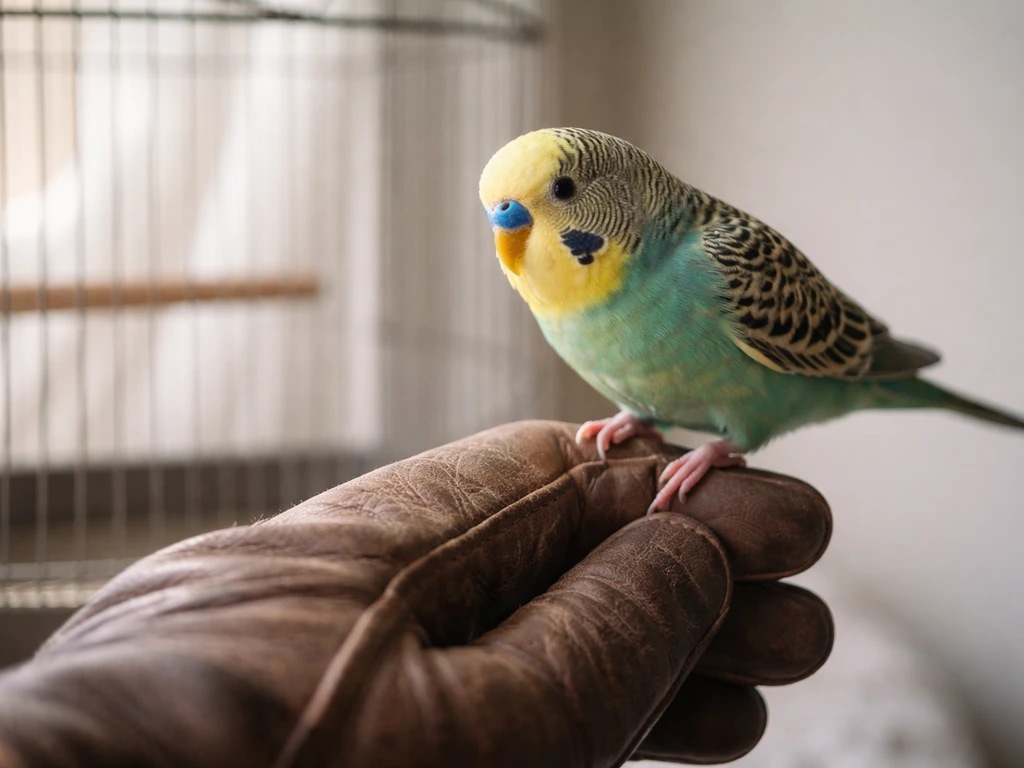
Step-up is the single most useful behavior you can teach a pet bird, and it's the foundation of safe, calm handling. If you end up with a pet bird that is already comfortable with your hand, you can build on the same daily routine for step-up and bonding described in how to hand tame a bird.
Present your index finger (or thumb for larger birds) against the lower chest of the bird, just above the feet, with gentle forward pressure. Say "step up" in a calm, even tone. The bird's natural balance instinct is to step onto the highest available surface, so this often happens with minimal coaxing once the bird is comfortable with your hand. Reward immediately with a treat and verbal praise.
Practice inside the cage first before asking for step-ups outside it.
Target training
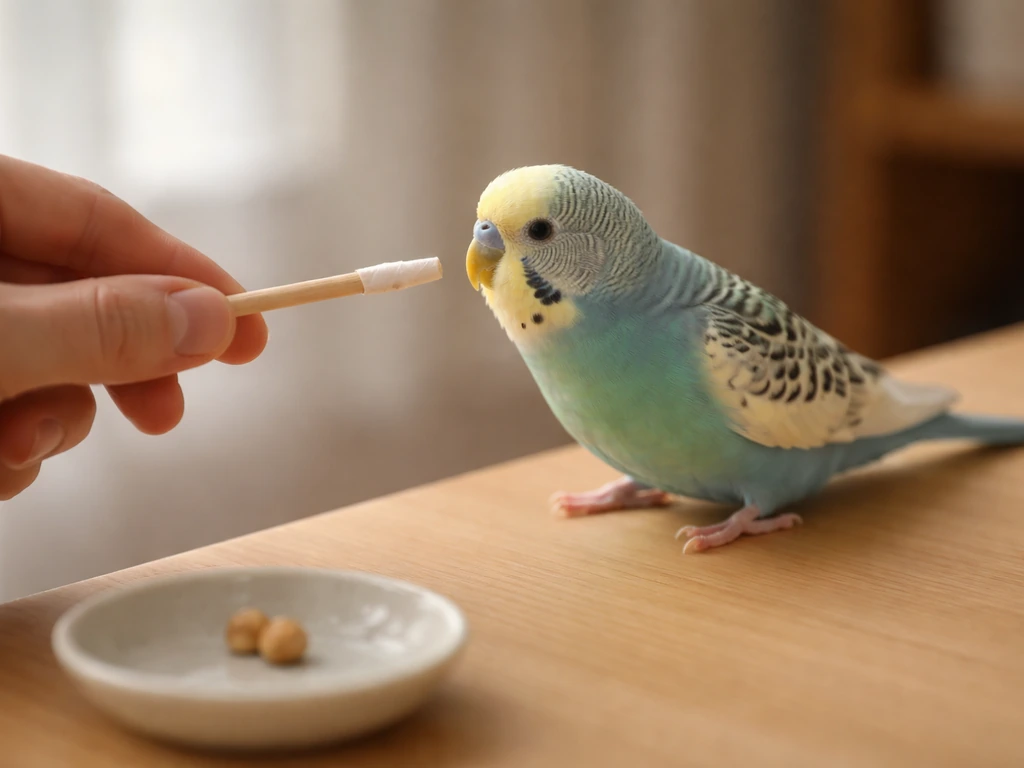
Target training is a low-contact way to direct a bird's movement and build confidence. Hold a chopstick, a pencil eraser, or a commercially made target stick near the bird. The instant the bird touches it with its beak, click (if you're using a clicker) or say your marker word and give a treat. Once the bird understands that touching the target earns a reward, you can use the target to guide it toward your hand, into a carrier, or onto a perch. This method is especially powerful with nervous or nippy birds because it removes the pressure of hand contact and lets the bird make the choice.
Hand-feeding
Hand-feeding accelerates trust faster than almost anything else because food is the universal positive experience for birds. Start with treats through the cage bars. Once that's easy, hold the treat just inside the open cage door and wait. Resist the urge to move your hand closer. Let the bird close the gap. When the bird consistently comes to your hand for treats, you can begin holding the treat between your fingers rather than in your flat palm, which gently introduces the sensation of your fingers near the bird's face.
Lowering fear responses
Desensitization works by gradual, repeated exposure to the thing the bird fears at a level that doesn't trigger a full fear response. If your bird panics when you move your hand into the cage, start by just resting your hand on the outside of the cage for a few minutes per session until the bird ignores it. Then move your hand inside the open door and hold still. Go at the pace the bird dictates, not the pace you wish it would go. Rushing this step is the single most common reason taming stalls.
Troubleshooting biting, fear, and setbacks
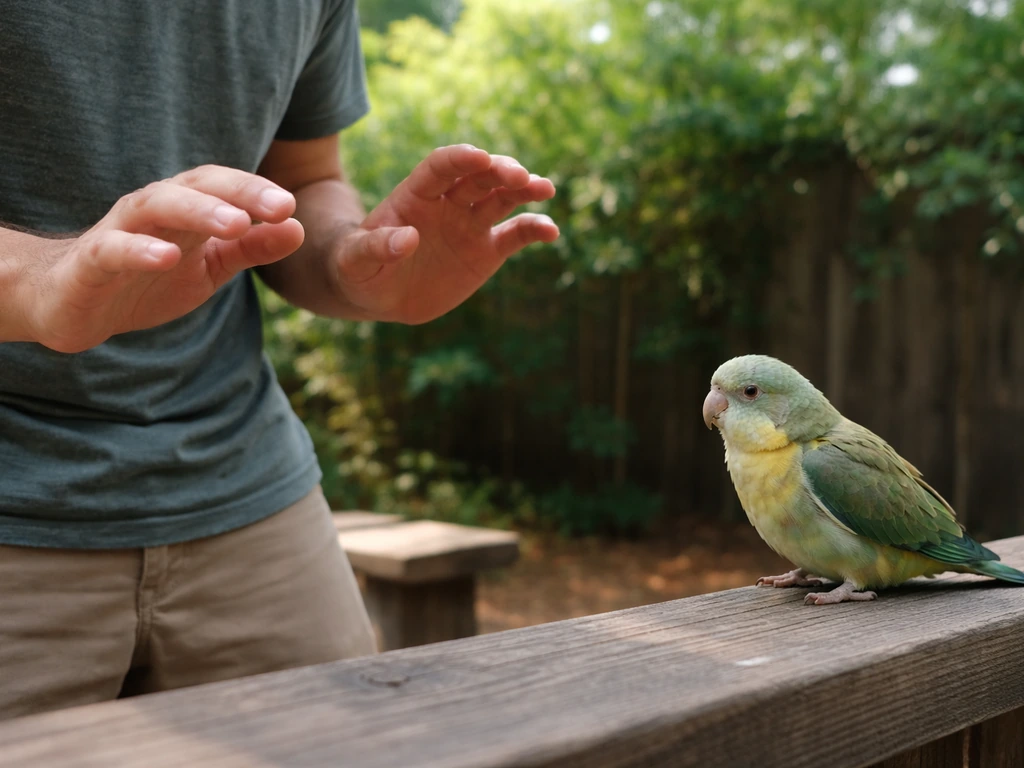
Biting and fear are communication, not defiance. When a bird bites, it's telling you that your approach was too fast, too sudden, or too close. The correct response is to stop, back off, and reassess where in the progression you actually are. Withdrawing your hand immediately after a bite rewards the behavior (the bite worked, the hand left), but staying still and not flinching, then calmly ending the session a moment later, sends a better message. Never punish a bite by yelling, blowing on the bird, or restraining it. That approach increases fear and aggression.
- Bird won't take treats: Try a different treat, or offer the treat at a greater distance. Some birds won't eat when stressed, so the first step is reducing the overall stress level, not pushing harder.
- Bird was improving, now seems worse: Regressions are normal, especially after a stressful event like a move, a vet visit, or a change in routine. Drop back to an earlier step in the progression and rebuild from there.
- Bird is screaming constantly: Check that all basic needs are met (food, water, appropriate light cycle, mental stimulation). Contact calls and some vocalization are normal; persistent screaming can indicate boredom, illness, or that sessions are too stressful.
- Bird lunges at the cage bars when you approach: Slow down and spend more days at the proximity-only phase before introducing your hand. Some birds need two weeks of calm observation before the hand even comes near the cage.
- Bird steps up inside the cage but panics outside it: This is common. Practice step-ups inside the cage daily for another week before attempting out-of-cage time. Introduce the outside environment gradually, starting with just one step out and immediately returning.
When to get professional help
Some situations call for help beyond a guide like this. If a bird is showing persistent signs of illness (fluffed feathers, closed eyes during the day, changes in droppings, loss of appetite) stop all training and get a vet appointment. If a bird has severe fear responses or was badly mishandled by a previous owner, a certified parrot behavior consultant can make a huge difference. For injured or orphaned wild birds, always call a licensed wildlife rehabilitator rather than attempting care yourself: they have the training, permits, and equipment to give the bird the best chance.
Your plan starting today
Here's what you can do right now. Figure out which category your bird falls into: hand-raised and fairly comfortable, parent-raised and cautious, or actively fearful and untamed. Match your starting point to the right step in the daily routine above. Gather a small supply of high-value treats your bird actually likes. Set a consistent session time for tomorrow morning. Then sit near the cage, keep your hands visible but still, and just be present. That first quiet session is the beginning of everything.
If you're working with a particularly frightened bird, the approach for calming a scared bird in a single day follows a slightly more intensive version of this same framework. If your bird is already out of the cage and you're trying to get it back safely, that's a different problem with its own specific steps.
If you are dealing with an untamed bird that has been outside the cage, the same fear-reduction and gradual desensitization approach helps you work toward getting it back in the cage safely get it back safely. And if you're trying to figure out how long this whole process will realistically take for your specific species and situation, the timeline varies enough by individual bird that it's worth looking at species-specific expectations in depth.
If you're wondering how long it takes to tame a bird, the next section breaks down realistic timelines by species and by how fearful the bird starts. The core principle stays the same across all of it: patience, consistency, and letting the bird set the pace will always get you there faster than forcing the issue.
FAQ
How quickly can I realistically tame my bird if I want step-up?
Yes, but “quickly” depends on what you mean. If your goal is simply to stop cage-lunging and flinching, you can often get noticeable improvement within the first 1 to 3 days by focusing only on proximity desensitization and finger treats through the bars. If your goal is step-up and relaxed handling, plan on weeks, because the bird needs repeated safe experiences before it will choose to contact your hand.
What treats should I use for fastest trust building, and what if my bird refuses them?
Pick the food your bird already seeks, then use small pieces sized so it can eat fast. If the bird won’t take that treat, switch to a different favorite rather than increasing hand pressure. Also, avoid feeding sessions when the bird is sick, fully stressed, or not eating normally, because you will accidentally teach fear instead of trust.
My bird seems to be getting more scared, what should I change first?
Stop and troubleshoot immediately. Re-check your pace (are you moving closer during the bird’s fear peak?), your distance (start farther back), and your session length (end before the bird hits panic levels). Then try the next session with smaller steps, for example, hand near the outside first, then door open without moving your hand, then brief inside stillness. The article covers ending the session after stress signs, but the key mistake is resuming at the same intensity too soon.
What’s the right way to respond if my bird bites during training?
Do not chase the bird with your hand or reach from above. Instead, use a calm, predictable approach near the bird’s level, pause, and let the bird choose. If a bird bites, the useful fix is to back off to the last stage it tolerated (like proximity with treats), then rebuild gradually. The fastest path back is usually one step easier than the last attempt, even if you feel ready to move on.
Can I tame my bird faster without relying on direct step-up at the beginning?
Yes. If your bird is calm but avoids your hand, try teaching “target” first, then use target to guide movement toward a finger or perch. Targeting reduces the stress of direct hand contact because the bird controls the choice to touch the target. Once the bird reliably touches the target, you can progressively reposition your finger as the “next available surface.”
Does my body language really affect how quickly my bird trusts me?
It can, especially for larger parrots, because they read your posture and energy. Aim for a neutral body position (shoulders relaxed, slow breathing, minimal sudden movements) and keep your hands visible but not reaching. If you tend to hover, talk while moving, or change positions quickly, the bird may never generalize that you are safe. Consistent placement, same session time, and the same quiet behavior usually produce faster progress than “trying harder.”
When should I start feeding at the open cage door, and how do I avoid slowing things down?
Often, yes. After treatment through the bars works, the next “fast” step is placing the treat just inside the open door and waiting, but keep your hand still and let the bird close the gap. If you move the hand toward the bird during the hesitation phase, it can reset the desensitization. A helpful decision aid is this rule: only increase closeness when the bird is already ignoring your presence and consistently accepting treats.
Why is my bird not learning even though it accepts treats sometimes?
Wrong timing is a common stall. If the treat comes after the bird already moved away, the bird learns the wrong association. Train with immediate rewards within about 1 to 2 seconds of the desired behavior, and use a consistent marker phrase or click if you use one. If you miss the timing a few times in a row, pause, reset the session, and try again later rather than stacking errors.
How long should a training session be if I want results quickly?
Too long or too intense sessions can cause fear carryover. A practical approach is to run short sessions that end while the bird is still comfortable, typically after a few good reps. If stress signals appear, end the session, let the bird settle for 30 to 60 minutes, then resume at an easier stage next time. You get speed by preventing fear dips, not by pushing through them.
What if my bird was previously handled badly, can I still tame it quickly?
Some birds need a re-start with basics, especially if they were previously poorly handled. For a scared history bird, targeting and door-open stillness are usually better “first wins” than immediate step-up attempts. Your quickest improvement often comes from returning to the earliest fear level it tolerated, for example, proximity through the cage bars, then rebuilding one stage at a time.
Are there species-specific “fastest first steps” I can use to save time?
For cockatiels, yes, they often respond quickly to voice and millet spray, but don’t assume it means you can skip steps. Even if step-up seems easy, keep using short, predictable sessions and reward the behaviors you want. For budgies, working with the bolder bird first can speed learning because the second bird copies the first, but you still must avoid dominant-feeling positioning by keeping the training at eye level or just below.
Can I tame a wild bird quickly, or what’s the safest alternative?
Do not attempt to handle wild birds for taming. A safer, legal alternative is habituation, which can still produce surprisingly fast improvements in how close a bird tolerates you, sometimes within a meter or two for some species, depending on behavior and local conditions. If you are considering feeding, keep feeders clean on a regular schedule and remove them if you notice illness signs, because disease can spread through crowded feeding areas.
What health or safety signs mean I should stop training and get help?
If your bird is fluffed up, has closed eyes during the day, changes in droppings, or loss of appetite, pause all training and contact an avian vet. Training progress requires the bird to eat and respond normally, otherwise you can accidentally teach fear or worsen stress. If the bird has severe fear responses or injuries, prioritize professional guidance (behavior consultant for pets, licensed rehabber for wildlife) over “trying one more time.”