Most birds bite out of fear, not spite. The fastest thing you can do today is stop any action that makes the bird feel cornered or threatened, stay calm when a bite happens, and start building a clear, predictable routine the bird can trust. That combination alone will reduce bites within days for most pet birds. The deeper work, which this guide walks you through step by step, takes a few weeks of short, consistent sessions.
How to Tame a Bird That Bites: Safe Humane Training Plan
Clara Hayes
22 May 2026
Why your bird is biting in the first place
Before you can fix the biting, you need to know what is driving it. Biting is communication, and birds only switch to it when everything else they tried was ignored. There are five main reasons.
- Fear and stress: This is the most common cause by far. A bird that feels trapped, approached too fast, or handled without warning will bite to create distance. PetMD is clear on this: biting is usually a sign of stress, not deliberate aggression.
- Pain or illness: A bird that is sick or hurting will bite when touched near the sore spot, or even preemptively because handling has become associated with discomfort. Any sudden change in biting behavior should flag a possible health problem first.
- Hormonal surges: During breeding season (roughly late winter through spring for many species), hormones spike and even a normally calm bird can become territorial, nippy, or flat-out aggressive. This phase passes.
- Resource guarding: Some birds bite hard when you approach their cage, food bowl, a favorite toy, or a bonded person. They are protecting something valuable.
- Overstimulation: Birds have a petting threshold. Once they hit it, biting is the off switch. Many owners miss the warning signs and keep petting until a bite happens.
A poor handling history also matters. If a bird has been grabbed, yelled at, or punished for biting in the past, it has learned that humans are unpredictable and the bite is the only reliable tool it has. Rebuilding trust after that history takes more patience, but the same principles apply.
What to do right now to reduce bites today
These steps are not long-term training. They are the emergency protocol for today, designed to stop accidental reinforcement and protect you while you start the trust-building work.
- Do not yell or react dramatically when bitten. This is probably the single most important rule. Yelling startles and excites the bird, which either frightens it more or rewards the behavior with a dramatic response. Stay neutral and move slowly.
- Do not jerk your hand away quickly. A fast withdrawal teaches the bird that biting works and can cause worse injury because the beak drags. Instead, gently push into the bite for a fraction of a second (which feels counterintuitive), then calmly remove your hand.
- Stop any handling session the moment a bite happens. Set the bird down calmly and walk away for a few minutes. No punishment, no lecture, just a quiet end to the interaction.
- Wear long sleeves to protect your arms during early training, but avoid heavy leather gloves. Leather gloves reduce your grip sensitivity and can actually increase the risk of injury because you cannot feel what the bird is doing. A towel wrap is safer for necessary restraint.
- Give the bird appropriate things to bite. Offer chew toys, foraging items, and destructible toys. Birds need to use their beaks. When the toy is more interesting than your hand, biting redirects naturally.
- Read the room before reaching in. If the bird is fluffed, growling, hissing, tail-fanning, or has its feathers slicked tight against its body, do not attempt handling right now. Wait for a calmer moment.
For any situation where you genuinely must move a biting bird safely, a towel wrap is the right tool. Drape a small towel over the bird, secure the wings gently against the body, and support the feet. Keep the head and face unobstructed so breathing is never compromised. This is sometimes called a towel taco and it is standard practice in avian handling. Use it only when necessary, not as a routine handling method, because frequent towel restraint without trust-building will increase fear over time.
Reading body language so you see the bite coming
Birds give plenty of warning before they bite. Once you learn to read these signals, you can de-escalate before the bite happens. Common pre-bite signals include: pupils pinning rapidly (rapidly dilating and contracting), feathers slicked tight against the body, tail fanning or flaring, crest raised stiffly or slammed flat depending on species, a lifted foot combined with other agitation signs, growling or hissing, and a hard stare with the beak pointed at you. When you see two or more of these together, back off, lower your hand, and give the bird space. The goal is to become someone who listens before things escalate.
The trust-building plan: consent, desensitization, and counterconditioning
The whole approach here is consent-based. That means you are asking the bird to participate, watching for its answer, and respecting a no. This is not about forcing compliance. It is about making interactions so predictable and rewarding that the bird starts choosing to engage.
Desensitization: shrinking the distance slowly
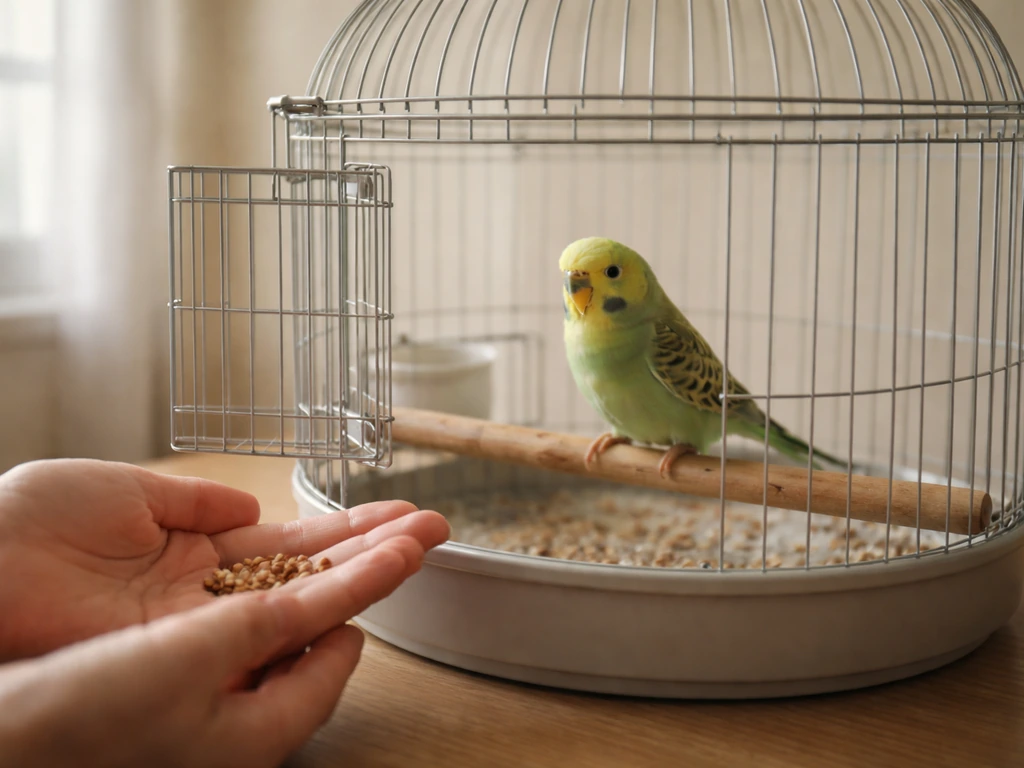
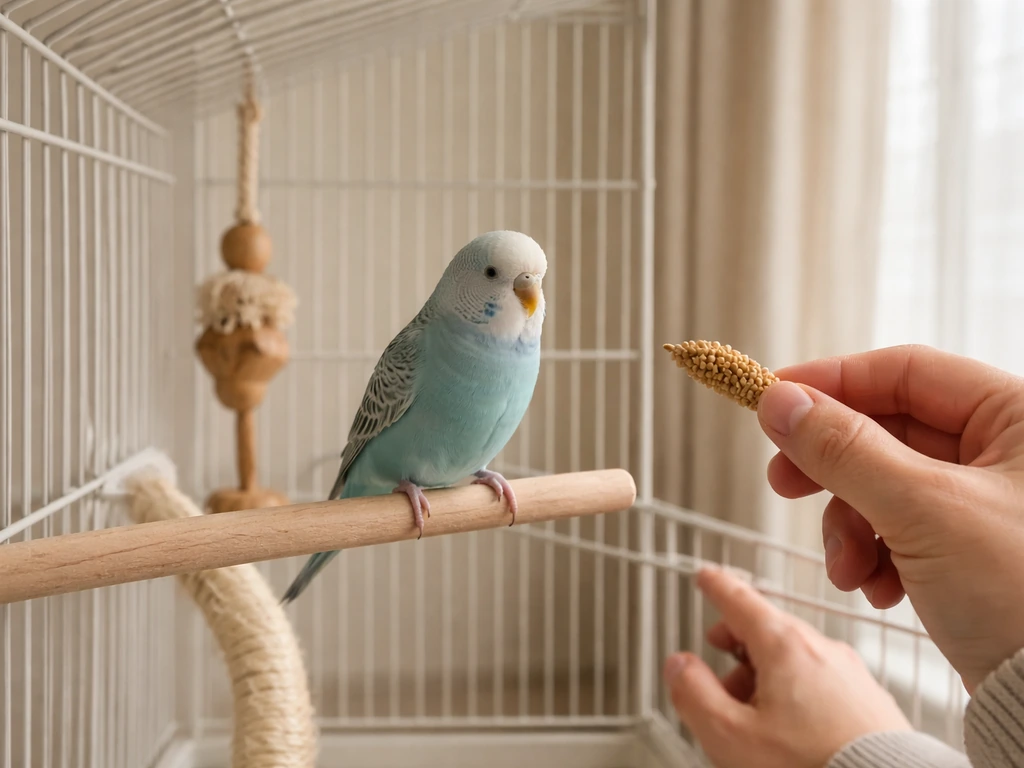
Start further away than you think you need to. Sit near the cage or perch and just be present without interacting. Read a book, talk quietly, offer a treat through the bars without requiring anything. Do this for five to ten minutes daily. Over days, you are teaching the bird that your presence predicts good things and nothing scary. Once the bird is relaxed with you nearby (no slicked feathers, eating normally, willing to take food), move one step closer and repeat. Do not rush this phase, especially with a scared bird. If your bird is especially fearful, the pacing in this section is a key part of how to tame a scared bird without setbacks.
Counterconditioning: pairing you with good things
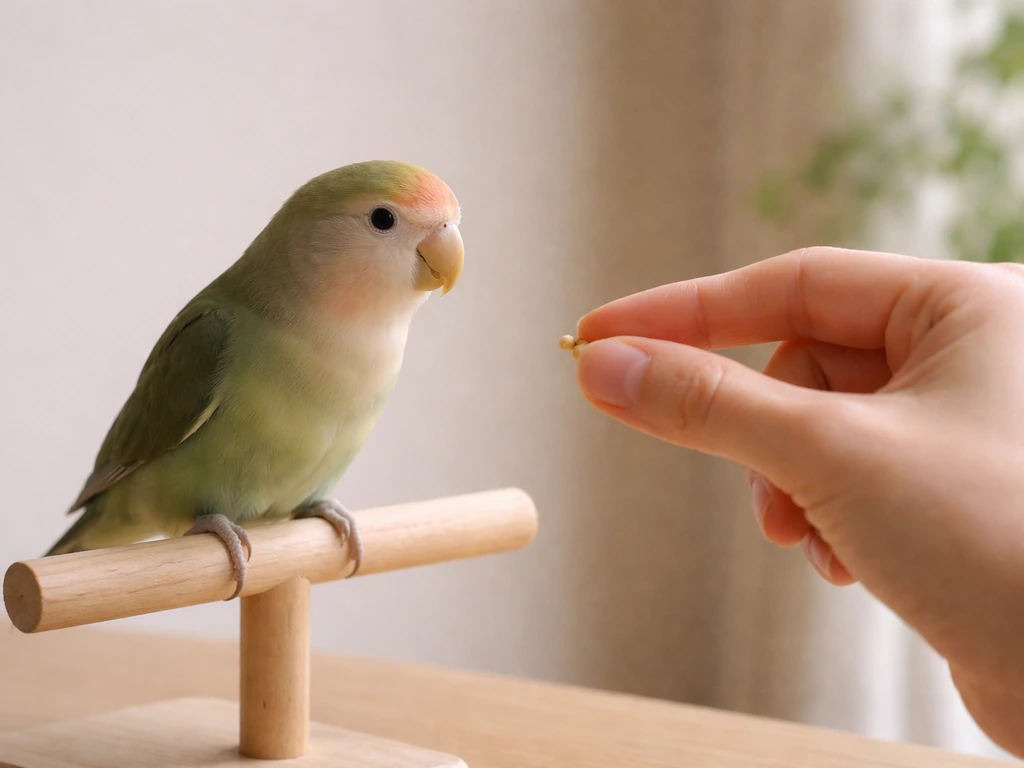
Find the bird's highest-value treat. For parrots this might be a small piece of almond or nutriberry. For cockatiels, a millet spray. For budgies, a spray millet sprig. For finches, a tiny live mealworm or a spray of their favorite seed. Offer this treat only during training sessions at first, so it stays special. Every time you approach calmly and the bird takes the treat, you are building a new association: human nearby equals something great. Over time, the emotional response to your presence shifts.
Step-by-step training methods that actually work
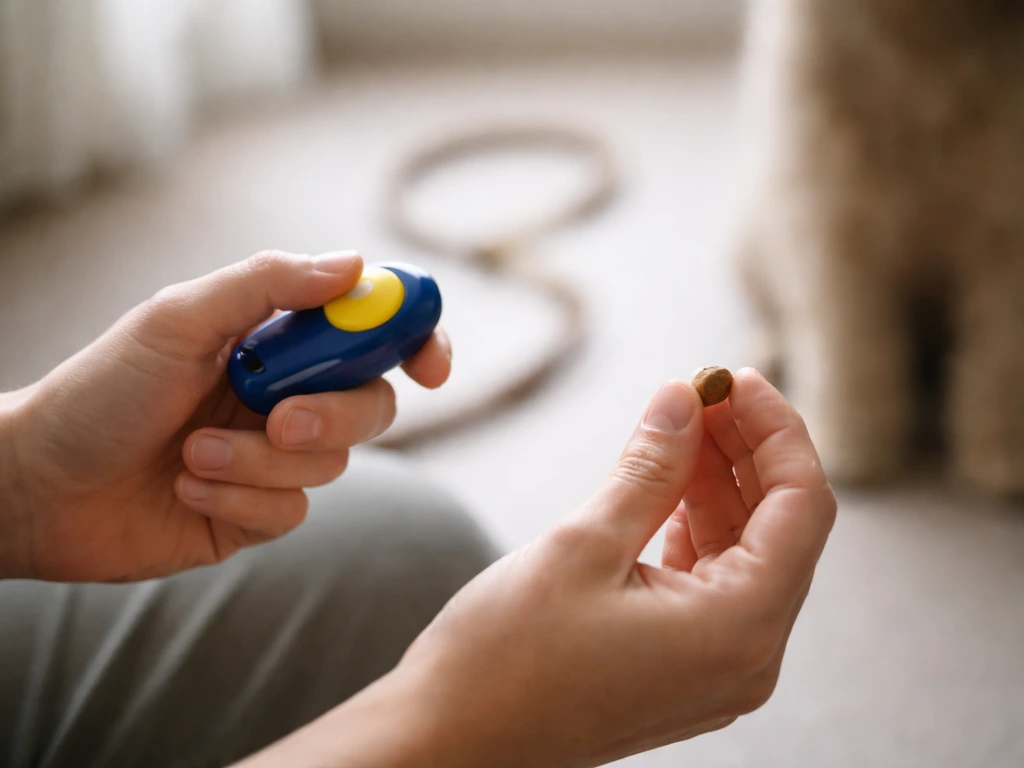
Use a marker (clicker or word) to communicate clearly
A marker is a precise signal, either a click from a clicker or a short word like 'yes,' that tells the bird the exact moment it did the right thing. The marker only works if it is immediately followed by a reward. Timing is everything here: the marker must land within one to two seconds of the behavior, or the bird cannot connect the two. To charge the marker, simply click (or say 'yes') and immediately offer a treat, ten times in a row. Repeat over two or three sessions. Once the bird perks up or looks for the treat the moment it hears the marker, it is charged and you can use it in training.
Targeting: the safest first skill to teach
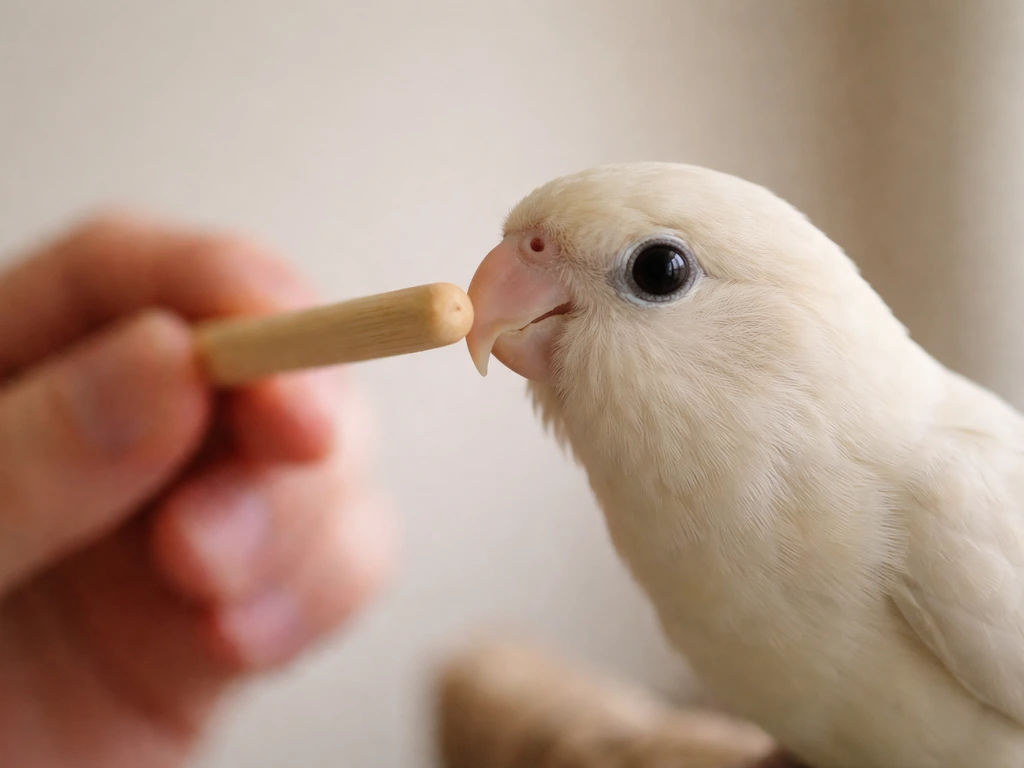
Targeting means teaching the bird to touch its beak to a specific object, usually a chopstick, a pencil eraser, or a commercial target stick. This is one of the most useful foundational skills you can teach because it gives you a way to guide the bird's movement without touching it at all. Targeting is a core foundational training skill on Parrots.org because it helps make behavior training easier while reducing reliance on forcing or hand interactions foundational skills you can teach. Here is how to do it.
- Wait until the bird is calm and paying attention to you.
- Hold the target stick a few inches from the bird's beak at beak level.
- The moment the bird leans toward it or touches it, mark (click or say 'yes') and deliver the treat.
- If the bird does not move toward the stick, try touching the target lightly to the beak, mark any contact, and reward.
- Repeat five to ten times per session. Keep sessions short, two to four minutes maximum.
- Once the bird reliably touches the target, begin moving the target to guide the bird: to a new perch, to step toward your hand, or to move away from a resource it is guarding.
Targeting is powerful because the bird's beak is busy touching the target, not biting you. It also puts the bird in control of the movement, which builds confidence rather than fear.
Hand and perch training for step-up
Step-up is the core handling skill. The goal is for the bird to step calmly onto your hand or a handheld perch on a verbal cue. Start with a perch or stick if the bird is still biting at hands. Present the perch firmly and steadily at the bird's lower chest, just above the feet. Wavering or pulling back teaches the bird to fear the perch, so commit to the movement and hold steady. Say 'step up' in a calm, consistent tone as you present it. The moment the bird steps on, mark and reward. Do not flood the bird by immediately moving it around. Just let it stand on the perch and get its treat.
Once the bird steps up reliably onto a perch, you can transition to the hand. Use the same firm, steady presentation at the lower chest, same cue, same reward. Some birds make this transition quickly. Others take weeks. Both timelines are normal.
PetMD also recommends pairing the hand's appearance with the verbal command at the cage door and only offering the high-value treat when the bird sees the hand. This classical conditioning step helps before you even ask for a step-up, building a positive association with the approaching hand first.
Species-specific guidance: parrots, cockatiels, budgies, and finches
The core principles above apply to all four, but the pacing, typical triggers, and signals differ enough that it is worth breaking them down.
| Species | Typical bite triggers | Key warning signals | Pacing and notes |
|---|---|---|---|
| Parrots (medium to large: African Greys, Amazons, Cockatoos, Conures) | Hormonal seasons, resource guarding, overstimulation from petting, fear of new people or environments | Pinning pupils, tail fanning, feathers slicked, growling, raised hackle feathers on neck | Highly intelligent; learn quickly but also learn bad habits fast. Keep sessions to 5 minutes. Hormonal adults may need a full season of reduced handling expectations. |
| Cockatiels | Startling (they are prey animals with high startle response), nesting/hormonal periods, being woken suddenly | Crest slammed flat, hissing, body crouched low and feathers puffed | Gentler approach needed. Let them come to you. Hand-training works well with millet as reward. Whistling or soft talking lowers stress during approach. |
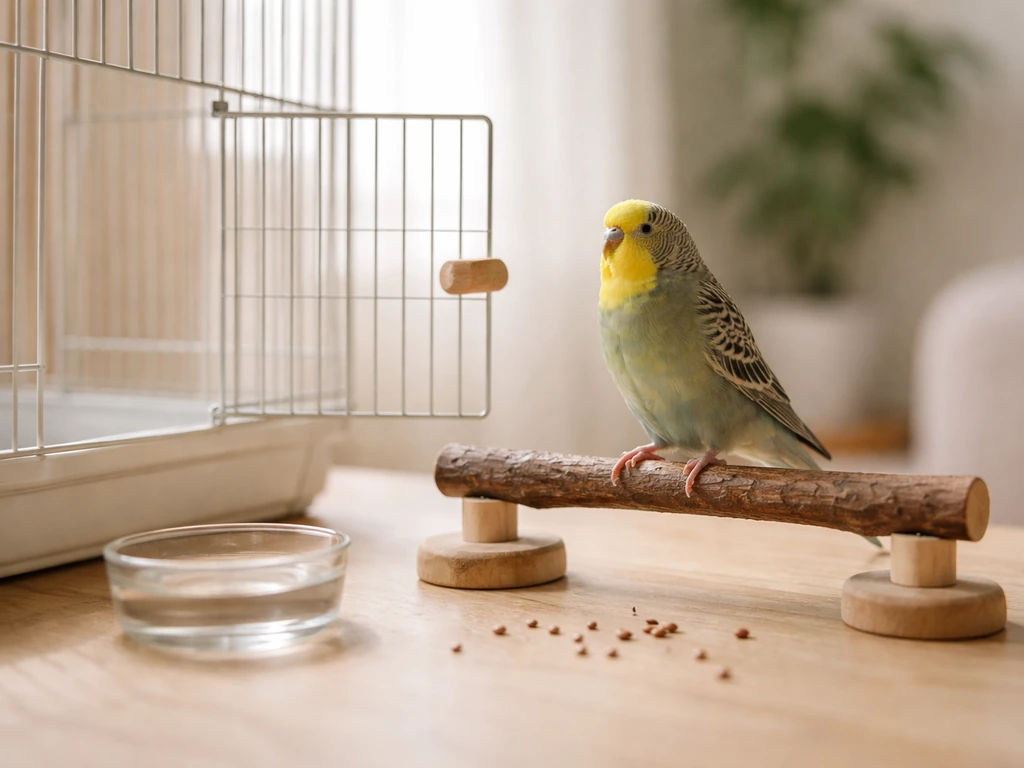
| Budgies | Fear of hands (especially if grabbed before), overstimulation, territorial cage behavior | Feathers tight, hopping away repeatedly, beak wiping on perch | Very small and fast. Go slowly. Work through the cage bars first for several sessions before attempting hands inside the cage. Finger perch inside the cage is a good intermediate step. |
| Finches | Finches are not typically hand-tamed and do not usually need to be. They bite defensively if cornered during health checks. | Fluttering frantically, crouching and freezing, rapid breathing | Do not attempt regular hand-taming. Focus on habituation to your presence near the cage. Towel restraint for vet visits only. Their welfare is better served by reduced handling, not increased. |
One point worth emphasizing for parrot owners specifically: mid-to-large parrots can inflict serious bite injuries, particularly Amazons, Cockatoos, and Macaws at hormonal peaks. If biting has escalated to breaking skin regularly, that is the point to bring in a qualified positive-reinforcement trainer rather than pushing through alone.
Wild birds in your yard: habituation without forcing contact
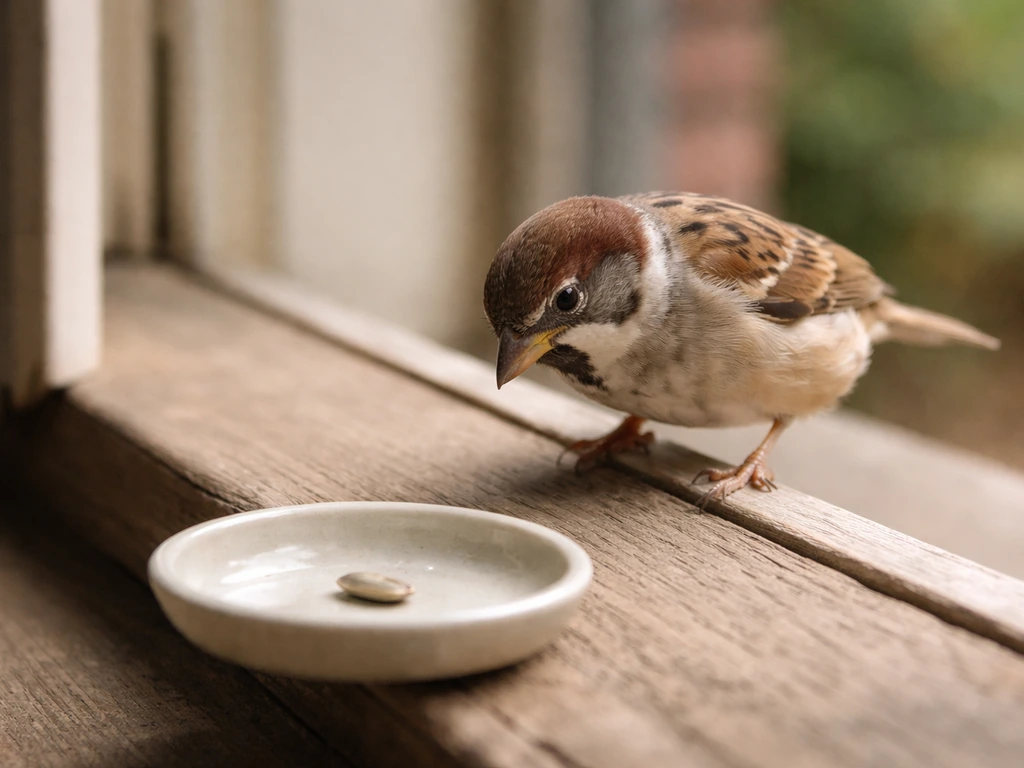
Wild birds that visit your yard are a completely different situation from pet birds. You are not going to hand-tame a wild sparrow the same way you would a budgie, and trying to force contact with wild birds is both ineffective and potentially harmful for the bird. If you are looking specifically for how to tame a bird in real life, focus on consent-based trust building, clear body-language reading, and consistent, short daily practice. If you are working on how to tame a sparrow bird, the key is habituation from a distance, not hand-taming. That said, if you are patient and consistent, many wild species will habituate to your presence to the point where they feed comfortably a few feet away from you.
Habituation means the bird gradually stops treating you as a threat because you are consistently non-threatening. The way to achieve it is simple: establish a predictable food routine, sit quietly near the feeder at the same time each day, move slowly, avoid eye contact (which reads as predatory to small birds), and never reach toward them. This kind of slow, predictable routine is also the best way to tame small birds without triggering fear-based bites. Over weeks, the buffer distance shrinks on its own.
A few important cautions here. If a wild bird actually bites you, it almost certainly feels trapped or injured. Do not try to pick it up without gloves and a towel, and contact a licensed wildlife rehabilitator immediately. Healthy wild birds do not make contact with humans by choice. The National Park Service also notes that habituation, while it can allow birds to come closer, carries real risks if taken too far: a bird that loses its fear of humans entirely becomes vulnerable. The goal is comfortable proximity, not dependence on hand-feeding or physical contact.
On the question of feeding: established backyard feeding stations with a consistent routine are generally fine for common songbirds. If you are looking for satisfactory how to tame bird results for your situation, apply the same trust-building ideas and give the bird time to habituate or learn consent-based steps. What to avoid is hand-feeding wildlife in ways that make individual animals dependent on you personally or that cause them to approach strangers. Keep feeders clean, use appropriate seed or suet for the species you want to attract, and let the birds set the distance.
Troubleshooting when bites keep happening
If you have been working consistently for two to three weeks and the biting is not improving (or is getting worse), go through this checklist before changing your training plan.
- Rule out illness first. A bird that suddenly bites more, or bites in new places on the body, may be in pain. Look for fluffed feathers, sleeping more than usual with eyes closed, changes in droppings, labored breathing, or weight loss. Any of these warrant an avian vet visit before continuing training.
- Check your session length. Too long is the most common training mistake. Two to four minutes is enough for most birds. Fatigue and overstimulation both produce biting.
- Check your timing. If your marker (click or 'yes') is landing more than two seconds after the behavior, the bird cannot connect it to the action. Practice marker timing without the bird first.
- Check your treat value. If the bird is not motivated, the reward is not rewarding enough. Try a different treat or make the current one rarer.
- Check for overstimulation during petting. If biting happens during or right after being petted, shorten petting sessions dramatically and stop before the bird signals discomfort. Watch for the feathers starting to slick down or the body tensing.
- Check the environment. Loud noise, unfamiliar people, other pets in the room, and seasonal hormonal changes all spike biting. Address the environment before addressing the bird.
- Check whether you are reinforcing biting accidentally. If the bird bites and you immediately put it back in its cage (which it may prefer), you may be rewarding the biting with a preferred outcome.
When to get professional help
Some situations genuinely need more than a self-guided approach. Call an avian vet if biting changed suddenly (possible illness or pain), if the bird shows any signs of illness alongside aggression, or if you have not had an annual wellness exam recently. Call a certified parrot behavior consultant or positive-reinforcement avian trainer if biting is severe enough to break skin regularly, if you are afraid of your bird, or if the bird's quality of life seems poor despite your efforts. Call a licensed wildlife rehabilitator if you are dealing with an injured or orphaned wild bird that is biting defensively. These are not admissions of failure. They are the right next step.
Realistic timelines: what to expect and when
There is no universal schedule, but here is a rough framework based on most pet birds with no prior serious trauma. In the first three to five days, consistent neutral reactions to biting and a predictable routine will usually reduce bite frequency noticeably. In the first one to two weeks of daily targeting and step-up practice, most birds will begin offering the behavior reliably in calm conditions. In two to four weeks, a previously biting bird will often tolerate brief handling and approach the hand voluntarily. Birds with longer fear histories, hormonal complications, or past punishment-based handling can take two to six months to reach the same point. That is normal. The sessions are short, the progress is real, and every day you show up calmly is a deposit in the trust account.
FAQ
What should I do in the exact moment my bird bites, so I do not make it worse?
Freeze your body and lower or withdraw your hand without sudden jerks. Then immediately return to a neutral distance and resume quiet presence, no talking over the bird or “discipline.” If the bite was during a specific cue attempt, pause that cue for the rest of the day and rebuild from the “further away than you think” step tomorrow.
Is it okay to punish a biting bird or stop rewarding it when it bites?
Do not use punishment. Instead, stop the interaction that the bird used to get out of (or out of fear of), and only reward calm behavior that you can safely observe. The goal is to remove whatever is accidentally happening after a bite, while keeping rewards available for non-biting choices.
How can I tell whether my bird is biting from fear, hormones, or pain?
Fear often comes with escalating body tension, defensive postures, and rapid change in signals when you approach. Hormonal aggression is more common around seasonal triggers, predictable times of day, and may be accompanied by heightened territorial behavior near favored spots. Pain-related aggression can be sudden or paired with unusual quietness, fluffed posture, limping, appetite changes, or abnormal droppings, and it is a vet check situation.
My bird bites only at certain times, like when I come home. How do I handle that trigger?
Preempt the trigger by doing a short “distance presence” routine right before the high-risk moment, for example 5 minutes at the usual arrival window. Offer the high-value treat through the bars when the bird stays calm, then attempt targeting or step-up only if the bird is already relaxed (eating normally and no slicked feathers).
Can I use the towel wrap to teach the bird that biting is not allowed?
No, towel wraps are for emergency-safe movement only. Using restraint as a training tool without trust-building tends to increase fear and can teach the bird that humans physically overpower it. If you need frequent towel use, it usually means you need more distance, different setup, or professional guidance.
What if my bird bites while I am trying to offer a treat?
Hold the treat at a safer distance and do not lean in. Use a utensil or treat delivery tool so your fingers are never near the beak’s reach. If the bird is already at peak agitation, skip treat offering for that session and end with calm presence to prevent reinforcing the bite-getting-away pattern.
How do I choose the right treat if my bird refuses everything except one thing?
Use only what the bird reliably values in the moment, but confirm it is safe for the species and age. Keep treats out of the bird’s environment until training time so they stay special, and if refusals happen, reduce the approach intensity (sit farther, slower hand movement) rather than switching to another treat immediately.
How fast should the marker and reward happen, and what if I miss the timing?
Aim for the marker landing within about one to two seconds of the correct action, then reward right away. If you miss the timing, do not “try again” by repeating the same behavior. Instead, reset, wait for another clean opportunity, and keep sessions short so you are accurate more often.
How do I teach step-up if my bird grabs the perch or bites the moment it touches?
Use a handheld perch first, not your hand, and keep the perch presentation firm and steady at the lower chest. Do not chase or pull back quickly, because that can teach “wriggle away equals successful bite.” If bites happen before the bird commits, scale back by moving the perch closer to the bird’s space only until you can get calm attention, then reward that calm state and rebuild.
My bird learns targeting quickly, then later bites again. Does that mean the training failed?
Not necessarily. Targeting success can be context-dependent (time of day, mood, hormones, sleep). Keep the targeting sessions short and return to distance presence before you escalate. If biting rises after the bird is already aroused, reduce stimulation and stop the session rather than pushing through.
Is lack of progress after two to three weeks always a sign I need a trainer or vet?
Not always, but it is a decision point. Recheck illness or pain if the change was sudden, confirm your sessions are short and consistent, and verify you are not accidentally getting too close or handling when the bird shows early warning signs. If bites are worsening, breaking skin regularly, or you are afraid, bring in an avian vet and a positive-reinforcement behavior professional.
When should I suspect illness instead of “bad behavior”?
Treat it as illness-risk if biting changed suddenly, is paired with reduced appetite, fluffed or hunched posture, labored breathing, droppings changes, limping, or unusual sleepiness. Birds often hide pain, so aggression plus any physical change should trigger an avian vet visit rather than more training.
For wild birds, how do I avoid making them dependent on me or too comfortable around people?
Avoid hand-feeding individual birds and never allow a situation where they approach strangers consistently. Keep a consistent but limited food routine at a distance, let the birds choose their comfort level, and stop short of contact. If a bird loses fear of humans completely, pull back and reduce exposure so they stay appropriately wary.
What is the safest way to respond if a wild bird bites me?
Assume it is defensive from being trapped or injured. Do not pick it up bare-handed, use gloves and a towel only if you need to move it into a safe container, and contact a licensed wildlife rehabilitator promptly. Also seek medical advice for the bite, especially if skin breaks or there is bleeding.