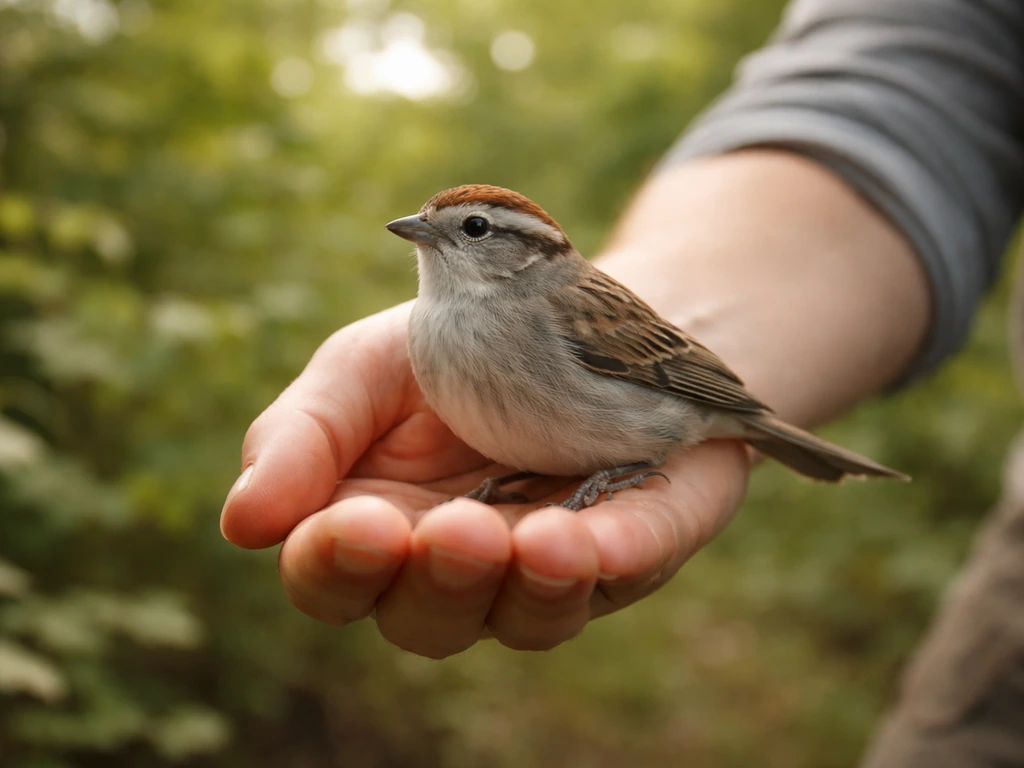
If your bird is biting, lunging, or chasing you, the most effective thing you can do right now is stop reacting, step back, and resist every urge to yell, tap the beak, or force the bird to comply. If you are dealing with an aggressive bird, focus on stopping reactive behavior and work on identifying the trigger behind the escalation. Punishment does not work on birds and almost always makes things worse.
How to Deal With a Punishing Bird: Humane Steps
Clara Hayes
14 May 2026
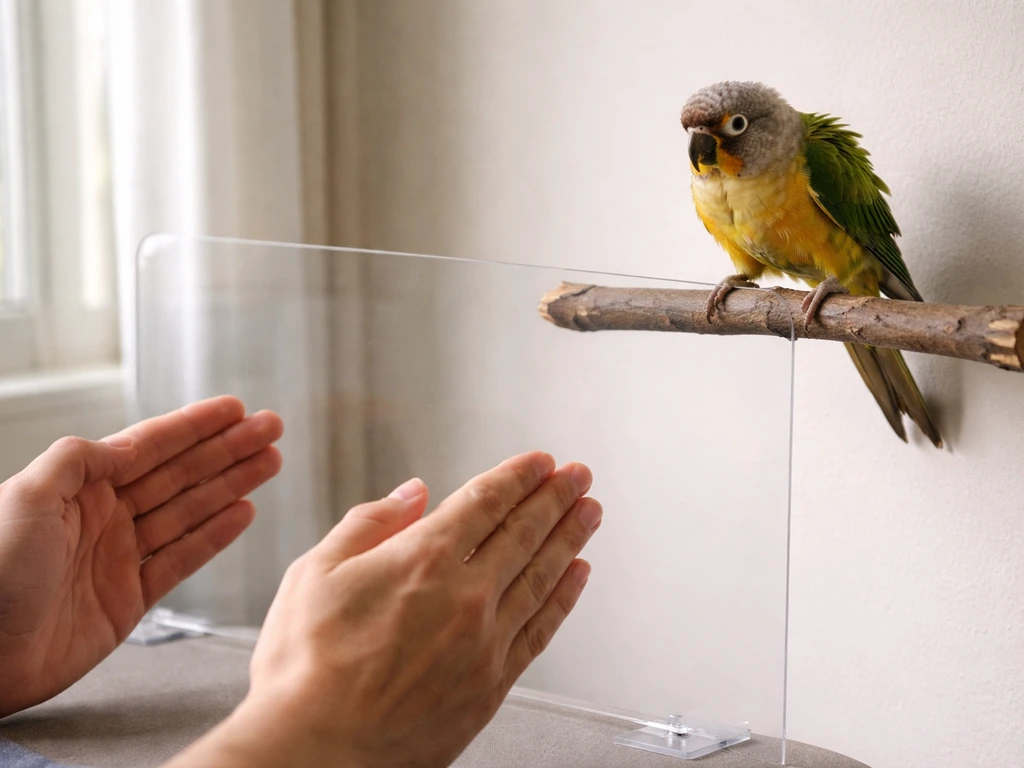
If you are still wondering how to discipline a bird for biting, start by removing punishment and focusing on positive reinforcement and trigger-based management. What does work is identifying why the bird is escalating, removing the trigger or context, and rebuilding the interaction using short, positive sessions the bird can actually succeed at.
Most birds that seem 'punishing' are either scared, in pain, hormonal, or have accidentally learned that biting makes the scary thing (your hand, a stranger, a noise) go away. If you are trying to beat bird up, start by focusing on the cause, the triggers, and using positive reinforcement instead of punishment. Fix the cause and the behavior usually follows. If you want to understand the safest, most effective way to stop biting, focus on identifying the trigger and using positive reinforcement rather than punishment how to beat bird up.
What does a 'punishing' bird actually look like?
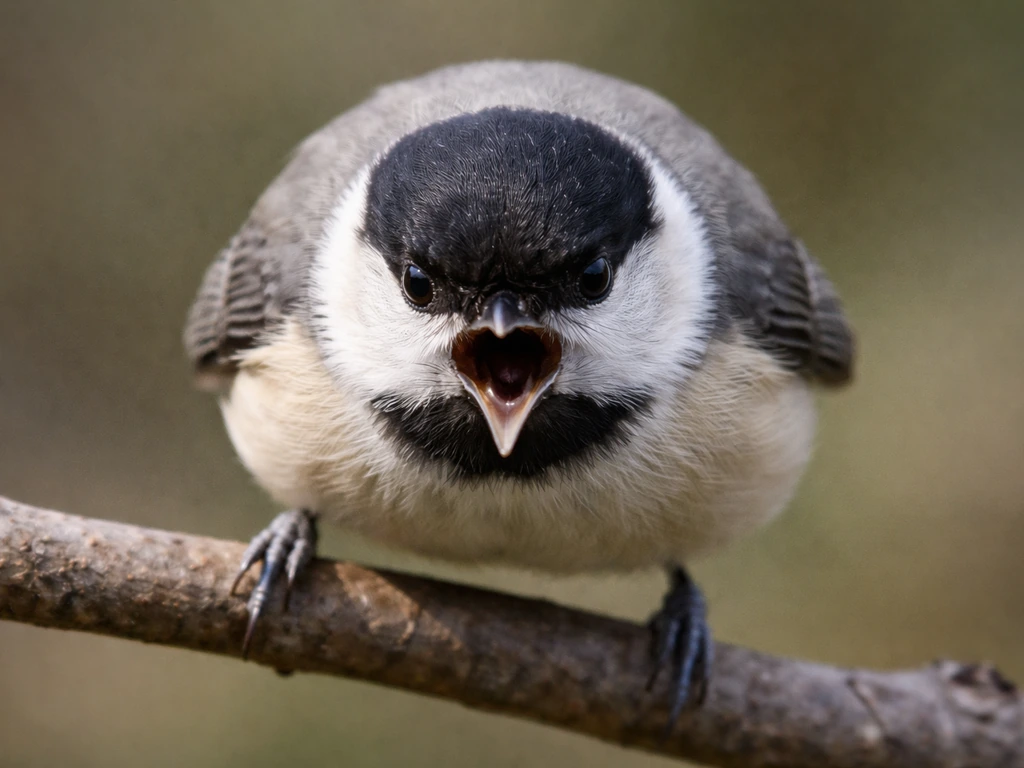
Before you can change the behavior, it helps to know which type of problem you are dealing with, because the body language looks different and so does the fix. There are two broad categories: fear-based reactivity and true territorial aggression, and they can overlap.
A fear-based bird tends to go quiet, slick its feathers tight, open its mouth slightly, and make short darting eye movements before it bites. It may crouch and then spring up suddenly. This bird is not attacking you; it is trying to make something stop. A territorially aggressive bird looks louder and bigger: feathers puffed or fanned, wings held out, tail fanned, pupils rapidly contracting and expanding (called eye pinning in parrots), and it will actively advance on you rather than wait. This bird believes it is defending something, often a perch, a cage, a person, or a food source.
Plain misbehavior, like a young bird mouthing or a cockatiel nipping because it is over-stimulated during play, tends to look less dramatic than either of those and usually stops when you shift the context. Knowing which version you are dealing with tells you whether you need to back off and give the bird space (fear), modify the environment (territorial), or simply redirect and shorten the session (over-stimulation).
What to do the moment your bird bites or lunges
Your reaction in the first few seconds matters a lot, because birds read cause and effect very quickly. The wrong reaction can accidentally teach the bird that biting is a reliable strategy.
- Do not pull your hand back sharply or yell. A sudden movement teaches the bird that your moving hand is dangerous, and yelling can actually function as attention and reward the bite.
- If the bird is on your hand and biting, go still for one or two seconds rather than jerking away. This removes the exciting movement without hurting the bird.
- Calmly and slowly return the bird to its perch or cage, using a neutral, unhurried voice. This ends the interaction without drama, which is the opposite of what biting was designed to produce.
- Do not immediately try again. Wait until the bird's body language has fully settled: feathers relaxed, posture upright but not rigid, no rapid eye movement.
- Check yourself for an injury and wash any puncture with soap and water. Bird bites that break skin should always be cleaned promptly.
The goal here is to interrupt the moment without adding fear or excitement. You are not rewarding the bird by backing off; you are removing the pressure that caused the bite in the first place, which is exactly what needs to happen.
What not to do: the punishment trap
It is worth being direct here: punishment-based methods do not work reliably with birds and carry real risks. Punishment-based methods are not the answer for how to discipline a bird, so focus on management and positive reinforcement instead. Tapping the beak, flicking the beak, scruffing, spraying water as a penalty, loud verbal corrections, and any form of physical restraint used to 'teach a lesson' all tend to increase fear, erode trust, and in many cases make the biting worse.
If you were considering restraining your bird, it is better to use humane alternatives that avoid adding fear or pain how to restrain a bird. The American Veterinary Society of Animal Behavior is explicit that aversive training methods should not be used, and the behavioral research backs this up: [punishment can produce short-term suppression of a behavior but rarely addresses the underlying cause, and it often creates new problems like generalized fearfulness or redirected aggression. ](https://www. behaviorworks.
org/files/articles/The%20Facts%20About%20Punishment%202001. pdf)
There is one mild consequence that can have a place in a humane plan: briefly withdrawing access to something the bird wants, like returning it to its perch when it starts being nippy. This is different from punishing. It is simply removing the opportunity for the unwanted behavior to continue, without adding anything scary or painful. Even this should be done calmly and consistently, not as an angry reaction.
The bigger trap is accidentally reinforcing the biting by giving the bird what it wanted: your retreat, your attention, or relief from whatever was stressing it. That is why your response in the moment needs to be neutral, not reactive in either direction.
Find the trigger: fear, pain, hormones, territory, and resources

Most biting birds have a pattern. They bite in certain places, at certain times of year, with certain people, or around specific objects. Running through a short checklist of likely triggers is the fastest way to start making progress.
Pain and illness
This is the trigger most owners miss. Birds hide illness instinctively, so a sudden increase in biting or a personality shift from a previously gentle bird is a medical red flag until proven otherwise. Pain from an undetected injury, respiratory infection, liver disease, or even kidney problems can all cause a bird to bite when touched in certain areas or at all. If the biting came on suddenly rather than gradually, book an avian vet appointment before working on training. You cannot train a bird out of pain-related defensiveness.
Fear
A bird that bites specifically when a hand approaches from above, when strangers are present, when it is removed from its cage, or when it is in an unfamiliar location is almost certainly fear-driven. Many owners read this as aggression when it is closer to a panic response. The fix here is desensitization and counterconditioning rather than any kind of correction.
Hormones
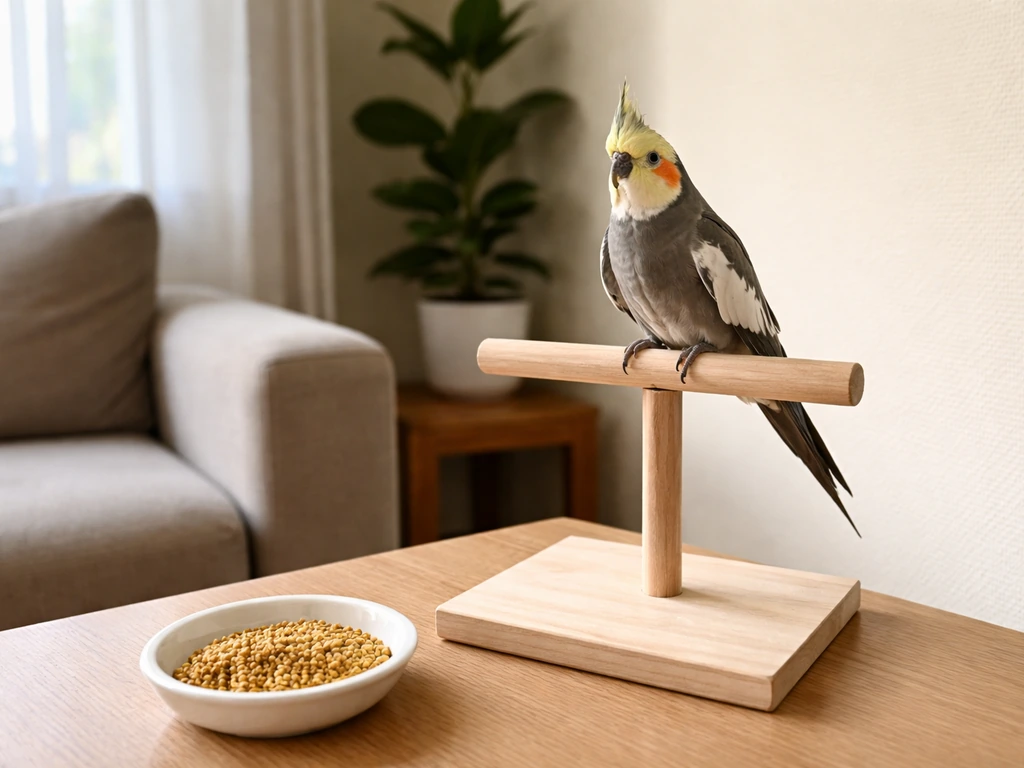
Parrots and cockatiels especially go through seasonal hormonal cycles, typically in spring, that can cause perfectly sweet birds to become territorial, possessive, or genuinely aggressive. A bird may regurgitate on you, guard a corner of its cage as a nest site, or bite anyone who comes near 'its person.' These behaviors usually ease as the hormonal period passes, but if you accidentally reinforce them during the hormonal phase, the learned behavior can persist afterward. Avoid rewarding the territorial display, limit stroking to the head and neck rather than back and vent (which stimulates hormones), and reduce nesting materials or dark enclosed spaces in the cage.
Territory and resource guarding
Many birds are calm on neutral ground but bite the moment a hand enters the cage or approaches a favorite perch, food bowl, or toy. This is territorial aggression, and the management answer is simple: do not reach into the cage and expect the bird to cooperate. Train the bird to step out onto a neutral perch first, handle it away from the cage, and keep cage interactions as positive as possible (putting food in, never taking things away without a trade).
Build a humane behavior plan: management, routine, and reinforcement
Once you have a working theory about what is driving the biting, you can build a plan around three things: managing the environment to prevent bites while you train, building a predictable routine that reduces the bird's overall stress level, and using positive reinforcement to teach the bird that cooperation leads to good things. If you are looking for a step-by-step approach, this article covers how to teach a bird not to bite using management, routine, and positive reinforcement rather than punishment.
Environmental management
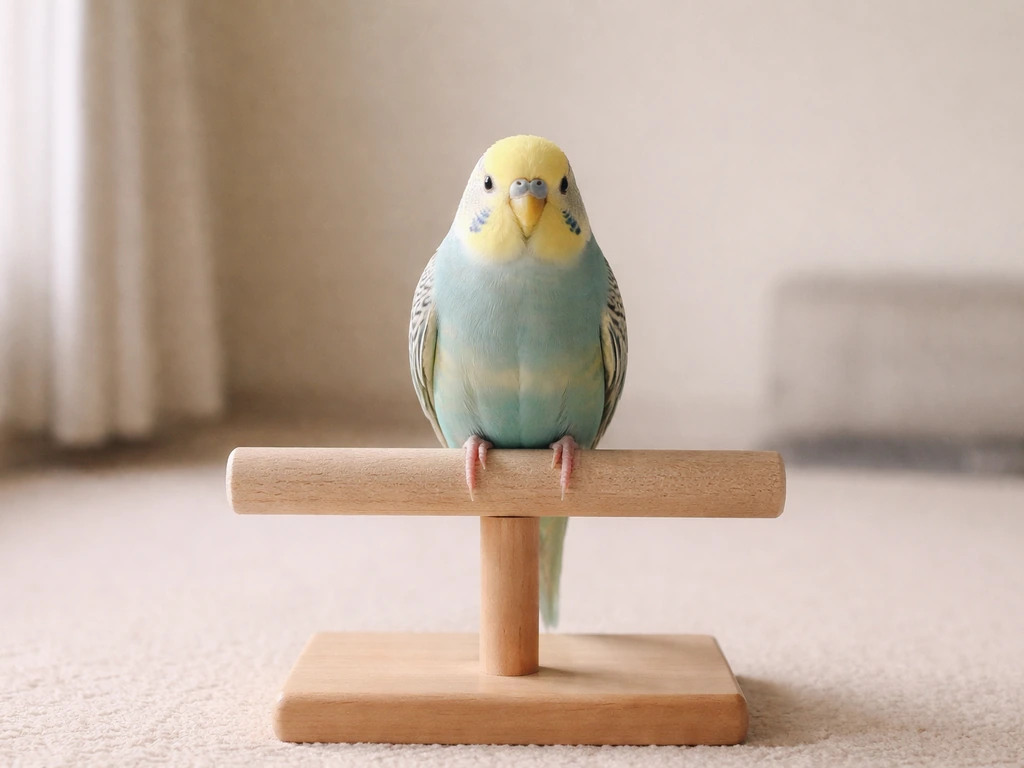
Move the bird's training sessions away from the cage. A perch stand in a neutral room changes the territorial dynamic immediately. Keep sessions short, ideally under fifteen minutes, and end every session before the bird shows any stress signals. Do not handle the bird when you are frustrated or in a hurry; birds are sensitive to your body language and energy, and tense handling leads to tense birds.
Routine
Unpredictability increases anxiety in birds. A consistent daily schedule for cage cover removal, feeding, out-of-cage time, and lights-out reduces the baseline stress that makes biting more likely. A bird that knows what to expect is a calmer bird overall.
Positive reinforcement
Identify what your bird truly values: a specific treat, a scratch behind the head feathers, a particular toy, verbal praise. Use that reward within a second or two of the behavior you want. Click-and-treat or say 'yes' and reward the instant the bird steps up calmly, holds still, or approaches your hand without biting. You are shaping a different association: your hand predicts good things, not threats. Do not wait for perfect behavior to reward. Reward small improvements, like stepping toward your hand without lunging, and build from there.
Species-specific training and desensitization
The principles above apply across species, but each species has its own temperament and learning style. Here is how to adapt the plan.
Parrots (African Greys, Amazons, Macaws, Conures, Eclectus)
Larger parrots are cognitively complex, which means they can develop sophisticated bite strategies and strong preferences. They also feel insecurity acutely. Start with target training: teach the bird to touch the tip of a chopstick or target stick with its beak on cue. This gives you a way to direct the bird's movement and build a success history without your hand being the primary contact point. Once the bird is confidently targeting, use the target to guide it toward your hand rather than presenting your hand directly. Progress to asking for a step-up only when the bird is visibly relaxed. If hormones are a factor, expect seasonal regression and plan around it rather than pushing through it.
Cockatiels
Cockatiels tend to be fear-reactive rather than aggressively territorial. A cockatiel that bites is usually a cockatiel that is frightened. Move slowly around them, approach from the front and below rather than from above, and let the bird set the pace for any new contact. Whistle or use a soft voice before you approach to give the bird a chance to orient toward you. Avoid reaching over the bird's head, which mimics a predator strike. Short sessions of just five to ten minutes work well with cockatiels because they can become over-stimulated quickly. Reward any calm orientation toward your hand before asking for contact.
Budgies (parakeets)
Budgies are small and fast, which means they can bite and retreat before you have time to react, and forcing contact almost always backfires. A seven-day desensitization plan works well: spend the first two or three sessions simply sitting near the cage with no pressure. Then introduce your hand into the cage passively, just resting near the perch, not reaching for the bird. Then introduce a millet spray so your hand predicts a treat. Only once the budgie is reliably approaching your hand for the millet should you start asking for a step-up. If the budgie is hormonal and possessive, reduce nesting opportunities (remove nest boxes, cover mirrors) and let the hormonal phase pass before intensive training.
Finches (Zebra, Gouldian, Society)
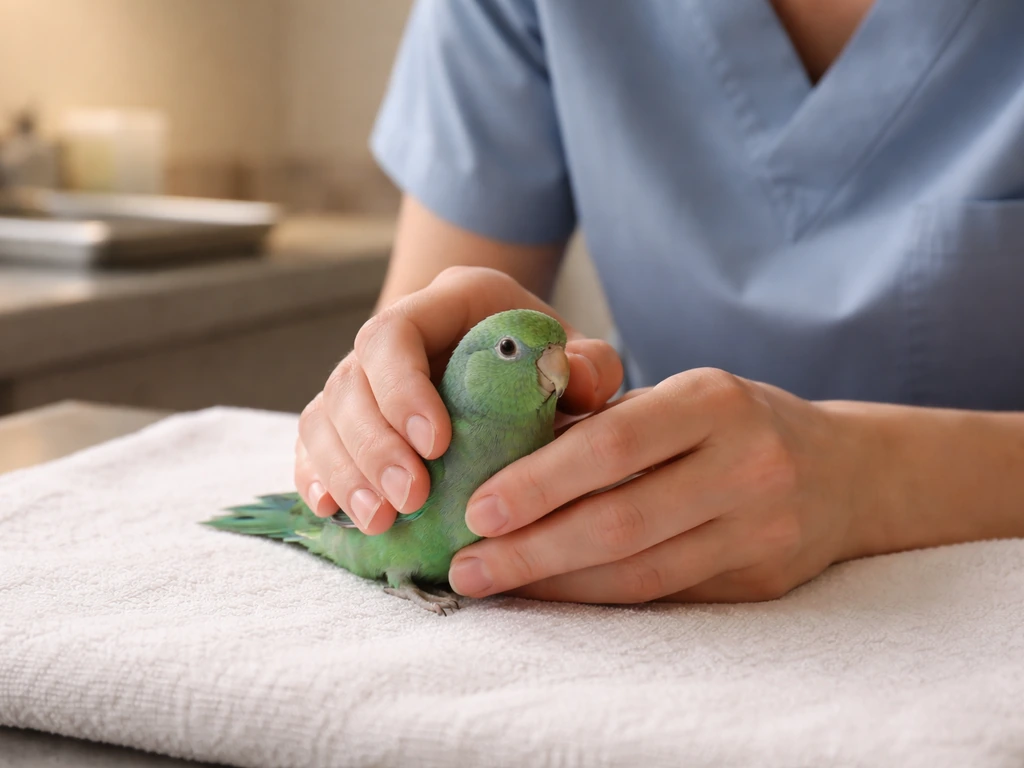
Finches are generally not handleable in the same way as psittacines. They are hands-off birds by nature, and most biting from finches is simply frightened scrambling during cage maintenance or health checks. The best approach is to minimize unnecessary handling entirely, maintain a calm and predictable environment, and if you must handle a finch (for health checks or transport), use a brief and gentle towel hold only when necessary.
Focus your energy on creating a low-stress cage environment with enough space, enrichment, and same-species companionship, which eliminates most of the stress that causes scrambling and reactive nipping in the first place. Merck Veterinary Manual notes that feather-destructive behavior can have both medical and psychological causes, including pain or systemic illness and also stress or boredom, sexual frustration, territoriality, and lack of environmental enrichment low-stress cage environment with enough space, enrichment, and same-species companionship.
Wild birds in your yard: safe approach and humane deterrence
If the 'punishing bird' in your life is a wild bird, such as a mockingbird that dives at your head during nesting season, a Canada goose that chases you across a park, or a crow that has decided it dislikes a specific person, the approach is different from pet bird training. For pet birds, learning how to release a bird safely usually means interrupting the moment and creating conditions where the bird chooses to step away voluntarily.
First, do not attempt to handle a healthy wild bird. Wild birds can carry diseases and are legally protected under the Migratory Bird Treaty Act. If a bird is attacking you during nesting season, it is doing exactly what it is supposed to do, defending eggs or chicks, and it will stop within a few weeks when the young fledge. The practical response is to alter your path, wear a hat, and avoid the area when possible during that window.
If a wild bird has become aggressive around your yard because of food or water access, reducing that access is the single most effective deterrent. The New York State DEC recommends removing bird feeders and suet in spring and summer when conflicts increase. The USDA advises against feeding wildlife near homes, because supplemental feeding concentrates birds and increases conflict. Cleaning up spilled seed, securing garbage, and removing standing water sources reduces the resource-guarding dynamic that brings bold, aggressive birds in close.
For birds striking windows (which can seem aggressive but is almost always territorial display against the bird's own reflection), window films, exterior screens, or hanging visual breaks outside the glass work better than moving objects like hawk silhouettes, which birds quickly learn to ignore. If you find a wild bird that is injured or clearly ill, do not handle it with bare hands. Contact a licensed wildlife rehabilitator in your area. The CDC recommends washing hands after any contact with bird feeders, baths, or the birds themselves.
When it is time to get professional help
Some biting problems resolve quickly with management changes and consistent positive training, and some do not. Knowing when to escalate saves you and your bird a lot of stress.
See an avian vet first if:
- The biting started suddenly with no obvious environmental change
- The bird is also showing reduced appetite, changes in droppings, fluffed feathers, lethargy, or reduced vocalization
- The bird reacts painfully to being touched in a specific area of the body
- The bird has started feather-damaging behavior alongside the aggression
- The bird is more than two years old and has never shown this behavior before
An avian vet can run bloodwork, imaging, and a physical exam to rule out pain, infection, liver disease, kidney issues, or hormonal imbalances that mimic or cause behavior problems. This step is not optional when the onset is sudden.
Consider a certified bird behavior consultant if:
- Medical causes have been ruled out but the biting continues or is worsening
- You have tried the management steps for four to six weeks with no improvement
- The bird is biting hard enough to break skin regularly
- You are feeling anxious or fearful around your own bird, which is affecting your ability to train calmly
- The bird has bitten another person in your household, especially a child
Look for a trainer or consultant who uses positive reinforcement exclusively and can cite behavior science training. The AVSAB recommends avoiding any trainer who uses physical correction or aversive methods as a primary approach. A good bird behavior professional will observe a session, help you identify what is actually reinforcing the biting, and give you a written protocol to follow at home.
Realistic timelines
| Situation | Realistic Timeframe for Improvement |
|---|---|
| Fear-based biting in a hand-raised bird with consistent daily sessions | Two to four weeks |
| Territorial cage aggression with environmental management changes | One to three weeks once the context changes |
| Hormonal aggression in a parrot or cockatiel | Behavior often peaks for four to eight weeks seasonally; management reduces impact |
| Fear-based biting in an unhandled or rescue bird | One to six months depending on prior history |
| Medically driven behavior change | Improvement depends on diagnosis and treatment; behavior may resolve when health improves |
| Deeply patterned bite behavior reinforced over years | Three to six months or more with consistent professional guidance |
Progress with a biting bird rarely looks like a straight line. Expect good days followed by setbacks, especially around environmental changes, seasonal hormonal shifts, or anything that disrupts the routine. The marker to watch is the trend over several weeks, not individual sessions. If the overall pattern is moving toward calmer interactions and fewer bites, you are on the right track. Keep sessions short, keep them positive, and give the bird time to process each step before adding the next one.
FAQ
What should I do in the first 5 to 10 seconds when my bird starts lunging or biting?
In the moment, use neutral interruption: calmly step back or turn your body away, avoid eye contact if your bird seems threat focused, and only re-approach after the bird is quiet and not lunging. If you need to move the bird for safety, aim for “step out onto a neutral perch” rather than reaching in, then reward calm stepping immediately.
Is there a safe way to add a consequence if my bird won’t stop biting?
Yes, but only if it changes access without adding intensity. For example, when nipping begins, calmly end the interaction by returning the bird to its perch or backing away from the trigger, then resume once it is calm. If the bird bites and you immediately come closer, talk louder, or keep contact going, you are likely reinforcing the biting instead of interrupting it.
Can I still “correct” my bird physically to stop the behavior faster?
Do not. Any approach that includes tapping, flicking, scruffing, water sprays, yelling, or physical restraint can increase fear or teach that handling gets worse. If you must prevent injury, use management tools instead (neutral perch training, barriers to block access to your hands, rearranging triggers) and consult an avian behavior professional who works with positive reinforcement.
How can I tell if biting is more medical than behavioral?
Often, but not always. If bites are increasing after a period of calm, happen suddenly, or come with new posture, breathing changes, fluffed sleep, weight change, or sensitivity to touch, prioritize a vet visit before training. Pain-related defensiveness cannot be reliably trained away, so treating illness is the first behavior intervention.
How do I differentiate fear-based biting from true territorial aggression at home?
Watch the context and the pattern. Fear-based reactivity typically shows quiet tension, fluffed tight posture, darting eyes, and surprise springing, while territorial aggression often includes advancing, fanned posture, and “owned” triggers like a cage corner or specific perch. If you are unsure, run a short experiment by removing the trigger (cage access or hand-from-above) and see whether the biting rate drops quickly.
What are the most common mistakes that accidentally reinforce biting?
A lot of owners accidentally make it worse. Common traps include reaching into the cage to retrieve things without a trade, grabbing the bird out of the cage, moving hands over the bird’s head, or giving extra attention after a bite (even negative attention). Your goal is to prevent your hand from becoming the cause of the “scary thing goes away” cycle.
How do I create a practical step-by-step plan if my bird bites in multiple situations?
Start with a single trigger and build a gradual, measurable goal. For instance: first reward calm orientation toward your hand, then reward stepping toward a hand-held target, then only request step-up once the bird is relaxed. Record bites by date, time, location, and what happened right before the bite so you can identify which step needs to be slowed down.
What if my bird doesn’t care about treats or won’t engage during training?
Use a “value list” and a consistent routine. If your bird’s favorite treat is unavailable when the bird needs it, training fails. Also, do not wait for perfect behavior, reward small improvements within one or two seconds, and end sessions before stress escalates (even if you “run out” of planned reps).
How should I adjust my training during spring or hormonal cycles?
Treat seasonal hormones as a management problem, not a behavior failure. Reduce stimulus that supports nesting (dark corners, heavy nesting materials, and some cage items like mirrors), limit back and vent petting, and expect more regression during seasonal peaks. Keep training shorter, focus on neutral handling, and avoid pushing step-ups during peak guarding.
Is towel restraint ever acceptable for unavoidable situations like vet visits or emergencies?
Yes, but only for the safest moments and for low duration. For health checks, work with a vet for a plan, and use a brief, gentle towel hold only when truly necessary. If towel holds trigger panic, treat it like a training goal, otherwise you can create a new bite trigger tied to handling.
My bird only bites in the cage and only when someone’s nearby. How do I handle that?
Begin by avoiding the approach that triggers the bite (for many birds, entering from above is a major trigger). For cage guarding, ask the bird to step out onto a neutral perch, then handle away from the cage. For stranger-related fear, train in progressively larger “distance” steps by rewarding calm observation first, then closer presence later.
What should I do if the “punishing bird” is a wild bird attacking me near my home?
For wild birds, don’t treat it like pet training. You cannot and should not handle healthy wild birds, and during nesting season the bird is often defending eggs or chicks, so the most effective response is to alter your route, wear protective headgear, and avoid the area during the critical window. For resource-driven aggression, reduce attractants like seed, suet, spilled food, and standing water.
When should I stop trying at home and escalate to a vet or behavior consultant?
A common sign it is not improving is an upward trend in frequency or severity over several weeks despite consistent management and short positive sessions. Another red flag is sudden change, escalation when touched, or changes that suggest pain (new sensitivity, limping, posture changes). In either case, escalate to an avian vet and consider switching to a consultant who uses positive reinforcement exclusively.
Next Article
How to Release a Bird Humanely: Step-by-Step Guide
Humane, safe step-by-step guide to release a wild bird: legality, prep, spot choice, release technique, and aftercare.