Yes, you can teach a bird not to bite, and most pet birds will show real improvement within a few weeks if you follow a consistent, consent-based approach. The short answer is this: stop reacting in ways that accidentally reward the bite, start reading your bird's body language before the bite happens, and build a training routine that gives your bird a better option than biting. This guide walks you through exactly how to do that, step by step, for parrots, cockatiels, budgies, finches, and even the occasional feisty wild bird you are trying to handle.
How to Teach a Bird Not to Bite Step by Step
Clara Hayes
13 Apr 2026
Why birds bite in the first place
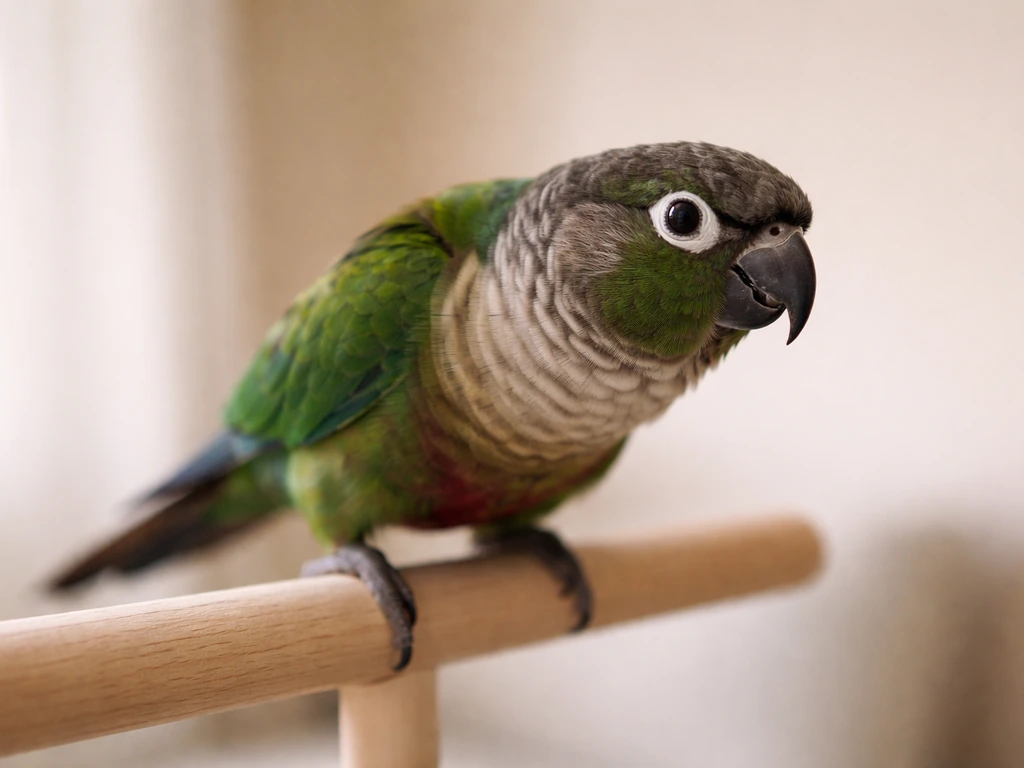
A bite is always communication. Your bird is not being mean or trying to dominate you. It is telling you something in the clearest language it knows. The most common messages behind a bite are fear, overstimulation, territorial defense, hormonal surges, pain, or what behaviorists call displaced aggression, where the bird cannot reach the actual source of its frustration and redirects onto you instead. Understanding which message your bird is sending changes everything about how you respond.
Context matters a lot here. Track what was happening right before the bite: the time of day, who else was nearby, where the bird was in the room, and what you were doing in the seconds before contact. Parrots in particular often give clear warning signals before biting: crouching, hissing, spreading wings, fanning the tail, puffing feathers around the head and shoulders, holding wings out from the body, eye pinning (rapid pupil dilation and contraction), or charging at you on the perch. If you can start recognizing those signals, you can interrupt the sequence before the bite ever lands.
One thing that surprises many owners: yelling, pulling your hand away dramatically, or pushing the bird can all accidentally teach biting to continue. LafeberVet’s biting client-education PDF explains factors that drive biting and advises avoiding actions that accidentally reinforce the bite, such as discouraging reinforcing reactions avoid actions that accidentally reward the bite. The bird learns that biting produces a big, interesting reaction or that it successfully ends something uncomfortable. That is a form of unintentional reinforcement, and it is one of the fastest ways to make biting worse. The fix is not punishment. It is removing the reward and replacing biting with a behavior that works better for your bird.
What to do the moment a bite happens
First, take care of yourself. Bird bites, even small ones, can break skin and cause real tissue damage underneath. Clean the wound with soap and water immediately, apply gentle pressure with a clean cloth to stop any bleeding, and assess whether you need medical attention. Small punctures from a budgie can usually be managed at home with cleaning and a bandage, but a large parrot bite that is deep, near a joint, or on the face warrants a visit to a doctor or urgent care. Even small bite marks can involve underlying tissue damage, so do not dismiss it based on surface appearance alone.
Once you are safe, here is the most important thing you can do in the moment: do not react dramatically. Say nothing, keep your face neutral, and calmly place the bird back on its perch or in its cage. Then walk away for a short time, maybe two to five minutes. You are not punishing the bird with a time-out. You are simply removing your attention, which is the thing the bird may have been trying to control. No yelling, no tapping the beak, no physical correction of any kind. Those reactions teach the bird that biting produces excitement, and that is the opposite of what you want.
If you are ever in a situation where you need to physically move a bird that is in a heightened state and you are not sure how to do it safely, knowing how to properly restrain a bird without escalating the situation is a useful skill to have before you need it.
Building consent before you touch: the non-contact to safe-contact progression
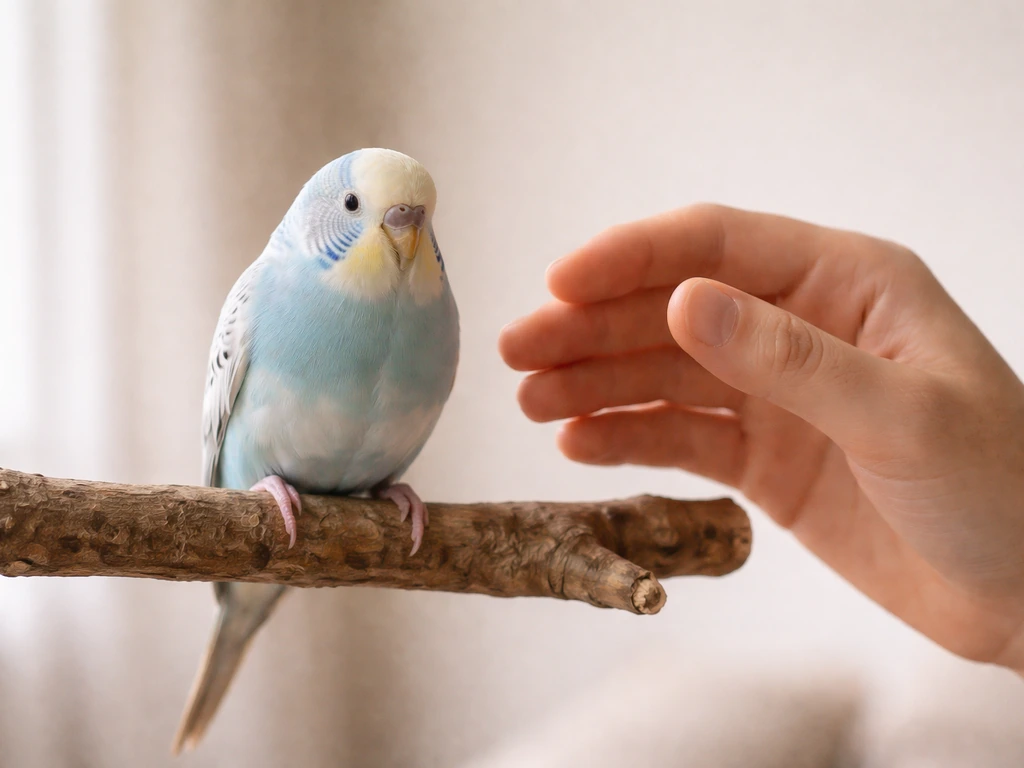
Consent-based handling means your bird chooses to participate rather than being forced to tolerate contact. This approach, sometimes called voluntary participation training, dramatically reduces biting because the bird never feels cornered or coerced. It takes a little patience upfront, but it builds the kind of trust that lasts years instead of weeks.
Start by simply being near your bird without attempting any interaction. Sit next to the cage, talk softly, let the bird observe you. Over several sessions, begin offering treats through the cage bars so the bird learns that your hand near it predicts good things. Do not rush this stage. When the bird is consistently moving toward your hand rather than away from it, you can open the door and offer treats just inside the doorway. The goal is for the bird to always have a way to say no, which usually means it can move away from you freely. If it chooses to stay and engage, that is consent.
The next step is introducing a hand or perch outside the cage. Using a dowel or T-perch instead of your bare hand at first is a smart early move. It lowers the stakes for both of you: the bird can step up onto a neutral object, and you are not putting your fingers in the bite zone before trust is established. Once the bird steps onto the perch reliably, you can gradually transition that same cue to your hand over many sessions. This stick-training method is particularly useful for nervous birds or any bird with a history of biting hands specifically.
The actual training plan: rewards, targets, and what to do instead of biting
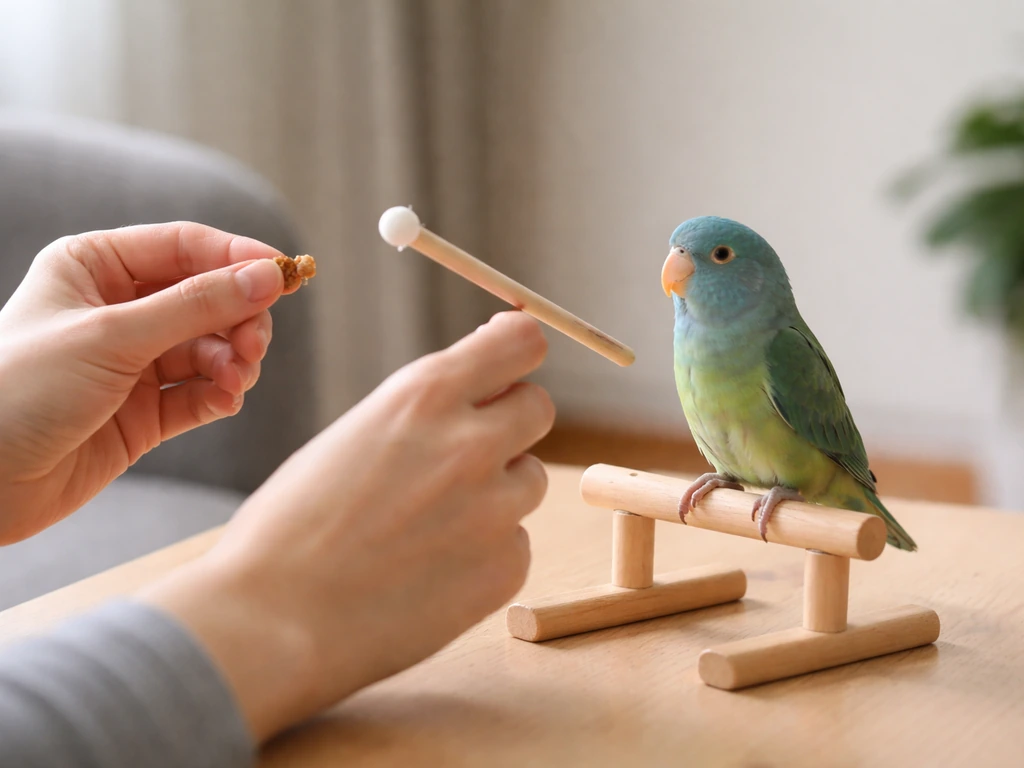
The foundation of bite prevention training is giving your bird a competing behavior, something it can do with its beak that is incompatible with biting you. Target training is the single best tool for this. You teach the bird to touch the tip of a small stick, chopstick, or pen with its beak on cue. When the bird is busy touching a target, it cannot also be biting your hand. Over time, you can use the target to guide the bird around, away from sensitive situations, and into cooperative interactions.
To start target training, hold the stick a few centimeters from your bird's beak. Most birds will investigate it naturally. The instant the beak makes contact with the tip, mark the behavior with a clicker or a short word like 'yes,' and immediately deliver a small treat. Repeat this ten to fifteen times per session.
Once the bird is reliably touching the target at close range, gradually move it a little farther away, to the side, or lower so the bird has to take a small step or stretch to reach it. You are shaping the behavior in small increments rather than expecting the finished product all at once. Breaking the skill into tiny steps and rewarding early approximations keeps the bird from getting frustrated and keeps the training moving forward.
Timing is everything. The reward must come within one to two seconds of the target behavior or the bird will not connect the two. Keep treats small, maybe a seed, a sliver of fruit, or a pellet crumb, so the bird stays hungry for more and sessions stay moving. Aim for short, frequent sessions: three to five minutes each, at least four times a week. Consistency matters far more than session length.
When a bite does occur during a session, end the session calmly and do not give any attention for a short window. Then, when you return, go back to an easier version of the exercise where the bird can succeed easily. You are not going backward; you are resetting to where trust is solid. If you want a deeper look at how to structure correction moments humanely, the guidance on how to discipline a bird for biting covers the nuances of what counts as a consequence versus what becomes punishment.
Species-specific bite training tips
Parrots (conures, cockatiels, African Greys, amazons, macaws)
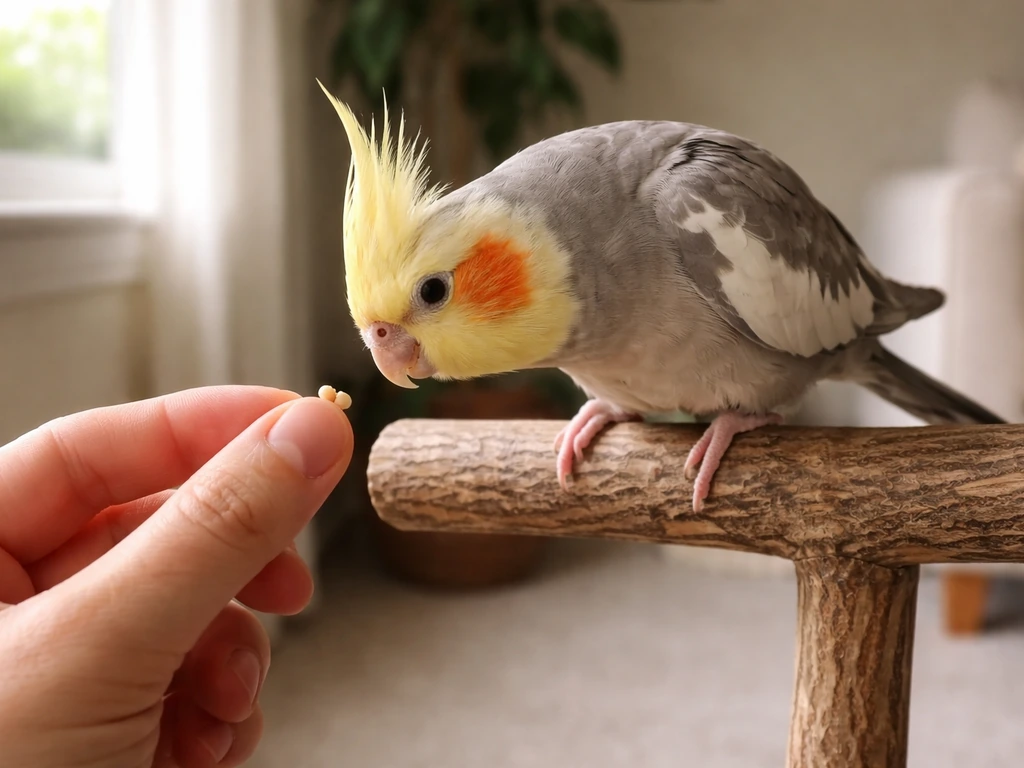
Parrots are the most common biters owners deal with, largely because they are intelligent, emotionally complex, and socially bonded in ways that create strong opinions about handling. Hormonal surges during breeding season, typically spring in the Northern Hemisphere, can sharply increase aggression even in a normally sweet bird.
During these periods, reduce handling that feels sexually charged, including petting along the back, wings, or under the tail, since that kind of contact can be interpreted as mate-bonding behavior and contribute to frustration-driven biting. Stick to head and neck scratches during hormonal peaks.
Larger parrots like macaws and amazons may need a longer non-contact phase before progressing to hand contact, and their bites are powerful enough that protective handling tools like a towel wrap may be needed in true emergencies. When you genuinely need to move an unwilling large parrot, understanding how to handle an aggressive bird safely will protect both of you.
Cockatiels
Cockatiels bite primarily out of fear, not aggression, and they are usually willing to warm up quickly once they feel safe. Their bites sting but rarely break skin on adults, so you have a little more room to work through the training steps without as much risk. The key with cockatiels is reading the crest. A flat crest pinned tight to the head means fear or aggression, while a relaxed or slightly raised crest means the bird is comfortable. Never attempt step-up training when the crest is flat. Give the bird a moment, back off, and try again when the crest comes up. Target training works extremely well with cockatiels because they are curious and love investigating objects.
Budgies
Budgies are tiny but can be surprisingly nippy, especially birds that were not hand-raised or that have had little handling since leaving the pet store. Their bites are more startling than painful, but an untamed budgie can develop a habit of lunging that makes handling feel stressful for everyone. The trick with budgies is very short sessions, one to two minutes is plenty, and very high value treats like a tiny piece of millet.
Budgies also respond well to the non-contact phase described earlier: just sitting near the cage while the bird gets used to your presence can do a lot of work before you ever ask the bird to interact. Progress tends to be faster than people expect once the bird stops being afraid.
Finches and other small birds
Finches are not typically kept as handling pets, and most bite training does not apply in the same way. Their bites are almost painless. If you need to handle a finch for health checks or cage maintenance, the goal is not training but minimizing handling time and stress. Learn to catch and hold them calmly and quickly, using a soft cup of the hand rather than a grip. Zebra finches and society finches can become somewhat hand-tolerant with regular gentle exposure from a young age, but they rarely become as interactive as parrots or cockatiels. For finches, habitat design and low-stress management matters more than bite training.
Wild yard birds
If you are a backyard birder or rehabber who has to handle a wild bird that bites, the situation is different from pet training. Wild birds bite defensively, and that is normal and appropriate behavior. You are not trying to train them not to bite; you are trying to handle them safely and release them as quickly as possible.
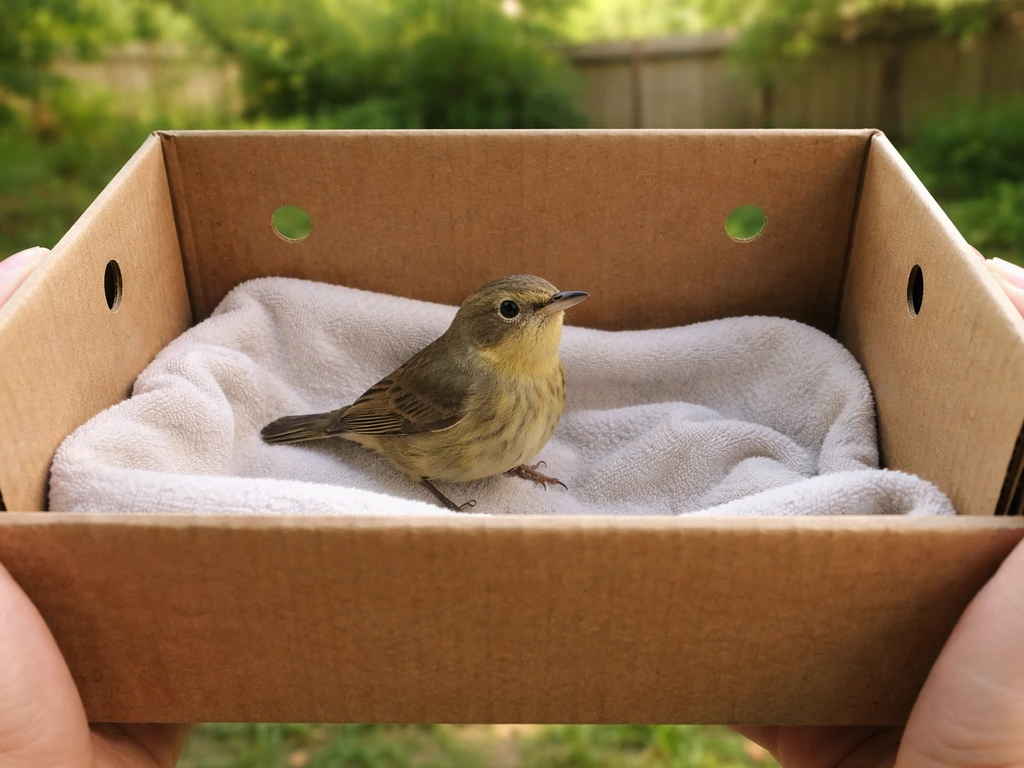
Use a light towel to gently secure the wings against the body, keep handling time minimal, and work in a quiet, dim environment to reduce panic. When you are done, how to release a bird after handling covers the safest way to let it go without injury. Never handle wild birds without checking local regulations, since most wild bird species are protected under federal law.
Troubleshooting: when the biting keeps happening
If your bird keeps biting despite consistent training, one of the following is usually the cause. Run through this checklist honestly before changing your approach.
- Fear-based biting: The bird is still over its fear threshold during training. Go back to non-contact phases and slow down the progression. You may be moving too fast.
- Overstimulation: Petting sessions are running too long, the environment is too chaotic, or there are too many people around. Keep sessions short and the environment calm.
- Hormonal biting: It is breeding season and your bird's behavior has changed noticeably in the last few weeks. Reduce bonding-style petting, limit daylight hours to ten to twelve hours with blackout curtains, and wait it out. Hormonal biting typically settles on its own.
- Learned biting: The bird has a long history of biting successfully getting results. Retraining takes longer with learned biters. Stay consistent and do not give in to even one bite.
- Pain or illness: A bird that suddenly starts biting with no clear behavioral cause may be in pain. A vet visit should happen before continuing training.
- Inappropriate bonding: Over-petting, especially sexual-context contact on the back and wings, can escalate frustration and biting in bonded parrots. Restructure your interactions.
- Inconsistent rules: Different household members are responding to biting differently. Everyone in the home needs to follow the same protocol.
It is also worth remembering that there is a difference between firm, humane guidance and punishment. If you are wondering how to set limits without harming your relationship with the bird, the broader discussion of how to discipline a bird humanely puts those distinctions into practical terms. And if you have ever been tempted to handle the problem through force or intimidation, be aware that those approaches tend to make biting significantly worse over time and damage the trust you are trying to build. The principles behind how to deal with punishing a bird make clear why coercive methods backfire with birds specifically.
One last thing worth flagging: physical methods like hitting, flicking the beak, or shaking are sometimes suggested in older training advice. These approaches are not only ineffective, they actively harm your bird's trust and wellbeing, and following guidance on what not to do when a bird acts aggressively can help you understand why those instincts, while understandable in a frustrating moment, make the problem worse.
What a realistic timeline looks like, and when to get help

Here is an honest breakdown of what to expect at different stages of bite training, assuming you are training consistently at least four times a week:
| Timeframe | What you should see | What to do if you don't |
|---|---|---|
| Week 1-2 | Bird is calmer during approach; fewer warning displays | Slow down the progression, stay in non-contact phase longer |
| Week 3-4 | Bird is reliably touching a target; bites are less frequent | Check for overstimulation or inconsistent handling from others in the home |
| Week 5-8 | Bird steps up with minimal hesitation; biting is rare | Rule out pain or illness with a vet visit if regression is unexplained |
| Month 3+ | Biting is occasional and clearly signal-based; you can read warnings reliably | If biting is still frequent or severe, consult an avian behaviorist |
| Ongoing | Maintenance: short weekly sessions keep skills sharp | Do not skip maintenance during hormonal seasons or after stressful events like moves or new pets |
Some birds, particularly those with long histories of biting, trauma from previous handling, or significant fear responses, genuinely need professional help beyond what this guide covers. An avian veterinarian should be your first call if biting started suddenly, if the bird shows any physical symptoms like limping, drooping wings, discharge from the eyes or nares, or unusual lethargy, or if the bird is hurting itself or household members despite your best efforts. A certified avian behaviorist or a vet who specializes in avian behavior can do a full behavioral assessment and put together a plan that accounts for your specific bird's history.
The most important thing to take away from all of this: biting is fixable for most pet birds. It requires patience, consistency, and a genuine willingness to see the behavior from your bird's perspective. When you stop trying to overpower the bite and start trying to understand it, progress tends to come faster than you expect. Start today with the non-contact phase, a target stick, and a handful of your bird's favorite treats, and you will have something real to build on.
FAQ
Should I punish or scold my bird after it bites to stop the behavior?
Not usually. Even if a bite was “just a mistake,” try to treat the moment as information, then resume training at an easier level (closer to the cage bars, smaller target distance, or more space). If the bird keeps biting in the same context (same time, same person, same posture), you need to adjust the trigger and environment rather than push through.
What should I do immediately after a bite, besides walking away?
For many pet birds, the best “limit” is to stop the interaction immediately and remove yourself neutrally for a short window, then return to success-based training. Avoid startling gestures (yelling, abrupt hand movements) and avoid any physical correction, because those can become an extra trigger that increases fear or overexcitement.
Why does my bird sometimes bite more during training sessions?
Yes, biting can increase if you train when the bird is already over threshold (crest pinned, puffed head and shoulders, wings held out, tail fanning, frantic charging). A practical rule is to start sessions when the bird is calm and hungry, and end the session early if you notice warning signs escalating rather than fading.
What if my bird uses the beak to grab instead of touching the target?
Change the cue or the target, not the bird. If your bird keeps touching the target too aggressively (crunching, grabbing, overshooting), make the target smaller or farther away so it gets a gentle beak contact, then reward only the earliest “light touch.” Also use fewer reps if the bird is getting frustrated.
Can I teach step-up without increasing biting?
If the bird is biting hands but steps up when you use a perch, keep using the perch for now and transfer the cue gradually. For example, practice step-up with the perch consistently, then shorten the “gap” where the bird must come toward your hand, rewarding calm body position each time.
How can I make training consistent when my schedule and household change?
Yes. Use the same short session structure every time, but personalize starting conditions. Some birds do better with very predictable timing, others prefer after meals. Track what happens right before bites (lighting, sound, who approaches, cage location), then adjust one variable at a time.
What if my bird only bites during specific situations, like nail trims or bedtime?
Make the choice ahead of time. If your bird reliably bites during certain handling routines (nails, certain scratches, bedtime), reduce those interactions and redirect to target training or perch time first. When you must do a necessary task, keep contact brief and pair the start of the task with calm, predictable cues and treat delivery.
My bird bites when it wants attention. How do I handle that?
Often it is a sign of fear or overstimulation, not hunger for attention. Try offering a choice-based “stay or move away” setup, such as sitting near the cage with treats on approach, then offering the target only when the bird’s posture relaxes. If biting comes from frustration, give an outlet earlier (target, guided movement) before you attempt contact.
Is it different for a wild bird that bites?
For wild birds, you typically do not “train” biting out of the behavior. Focus on safe, minimal handling and a quick release plan. Also check local rules first, because many protected species have restrictions on who can possess or transport them.
How do hormones affect how to teach a bird not to bite?
It can be, especially with parrots during breeding season. Reduce sexualized contact (for example, petting along the back, under the tail, or any pattern the bird seems to solicit), and increase non-contact progress until the hormones settle. If biting is sudden in the same season each year, treat that as a hormonal management cue, not a training failure.
When does biting mean I should involve an avian vet instead of continuing training?
If you notice physical pain signs, you should pause training until a vet rules out injury or illness. Sudden-onset biting, limpness, drooped wings, discharge from the eyes or nostrils, or unusual lethargy are not “behavior training problems,” they are medical red flags.
How long should I wait before changing my plan or getting professional help?
It depends on the bird and how quickly it gets back under threshold. A useful benchmark is whether you can reduce bites by changing the lead-up signs (moving earlier, using perch/target, ending sessions earlier). If there is no improvement despite consistent short sessions and clear trigger tracking, escalate to an avian behavior professional.
How do I stay safe while working on bite prevention with a large parrot?
Use your own safety plan: keep your face and fingers out of the most likely bite zone, have a perch or target ready to redirect, and avoid trapping the bird between you and furniture. For larger birds, consider safe protective handling tools as needed, but only under guidance and for true emergencies.
Next Articles
How to Restrain a Bird Safely and Humanely Step by Step
Humane step-by-step ways to safely restrain pet and wild birds, minimizing stress, bites, and injury with legal guidance
How to Discipline a Bird: Humane Training Steps That Work
Humane, step-by-step how to discipline a bird with positive training, safety tips, and fixes for fear, aggression, and p
How to Catch a Bird Without Killing It: Humane Steps
Humane, trap-free steps to catch a wild backyard bird safely, minimize stress, contain it calmly, then release or reloca