If you want to catch a dove bird, the most important thing to understand upfront is this: for most situations, "catching" is not the right goal. What you actually want is to attract the dove, earn its trust, and get close enough to handle it calmly if that becomes truly necessary. Whether you're dealing with a wild dove in your yard, an injured bird on your porch, or a domestic dove that escaped its cage, the approach is the same: slow down, lower the stress, and work with the bird's natural instincts rather than against them.
How to Catch a Dove Bird Safely and Humanely
Clara Hayes
5 Apr 2026
Why doves are so hard to approach
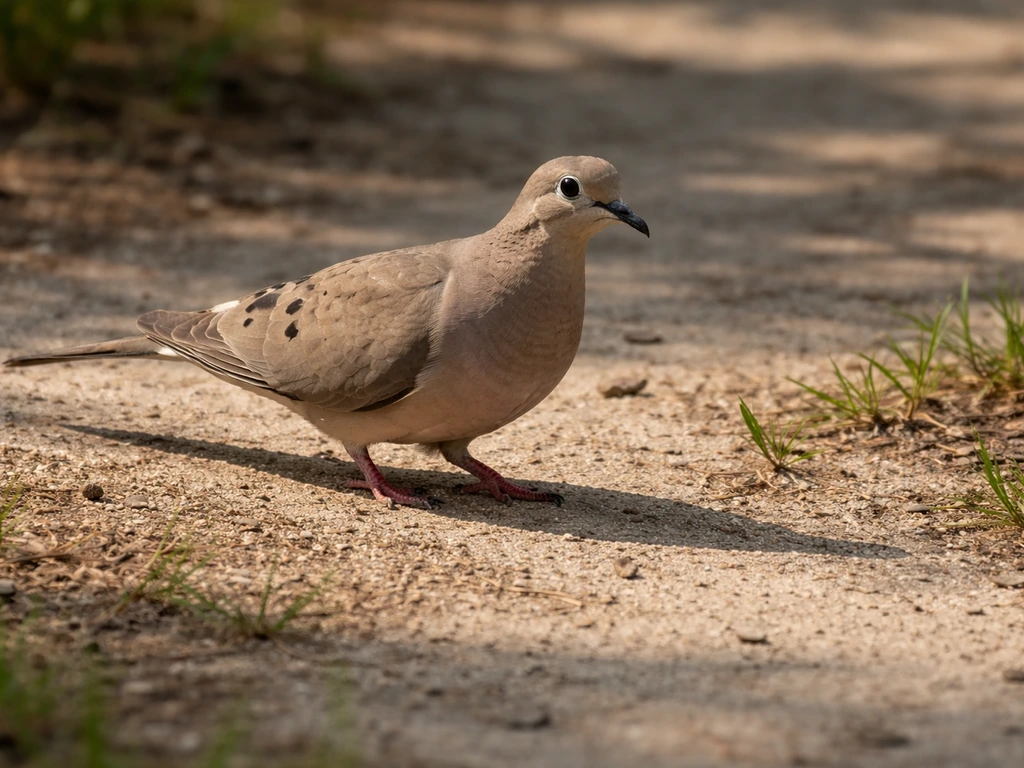
Mourning doves are built for quick escapes. They blank" rel="noopener noreferrer">forage almost entirely on the ground in open areas, which makes them extremely alert to movement and shadow. The moment they sense a threat, they launch into a fast, bullet-straight flight, often with a loud clap of wings that startles both you and any other birds nearby. That wing-clapping on takeoff is not accidental. It's a sharp alarm signal hardwired into the species. Once one dove spooks, every dove in the area follows.
Their perching behavior adds another layer of difficulty. Doves routinely land on telephone wires, bare branches, or elevated perches and scan the ground from above before they commit to feeding. If anything looks wrong from up there, including your presence near the food source, they simply don't come down. This is a survival trait, not stubbornness. Understanding it changes how you set up your approach entirely.
Doves are also most active in the early morning and taper off significantly toward midday, so timing your attraction attempts around those peak hours gives you a real advantage. Trying to approach a dove during mid-afternoon when activity is lowest is working against yourself from the start.
When "catching" is appropriate vs. when it isn't
This is where most people need a clear reality check. Wild doves in the United States are protected under the Migratory Bird Treaty Act, which makes it unlawful to pursue, take, capture, or kill migratory birds without a permit. In the UK, the Wildlife and Countryside Act 1981 provides similar protections, and the RSPB is explicit that trapping wild birds carries serious legal consequences. That means casually catching a wild dove to keep it as a pet is not a legal option, full stop.
That said, there are situations where hands-on intervention is not only appropriate but necessary. Here's how to think about it:
- Injured or sick bird on the ground: If a dove cannot fly, is listing to one side, or has visible wounds, humane capture for transport to a licensed wildlife rehabilitator is the right move.
- Domestic or escaped dove: If the bird is clearly a domestic ring-neck dove or escaped pet (often white or pale, unusually calm around humans), it has no survival skills for the wild and does need to be caught and cared for.
- Nestling or fledgling in immediate danger: A very young dove in a dangerous location (near a road, cat territory) can be moved short distances, but contact a rehabilitator first.
- Relocation is rarely the answer: Moving a healthy wild dove away from your yard is actually detrimental. Research shows relocated wildlife often ends up lost, unable to find food or water, and in worse condition than before. Favor deterrence and management over capture whenever possible.
If you are dealing with an injured bird, don't delay. Call a licensed wildlife rehabilitator before you do anything else. If you find an injured or orphaned bird, Audubon recommends blank" rel="noopener noreferrer">placing it somewhere quiet and calling a local wildlife rehabilitator. They will walk you through the safest containment steps for your specific situation. Just like the approach used when figuring out how to catch a crane bird, the legal and ethical framework always comes before technique.
Setting up your space to attract and calm doves
Whether your goal is to get a dove comfortable enough to approach by hand, or just to draw them reliably into a manageable area, the setup work is the same. Doves respond to three things above everything else: safe food, clean water, and clear sightlines.
Food placement
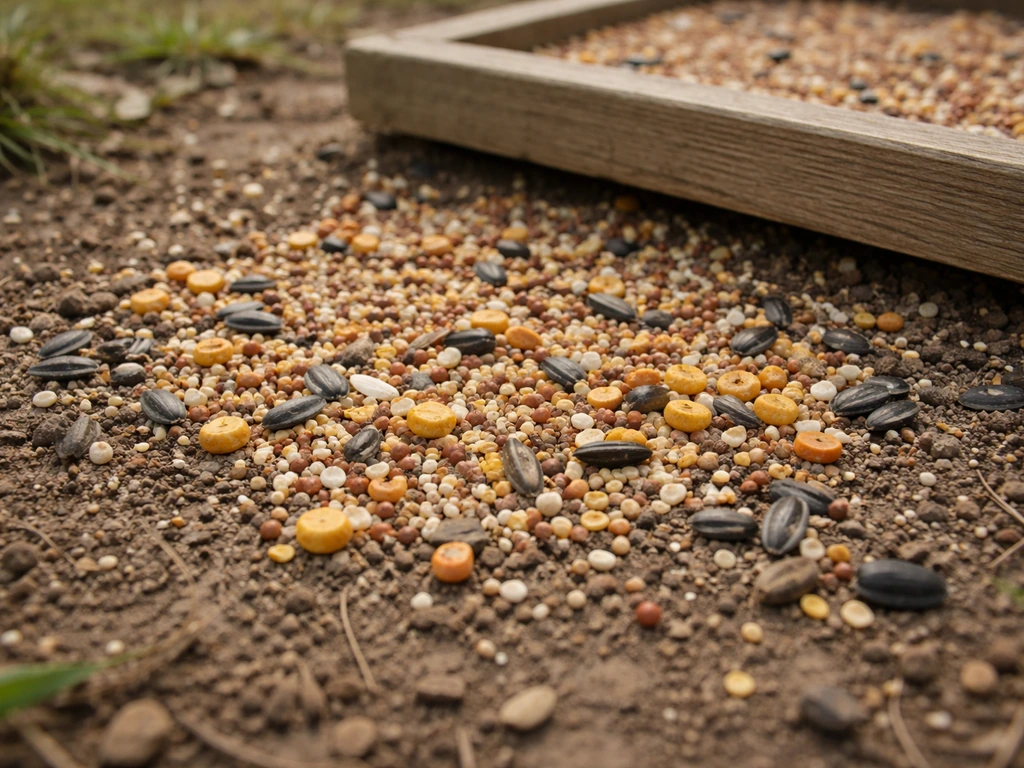
Doves feed almost entirely on seeds, so millet, milo, cracked corn, and sunflower seeds spread directly on the ground or on a low, open platform feeder work best. Avoid enclosed tube feeders. Doves need flat, open surfaces where they can stand comfortably. Place your feeding station in an open area with at least 3 to 4 feet of clear space on all sides so the birds can see predators approaching. A dove will not land on food positioned next to a wall, dense shrub, or corner where it cannot escape easily.
Water
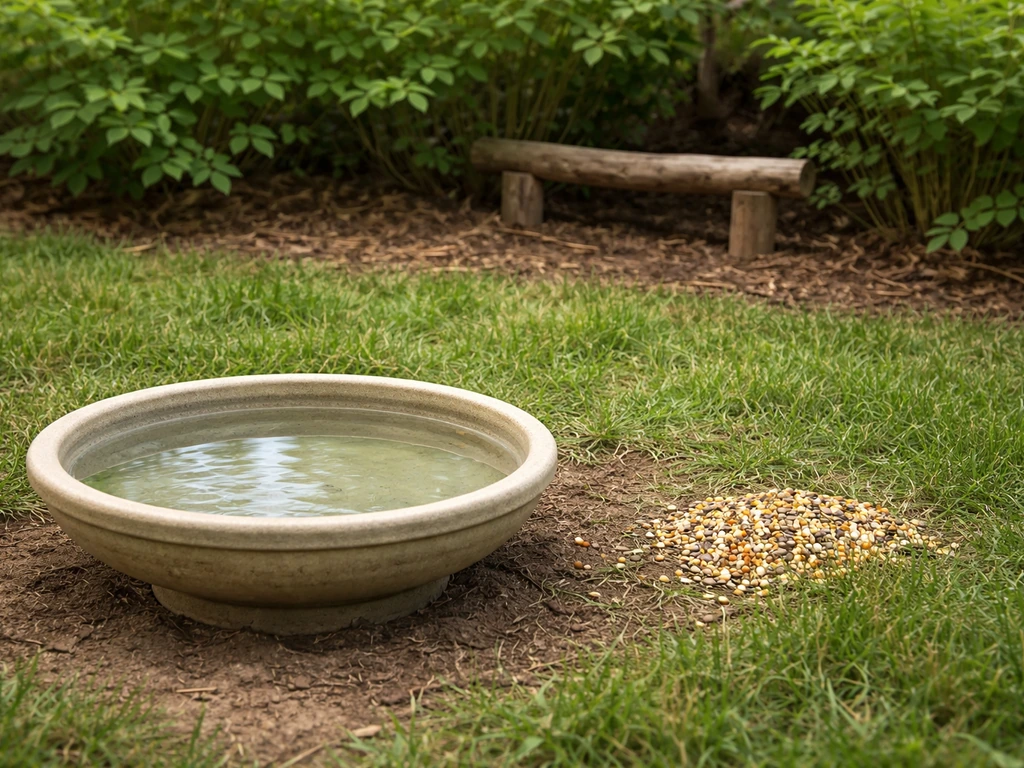
A shallow birdbath, no deeper than 1 to 2 inches, placed near the feeding area significantly increases dove visitation. Doves need to tilt their heads back to drink differently than most birds, and they prefer water sources where they can stand comfortably. Change the water every day to keep it fresh and avoid algae buildup.
Perches and sightlines
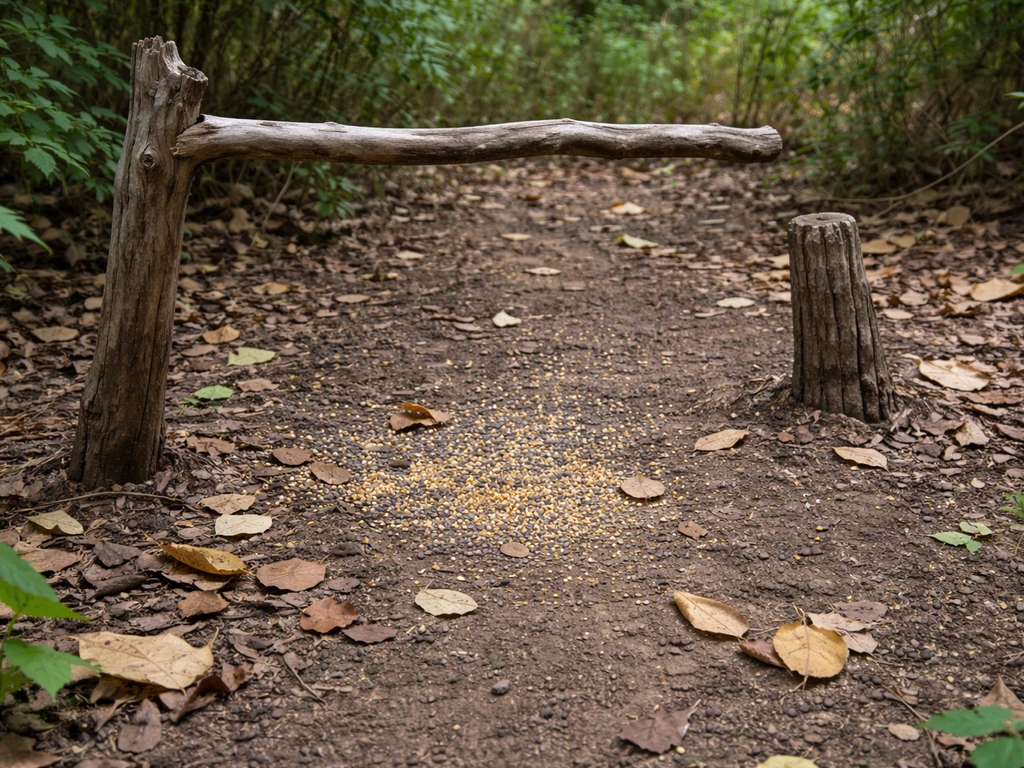
This is the detail most people miss. Doves consistently land on a bare limb, snag, or elevated perch and scan the area before dropping to the ground to feed. Installing a simple bare-branch perch 5 to 8 feet above your feeding station gives them that intermediate landing zone and dramatically increases the chance they'll commit to the food below. Think of it as a decompression step. Place the perch where the dove has an unobstructed view in multiple directions.
Minimizing threats
Remove anything from the setup area that reads as a predator cue: garden ornaments that move in the wind, shiny mylar, or reflective surfaces. Keep cats and dogs completely away from the area, especially in the first one to two weeks. Reduce foot traffic nearby during early morning feeding hours. If you're trying to get a dove used to your presence specifically, pick one calm spot nearby, sit down, and stay still. Don't walk toward the feeder. Let the bird decide when it's comfortable enough to approach.
Step-by-step: building trust until you can get close
This process works for domestic doves you're taming and for habituated wild doves you want to get within arm's reach of (for legitimate handling purposes). It takes patience but it genuinely works.
- Week 1: Set up food and water as described above. Do not go near the area during feeding times. Let the dove establish a routine visiting the spot without any human presence at all.
- Week 2: Begin sitting quietly about 15 to 20 feet away from the feeder during the dove's regular visit window (early morning is best). Read a book, look at your phone, do anything that keeps you still and non-threatening. Don't make eye contact with the bird, which it reads as predatory.
- Week 3: Move your sitting position 3 to 5 feet closer every two or three days, only if the dove continues feeding without flushing. If it flushes, go back to the previous distance for another two to three days.
- Week 4 and beyond: Once the dove feeds comfortably with you about 5 feet away, begin placing a small pile of seeds on your outstretched hand or on a flat surface directly in front of you, separate from the main feeder. Keep your body still. Your hand should be at ground level or just slightly above.
- Patience over pressure: Never rush this. If the dove flushes, reset the session for that day and try again the next morning. Forcing proximity backward-engineers every bit of progress you've made.
For domestic doves specifically, you can speed this up by working in a smaller, enclosed room where the bird can't fly to a far corner. Sit on the floor, scatter seeds around you, and let the bird come to you on its own schedule. This same general progression works when you're trying to catch a finch bird, though finches tend to be even more skittish and require more patience in the early stages.
Low-stress handling once you can get close
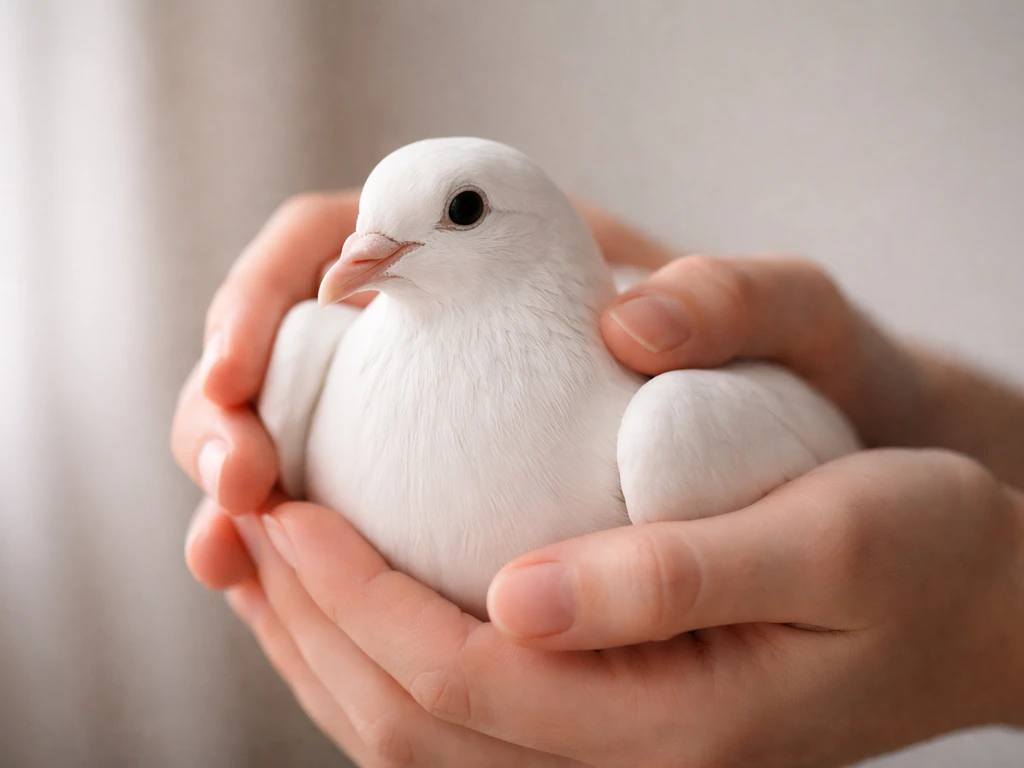
If you've reached the point where you actually need to pick up a dove, whether it's a tame bird, an injured bird, or one that has genuinely come to trust you, the priority is to handle it as briefly as possible and cause as little stress as you can. Stress is a genuine physiological threat to birds. It can be deadly to an already-injured animal, so every second in your hands counts.
How to hold a dove properly
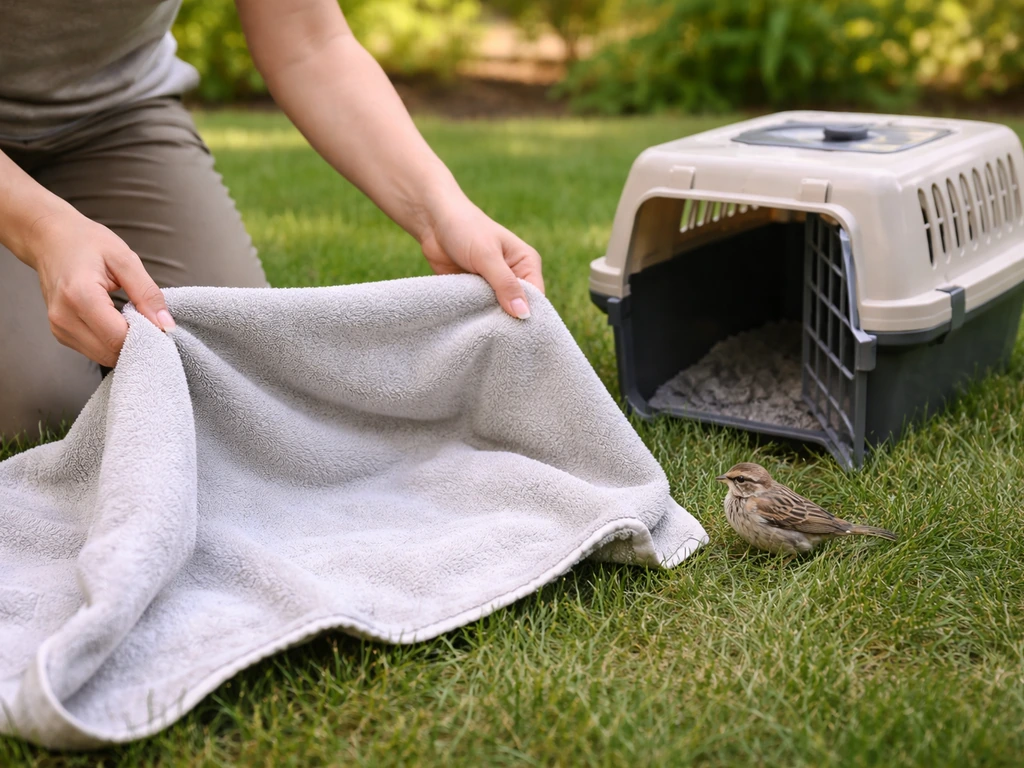
Cup the dove gently in both hands with its body cradled in your palms and your fingers loosely wrapped around the wings to prevent flapping. Do not squeeze the chest or abdomen. A bird's respiratory system is directly tied to the movement of its chest wall, and compressing it even slightly can interfere with breathing. Keep the bird upright and level, not on its back. Speak softly or stay quiet. Cover the bird's eyes gently with one finger or a light cloth, as reducing visual stimulation often calms them significantly.
Containing a bird for transport
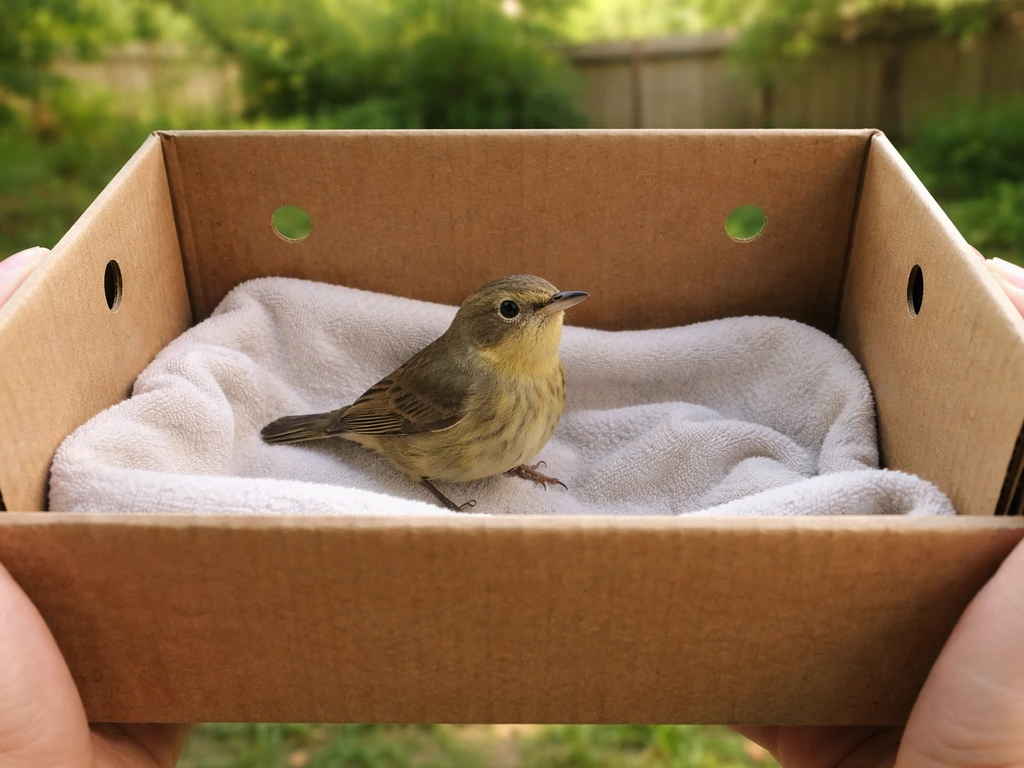
If you're moving an injured dove to a rehabilitator, place it in a cardboard box with ventilation holes punched in the sides (not the top, to keep it dark and calm inside). Line the bottom with a non-slip cloth or paper towel. Do not put food or water in the box for short transport trips, as the bird cannot safely eat or drink while stressed and in motion. Keep the box in the coolest part of your car away from direct sunlight, especially in warm weather. Overheating during transport is a serious risk. Similar transport protocols apply whether you're dealing with a dove or working through how to catch a cardinal bird for relocation to a rehabilitator.
Limit handling to what's needed to get the bird safely contained. Don't pass the bird between multiple people, don't let children hold it unsupervised, and don't attempt to feed or medicate it yourself before a professional has assessed it.
Troubleshooting: doves won't come in, keep flushing, or won't eat
Here's a practical checklist to run through when your progress has stalled. Most problems come down to one of these factors:
- Wrong timing: Are you attempting this at midday? Doves peak early morning. Shift your session to just after sunrise.
- Feeder placement is too enclosed: Move the food source to a more open area with clear sightlines and escape routes.
- Missing the perch: If there's no elevated landing spot near the feeder, add a bare branch or simple wooden dowel perch 6 to 8 feet up.
- Cats or dogs in the yard: Even one episode of predator presence can keep doves away for days. Eliminate this completely.
- You're moving too fast: If doves flush when you approach, go back two steps in your distance progression and hold that spot for a full week.
- Competing birds: Larger, more aggressive species like blue jays and house sparrows can dominate a feeder and keep doves from landing. Consider a separate low ground feeder specifically for doves positioned away from your main station. This is a common challenge when you're also trying methods like those used for catching a blue jay bird, since jays can be aggressively territorial.
- Wrong food: If you're using mixed seed blends with filler grain, switch to straight white millet or cracked corn on the ground.
- Weather and season: Cold snaps, nesting season activity, and migration timing all affect dove presence. During breeding season, doves may be less focused on foraging and harder to attract consistently.
- You're making eye contact or facing the bird directly: Turn slightly sideways and look past the bird rather than at it. Direct eye contact signals threat to prey birds.
If the dove is completely absent despite everything looking right, Georgia DNR's guidance on wildlife and attractants is worth keeping in mind: once you've established a routine and then changed something, animals typically take one to two weeks to adjust to the new situation. Consistency is more powerful than any individual technique.
Safety, ethics, and realistic timelines
Let's be direct about timelines: getting a truly wild dove to eat from your hand takes four to eight weeks of consistent, patient effort at minimum. Some individuals never get fully comfortable, and that's fine. A dove that visits your yard daily and feeds within 10 feet of you is a real success. Full hand-feeding trust is exceptional, not the norm.
For domestic doves being tamed from scratch, two to four weeks is a realistic target for basic handling tolerance, assuming daily sessions of fifteen to twenty minutes. Some individuals are naturally calmer and progress faster. Personality varies significantly between birds.
A quick comparison: wild vs. domestic dove situations
| Situation | Legal capture allowed? | Goal | Realistic timeline | When to call a rehabber |
|---|---|---|---|---|
| Injured wild dove | Yes, for transport only | Get to licensed rehabilitator | Immediate | Before you pick it up |
| Healthy wild dove in yard | No (Migratory Bird Treaty Act) | Attract and habituate at distance | 4 to 8 weeks | Not applicable |
| Escaped domestic dove | Yes | Recapture and house safely | 1 to 3 days with patience | Only if injured |
| Untamed domestic dove | Yes | Trust-building and taming | 2 to 4 weeks | Only if sick |
The ethics side you shouldn't skip
Wild bird capture outside of licensed rehabilitation is illegal in the US and UK for good reasons. Doves stress easily, and an improperly contained bird can go into shock, develop respiratory distress, or injure itself trying to escape. If you're not trained in wildlife handling, the kindest thing you can do for a wild dove is minimize your direct involvement and get it to someone who is licensed to help. The same patient, low-intervention philosophy applies whether you're researching how to catch a raven bird or working with one of the smaller, more delicate species.
For those interested in having a dove as a companion bird, the ethical path is to adopt a domestic ring-neck or diamond dove from a rescue organization or reputable breeder, not to capture a wild bird. Domestic doves are gentle, quiet, and genuinely rewarding to work with. They also have none of the legal complications of their wild counterparts. People who enjoy working with smaller companion birds often find helpful parallels in guides like how to catch a canary bird, since both species respond well to the same low-pressure, routine-based trust-building approach.
Your next steps starting today
- Identify your situation: Is this a wild dove, an injured bird, a domestic escapee, or a taming project? Your first action depends entirely on that answer.
- If the bird is injured: Call a licensed wildlife rehabilitator right now before touching the bird.
- If you want to attract wild doves: Set up a ground-level or low platform feeder with white millet, add a shallow birdbath, and install a bare-branch perch nearby. Start your observation routine tomorrow morning at sunrise.
- If you're taming a domestic dove: Begin daily 15-minute sessions sitting quietly in the bird's space with seeds scattered around you. Don't rush contact.
- Track your progress honestly: Note the closest approach distance each day. If it isn't improving over two weeks, revisit the troubleshooting checklist above.
- Know when to hand off: If a wild bird's condition is deteriorating, or if a domestic bird shows signs of illness (fluffed feathers, closed eyes, labored breathing), contact a vet or rehabilitator the same day.
The readers who get the best results with doves are almost always the ones who slow down the most. These are calm, perceptive birds that respond to calm, perceptive people. Give the process the time it actually needs, respect the legal framework around wild birds, and you'll get closer to a dove than any quick-catch attempt would ever allow. If you find yourself interested in applying similar patient techniques to other species, the same step-by-step habituation logic used here transfers well to guides like working with ravens or even more challenging wild birds.
FAQ
Is it ever okay to use a net or trap to catch a dove bird?
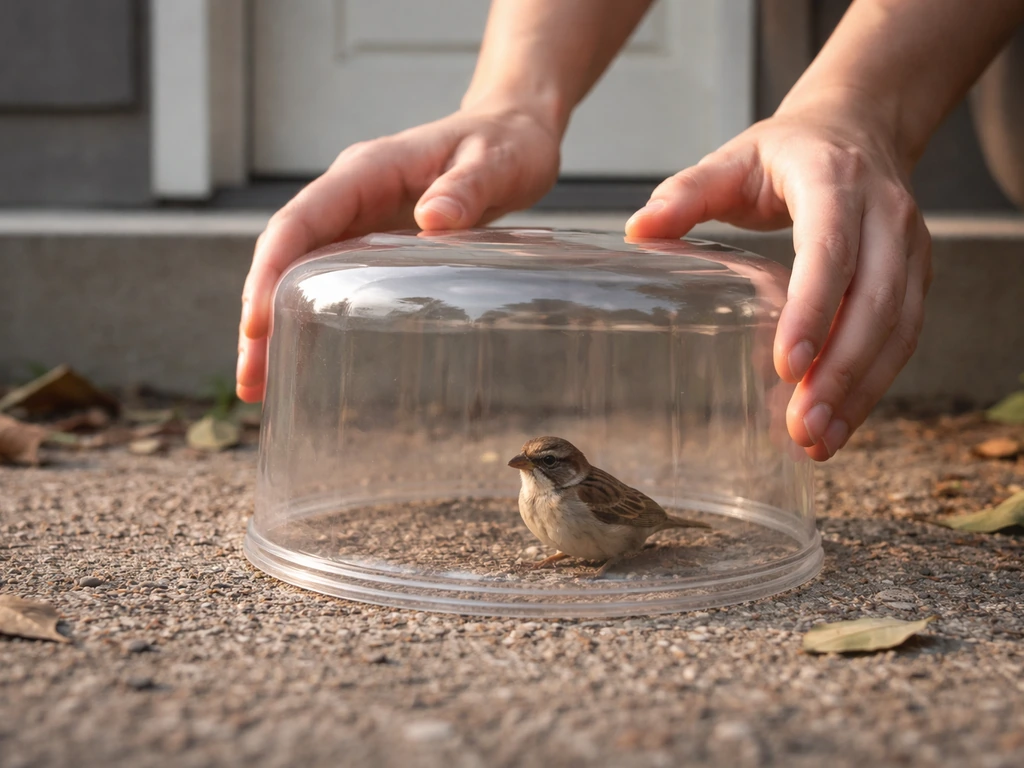
For wild doves, no. Beyond the stress and injury risk, setting traps or netting can run afoul of wildlife protection laws and can also trigger alarm behavior in nearby doves. If the bird is injured, the safer next step is to contact a licensed wildlife rehabilitator and follow their containment guidance.
What should I do if a dove is on the ground and seems to be “easy to catch”?
If it is still alive, treat it as potentially injured. Keep your distance, reduce noise, and use the same attraction setup (flat seed food, shallow water, clear escape space). If it cannot fly, is lying fluffed up, or shows wobbling, call a wildlife rehabilitator rather than attempting to pick it up yourself.
How close can I get before the dove flees?
There is no fixed distance, because doves react to motion and shadows. A practical approach is to position yourself at a consistent, calm spot and let the bird decide when to come closer over days. Sudden movement, leaning over the feeder, or approaching from directly behind the bird increases spooking.
Why will my dove not land, even though I put food out?
Most commonly, the bird is not comfortable with escape routes or predator cues. Check that the feeding area is open on all sides (no wall or dense shrub next to the food), avoid reflective or moving objects, and keep pets away. Also make sure the water is shallow (about 1 to 2 inches) and replaced daily, since doves are drawn to reliable water sources.
Can I attract doves using a feeder that is higher up or enclosed?
Often no for doves specifically. They prefer standing on flat, open surfaces, and enclosed tube feeders can discourage them from dropping down. If you want higher visitation, use an open low platform and consider the intermediate bare-branch perch so the dove can scan before committing to the ground feed.
How long should I wait before changing my setup if nothing improves?
Give the routine time. Once you’ve established a feeding-and-water pattern and then change something, doves typically need about one to two weeks to adjust. If after that window there is still no visitation, revisit the basics first: open sightlines, correct seed type, consistent timing (early morning), and removing predator-like cues.
What time of day is best if I’m trying to get a dove to approach me?
Early morning is usually the highest-activity period, and late morning to midday often drops off. Keep your own presence low and consistent during those peak hours. If you are seated and still, you can often get closer progress than you would by repeatedly walking toward the feeder.
Is it safe to put food or water in the box when transporting an injured dove?
For short transport trips, avoid it. In motion and stress, the bird cannot safely eat or drink, and adding food can increase mess and agitation. Use a ventilated cardboard box, keep it cool and out of direct sun, and let the rehabilitator handle feeding decisions.
How can I reduce stress if I must handle a dove briefly?
Keep handling to the minimum needed for containment and avoid squeezing the chest or abdomen. Support the body with both hands, keep the bird upright and level, and gently reduce visual stimulation by covering the eyes lightly. Speak softly or stay quiet, and do not pass the bird between multiple people.
What signs mean I should stop trying to attract the bird and contact a professional instead?
Call a licensed wildlife rehabilitator urgently if the dove is grounded and unable to fly, shows obvious injury, has trouble breathing (open-mouth breathing, pronounced gasping), appears weak or disoriented, or has blood or severe swelling. For these cases, shifting back to “attract and approach” can waste critical time.