
If you want to catch a finch, the answer almost always starts the same way: slow down and attract first, capture last. Whether you're trying to bring wild finches into your yard, tame a skittish pet finch, or safely help an injured bird, the most effective and humane path is building trust and reducing stress before you ever think about physically handling one. Physical capture is only appropriate in specific situations, and even then, there's a right and a wrong way to do it. This guide walks you through the whole process in order.
How to Catch a Finch Bird: Humane Steps, Options, Aftercare
Clara Hayes
16 Apr 2026
Know your finch and check the rules first
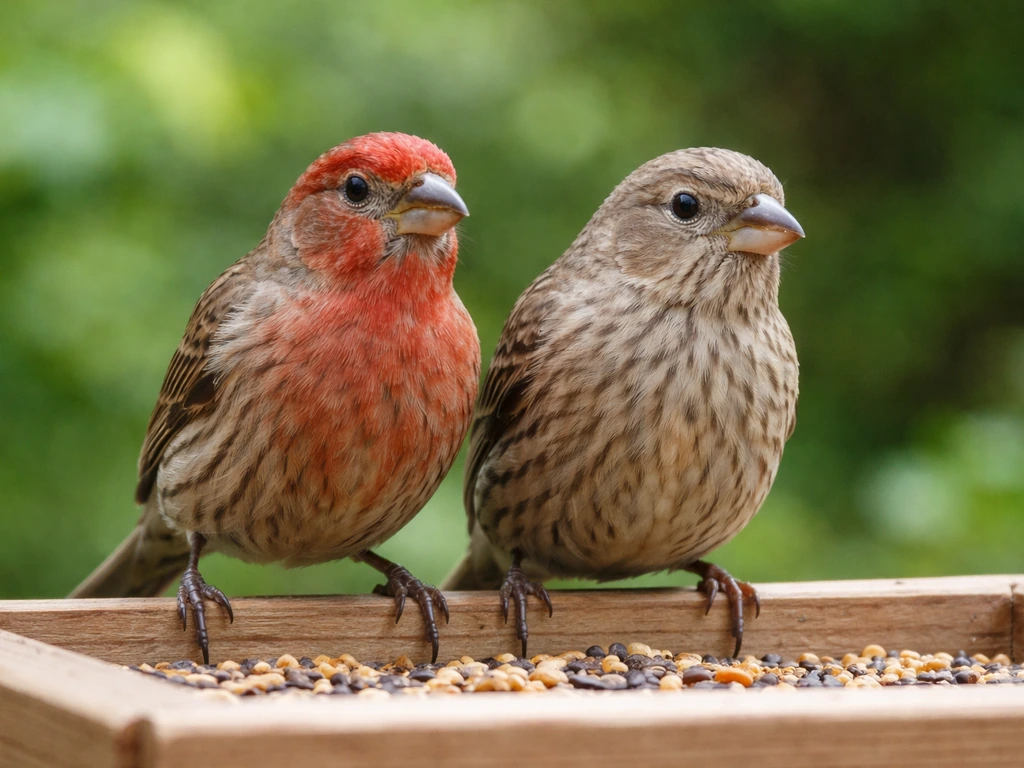
There are several finch species you might be dealing with, and it matters. House Finches are the most common backyard visitors across North America, comfortable in human-created habitats and regularly seen at feeders. American Goldfinches eat seeds almost exclusively and tend to flock outside breeding season, which means once they discover a reliable food source, they'll show up in numbers. Purple Finches are a bit more seasonal, showing up in wooded or semi-open suburban areas and readily visiting feeders when they're passing through.
Before you do anything beyond setting up a feeder, understand one important legal reality: most wild finches are migratory birds protected under federal law. Possessing a live wild bird without a permit is prohibited. A Federal Migratory Bird Rehabilitation permit authorizes taking, transporting, and temporarily possessing sick or injured migratory birds, but you cannot legally take possession of a bird before getting approval from your Migratory Bird Permit Office. States layer on their own requirements too.
In Washington, for example, you need both a state permit and a federal one just to rehabilitate songbirds. The bottom line: if you find an injured wild finch, your job is containment and transport to a licensed rehabilitator, not keeping or treating the bird yourself.
If you're working with a pet finch (like a Zebra Finch or Society Finch bought from a breeder or store), none of these wildlife laws apply. You're free to handle, house, and train it however you choose. Just keep the two situations clearly separated in your mind as you read through this guide.
How to attract finches to your yard
The single best thing you can do to "catch" a finch in the sense of getting them to come to you regularly is to make your yard worth visiting. Finches are seed specialists, and they will find a good feeding station once it's established. Here's how to set it up properly.
Food, water, and habitat
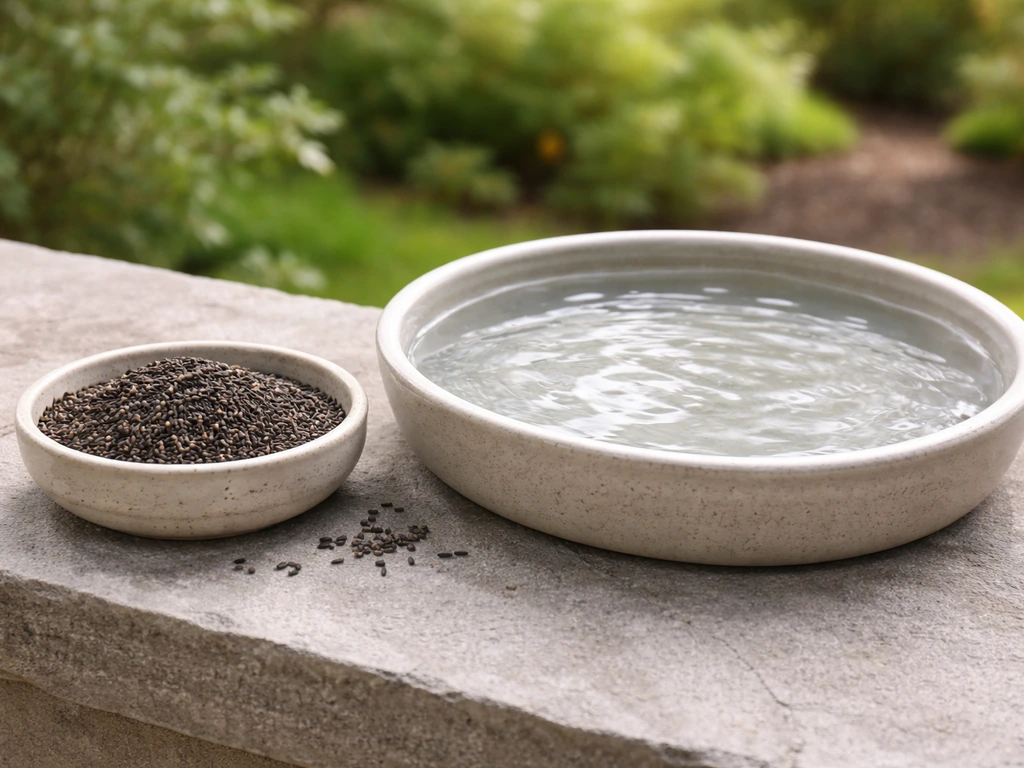
Nyjer seed (also called niger or thistle) is your most powerful tool. The Minnesota DNR specifically calls it an excellent all-winter staple for American Goldfinches, House Finches, and Purple Finches. Sunflower seeds (hulled or in the shell) are a close second. Purple Finches are fond of sunflower seeds, millet, and thistle, so a mix that includes white millet will pull in more species. Avoid cheap filler seeds like milo or wheat, which finches typically ignore and which just end up on the ground encouraging pests.
Fresh water is just as important as food. A simple shallow birdbath cleaned every couple of days will draw finches in faster than food alone during dry or hot stretches. Keep the water moving if you can (a small dripper or solar fountain works well) because the sound attracts birds from a surprising distance.
Habitat matters too. Finches feel safer feeding near dense shrubs or conifers they can dart into if they sense danger. The Minnesota DNR recommends placing feeders downwind from shelter provided by conifers, plantings, or buildings, which reduces wind exposure and gives birds a quick escape route. Even a brush pile near the feeder will make shy birds more willing to linger.
Feeder placement and window safety
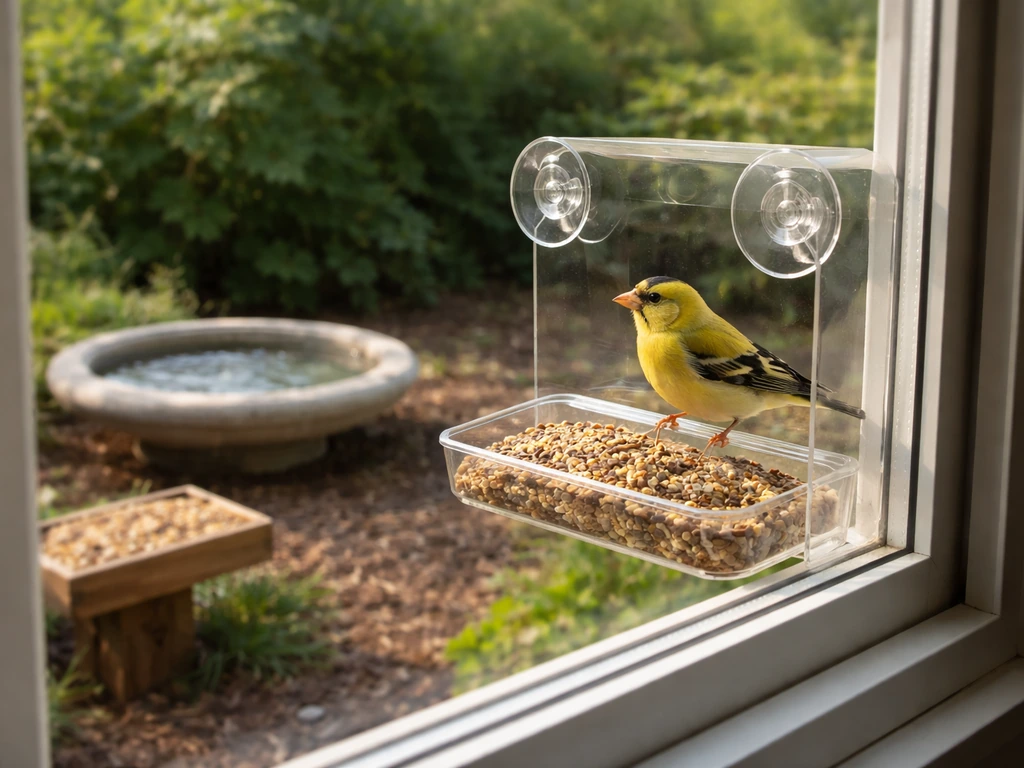
Feeder height and distance from your house both matter. The Florida Fish and Wildlife Conservation Commission recommends suspending feeders at least 10 feet from the ground to reduce predator risk. For window placement, Audubon Texas gives a practical rule: place feeders either within 3 feet of a window or more than 30 feet away. That might sound counterintuitive, but feeders close to windows mean birds can't build up enough speed to injure themselves if they startle and fly toward the glass. Feeders in the 5-to-30-foot danger zone are where most collisions happen.
Set up a finch-friendly feeding station the right way
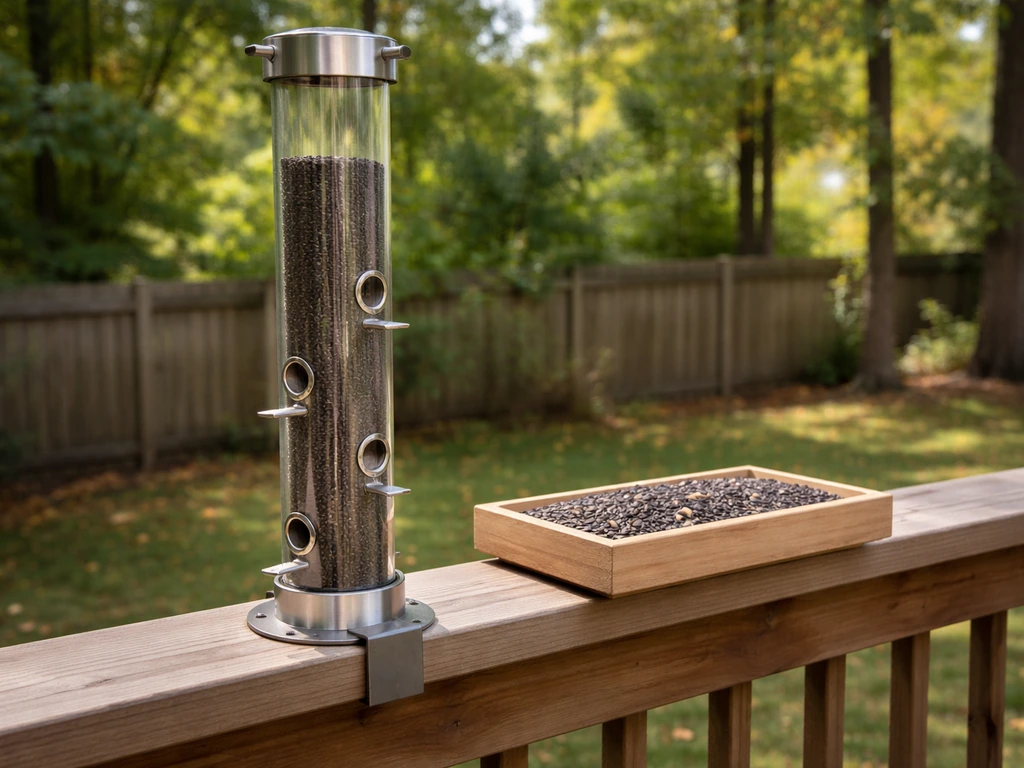
Getting the setup right from day one saves you a lot of frustration. Here's what a solid finch feeding station actually looks like.
- Use a tube feeder with small ports for nyjer seed. Goldfinches and House Finches will cling to these easily.
- Add a platform or hopper feeder for sunflower seeds and millet to pull in Purple Finches and ground-feeding House Finches.
- Place feeders within 3 feet of a window or more than 30 feet away to prevent collision injuries.
- Hang feeders at least 10 feet off the ground, ideally sheltered downwind from conifers or dense shrubs.
- Keep the feeder consistently stocked, especially in the first few weeks while birds are learning the location.
- Allow feeders to dry completely before refilling because damp seed promotes mold growth that can sicken birds.
- Clean seed feeders every two weeks, removing droppings, hulls, and any moldy or wet seed debris.
- Discard water or seed immediately if you see cloudy water or black mold and scrub the feeder before refilling.
- Rake up seed debris beneath feeders regularly to prevent mold buildup and reduce disease risk at ground level.
Timing matters more than most people expect. Finches are creatures of habit. Cornell Lab's research on House Finches shows that consistent routine and predictable food availability is what habituates them over time. Keep the feeder full on the same schedule, and birds will start building a reliable pattern around your yard within two to four weeks. American Goldfinches tend to show up in flocks once they discover a site, so don't be surprised if you suddenly go from zero to a dozen birds once word "gets out."
Getting finches to approach you: taming and hand-trust steps
This section applies whether you're working with a wild finch that visits your yard or a pet finch that's skittish and hard to handle. The core principle is the same: you reduce the bird's fear response through predictable, low-pressure exposure over time. Rushing this process always backfires.
For wild finches at a feeder
- Start by sitting quietly about 15 to 20 feet from the feeder. Don't face the birds directly. Angled, relaxed posture reads as less threatening.
- After a week of birds feeding comfortably with you nearby, move your chair two to three feet closer. Stay at that distance until they're comfortable again.
- Gradually reduce your distance over several weeks. Most finches will eventually feed with you seated within six to eight feet.
- Introduce your hand slowly by resting it near the feeder (not reaching toward birds). Offer seed in your palm only after weeks of proximity exposure.
- Keep movements slow and predictable. Sudden gestures or loud noises reset days of trust-building instantly.
- Use the same clothes, same chair, and same time of day. Finches recognize visual patterns and are more relaxed around familiar-looking situations.
For pet finches that are hard to handle
Pet finches like Zebra Finches are not naturally hand-tame birds. They're flock animals that didn't evolve to bond with individual humans the way parrots do. That said, you can absolutely build tolerance and make handling less stressful for both of you. Start by sitting next to the cage daily without interacting. Just be present. After a week, begin offering millet spray through the cage bars so the bird associates your hand with food. Once it's eating from your fingers through the bars, open the cage and let it come to you on its own terms. Never chase or corner a pet finch inside its cage, as this creates lasting fear and makes every future interaction harder.
Realistic timeline: expect two to six weeks before a previously untouched pet finch will tolerate a hand near it without panicking. Some birds, especially those with no early handling history, may never become fully hand-tame, and that's okay. The goal is reducing stress, not turning your finch into a parrot. Just like taming and managing a canary bird, the process is about building tolerance and trust at the bird's pace, not yours.
Traps and physical capture: when it's appropriate and when it's not
Physical capture of a wild finch should be a last resort, not a first move. There are only a few situations where it genuinely makes sense: the bird is injured and can't fly, it's trapped inside your home, or you need to relocate a bird that's stuck somewhere it can't escape. In most other cases, a combination of patience and the feeder-based attraction methods above will get you what you want without the stress of capture.
Trap types: what works and what to avoid
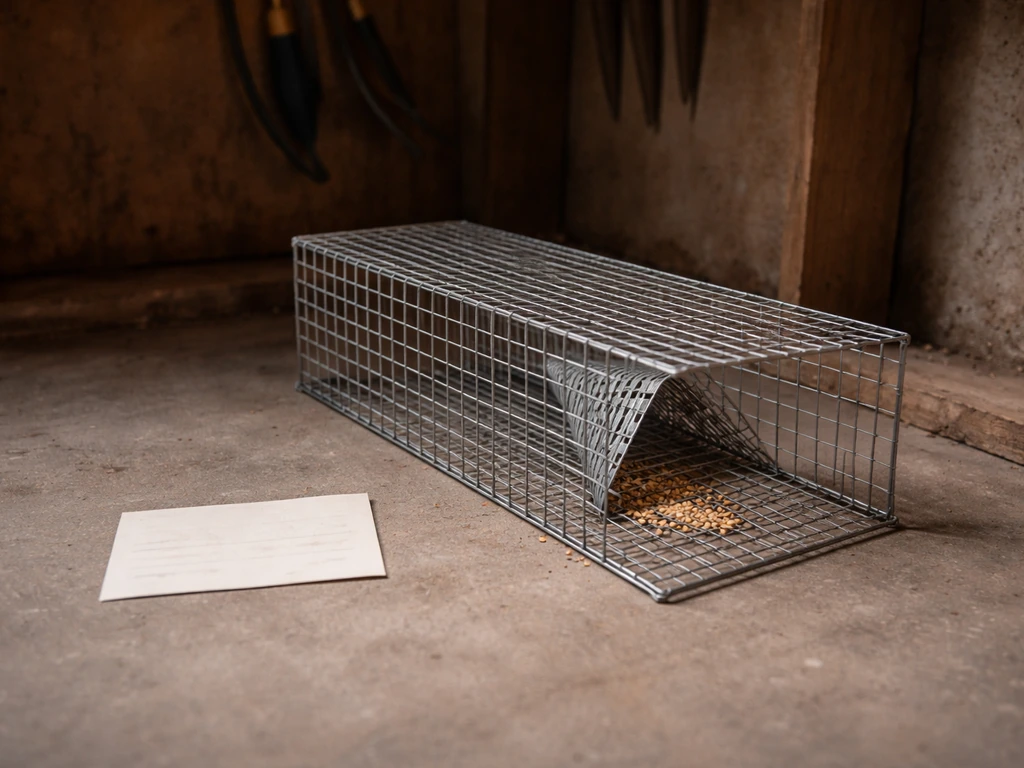
| Method | Best Use Case | Key Risks | Recommendation |
|---|---|---|---|
| Tube/funnel trap with seed bait | Catching a specific bird in a limited area (e.g., garden shed) | Bird may become distressed; other species get caught too | Check every 30 minutes maximum; release non-target birds immediately |
| Towel herding into a corner | Bird trapped inside a room or enclosed space | Wing/leg injury if done wrong; high stress | Use only if the bird cannot exit on its own; move slowly |
| Drop trap (box propped with stick) | Attracting birds to a bait site in a controlled yard area | Requires monitoring; multiple birds caught at once | Only for temporary catch-and-release or rehab handoff |
| Mist net | Professional/permitted rehab use only | Serious injury risk without training; illegal without permit | Do not attempt without federal and state permits |
| Chasing or grabbing by hand | Emergency only (bird clearly injured, not moving) | High stress; injury to bird and you; breaks trust | Absolute last resort; use towel buffer |
If you're trying to catch a bird that's inside your house, close off adjoining rooms, open one exterior window or door, darken the rest of the room, and let the bird find the light. This works faster than any active pursuit. For a bird in a garage, the same approach applies. Chasing a finch around a room will exhaust it and risk serious injury. Similarly, when dealing with a bird like a raven or larger species, the Raptor Trust recommends calling a licensed wildlife rehabilitator or animal control rather than attempting capture yourself. For a small finch, the risk is lower, but the principle of not escalating applies.
Methods that work for other backyard birds follow similar logic. If you're curious how these approaches compare across species, the guidance for catching a dove bird humanely uses the same feeder-first, capture-last philosophy that applies here.
After you catch a finch: housing, handling, and next steps
What you do in the first 30 minutes after physically capturing a finch (wild or pet) determines a lot about whether the bird survives or recovers well. Here's the priority order.
Immediate containment for a wild finch
- Place the bird in a small, well-ventilated cardboard box. Put a folded paper towel or thin cloth on the bottom so the bird has traction.
- Keep the box warm, dark, and quiet. Darkness reduces panic significantly.
- Do not give food or water unless specifically instructed by a rehabilitator. Feeding an injured bird incorrectly can cause aspiration or make injury assessment harder.
- Do not use a wire cage for transport. Birds can injure their beaks and feathers thrashing against the bars.
- Contact a licensed wildlife rehabilitator or avian vet as soon as possible. The Avian Wildlife Center and similar organizations can advise you on next steps over the phone.
The Environmental Literacy Council echoes this: a warm, dark, quiet box is the single most important thing you can do for an injured wild bird before professional help arrives. Resist the urge to keep checking on the bird or showing it to family members. Every interaction is stress, and stress kills injured birds faster than most injuries do.
Handling a pet finch safely
When you need to catch a pet finch to move it, clean its cage, or take it to a vet, the towel method is your friend. Dim the room lights first (finches are calmer in lower light), then use a small soft cloth to gently cup the bird from above. Don't squeeze. Your grip should be firm enough that the bird can't escape but loose enough that its chest can fully expand for breathing. Finches have fast metabolisms and can go into shock from prolonged restraint, so keep handling sessions under two minutes unless a vet directs otherwise.
For the cage itself, a standard small-bird cage with horizontal bar spacing no wider than half an inch works well for most finch species. Include plenty of perches at varying heights, cover the cage at night to reduce stress, and keep it away from drafts and direct midday sun. Finches do best in pairs or small groups, so if you're housing a lone bird temporarily, keep the environment as calm and consistent as possible.
Rehab or keep? Making the right call
If the bird is wild and injured, the answer is almost always: contact a rehabilitator. Possessing a wild migratory bird without a permit is illegal, even if your intentions are good. Licensed rehabilitators are trained to assess injury, provide appropriate treatment, and release birds when they're ready. You can find one through your state wildlife agency, the National Wildlife Rehabilitators Association directory, or by calling a local animal shelter or avian vet.
If the bird is a pet finch that escaped and you've recaptured it, or if you're doing routine management of a bird you legally own, then housing it temporarily while it recovers from a stressful experience is completely reasonable. Just apply the same warm, quiet, low-stimulation principles while it settles back in. Most pet finches return to normal behavior within 24 to 48 hours after a stressful event if given a calm, familiar environment.
Troubleshooting: when finches stay skittish
Sometimes finches don't respond the way you expect. Here are the most common problems and what to actually do about them.
- Birds aren't coming to the feeder at all: Check if the seed is fresh. Stale or moldy seed is a major deterrent. Also consider whether a neighborhood cat or hawk is patrolling the area.
- Birds visit but fly off the moment you approach: You're moving too fast and too close. Go back to sitting at a larger distance and rebuild gradually. Weeks, not days.
- Pet finch panics every time the cage door opens: You may be making too much eye contact. Look slightly away and move your hand in from the side rather than from above (which mimics a predator strike).
- Finches disappeared suddenly after weeks of regular visits: Seasonal migration is likely. American Goldfinches and Purple Finches shift ranges seasonally. Maintain the feeder and they'll likely return.
- Bird seems injured but won't let you approach: Don't chase it. Place seed and water nearby and watch from a distance. Many birds recover on their own from minor impacts. If it's still grounded after several hours, attempt gentle containment with a towel.
The same patient troubleshooting process applies regardless of what species you're working with. Whether you're dealing with a finch, or trying to figure out how to attract a cardinal bird that keeps skipping your yard, consistent food, safe placement, and low-pressure proximity are the variables that matter most. Finches are smart, adaptable birds. Give them a reason to trust you, and most of the time, they will.
One final note: if your interest in finches has you curious about other small birds that visit yards under similar conditions, the approaches used for catching and attracting a blue jay bird offer a useful contrast, since blue jays require bolder tactics but still respond best to feeder-based trust-building rather than any form of pursuit. And for larger wading birds like cranes, the legal and handling considerations are quite different, as outlined in guides specifically covering how to safely approach a crane bird. The core principle across all of them stays the same: respect the bird's pace, never stress it more than necessary, and always have a licensed rehabilitator's number ready.
If you're curious how capture approaches differ for intelligent, larger corvids, the methods described for catching a raven bird humanely highlight just how much species size and temperament change the equation, reinforcing why finch-specific, low-stress methods are the right starting point for these small, fast birds.
FAQ
Can I use a net or bird trap to catch a finch quickly?
For wild finches, avoid nets and traditional traps unless you are operating under the right permits, they usually cause wing injuries or panic. Even for pet finches, trapping often creates long-term fear, so the feeder-first, capture-last approach is safer. If you must use containment, prefer temporary isolation tools like a covered carrier set up calmly, not active pursuit equipment.
What should I do if I spot an injured finch but I cannot find a rehabilitator right away?
Keep the bird warm and dark in a ventilated container, minimize handling and conversation, and place it in a quiet spot away from pets. Do not feed or give water unless a licensed rehabilitator tells you to, because incorrect fluids and food can worsen injuries. If it is bleeding heavily, persistent shaking, or has trouble breathing, call an avian vet or emergency wildlife line for immediate triage guidance.
How can I tell whether the bird is wild or actually a pet before I try to catch it?
Look for signs like leg bands, known cage indicators nearby, or tameness such as allowing repeated close approach without fleeing. Pet finches are often accustomed to seed types and may approach feeders near the home more readily than local wild birds. When in doubt, treat it as wild, especially if you do not have purchase records or confirmation from the seller or breeder.
If my goal is just to get photos, do I still need to think about capture at all?
No. You can “catch” attention without capture by using the feeder placement rules, consistent timing, and a clean shallow water source. For easier photography, sit still at a set distance and avoid sudden movement, because finches respond faster to routine than to direct interaction.
How do I prevent my finch-feeding setup from attracting pests or making the ground messy?
Use small, measured quantities of seed and clean up below the feeder daily, because fallen milo, wheat, or other fillers invite rodents and insects. Consider using a seed mix tailored to finches (niger, millet, and appropriate sunflower types) and switch to hulled or in-shell sunflower only in amounts the birds consume quickly.
Will moving the feeder change how quickly finches start visiting?
Yes. Finches rely on predictable routine, so changing feeder location resets the birds’ mental map. If you must relocate, do it gradually, for example moving a short distance over several days while keeping food timing constant, and keep the same protective cover nearby so they still have a quick escape route.
What should I do if a window collision happens?
Immediately move the feeder out of the collision zone or increase visibility features on the glass so the bird can’t build speed toward it. If the bird is stunned, use a warm, dark, quiet container and contact a rehabilitator or avian vet for assessment, since concussions can be worse hours later.
For a pet finch that panics when handled, should I keep trying the same method until it calms down?
No, repeated failed attempts can worsen fear. Use the tolerance approach described, extend time intervals before any cage opening, and only progress when the bird is actively eating calmly through the bars. If the bird repeatedly escalates, pause the handling plan and focus on step-back goals like being near the cage without contact for several days.
Is it okay to keep a lone finch, or should I always add another?
Finches often do better in pairs or small groups, but adding a new bird can also introduce stress or disease if quarantine is skipped. If you are bringing in or temporarily housing a pet finch, monitor closely and quarantine any new bird before combining. If you already have one bird and it is coping poorly, discuss safe companionship options with an avian vet rather than rushing introductions.
How long is it safe to hold a finch after capture before I can get help or release it?
For pet finches, keep handling very short, ideally under a couple of minutes unless a vet instructs otherwise, because they can go into shock from prolonged restraint. For wild finches, you should not self-treat, focus on warm containment and rapid transfer to a licensed rehabilitator. If the bird is not showing improvement in responsiveness quickly, prioritise emergency guidance over further waiting.