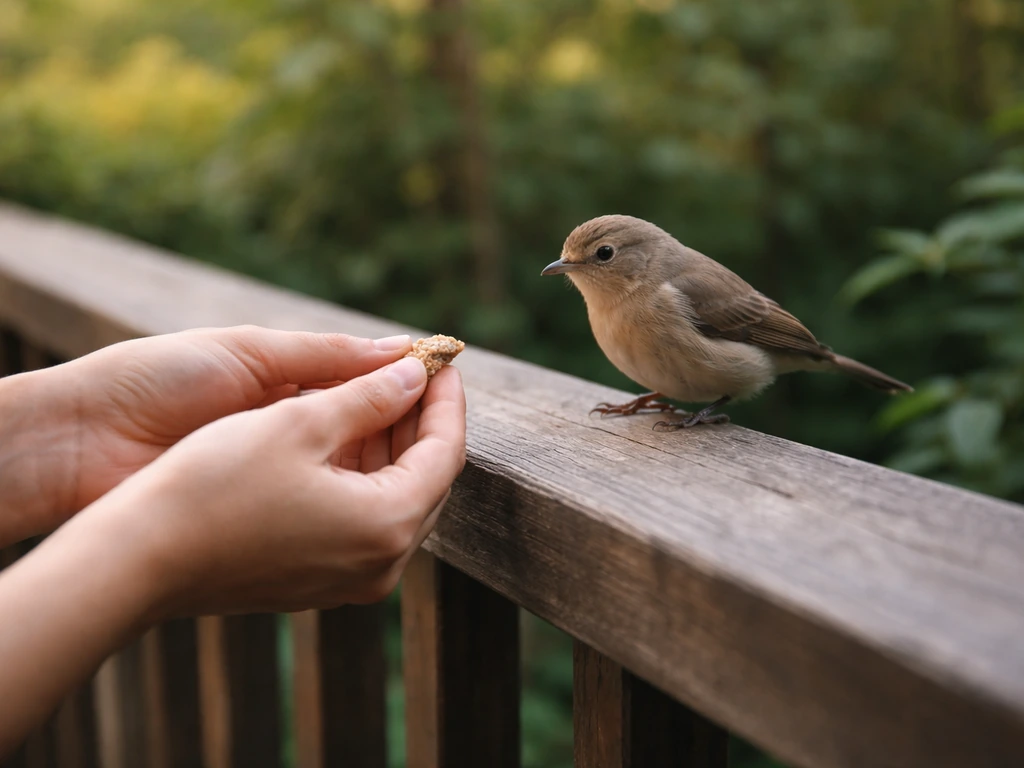
To show a bird you're friendly, slow everything down. Move quietly, keep your body low and turned slightly sideways, avoid direct eye contact at first, and let the bird set the pace for every interaction. Whether you're working with a pet cockatiel or trying to earn the trust of the sparrows in your backyard, the core message is the same: safety comes before contact, and patience is the whole strategy.
How to Show a Bird You Are Friendly: Step by Step
Clara Hayes
12 May 2026
Start with safety, ethics, and realistic expectations
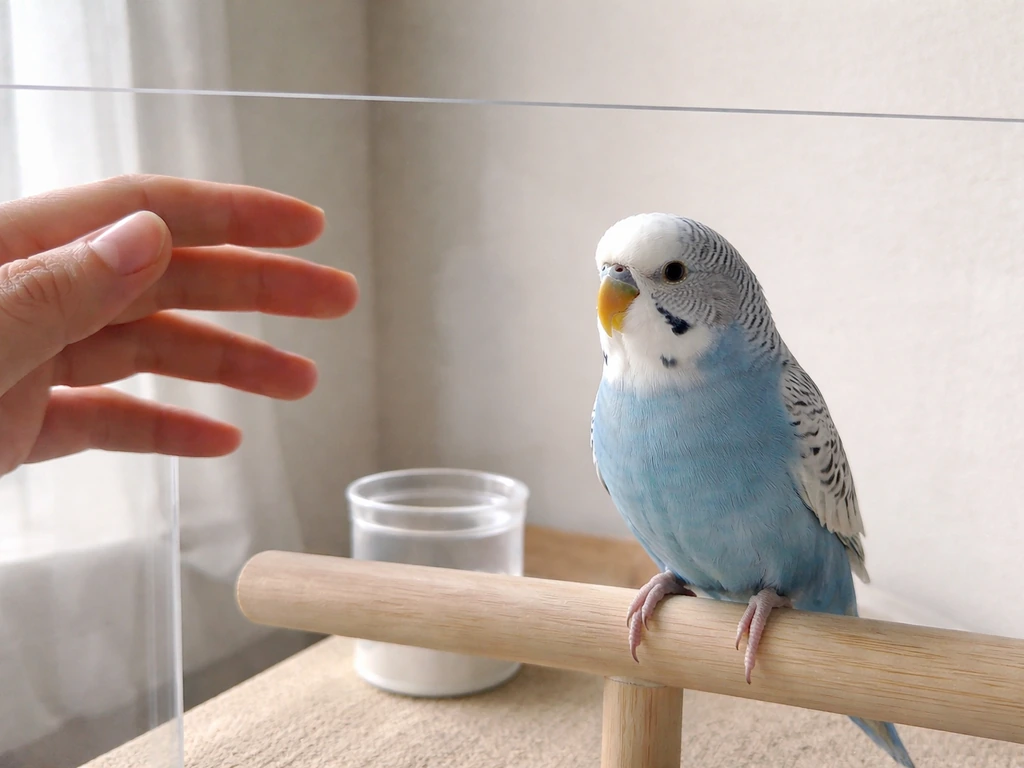
Before you do anything else, understand that birds are prey animals. Their default response to something unfamiliar is fear, not curiosity. That's not a problem to fix; it's just biology. Building trust is a process of gradually showing a bird that you are not a threat, and that takes days, weeks, or even months depending on the individual bird and its history.
For pet birds, start by ruling out health issues. A bird that seems fearful or aggressive might actually be sick, and illness can look identical to fear. Find an avian vet before you begin intensive trust training. The CDC recommends keeping a local avian vet contact on hand because illness can derail everything quickly, and a trained eye can tell the difference between a stressed bird and an unwell one.
Safety in your home matters too. If you're going to have a bird out of its cage during training, PTFE fumes from nonstick cookware heated above 400°F can kill a bird almost instantly. Keep birds away from the kitchen entirely. Also avoid scented candles, aerosol sprays, and cigarette smoke in the same space. Getting hazards under control before trust training begins isn't optional; it's the foundation.
For wild birds, there are legal and ethical limits you need to respect. In the U.S., the Migratory Bird Treaty Act protects most wild birds, and actions that harm or harass them can qualify as a legal "take." The Fish and Wildlife Service advises observing wildlife from a distance. This doesn't mean you can't attract wild birds; it means you shouldn't attempt to handle or corner them. Your goal with wild birds is to become a familiar, non-threatening presence in their environment, not to touch them.
Finally, set a realistic expectation: there is no trick or shortcut that makes a bird immediately trust you. A rescue bird with a difficult past might take six months to step onto your hand voluntarily. A wild chickadee in a quiet suburban yard might eat from your palm within a few weeks if you're consistent. Know your bird's starting point and measure progress in small, honest increments.
Learn the bird's signals and pick the right approach
You cannot show a bird you're friendly if you don't know when it's telling you to back off. Bird body language is also central to how to make bird friends in the real world, since it determines when to slow down, pause, or gently approach read when it's telling you to back off. Bird body language is specific and easy to read once you know what to look for. Learning to read it is genuinely the most important skill in this whole process.
Signs a bird is stressed or afraid
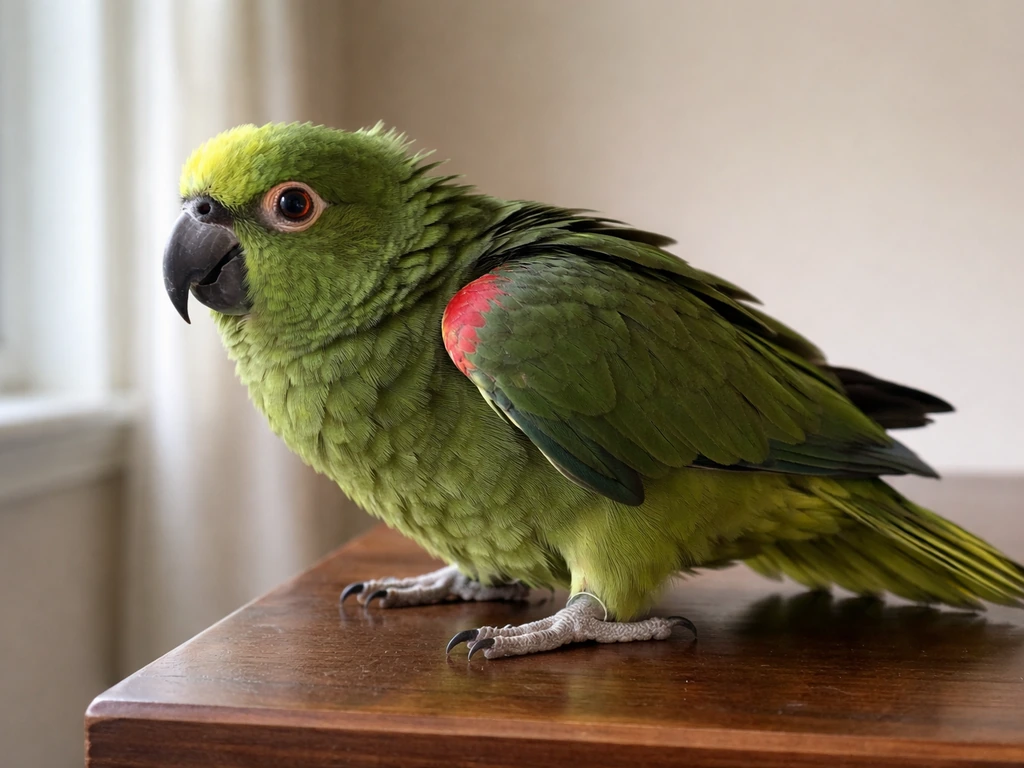
- Tail fanning or feathers held tightly against the body
- Wings held away from the body or slightly raised
- Raised head feathers or a rigid, puffed-up posture
- Dilated pupils, especially combined with a fixed stare at you
- Hissing, panting, or rapid shallow breathing
- Pacing, rocking, or repetitive movements in the cage
- Screaming or excessive, repetitive chirping
- Lunging or biting when you get close
Any one of these signals means stop what you're doing, create more distance, and give the bird time to settle. Continuing interaction when a bird is showing these signs is counterproductive and can set your progress back significantly. The rule is: when in doubt, back off.
Signs a bird is calm and open to interaction
- Relaxed body posture, feathers loosely held
- One foot tucked up, indicating comfort
- Slow eye blinking or half-closed eyes
- Quiet chirping, talking, or soft sounds
- Leaning toward you rather than away
- Preening in your presence (a very good sign)
When you see calm signals, that's your window to gently move a step closer or offer a treat. The approach itself should be slow and indirect. Don't walk straight at a bird. Approach at a slight angle, keep your movements smooth, and avoid sudden gestures. Keep your voice low and consistent; talking softly as you move helps the bird anticipate you and associate your voice with safety. Avoid staring directly at the bird from close range since direct eye contact reads as predatory to most species.
Set up the environment: food, space, and low-stress routines
The environment you create does a lot of the trust-building work for you before you even interact with the bird directly. A bird that feels physically safe in its space is a bird that has mental bandwidth left to be curious about you.
Cage setup and placement for pet birds
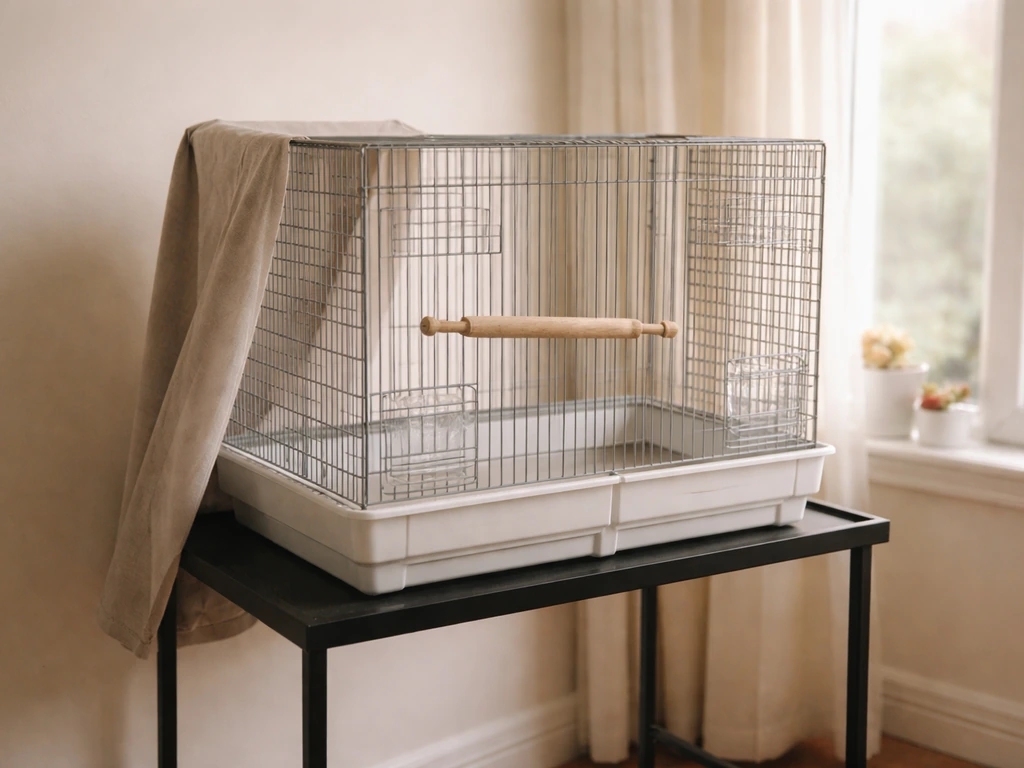
Cage size matters for stress levels. As a general welfare guideline, a cage should be at least twice the wingspan of the largest bird in it. Place the cage at roughly eye level or slightly below, never on the floor (which feels exposed and dangerous) and never so high the bird looks down on you (which can encourage dominant behavior in some species). Put the cage against a wall on one side so the bird has a sense of security at its back. Avoid placing it near windows where outdoor predators like hawks or cats are visible, near air vents, or in the kitchen.
Predictable routines reduce anxiety dramatically. Cover the cage at the same time each night, uncover it at the same time each morning, and feed at consistent times. Sudden changes to the routine, loud environments, or chaotic households create chronic background stress that makes trust-building nearly impossible. The RSPCA advises keeping pet birds in a quiet spot and sticking to their normal routine as a core welfare practice, and it's excellent advice for any trust-building phase.
Food as a trust tool
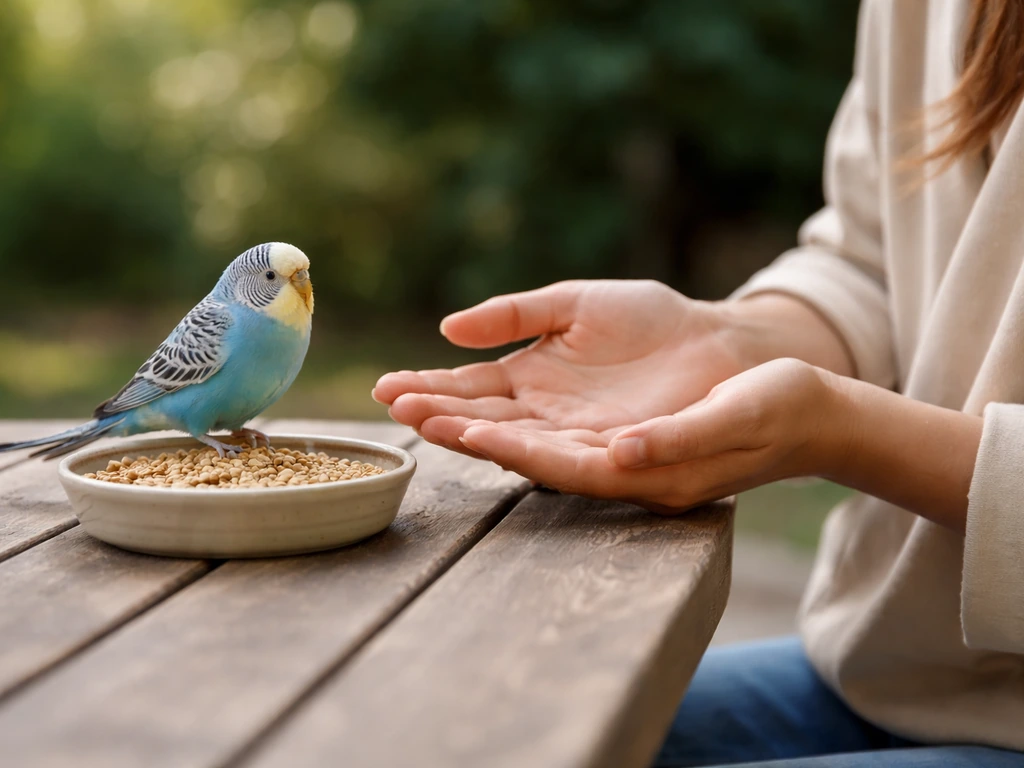
Food is your most reliable way to show a bird you're friendly. Use high-value treats that you don't include in the regular diet so they stay special. For parrots and cockatiels, small pieces of millet, a bit of fruit, or a sunflower seed work well. For budgies, millet spray is almost universally irresistible. For finches, small seeds offered by hand are a good starting point. One important rule: don't share food directly from your mouth or plate. This isn't just a hygiene point; birds can pick up bacteria from human saliva, and it's a real infection risk.
Start by leaving treats near the cage door, then just inside it, then progressively closer to where you're sitting. The goal is to create a trail of positive associations between your presence and something the bird genuinely wants.
Step-by-step taming and training methods for pet birds by species
The overall framework is the same across species: start at a distance, reduce it gradually over multiple short sessions, introduce your hand before attempting contact, and build toward the step-up behavior as your first real handling milestone. Keep sessions to about 15 minutes maximum. Birds fatigue and lose focus quickly, and ending on a positive note before frustration sets in is what keeps progress moving forward.
Parrots (African Greys, Amazons, Conures, Cockatiels)
Parrots are intelligent and emotionally complex. Start by simply sitting near the cage for several days without attempting interaction. Read a book, talk softly, let the bird get used to your presence as a neutral part of its environment. Once the bird is relaxed around you, introduce your hand outside the cage without reaching in. Just rest it near the door. When the bird stops reacting to your hand being there, start offering treats through the bars. When the bird takes treats from your hand through the bars consistently, open the cage door and offer from your palm just inside the opening. The step-up command comes after this: place your finger or forearm just below the bird's chest and say "step up" calmly. Many parrots will step on within a few sessions once they trust your hand. Some take weeks. Do not force it.
Cockatiels specifically tend to respond well to whistling and gentle mimicry of their sounds. They're often more hand-tame faster than larger parrots but can be nippy when overstimulated. Watch for the raised crest as a mood indicator: fully raised and fanned means alert or excited, flattened means fear or aggression, relaxed and slightly raised means content.
Budgies (Budgerigars)
Budgies are social birds and generally tame well with consistent, gentle handling. Young budgies (under 12 weeks) tame much faster than adults with no prior handling. The same phased approach applies: presence first, hand near the cage, treats through bars, hand inside cage, step-up. Millet spray held in your hand is almost a guaranteed bridge to hand-contact for most budgies. Once a budgie steps up, practice the step-up multiple times per session but keep the overall session short. Talking to budgies constantly while you work with them helps because they're vocal, social creatures who respond to sound as connection.
Finches and Canaries
Finches and canaries are fundamentally different from parrots. Most species are not hands-on birds and don't enjoy or seek handling. Showing them you're friendly means minimizing disturbance to their environment, speaking softly, moving slowly around their cage, and letting them become comfortable with your presence. If you're aiming for how to befriend a bird rather than just step-up handling, focus on calm presence and the bird choosing to approach at its own pace. Spending time near the cage reading or working quietly, and offering fresh foods by slowly placing them in the cage without sudden movements, is the right approach. Don't expect a finch to step onto your hand the way a parrot does. The goal is a bird that doesn't flee to the back of the cage when you walk past, which itself represents genuine trust for these species.
General training timeline to set expectations
| Species | Phase 1: Presence only | Phase 2: Hand near cage | Phase 3: Treats from hand | Phase 4: Step-up |
|---|---|---|---|---|
| Large parrot (e.g., African Grey) | 1-2 weeks | 1-2 weeks | 1-4 weeks | Weeks to months |
| Cockatiel | 3-7 days | 3-7 days | 1-2 weeks | 2-6 weeks |
| Budgie (young) | 2-5 days | 3-5 days | 1 week | 1-3 weeks |
| Budgie (adult, untamed) | 1-2 weeks | 1-2 weeks | 2-4 weeks | 4-8 weeks |
| Finch / Canary | 1-2 weeks | Ongoing habituation | Rarely achieved | Not a typical goal |
How to befriend wild birds in your yard without forcing contact
Attracting wild birds and earning their comfort around you is a genuinely rewarding experience, and it's very achievable in a backyard setting. If you enjoy guides like how to befriend a bird by Vincenzo, you can use these same principles to stay patient and respectful while you build comfort how to befriend a bird book vincenzo. The approach is different from pet bird taming because you're not working toward handling; you're working toward the bird choosing to be near you. Even in a friendly neighborhood, the bird you’re helping benefits most from the same calm, safety-first approach described throughout this guide bird choosing to be near you. That distinction matters legally and ethically, and it also just works better.
Setting up a bird-friendly yard
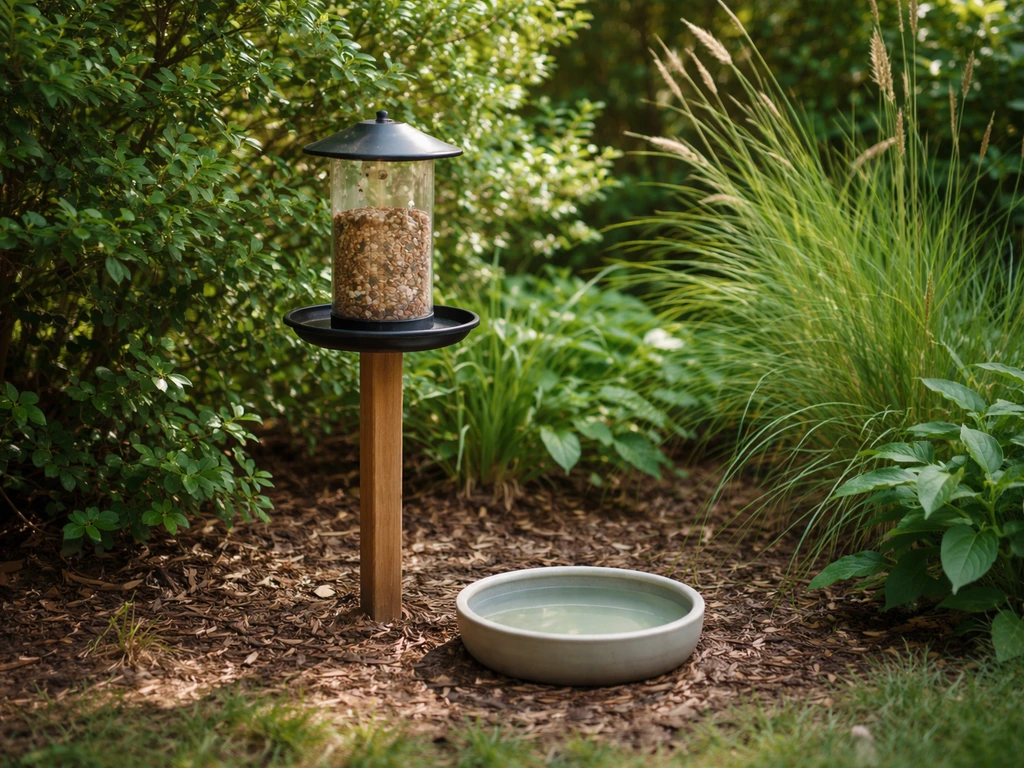
Start with feeders, fresh water, and shelter plantings. A clean, well-maintained feeder placed consistently in the same spot is how you become a reliable, non-threatening resource in the local bird population's mental map. The U.S. Fish and Wildlife Service advises keeping bird-feeding stations disease-free by cleaning regularly and preventing feeders from becoming “buffets” for non-avian wildlife blank" rel="noopener noreferrer">clean, well-maintained feeder. blank" rel="noopener noreferrer">Clean feeders regularly to prevent disease buildup; the U.S. Fish and Wildlife Service specifically flags dirty feeders as a disease transmission risk. Position a chair or bench nearby and simply sit quietly near the feeders at the same time each day. Birds learn schedules faster than most people realize.
The hand-feeding question is one where you need to be thoughtful. Some backyard birders do successfully hand-feed species like chickadees, nuthatches, and tufted titmice. This takes weeks of the bird feeding from the feeder while you sit motionless nearby, then transitioning to holding seed in an open, still palm. It requires patience and works best in quieter, lower-traffic locations where birds aren't already spooked by lots of human activity. However, be aware that intentional hand-feeding or habituation does carry risks: it can change bird behavior, increase disease transmission potential, and attract non-target wildlife. The U.S. Fish and Wildlife Service notes these concerns, and they're worth weighing honestly against your goals.
Avoid using human food scraps at feeders. Birds need species-appropriate nutrition, not bread, chips, or table food. Stick to seeds, suet, and fruit appropriate to the species you're trying to attract. And never attempt to approach, handle, or corner a wild bird, even an injured one. If you find an injured wild bird, contact a licensed wildlife rehabilitator rather than handling the bird yourself.
Behavior that reads as friendly to wild birds
- Moving slowly and predictably near feeding areas
- Sitting quietly rather than standing (lower silhouette is less threatening)
- Avoiding sudden sounds, phone rings, or voices near feeders
- Wearing similar-colored clothing each time you visit the yard (birds do notice differences)
- Keeping dogs and cats indoors or away from the feeding area
- Maintaining feeders consistently so birds learn you're a reliable source
Troubleshooting: fear bites, flightiness, aggression, and setbacks
Setbacks are normal. A bird that was happily taking treats from your hand last week might lunge at you today, and that can feel discouraging. Usually there's a reason, and finding it is more useful than pushing through it.
Fear biting
Biting in pet birds is almost always a stress or fear signal, not "bad behavior" in the way we tend to think of it. If a bird bites you, do not pull back fast (that motion frightens the bird further and can injure it) and do not yell. Calmly withdraw your hand slowly and give the bird more space. A biting bird is a bird that feels unsafe. Go back to an earlier phase of trust-building where the bird was comfortable, and rebuild from there. The pace was probably too fast.
Refusing food from your hand
If a bird won't take treats from your hand, your hand is still too scary. Try placing the treat on a spoon handle extended toward the bird, or on a stick target. This keeps your hand further away and lets the bird approach the food without getting close to you. Gradually shorten the distance over multiple sessions. Also check that the treat you're offering is actually high-value to that particular bird; not every bird likes the same thing.
Flightiness and constant retreat
A bird that constantly flies away or retreats to the back of the cage every time you approach needs more time in the "presence only" phase. Sit near the cage, don't interact, don't stare, and just exist near the bird for longer stretches before attempting any interaction. Check the environment too: is there something outside the window frightening the bird? Is the cage in a high-traffic area? Is another pet in the household causing background stress?
Aggression during handling
If a bird is actively aggressive during handling (not just fear-biting but lunging, hissing, and showing a rigid, puffed posture with dilated pupils), stop the session immediately. Don't try to push through aggression-level behavior with positive reinforcement alone. This is a signal to reassess: is the bird in pain? Is it hormonal? Has something in the environment changed? Some birds, especially larger parrots, can go through hormonal phases where handling becomes genuinely unsafe. In those periods, back off from handling entirely and focus on presence and environment enrichment instead.
Regression after progress
A bird that seemed to be progressing and then suddenly regresses usually had a frightening experience (a loud noise, a predator sighting, a rough handling moment, a change in the home), got sick, or hit a hormonal shift. Don't panic. Go back to the phase where the bird was last comfortable and rebuild. Regression is not starting over from zero; the trust baseline is still there, it just needs time to resurface.
Quick troubleshooting checklist
- Is the bird showing stress signals? If yes, create more distance and shorten sessions
- Has anything changed in the environment recently (new pet, moved cage, different schedule)?
- Is the bird eating, drinking, and passing droppings normally? If not, see an avian vet before continuing training
- Are you using a high-value treat the bird actually wants?
- Are sessions staying under 15 minutes and ending on a positive moment?
- Is someone else in the household inadvertently frightening the bird between your sessions?
- Are there outdoor predators visible from the cage location?
Habits that prevent regression and when to call a pro
Once you've built a real baseline of trust with a bird, maintaining it doesn't take as much work as building it, but it does take consistency. The habits that got you there are the habits that keep you there.
Daily habits that preserve trust
- Keep feeding, sleeping, and interaction times consistent day to day
- Spend even five to ten minutes of calm, low-pressure time near your bird every day
- Practice the step-up command a few times daily, even when the bird is already tame, to keep it fluent
- Watch for subtle early stress signals (tight feathers, slight wing-holding) before they escalate
- Introduce new people, environments, or objects gradually, not all at once
- Keep the bird's space free of the hazards you identified at the start: no Teflon fumes, no aerosols, no drafts
When to stop DIY training and get professional help
Some situations genuinely require professional input. If a bird develops feather-plucking or self-destructive behavior, that's a sign of serious distress that can have medical, nutritional, or psychological causes, and it needs an avian vet involved before anything else. If a bird is consistently aggressive despite months of patient work, or if it's showing signs of chronic anxiety (pacing, screaming, stereotypic behaviors), a certified avian behavior consultant can assess what's actually happening and give you a plan that goes beyond what general guidance can offer. The RSPCA specifically recommends contacting a specialist bird vet and a certified animal behaviourist when basic training and welfare changes aren't producing results.
For wild birds, if you encounter one that appears ill (sitting on the ground, unable to fly, appearing lethargic), do not attempt to handle it yourself, especially during periods when avian influenza is active in your region. The CDC advises avoiding contact with potentially contaminated birds, and the right call is to contact a licensed wildlife rehabilitator in your area. Your local animal control or wildlife agency can point you to one.
Building trust with a bird, whether it's a pet parrot learning to step up or a backyard chickadee getting comfortable enough to land on your extended palm, is one of the most satisfying things you can do as someone who loves birds. It just takes longer than most people expect, and that's okay. The birds who learn to trust you fully are genuinely worth the wait.
FAQ
Can I look directly at a bird to show I’m friendly?
Yes, but only if you start at a distance and treat your approach as “neutral presence.” Sudden eye contact can read as predatory, so keep your gaze soft, look slightly away, then resume slow glances only when the bird shows calm posture (not crouching, lunging, or backing away).
What should I do if a bird seems fine one day but suddenly panics the next?
If the bird flares its body language, pause the session for the day. Give it space, then restart at the last comfortable step (for example, step back to treats near the cage door instead of inside the cage). Consistency beats “pushing through.”
Should I keep offering treats between training sessions?
Don’t. After a session, remove the treat trail or stop offering food where you were training, then return to regular feeding routines. Leaving “extra” food and constant attention can unintentionally train the bird to expect interaction or create stress around your presence.
Does talking to a bird help, or can it make things worse?
Use a low, steady volume and avoid sudden silence or loud talking. If the bird flutters, freezes, or retreats, you may be too close or too loud, so reduce distance and keep the voice the same calm level every time you return.
Is hand-taming the goal for every bird?
It depends on the species, but a good rule is to offer your hand only after the bird is calmly tolerating your presence and has taken treats without flinching. For birds that are not hand-focused (like many finches), “friendly” usually means you remain nearby without escalating to handling.
When is it okay to pet or touch my bird?
For pet birds, grooming or touching too early can damage trust and can also trigger pain-based reactions. Focus on the phased progression first (presence, treats, hand near the door, treats through bars, then step-up only if the bird chooses it).
What if my bird will take treats but won’t step up?
Yes. Many birds will accept food, but still not feel safe with touch. If the bird takes treats yet bites or freezes when your hand comes closer, treat that as a sign to stay at the treat stage and use a spoon or stick target to keep your hand farther away.
How can I tell the difference between fear-biting and aggression that means I should stop?
Common signs include a rigid puffed posture, hissing, rapid retreat, dilated pupils, repeated lunging, or refusal to settle even at a distance. If you see those, stop immediately and reassess health, environment, and hormonal triggers before trying again.
What should I do if my bird shows chronic anxiety or feather-plucking during training?
If a bird is pacing, screaming, or feather-plucking, treat that as a welfare priority, not a training obstacle. Arrange an avian vet appointment first, then consider a qualified behavior specialist for a tailored plan.
How often should I practice, and does timing in the day matter?
For pet birds, schedule short sessions at the same general times each day, often when the bird is naturally calmer. If you’re traveling between routines, you may see “random” setbacks, because predictability is a major part of trust-building.
Can I hand-feed wild birds to make them friendly faster?
Avoid. For wild birds, feeding can be fine in a general sense, but intentional habituation or hand-feeding changes their behavior and can raise disease and non-target wildlife risks. If your goal is closeness, rely on consistent feeders and quiet sitting near them instead.
What household changes can accidentally ruin trust-building?
Yes, and it’s a helpful safety filter. Use quiet, nonstaring body language when you’re near the cage or feeder, and keep training separate from moments when you’re doing other activities like cleaning, cooking, or using aerosols that increase airborne irritants.
What if my bird refuses treats even when I’m doing everything else right?
Yes, treat refusal can be a “menu” issue. Offer different high-value options appropriate to the bird’s species, and keep the portion tiny. If the bird ignores everything, pause and return to presence-only until it’s settled enough to try again.
If my bird regresses, how do I know where to restart?
Regression usually means the bird needs you to back up a step, not restart from zero. Revisit the last comfortable cue (for example, hand outside the cage without reaching in), then rebuild gradually with shorter sessions.
Next Article
How to Befriend a Bird: Step-by-Step Trust Guide
Humane step-by-step guide to befriend pet or wild birds using body language, setup, safe feeding, and trust training.