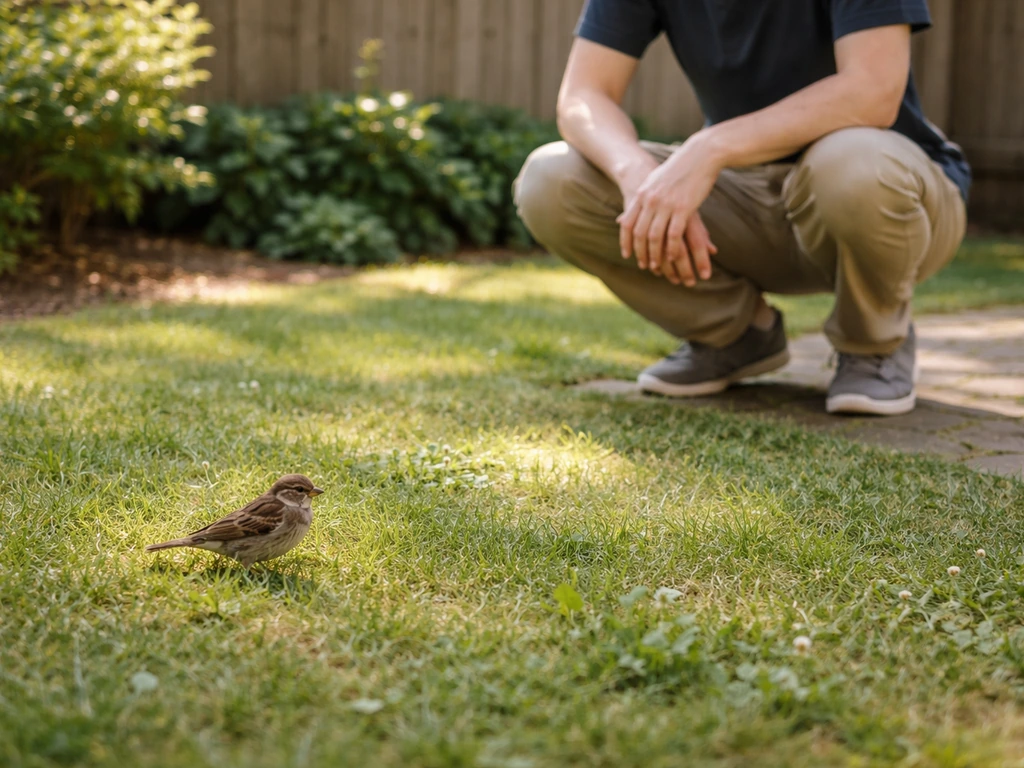
Making friends with a bird means earning its trust so it voluntarily chooses to be near you, not forcing contact until the bird tolerates you. If you want a full walkthrough of how to make a bird your friend step-by-step, use the plan in the related guide as your next reference.
How to Make Bird Friends: Trust Building for Pets and Wild Birds
Clara Hayes
19 Apr 2026
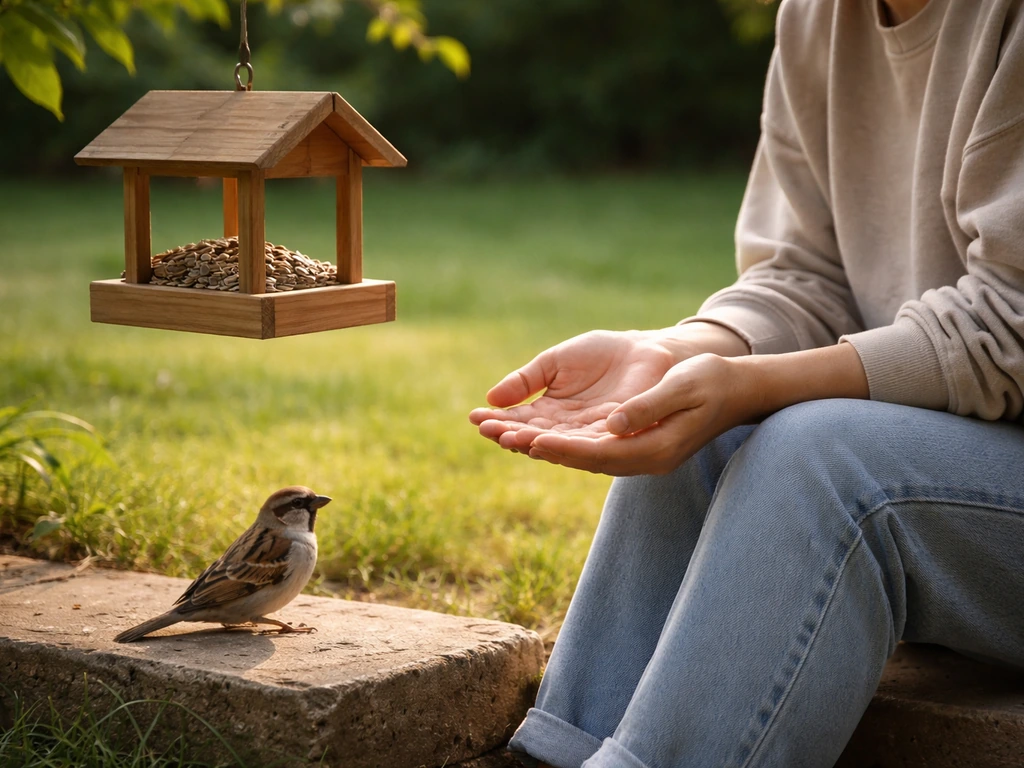
Whether you are working with a pet parrot, a backyard chickadee, or a neighborhood pigeon, the process is the same at its core: reduce fear, build positive associations, and let the bird set the pace.
Whether you are working with a pet parrot, a backyard chickadee, or a neighborhood pigeon, the process is the same at its core: reduce fear, build positive associations, and let the bird set the pace, which is a close match to how to show a bird your friendly approach. This guide gives you a clear plan for doing exactly that today.
What 'bird friends' actually means
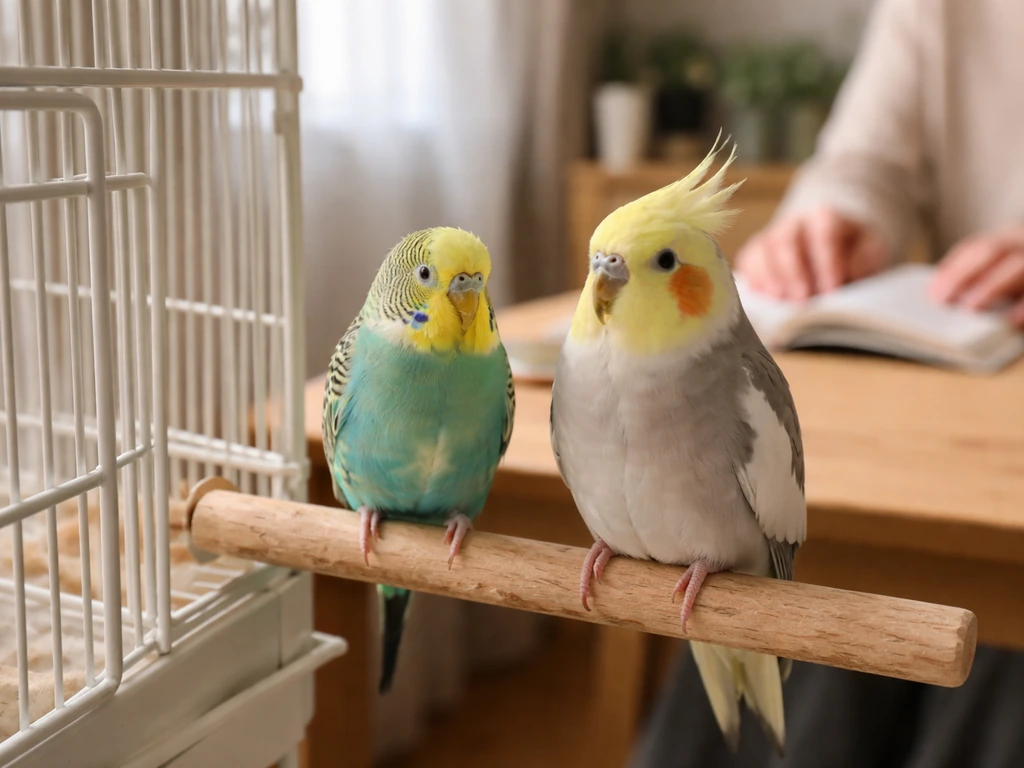
A lot of people picture a bird landing on their hand the first day, and that picture sets them up to fail. Real bird friendship looks like this: the bird does not fly away when you enter the room (or yard). It moves toward you rather than away. It eats while you are present. Over time, it may step onto your hand, accept a treat from your fingers, or perch near you by choice. That is the goal, and it is entirely achievable with patience.
For pet birds, building trust also means reducing fear and aggression so that your daily interactions are calm and positive. For wild birds in your yard, it means making your space reliably safe and rewarding so birds return to it on their own terms. What it never means, for wild birds especially, is taming them to the point where they lose their natural wariness of people.
A wild bird that has no fear of humans is actually at risk, and trying to hand-tame a wild bird beyond basic feeder tolerance is both unnecessary and potentially harmful. The good news is that genuine backyard bird friendship (where birds visit regularly, feed confidently near you, and become comfortable with your presence) is completely realistic and does not require any taming at all.
How birds learn and what actually builds the bond
Birds learn through association and consequence. When something good happens reliably in your presence, the bird's brain links you with safety and reward. When something scary or painful happens, it links you with threat. That is really the whole science of it. Practically, this means every interaction you have with your bird (or the birds in your yard) is either depositing into or withdrawing from a trust account.
For pet birds, the most effective tool is positive reinforcement: the bird does something you want, you immediately deliver something it loves (a favorite treat, praise, gentle attention it solicits), and the bird learns to repeat the behavior. Timing matters a lot here. The reward should arrive within about one second of the behavior you want to reinforce, which is why clicker training works so well: the click marks the exact moment the bird did the right thing, and the treat follows. This marker-based approach lets you communicate with far more precision than just offering treats randomly.
Another powerful tool is target training, where the bird voluntarily touches a small stick or object with its beak and earns a treat. Target training is a fantastic starting point for pet birds because it requires no physical contact from you at first, it gives the bird something concrete to do, and it builds the habit of engaging with you willingly. The World Parrot Trust recommends it specifically as a way to teach new behaviors and reduce problem behaviors at the same time. Once a bird is comfortable targeting, you can use the target to guide it to step onto your hand without any grabbing or forcing.
For all birds, routine is one of the strongest bonding cues available. Birds are acutely sensitive to patterns. If you appear at the feeder every morning at 7 a.m. and something good always happens (food, quiet, no sudden movements), wild birds will begin anticipating your presence rather than fleeing from it. Same logic applies inside: if your parrot knows that when you sit down near the cage, good things follow, it will start orienting toward you rather than away.
Reading bird body language before you get started
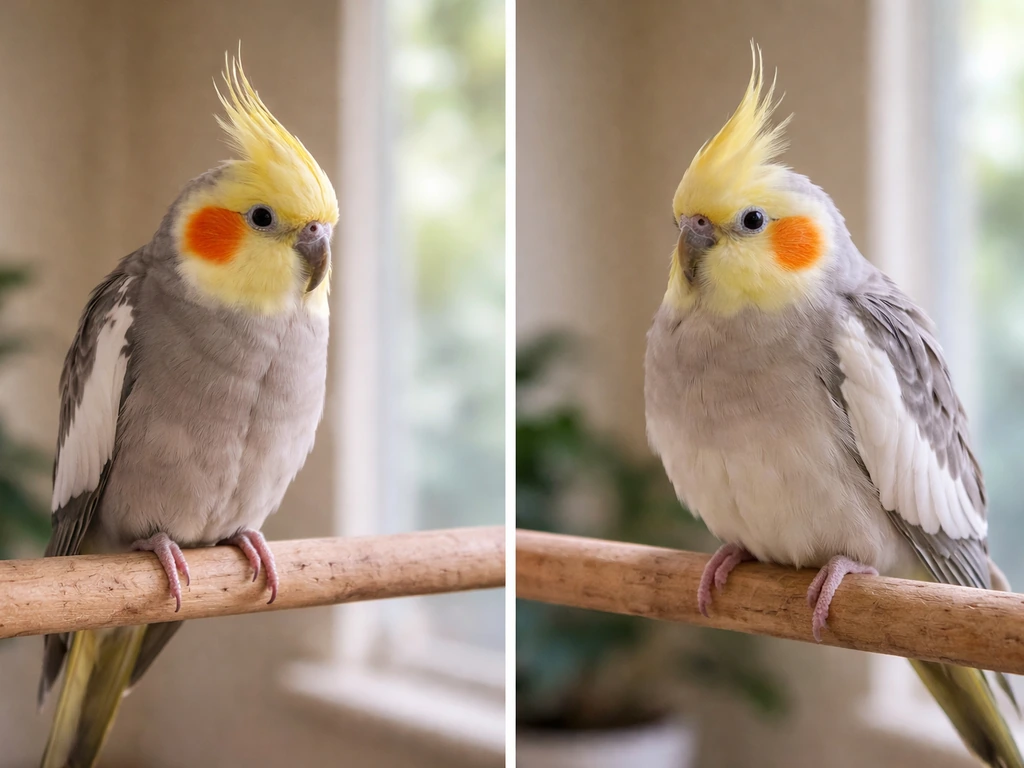
You cannot earn trust if you keep accidentally scaring or provoking the bird. Learning to read basic body language lets you adjust your approach in real time instead of blundering past warning signs.
Fear in a pet bird typically looks like: feathers slicked tightly against the body, head pulled back and tall, mouth slightly open, eyes darting for an escape route, or a crouching posture that shifts into a spring-away leap. When you see any of these, slow down or step back.
Aggression or high-threat posture looks different: feathers puffed out around the head and shoulders, wings held out from the body, tail fanned, eye pinning (rapid pupil dilation/contraction), or outright lunging and biting at whatever is closest. A bird growling with its neck feathers raised and eyes widened is telling you clearly to back off. Respect that signal every single time, because ignoring it is the fastest way to get bitten and to destroy weeks of progress.
A relaxed, trusting bird shows the opposite: feathers slightly loose and fluffy in a comfortable way, one foot tucked up, slow blinking, soft vocalizations, and a general willingness to orient toward you without tension. That is the state you are trying to create and maintain during every training session.
Species-specific guidance for pet birds
The broad principles of trust-building apply to all pet birds, but the details vary meaningfully by species. Here is what to adjust for the most common ones.
Parrots (medium to large species)
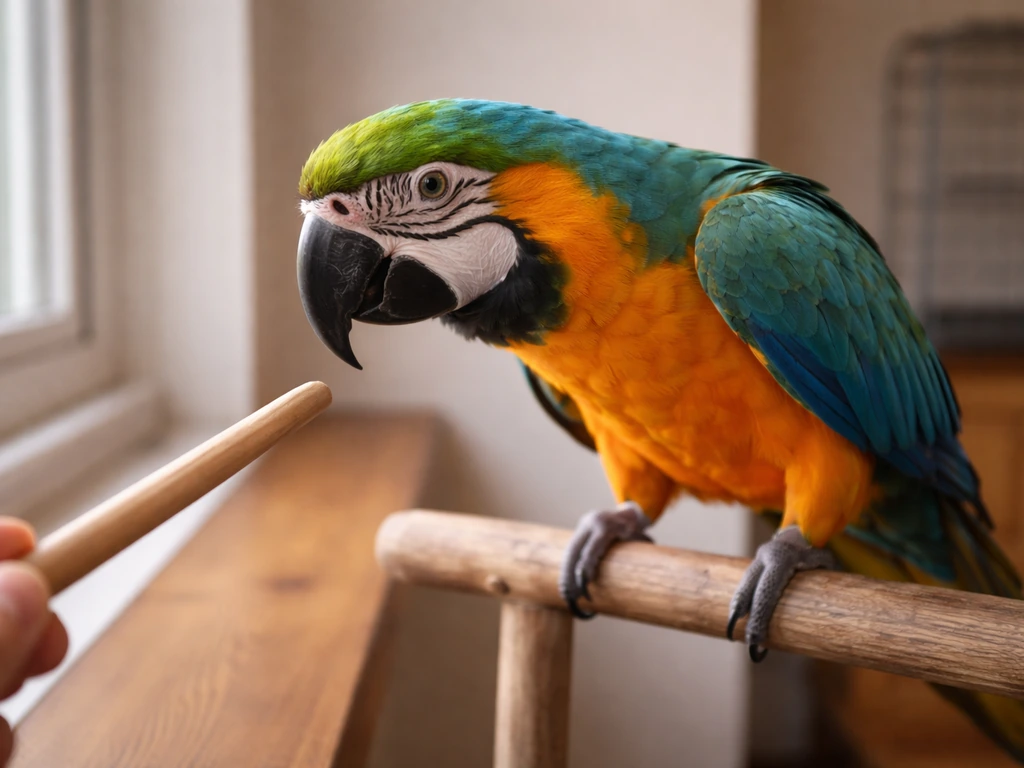
Parrots are highly social and intelligent, which means they can form strong bonds but also develop strong fear and aggression if handled poorly. Start with target training at a distance of about 30 centimeters (roughly one foot) from the cage. Use a chopstick or a dedicated target stick. Hold it out, wait for any movement toward it, click and treat immediately.
Build up gradually so the bird confidently touches the stick tip before you ask for anything else. Once the bird is eagerly targeting, use the target to guide it toward and eventually onto your hand, rewarding each small step. Keep sessions short, ideally five to ten minutes, and always end while the bird is still engaged and successful, not after a scare or a bite attempt.
Cockatiels
Cockatiels are generally more forgiving than larger parrots, and many will accept hand contact within a few days if you approach calmly. The key is to sit next to the cage regularly and just be present without demanding anything. Let the cockatiel come close on its own timeline. Offer millet spray held at cage level without pushing it inside, so the bird has to choose to come to you. Cockatiels respond strongly to voice: speaking softly and consistently helps them recognize you as a non-threat faster than most other pet birds.
Budgies
Budgies are small enough that a lot of people assume they are harmless and try to move too fast. A frightened budgie can absolutely bite hard enough to hurt, and constant chasing or grabbing will make them fear hands for a long time. The best approach with budgies is the same low-key proximity routine: let them get used to your hand being near the cage before it enters the cage.
Put your hand flat and still inside the cage with a treat on your palm and simply wait. It may take several sessions, but the budgie will eventually step on or eat from your hand when it realizes nothing bad happens. Millet is usually irresistible and is a useful training treat in small quantities.
Finches
Finches are not typically hand-taming birds, and that is fine. They are social in a flock sense, not in a human-bonding sense, and most people keeping finches should set that expectation. The version of friendship you build with finches is about them being calm and unbothered by your presence, feeding and singing normally while you are in the room. You achieve this through quiet, slow movements near the cage, a consistent routine, and avoiding anything that triggers mass flight-startles (sudden noises, fast hands near the cage). Over time, finches that were initially panicky in a new home will settle into comfortable behavior around familiar people.
| Species | Primary bonding tool | Realistic timeline to calm hand contact | Key watch-out |
|---|---|---|---|
| Parrot (medium/large) | Target training, positive reinforcement | 2 to 8 weeks for a wary bird | Never force step-up; respect aggression signals |
| Cockatiel | Proximity, voice, millet treats | A few days to 2 weeks | Avoid startling head-pat reflex early on |
| Budgie | Still hand in cage, millet on palm | 1 to 3 weeks | No chasing; grabbing creates lasting fear |
| Finch | Quiet routine, calm presence | Weeks to months for 'calm in room' | Hand-taming is not the realistic goal |
Winning trust with backyard wild birds
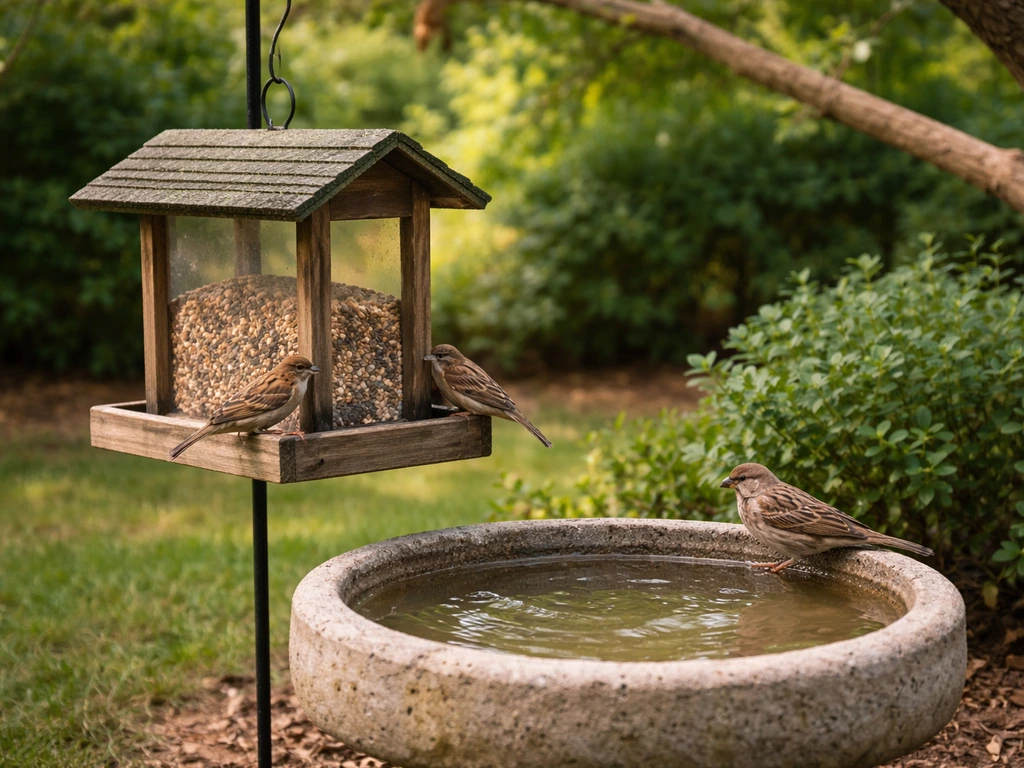
Wild birds have a completely different relationship with humans than pet birds do, and your strategy needs to reflect that. You are not training them; you are making your yard a place they want to return to. The trust you build is habitat-level trust, not individual-level taming, and that is actually the more impressive and sustainable kind.
Setting up the right yard environment
Start with what birds need: food, water, shelter, and safety. A feeder with species-appropriate seed (black oil sunflower seeds attract the widest variety), a clean fresh water source, and some dense shrubs or trees nearby for cover will do more for your bird friendships than any amount of hand-feeding attempts. Place feeders where birds can see approaching predators (open space around the feeder, but within a few meters of a shrub or tree they can dash to). Window strikes are a serious hazard, so keep feeders either very close to windows (under 1 meter) or more than 3 meters away.
Building routine so birds learn to expect you
Wild birds are creatures of habit and they learn your schedule. Refill feeders at the same time each morning if possible. Sit or stand in a consistent spot near the feeding area, staying still and quiet. At first, birds will flush when you come outside. Within one to two weeks of a consistent, calm routine, most common backyard birds (house sparrows, chickadees, finches, nuthatches) will begin feeding while you are present, just maintaining a comfortable buffer distance. Some particularly bold species like chickadees can become comfortable with you at arm's length within a month.
If you want birds to associate you specifically with food, hold a feeder or food-filled hand at a fixed spot and wait. Chickadees and tufted titmice in particular are known to hand-feed with patience, but do not rush this stage. It may take weeks and is purely optional. The baseline goal, birds calmly present while you are outside, is genuinely rewarding on its own.
Feeder hygiene is non-negotiable
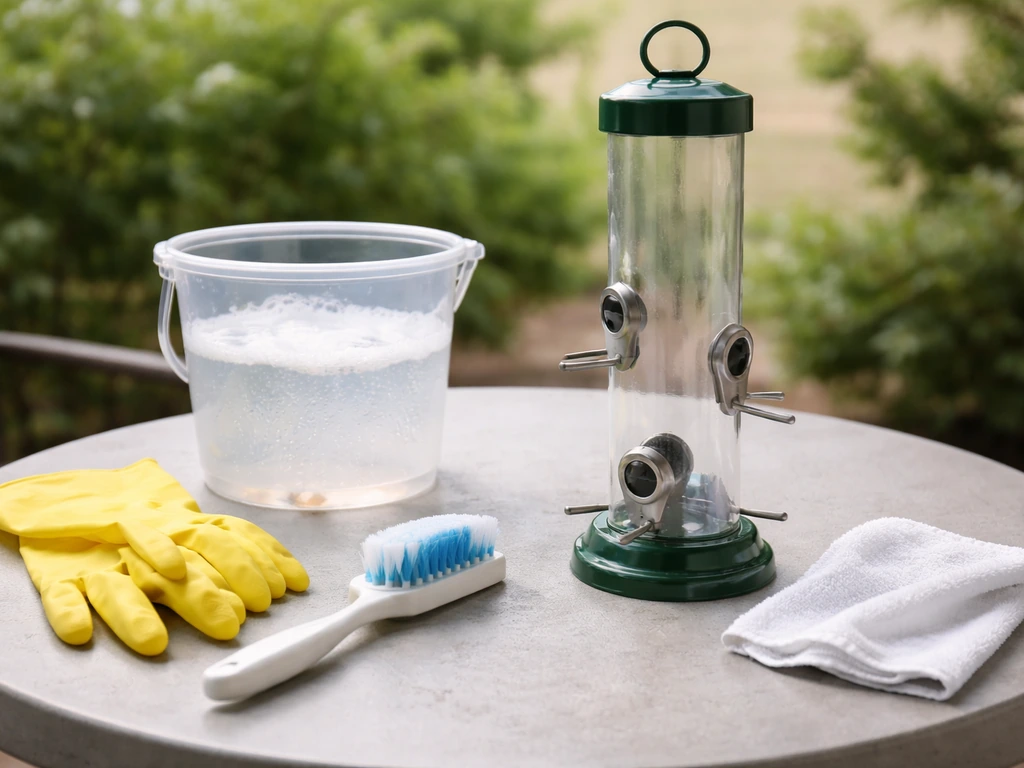
Dirty feeders are one of the fastest ways to harm the very birds you are trying to befriend. Scrub feeders with a 10 percent non-chlorinated bleach solution at least a few times per year, and more often during peak use.
Remove old or wet seed promptly because moldy food can sicken birds badly. Keep the ground under the feeder raked clean to reduce droppings buildup, which is both a disease vector and a rodent attractant.
Project FeederWatch also advises cleaning seed and suet feeders regularly (about every week or two, and more often during heavy use or wet weather) and disinfecting with a diluted bleach solution like 1 part bleach to 9 parts water, soaking about 10 minutes, plus cleaning up waste beneath feeders Keep the ground under the feeder raked clean.
During known disease outbreak periods in your area (watch for local wildlife agency alerts), consider pausing feeders temporarily to prevent concentrating sick birds.
Your step-by-step plan: start today
Here is a practical plan you can start right now, whether you have a pet bird or a yard full of wild birds. Pick the track that applies to you.
Pet bird: first two weeks
- Day 1 to 3: Just be present. Sit near the cage for 10 to 15 minutes at a time without trying to interact. Read a book, talk quietly on the phone, let the bird observe that you are not a threat. Do not reach into the cage yet.
- Day 4 to 7: Introduce a high-value treat. Find out what your bird finds irresistible (millet, a small piece of fruit, a favorite seed). Offer it from outside the cage bars. Do not push it in; let the bird come to you. Reward any movement toward you with the treat.
- Day 7 to 10: Start target training. Hold a chopstick about 5 centimeters from the bird's beak. The moment it investigates or touches it, click (or say 'yes' consistently) and deliver the treat immediately. Repeat 5 to 10 times per session, two sessions per day.
- Day 10 to 14: Gradually increase the distance the bird must move to touch the target. You are building confident, voluntary movement toward you. This is the foundation of every other behavior you will teach.
- After two weeks: If the bird is confidently targeting, begin using the target to guide it toward your flat, still hand. Reward every small approach. Do not close your hand around the bird; just let it step on voluntarily.
Wild birds: first four weeks
- Day 1: Set up a clean feeder with quality seed and a fresh water source. Choose a location that is visible from your normal outdoor sitting spot.
- Day 2 to 7: Stay inside and observe. Let birds discover the feeder without human presence. Note which species arrive and at what times.
- Week 2: Begin sitting outside near the feeder for 10 to 15 minutes during peak bird activity. Stay still, speak softly if at all, and let birds get used to you as part of the landscape.
- Week 3 to 4: Reduce distance to the feeder gradually, a meter or so each few days, as long as birds are not flushing. If they flush, move back and slow down.
- Week 4 onward: If bold species like chickadees are comfortable at close range, you can try holding a small cup of seed at a consistent spot and waiting motionlessly. This is optional but rewarding when it works.
Daily practice schedule for pet birds
- Morning: 5 to 10 minute target training session before the bird's morning feeding (motivated birds learn faster before meals)
- Midday: 10 to 15 minutes of quiet presence near the cage, no active demands
- Evening: Another short training session or just calm interaction on the bird's terms, talking softly, offering treats for calm behavior
- Consistent bedtime routine: cover the cage or dim lights at the same time every night to reduce stress
When things go wrong: troubleshooting fears, biting, and slow progress
Setbacks are normal. The most important rule is: never push through fear. Forcing a scared bird to endure contact (sometimes called flooding) can damage your relationship so badly it takes months or years to repair. If you hit a wall, back up one step in the process and rebuild confidence from there.
If the bird is fearful of your presence
- Check: Are you making sudden movements or sounds near the bird?
- Check: Are sessions too long? Keep them under 10 minutes and end before the bird shows stress.
- Fix: Increase distance between you and the bird. Let it habituate to you at a distance it finds comfortable, then reduce that distance by a few centimeters every few sessions.
- Fix: Use counterconditioning: pair your presence with the bird's absolute favorite treat by tossing it toward the bird (not at it) every time you enter the room, so your arrival predicts good things.
- Fix: Never end a session while the bird is in an anxious or fearful state. Wind down to something easy and successful, then stop.
If the bird is biting
- Check: Did you miss warning signals? Review the aggression body language signs above and learn to spot them earlier.
- Check: Are you moving your hand forward when the bird signals discomfort? Even small advances can trigger a bite.
- Fix: Remove your hand calmly and without drama the moment the bird shifts into pre-bite posture (leaning forward, eyes pinning, feathers puffed). No yelling, no pulling away fast, which can reinforce the biting.
- Fix: Go back to target training at a distance where the bird is calm and rebuild trust before asking for hand contact again.
- Fix: If a particular context always triggers biting (like reaching in the cage from above), change the context, open the door and let the bird come out voluntarily before attempting any interaction.
If progress has stalled completely
- Check: Is the bird healthy? Illness looks like behavioral regression. A vet check is worthwhile if a previously progressing bird suddenly regresses.
- Check: Are you using a treat the bird actually values? Many birds are picky. Experiment with different foods to find a strong motivator.
- Fix: Break your current goal into smaller steps. If 'step onto hand' is stalled, reward the bird simply for looking at your hand, then for leaning toward it, then for touching it with its beak, before asking for a foot placement.
- Fix: Keep a simple training log. Sometimes what feels like 'no progress' is actually slow progress you are not noticing because you are too close to it.
- Fix: Take a three to five day break from active training and just focus on calm presence. Sometimes reset time helps more than more sessions.
If wild birds are avoiding your yard
- Check: Is the seed fresh and appropriate for the species you want to attract?
- Check: Is there nearby cover (shrubs, trees) for birds to retreat to?
- Check: Are outdoor cats or other predators active in the area? Even the smell of a cat near a feeder will suppress bird activity.
- Fix: Add a moving water source (a dripper or a solar-powered fountain). Moving water attracts birds that would never visit a seed feeder.
- Fix: Be patient. It sometimes takes two to four weeks for local birds to discover a new feeder, especially in areas without an established bird-feeding history.
Safety, ethics, and the law: what you need to know
Building bird friendships comes with real responsibilities, especially around wild birds. Here is what you need to know before you get deeper into this.
Handling wild birds: the legal reality
In the United States, virtually all native wild birds are protected under the Migratory Bird Treaty Act. You are not permitted to keep, possess, or rehabilitate a wild migratory bird without a federal permit, and in most states a state permit is required on top of that. The public 'Good Samaritan' provision allows you to pick up an injured bird for the sole purpose of transporting it immediately to a licensed rehabilitator. That is the limit of your legal authority if you find a sick or injured wild bird. Do not attempt to keep and nurse it yourself, even with the best intentions. Contact your nearest licensed wildlife rehabilitator or call your state fish and wildlife agency for a referral.
Disease risk at feeders and with pet birds
Wild bird feeders can concentrate birds and concentrate disease. Salmonella and avian conjunctivitis are among the illnesses that spread at poorly maintained feeders. The solution is consistent feeder hygiene: scrub with a 10 percent bleach solution multiple times per year, remove wet or old seed quickly, and rake the area under feeders regularly. If your local wildlife agency issues a disease alert for your region, take the feeders down for a few weeks even if it feels counterintuitive. It is the more protective thing to do.
With pet birds, the disease risk runs in both directions. Some birds carry Psittacosis (Chlamydia psittaci), which can infect humans, especially people with compromised immune systems. Always wash your hands after handling birds or cleaning cages. If you bring a new pet bird home, quarantine it from any existing birds for at least 30 days and have it examined by an avian vet before integration.
Ethical basics for both pet and wild birds
- Never use force, restraint, or flooding to make a bird tolerate contact. It damages trust and can cause lasting psychological stress.
- Do not attempt to tame wild birds beyond comfort with your calm presence; removing their natural fear of humans puts them at risk from others.
- Always provide pet birds with appropriate housing, enrichment, social interaction (whether with you or other birds), and regular avian veterinary care.
- If a wild bird in your yard appears sick or injured, do not attempt to treat it yourself. Contact a permitted wildlife rehabilitator.
- Respect nesting seasons: avoid disturbing active nest sites, and check local rules before trimming trees or shrubs that may contain active nests.
When to call a wildlife rehabilitator
Call a licensed rehabilitator if you find a wild bird that is unable to fly (beyond fledgling age), is visibly injured, is being attacked by another animal, appears disoriented or lethargic, or is a nestling that has clearly fallen from a destroyed nest. You can find licensed rehabilitators through the National Wildlife Rehabilitators Association directory or your state wildlife agency. Time matters with injured birds, so contact someone quickly rather than waiting to see if the bird improves on its own.
Where to go from here
If you are working with a pet bird, your next step is to identify your bird's highest-value treat, set up a simple clicker or marker word, and run your first five-minute target training session today. If you are focused on wild birds, your next step is to get a clean feeder up with quality seed and commit to a consistent presence schedule for the next two weeks. Either way, the work starts with showing up calmly and consistently, and letting the bird's behavior guide the pace. That is genuinely all there is to it at the start.
The broader topic of befriending a specific bird, whether that is a shy rescue parrot or a neighborhood crow, gets more nuanced as you go deeper into individual temperament and species behavior. For a step-by-step approach to how to befriend a bird, use the same trust-building principles and match them to the bird you are working with befriending a specific bird. If you want to narrow in on a specific situation, search for the book Vincenzo recommendations for additional, species-aware tips and routines. But the foundation described here applies universally, and if you follow it, you will see real progress within days to weeks rather than months.
FAQ
How do I know if I am making bird friends the right way, instead of just getting tolerance?
Good progress shows up as calm behavior on your presence, not only closeness. Look for the bird staying at the feeder or cage without repeated escape attempts, eating or vocalizing while you are nearby, and gradually reducing the startle response. If the bird only approaches when you leave or only accepts treats when you are hidden, trust is still fragile, so slow down and reduce intensity.
What should I do if my pet bird steps back, freezes, or shows fear after I try a training session?
Pause the session and remove the trigger. End while the bird is still in a manageable state, then restart at a lower challenge level (farther distance, shorter session, quieter environment). A practical rule is to go back to the last behavior the bird succeeded at reliably, reinforce immediately, and keep your body position steady to avoid accidental pressure.
Can I speed things up by offering more treats or giving longer sessions?
Usually that backfires. Over-treating or extending sessions can increase overstimulation and create an association of you with pressure. Keep training short, aim for frequent successes, and stop on a win. If the bird is still engaged, you can end early, since ending positively preserves future motivation.
Is it okay to try hand-feeding wild birds to build trust faster?
Hand-feeding is optional and not required for friendship. For wild birds, the safest and most effective approach is habitat-level trust, consistent food and safety, and calm presence from a distance. If you do experiment, choose species known for being feeder-friendly and keep interaction non-contact, since rushing toward taming can reduce birds returning consistently.
How close should I stand when I am trying to befriend wild birds at a feeder?
Start farther than you think, then refine based on the bird’s buffer distance. If birds flush every time you step into view, you are too close or too fast. Once they feed while you are present, maintain a steady position and avoid sudden posture changes. Closeness is earned by repeated calm visits, not by stepping forward all at once.
What feeder placement choices help birds feel safe without causing window strikes?
Aim for a tradeoff between escape cover and visibility. Keep feeders either very close to windows (so birds can perceive the glass) or far enough away to reduce collision risk, and position them with dense cover nearby for rapid dashes. Also avoid placing feeders where predators can ambush from bushes right next to the station.
How often should I clean feeders to support bird friendships rather than harm them?
At least a few times per season, and more often during heavy use. Scrub with the recommended non-chlorinated bleach dilution, remove wet or spoiled seed promptly, and rake beneath the feeder to reduce buildup. If you notice increased crowding or sickness symptoms in your area, increase cleaning intensity and consider temporarily stopping feeding as advised locally.
My backyard birds started showing up less. Could my behavior or routine be the cause?
Yes, birds react strongly to changes. Common culprits include inconsistent refill times, loud movement (like working in the yard right near the feeder), rearranging the feeder location, or letting predators patrol the area more. Return to the previous schedule and placement, keep quiet during your visits, and give it time, often one to two weeks for the pattern to stabilize.
How do I respond when a wild bird becomes bold and comes very close to me?
Stay calm and avoid escalating into contact. Boldness can shift if you suddenly move, approach the feeder aggressively, or reach toward the bird. Keep your movements slow, remain at the same spot, and let the bird keep setting the pace. If the bird stops feeding when you are near, you are too stimulating and should increase distance.
For pet birds, how do I find the highest-value treat without guessing?
Test in small quantities and observe engagement. If your bird readily targets the stick, takes the treat quickly, or maintains interest longer, that treat is high value for that day. If interest drops or the bird refuses, switch to something else or reduce the difficulty level rather than pushing for compliance.
Do all birds respond well to target training?
Most pet birds can learn targeting, but the timeline and comfort level vary by species and individual temperament. If your bird shows fear of the stick, start by rewarding any voluntary orientation toward the object, then gradually shape toward touching. Never grab or place the stick directly at the beak if that creates a struggle response.
What body language means I should immediately back off a pet bird?
When you see high-threat posture or clear escape readiness, stop and step away. Examples include feathers fluffed with wings held out, eye pinning combined with lunge or biting attempts, and repeated lunges at nearby hands or objects. Treat these signals as immediate boundaries, because repeated ignoring can permanently worsen reactivity.
Is quarantine really necessary when I bring home a new pet bird?
Yes, because some infections spread without obvious symptoms. Quarantine from existing birds for at least 30 days and have the newcomer examined by an avian vet before introduction. Also plan for separate cleaning tools and wash hands after any contact, so you do not unintentionally transfer pathogens between enclosures.
What should I do if I find a wild bird that looks unwell or can’t fly?
Contact a licensed wildlife rehabilitator quickly, especially if it is unable to fly beyond fledgling age, injured, disoriented, lethargic, or being attacked. Provide minimal handling, keep it warm and dark, and avoid trying to nurse it yourself. Legal authority usually ends at immediate transport to a licensed rehabber.
Next Article
How to Help a Bird in Your Neighborhood: Step-by-Step
Humane steps to help a friendly neighborhood bird: tell wild vs pet, reduce stress, stay safe, and when to call rehab