You can start befriending a bird today by doing three things: setting yourself up as a non-threat, letting the bird call the pace, and using food as a bridge. Whether you are working with a new pet cockatiel, a skittish rescue parrot, or the house sparrows visiting your backyard feeder, the core method is the same: slow, predictable presence plus positive association. If you are looking for how to make bird friends at home, focus on slow, predictable presence and positive associations with each session. There is no magic trick or single book that replaces consistent daily repetition, but the structured steps below will give you everything a good training manual would cover, in the order you actually need it. If you want more specific guidance on how to make a bird your friend, follow the steps below for safe, gradual trust-building.
How to Befriend a Bird: Step-by-Step Trust Guide
Pick the right bird and set your safety rules first
Before you spend one minute on trust-building, be honest about which bird you are working with and what your safety limits are. A hand-raised budgie and a wild-caught conure require very different timelines and risk tolerances. Wild birds protected under the Migratory Bird Treaty Act are off-limits for capture or prolonged handling entirely, which shapes everything below. For pet birds, confirm the bird has a clean bill of health from an avian vet before intensive handling starts, since a sick bird is a stressed bird and stress training almost always backfires.
Safety rules you should lock in from day one: never make sudden, exaggerated gestures near a bird, move slowly and keep hands low and visible, and understand that even a small bird's beak and nails can cause real injury. The CDC confirms that germs can spread from bird bites and scratches even when wounds look minor, so wash hands thoroughly after every session, especially after cleaning cages, perches, or feeders. Keep hand sanitizer within reach during sessions but let it fully dry before offering a finger to a bird. If soap and water are not readily available, CDC recommends using a hand sanitizer with at least 60% alcohol. Children should always be supervised, and anyone with a compromised immune system should consult a doctor before regular close contact.
Read bird body language before you do anything else
Birds communicate almost entirely through posture, feather position, and movement. Getting fluent in these signals is the single biggest shortcut to faster trust-building because it stops you from pushing too hard and resetting the relationship.
Fear signals to watch for
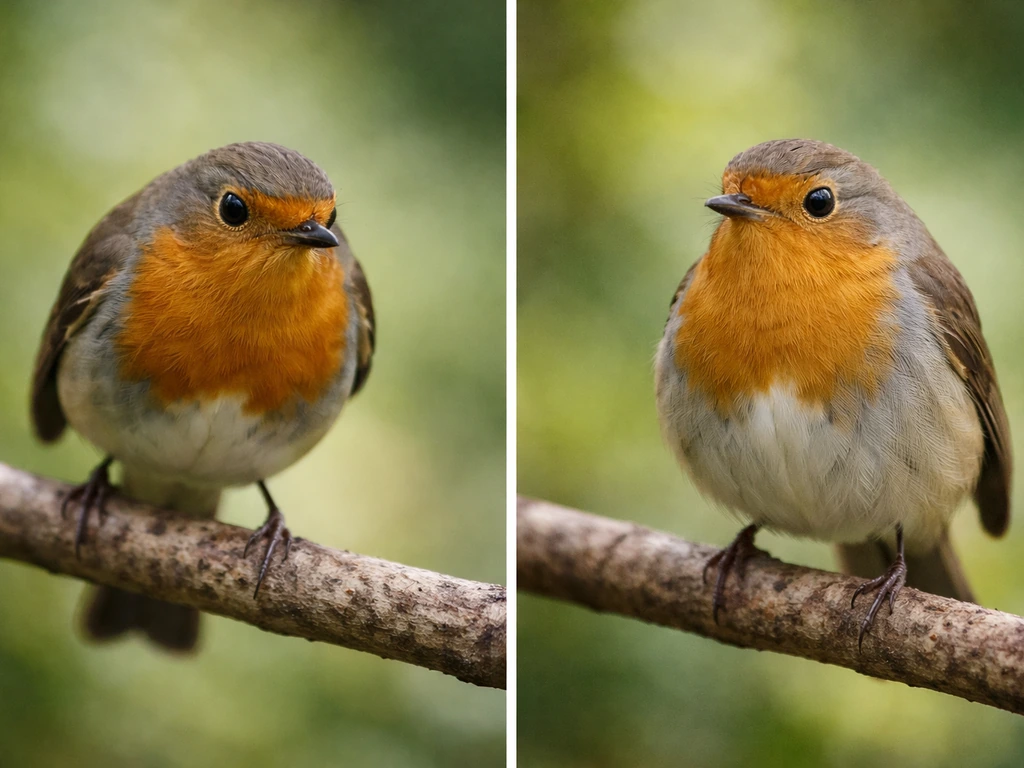
- Feathers slicked tightly against the body (the bird is alarmed and ready to flee)
- Eyes pinning rapidly or a fixed, wide-eyed stare
- Leaning or craning the body away from you
- Open-beak lunging or hissing without making contact
- Frantic flapping, thrashing, or repeated attempts to escape the enclosure
- Tail fanning combined with raised hackle feathers (aggression, not play)
Comfort and curiosity signals to build on
- Relaxed, slightly puffed feathers while remaining alert
- Soft chattering, singing, or mimicking sounds
- Turning one eye toward you without leaning away (genuine curiosity)
- Grinding the beak lightly (a sign of contentment in psittacines)
- Slow, deliberate movement toward you or toward your hand
- Preening while you are nearby (the bird feels safe enough to be vulnerable)
Think of fear as having stages. Stage one is alert-but-still, where the bird watches but does not flee. Stage two is active avoidance, where the bird moves away or climbs to the far side of the cage. Stage three is panic, which involves screaming, thrashing, and feather loss. You want to keep every session at stage one or below, ending before the bird ever reaches stage two. If you see stage two, stop, back away slowly, and let the bird settle before you leave the room entirely for that session.
Set up the environment so the bird feels safe before you even show up
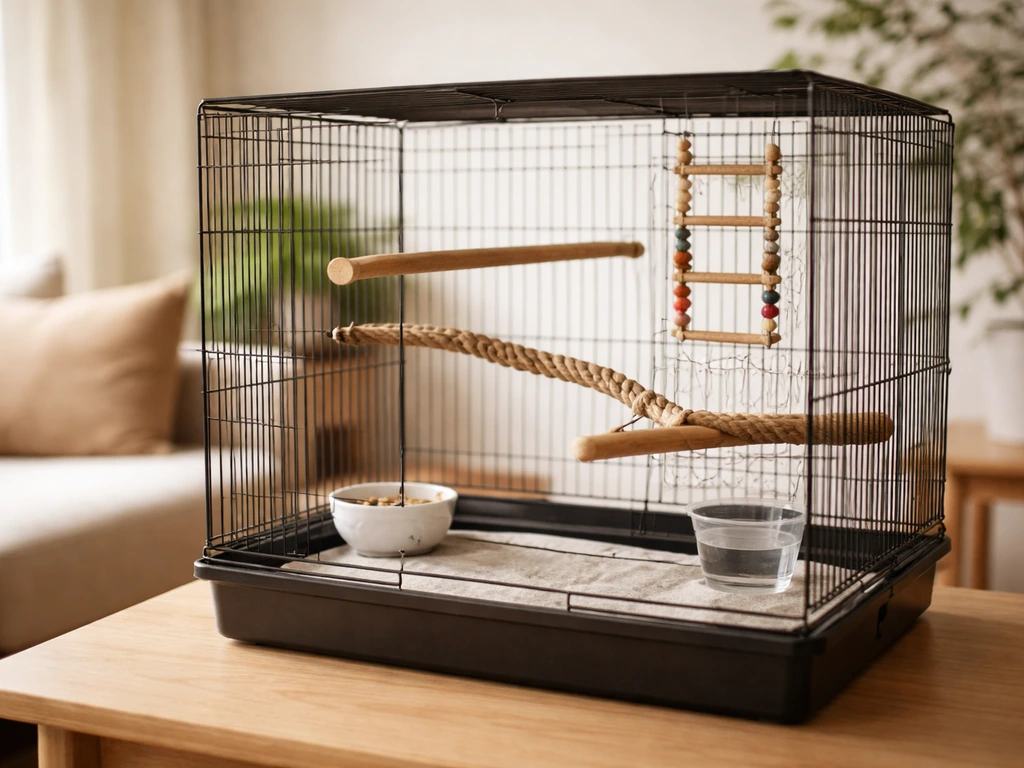
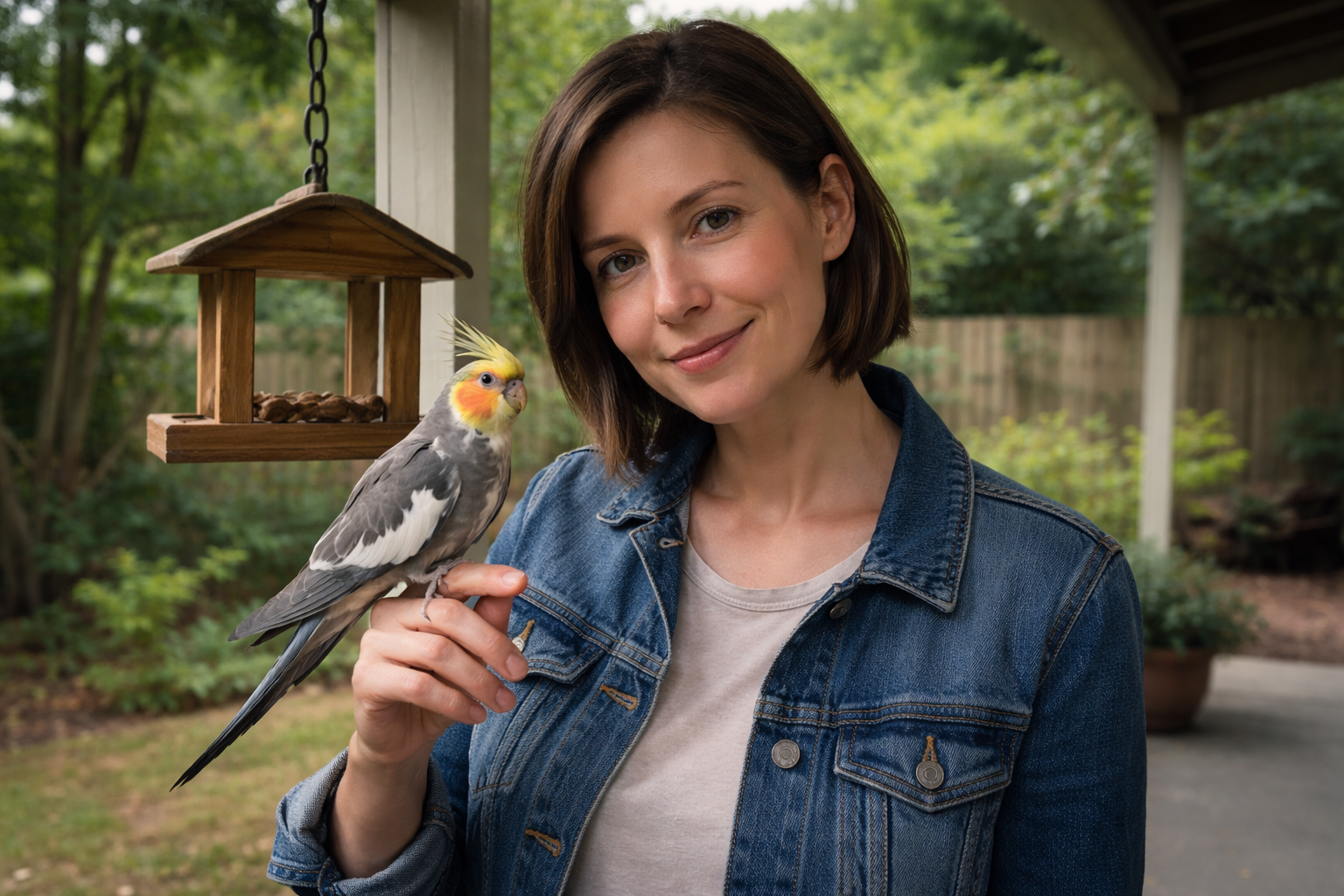
Environment does about half the work of trust-building before you ever say a word. For pet birds, the cage should be positioned at your eye level or slightly below, never on the floor (which feels predator-level to most birds) and never so high the bird looks down on everything, which reinforces a dominant, less handleable mindset in psittacines. Place the cage in a room where normal household activity happens, like a living room or kitchen with low foot traffic at first, so the bird slowly habituates to human sounds, smells, and movement without direct pressure.
Inside the cage, make sure there are perches at different heights with at least one perch near the front where the bird can observe you comfortably from close range without feeling cornered. Avoid placing food and water at opposite ends of a small cage where the bird has to pass you to reach either. The goal is to make all good things easily accessible so the bird never associates you with resource blocking. For wild birds in the yard, the same logic applies: position feeders, water baths, and shelter plants in open areas where birds can see predators coming, giving them the feeling of control that makes them more willing to stay near you over time.
Trust-building steps for pet birds: voice, food, and gradual proximity
This is the step-by-step progression that works for parrots, cockatiels, budgies, and even finches, though the timeline varies significantly by species. Follow these stages in order and resist skipping ahead.
- Stage 1 (Days 1-3): Just be present. Sit near the cage for 10-15 minutes without looking directly at the bird. Read a book, talk softly on the phone, or just be quietly busy. Let the bird observe you as a non-threatening fixture.
- Stage 2 (Days 3-7): Start talking. Use a calm, low, consistent voice. Narrate what you're doing, say the bird's name often, and avoid high-pitched baby talk which can overstimulate. The bird learns your voice before your hands.
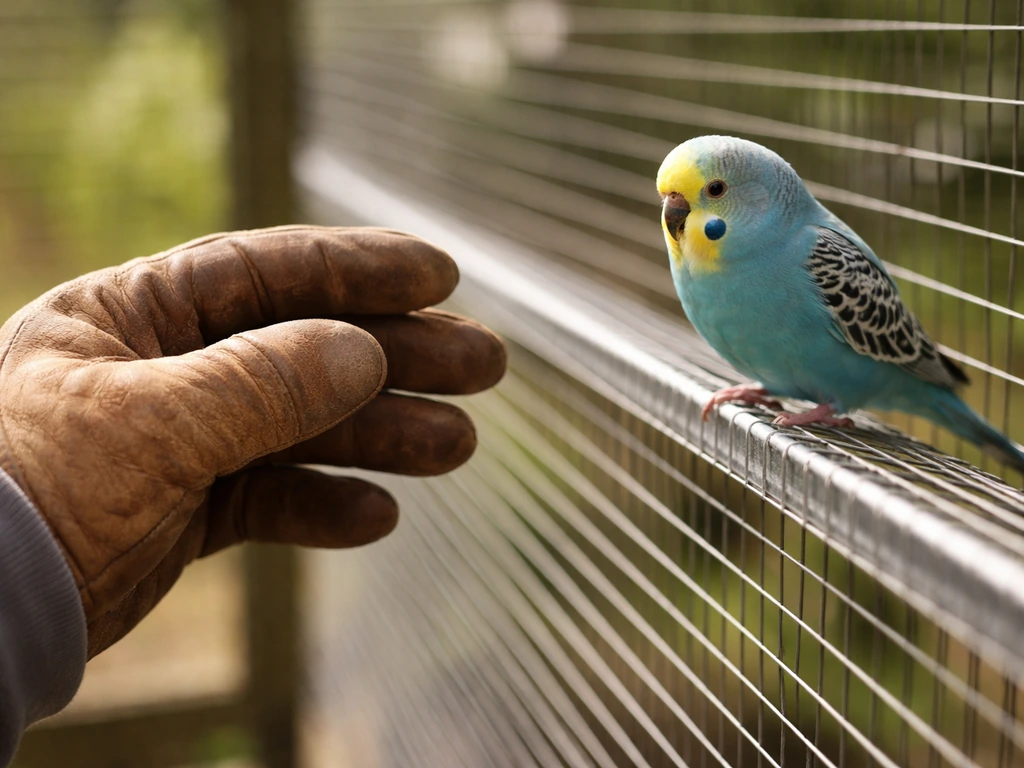
- Stage 3 (Week 2): Introduce your hand near the cage exterior. Rest your hand flat against the cage bars without pushing through. Let the bird investigate on its own terms. Offer a high-value treat through the bars only when the bird approaches willingly.
- Stage 4 (Week 2-3): Open the cage door and rest your hand just inside at the threshold. Do not reach toward the bird. Hold a treat in your palm or pinched between fingers and wait. End every session on a positive note, even if that just means the bird moved one step closer.
- Stage 5 (Week 3-4): Move your hand slowly deeper into the cage while the bird is calm. Offer the 'step up' cue by gently pressing your finger horizontally against the bird's lower chest, just above the feet. Say 'step up' in a clear, consistent tone. The first time it works, treat generously and end the session.
- Stage 6 (Ongoing): Gradually extend time outside the cage in a bird-safe room with windows covered. Always use the step-up cue consistently and never grab from above, which mimics a predator strike.
For food reinforcers, use the bird's favorite treat, not its regular food. Millet spray works well for budgies and cockatiels. Almonds, walnuts, and certain berries work for many parrot species. Keep treat portions tiny so the bird stays motivated and does not fill up. The reward only works if the bird connects it directly to the behavior, so deliver it within two seconds of the desired action.
Befriending wild backyard birds without causing harm
Wild birds will never be 'tame' in the same way a pet bird can be, and that is a good thing. Your goal with backyard birds is comfortable proximity, not physical contact. These steps are a practical way to help the bird in your friendly neighborhood feel safe and supported without forcing contact help the bird in my friendly neighborhood. The friendliest wild bird relationships develop when you become a predictable, safe part of the birds' environment rather than an exciting or scary interruption.
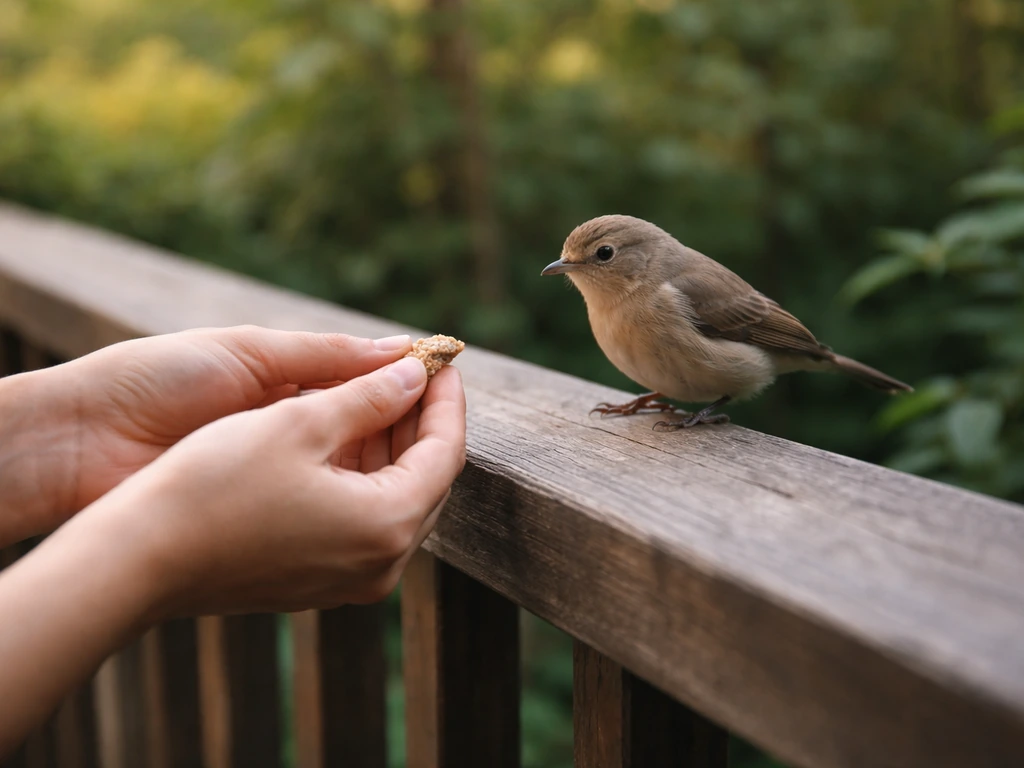
Start by placing feeders with species-appropriate seed mixes: black oil sunflower seed for cardinals, chickadees, and finches; nyjer (thistle) for goldfinches; suet for woodpeckers and nuthatches. Add a clean, shallow water bath refreshed daily. Position a chair or sitting area about 3-4 meters away from the feeding station and simply sit there quietly during peak feeding hours, which are usually early morning and late afternoon. Do this daily. Within two to three weeks, most feeder birds will resume normal behavior while you are present.
To progress further, move your chair one step closer every few days as long as the birds are not showing alarm behavior. Some hand-feeding relationships with chickadees, house sparrows, or tufted titmice can develop over several months by gradually offering seed from an outstretched, motionless palm once the birds are comfortable at very close range. Never chase or corner a wild bird, never block its escape route, and stop immediately if you see sustained alarm calls or flushing behavior.
When and how to move to touch and handling
Touching a bird before it is ready is the single most common way to destroy weeks of progress. The checklist below tells you the bird is genuinely ready for touch, not just tolerating you out of exhaustion or fear.
- The bird steps up onto your hand voluntarily at least five sessions in a row
- The bird accepts treats from your fingers without flinching or leaning away
- The bird shows relaxed, slightly puffed feathers while perched on you
- The bird initiates contact by leaning into your hand or nibbling gently
- You have had zero full-panic events in the last week of sessions
When those boxes are checked, introduce touch at the bird's chest and nape first, since reaching toward the head from the front mimics a predator and most birds instinctively recoil. Gently scratch the nape feathers with one finger while the bird is perched on your other hand. Work toward the head slowly over multiple sessions. Avoid wings and tail until the bird is very comfortable, as those are sensitive areas connected to flight reflexes. Keep every touch session under five minutes initially and always end while the bird is still calm and engaged.
For training cooperative movement like stepping onto a T-stand, perch, or travel carrier, use target training. Hold a chopstick or small stick near the bird and the moment it touches it with its beak, reward immediately. Gradually use the target stick to guide the bird toward new locations or objects. This method is far less stressful than physical repositioning and builds the bird's confidence at the same time.
Troubleshooting and realistic timelines by species
One of the most common frustrations people hit is comparing their bird's progress to someone else's online. Timelines vary enormously by species, age, and prior socialization history. Here is a realistic range so you know what to expect.
| Species | Time to basic hand trust | Typical challenge | Key tip |
|---|---|---|---|
| Budgerigar (budgie) | 3-6 weeks for a young bird; 3-6 months for an adult rescue | Flighty, fast, easily startled | Use millet spray as the primary reinforcer; move very slowly |
| Cockatiel | 2-4 weeks for a hand-raised bird; 2-3 months for an untamed adult | Hissing and lunging when cornered | Never corner; always let the bird retreat first |
| Conure (small-medium parrot) | 4-8 weeks for a socialized bird; 6+ months for a rescue | Screaming when you leave the room | Short, frequent sessions beat long occasional ones |
| African Grey / Amazon | Several months to over a year for rescue birds | Trust is easily broken by one bad interaction | Consistency over intensity; same voice, same routine every day |
| Finch / Canary | Months for comfortable proximity; full handling often not realistic | Very high baseline flight response | Focus on environment comfort, not physical contact |
| Wild backyard birds | 2-6 weeks for comfortable proximity; months for hand feeding | Seasonal changes disrupt routines | Daily presence at the same time each day is the biggest factor |
When things are not progressing: a troubleshooting checklist
- Bird won't take food from your hand: Go back to offering food through the cage bars; you may have moved too fast
- Bird bolts every time you enter the room: Check for stressors like reflective surfaces, nearby cat presence, or loud appliances and eliminate them before resuming sessions
- Bird has been friendly then suddenly becomes aggressive: Rule out illness first with an avian vet; hormonal cycles in spring can also temporarily spike aggression in psittacines
- Bird screams when you stop giving attention: Avoid rewarding screaming by returning to the room; wait for a pause in screaming, then re-enter calmly
- Wild birds stopped coming to the feeder: Check seed freshness, clean the feeder of mold, and confirm no predator (cat, hawk) has been disturbing the area
- Progress feels stuck after weeks: Lower your criteria temporarily, go back one stage in the progression, and rebuild momentum with easier wins
Legal and ethical rules you need to know
In the United States, nearly all native wild bird species are protected under the Migratory Bird Treaty Act of 1918. This means you cannot legally capture, possess, transport, or keep a wild bird without a federal permit, even if your intention is to help or rehabilitate it. If you find an injured wild bird, the right move is to contact a licensed wildlife rehabilitator rather than attempting treatment yourself. Feeding wild birds in your yard is legal and encouraged, but intentionally habituating wild birds to hand contact or capture is a grey area and should only be done within the bounds of wildlife education or permitted rehabilitation programs.
For pet birds, ethical handling means never forcing contact, never clipping wings to the point of complete inability to flutter (light clips for safety in new environments are debated but common), and never using punishment-based training. Positive reinforcement is not just kinder: it is faster and produces a more trusting relationship. If you are considering adding a bird to your home, adopting a rescue bird is always encouraged before purchasing from a breeder or pet store.
On the health and hygiene side, maintain clean cages and feeding areas consistently, since the CDC recommends careful hygiene practices after handling bird habitats to prevent exposure to zoonotic pathogens. Wear gloves when cleaning cage trays or wild bird baths, wash hands before and after every bird interaction, and keep your bird's environment dry and well-ventilated to reduce mold and bacterial growth. These habits protect both you and the bird.
What to do right now: your first week action plan
- Today: Set up the environment correctly. Move the cage to eye level in a social room, add a front perch, and confirm food and water placement is not forcing the bird to pass you. For wild birds, clean and fill feeders and position your seating area at a comfortable distance.
- Day 2: Start your quiet presence sessions. Ten to fifteen minutes, same time each day, no pressure, no direct eye contact yet.
- Day 3-5: Add your voice. Talk softly, use the bird's name, and keep it calm and consistent.
- Day 5-7: Introduce your hand at the cage exterior. No treats yet unless the bird approaches on its own. Just let the hand exist near the bird.
- Week 2: Offer treats through the bars when the bird shows curiosity. Start logging which treats get the strongest response.
- Week 2-3: Begin the door-open, hand-inside sessions using the step-up progression described above. Do not rush this stage.
- Ongoing: Keep a simple daily log of what worked, what triggered stress, and which time of day produces the calmest sessions. Birds have personality patterns and you will start seeing them within ten days.
The people who build the deepest, most rewarding relationships with birds are not the ones who used the cleverest technique. They are the ones who showed up every day, kept sessions short and positive, and respected the bird's pace without taking setbacks personally. Start with stage one today and you will be surprised how quickly even a wary bird begins to lean in. If you want a real-world answer to how to befriend a bird, keep using short, consistent sessions that build comfort before you try any close interaction. A friendly approach like this is exactly what you need when you are learning how to show a bird your friendly.
FAQ
How long should a “trust-building” session be for a skittish bird?
Aim for very short sessions (often 2 to 5 minutes) and stop while the bird is still calm. If you see signs of active avoidance, end the session by removing yourself from the room for that day rather than trying again immediately, since repeated restarts usually reset progress.
What should I do if my bird freezes and won’t take treats but is not actively fleeing?
Treat freezing as “still evaluating.” Lower your intensity by staying farther away, reducing how often you move your hands, and offering the treat near the bird’s space without reaching toward it. If the bird still will not take food within a few minutes, end the session and try again later when hunger and calm align.
Is it safe to befriend a bird if it already bites or scratches?
You can work on trust, but shift the goal from touch to distance first. Use target training and treat placement to create positive associations without hand contact. If bite incidents are frequent, get a vet check for pain or illness and consider a behavior specialist, because fear aggression often has a physical trigger.
Can I use the bird’s regular seed or pellet as the treat?
Avoid using the regular diet if the bird is already fully motivated by it, because it may not create a strong “this is linked to you” association. Instead, use a highly preferred, species-appropriate favorite in tiny amounts, and remove it from the diet temporarily only if your veterinarian or avian nutrition guidance supports it.
What’s the best way to handle a new pet bird’s cage placement at home?
Choose a room with predictable daily activity and keep the cage at eye level or slightly below, with at least one near-front perch where the bird can observe you comfortably. Also avoid frequent rearranging of furniture near the cage, because sudden changes can retrigger alarm responses even when the person is consistent.
How do I progress if my bird keeps reaching stage two (active avoidance) when I get closer?
Back up to the last distance where the bird stayed at alert-but-still, then advance more slowly (smaller steps and more days between steps). Use the “end early” rule, if you push past stage one even once, you usually need several calm sessions to rebuild safety.
Should I try to pet the bird even if it seems calm but does not lean in?
No. “Calm” without consent can still mean the bird is tolerating you under stress. Introduce touch only when your readiness checklist is met, start on the nape or chest, and stop immediately at any tension increase such as rigid posture, rapid feather changes, or attempts to shift away.
How do I know when a wild bird has become too habituated to humans?
Watch for loss of normal caution, repeated approach without scanning, or behavior that increases the risk of getting trapped (like flying too close to doors, vehicles, or people). If you notice that level of habituation, pause hand interactions entirely and focus only on maintaining safe, predictable feeder routines rather than trying to move closer.
Is it okay to leave feeders and water out overnight to help birds trust me faster?
Often yes, but be strategic. Keep water clean and refresh daily, and avoid overly smelly or dirty water that can attract unhealthy conditions. If your area has high predator activity or frequent aggressive competitors, consider adjusting feeder placement to open sight lines and reduce risky congregation close to hiding cover.
What hygiene steps are most important during bird interactions?
Wash hands before and after every interaction, especially before touching your face or cleaning equipment. When cleaning trays or bird baths, use gloves and disinfect surfaces afterward. Also keep the bird’s environment dry and well-ventilated to reduce mold exposure, which can worsen respiratory issues in both birds and people.
Can I befriend multiple birds (or multiple species) at once?
It can work, but manage competition and prevent resource blocking. Provide enough space so birds do not have to pass you to reach food or water, and avoid encouraging aggressive species to crowd the feeder area. If one species escalates others, prioritize one group at a time to keep the “you are safe” association consistent.
What legal safety steps should I take if I find an injured wild bird?
Do not attempt to keep or transport it yourself unless you are operating under the correct permits. Contact a licensed wildlife rehabilitator promptly, and minimize handling, since stress and improper care can worsen injuries and also create disease exposure risks for you.