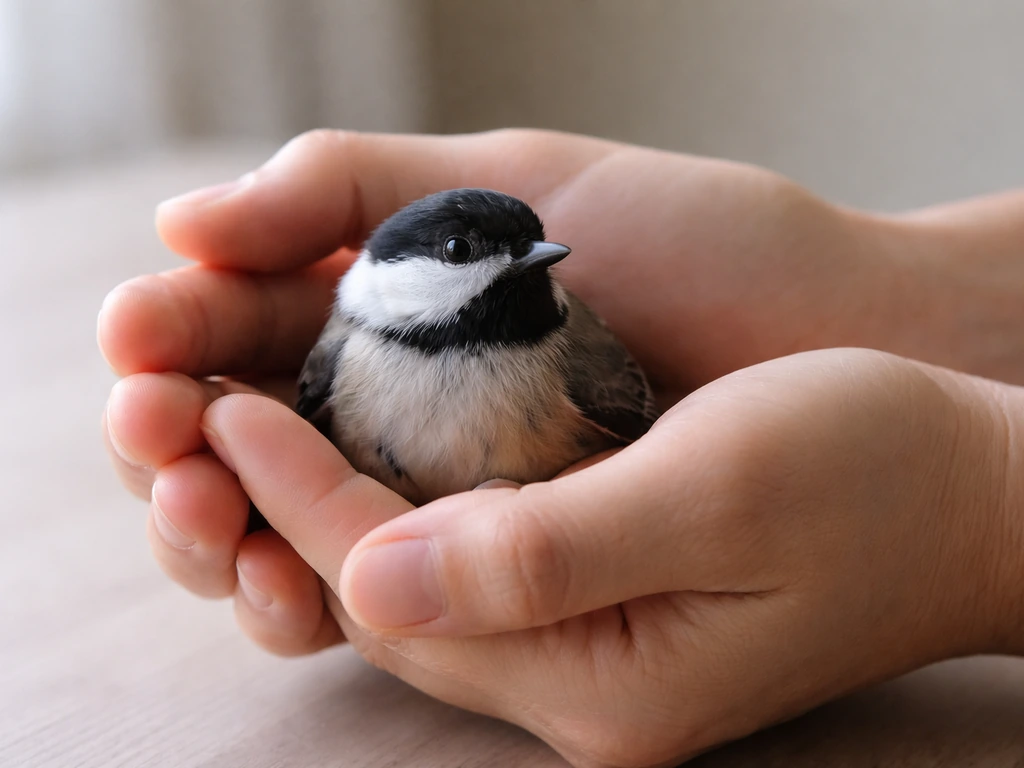
The key to holding a bird without scaring it is moving slowly, reading the bird's body language before you even reach out, and supporting its body fully so it feels secure rather than trapped. Most birds panic not because of the hold itself but because of what happened in the seconds before: a looming hand, a sudden grab, or a chaotic environment that already had them on edge. Get those pre-hold moments right and the actual pick-up becomes much less stressful for both of you. If you want a complete routine, start with this guide on how to handle a bird from start to finish.
How to Hold a Bird Without Scaring It Safely
Clara Hayes
1 May 2026
Why birds get scared when you try to hold them
Birds are prey animals. Even a fully tame pet parrot that adores you still carries millions of years of wiring that says a large shape moving toward it from above equals a predator. When you lean over a bird or bring your hand down from above, you are mimicking exactly what a hawk does. That instinct does not disappear just because you give your cockatiel sunflower seeds every day.
Wild birds see humans as predators outright. Medina Raptor Center makes this plain: an injured wild bird will attempt to flee or strike because it has no reason to believe you mean it anything other than harm. That is not a behavioral problem you can fix on the spot. It is biology, and it shapes every decision you make during handling.
For pet birds, fear during handling usually comes from one of three sources: a past negative experience (a painful grab, a fall, an accidental squeeze), unfamiliarity with hands in general, or the bird simply being in an already-elevated stress state when you reach for it. Understanding which one you are dealing with changes your approach significantly.
Read the bird's body language before you touch anything
Spend at least 30 to 60 seconds watching the bird before you approach. A bird that is already showing fear signals is not ready to be picked up, and pushing through those signals is how you turn a mildly nervous bird into a panicking, biting one.
Clear signs the bird is afraid or overstimulated
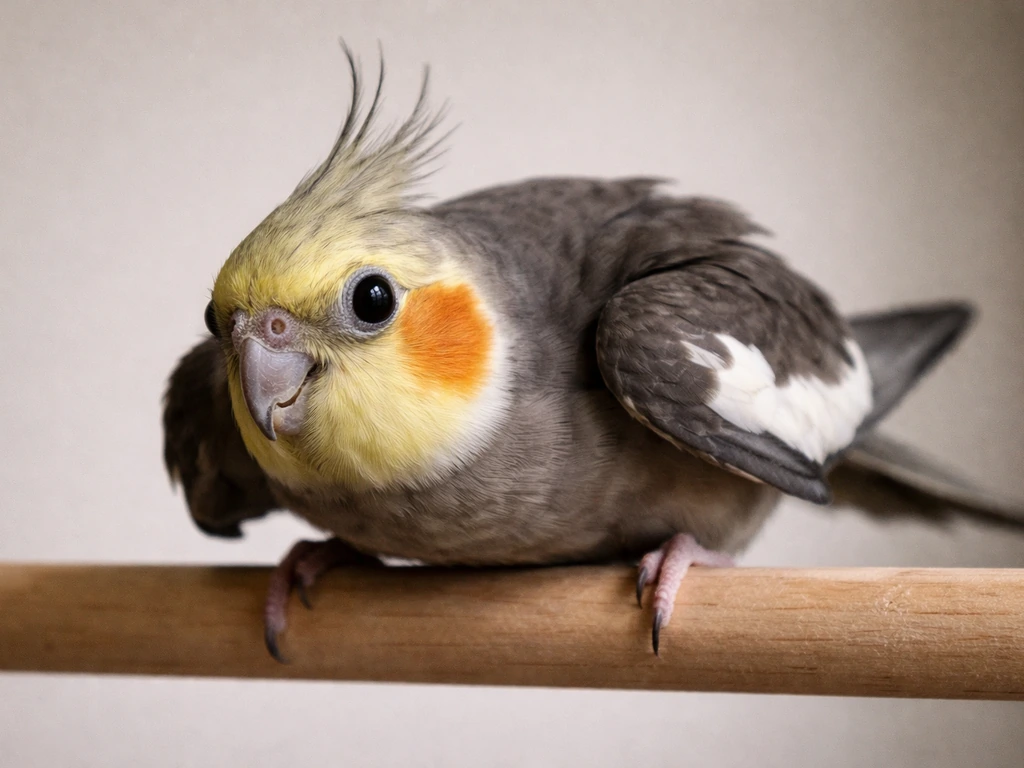
- Crouching low with a rigid, tense body
- Dilated pupils (pinning eyes wide open, not the 'flashing' you see during excitement in a calm bird)
- Wings held slightly away from the body or raised uncomfortably
- Flared or fanned tail feathers
- Ruffled body feathers combined with a tense posture
- Side-to-side weaving or swaying motion
- Hissing, panting, or open-mouth breathing
- Increased alarm calls, screaming, or repetitive distress chirps
- Biting at the air or lunging before you have even made contact
Any one of those signals is a reason to slow down. Two or more together is a clear signal to stop, back off, and let the bird settle before trying again. Open-mouth breathing or panting is especially serious: it can indicate the bird is already in a stress response that could tip into shock if you continue.
Green-light signals that say you can proceed
- Feathers held smoothly against the body
- Relaxed posture, weight evenly on both feet
- Quiet, normal vocalizations or no vocalizations
- The bird turns toward you rather than away
- Curiosity behaviors: head tilting, stepping toward you voluntarily
Set up the space and pick the right moment
The environment matters as much as your technique. A bird that is already rattled by noise, bright lights, or a crowded room is going to be much harder to handle calmly than one in a quiet, familiar space.
For pet birds
- Choose a small, quiet room with the door closed and windows shut so the bird cannot bolt and injure itself
- Dim the lighting slightly if the bird is very nervous — softer light reduces visual stimulation
- Turn off TVs, loud music, and anything else that competes for the bird's attention
- Pick a time when the bird is naturally calm: mid-morning after it has eaten and had time to wake up is usually better than right after you arrive home
- Avoid handling during molting, breeding season, or illness — stress tolerance drops significantly in those periods
- Have a treat ready as a reward, but do not wave it at the bird during approach
For wild birds
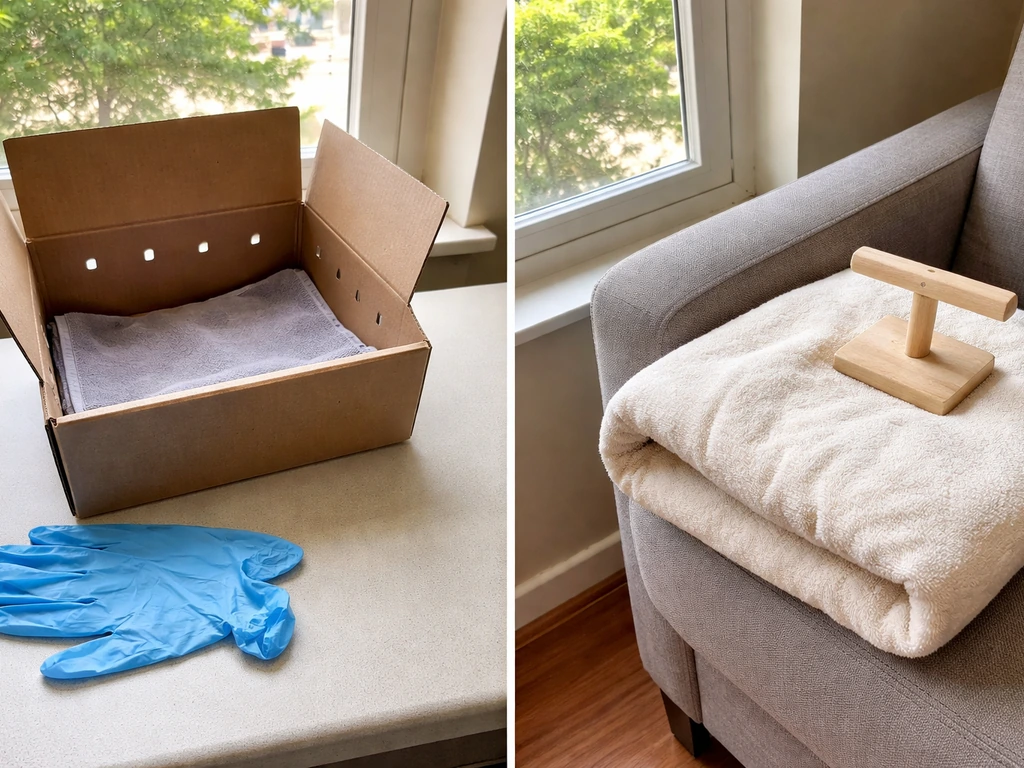
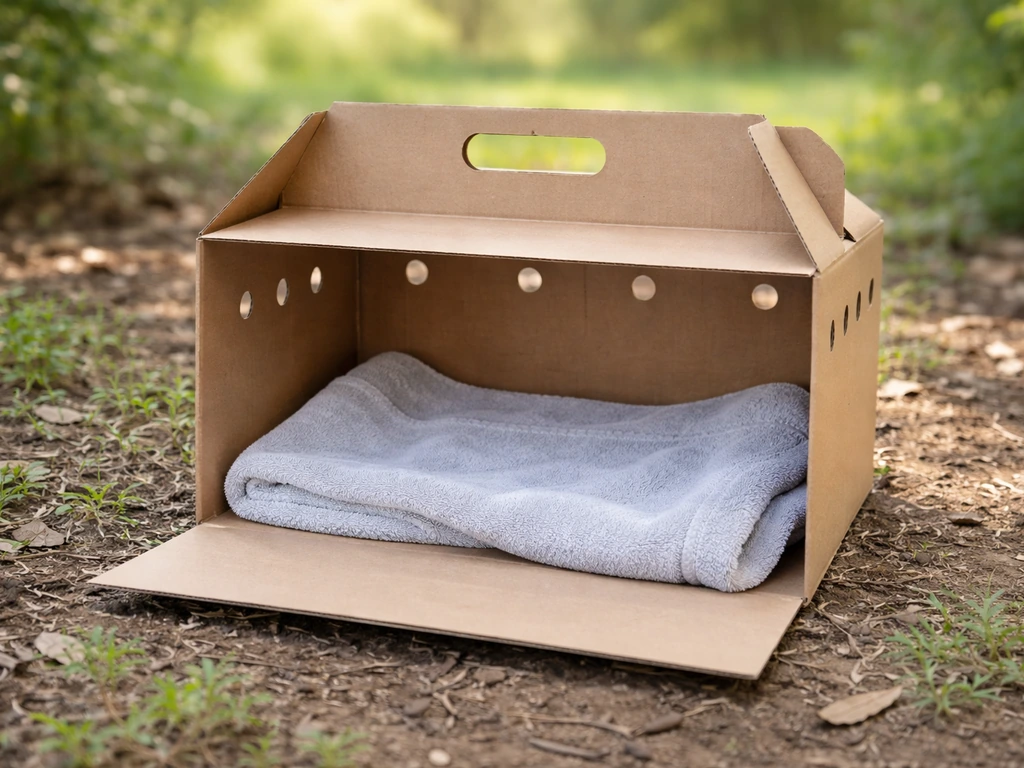
- Get a box ready before you approach: a cardboard box with ventilation holes and a towel on the bottom works well
- Put on disposable gloves before you get close — this protects you and the bird (bird flu and other pathogens are real considerations)
- Have a light towel or cloth ready in your other hand
- Clear the area of pets, children, and bystanders — chaos makes everything worse
- Do not try to handle a wild bird near traffic, open water, or anywhere you could both end up in a dangerous situation
One practical note on timing: the RSPCA recommends taking a few minutes to prepare before you attempt to handle any wild bird rather than rushing in and improvising. That preparation time is not wasted. It dramatically reduces the number of re-grasps you need to make, which is where most additional stress and injury happens.
Approach slowly and build micro-trust before you lift
For pet birds, the goal is to get the bird to step up voluntarily rather than be picked up at all. That distinction matters. A bird that steps onto your hand because it chose to is an entirely different experience from one that was grabbed and is tolerating the hold. The 'step up' command is the foundation of low-stress handling for parrots, cockatiels, and budgies.
Teaching and using the step-up for pet birds
Present your finger or hand at the bird's chest level, just below where its feet meet its belly. Say 'step up' in a calm, consistent tone. Pair this with a small treat the bird loves. Keep sessions to two to three minutes maximum in the early weeks. Over days and weeks of consistent repetition, most parrots, cockatiels, and budgies learn to step onto a hand or a perch-stick on cue without any fear response. If you are not yet comfortable offering your bare hand, a short wooden dowel works fine as an intermediate step.
Approach from the bird's side or slightly below eye level, never from directly above. Move your hand in slowly and steadily, no sudden stops or jerks. A slow, predictable approach is far less threatening than a fast one, even if the fast one ultimately covers less physical distance.
Approaching a wild or very fearful bird
Keep your body low and your movements deliberate. Avoid direct eye contact with the bird if it is wild or extremely fearful, a direct stare reads as a predator lock-on. Talk quietly if at all. Drape the towel loosely over the bird rather than grabbing at it with bare hands. This reduces visual threat cues and gives you a way to secure the bird's wings against its body without squeezing.
How to actually hold and support the bird safely
The single most important thing about the hold itself is full body support. A bird that feels like it is falling or that its wings are free to flap uncontrollably is going to struggle. A bird that feels its weight supported and its wings gently secured is much more likely to settle. If you want the full step-by-step, use this guide for how to carry a bird safely from start to finish.
Parrots and cockatiels (medium birds)
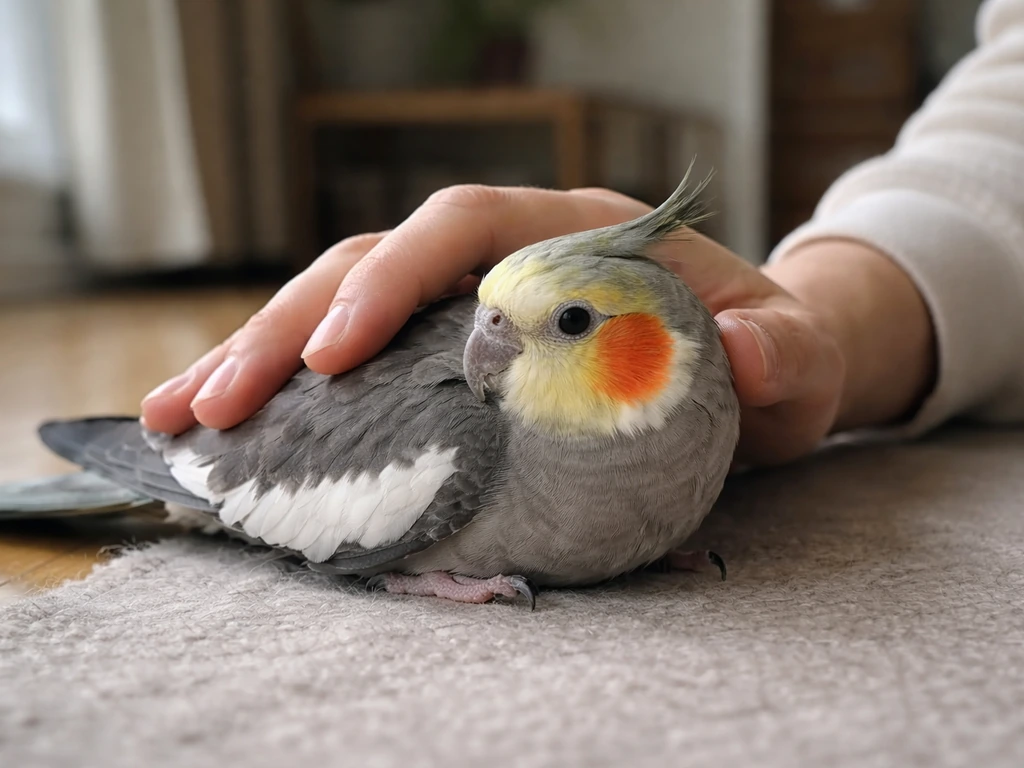
For a bird that steps up voluntarily, wrap your fingers gently around the bird's back so your hand cradles it from behind, with your thumb resting lightly on one side of the lower face and your forefinger on the other side just below the jaw. This supports the head without restricting breathing and keeps the beak accessible so you can monitor the bird's expression. The bird's feet should be able to grip your fingers or the side of your hand.
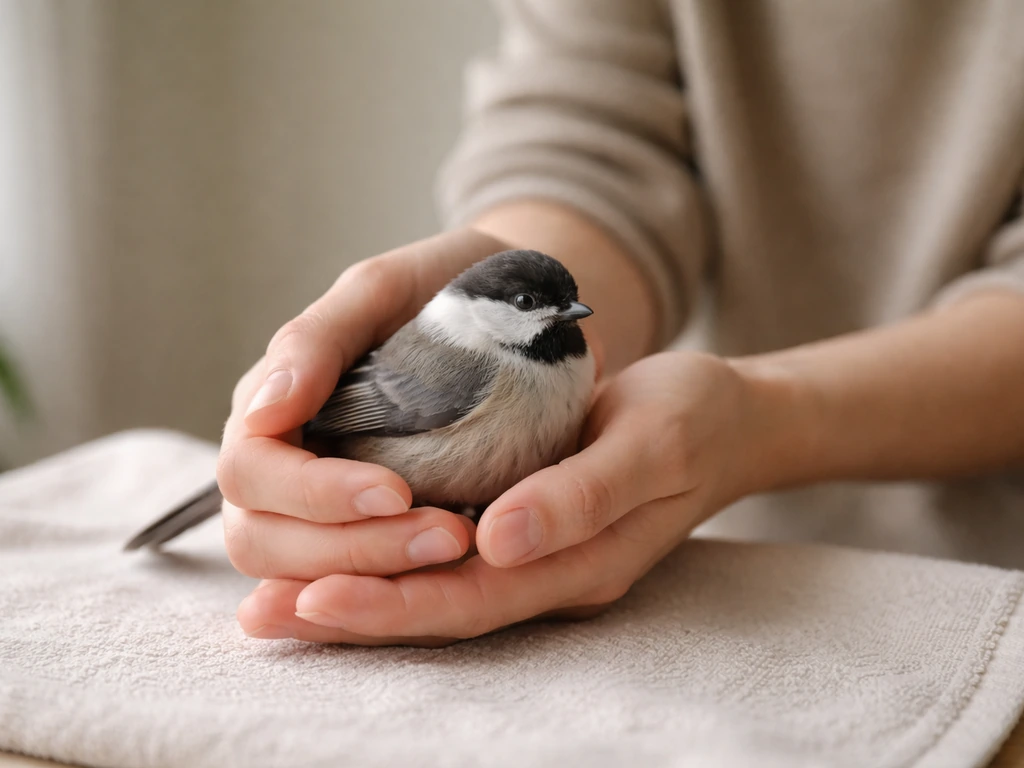
For a bird that needs towel restraint (vet visit, medication, wing trim), drape the towel over the bird, then wrap it so the wings are held against the body and the head is exposed. Never cover the face or constrict the chest.
Budgies and small finches
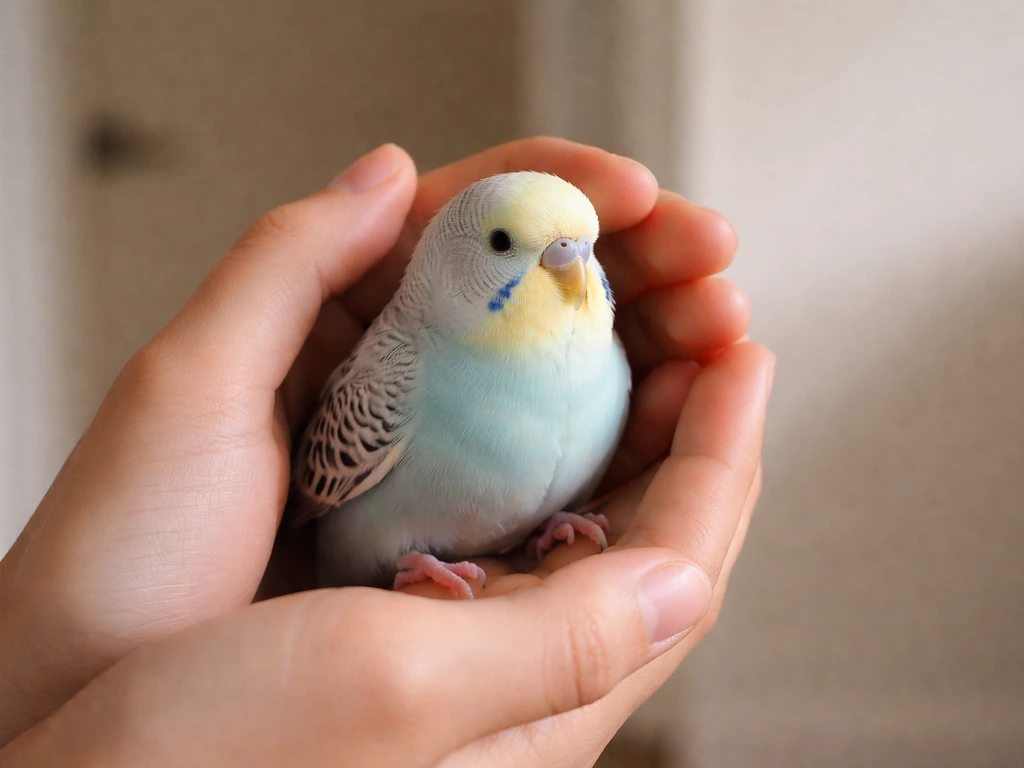
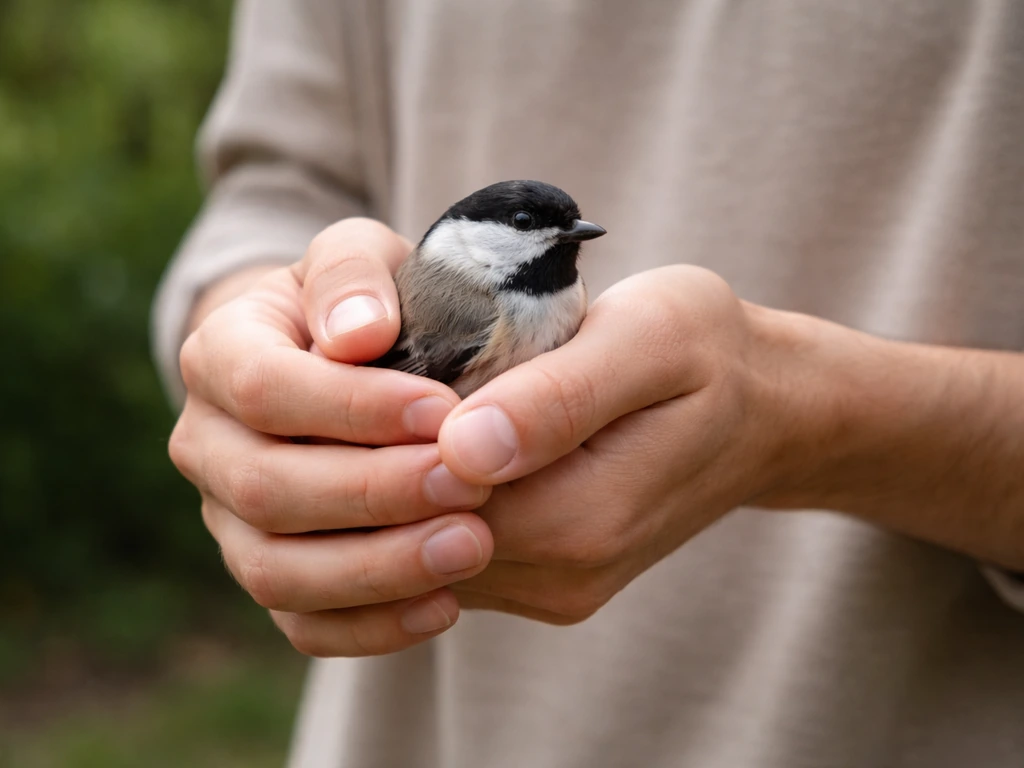
Small birds like budgies and finches are fragile and easy to hold too tightly without realizing it. For small birds, the key is using gentle, secure support and choosing a hold that prevents stress and injury. Vets often use a 'ringer's grip' for very small birds: the bird sits in the palm of a gently cupped hand, with the thumb and forefinger loosely around the neck (not the throat) to prevent the head from darting.
Restraint technique guides for small birds like finches and budgerigars describe wrapping in a small towel with the head exposed as the safest practical method for non-professionals. If you are handling a budgie at home for routine purposes, a loose one-handed hold with the bird's back against your palm and your fingers curled gently over the wings is usually enough. Do not apply pressure to the chest, and let the feet grip naturally.
Wild birds (small to medium, yard encounters)
Once you have the bird in your hands, do not let go and re-grasp repeatedly. Best Friends Animal Society is clear on this: keep a firm but not tight hold and maintain it. Each re-grasp is additional stress and another chance for the bird to flap, injure a wing, or injure you. Hold the bird against your body gently, with both wings lightly secured against its sides, and move directly toward the transport box.
If you need to hold a wild bird briefly, focus on keeping it secure and minimizing re-grasps while you move it into a transport box how to hold a wild bird. The goal here is seconds to minutes in your hands, not a prolonged hold. The box is safer for the bird than your hands are.
What to avoid regardless of species
- Grabbing from above — always approach from the side or below
- Squeezing the chest or abdomen — birds breathe differently from mammals and chest compression is dangerous
- Holding by the wings only — this can cause dislocation
- Covering the bird's face or entire head with fabric
- Letting the bird hang or dangle with no support under its body
- Holding for longer than necessary
Wild birds versus pet birds: handling techniques compared
The core physical hold is similar across both groups, but the context, goals, and ethical considerations are quite different. Here is a quick comparison to help you decide what approach fits your situation.
| Factor | Pet Birds | Wild Birds |
|---|---|---|
| Primary goal | Cooperative, low-stress handling for care or training | Brief, safe containment for transport to a rehabilitator |
| Build-up time | Days to weeks of step-up training before confident handling | No build-up possible — minimize contact time instead |
| Best tool | Trained hand or perch/stick, towel for restraint if needed | Towel or cloth to cover, cardboard box for immediate transport |
| Gloves needed? | Usually not for a tame bird; useful for very fearful or untamed birds | Yes — disposable gloves to protect from bites, scratches, and disease |
| Legal/ethical note | Your responsibility as owner; vet handles advanced restraint | In most regions, only licensed rehabilitators should hold wild birds long-term |
| Head covering | Only if absolutely needed and only briefly | Covering the head often calms wild birds quickly |
| Post-hold step | Return to perch, reward, monitor for stress signs | Place in ventilated box, keep dark and quiet, contact a rehabilitator |
One thing worth repeating on the wild bird side: the CDC and RSPCA both recommend not picking up dead or visibly sick wild birds at all, and not adopting or keeping wild animals at home. If you find a sick or injured wild bird, the humane goal is a quick, calm transfer to a transport box and then to a licensed wildlife rehabilitator, not an extended holding session.
The Raptor Center advises avoiding trying to capture an injured raptor on a busy roadside, in water, or other dangerous locations, since wild birds may defend themselves avoid trying to capture an injured raptor on a busy roadside, in water, or other dangerous locations. If you find a sick, injured, or orphaned migratory bird, U.
S. federal regulations allow you to [take possession without a permit for immediate transport](https://www. law. cornell.
edu/cfr/text/50/21. 76) to a permitted rehabilitator or licensed veterinarian. The Wild Bird Fund recommends this route explicitly. Your job is to get the bird stable and to the right hands, not to nurse it yourself.
When things go wrong: de-escalation, troubleshooting, and knowing when to stop
If the bird startles or flaps mid-hold
Hold firm and still. Do not drop the bird, do not squeeze harder in panic, and do not try to reposition while the bird is actively struggling. Keep your hands steady, lower yourself toward a surface if possible, and wait for the burst of movement to stop. Most flapping episodes last only a few seconds. Once the bird is still, check that your grip is secure and then complete what you needed to do as quickly as possible.
If the bird bites
Do not pull away suddenly, that is the reflex, but it is the wrong move. A bird that has bitten down and then feels its target pull away will bite harder and may spin or hang, injuring its beak or your skin more than necessary. Instead, move gently toward the beak (which releases pressure and surprises the bird into letting go) or wait calmly for it to release. Then pause, reassess, and if the bird is showing multiple stress signals, put it back and try again another time.
If the bird shows signs of shock or extreme stress
Open-mouth breathing, panting, limpness, or a bird that stops responding are all red flags. For a pet bird, put it back in its cage immediately, cover the cage to reduce stimulation, keep the room warm and quiet, and monitor closely. If symptoms do not resolve within 15 to 20 minutes, call your vet. For a wild bird, place it in the ventilated box with a towel, keep it in a warm and quiet spot, avoid talking to it or petting it (Wisconsin Humane Society guidance is explicit that talking and petting are stressors that can worsen shock), and contact a licensed rehabilitator immediately.
Knowing when to stop and get professional help
- The bird has been flapping and struggling for more than 30 seconds without settling
- You are seeing open-mouth breathing, limpness, or eye-closing during handling
- The bird has an obvious injury: a visibly damaged wing, leg, or bleeding
- You cannot safely contain the bird without risking injury to yourself (large raptors like hawks and owls require specialist handling — their talons cause serious injury)
- The wild bird appears visibly sick rather than just stunned — do not handle potentially diseased birds and call animal control or a rehabilitator instead
- For any wild bird that does not recover within an hour or two: contact a licensed wildlife rehabilitator, not a general vet, as they have the permits and species-specific expertise
After the hold: rewarding and monitoring
For pet birds, the moment after the hold is almost as important as the hold itself. Return the bird to its perch calmly, offer its favorite treat immediately, and speak softly. You are building an association: being held leads to good things. Over time this genuinely reduces fear during handling. Watch the bird for the next 30 minutes for any lingering stress signals (feathers puffed, appetite gone, unusual quietness) and give it space if it needs it.
For wild birds, wash your hands thoroughly after any contact, wash any clothing or towels used, and follow up with the rehabilitator you contacted. Do not check on the bird obsessively, quiet and darkness are more helpful than human reassurance for a wild bird in a box.
Realistic timeline for taming a fearful pet bird
If you are starting from scratch with a bird that is afraid of hands, expect the process to take weeks, not days. Week one is about getting the bird comfortable with your hand near the cage without retreating. Week two to three is short sessions with your hand inside the cage, rewarding any lack of panicked retreat. Weeks three to six are about introducing the step-up cue with treats. Some birds progress faster, some slower, and birds with a history of bad handling experiences may take months of patient, consistent work. That is normal. Pushing faster than the bird is ready almost always sets the timeline back further.
FAQ
What should I do if the bird starts panicking right as I’m about to pick it up?
Stop the approach immediately, keep your hand still or withdraw a few inches, and give the bird 30 to 60 seconds to reset. Only try again if the same stress signals are not still present (especially open-mouth breathing or panting). If it does not settle quickly, plan a shorter session later rather than pushing through.
How can I tell whether a bird is stressed versus just being naturally cautious?
Look for quick, situational tension (slight leaning away, freezing) versus active stress behaviors like rapid tail flicking, loud calls, repeated attempts to escape, or panting. If the bird is breathing with an open mouth, becoming limp, or showing prolonged struggling, treat it as high stress and end the handling attempt.
Is it okay to hold a bird by the wings or abdomen if it seems like the safest place?
No. Avoid holding that restricts wing motion by pinching or gripping the abdomen. Instead, secure wings gently against the body using support from the back and sides, and keep the chest free so breathing is not constricted.
What’s the safest way to handle a bird that keeps trying to bite me?
First, reduce the chance of a reflex bite by focusing on voluntary step-up training and approaching from the side or slightly below. If biting begins during handling, do not pull away sharply. Either move your hand gently toward the bird’s beak to reduce pressure or pause and wait for it to release, then return the bird to its perch or cage.
Should I cover a bird with a towel for pet handling, and when is it necessary?
Use towel restraint only when the bird cannot be safely managed any other way (for example, vet transport, medication, wing trim). When using a towel, keep the face exposed and do not constrict the chest. For routine handling, a step-up approach is usually lower stress than towel restraint.
Can I hold two birds at once or hold a second bird while the first is in my hands?
It is safer not to. Added movement, noise, and re-grasping increases fear for both birds. Handle one bird at a time and move directly to the next step (perch return for pets, transport box for wild birds).
How should I position my hand if the bird is on the floor, play stand, or cage top?
Position your hand at the bird’s chest level, just below where its feet meet its belly, and approach from the side or slightly below eye level. For step-up training, use the cue consistently and offer a treat so the bird moves toward your hand instead of being grabbed while stepping off a surface.
What if my bird steps up but then immediately starts shivering or going very still?
Shivering or going very still can mean fear, overheating, or shock risk depending on the rest of the body cues. Return it to its cage promptly, cover the cage to reduce stimulation, keep the room warm and quiet, and monitor for 15 to 20 minutes. If symptoms do not improve, contact a vet.
How do I safely transfer a bird from my hands into its cage or travel box?
Once the bird is settled, move directly toward the target with steady, close hand positioning, and avoid hovering. Keep the wings lightly secured against the sides without squeezing the chest. Set the bird down on the perch or into the box as a single smooth action rather than repeated re-grasps.
What should I do after handling a wild bird if my skin is intact but the bird struggled a lot?
Wash hands thoroughly and clean any towels or clothing used. Even if you are not visibly injured, struggling can mean more stress hormones and potential contamination. Then minimize contact time and follow up with the licensed rehabilitator you contacted, avoiding frequent checks.
How long should I attempt handling if the bird refuses to step up?
If the bird shows multiple stress signals, back off and end the attempt. For pets, keep early sessions short, typically around a couple minutes, and prioritize calm repetition over forcing progress. If the bird repeatedly resists the same cue, adjust your approach speed or use an intermediate tool like a dowel.
What are common mistakes that cause birds to get more scared over time?
Common ones are approaching from above, making sudden movements, leaning over the bird, maintaining direct eye contact with fearful birds, squeezing harder when the bird struggles, and re-grasping multiple times. Another big issue is skipping the quiet preparation period, which prevents the bird from settling before contact.
Next Article
How to Hold a Small Bird Safely and Humanely Today
Step-by-step humane handling for small birds: safe support, towel method, stress signs, and when to seek a vet or wildli