You cannot legally keep most wild birds as permanent pets in the US or UK, and in almost every case it is not in the bird's best interest either. But if you have found an injured bird, a fallen nestling, or a wild bird that keeps returning to your yard, there are real, humane steps you can take right now depending on exactly what situation you are dealing with. This guide walks you through the whole picture: the legal reality, how to assess the bird, what to do in the first few hours, how to build trust if you are in a temporary care situation, and what a realistic long-term outcome actually looks like.
How to Make a Wild Bird Your Pet: Safe, Legal Steps
Clara Hayes
30 Apr 2026
Can you actually keep a wild bird as a pet? Here's the honest answer
Most wild birds are protected under federal law in the US (and equivalent legislation in the UK), which means capturing, keeping, or transporting them without a permit is illegal. In the US, the Migratory Bird Treaty Act covers the vast majority of native species, and the US Fish and Wildlife Service is clear: taking a wild animal home to care for it or keep it as a pet is not permitted for the general public. In the UK, the Wildlife and Countryside Act 1981 covers wild birds under strict rules, and the RSPB notes that keeping any bird in an enclosure too small for it to fully stretch its wings is itself a violation of that law.
That said, "making a wild bird your pet" can mean different things to different people. If you mean taming a bird you found injured and nursing it back to health, that is a temporary rehabilitation situation. If you mean befriending a wild bird in your yard so it visits regularly and becomes comfortable near you, that is absolutely achievable and genuinely rewarding. If you mean permanently housing a healthy wild bird indoors, that is where you run into serious legal and welfare problems. Understanding which situation you are in shapes everything that follows.
The legal and ethical lines you need to know
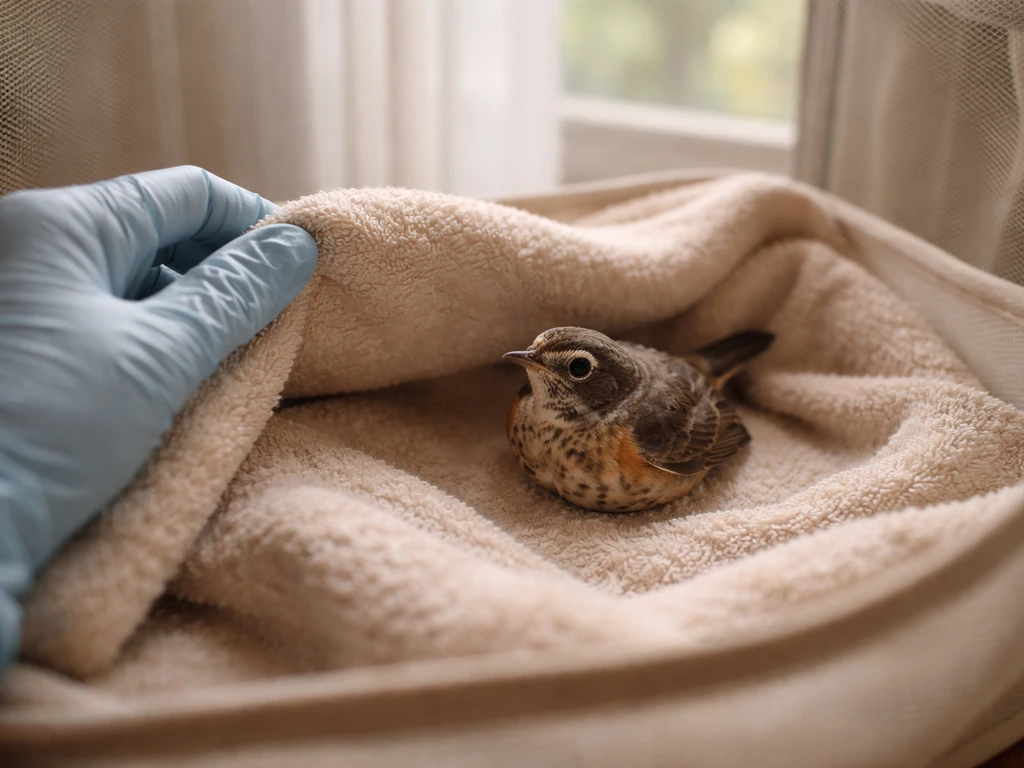
In the US, a Migratory Bird Rehabilitation permit is required to legally take, transport, and temporarily care for sick or injured migratory birds. The public does not hold these permits, licensed wildlife rehabilitators do. That means if you find an injured bird, your legal and practical job is to provide basic first aid (warmth, quiet, darkness, minimal handling) and then get it to a licensed rehabilitator as quickly as possible. You are not supposed to attempt treatment, long-term housing, or feeding without guidance from a professional.
In the UK, you must check whether you need a licence to keep a specific wild bird, and most species require one. General exemptions are narrow and depend entirely on the bird's schedule classification under the Wildlife and Countryside Act and how it was obtained. The rule of thumb in both countries: if the bird is a native wild species and you did not buy it from a licensed breeder, you almost certainly cannot legally keep it long term without a permit you do not have.
The ethical side is equally important. Wild birds are not domesticated. Unlike budgies, cockatiels, and parrots (which have been selectively bred for generations to live alongside humans), wild songbirds, raptors, and backyard species experience captivity as chronic stress. Keeping a healthy wild bird permanently confined is not companionship for the bird; it is a welfare problem.
When to call a wildlife rehabilitator immediately
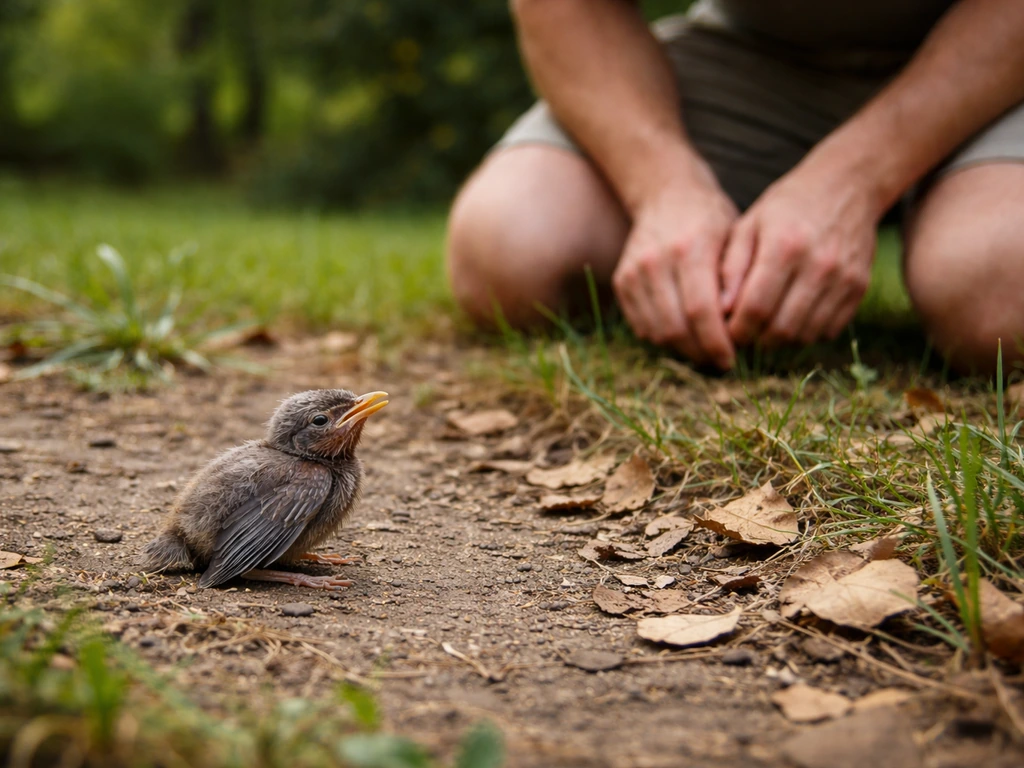
- The bird is featherless or has its eyes closed (a nestling that genuinely cannot survive without constant feeding every 15 to 20 minutes)
- The bird cannot fly, has a drooping wing, or has visible wounds
- The bird is sitting still on the ground and not attempting to flee
- You have already been handling the bird for more than an hour and it has not recovered
- You are unsure what species it is or what it eats
- You are considering keeping it longer than 24 to 48 hours
To find a licensed rehabilitator in the US, search the National Wildlife Rehabilitators Association directory or call your state wildlife agency. In the UK, contact the RSPCA or RSPB. Do not try to feed the bird before speaking with a professional. As the Raptor Trust puts it, each species has a completely different diet, and nestlings actually get their moisture from food, so giving the wrong thing can injure or kill them.
Identify the bird and figure out what it actually needs
Before you do anything else, spend two to three quiet minutes just observing. The BTO recommends watching from a safe distance first, because many young birds look helpless but are fledglings that are supposed to be on the ground while their parents continue feeding them nearby. Wildlife Center of Virginia also notes that lone nestlings may need to be taken to a permitted wildlife rehabilitator and that prevention is usually the best approach If you find a baby bird …. Juvenile plumage is often dramatically different from adult plumage (a juvenile robin looks brown and speckled, nothing like its red-breasted parent), so do not assume the species based on adult field marks.
| Situation | What it looks like | What to do |
|---|---|---|
| Nestling | Featherless or downy, eyes closed or barely open, cannot perch | Place in a small box with paper-towel lining, keep warm and dark, call a rehabilitator immediately |
| Fledgling (healthy) | Fluffy with some feathers, hops, flutters, can grip a perch | Leave it alone if safe, watch for parents from a distance, do not capture |
| Adult, clearly injured | Cannot fly, drooping wing, bleeding, sitting still | Contain gently (see setup section), keep warm and quiet, contact a rehabilitator within hours |
| Adult, apparently healthy | Flies away when approached, alert eyes, full plumage | Do not capture; focus on yard habituation techniques instead |
| Yard wild bird (visits regularly) | Healthy, returns on its own, shows interest in feeders | Use trust-building yard techniques, no capture needed or appropriate |
For species identification, Audubon's guidance is practical: focus on two or three reliable field marks (bill shape, overall size, tail length, wing bars) rather than trying to memorize every detail at once. Bill shape alone tells you a lot about diet, which matters immediately if you need to provide food: a seed-eater like a sparrow or finch has a short, thick, conical bill; an insectivore like a warbler has a thin, pointed bill; a raptor has a hooked bill and should absolutely not be handled by an untrained person.
Setting up a low-stress temporary space
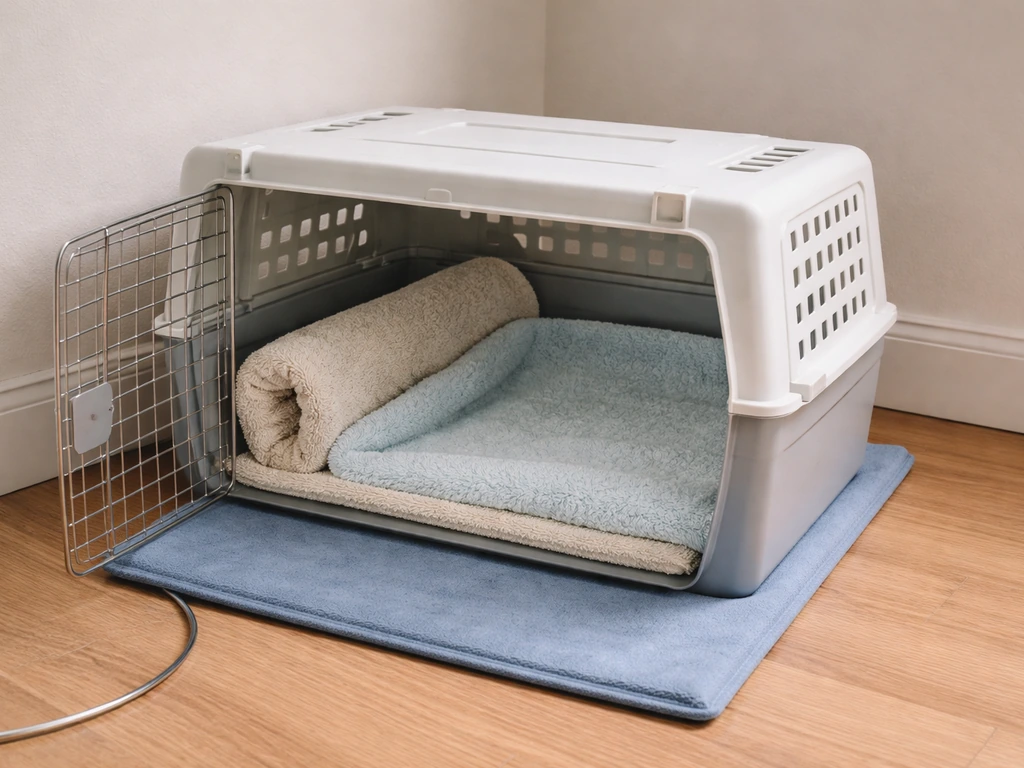
If you have a bird that genuinely needs temporary containment while you arrange for a rehabilitator, the setup is simple and the priority is reducing stress, not creating a comfortable home. A cardboard box with ventilation holes works well for songbird-sized birds. Line the bottom with paper towels crumpled into a soft nest shape. Keep the box in a warm, quiet room away from children, pets, and noise. Do not put the box in direct sunlight or near a vent.
If the bird feels cold to the touch, place a heating pad set to LOW underneath half of the box (not the whole base) so the bird can move away from heat if it gets too warm. Put a towel between the heating pad and the box. According to wildlife rehabilitation guidance, the bird must be warm before any feeding is attempted, and an animal that is in shock or cold will not absorb food properly. Keep the box covered and as dark as possible, which lowers the bird's stress response significantly.
For larger birds or birds you are holding for longer than a few hours under rehabilitator guidance, you will need a wire crate or pet carrier rather than a cardboard box. Add a low perch at a height the bird can actually reach. The perch diameter matters: for small songbirds, a branch about the thickness of a pencil lets the toes wrap comfortably. For larger birds, match the perch to the bird's foot span. Keep covering the enclosure with a light cloth to reduce visual stimulation.
Food and water: the key rules
Do not offer food or water until you have spoken with a licensed rehabilitator or wildlife professional, especially for nestlings and injured birds. For a healthy adult bird you are observing temporarily, a shallow dish of clean water is usually safe. If you have confirmed the species and confirmed it is a seed-eater (finch, sparrow, dove), small amounts of appropriate seed are acceptable for very short-term holding. Rehabilitators use specific formulas: insectivores require insects and specialized formula, not birdseed, and seed-eaters like finches and sparrows use what rehabilitators sometimes call a finch mash, not table scraps, pet food, or corn. Incorrect feeding can cause injury or death. If you need to groom a bird you are caring for, follow the same professional-first rule and use gentle, species-appropriate handling only with guidance from a licensed rehabilitator.
Building trust step by step
If you are in a legal, rehabilitator-guided temporary care situation, or if you are working with a captive-legal bird (like a legally acquired bird of a non-protected species), trust-building follows a clear progression. The same principles also apply to befriending wild birds in your yard, just with more distance and less handling. The core rule is the same either way: let the bird set the pace. Every interaction that ends with the bird calm and unforced builds the relationship. Every interaction that involves chasing, grabbing, or forcing contact sets you back days.
Week one: presence without pressure
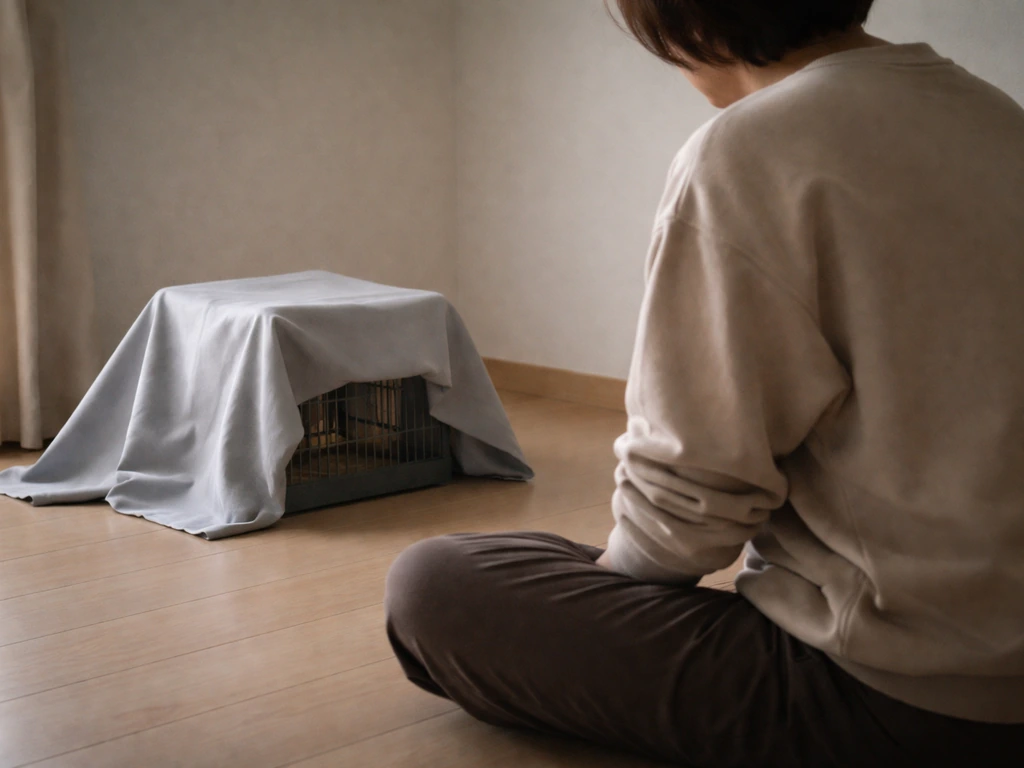
Spend time near the bird's space without interacting directly. Sit low (floor level is less threatening than standing), move slowly, and avoid direct eye contact at first, since a direct stare is a predator signal to most birds. Talk quietly and consistently in a calm, low tone. Let the bird get used to your voice, your smell, and your presence as a non-threatening part of its environment. For yard birds, this means sitting near your feeder at consistent times each day.
Week two: hand presence and food association
Begin offering food from your hand or from a feeder you are holding. Place the food at the far edge of your palm or fingers and keep your hand very still. Do not move toward the bird; let the bird decide when to come closer. If the bird backs away, you have moved too fast. Return to just sitting quietly for another day or two before trying again. For indoor birds in a temporary setting, offer food items through the cage bars first before attempting open-hand feeding. Consistent routines matter here: feeding at the same time each day, from the same position, builds predictability, which birds find genuinely reassuring.
Week three and beyond: step-up and handling
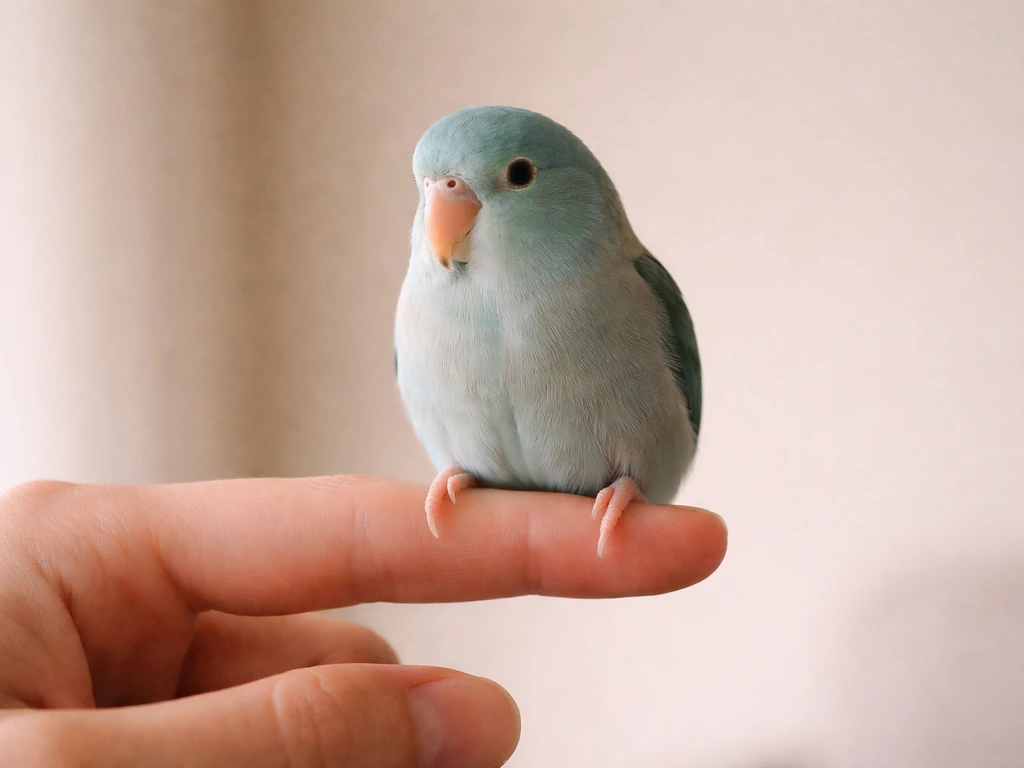
If the bird is consistently taking food from your hand without flinching back, you can introduce a finger perch. Hold your index finger horizontally just below the bird's chest and gently press against its lower legs. Many birds will step up reflexively. Do not grab, close your hand around the bird, or restrain it. If it steps up and stays for even three seconds, that is a success. Reward it immediately with its favorite food item. For small songbirds and wild species, this stage may take weeks and full "step-up on command" behavior is genuinely unusual outside of domesticated species like budgies and cockatiels.
Body language matters enormously. Keep your movements slow and deliberate, approach from the side rather than head-on, and blink slowly when making eye contact. A slow blink is a relaxation signal across many bird species. Avoid hovering directly above the bird; from a bird's perspective, anything large moving overhead is a hawk.
Taming milestones, realistic timelines, and what to avoid
| Milestone | Typical timeline (wild bird) | Typical timeline (domesticated species like budgie/cockatiel) | Signs you're there |
|---|---|---|---|
| Tolerates your presence nearby | 3 to 7 days | 1 to 3 days | Bird eats normally when you are in the room |
| Eats near your hand | 1 to 3 weeks | 3 to 7 days | Bird approaches food without retreating |
| Takes food from your hand | 3 to 6 weeks | 1 to 2 weeks | Bird lands on or leans toward your palm |
| Steps onto a finger perch | 6 to 10 weeks (if at all) | 2 to 4 weeks | Bird steps up when finger touches lower chest |
| Allows gentle petting | Rarely achieved with wild birds | 4 to 8 weeks for most | Bird leans into contact, closes eyes, fluffs slightly |
The most common mistakes people make are moving too fast, handling the bird when it is stressed or exhausted, and creating food dependency without working on actual tameness. A bird that only tolerates you because you are holding food is not tame, it is hungry. Watch for genuine relaxation cues: ruffled feathers in a comfortable way (not the tight-feather stress posture), one-foot resting, slow blinking, and calm vocalizations. Fear behaviors to watch for and back away from include: open-mouth breathing, rapid tail pumping, freezing with wide eyes, biting, or frantic flying at cage walls.
Avoid making a wild bird so dependent on you that it cannot function without human interaction. This is especially important if the goal is eventual release. A bird that has lost its fear of humans and stopped foraging independently is not ready for the wild and may not survive it.
Troubleshooting common problems
The bird refuses to eat
First, confirm you have the right food for the species. A seed mix will not work for an insectivore. Second, check stress: a bird in a high-stress environment often will not eat even if hungry. Make sure the space is dark, quiet, and away from activity. Third, check temperature: a cold bird cannot digest food properly. If the bird still has not eaten after 12 hours and you are not in contact with a rehabilitator, call one now. Refusal to eat for more than 24 hours in a small bird is a medical emergency.
The bird is biting
Biting is almost always a fear response, not aggression. You have moved faster than the bird is comfortable with. Back up to the previous stage in the trust-building progression and spend more time there before moving forward again. Never punish a bite, do not pull away sharply (which teaches the bird biting works), and do not force contact immediately after a bite. With small birds, a bite is startling but not dangerous. With larger birds or raptors, stop immediately and call a professional.
The bird keeps flying at the cage walls
This is a high-stress response. Cover the enclosure completely with a light cloth, reduce noise and activity in the room, and give the bird at least 24 hours without any direct interaction. If it continues after that, the enclosure may be too small or the bird may need more vertical space. Check that perches are at a comfortable height and that the bird can move between them without its wings hitting the walls.
Signs of a health problem that need immediate attention
- Labored or open-mouth breathing when the bird is at rest
- Discharge from eyes or nostrils
- Droppings that are all white (no dark fecal component) or watery green for more than a few hours
- Inability to grip a perch or hold itself upright
- Swelling, lump, or wound you did not notice before
- Seizure-like trembling or head tilting
Returning to the wild or finding a legal long-term home
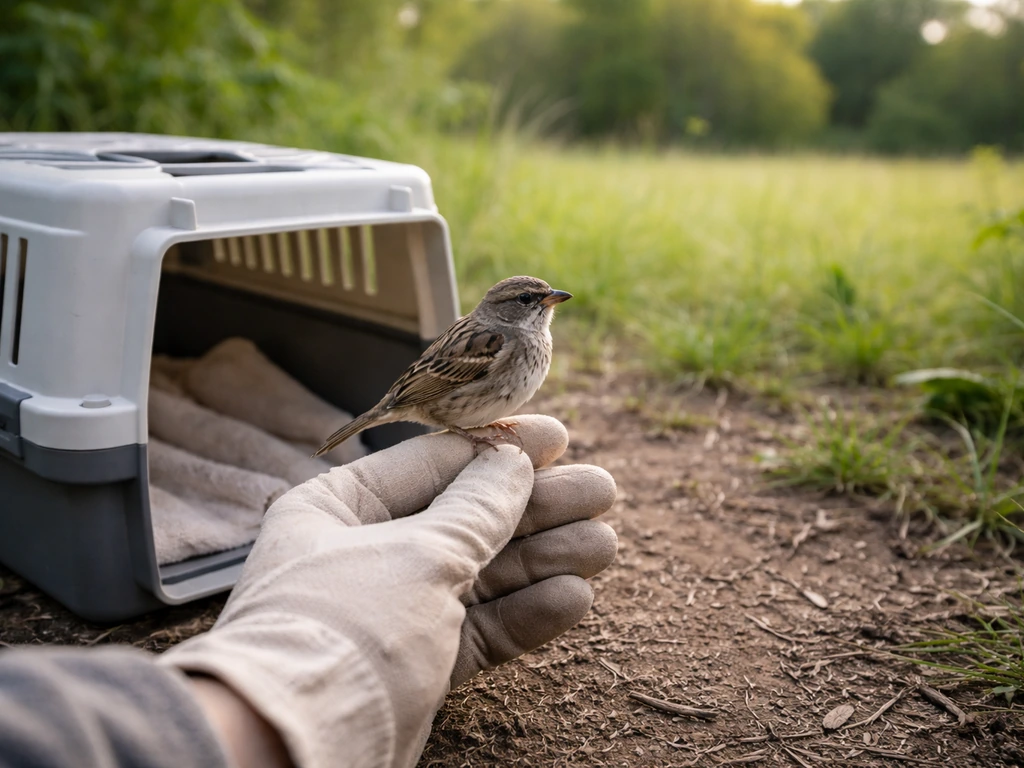
If you have been caring for an injured or baby bird temporarily, the goal is always release back to the wild once the bird is ready. Wildlife rehabilitators use a two-part readiness check before any release: physical and medical readiness (can the bird fly, maintain weight, and self-regulate temperature?) and life-skills readiness (can it self-feed, avoid humans, and perform species-appropriate behaviors like foraging or perching?). A bird that recognizes you as a food source and has no fear of humans is not ready for release regardless of how physically healthy it looks.
Release location matters. The bird should be released in appropriate habitat for its species, ideally close to where it was found, and during a season when food is available. Do not release a bird in the dead of winter if it cannot forage independently. A rehabilitator can advise on the right timing and location.
If you genuinely want a bird companion long term, the most humane and legal path is to adopt or purchase a domesticated species from a reputable source. Budgies, cockatiels, and some finch species have been bred to live with people for generations and are well-suited to home life. They can be genuinely tame, affectionate, and interactive. The taming and trust-building techniques covered here for wild birds apply directly to these species too, often with faster results and without the legal and welfare complications.
If your real goal is wild bird companionship in your yard
If what you actually want is a closer relationship with wild birds, the yard approach is deeply rewarding and completely legal. When you are building that trust, you can also learn specific finch how to chat with bird tips that focus on consistent, low-pressure presence wild birds. Consistent feeders with species-appropriate food, a reliable fresh water source, and native plantings that provide natural food and shelter will attract birds that return regularly and become visibly comfortable with your presence over time. Sitting quietly near feeders at the same time each day, wearing similar clothing, and moving predictably teaches yard birds that you are not a threat. Some species, particularly corvids, chickadees, and certain finches, will eventually take food directly from a hand extended near a feeder. That kind of relationship, built entirely on the bird's terms, is genuinely special.
The taming techniques for getting a wild bird comfortable near you in a yard setting overlap closely with what works for pet finches and budgies indoors: patience, consistency, low-pressure presence, and letting the bird move at its own pace. If you are also working on taming a pet bird at home, those same principles apply across species, just with different timelines and different end goals.
FAQ
If I found a baby bird and it seems abandoned, can I keep it until it’s older?
Yes, but only for temporary, rehabilitator-guided care. If you keep an injured or dependent wild bird longer than a short holding period, you can violate wildlife protection laws even if you mean well. Treat “temporary” as a few hours only, provide warmth and minimal handling, and immediately contact a licensed rehabilitator for written instructions.
How do I tell the difference between a true orphan and a fledgling that’s supposed to be on the ground?
Often, but not always. Many ground-nesting fledglings are meant to stay where they are while parents feed nearby, so moving them to your home can increase harm. The safest first step is to observe from a distance and, if unsure, contact a rehabilitator with your location and what you observed (size, feathering stage, behavior).
What should I feed a wild bird while I’m waiting for a rehabilitator to call me back?
Do it only when a professional tells you to, or when you are instructed during a call. Even for short holding, the biggest risk is giving the wrong diet (especially for insect-eaters and raptors) or feeding a bird that is too cold or stressed to digest. If you cannot reach a rehabilitator right away, follow the article’s warmth and darkness steps, then call again promptly rather than improvising food.
A wild bird got into my house, what’s the safest way to handle the situation?
If the bird is indoors and you want to avoid injury, close off other rooms, turn off ceiling fans, and use a light towel to gently direct movement only if the bird is actively panicking. Do not chase or grab, and avoid loud noises or sudden lights. Once it lands, keep the room quiet and contact the appropriate rescue or rehabilitator for the next step.
Is it okay to trap a wild bird in my yard to build trust and keep it at home?
If the bird is a healthy adult visiting your yard, you generally should not put it in a box or enclosure. “Befriending” works through predictable, low-pressure presence, consistent food and water, and letting the bird choose proximity. Trapping or capturing a healthy wild bird to “make it a pet” creates both legal risk and welfare harm.
How can I tell if the bird is becoming food-dependent on me?
It can happen if people accidentally create a feeding dependency. A common early sign is the bird stops foraging normally and starts waiting for people to present food, or it repeatedly approaches you instead of exploring. If you see that, the humane approach is to stop hand-feeding, keep feeding low-pressure and outdoors only, and involve a professional if the bird appears unable to cope without humans.
How do I know the difference between “it takes food from me” and real trust?
A slow blink and relaxed behavior are helpful clues, but also watch for whether the bird can eat and forage on its own when you are not there. True tameness is not just taking food, it includes stable body language at your presence and reduced fear even when food is not being offered. If it flinches every time you move or you must keep offering food, it is likely not ready for closer interactions.
What changes should I avoid if I want yard birds to stop being nervous?
For yard birds, you can usually reduce stress without direct touch by changing only one variable at a time: same feeder locations, consistent timing, predictable clothing color/pattern, and slower movements. Avoid rearranging furniture, changing feeder height often, or introducing new pets indoors near windows, since those can reset fear quickly.
If I handled a wild bird for a moment to move it away from a hazard, do I still need to call a rehabilitator?
If a bird has been touched by you, even briefly, it’s still worth calling a professional if it is injured, unusually tame, or not behaving normally. Some rehabilitation decisions depend on species and condition, for example whether it is bleeding, unable to perch, or acting lethargic. In doubt, report exactly what happened and how long it has been in your care.
Can I release a rehabilitated bird to my backyard if it seems to survive well there?
Yes, and it’s a practical part of release planning. Even if the bird seems strong, it must be able to self-feed and avoid humans, and it must be released in appropriate habitat at the right time for seasonal food availability. Ask the rehabilitator for the exact release site criteria, including distance from roads and whether the area has native food sources at that time.
Next Articles
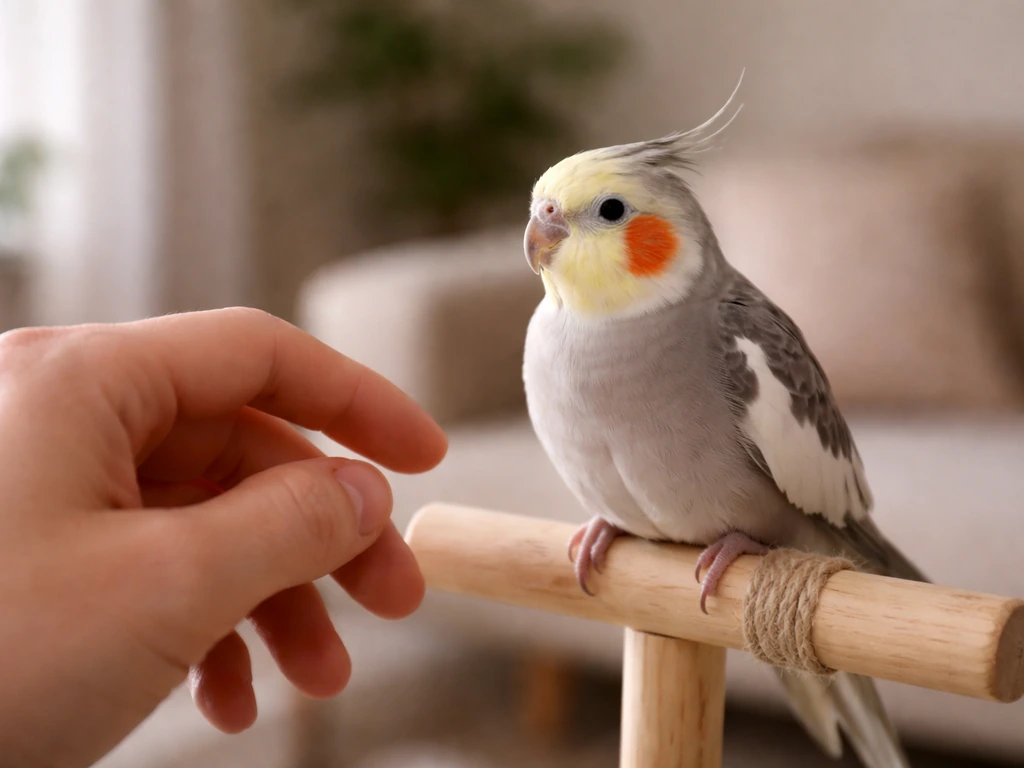
How to Pet a Bird Without a Cage Safely and Kindly
Learn how to pet a bird without a cage safely: trust-building steps, species tips, rewards, and stress signals to stop.
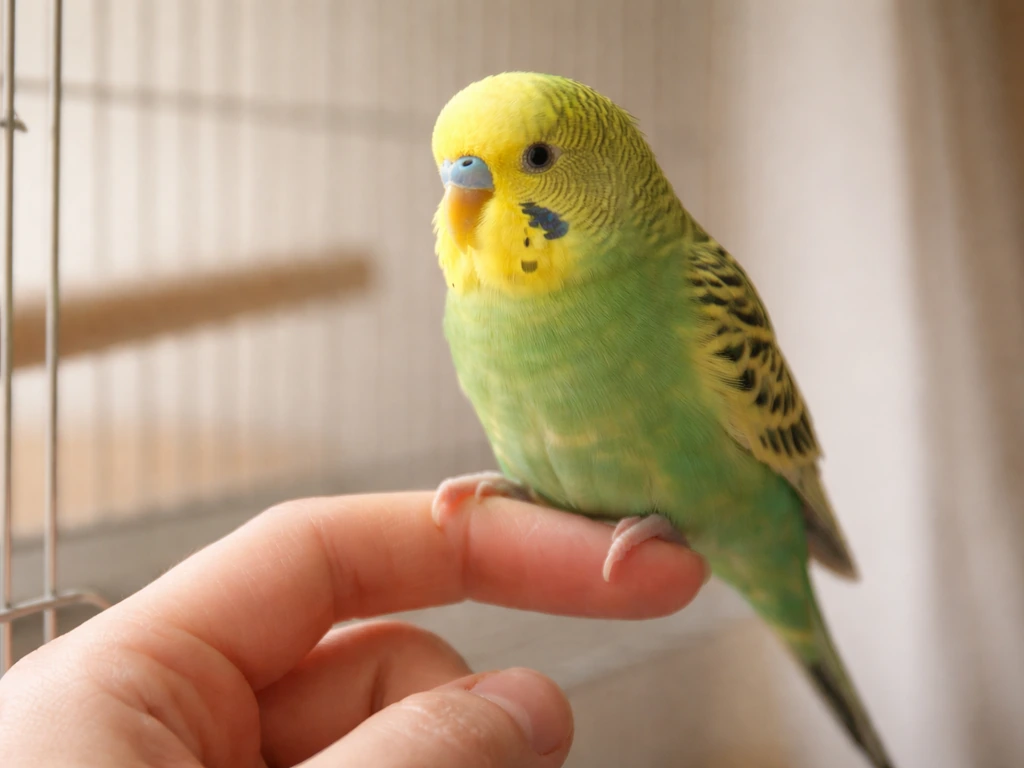
How to Pet a Budgie Bird: Safe Beginner Steps + Fixes
Step-by-step, safety-first budgie petting guide with trust stages, petting spots, and fixes for biting and fear.
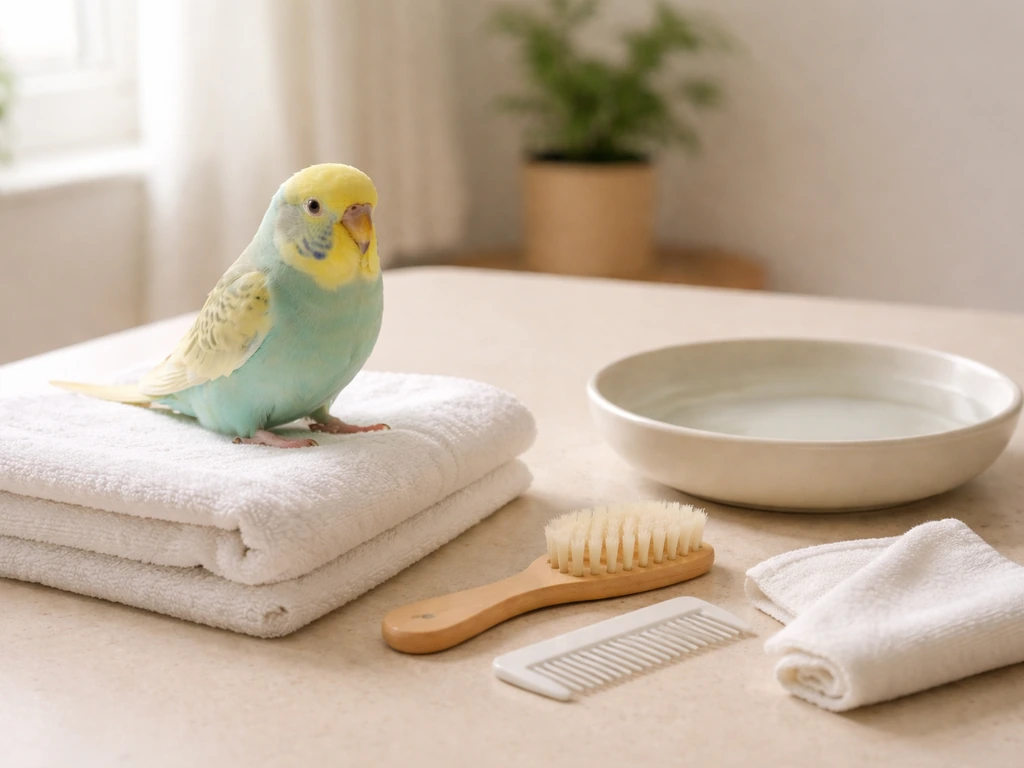
How to Groom a Bird Safely Step by Step for Pets and Wild Birds
Step by step how to groom pet and wild birds safely with humane handling, cleaning, trust building, and vet stop signs.