Grooming a bird safely comes down to three things: knowing exactly what the task involves, setting up your space so the bird stays calm, and building enough trust that the whole process feels routine rather than traumatic. You can start today with the basics, and this guide walks you through every step, whether you have a parrot, a cockatiel, a budgie, a finch, or you've found a wild bird in your yard and aren't sure what to do.
How to Groom a Bird Safely Step by Step for Pets and Wild Birds
Clara Hayes
19 Apr 2026
What bird grooming actually means (and what's off limits)
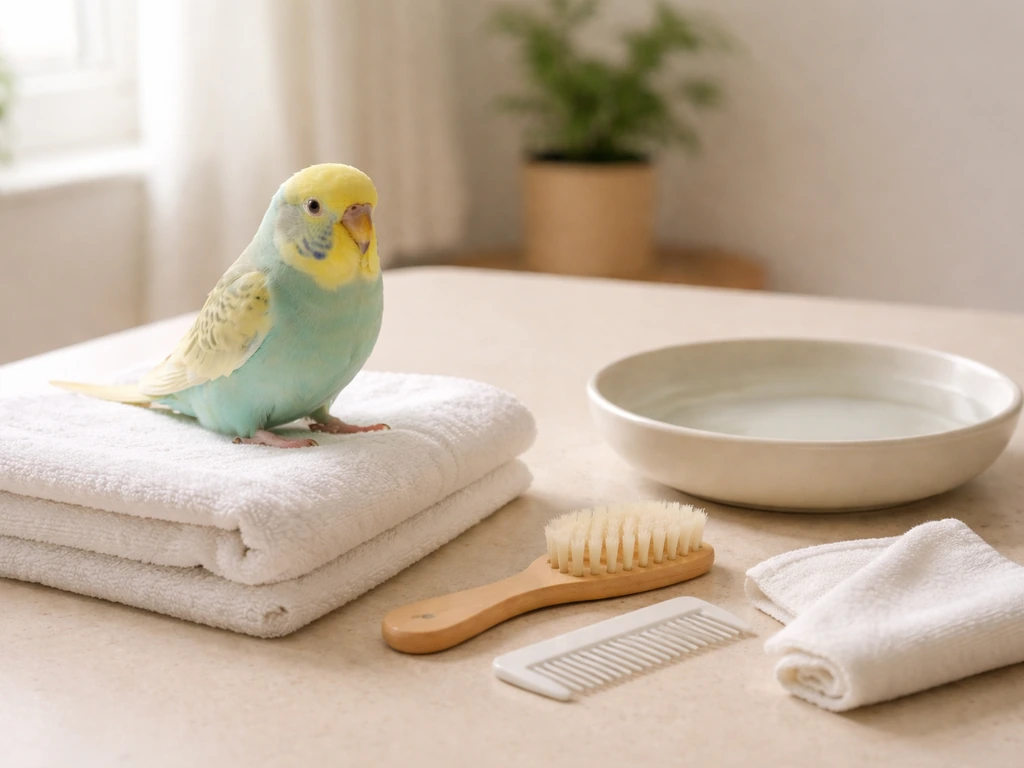
Bird grooming covers the routine care tasks that keep a pet bird healthy, comfortable, and safe to handle. In practical terms that means bathing, nail maintenance, feather checks, and skin inspection. What it does not mean, for most owners, is beak trimming. This is worth being very direct about: the RSPCA explicitly states that beak trimming is not a routine grooming procedure. If your bird's beak looks overgrown or misshapen, that's a signal to call an avian vet, not to reach for a file. An incorrectly trimmed beak can cause serious pain and may stop the bird from eating entirely. The same applies to blood feathers (pin feathers that are still growing and have an active blood supply). Never pull or cut those at home.
Wing clipping is another area where the line is clear: that's a vet or experienced professional task, tailored to the individual bird's species, size, and personality. For the purposes of this guide, the grooming tasks you can confidently handle at home are bathing, nail trims (once you've had a demonstration), feather and skin checks, and general handling practice that keeps your bird comfortable being touched.
- Safe to do at home: bathing, gentle feather and skin inspection, nail trims (after instruction), routine handling
- Leave to a vet or professional: beak trims, wing clipping, pulling blood feathers, treating wounds
- Wild birds: do not attempt grooming or prolonged handling; contact a licensed wildlife rehabilitator instead
Set up before you touch the bird
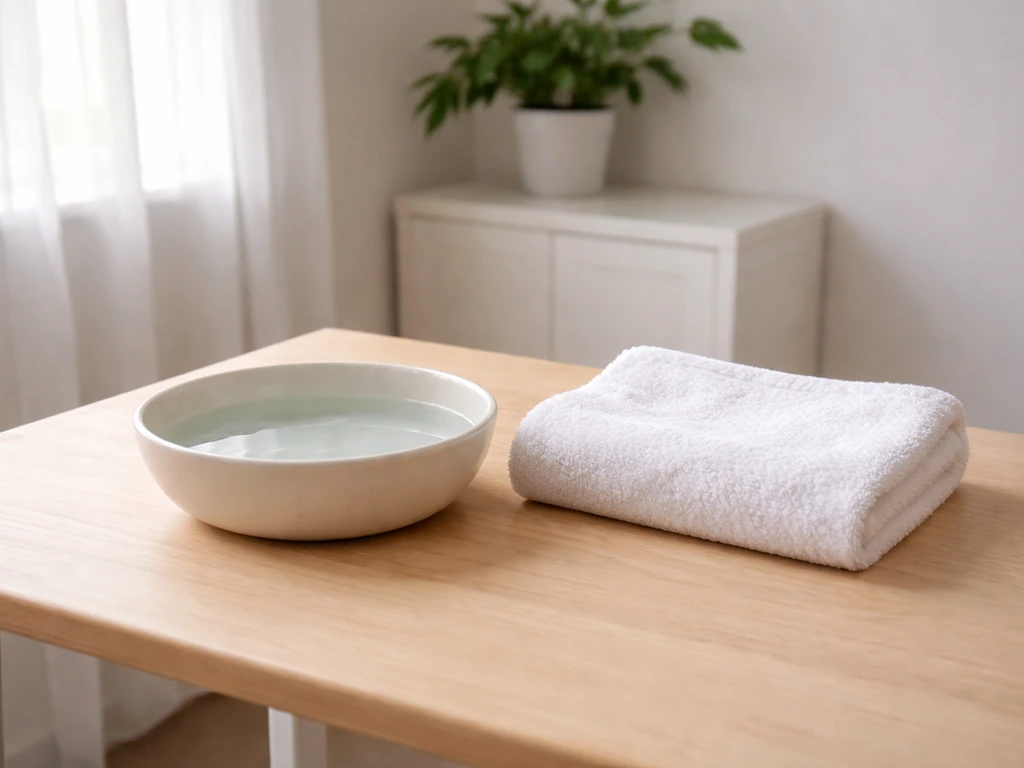
A stressed bird is dangerous to itself and to you. Before any grooming session, the setup matters as much as technique. Choose a small, quiet room with no ceiling fans running, no open windows, and no other pets present. Dim the lights slightly if your bird is already anxious. Have everything you need within arm's reach so you're not hunting around mid-session. A nervous owner also makes a nervous bird, so if you're tired, impatient, or in a rush, reschedule. Seriously. Petco's own training guidance makes the same point: never start a session when you're not in the right headspace.
Tools to have ready
- Small spray bottle or shallow dish of cool to lukewarm water for bathing
- Styptic powder (kept on hand any time nails are being trimmed, in case of a nick)
- Small, sharp nail scissors or a grinding tool designed for birds
- A soft, clean towel (for restraint if needed, or post-bath drying)
- Good lighting so you can see nail quick lines clearly
- A calm perch or familiar surface at a comfortable height for both of you
On towel restraint: wrapping a bird in a towel can be necessary for nail trims, but the Merck Veterinary Manual is clear that toweling is stressful and can actually damage the relationship you've built with your bird if overused. Use it only when you genuinely need both hands free and your bird isn't yet cooperative enough for hands-on handling. Keep the towel loose enough that the bird can breathe fully, and always keep the head free.
Stress warning signs to watch every second
You need to be monitoring the bird constantly during any grooming session. Merck Veterinary Manual also advises that routine pet bird management includes observing posture and respiratory-related signs, so any changes during handling are taken seriously. Stop immediately if you see any of the following: open-mouth breathing, rapid panting, tail bobbing with each breath, wings held away from the body, or audible wheezing. These are signs of respiratory distress or heat stress, and they are medical emergencies, not something to push through. A healthy, settled bird should be breathing quietly with its beak closed. If you see open-mouth breathing and the bird's grip on your hand has gone limp, put the bird down in a safe, ventilated space and call your vet.
Building trust so grooming is cooperative
Grooming works best when the bird is already comfortable being handled. If your bird isn't step-up trained yet, start there before you attempt any grooming beyond a gentle bath. Step-up training, where the bird reliably steps onto your hand or a perch on request, is the foundation. A practical approach is to introduce the handheld perch first, reward any contact with it, then gradually increase the time the bird spends on it and the movement you introduce. Each session should be short (five to ten minutes maximum), end on a positive note, and never be forced.
Once the bird is comfortable stepping up, you can start desensitization to being touched. Touch one part of the bird briefly, offer a reward, and stop. Over multiple short sessions, increase the duration and area of contact. Most birds take a few weeks to become genuinely relaxed with handling, and some nervous individuals take longer. Rushing this stage makes every future grooming session harder. The realistic timeline for a new, untamed bird going from hands-off to grooming-tolerant is typically four to eight weeks of consistent daily five-minute sessions.
Nail trims should only be attempted at home after you've watched a vet or experienced bird owner do it at least once. The Fear Free avian handling program specifically notes that nail trimming goes most smoothly when the bird is already trained and cooperative, not when it's being physically restrained for the first time. If you're new to this, book one vet visit specifically to watch the process before you try it yourself.
Species-specific grooming routines
The core tasks are the same across species, but the scale, temperament, and tolerance vary a lot. Here's what to expect from each of the four most common pet bird types.
| Species | Bathing preference | Nail trim frequency | Handling tolerance | Special notes |
|---|---|---|---|---|
| Parrot (medium to large) | Spray misting or shower perch; weekly to a few times per week | Every 4–8 weeks depending on wear | Generally high once tamed; still monitor for stress signs | Towel restraint most common for trims; beak check at every vet visit |
| Cockatiel | Spray misting or shallow dish; 1–3 times per week | Every 6–8 weeks | Moderate; can be nippy if scared | Very prone to stress; keep sessions under 10 minutes |
| Budgie (parakeet) | Shallow dish or light spray; 2–3 times per week | Every 6–10 weeks | Varies; finger-tamed birds tolerate well | Use only cool or lukewarm water; avoid steam from human showers |
| Finch | Shallow dish in the cage daily or as preferred | Rarely needed; monitor for overgrowth | Low; finches are not typically hand-tamed | Minimize direct handling; grooming is mostly environmental |
Parrots
Medium and large parrots (think African Greys, Amazons, conures, and similar) are usually the most tolerant of structured grooming once trust is established. Spray misting two to three times a week with a clean bottle of room-temperature water is usually enough for feather conditioning. For nail trims, most owners use either sharp small scissors or a rotary grinding tool. Some vets prefer grinding because it produces a smoother edge and reduces the chance of a sharp split, but it requires the bird to be calm with the noise. Always check for the quick (the pink blood vessel inside the nail) before cutting. In lighter-colored nails it's visible; in dark nails, trim tiny amounts at a time.
Cockatiels
Cockatiels are more stress-sensitive than most parrots. Keep every grooming session short and calm. They typically enjoy gentle misting from a spray bottle or will bathe in a shallow dish placed in their cage. Let them choose whether to approach the water rather than forcing a spray. For nail trims, many cockatiel owners find that gentle towel restraint with a helper holding the bird while you work on one foot at a time is the easiest method. Have styptic powder within reach. If the bird is panting or struggling intensely, stop, put it back in the cage, and try again another day.
Budgies (parakeets)
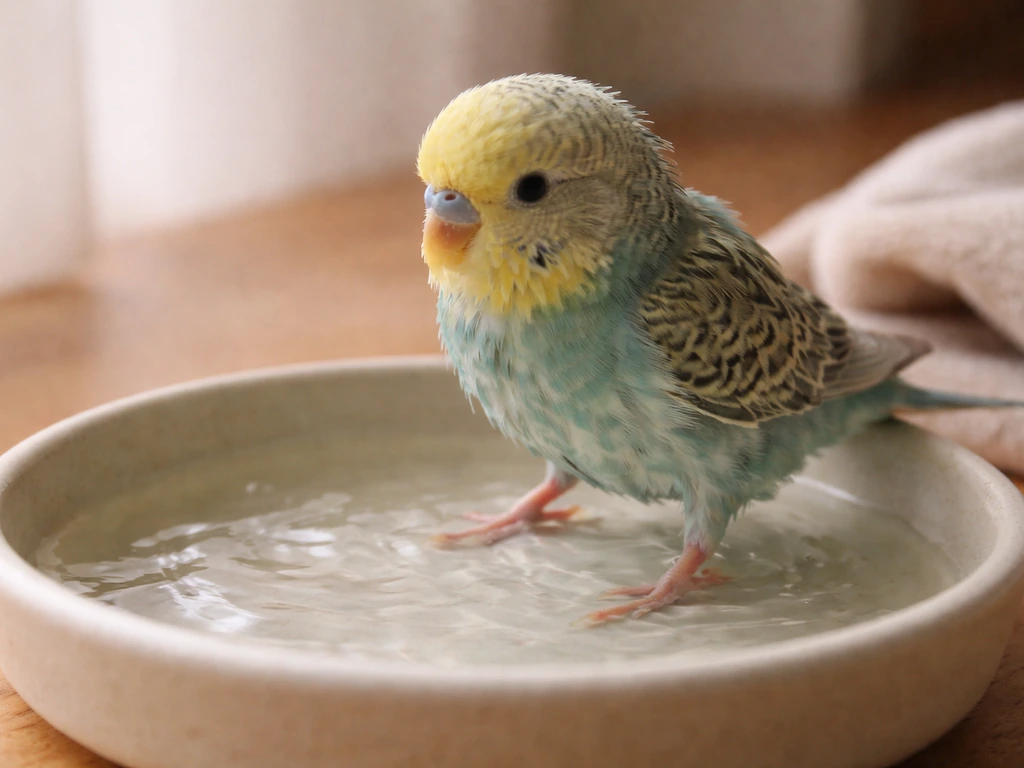
Budgies often enjoy bathing and will splash enthusiastically in a shallow dish if you offer one. Omlet's guidance on parakeet bathing is specific: use cool or lukewarm water, never hot, and avoid the steam and pressure of a regular human shower. A shallow saucer with about half an inch of water placed at the bottom of the cage or on a flat surface usually works well. Nail trims for budgies are delicate because their nails and quicks are very small. If you're unsure, have the vet do the first few and watch closely. Their nails are lighter in color, which makes the quick easier to see.
Finches
Finches are not typically hand-tamed birds, and direct grooming contact is minimal for most owners. The main grooming task is providing a shallow bathing dish inside the cage and letting the birds use it on their own schedule. Beyond that, you're mostly monitoring: check nails periodically for overgrowth, and watch for any changes in feather condition or posture that could signal illness. If a finch needs a nail trim, it almost always requires professional help because catching and restraining a finch is significantly stressful for the bird. This is also worth noting for anyone curious about petting or taming finches more broadly, which is a different and longer process.
The actual cleaning and maintenance tasks
Bathing
Bathing keeps feathers in good condition, helps with preening, and most birds genuinely enjoy it. The Gabriel Foundation recommends timing baths during the warmer part of the day so the bird can dry fully before temperatures drop in the evening, which matters especially in winter or air-conditioned environments. Let the bird air dry in a warm (not hot) room, away from drafts. Don't use a hairdryer on high heat. A low, warm setting held at a safe distance is acceptable for very cold rooms, but most birds dry fine on their own if the room is comfortable.
Some birds prefer a spray bottle mist, some like a shallow dish, and some will step into a gentle stream of water from a faucet. Experiment and follow the bird's lead. Never force a bird into water or spray it directly in the face. If your bird has never bathed before, introduce the water container near the cage first, let it investigate, and reward any interaction with it.
Feather and skin inspection
A regular feather and skin check takes about two minutes and gives you early warning of problems. Part the feathers gently with your fingers and look at the skin underneath: it should be clean, smooth, and free of flaking, redness, or parasites. Check under the wings, around the vent, and on the back of the neck. Healthy feathers should lie flat and look clean, with no ragged edges or missing patches except during normal molting. If you notice bald patches outside of molt, skin irritation, or feathers that look powdery or dull, that's a vet call.
Nail trimming step by step
- Have your styptic powder open and accessible before you start.
- Position the bird on your hand or in a gentle towel wrap with its head free.
- Hold one foot gently but firmly, extending one toe at a time.
- Look for the quick (the pink vein inside the nail). In light nails it's visible; in dark nails, take off only a tiny tip at a time.
- Cut or grind just the curved tip, well away from the quick.
- If you nick the quick and bleeding starts, apply styptic powder directly to the tip and hold for 30 seconds. Do not squeeze the toe tightly, as this restricts blood flow.
- Do one foot, then let the bird step back to a perch for a moment before the second foot.
- End the session with a reward and calm handling.
Beak checks (not trims)
You can look at the beak as part of a routine inspection: it should be smooth, symmetrical, and not overly long. Providing wooden perches, safe chew toys, and cuttlebone gives birds natural ways to wear down the beak. If it looks overgrown, asymmetrical, or peeling in unusual ways, get a vet assessment. Don't attempt to file or trim it yourself. As both the RSPCA and the AVMA make clear, beak trimming has significant welfare implications and should only be done by a professional when genuinely necessary.
When your bird resists, bites, or gets distressed
Resistance is the bird communicating. It doesn't mean you've failed; it means you need to adjust your approach. Here's how to troubleshoot the most common problems.
The bird keeps biting during handling
First, check whether you're rushing past the trust-building stage. A bird that bites during handling usually hasn't been desensitized enough to touch in that area or with that level of restraint. Back up a step in your training, spend a week on shorter, lower-demand sessions, and don't attempt the task that triggered the biting until the bird is more relaxed with being held. Never pull your hand away sharply when bitten because this teaches the bird that biting works. Instead, keep your hand still, say nothing, and wait a beat before gently continuing or ending the session calmly.
The bird is panting, breathing heavily, or going limp
Stop everything immediately. Open-mouth breathing, tail bobbing, panting, or going limp during restraint are signs of serious stress or respiratory compromise. Put the bird in a quiet, ventilated space and watch it closely. If it doesn't settle and return to normal closed-beak breathing within a few minutes, call your avian vet. Do not continue the grooming session that day.
Skin looks irritated after bathing
This is usually caused by water that was too cold or too hot, residue from soap or cleaning products in the spray bottle (always use plain water, nothing else), or a bird that stayed damp for too long in a cold room. Check your water temperature and make sure the bottle hasn't had any cleaning products in it. If the irritation persists more than a day or two, or if the skin looks broken or inflamed, see a vet.
Bleeding from a nail trim
Apply styptic powder directly and hold gentle pressure. Do not panic, because stress is contagious and your bird is already stressed enough. If bleeding doesn't stop within about three minutes of continuous styptic application, call your avian vet. Once the bleeding has stopped, keep the bird on a clean surface for the rest of the day to avoid infection.
Quick troubleshooting checklist
- Bird bit me: Stop, back up in training, don't punish, try again tomorrow
- Bird is breathing fast or open-mouth: Stop immediately, ventilate, call vet if it doesn't settle
- Bird is screaming and thrashing: Release to cage, session is over for today
- Nail is bleeding: Styptic powder, gentle pressure, monitor for three minutes
- Bird won't bathe: Try a different method (dish vs. spray), offer at a different time of day
- Feathers look dull or patchy: Schedule a vet visit, don't attempt to fix this at home
When to stop and get professional help
For pet birds
Some things are simply outside the scope of home grooming. Overgrown or deformed beaks, blood feathers that have broken and are actively bleeding, signs of mites or lice on the skin, persistent feather destruction or self-plucking, any swelling around joints or feet, and any respiratory signs that appear during or after handling all require an avian vet visit. Grooming is about maintenance, not treatment. If something looks wrong, don't try to groom through it.
For wild birds: the legal and ethical picture
If you've found a wild bird in your yard that appears sick, injured, or grounded, the right answer is almost never to take it inside and start grooming or caring for it yourself. In most U.S. states, keeping a wild bird without a license is illegal. Massachusetts state law, for example, explicitly states that taking wildlife from the wild to keep as a pet is illegal, and the guidance is to contact a licensed wildlife rehabilitator. California's Department of Fish and Wildlife is equally direct: do not intervene without guidance from a trained professional.
There is a narrow exception recognized by the U.S. Fish and Wildlife Service: you generally don't need a federal permit to humanely remove a bird that is trapped inside a building, poses a direct health threat, or is actively attacking people, provided you release it outside. But this is very different from capturing and caring for an injured bird over days or weeks. Wildlife rehabilitators hold the permits, training, and resources to give wild birds the best chance of recovery and release. The Minnesota DNR notes that a core goal of rehabilitation is reducing the stress of capture and captivity, which requires expertise most people simply don't have.
If you find a wild bird that needs help, the best immediate action is to keep people and pets away from it, place it gently in a cardboard box with air holes if it needs to be contained briefly, and call a licensed wildlife rehabilitator or your local wildlife agency. Most states have online directories, and the U.S. Fish and Wildlife Service can point you to the right contact if you're stuck. Do not offer food or water without guidance, and do not attempt to groom or treat wounds yourself.
It's also worth being clear on the distinction between a wild bird and a domesticated pet bird that happens to have escaped. A lost budgie or cockatiel is not legally protected wildlife and can be handled and cared for by the finder. But a native sparrow, robin, pigeon, or bird of prey is protected under the Migratory Bird Treaty Act or state law, and that changes the entire picture. If you're ever unsure which category a bird falls into, call your state wildlife agency before doing anything else.
Signs that any bird needs a vet right now
- Open-mouth breathing or audible wheezing at rest
- Tail bobbing with every breath
- Sitting fluffed at the bottom of the cage
- Not eating or drinking for more than 24 hours
- Bleeding that doesn't stop within a few minutes
- Overgrown, asymmetrical, or cracked beak
- Visible wounds, swelling, or broken limb
- Persistent feather loss outside of normal molting
Your starting point from today
If you have a pet bird that's already hand-tamed, start with a bath today: offer a shallow dish of cool water or a gentle spray and let the bird choose. That's genuinely useful grooming you can do right now with zero risk. Then look at the nails this week. If they're curling or catching, book a vet visit to have them trimmed and ask the vet to show you the technique so you can do it at home next time.
If your bird isn't hand-tamed yet, the honest answer is to work on trust first. If you want a cage-free, hands-on approach, the first step is building trust so your bird will feel safe stepping onto your hand work on trust first. Short daily sessions focused on step-up training and gentle handling will make every future grooming task easier, less stressful, and safer for both of you. If you're working with a budgie and want more on the specific approach to petting and taming, that process is covered in more depth in guides focused on budgie handling. If you want a hands-on walkthrough, follow this guide on how to pet a budgie bird step by step. The same applies if you're working with a finch, where the relationship-building process is quite different from parrot-type birds. For a finch, focus on slow relationship building and create calm, repeat routines so you can learn how to chat with bird in a low-stress way finch how to chat with bird.
For anyone who found a wild bird and came here looking for next steps: contact a wildlife rehabilitator today, keep the bird contained and quiet in the meantime, and resist the urge to do more than that. For anyone who found a wild bird and came here looking for next steps: contact a wildlife rehabilitator today, keep the bird contained and quiet in the meantime, and resist the urge to do more than that, and only after you understand how to make a wild bird your pet. That restraint is actually the kindest thing you can do.
FAQ
Can I groom my bird the same day I bring it home or after a stressful event?
Yes, but only if you match the bird’s normal routine and comfort level. Start with a shallow dish or a gentle mist in a warm, draft-free room, keep the session short, and let the bird fully dry before the next temperature drop. For birds that become stressed easily (for example cockatiels), it’s better to do smaller, more frequent sessions than one long attempt.
What should I use in a spray bottle for bathing, and can cleaning products be left in the bottle?
Use plain, room-temperature water in the spray bottle, and never store soap, disinfectant, or “bird-safe” additives in it. If you switch from a different cleaner, rinse thoroughly and dedicate the bottle to water only. Residue can cause skin irritation and feather dulling even if the bird looks fine during the session.
If toweling is stressful, how do I decide when it is actually necessary?
If you use a towel, keep it as brief as possible and only for situations where you genuinely need both hands, like a first nail trim attempt with a helper. Make sure the bird can breathe fully, keep the head free, and avoid wrapping so tightly that the breast or keel is compressed. If your bird repeatedly panics, switch to training steps instead of increasing restraint time.
How do I know my bird is fully dry after bathing, and is air-drying enough?
Not always. “Wet” does not always mean “dry,” and birds that stay damp can develop skin irritation. After a bath, place the bird in a warm, quiet area away from drafts and check the skin under the feathers, especially around the neck and vent, until it feels dry. Avoid high-heat dryers and avoid any extra handling until the bird is settled and dry.
My bird’s beak looks uneven, can I fix it with a nail file or emery board?
Never file or trim a beak at home, even if you can see the overgrowth clearly. Instead, focus on natural wear (appropriate perches, chew items, cuttlebone) and arrange an avian vet assessment if the beak is misshapen, peeling abnormally, or overgrown. If the bird is eating less, call sooner because incorrect beak growth can affect ability to grasp food.
What should I do if I accidentally cut too close and the nail starts bleeding?
If nails bleed, apply styptic powder with gentle, steady pressure, and continue for about three minutes without repeatedly removing the pressure. If bleeding does not stop within that window, contact an avian vet promptly. Afterward, keep the bird on a clean surface to reduce infection risk, and avoid another nail procedure that day.
How often should I groom or bathe my bird, and what if they seem to hate it?
Yes, for certain species and individuals, bathing frequency varies. Some parrots do fine with a few misting sessions per week, while others prefer a dish daily or only on warm days. The key decision aid is behavior: if the bird actively investigates and preens afterward, that’s a good sign. If the bird avoids water or shows stress, scale back and focus on trust building.
If my bird is not step-up trained, what grooming can I safely do right now?
Do a quick, targeted check before you start, and choose what is safe to handle. For birds that are not yet comfortable being touched, prioritize a gentle bath experience and visual observation of posture and feathers. Save nail trims, skin parting, and close contact inspection for when the bird has step-up and tolerance training, so grooming does not become a battle every time.
When do nail trims become urgent versus something I can monitor for a few weeks?
Overgrowth that affects walking, repeated snagging on perches, curling nails, or nails that cause posture changes are practical reasons to seek a trim sooner. If nails are only slightly long, monitor weekly and schedule a vet demo so you learn the technique with your specific nail size and quick visibility.
If I see respiratory signs during grooming, should I stop immediately or try to continue more gently?
Put the bird in a quiet, ventilated spot and do not continue that grooming session. If open-mouth breathing, wheezing, tail bobbing, or limp grip occurs, treat it as an emergency. If the bird does not return to closed-beak, calm breathing within a few minutes, call an avian vet. Also check room temperature after any incident, since both cold and heat can trigger distress.
What should I do if I find a wild bird that seems grounded, can I clean its feathers or give it water?
If you find a wild bird, stop grooming immediately and avoid long-term “care at home.” Keep people and pets away, contain it only enough for safety, and contact a licensed wildlife rehabilitator or your local wildlife agency for species-specific guidance. Feeding or giving water without instructions can worsen injury or stress, and many states require permits.
Next Articles
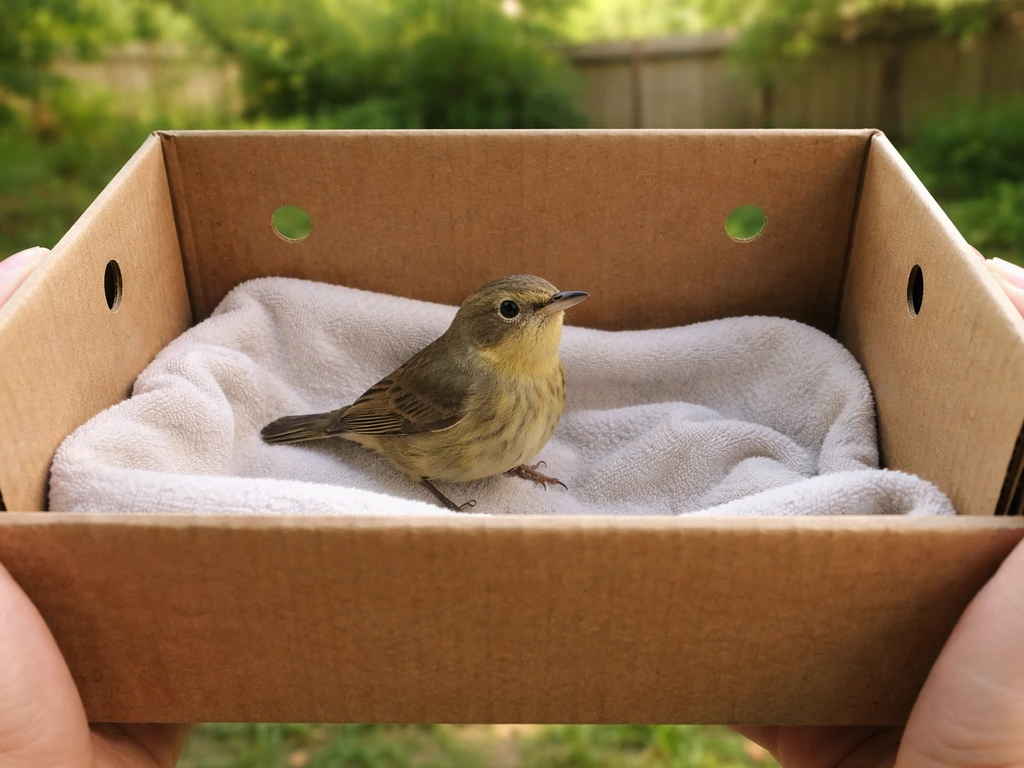
How to Catch a Bird Without Killing It: Humane Steps
Humane, trap-free steps to catch a wild backyard bird safely, minimize stress, contain it calmly, then release or reloca
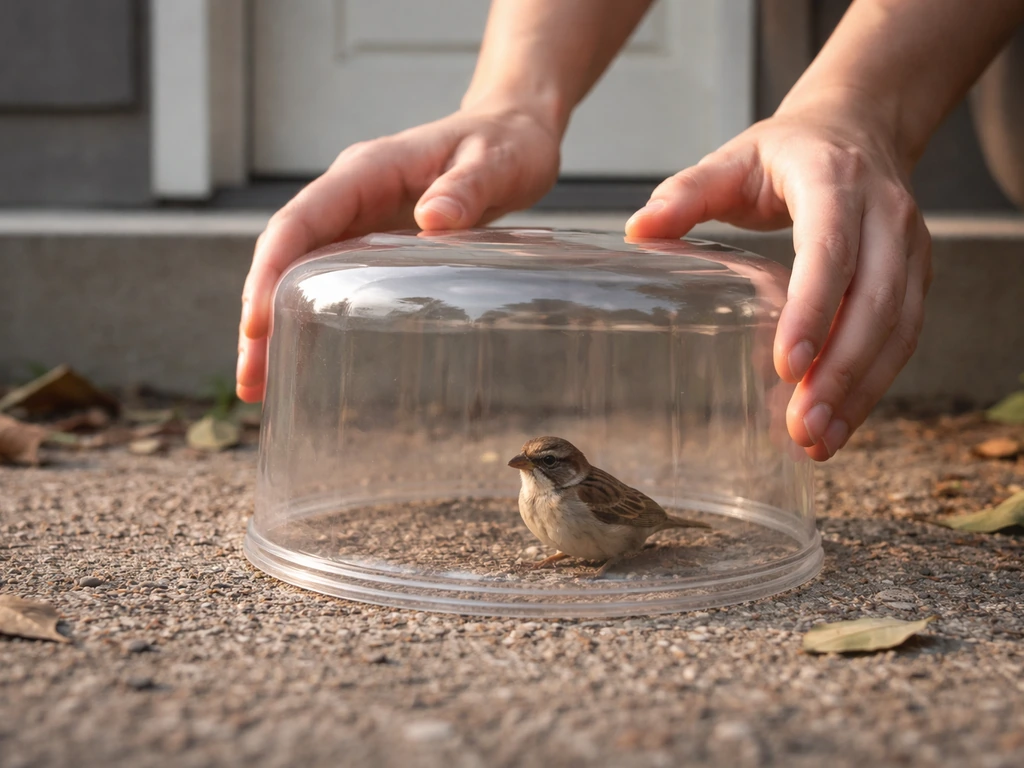
How to Catch a Bird With a Bottle Safely and Humanely
Humane, safety-first steps to catch a bird with a bottle or cover, plus safer alternatives and what to do after capture.
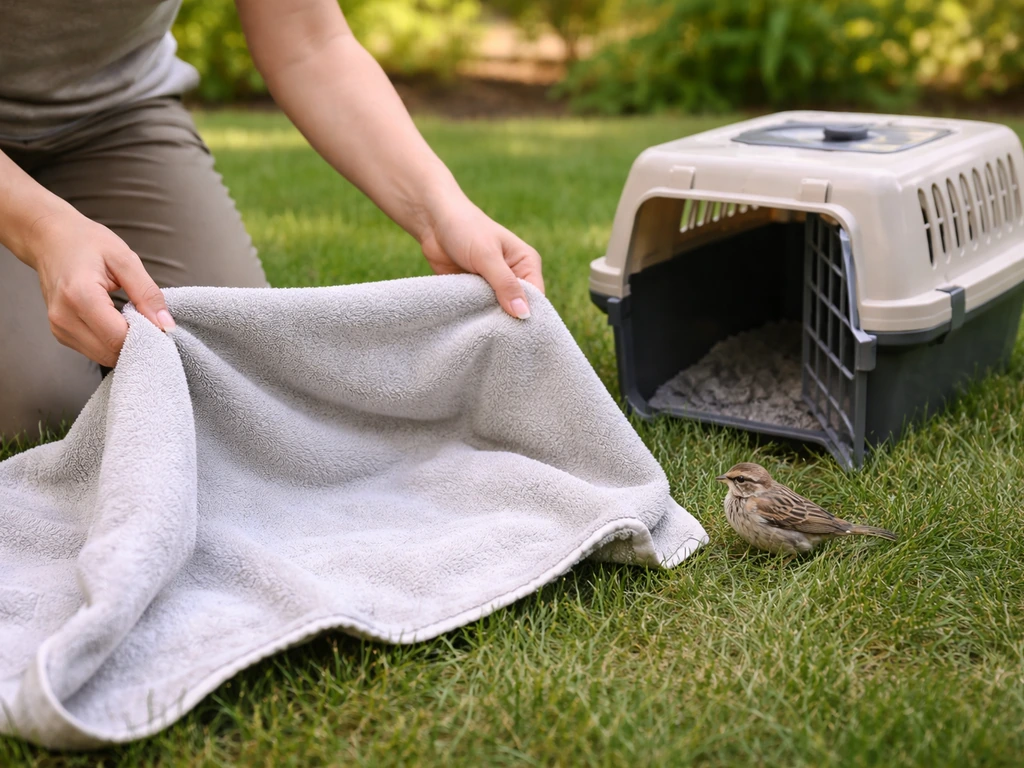
How to Catch a Bird Alive Safely and Humanely
Humane, safety-first steps to catch a live bird for backyard or pet rescue, with stress-free handling and next actions