
Making a cockatiel bird friendly comes down to three things done consistently: a calm, well-set-up environment, reading the bird's body language accurately, and using short positive-reinforcement sessions to build real trust over time. If you start today with even one of these, you will see a difference within days. The full transformation, a bird that steps up willingly, tolerates gentle handling, and seeks your company, typically takes four to twelve weeks depending on the individual bird's history and temperament.
How to Make a Cockatiel Bird Friendly: Step-by-Step Guide
Clara Hayes
17 Apr 2026
What 'bird friendly' actually means for a cockatiel
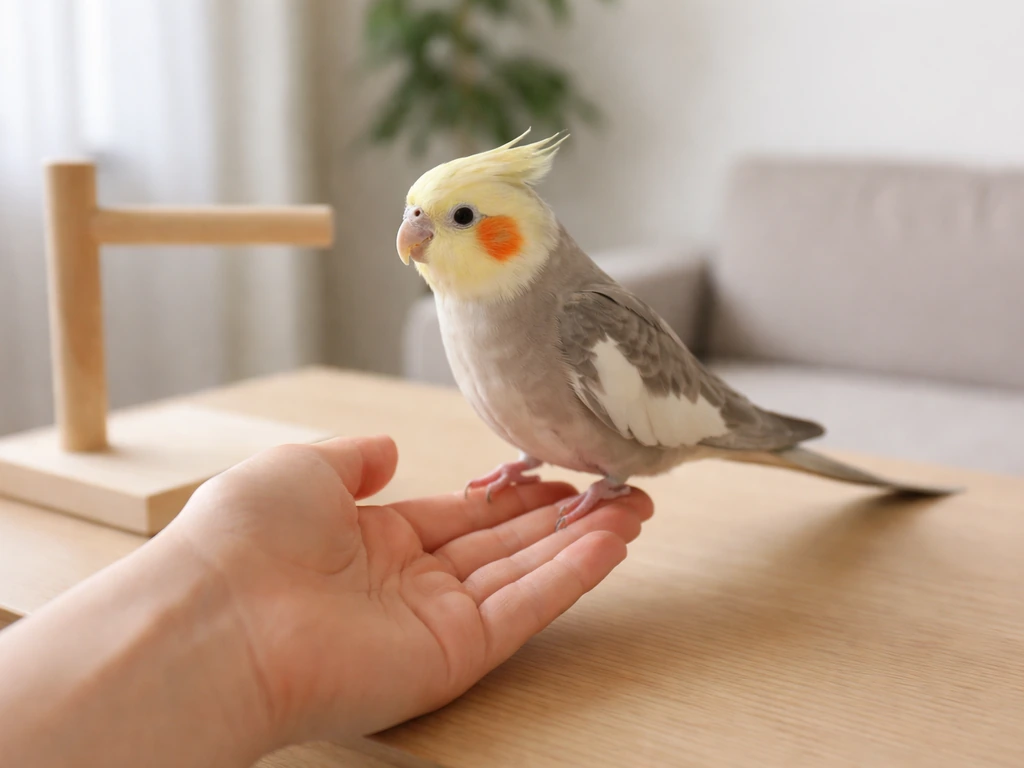
The phrase means two related things at once. First, the bird's world, its cage, its routine, and every interaction you have with it, should feel safe and predictable from the cockatiel's point of view. Second, the bird should be comfortable enough with people to accept handling, step up without drama, and show relaxed body language rather than fear signals. It is not about making a bird cuddly on demand. It is about building a relationship where the bird genuinely chooses to engage with you. That distinction matters because forced handling creates the opposite of what you want: a bird that bites harder, screams more, and trusts less.
Cockatiels are flock birds. In the wild, safety comes from numbers, and a lone bird in a house is already outside its comfort zone. Your job is to become the flock, the one reliable source of food, calm, and interesting activity. Once the bird sees you that way, friendly behavior follows naturally. Everything in this guide works toward that single goal.
Set up a safe, calming environment first
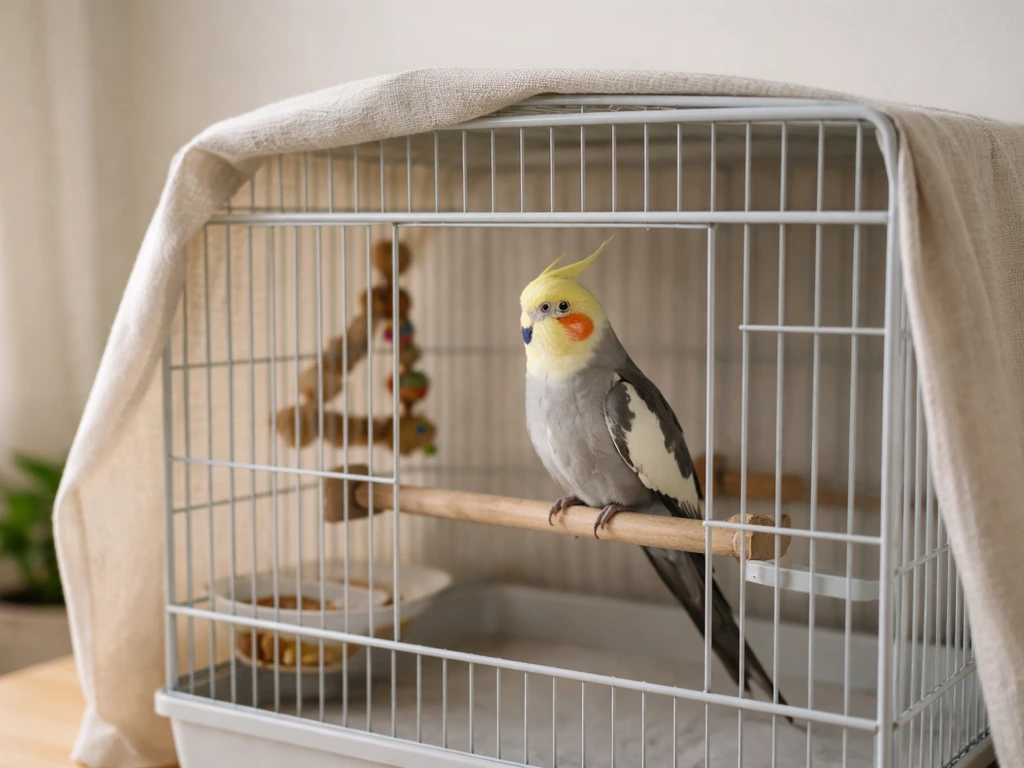
Before you train anything, the living space has to be right. A stressed bird in the wrong environment will not hold on to any progress you make in a session. Get the basics locked in first, then start working on trust.
Cage size and placement
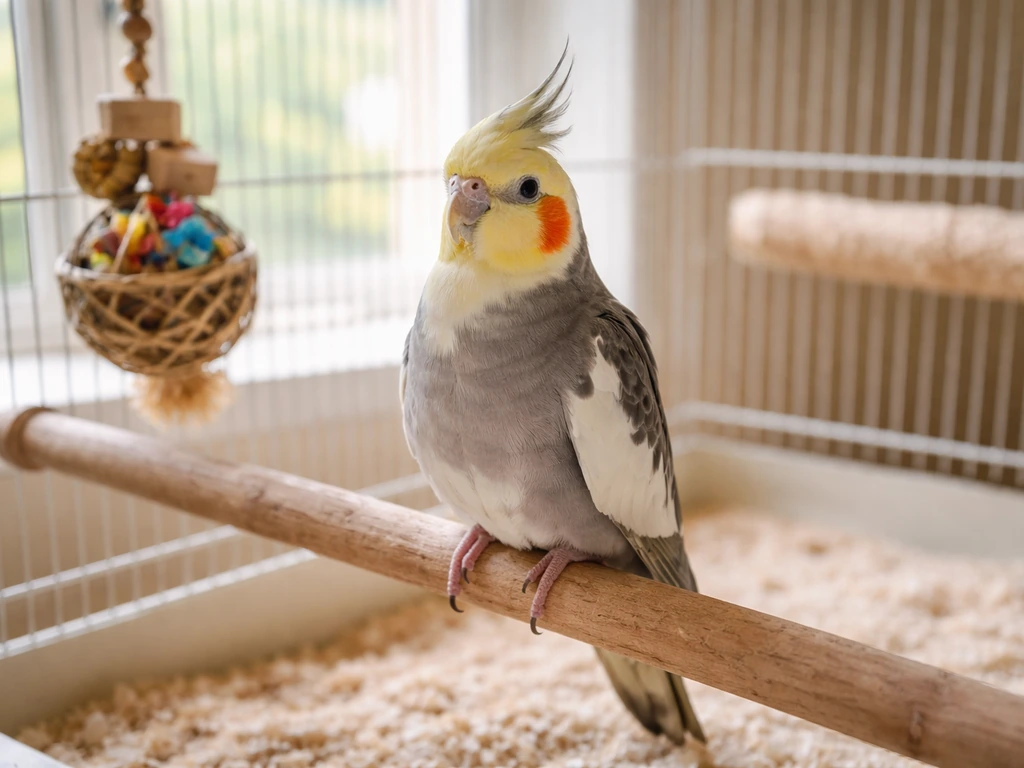
The minimum cage size for a cockatiel is 20 inches by 20 inches by 26 inches. That is the absolute floor, and bigger is always better. Inside the cage, include at least one perch positioned high in a back corner. Cockatiels feel safer when they can be elevated and have a wall behind them, so that perch becomes their retreat when they feel uncertain.
Place the cage where your household spends time during the day, near the living room or kitchen activity, so the bird gets used to normal human sounds and movement. At night, move it or use a cage cover to create a quiet, darker area. Keeping the cage against at least one wall (rather than in the middle of a room) gives the bird a sense of shelter.
Sleep: the non-negotiable
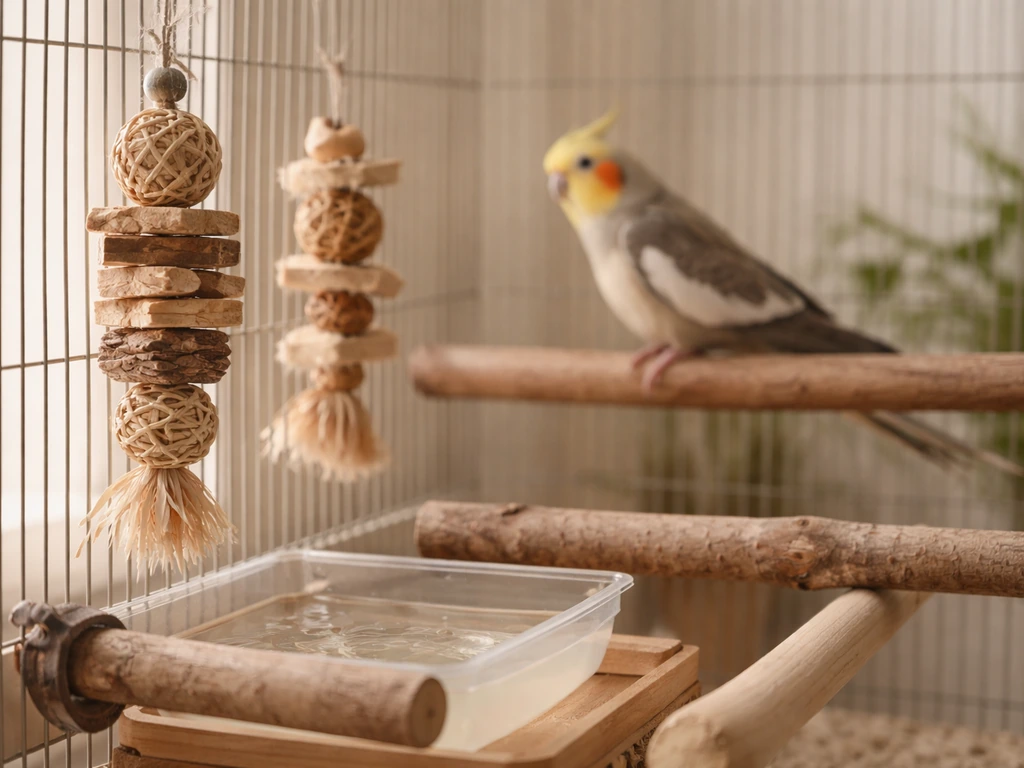
Cockatiels need 10 to 12 uninterrupted hours of sleep every night, and a sleep-deprived bird is an irritable, fear-prone bird. Cover the cage with a breathable cage cover or use blackout curtains to provide darkness and muffle noise. Keep this schedule consistent. A stable bedtime routine also helps prevent night frights, which are sudden panicked flapping episodes that can injure the bird and set back your trust-building work significantly. Think of consistent sleep as the foundation everything else is built on.
Perches, toys, and bathing
Offer a variety of perch diameters so the bird's feet get a full range of motion rather than gripping the same diameter all day. Natural wood perches of different thicknesses are ideal. For enrichment, rotate toys every week or two so the cage stays interesting without becoming overwhelming. Bathing is also a real wellbeing need: offer a shallow bowl of water large enough to splash in but not deep enough to be a drowning risk, or mist the bird lightly with a clean spray bottle. Some cockatiels prefer stepping into a gentle shower. Let the bird choose which method it likes rather than forcing any of them.
Daily routine consistency
Feed fresh food and change water at the same time every morning. Predictability reduces background anxiety, and a bird that is not anxious learns faster. Daily interaction should happen at a regular time too, ideally when the bird has been awake for an hour or two and is alert but not overstimulated. Think of your routine as a signal to the bird that the world is stable and you can be trusted.
Read the bird before you touch it: body language and consent
This is the section most beginners skip, and skipping it is why progress stalls. You need to know what a relaxed cockatiel looks like versus a frightened one before you open the cage door.
Relaxed signals
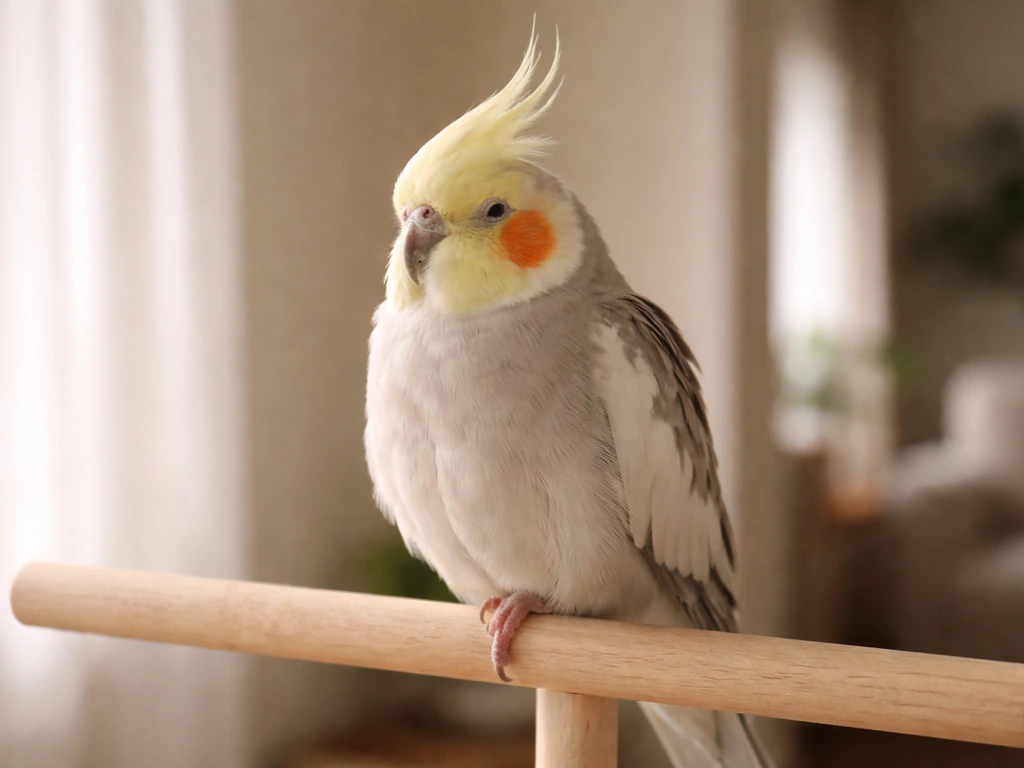
- Crest feathers at a casual mid-height, not plastered flat or raised straight up
- One foot tucked up while resting or eyes half-closed during the day
- Soft vocalizations, beak grinding, or quiet chirping
- Leaning toward you or moving closer on the perch
- Feathers slightly puffed in a round, relaxed posture (not the tight puff of illness)
Fear and stress signals: stop and back off
Feathers tightly plastered to the body, a flattened crest, stiff posture, rapid eye pinning, leaning or retreating away from you, hissing, or open-mouth warnings are all clear instructions to slow down. A bird showing any of these is not ready for the next step. Backing off is not failure; it is exactly the right move. Every time you respect those signals, you teach the bird that it has control over what happens to it, and that safety makes trust possible. If a bird retreats to the back of the cage or freezes rigid, end the session entirely and try again in a few hours or the next day.
The goal of every interaction is to blank" rel="noopener noreferrer">let the bird choose closeness rather than forcing it. This consent-based approach is what separates training that actually works from handling that increases fear over time. If you want to go deeper on the taming side of this relationship, the full process is covered in detail in this guide on how to tame a cockatiel bird, which walks through the early desensitization steps in a structured sequence.
How to approach without triggering fear
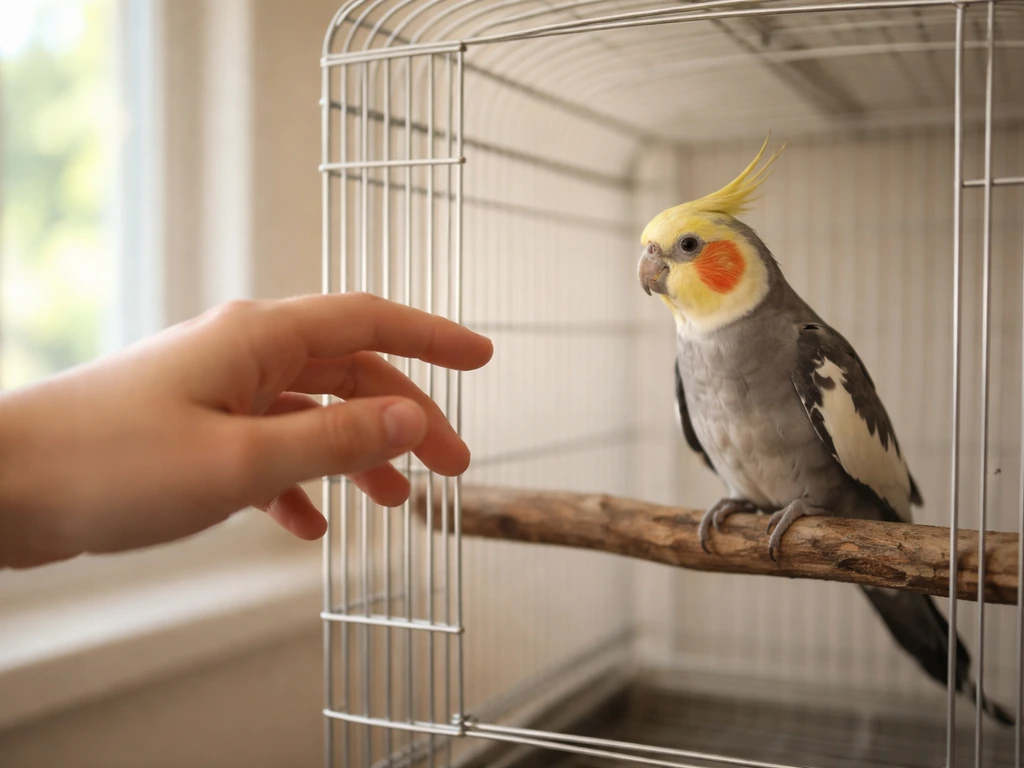
- Move slowly and at the bird's level, not looming from above
- Announce yourself with a calm, quiet voice before opening the cage
- Keep your eyes soft, not a direct stare, which reads as predator behavior
- Never rush toward the cage or make sudden loud noises nearby
- Sit beside the cage regularly without doing anything, just being present
Positive reinforcement basics: treats, targeting, and the clicker
Positive reinforcement means the bird gets something it likes immediately after doing something you want. East Bay SPCA’s “Clicker Basics” handout explains clicker training concepts like reinforcing small approximations using a target and conditioned learning approach Positive reinforcement means the bird gets something it likes immediately after doing something you want.. That immediate delivery is critical; a reward given three seconds late teaches nothing useful. The three tools you need are a high-value treat, an optional clicker or verbal marker like the word 'yes,' and a target stick (a chopstick or pen works fine to start).
Choosing safe treats
Millet spray is the go-to training treat for most cockatiels because they go wild for it and it is easy to deliver in tiny pieces. A small spray of millet held between your fingers is also a natural way to get the bird approaching your hand. Note that seeds like millet are fine as occasional training rewards but should not make up the bulk of the diet since they are low in key nutrients.
Small pieces of carrot, cooked sweet potato, or a tiny bit of egg are also good options. Keep treats small so the bird stays motivated and does not fill up in one session. Always make sure fresh water is available after training so the bird can drink if it ate salty or dry treats.
Clicker or marker training
A clicker, or the verbal marker 'yes' said in a consistent tone, tells the bird the exact moment it did the right thing. Start by pairing the click with a treat about twenty times in a row so the bird learns the click means food is coming. After that, you can use the click to mark any behavior you want to teach. Keep sessions to two to five minutes maximum. Short, frequent sessions (two or three per day) work far better than one long one, which tends to exhaust the bird and lead to biting or shutting down.
Target training
Hold the target stick near the bird's beak. The moment it touches or moves toward the target, click and treat. Over several sessions, you can use the target to guide the bird to step onto your hand, move from perch to perch, or follow a cue to a specific spot. Target training gives the bird something clear to focus on and removes the ambiguity that causes biting during step-up attempts.
Step-up and handling training that prevents bites
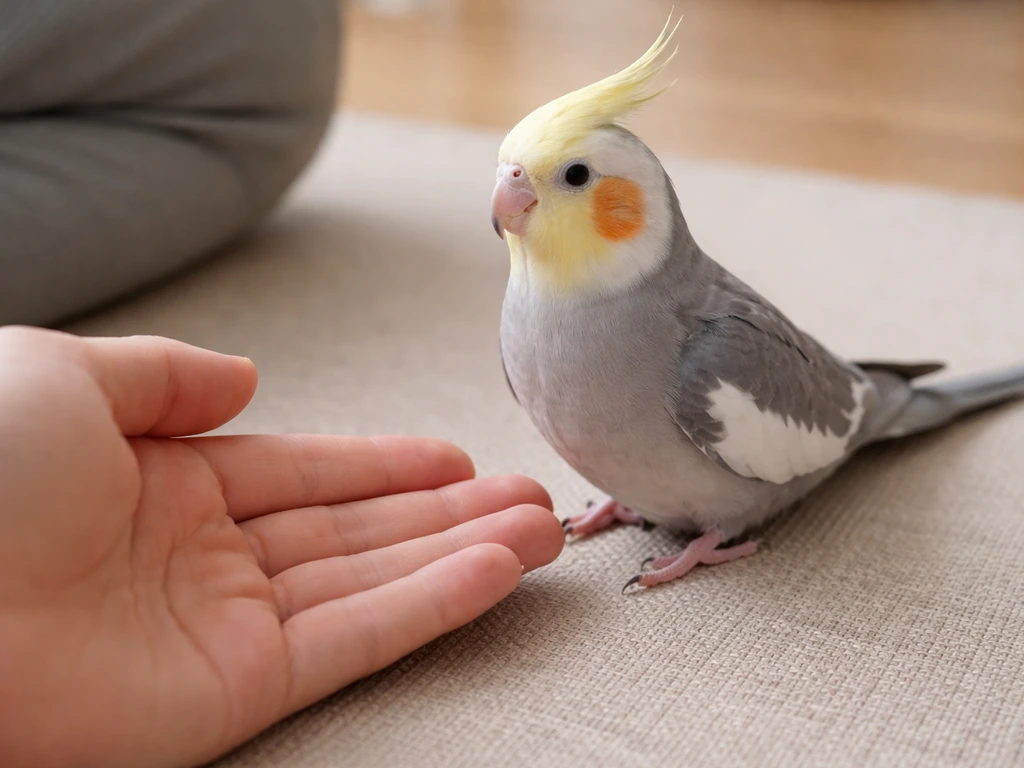
The step-up is the foundation of all hands-on handling. Get this right and almost everything else becomes easier. Get it wrong, usually by rushing it or forcing contact, and you will spend weeks undoing the damage.
Hand presentation: where and how
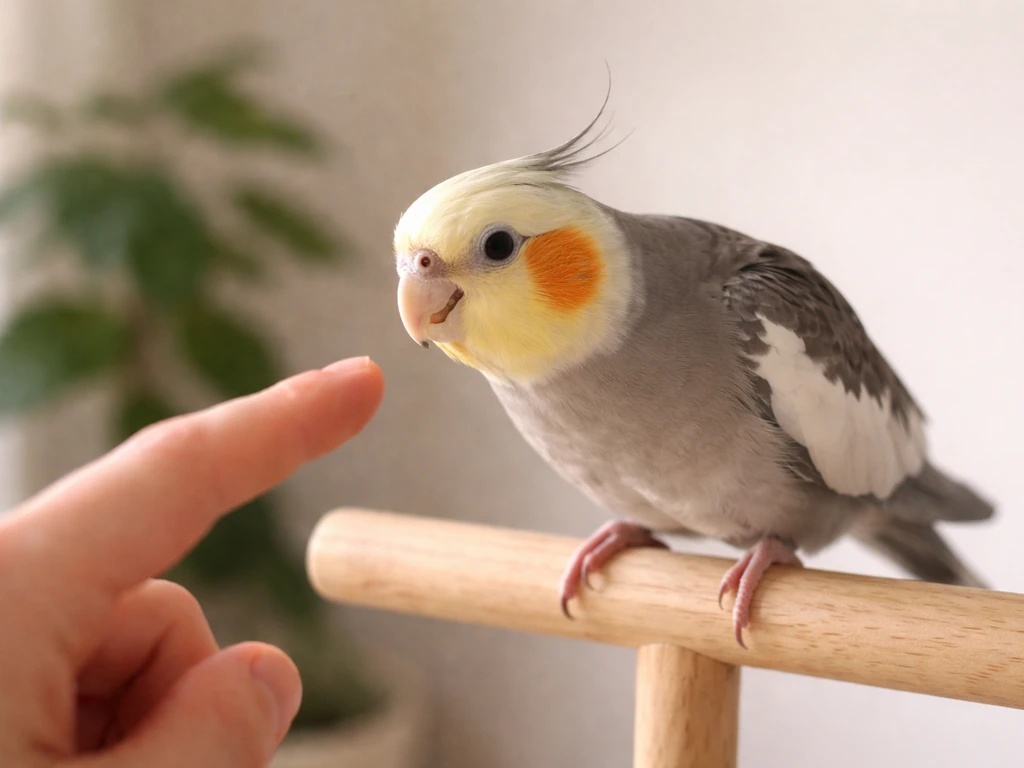
Present your hand or index finger in front of the bird and just below its belly, at the spot where the body meets the legs. This position triggers the bird's natural stepping reflex without feeling like a threat coming from above. Do not reach over the bird or approach from behind. Keep your hand still and let the bird make the first move. Some birds take days to be comfortable with a hand that close; that is normal. Use millet or the target stick to encourage forward movement toward your finger.
If the bird begins stepping up, you can add a very gentle press against the lower chest to encourage weight transfer onto your finger. The moment the bird lifts a foot and shifts weight forward, click and reward. Repeat this five to ten times per session, then stop, even if it is going well. Ending on a success while the bird is still interested is how you keep motivation high for the next session.
Managing bites during training
Bites during step-up attempts are usually communication: the bird is saying it is not ready for that level of contact yet. The response should be calm, not dramatic. A sharp 'ouch' or pulling away quickly can accidentally reward the bite with a reaction. Instead, if the bird is on your hand and biting, try a brief, gentle downward shift of your hand, which disrupts the bird's balance slightly and interrupts the behavior without punishment.
Then set the bird down calmly and give it a moment. Never shake or drop the bird in response to a bite. The goal, as described in avian behavior training methods, is to reinforce the non-biting moments and avoid making bite situations worse by escalating contact when the bird is not comfortable.
One thing worth addressing early: make sure guests and other household members know the rules. No one should reach into the cage unsupervised or try to handle the bird without a proper introduction. This protects both the bird and the visitor.
Cage territoriality
Many cockatiels are friendly outside the cage but defensive inside it. If your bird lunges or bites when you put your hand in the cage, train step-up outside the cage first. Open the door and let the bird come out voluntarily, then work on step-up on a neutral surface like a perch stand or the back of a chair. Once step-up is solid outside, the inside-cage work becomes much easier.
Troubleshooting common behavior problems
Even with a good setup and consistent training, you will hit bumps. Here is how to work through the most common ones.
| Problem | Likely cause | What to do |
|---|---|---|
| Refuses to step up | Not comfortable with hand proximity yet | Go back to hand-near-cage desensitization; use target stick; never force contact |
| Screaming constantly | Boredom, attention-seeking, or lack of sleep | Ensure 10–12 hours of sleep; increase enrichment; only respond to quiet moments, not screaming |
| Biting without warning | Missing early body language signals | Review stress signals; slow all interactions down; shorten session length |
| Fear of hands specifically | Negative past experience with grabbing | Weeks of hand-desensitization before any touch; use target stick as intermediary |
| Hiding or retreating in cage | Overwhelmed by activity or noise | Move cage to a calmer spot temporarily; reduce visitors; use covered cage sides |
| Regression after progress | Change in routine, illness, or a scare | Return to earlier training steps; rule out health issues with an avian vet check |
Screaming that does not respond to enrichment changes or sleep improvements is worth a closer look. Sometimes a bird that screams excessively is lonely and would benefit from a companion, but adding a second bird changes the social dynamic significantly, so read up on the full process before making that decision. If you are considering it, the details around pair compatibility and setup are covered in this guide on how to breed cockatiel bird pairs, which also explains how cockatiels bond with each other.
If a regression comes with physical symptoms like abnormal droppings, weakness, open-mouth breathing, or unusual lethargy, contact an avian vet promptly. Behavioral changes combined with physical symptoms are almost always a health issue, not a training problem.
Multi-pet households
If you have cats or dogs, the bird will pick up on the stress of potential predators nearby, even if no direct contact ever happens. A cat staring at the cage from across the room can be enough to keep a cockatiel in a chronic low-level fear state. If this applies to your home, take time to read through the guidance on how to introduce a bird to a cat safely, and if an incident has already occurred, the steps for how to get a cat to drop a bird cover emergency handling. Keeping the cage in a room the cat cannot access during unsupervised hours is the simplest solution.
Keeping it going: long-term maintenance and realistic timelines
Trust built quickly can erode just as quickly without maintenance. A bird that is friendly today needs continued positive interaction to stay that way. The good news is that once the foundation is solid, maintenance takes very little time per day.
What a realistic timeline looks like
| Timeframe | Realistic milestone |
|---|---|
| Days 1–7 | Bird is eating normally, sleeping well, and not panicking when you approach the cage |
| Weeks 2–3 | Bird accepts hand near the cage without retreating; may approach voluntarily for millet |
| Weeks 4–6 | Bird steps up from a neutral surface; tolerates brief out-of-cage time without bolting |
| Weeks 6–10 | Step-up is reliable from multiple surfaces including inside the cage; biting is rare |
| Week 10+ | Bird seeks interaction, vocalizes to greet you, and shows relaxed body language during handling |
Hand-raised birds or those with previous positive handling experience will move through this faster. Adult birds that were not socialized young, or that experienced trauma, may take longer. Both outcomes are normal. The key is to match your expectations to the individual bird, not an average.
Daily and weekly maintenance checklist
- Daily: fresh food and water at the same time each morning
- Daily: two to three short training or interaction sessions of two to five minutes each
- Daily: at least one out-of-cage period in a safe, bird-proofed room
- Weekly: rotate one or two toys to keep the cage interesting
- Weekly: offer a bathing opportunity (bowl, mist, or shower)
- Monthly: check nail length and schedule a vet trim if needed
- Ongoing: vary training challenges slightly to keep the bird mentally engaged
Gradually increasing the challenge
Once step-up is solid, start adding mild desensitization to everyday stimuli: training near a window with outside sounds, having visitors nearby during sessions, or practicing step-up with a slightly unfamiliar object nearby. Keep raises in difficulty small enough that the bird succeeds most of the time. A 70 to 80 percent success rate in a session is the sweet spot. Too easy and the bird stops paying attention; too hard and it shuts down.
As your bird becomes more confident, how to play with cockatiel bird becomes a natural next focus, because an engaged, playful bird is one that is genuinely enjoying its life rather than just tolerating it. Play is also how you maintain the bond between training sessions without any formal work involved. As your cockatiel settles in, shift from basic trust-building into play by following this related guide on how to play with cockatiel bird so enrichment supports the bond.
The bigger picture is simple: a cockatiel that feels safe, sleeps well, eats well, and has regular positive interactions with you will trend toward friendly behavior naturally. Your job is to remove the obstacles, build the routine, and let trust accumulate at the bird's pace. Stay consistent, keep sessions short, and celebrate small wins. A bird that steps onto your finger for the first time after two weeks of patient work is genuinely remarkable progress, even if it does not look dramatic from the outside. For ideas on keeping your bird mentally and emotionally thriving beyond basic training, how to make cockatiel bird happy covers enrichment, emotional wellbeing, and the environment factors that keep cockatiels at their best long-term.
FAQ
How do I know if my cockatiel is warming up versus just being tolerant?
Look for relaxed, “soft” body language, steady breathing, and voluntary movement toward your hand (even if it does not step up yet). Tolerance often looks like freezing or staying still while avoiding eye contact. Warming up usually includes relaxed crest position, calmer posture after you pause, and the bird taking treats without backing away.
What should I do if my cockatiel refuses step-up even after training for weeks?
Go back one level and reduce the contact pressure. Practice step targeting to your finger first, then reward the bird for simply leaning forward, touching the target stick, or stepping halfway onto your hand from the perch. Also try step-up on a lower perch or chair edge, because height and instability can make the bird reluctant.
Is millet spray always safe to use as a training reward?
It is commonly used, but treat it as limited, not a main diet. Keep pieces tiny and cap total training treats so the bird is not “overly full” during sessions. If your bird gets messy, very excited, or stops eating normal meals, reduce the amount and switch to lower-calorie options like tiny cooked sweet potato pieces or small bits of cooked egg.
Can I train daily if the bird seems nervous, or should I pause completely?
If you see fear signals like flattened crest, rapid eye pinning, hissing, or rigid freezing, pause the session. Resume later when the bird is alert but not overstimulated, and shorten the next session so the bird can succeed. Consistency does not mean pushing through fear, it means returning to an easier step at the bird’s pace.
How long should training sessions be when my bird starts biting?
When biting appears, stop sooner rather than longer. End the session after a non-biting moment, then try again after several hours or the next day. Short sessions (two to five minutes) are especially important for birds that shut down, because long sessions can teach the bird that you will keep asking during discomfort.
My cockatiel bites when I reach into the cage. Is the bird being aggressive?
Often it is a safety response to “invasion” rather than aggression. Make inside-cage work easier by training step-up outside the cage first, and only progress inside after the bird reliably steps up on a neutral surface. Also keep your hand slow and consistent, avoid reaching over the bird’s head, and let the bird approach your finger.
What is the best way to introduce guests so I do not lose progress?
Set a household rule that no one reaches into the cage or tries to handle the bird without you. For guests, let them watch from a distance first, then offer a calm routine where your hand enters and you reward the bird. If the bird shows fear signals around a specific person, pause and continue training without forcing interaction.
If my cockatiel screams at certain times, how can I tell whether it is loneliness or routine disturbance?
First check the basics: sleep length, daytime stimulation, and consistent feeding and interaction timing. If screaming continues even after improvements, evaluate social needs, but do not jump to adding a second bird without preparation, since bond dynamics can change quickly. Track patterns (time of day, location, who is present) to identify triggers.
Do cockatiels need supervised out-of-cage time to become friendly?
They often benefit, but it should be voluntary and safe. Start by giving the option to leave the cage to a perch area you control, and reward any calm approach. If the bird only becomes defensive when out, reduce the freedom temporarily and rebuild trust in smaller steps on familiar perches.
What should I do if my cockatiel shows health-related changes along with behavior changes?
Do not treat it as training. If you notice abnormal droppings, weakness, open-mouth breathing, or unusual lethargy, contact an avian vet promptly. Return to training only after the bird is medically stable, because pain or illness can make otherwise good techniques fail.
How can I reduce stress if I have cats or dogs in the home?
Use physical separation, keep the bird in a room the predator cannot access during unsupervised hours, and minimize window or door exposure to staring behavior. Even without direct contact, a persistent predator presence can keep the bird in chronic low-level fear, so consider additional visual barriers and dedicated, quiet resting periods.
What success rate should I aim for when desensitizing to new stimuli?
Aim for a 70 to 80 percent success rate in a session. If the bird fails most attempts, reduce the intensity (distance from the stimulus, volume of sounds, or duration of the new exposure) and rebuild with easier steps. If the bird seems too comfortable, you can gradually increase difficulty to keep it engaged.
Can I make a cockatiel friendly without teaching step-up right away?
Yes, you can build trust through routine, calm proximity, and target training first. However, step-up is a useful foundation for hands-on interaction, so once the bird willingly approaches your hand and takes rewards calmly, it is worth gradually introducing step-up on a neutral, safe surface.
Next Articles
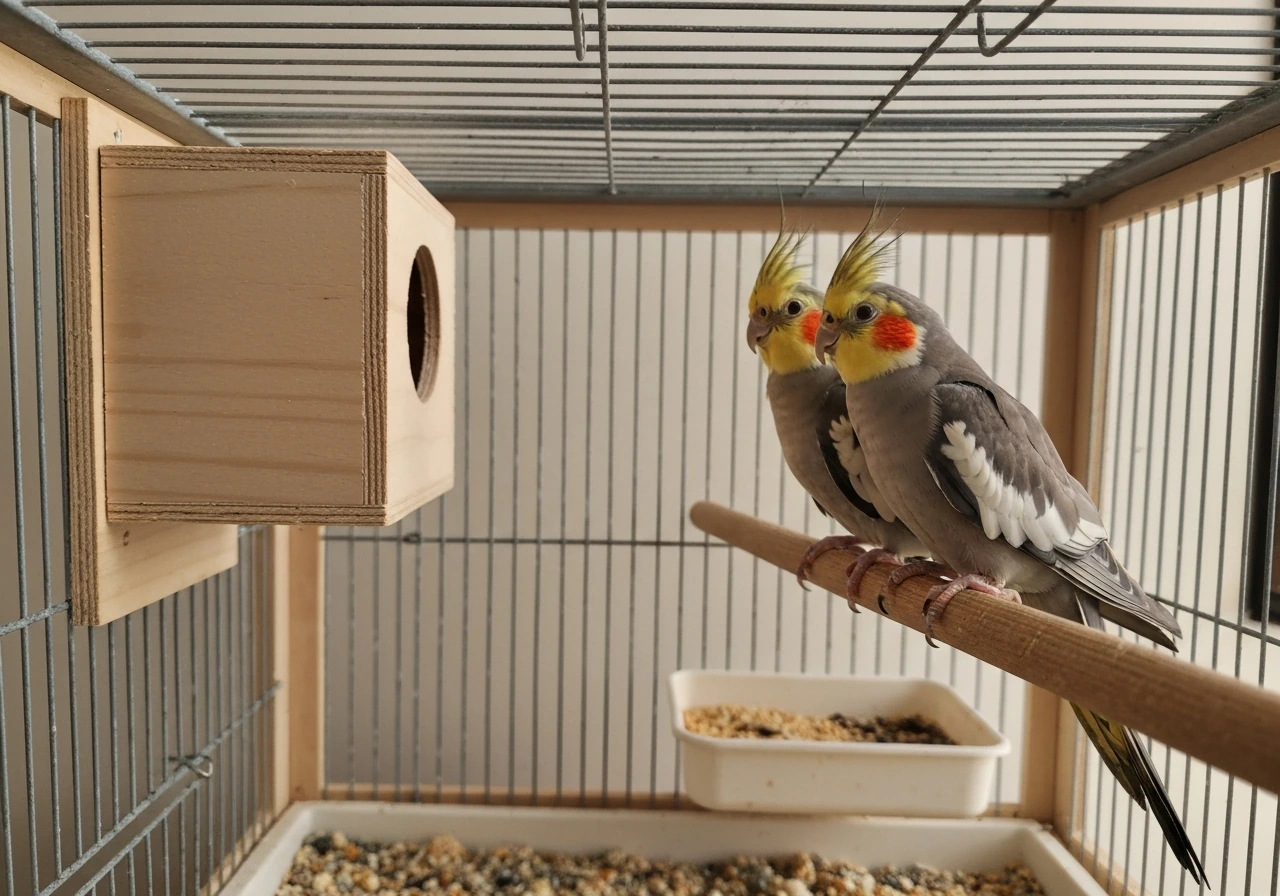
How to Breed Cockatiel Birds: A Step-by-Step Guide
Step-by-step, safety-first guide to breeding cockatiels: readiness, nesting, incubation, chick care, weaning, ethics, tr
How to Tame a Cockatiel Bird: Step-by-Step Training
Humane, step-by-step guide to tame and train a cockatiel: trust, step-up, target, daily routines, and troubleshooting.
How to Make a Cockatiel Bird Happy: Start Here Today
Humane step-by-step tips to make your cockatiel happy today: setup, diet, bonding, enrichment, and stress troubleshootin