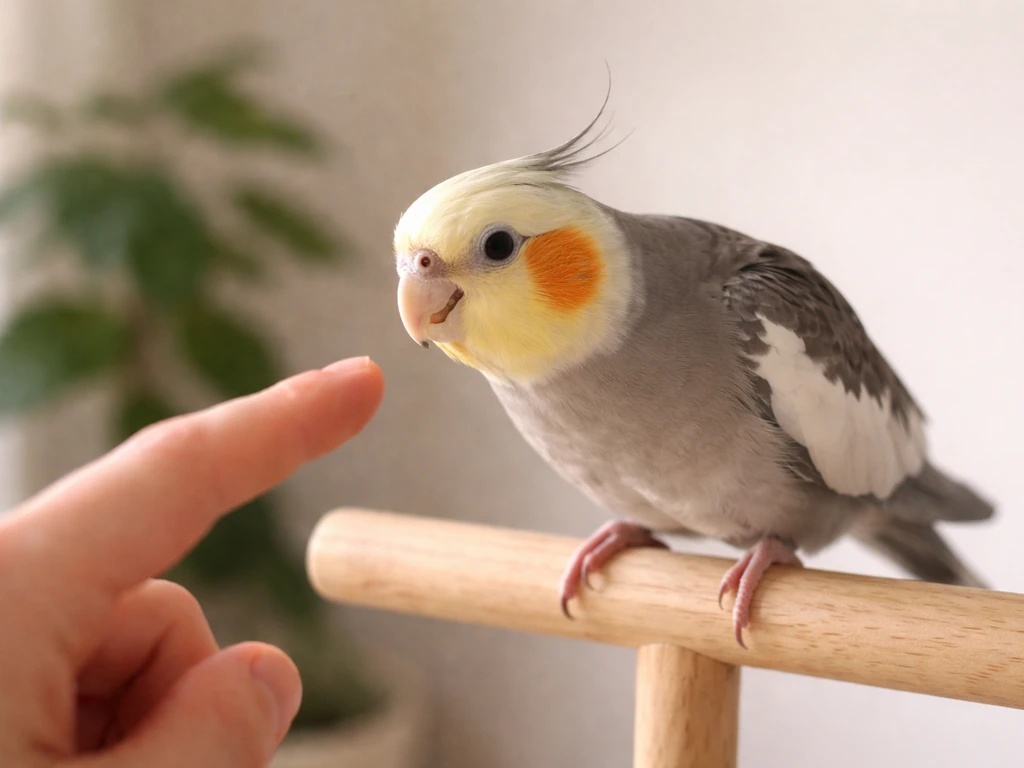
Breeding cockatiels successfully comes down to three things: starting with the right birds at the right time, building a low-stress environment they actually want to nest in, and being prepared to step in when the parents need help. Get those three things right and you'll have a clutch of healthy chicks. Skip any one of them and you'll be troubleshooting problems that were entirely avoidable. This guide walks you through every stage, from confirming your birds are ready to breed all the way to the moment the chicks are fully independent.
How to Breed Cockatiel Birds: A Step-by-Step Guide
Clara Hayes
10 Apr 2026
Are your birds ready to breed? Use this checklist first
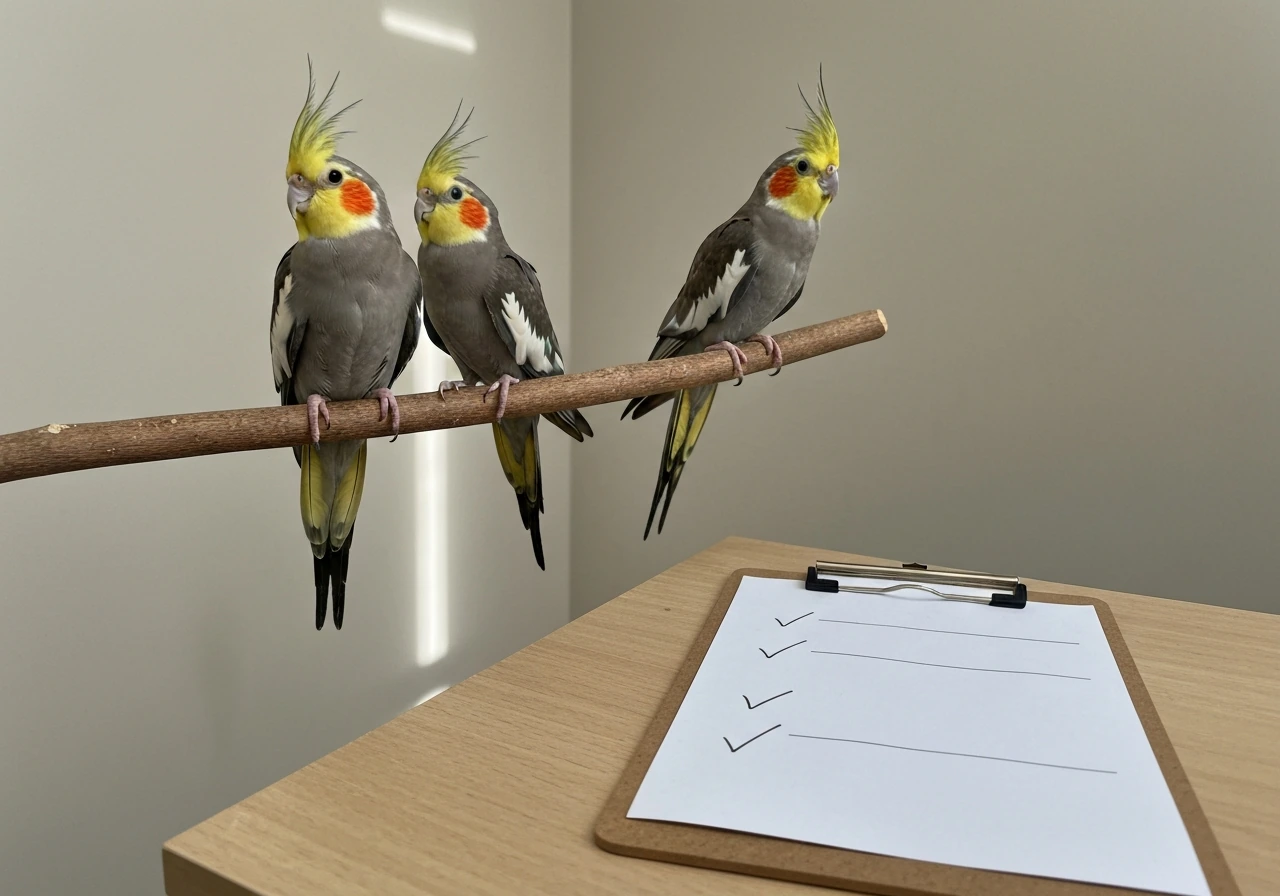
The number one mistake first-time breeders make is starting too early. Cockatiels can show breeding behavior well before they're physically ready, and breeding an underaged bird dramatically increases the risk of egg binding, failed clutches, and birds that burn out fast. Before you even think about setting up a nest box, run through this checklist for both birds.
Age and physical condition
- Minimum age of 18 months for the hen, 12 months for the male (18 months for both is safer and strongly preferred)
- Both birds are at a healthy weight with no obvious feather problems, discharge, or labored breathing
- The hen's vent area is clean and shows no signs of swelling, irritation, or past egg-binding episodes
- Both birds have been eating a varied, nutritious diet for at least 2–3 months before any breeding attempt (pellets, fresh vegetables, calcium sources like cuttlebone)
Health screening before you start
A pre-breeding vet check is not optional if you're serious about healthy chicks. At minimum, have both birds examined by an avian vet and discuss pathogen screening. Tests to ask about include PBFD (psittacine beak and feather disease), polyomavirus, psittacosis (also called parrot fever, which is zoonotic and can spread to humans), and avian Borna virus. These can be run via choanal swab, cloacal swab, or blood, depending on the pathogen. Birds that test positive for certain diseases should not be bred until you've had a thorough conversation with your vet about the risks to the chicks and to you.
Behavioral readiness signs
- The male is actively singing, displaying, and following the hen around
- The hen is exploring the bottom of the cage and investigating dark corners or enclosed spaces
- Both birds preen each other regularly (mutual preening is a strong pair-bonding signal)
- Neither bird is showing signs of stress, feather-destructive behavior, or aggression toward the other
One more environmental factor: cockatiels need at least 14 hours of light per day for reliable breeding results. If you're not providing a consistent light cycle with a timer, add that before anything else.
Choosing a breeding pair and setting up their space
Not every male-female pair will bond well enough to breed successfully. If you're pairing birds from separate cages, introduce them gradually over one to two weeks with side-by-side cages before putting them together. Watch for mutual preening and the male feeding the hen. If the hen is consistently aggressive or avoidant, this pair may not work. Forced pairings produce poor breeding results and stressed birds.
Cage and aviary setup
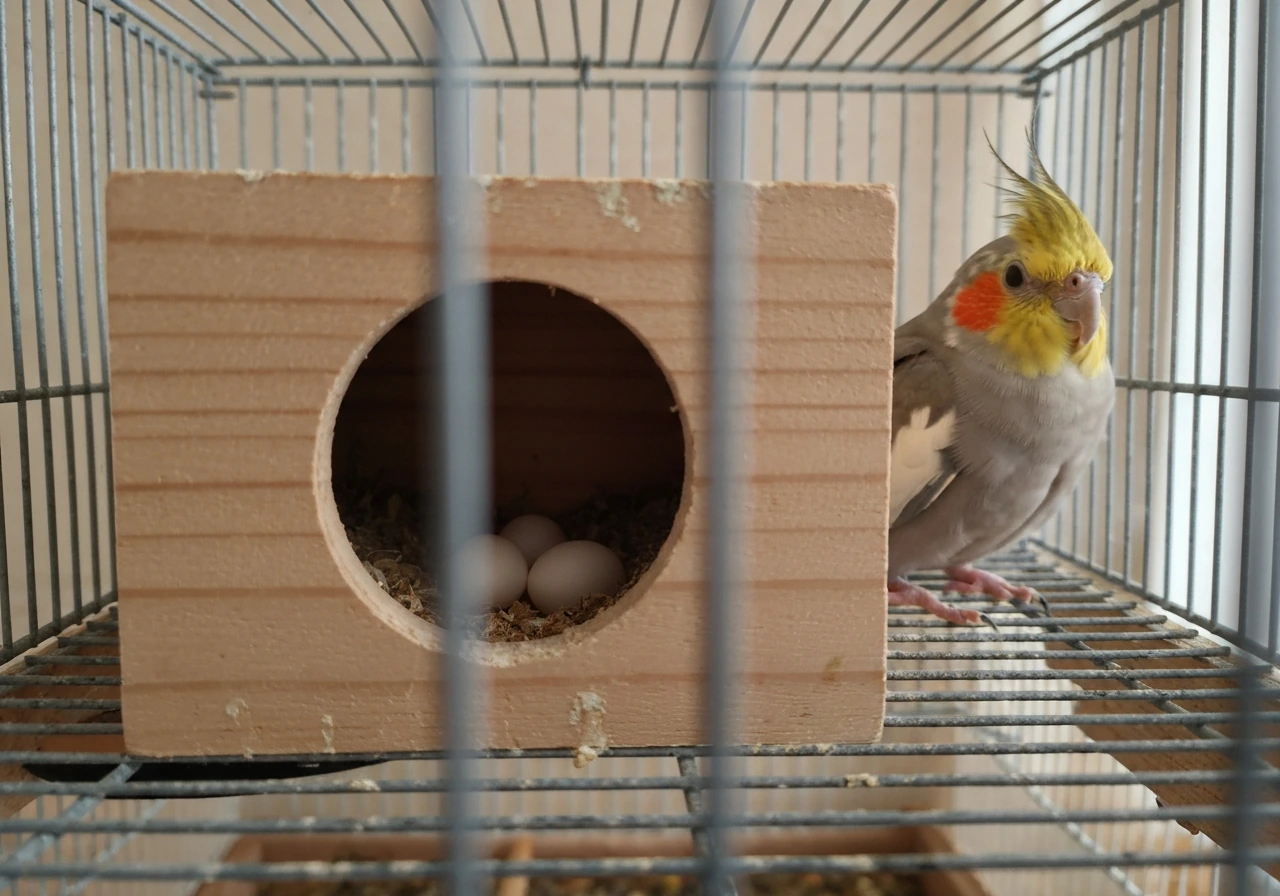
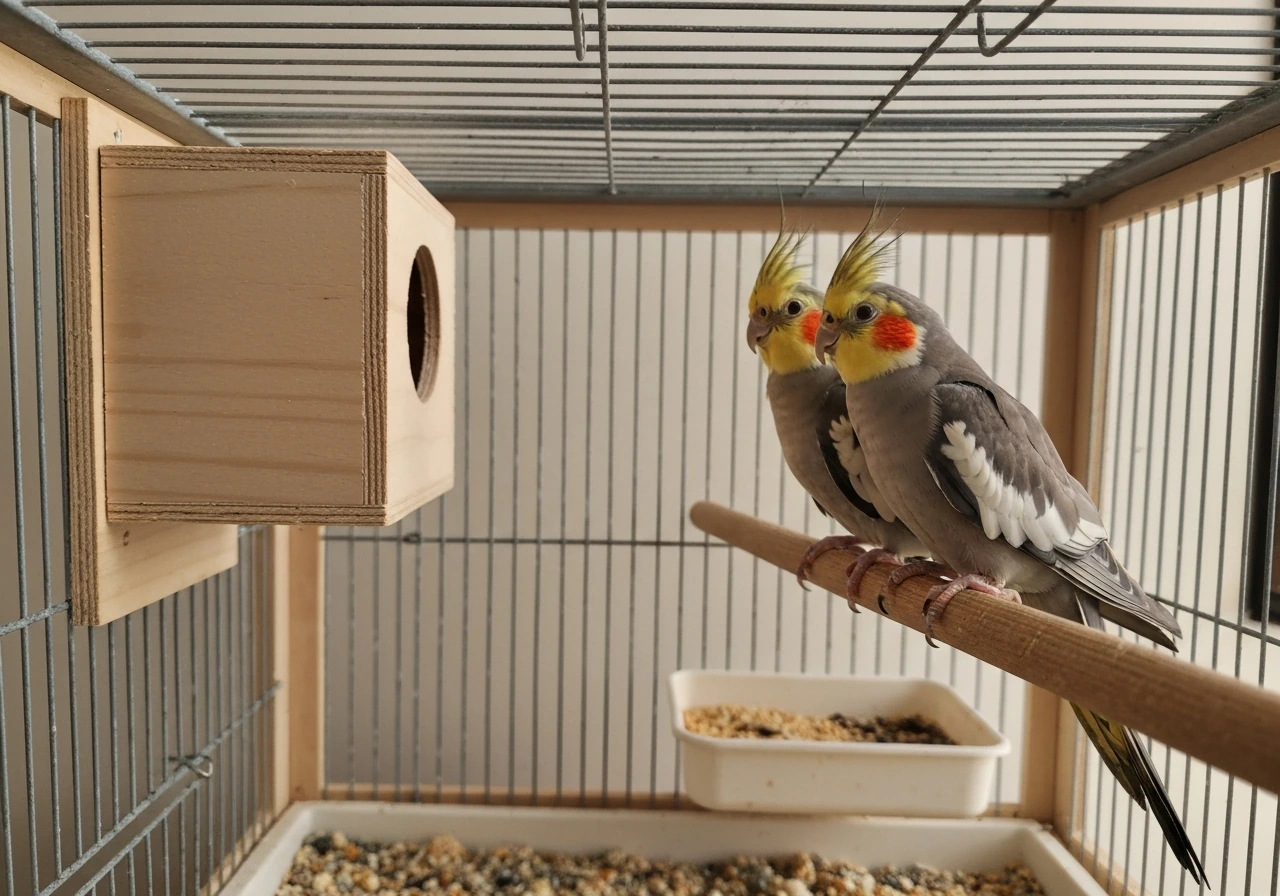
The breeding cage needs to be large enough that both birds can move freely, forage, and still have a private nesting corner. A minimum of 24 x 24 x 30 inches is workable for a single pair, though bigger is always better. Bar spacing matters a lot: safe bar spacing for cockatiels is 1/2 inch (1.3 cm) to prevent head entrapment. Horizontal bars on at least two sides let the birds climb, which they'll do a lot during the nesting period. Keep the cage away from drafts, direct sun, and high-traffic areas of the house. Stability in temperature and routine is a real breeding trigger for cockatiels.
Nest box options and placement
A standard wooden nest box for cockatiels is roughly 10 x 10 x 12 inches (25 x 25 x 30 cm) with a 3-inch (7. 5 cm) entrance hole. Mount it as high as possible on the outside of the cage, with the entrance facing the interior.
Cockatiels strongly prefer a concave nesting dish or a layer of pine shavings (avoid cedar, which releases aromatic oils that are harmful to birds) to hold the eggs in place and prevent them from rolling. Replace shavings if they get wet or soiled. Add a small ladder or perch below the entrance hole so the birds can inspect and enter easily. Once the box is up, leave it alone.
Excessive checking or repositioning during the early nesting phase is one of the most common reasons pairs abandon a clutch.
Egg laying, incubation, and the hatch timeline
Once the pair is settled and the hen starts spending time in the nest box, egg laying usually begins within one to two weeks. Cockatiels typically lay clutches of 4 to 7 eggs, with one egg laid every other day. The hen (and often the male) will begin sitting more seriously after the second or third egg is laid rather than from the very first egg, which is why the chicks in a clutch won't all hatch on exactly the same day.
Natural incubation: what the parents do
In a healthy pair, both parents share incubation duties. The male typically sits during daylight hours and the hen takes over in the evening and overnight, with each bird spending roughly 12-hour shifts on the eggs. This tag-team incubation is a good sign that the pair is bonded and committed to the clutch. Don't be alarmed if the eggs seem briefly uncovered during a shift change. The eggs retain heat well and short exposures don't harm them.
Artificial incubation: when you need it and how to do it safely
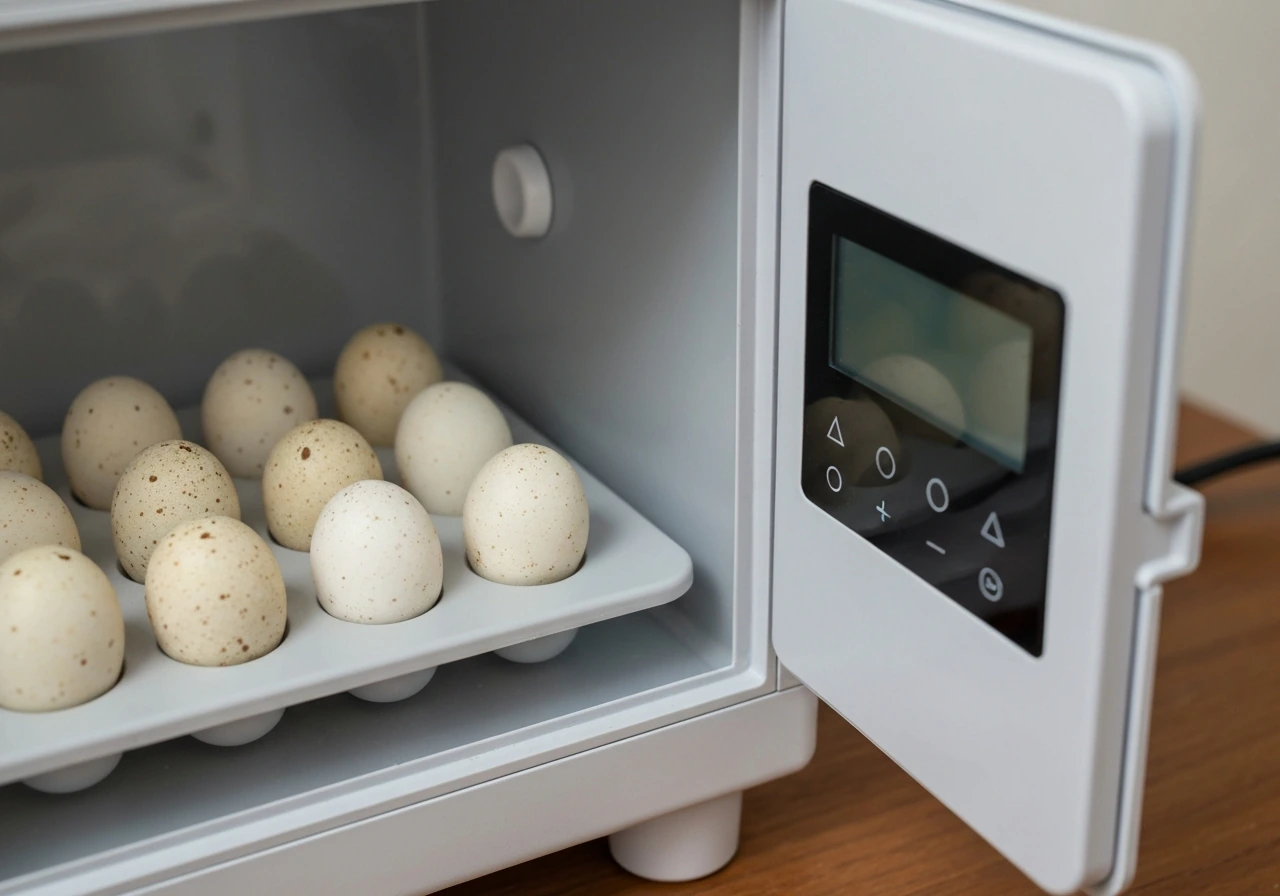
If the parents abandon the eggs, become aggressive toward each other, or you're deliberately hand-raising from the start, you'll need an incubator. The target temperature is 99. 5°F (37. 5°C).
Humidity should stay around 55 to 62% relative humidity for most of the incubation period, then increase to approximately 66 to 74% in the final days before hatching to keep the membrane pliable. Use a reliable digital thermometer/hygrometer inside the incubator rather than relying on the unit's built-in gauge alone.
Humidity is one of the most frequently mismanaged aspects of egg incubation, and even small errors cause late-stage failures. Turn the eggs at least three times a day (an odd number of turns so the egg doesn't rest on the same side two nights in a row) until day 14, then stop turning and increase humidity.
Hatch timing and candling
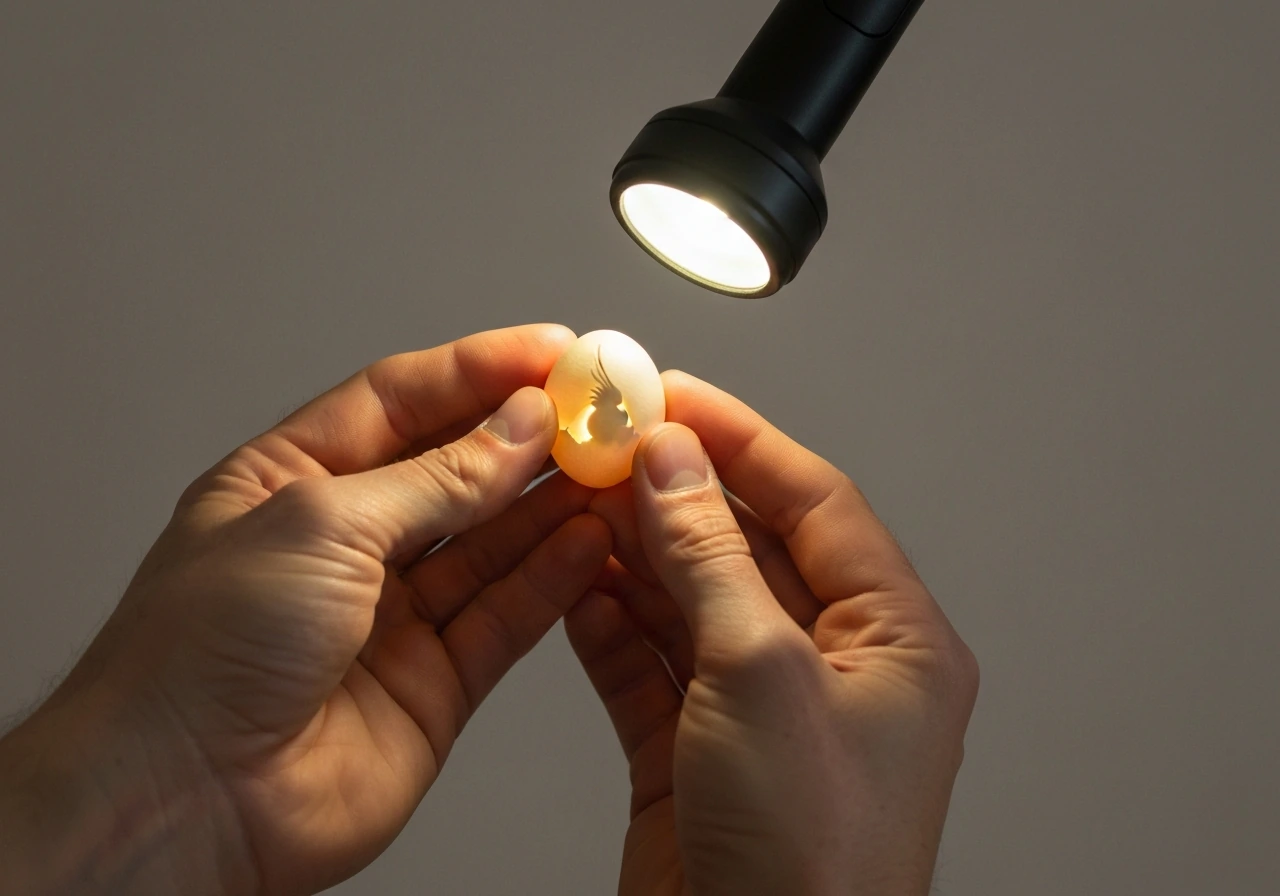
Natural incubation runs 17 to 23 days from when the hen starts sitting consistently. Artificial incubation is typically cited as 18 to 20 days. The variation is real, so don't panic if a day or two passes beyond your expected hatch date. To check fertility, candle the eggs (hold a small, bright flashlight against the egg in a dark room) around day 7 to 10. A fertile egg shows a visible network of red blood vessels and, later, a dark mass. A non-fertile or dead egg stays clear or has a faint ring with no vessel growth. Remove clearly infertile or rotten eggs, but when in doubt, leave the egg and check again in two days.
| Stage | Days | Temperature | Humidity |
|---|---|---|---|
| Main incubation | Days 1–14 | 99.5°F (37.5°C) | 55–62% RH |
| Late incubation / lockdown | Days 15–18 | 99°F (37.2°C) | 66–74% RH |
| Hatch window | Days 18–20 (artificial) / up to 23 (natural) | Keep stable | Maintain elevated humidity |
Parent-rearing vs hand-rearing: which path is right for you
This is one of the most important decisions you'll make as a breeder. Parent-rearing is less work for you and produces birds with better social skills with other cockatiels. Hand-rearing produces birds that bond deeply with people and are generally easier to place as pets. Neither is wrong, but each has real tradeoffs.
| Factor | Parent-reared | Hand-reared |
|---|---|---|
| Breeder time commitment | Low to moderate | High (every few hours for weeks) |
| Human tameness as adults | Moderate (requires taming later) | High (bonded from hatch) |
| Risk of abandonment/injury by parents | Present, requires monitoring | Eliminated once removed |
| Chick immune development | Stronger (parent crop milk/probiotics) | Good if formula is correct |
| Recommended for beginners | Yes | Only with mentorship or experience |
If your breeding pair is attentive and the chicks are growing steadily, let the parents do the work. Intervene only if a chick is being ignored, injured, or noticeably underweight compared to its siblings. Learning how to tame a cockatiel bird after it's weaned is entirely manageable even if it was parent-raised, so don't feel pressured into hand-rearing just to get a friendly bird.
Hand-feeding basics: formula, temperature, and schedule
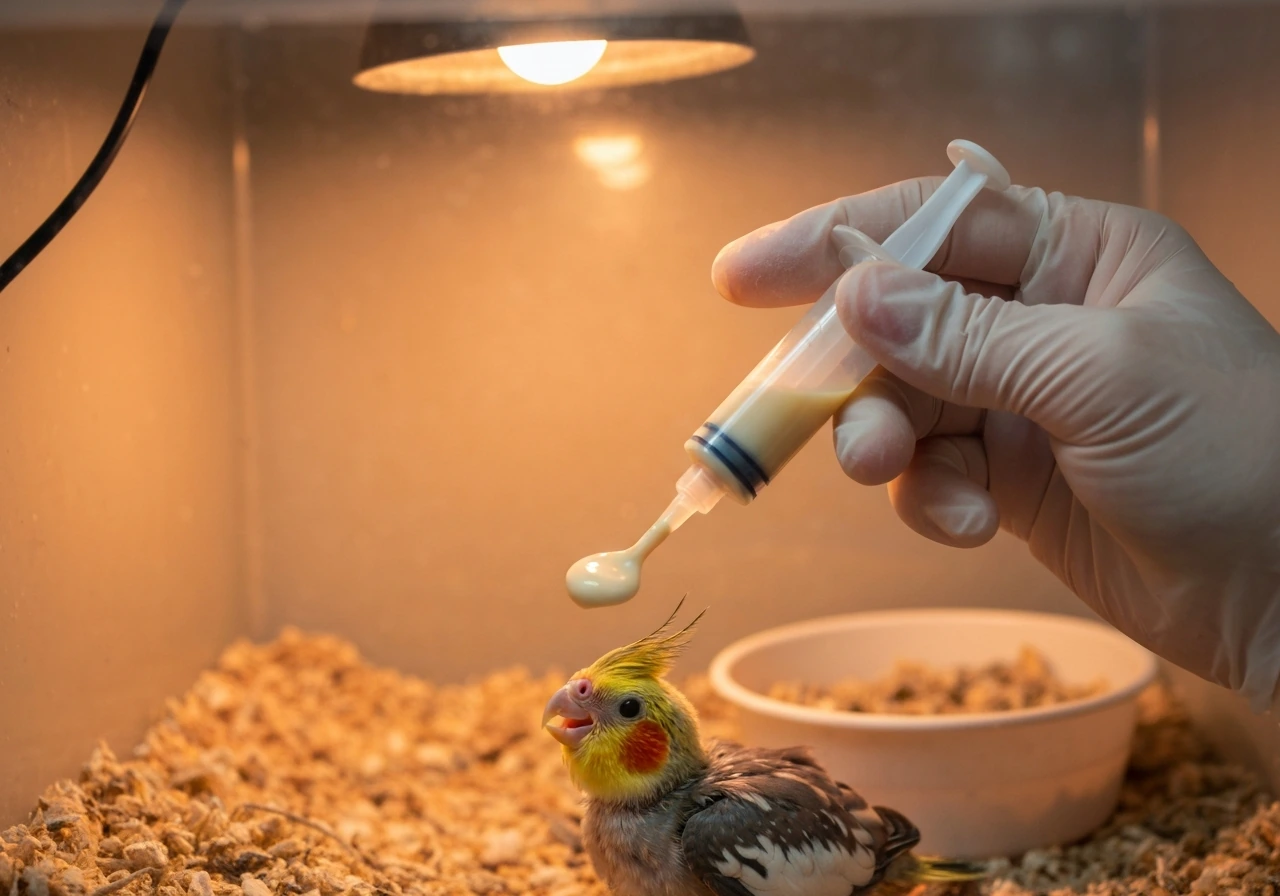
If you do hand-rear, formula temperature is the detail that causes the most injuries. Feed formula at 101 to 104°F (38.5 to 40°C). A quick check: it should feel hot but not scalding on the inside of your wrist. If the formula drops below about 98.6°F (37°C) before the chick finishes the feeding, digestion slows and crop problems follow. Never microwave formula directly; heat it in a water bath and stir thoroughly to eliminate hot spots, then check the temperature before every feeding.
Feeding frequency depends on the chick's age. Newly hatched chicks need feeding every two hours around the clock. By week three, you're typically feeding every four to five hours. By weeks seven to eight, you're down to two to three feedings per day as the chick begins eating solid food on its own. Always wait for the crop to empty completely before the next feeding to prevent sour crop, which is a bacterial fermentation problem that requires vet treatment.
Warmth, hygiene, and daily monitoring
Hand-reared chicks without feathers need a brooder temperature of 95 to 98°F (35 to 37°C) for the first week, dropping about 5°F per week as feathers develop. A simple heating pad on low under half the brooder container lets chicks self-regulate by moving toward or away from the heat. Keep the brooder clean: replace substrate daily and clean feeding syringes after every use. Bacteria and mold in feeding equipment are common causes of crop infections. Weigh chicks daily on a small digital gram scale. A chick that fails to gain weight for two consecutive days, or loses weight outside of the normal pre-weaning dip, needs a vet visit, not a wait-and-see approach.
Weaning, fledging, and life after the nest box
Weaning is not an event, it's a process that takes two to four weeks. Don't pull formula feedings abruptly. Instead, start introducing shallow dishes of soft foods (warm cooked grains, soft pellets soaked in water, finely chopped greens) in the brooder or cage around week five to six, while continuing formula on schedule. As the chick eats more solid food on its own, it will naturally take less formula per feeding. By weeks seven to eight, most cockatiels are eating independently, and you can drop to one formula feeding per day as a backup, then stop entirely once you're confident the chick is eating and maintaining weight.
Fledging (first flight attempts) typically happens around week five to seven. Make sure the environment is safe: no ceiling fans running, no open water containers, no gaps behind furniture a panicked fledgling can get stuck in. Keep wing feathers unclipped until the bird has learned basic flight control. A bird that can't fly yet and falls repeatedly is at serious injury risk. Pad the lower area of the cage with soft landing spots if needed.
Once chicks are fully weaned and fledged, separate them from the parents before the next clutch is laid (usually within four to eight weeks of the previous hatch). Young cockatiels left too long with breeding parents can be harassed or stressed. House weaned chicks together in a separate cage, and focus on socialization. Spending time playing with them every day, offering foraging toys and new textures, helps them grow into confident, well-adjusted birds. For ideas on daily enrichment, take a look at how to play with cockatiel bird to build a routine from day one.
Ethics, legality, and the things no one warns you about
Breeding cockatiels is legal in most jurisdictions without a permit for domestically raised birds, but check your local laws if you plan to sell chicks, as some areas require a breeder's license or have restrictions on advertising live animals. If you're in the US, cockatiels are not covered by the Migratory Bird Treaty Act since they're non-native captive birds, but state laws vary. When in doubt, contact your local wildlife or agriculture department.
Overbreeding: the most common ethical failure
A healthy hen can lay multiple clutches per year, but that doesn't mean she should. Limit breeding pairs to two clutches per year maximum. Back-to-back clutches deplete the hen's calcium reserves fast and dramatically increase egg-binding risk. Between clutches, separate the pair for at least eight weeks, reduce light hours to below 12, and remove the nest box. A hen in good condition has a strong body weight, bright eyes, clean vent, and active behavior between breeding cycles. If she looks depleted, skip the next cycle entirely and focus on nutrition recovery.
Responsible placement of chicks
Before you breed, have a plan for every chick. Cockatiels typically produce 4 to 7 chicks per clutch, and two clutches per year means potentially 8 to 14 birds annually. Rehoming birds without vetting buyers leads to chicks ending up in inadequate conditions. Ask potential owners about cage size, diet, and previous bird experience. Point new owners toward resources on making their bird feel comfortable and at home, such as how to make cockatiel bird happy and how to make cockatiel bird friendly, so they're set up for success from day one.
Household hazards during breeding season
If you have cats in the house, breeding season requires extra vigilance. A nesting hen is less mobile and a brooder full of chicks is an obvious target. Review how to introduce a bird to a cat if you're managing a multi-pet household, and ensure the breeding cage and brooder are physically secure, not just supervised. A latch that a curious cat can push open is not secure. And in the unlikely event of an incident, know the steps for how to get a cat to drop a bird so you can act fast without causing further injury.
Common failure points and how to fix them
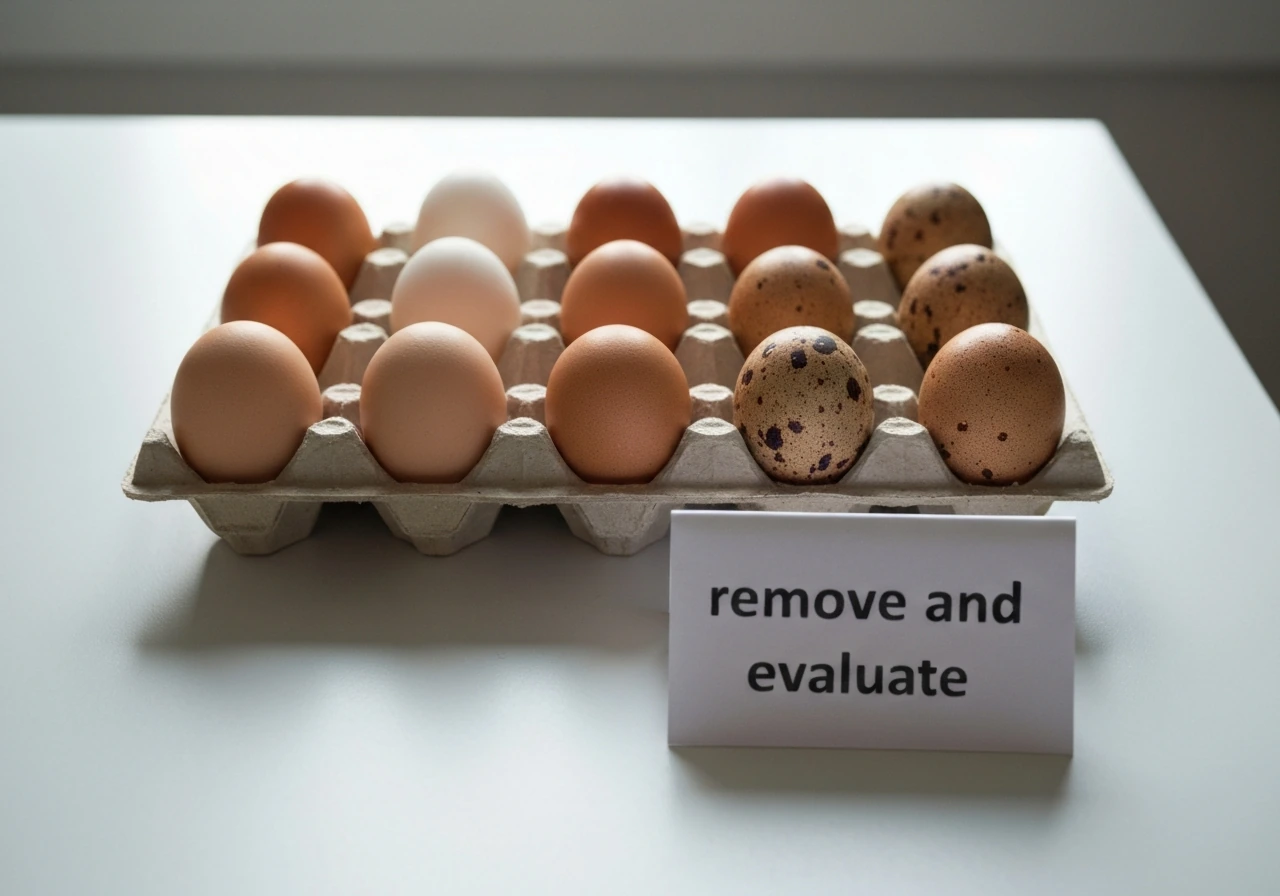
Here are the problems breeders run into most often, and what to actually do about them.
- Eggs not hatching after 23 days: Candle remaining eggs. Clear eggs were infertile from the start. Dark, non-moving eggs that smell off are dead-in-shell. Remove them and evaluate whether the incubation environment had temperature or humidity fluctuations.
- Parents ignoring or stepping on eggs: Happens most often with first-time pairs. Add pine shavings to the nest box to give eggs a more stable resting spot. Give the pair 48 hours before intervening. If neglect continues, move to artificial incubation.
- Chick crying constantly after feedings (hand-rearing): Usually means the crop isn't fully emptying between feeds. Slow down feeding frequency and check formula consistency. A crop that stays full and feels doughy may indicate sour crop and needs a vet.
- Hen laying eggs repeatedly without incubating (chronic egg laying): Remove the nest box immediately and reduce light hours to below 12 per day. Consult your vet. Chronic egg laying without incubation depletes calcium fast.
- Weaned chick losing weight: Offer softer foods, reintroduce one formula feeding per day, and recheck the food dishes to confirm the chick is actually eating and not just playing with food.
- Feather plucking among clutch mates: Separate the culprit bird immediately. This is common in clutches that are kept together too long or in bored birds with nothing to forage. Add foraging enrichment and separate chicks by temperament if needed.
Your action plan starting today
If you've read this far and you're ready to move forward, here's the sequence to follow. Confirm both birds are at least 18 months old and in good health. Schedule an avian vet visit for pre-breeding screening. Set up your light timer for 14 hours of light per day. Order or build a nest box (10 x 10 x 12 inches, mounted high, with pine shaving bedding). Stock up on cuttlebone and calcium-rich foods. If you're considering hand-rearing, source a quality parrot hand-feeding formula and a small brooder setup before the eggs hatch, not after. And have a placement plan for your chicks before the first egg is even laid.
Breeding cockatiels is genuinely rewarding when you go in prepared. The birds are cooperative, the chicks are endearing, and a well-raised cockatiel chick placed in a good home is one of the best outcomes in pet bird keeping. Take the preparation seriously and the process takes care of itself.
FAQ
Can I breed my cockatiel pair as soon as they start showing mating behavior?
Yes, but only if both birds are truly old enough. Many hens show mating interest before they are physically ready, and breeding too young raises egg-binding risk. Use the article’s 18-month guideline as the minimum baseline, then confirm readiness with a vet check (especially calcium status and overall body condition) before you set up the nest box.
How do I know when my cockatiels are actually ready to start laying?
Don’t guess based on cage closeness or “quiet behavior.” The safest approach is to wait for consistent nest-box use and a hen that is acting settled, then plan for eggs starting 1 to 2 weeks after that. If you see a lot of aggression or persistent avoidance, separate them and re-introduce gradually rather than forcing cohabitation.
Is pine bedding always safe, and what should I avoid in and around the nest box?
Avoid cedar and also avoid scented products in the nesting area. Even if a nest box is “wood,” scented bedding, pine-scent air fresheners, or strong cleaners near the cage can irritate airways and increase stress. Stick to pine shavings or a concave nesting dish, and keep the box location away from fumes.
What if my hen lays eggs but doesn’t incubate them properly?
If the hen lays eggs but never starts serious sitting, double-check three common causes: insufficient or inconsistent light hours, poor environmental stability (drafts, direct sun, frequent disturbances), and health issues. A vet re-check is warranted if the hen is lethargic, has a dirty vent, or seems painful, because these can precede egg-binding.
Should I remove eggs that might be infertile, or leave them in the nest?
Remove clearly infertile or rotten eggs when you candle, but be cautious with “maybe” eggs. The article’s approach is to leave uncertain eggs in place and re-check in two days. If you suspect the hen is abandoning the clutch, prioritize nest-box integrity (no moving the box) and reduce handling rather than repeatedly removing eggs.
How can I tell whether my incubator settings are the real problem if eggs fail to hatch?
The most common early incubation failure is humidity drifting, even if temperature looks fine. Use a reliable digital thermometer and hygrometer inside the incubator, then adjust gradually. Large, frequent humidity changes tend to cause later-stage problems, so make one adjustment at a time and log the results.
Do I really need to turn the eggs every day, and when should I stop?
Turning frequency matters because the embryo needs regular contact changes. Follow the guidance to turn at least three times daily using an odd number of turns so the egg does not rest on the same side two nights in a row, and stop turning on day 14 while increasing humidity.
What should I do if a hand-reared chick’s weight isn’t increasing?
If a chick is not gaining weight across two consecutive days, treat that as urgent and schedule an avian vet visit. Waiting often costs time, because crop issues, infection, or incorrect feeding temperatures can progress quickly. Also verify formula temperature before each feeding, since cold or overheating formula can trigger digestive problems.
How can I prevent overheating or chilling in the brooder?
Yes, and it’s safer to manage growth by using temperature zones rather than a single fixed heat source. Provide a brooder where chicks can self-regulate by moving toward or away from heat, and keep the brooder clean with daily substrate changes. Monitor both behavior (restlessness or piling) and weight trends, not temperature alone.
When should I separate chicks from the parents to prevent problems?
Plan to separate them before the next clutch begins, usually 4 to 8 weeks after the prior hatch. Keeping young birds with breeding adults too long can cause harassment and chronic stress, which can interfere with taming and healthy social development.
How often is it okay to check the nest if I’m trying to avoid abandonment?
If you want to reduce the chance of stress-related abandonment, do not rearrange the nest box or check eggs repeatedly during early incubation. If you need to intervene, do it quickly and return everything to its original position. Also keep foot traffic and noise away from the breeding area.
What’s the best way to protect chicks from a house cat during breeding season?
In multi-pet homes, “supervised” is not the same as secure. Cats can access fragile gaps and can open weak latches, so ensure the breeding cage and brooder are physically locked down, not just watched. Have an emergency plan for rapid, safe separation if an incident occurs.
How do I make sure future owners are prepared for weaned cockatiels?
For placement planning, vet both the buyer and the setup before any handoff. Ask about cage size, daily diet basics, and whether they have experience with weaned or partially weaned birds. A good sign is a buyer who can describe how they will build taming routines and provide enrichment after adoption.
Next Article
How to Tame a Cockatiel Bird: Step-by-Step Training
Humane, step-by-step guide to tame and train a cockatiel: trust, step-up, target, daily routines, and troubleshooting.