
Catching a bird with your bare hands is possible in specific situations, but it is almost never the best first move. Whether you are dealing with a pet bird that escaped its cage or a wild bird that is injured in your yard, the same core rule applies: bare hands should be your last resort, not your first. That said, there are real situations where you need to act quickly and don't have fancy equipment on hand, so this guide covers exactly what to do, step by step, for both wild birds and pet birds.
How to Catch a Bird With Your Bare Hands Safely
Clara Hayes
4 Apr 2026
Why bare hands are usually the wrong tool
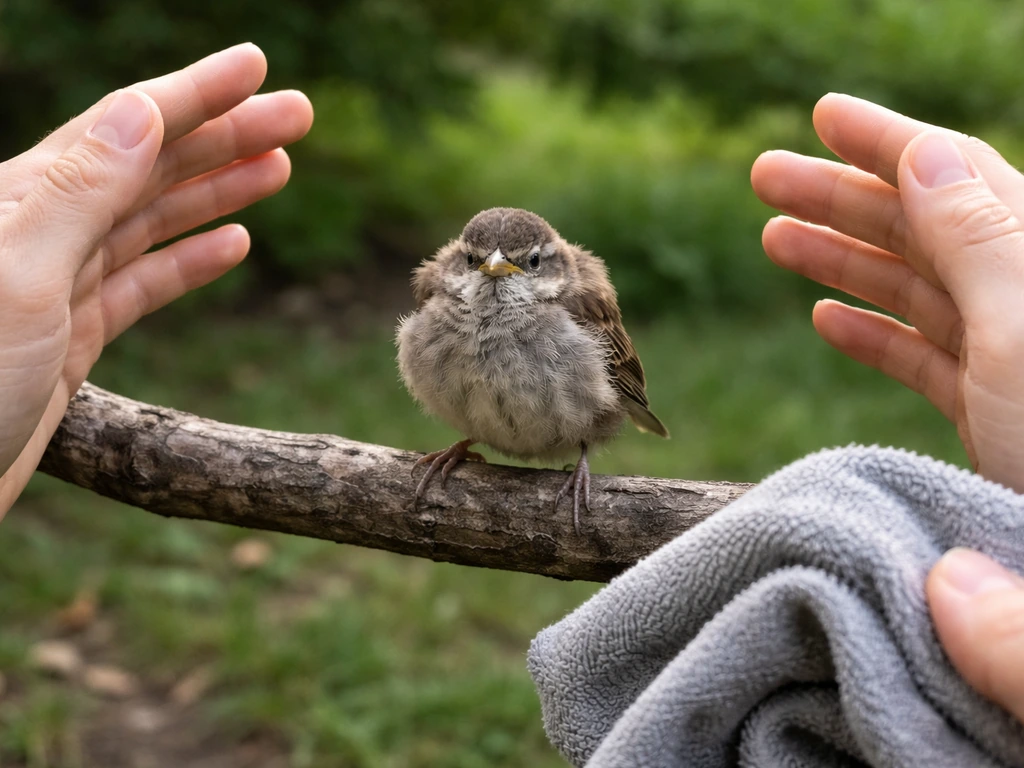
Multiple wildlife rehabilitation organizations are blunt about this: please do not touch wild birds with bare hands. The reasons are practical, not just philosophical. First, birds in distress are already under enormous physiological stress. Adding the physical pressure and heat of a human hand can push a bird into respiratory failure faster than most people expect. Birds have no diaphragm, and if you hold the chest even slightly too tightly, you physically prevent the bird from breathing. This is not an edge case; it is a genuine and common cause of handling deaths.
Second, there is your own safety. Wild birds bite and scratch, and a scratch or bite from a wild bird should prompt a call to a physician, since zoonotic disease risk is real. Third, in most countries and in every U.S. state, wild birds are protected under the Migratory Bird Treaty Act or equivalent legislation. Capturing or holding a wild bird without a permit is illegal, with narrow exceptions for immediate rescue of an injured bird for the purpose of transporting it to a licensed rehabilitator. Understanding how to catch a bird without killing it and staying within legal boundaries go hand in hand.
Humane alternatives worth trying first
Before you attempt any hands-on approach, run through these alternatives. They work more often than people expect and carry almost zero risk of injuring the bird.
- Attract and guide: For a loose pet bird indoors or in a contained yard, use familiar food, its empty cage, or a favorite perch to lure it toward you rather than chasing it. A calm, stationary approach is dramatically more effective than pursuit.
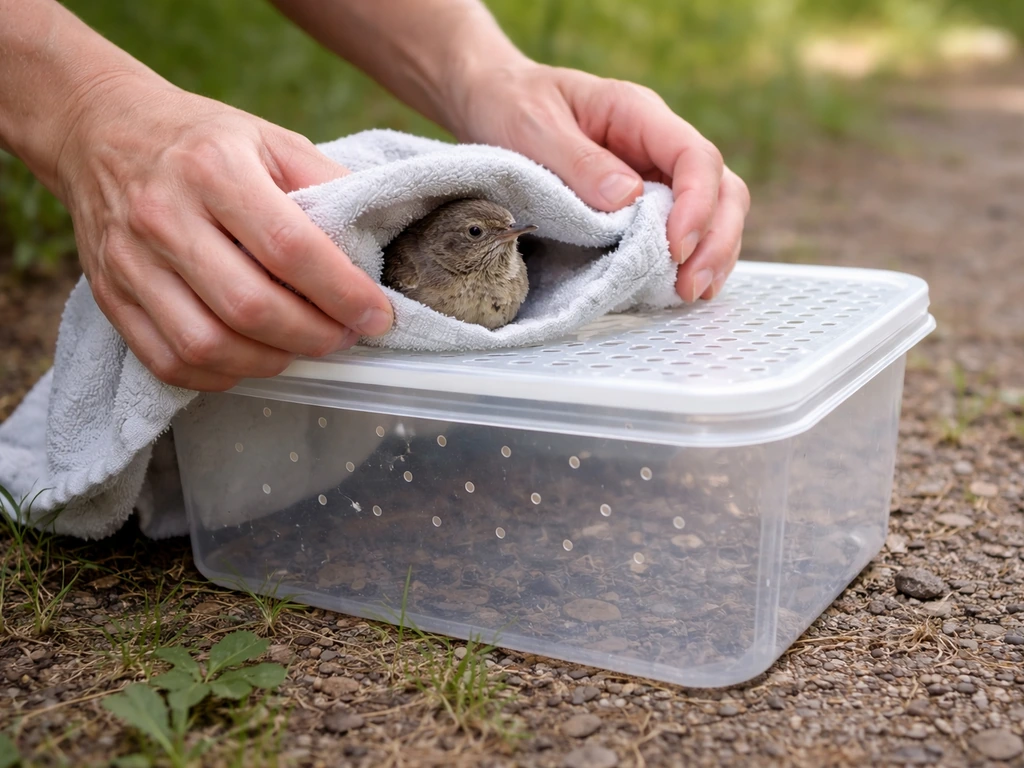
- Use a towel or lightweight cloth: Draping a soft towel gently over a grounded bird lets you scoop it up with minimal direct contact, reduces the bird's visual stress, and protects your hands. This is the single most recommended technique by wildlife rehabilitators.
- Guide into a carrier or box: Leave a travel carrier open with food inside. Many pet birds and even some disoriented wild birds will walk or fly in on their own if given time and calm surroundings. If you want to learn more about this approach, the full guide on how to catch a bird in a cage walks through the setup in detail.
- Use a net for a fast-moving bird: If the bird is moving quickly and you cannot get within arm's reach, a net is far safer than a bare-hands lunge. For technique and net selection, see the article on how to catch a bird with a net.
- Box trap method: For wild birds that are wary but mobile, a simple covered box propped up with a stick and baited with seed is a low-tech option that has worked for centuries. The detailed setup is covered in the guide on how to catch a bird with a box.
- Call a rehabilitator: If the bird is severely injured, aggressive, or too large to handle safely (hawk, owl, heron), contact your nearest licensed wildlife rehabilitator. This is always the right call when you are out of your depth.
Catching a pet bird with your hands
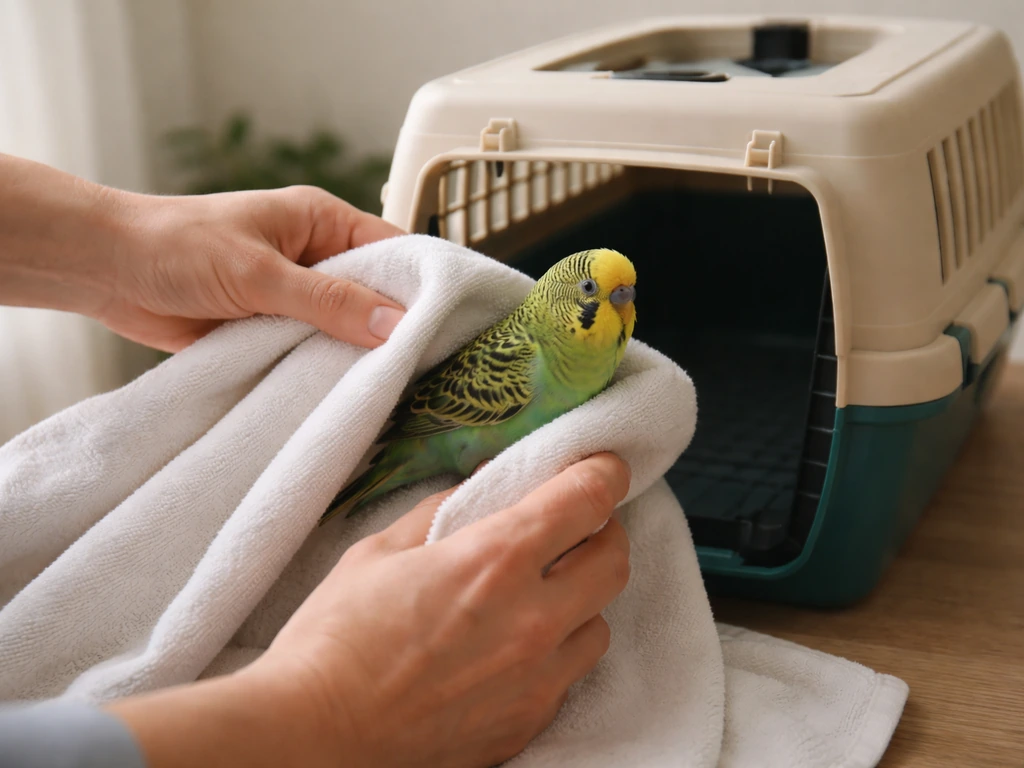
Pet birds are a completely different scenario from wild ones. Here, hands-on capture is often necessary and appropriate, especially when you need to transport a bird to the vet, return an escapee to its cage, or begin taming an untamed bird. The key is species-specific technique and patience.
Parrots and cockatiels
Larger parrots and cockatiels can bite hard, and a panicked bird will bite even a trusted owner. Approach from the front and slightly below eye level, never from above (which reads as a predator attack). Offer your hand or forearm as a perch first. If the bird refuses to step up and you must catch it, use a small hand towel draped loosely over your hand. Gently wrap the bird from behind, supporting the body with your palm and keeping fingers away from the chest. Never squeeze. If the bird shows open-mouth breathing, panting, or goes limp, immediately loosen your grip and place it somewhere warm and dark to recover.
Budgies and smaller parakeets
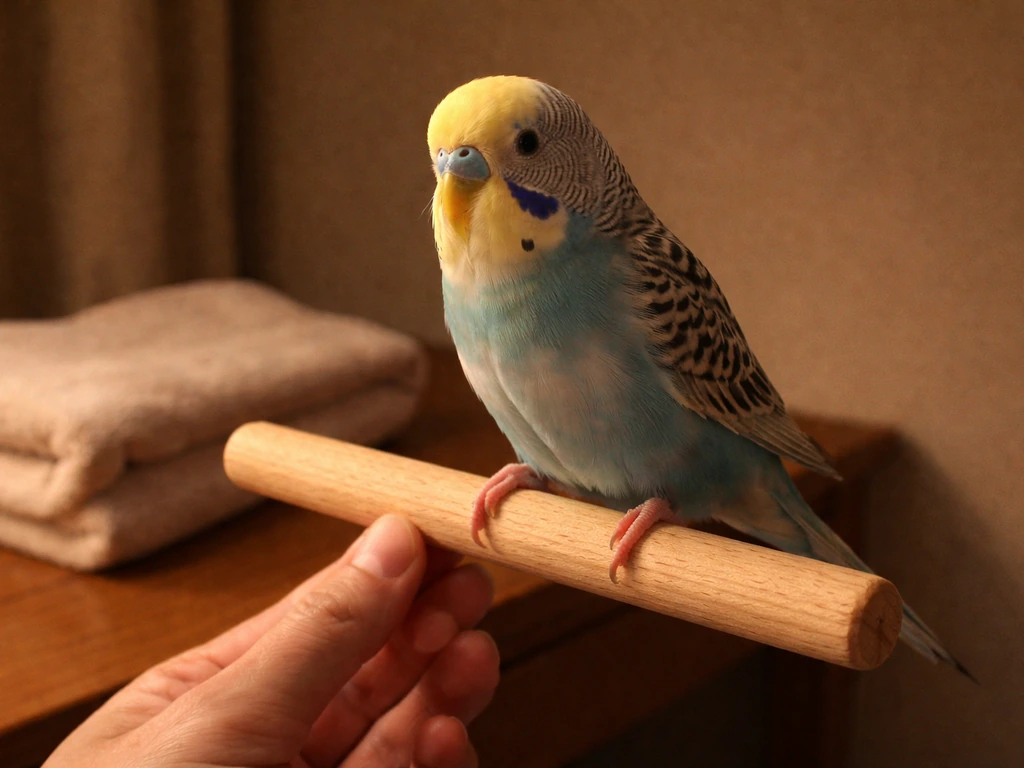
Budgies are fast and can be tricky to catch in an open room. The most reliable approach is to dim the lights first, which slows the bird significantly and reduces panic. Then cup your hand gently over the bird from above, making contact with your whole palm rather than fingertips. Budgies are small enough that even gentle chest pressure matters, so keep your grip light and secure the wings against the body without pressing on the keel bone.
Finches and canaries
Finches and canaries are extremely fragile. They are among the most likely birds to die from capture stress. For these species, bare-hand capture should really be a last resort even among pet birds. If you must catch one, dim the room, move very slowly, and use a soft cloth rather than bare skin. Cup the bird loosely, check that you can feel its breathing without restricting it, and complete the task in under 60 seconds. If you need to do this regularly (for health checks, for example), investing time in training the bird to enter a specific small carrier on its own is genuinely worth the effort.
Catching a wild bird with your hands safely
There are situations where you will want or need to handle a wild bird by hand: an injured bird on your patio, a window-strike victim that is stunned, or a young bird that has fallen from a nest. For most other situations involving healthy, mobile wild birds, check out the guide on how to catch a bird alive for techniques that avoid direct contact altogether.
Yard setup and timing
If a wild bird is grounded and you need to help it, timing matters. Birds are easiest to approach in the early morning or during cold weather, when they are less reactive. Remove other pets from the area first. Reduce visual complexity around the bird by gently herding it (using spread arms, not chasing) toward a corner, a fence line, or a dense shrub where it has less escape room. Do not attempt to catch a bird that is high in a tree; it is a fall risk for you and a stress death risk for the bird. The separate article on how to catch a bird in a tree covers that scenario specifically.
Wear thin gloves if you have them, or at minimum wash your hands before and after. A window-strike bird that is stunned will often recover within 15 to 30 minutes if simply placed in a covered, ventilated box in a quiet, dark, warm space. You may not need to touch it at all beyond the initial move.
Step by step: how to actually do it
Step 1: Prepare the space
Close off the room or section of yard. Close windows, doors, and any gaps the bird could escape through. Turn off ceiling fans. Remove other animals. If you are indoors, draw the curtains on windows you don't want the bird to fly into but leave one window slightly open as a controlled exit option if you are trying to guide a wild bird outside rather than catch it.
Step 2: Set up a lure
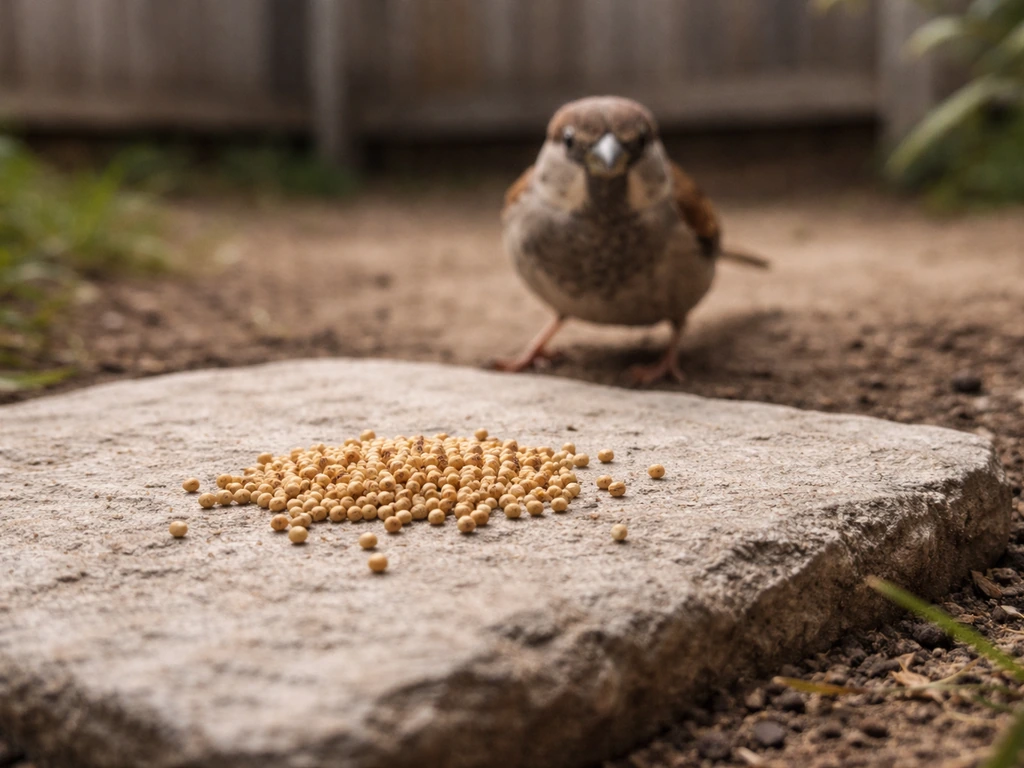
Place a small amount of food (millet for small birds, sunflower seeds or fruit for parrots, mealworms for insectivores) on a flat surface near the bird. Step back and wait. Give the bird at least 5 to 10 minutes to settle before approaching. Rushing kills your success rate. If you have a bottle you can use as a simple baited trap for very small birds, the technique is explained in the guide on how to catch a bird with a bottle.
Step 3: Control your approach
Move slowly and sideways rather than straight at the bird. Direct forward approaches trigger flight instinct. Keep your hands at your sides or below waist height until you are within reach. Lower your own profile by crouching slightly. Avoid eye contact or keep it indirect. Talk quietly and steadily if the bird is a pet and knows your voice.
Step 4: Secure the bird
When you are close enough, move quickly but smoothly. Hesitation is worse than speed here. Cover the bird from above with both hands cupped together, or drape a towel first and then scoop. Secure the wings gently against the body. Your grip should feel like a loose fist around the bird, not a squeeze. You should be able to feel the bird's chest moving with each breath. If you cannot, you are holding too tightly. Transfer the bird into a prepared carrier or ventilated box as quickly as possible and minimize time spent holding it.
Step 5: Immediate containment
Once in the box, cover it with a light cloth to keep the environment dark and calm. Place it in a warm, quiet spot away from noise and other pets. Do not keep peeking inside. For a wild bird being transported to a rehabilitator, the goal is minimal stimulation from this point forward.
What to watch for during and after handling
These are the warning signs that mean stop immediately and give the bird space to recover:
- Open-mouth breathing or audible wheezing during handling
- Prolonged panting after you have set the bird down
- Limpness or inability to grip a perch
- Fluffed feathers combined with closed eyes (a sign of extreme stress or illness, not just tiredness)
- Any visible blood or abnormal discharge
If your pet bird is showing any of these signs after handling, contact an avian vet promptly. Respiratory emergencies in birds escalate fast. For a wild bird showing these signs, contact a licensed wildlife rehabilitator rather than attempting further handling.
Species comparison: how approaches differ
| Bird type | Best catch method | Bare hands OK? | Towel recommended? | Key risk |
|---|---|---|---|---|
| Large parrot (macaw, cockatoo) | Step-up training, towel assist | With trust only | Yes | Powerful bite, wing injury |
| Cockatiel / conure | Dim room, step-up or cupped hands | Yes, carefully | Optional | Chest squeeze, bite |
| Budgie / parakeet | Dim room, gentle cup from above | Yes, carefully | Optional | Speed, fragility |
| Finch / canary | Cloth or net, never bare hands | Not recommended | Always | Extreme stress mortality |
| Injured wild songbird | Towel scoop into box | Avoid | Always | Zoonotic risk, stress |
| Wild raptor (hawk, owl) | Do not attempt; call rehabilitator | Never | N/A | Talons cause serious injury |
What to do if you still can't catch the bird
If the bird is a pet and won't cooperate, stop trying after 10 to 15 minutes. Continued pursuit raises stress hormones and makes the bird harder to catch, not easier. Leave food and water accessible, secure the room, and try again in an hour or the next morning. Birds are calmer after rest and at the start of the day. Building trust over time through regular feeding and calm interaction is the real long-term solution.
For wild birds that are mobile but injured (limping, one wing drooping), you can set up a passive situation overnight. Leave a baited carrier or box in the area and check in the morning. Many birds that appear uncatchable in the afternoon will be accessible in the early morning when they are cooler and slower. If the bird is still mobile after 24 to 48 hours, contact a wildlife rehabilitator who can advise on trapping options suited to the specific species.
Your next steps checklist
- Identify whether the bird is a pet or wild before doing anything else. This changes your legal obligations and your approach completely.
- Prepare a carrier, ventilated box, or towel before you start. Do not improvise mid-catch.
- Secure the environment: close exits, remove other pets, dim lights if indoors.
- Try passive luring first. Give it at least 5 to 10 minutes before attempting hands-on capture.
- If using hands, move slowly, approach from below eye level, cup don't squeeze, and check breathing during the hold.
- Transfer to a quiet, dark, covered container as quickly as possible after capture.
- For wild birds, contact a licensed wildlife rehabilitator for transport guidance before or immediately after capture.
- If you are bitten or scratched by a wild bird, wash the wound thoroughly and consult a physician.
- If the bird cannot be caught today, stop, secure the area, and try again tomorrow morning.
FAQ
What’s the safest alternative to catching a wild bird with my bare hands?
Start with a containment first approach, close doors and gaps, and guide the bird toward a corner or a covered exit area. Use a covered, ventilated box or carrier as the destination, then gently herd rather than grabbing. This reduces stress and avoids direct contact risk like bites, scratches, and handling deaths.
How can I tell if a bird is already in danger before I even try to grab it?
Watch for open-mouth breathing, panting, repeated throat bobbing, or sudden lethargy or “going limp.” If you see these, stop trying to catch and focus on quiet recovery in a dark, ventilated box in a warm location, then seek the right professional help.
Should I use gloves when handling a wild bird?
Gloves can help with scratches and bites, but they do not remove legal and biological concerns. If the bird is wild, gloves are not a substitute for contacting a licensed rehabilitator. Also ensure the bird is still supported and not squeezed during any necessary brief move.
What if a bird bites me, even lightly?
Treat it seriously. Wash the area thoroughly right away, cover it with a clean dressing, and contact a physician because bird-related infections are a real possibility even from small injuries. If the bird was wild, mention that it was a wild bird contact.
How long is too long to keep trying to catch a pet bird?
If the bird remains unwilling after 10 to 15 minutes of attempted capture, stop. Continued chasing increases stress and makes the next attempt harder. Secure the room, keep food and water accessible, and try again later (often the next hour or the next day).
Can I catch a bird while it’s on the ground versus in a doorway or window area?
Yes for ground or low, but be extra careful near obstacles and hard surfaces. For window or doorway situations, prioritize closing escape routes, then place the ventilated carrier nearby as the landing zone. Reduce movement that could trigger a sudden flight into glass or walls.
Is dimming the lights enough to catch a budgie safely?
It helps significantly, but you still need gentle, correct grip and minimal chest pressure. Use a whole-palm cup and keep contact calm and brief. If the bird struggles or you cannot prevent pressure on the keel area, switch to a towel-supported scoop rather than forcing bare-hand control.
What should I prepare before I attempt any hands-on capture?
Have a ventilated carrier ready, a light cloth or towel for covering, and a quiet warm location set up before you start. The goal is to minimize holding time after the capture. If you are improvising, delay capture until the destination is prepared.
What’s the best way to restrain a bird if it keeps struggling during transfer?
Aim for a smooth, quick transfer once you are close enough, supporting the body and securing the wings gently against the frame of your hands or towel. Avoid squeezing, and make sure the bird’s chest can move with breathing. If breathing seems restricted or abnormal, loosen and let the bird recover.
Do I need to offer food during a wild bird rescue?
Often, yes. Place small, species-appropriate food near the bird, then step back and wait at least 5 to 10 minutes for the bird to settle. Rushing increases flight and injury risk, and food can create a predictable movement pattern toward your carrier.
Should I feed or water a wild bird immediately after an injury?
Focus first on calming and temperature. A stunned or stressed wild bird often recovers when kept quiet, dark, and warm in a ventilated box. Do not force feeding, and arrange transport or professional guidance from a licensed rehabilitator as soon as practical.
What should I do if the bird is in a tree or too high to reach safely?
Do not attempt a hands-on rescue from height. The article guidance implies a fall risk and increased stress death risk. Instead, manage the area below, contact a wildlife rehabilitator, and follow species-appropriate approaches for tree situations.
If I can’t catch the bird within the day, what’s the next best step?
For wild birds that are grounded and injured, you can set up a passive overnight arrangement like a baited carrier or box and check in the morning. Many birds become more accessible early or in cold weather. If it remains mobile after 24 to 48 hours, contact a rehabilitator for tailored trapping advice.