Whippoorwills are attracted to yards that mimic their natural edge habitat: open foraging space next to mature forest or dense shrubs, a good supply of night-flying insects, minimal artificial lighting, and calm moonlit nights. You won't lure them with a bird feeder. What actually works is making your property feel like the right kind of dark, insect-rich, sheltered place they already want to be in. If you're in the right part of the country and set things up correctly, you can realistically expect to hear one calling from your yard within the first warm, calm, moonlit nights of late spring or summer.
How to Attract Whippoorwill Birds With Night Habitat Steps
Clara Hayes
13 May 2026
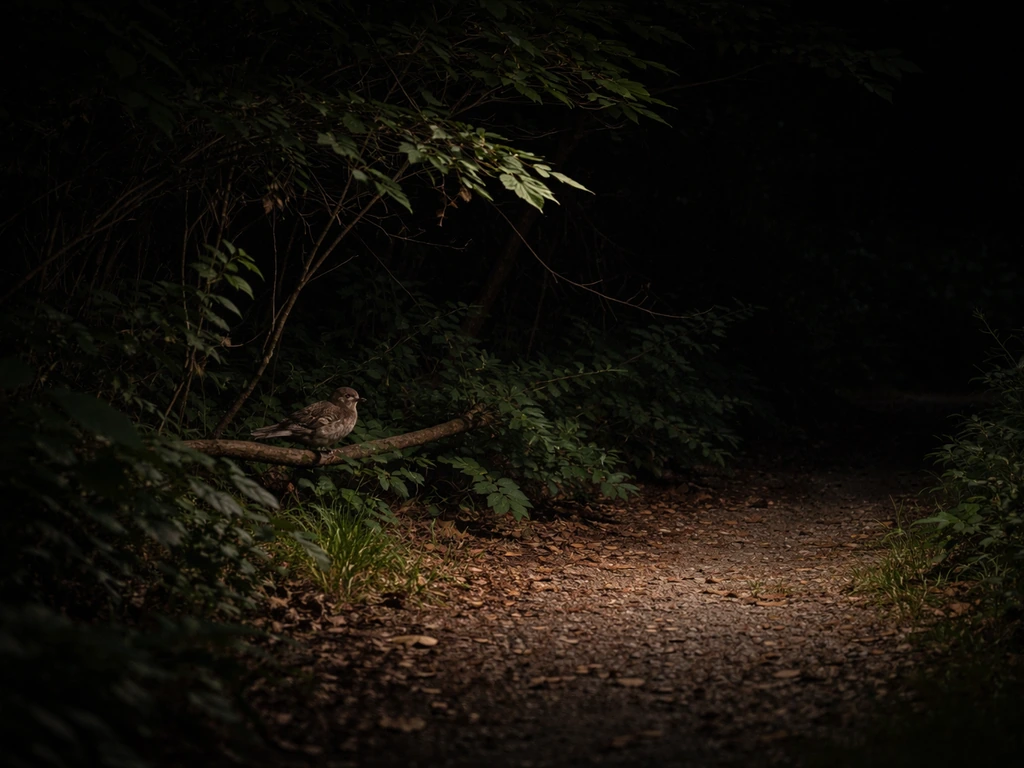
Know whippoorwills: where they live and when they're active
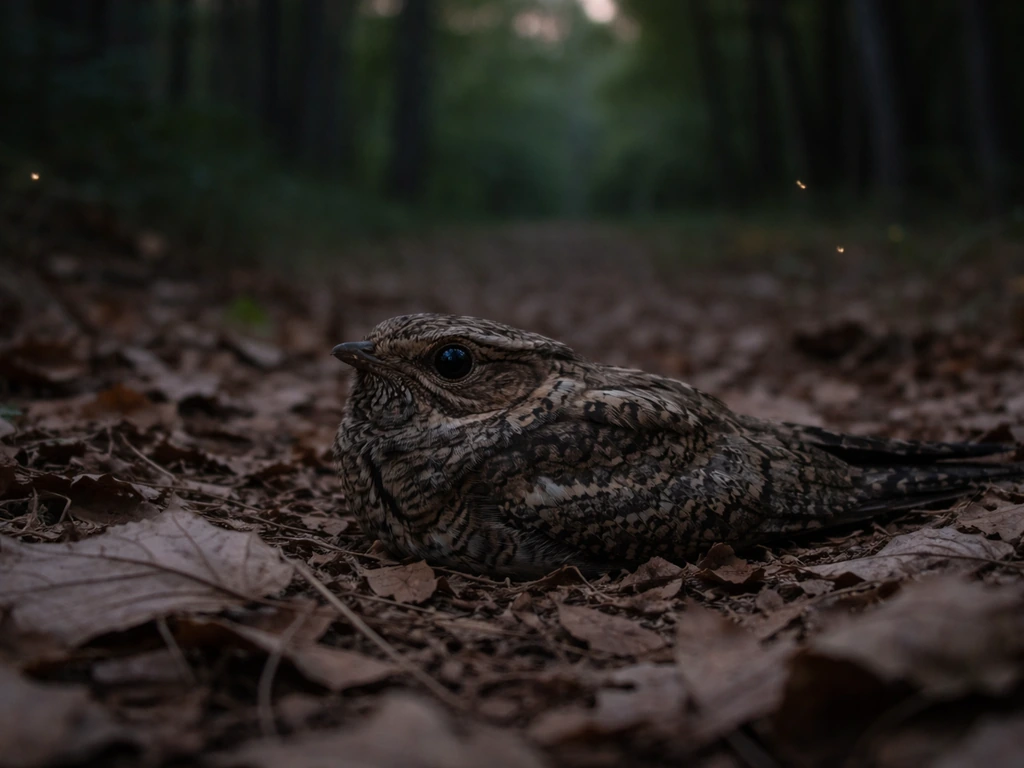
The eastern whip-poor-will (Antrostomus vociferus) is a nightjar, which means it's nocturnal, cryptically colored, and almost never seen at a bird feeder or birdbath. It's found throughout the eastern United States and southern Canada during breeding season (roughly late April through August), then migrates south for the winter. If you're outside that range, say west of the Great Plains, you're unlikely to attract one regardless of what you do.
Their preferred habitat is the edge where forest meets open ground. They need large tracts of continuous forest nearby for nesting and roosting, but they forage over open clearings, old fields, meadows, savannahs, and shrubby areas. A dense suburban neighborhood with no forest nearby won't cut it, but a rural or semi-rural yard backed by mature trees with some open lawn or field nearby is ideal. Ground nesting happens right on the leaf litter in shady woodland, so even the forest floor texture matters to them.
Timing is everything with whippoorwills. They start foraging about 30 minutes after sunset and are most active and vocal during crepuscular hours (dusk and dawn) and on moonlit nights. Calling is most intense on calm, warm, moonlit nights in spring and early summer. On bright moonlit nights they will hunt insects all night long. NYSDEC guidance notes that whip-poor-wills forage at night and, on moonlit nights, hunt for insects all night long, feeding on night-flying insects such as moths, beetles, and mosquitoes forage at night on moonlit nights and hunt for insects all night long. Wind, cold, and cloud cover noticeably reduce calling activity, so don't judge your setup on a blustery or overcast night.
Make your yard whippoorwill-friendly at night
Artificial light is one of the biggest barriers. Whippoorwills rely on natural light levels to time their foraging, and bright outdoor lights disrupt that rhythm while also scattering the insects they depend on. The goal isn't to make your yard pitch black, but to reduce harsh, broad-spectrum lighting during the early and middle parts of the night.
Shorter-wavelength (bluer, cooler) lights attract nocturnal insects far more strongly than warmer, longer-wavelength lights. This sounds counterintuitive at first: you might think attracting insects would help whippoorwills. But insects congregating around a bright lamp are distracted from their natural movements, which disrupts the foraging patterns whippoorwills rely on. Switch any outdoor fixtures to warm amber or red-spectrum LEDs, add motion sensors so lights only activate when needed, and turn off decorative or floodlights entirely between dusk and midnight if you can.
- Replace cool-white or blue-tinted outdoor bulbs with warm amber LEDs (2700K or lower)
- Put porch and driveway lights on motion sensors or timers that shut off by 9 PM
- Turn off landscape uplighting and decorative string lights in the early night hours
- Close blinds or curtains to reduce light bleed from interior windows facing the yard
- If you need a path light, point it strictly downward and use a red-spectrum bulb
Sound matters too. Whippoorwills are vocal birds that call loudly and repetitively, but they won't settle in a loud environment. Reduce noise near the habitat edge during peak hours (dusk to midnight). That means keeping pets indoors, avoiding yard equipment at dusk, and minimizing foot traffic through any forest edge area where you hope they'll perch. Calm nights are their preferred calling conditions for a reason.
Cover is critical. Whippoorwills perch low in trees or on fence posts and logs, sallying out up to about 15 feet off the ground to snag insects mid-air. They also roost and nest directly on the ground in leaf litter. If your yard has a forested edge or a dense shrub row, protect it. Don't rake up all the leaf litter from the forest floor or woodland edge, as that bare-ground nesting habitat is exactly what they need. Leave downed logs, brush piles, and natural debris in shaded areas where it won't be disturbed.
Encourage natural food: insects and foraging conditions
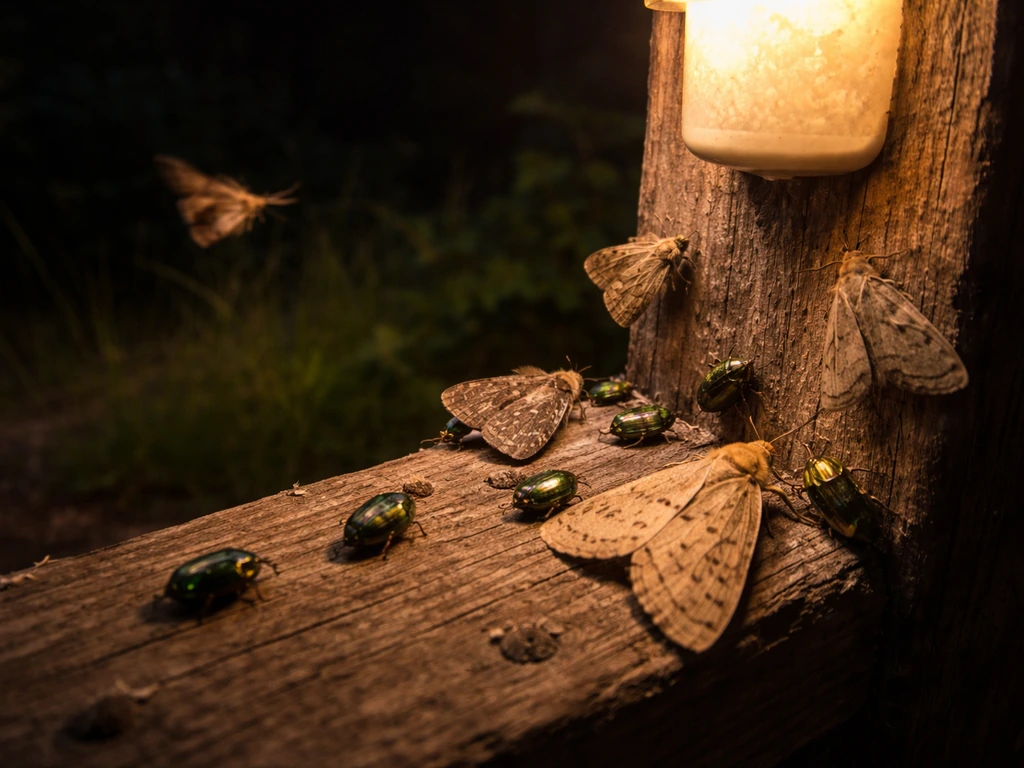
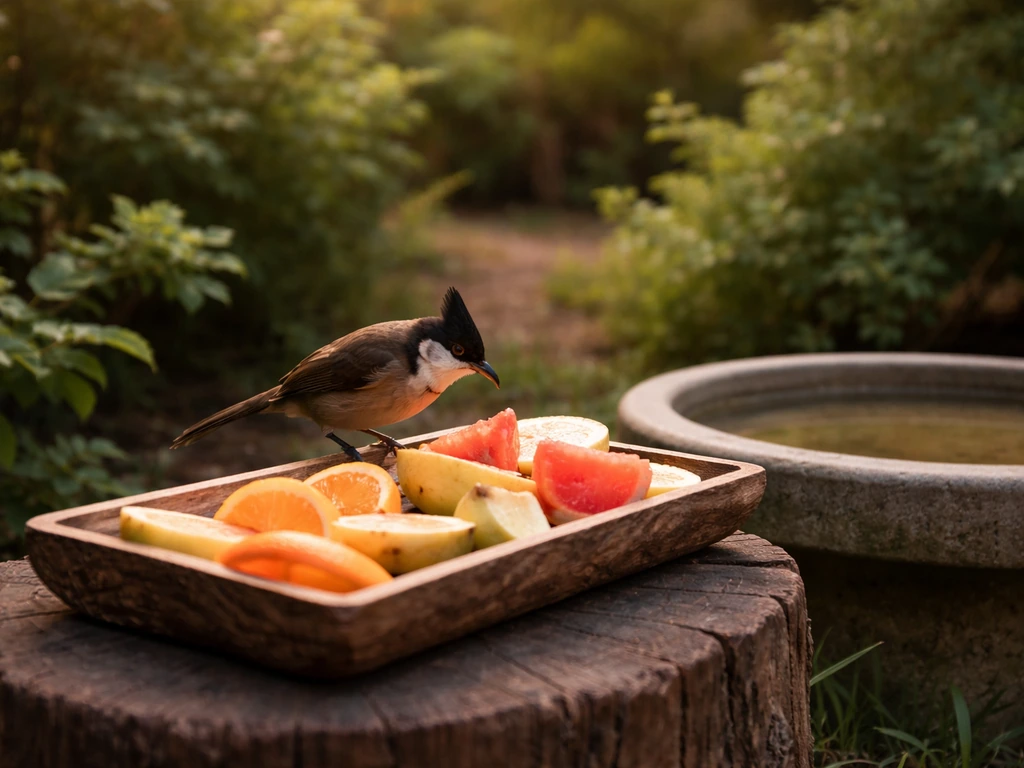
Whippoorwills are insect specialists. Moths make up about 57% of their diet and scarab beetles another 32%, with a long list of other night-flying insects rounding it out: click beetles, tiger moths, owlet moths, ground beetles, fireflies, long-horned grasshoppers, stoneflies, and more. You can't stock your yard with these, but you can make your yard a place where they naturally thrive. To learn more about specific habitat and setup tips, see the guide on how to attract bulbul bird.
The single most effective thing you can do is reduce or eliminate pesticide use, especially broad-spectrum insecticides. These knock down moth and beetle populations directly. Switch to targeted, organic pest management if you need to treat anything, and avoid systemic pesticides that work through plant tissue and affect insects that feed on native plants.
- Plant native flowering plants and grasses that support moth and beetle populations (native oaks, native wildflowers, and native shrubs are especially good moth host plants)
- Leave a patch of unmowed lawn or a meadow area to create beetle and grasshopper habitat
- Maintain or create a brush pile at the forest edge to shelter ground beetles and other invertebrates
- Keep a leaf litter layer under trees and along the woodland edge instead of blowing everything clean
- Avoid landscape fabric and thick rubber mulch, which smother the soil invertebrates that support the insect food web
- If you have a water feature like a small pond or rain garden, keep it: aquatic insects including stoneflies and some beetles emerge at night and are prime whippoorwill food
You're essentially building a functioning nocturnal insect community. This takes some patience but the payoff extends far beyond whippoorwills. A yard with healthy native plant cover and no pesticides will support moths and beetles within a single growing season, and those populations will build over subsequent years.
Calling cues: when to use playback vs relying on natural calls
Playback (playing a recorded whippoorwill call through your phone or a speaker) can alert a nearby bird to your yard's presence, but it comes with real risks and ethical considerations you need to take seriously before trying it.
When a territorial male whippoorwill hears a rival's call, he may come in to investigate or challenge the intruder. That sounds useful, but overusing playback causes genuine stress: the bird may become agitated, abandon a foraging area, or waste energy it needs for breeding. Audubon advises strongly against casual playback use, and multiple birding ethics guidelines specifically call out over-playback as harmful. On top of that, the Migratory Bird Treaty Act protects whippoorwills as migratory birds, and using audio devices to harass or cause unreasonable disturbance to migratory birds can put you in a legally questionable position.
My honest recommendation: don't use playback as your primary attraction strategy. Instead, let your habitat do the work. If a whippoorwill is anywhere within earshot of your property, a well-set-up yard will draw it in on its own terms. If you hear one nearby and want to see if it will move closer for observation, a single, brief playback clip on a calm night is a lower-impact option than repeated looping calls. Stop immediately if the bird responds and begins calling, and never use playback near an active nest or in areas where it's explicitly prohibited.
- Do: Listen passively on calm, warm, moonlit nights in May through July
- Do: Use a single brief clip (10-15 seconds) once or twice if you want to check for nearby birds
- Do: Stop playback the moment a bird responds
- Don't: Loop calls continuously or for more than a few minutes
- Don't: Use playback during nesting season near known nest sites
- Don't: Use playback in national parks, wildlife refuges, or other areas where it's prohibited by policy
Step-by-step setup checklist to attract them today
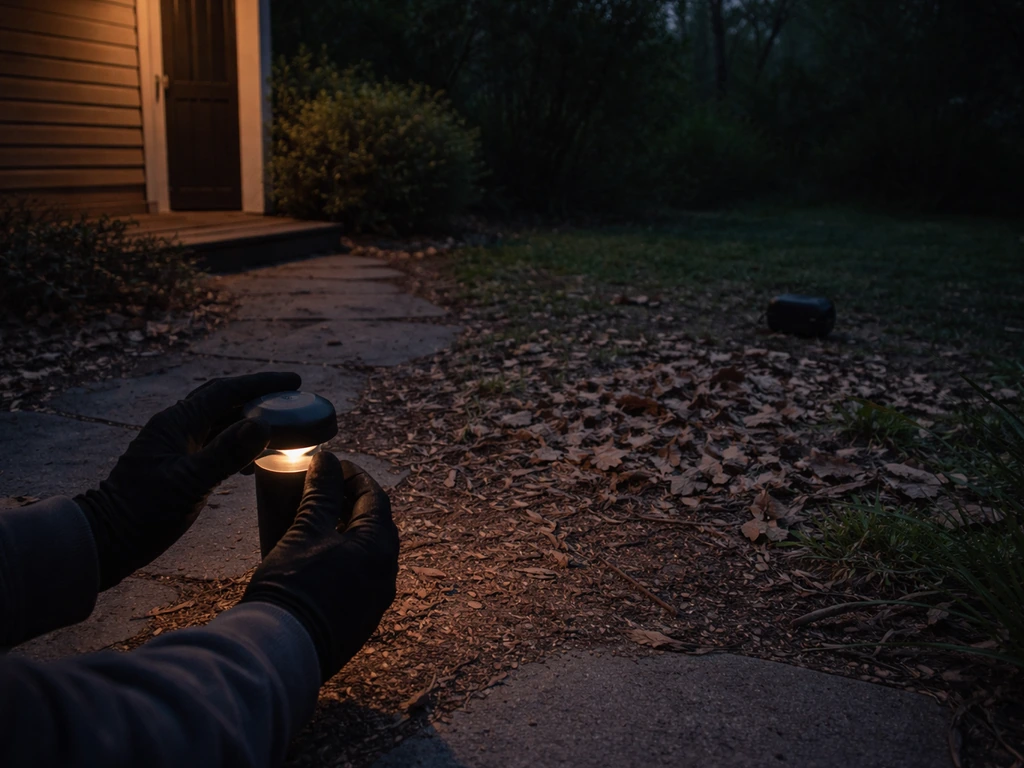
Here's what you can actually do today, this week, and this season to make your yard more attractive to whippoorwills. Some steps pay off immediately; others build over weeks and seasons.
- Tonight: Turn off or dim all non-essential outdoor lights from dusk to midnight. Replace any cool-white bulbs with warm amber LEDs if you can.
- Tonight: Go outside 30-45 minutes after sunset on the next calm, mild, moonlit night and listen quietly at the forest or shrub edge of your property. This is when you'll learn whether any whippoorwills are already using your area.
- This week: Walk your yard edge and identify where you have natural cover (dense shrubs, woodland edge, brushy areas) and where you can stop mowing or raking to create more.
- This week: Stop using broad-spectrum insecticides. Check any products you're using and research organic alternatives for anything you still need.
- This week: Identify 3-5 spots at your yard's edge where you can leave downed logs or pile brush to create beetle and insect habitat.
- This season: Plant at least a few native plant species known to host moths in your region, such as native oaks, native cherry, native grasses, or native wildflowers.
- This season: Leave a patch of at least 10-20 feet of unmowed meadow or rough ground if your property allows it.
- Ongoing: Check conditions before going out to listen. Calm, warm, moonlit nights in May, June, and early July give you the best chance of hearing or seeing a whippoorwill.
Troubleshooting: why they won't show up
If you've been waiting and hearing nothing, work through this checklist before concluding your yard just doesn't work. There's almost always a fixable reason.
| Problem | What it means | What to change |
|---|---|---|
| Wrong season | Whippoorwills are only present in the eastern US from late April through August | Wait for breeding season; don't expect them outside that window |
| Wrong geography | They don't occur west of the Great Plains, and populations are locally patchy even in the east | Check eBird for recent sightings in your county to confirm local presence |
| No forest nearby | A purely suburban or open yard without adjacent mature forest won't support them | Habitat creation helps over time, but proximity to forest is hard to replicate quickly |
| Too much light | Bright outdoor lights suppress nocturnal insect activity and discourage nesting | Switch to warm amber LEDs, use timers and motion sensors, kill lights by 9 PM |
| Too few insects | Pesticide use or lack of native plants reduces moth and beetle populations | Stop pesticides, plant natives, create leaf litter and brush pile habitat |
| Bad weather conditions | Cold, windy, or overcast nights produce almost no calling activity | Be patient; wait for warm, calm, moonlit nights to evaluate |
| Noise and disturbance | Dog activity, foot traffic, or general yard noise near the habitat edge discourages roosting | Keep pets indoors at dusk, minimize activity near forest or shrub edge |
| Predator pressure | High outdoor cat populations or frequent raptor activity can suppress ground-nesting species | Keep cats indoors; this is also an important humane practice for all ground-nesting birds |
| Habitat too tidy | Over-manicured yards with no leaf litter, brush piles, or rough ground lack the structure they need | Leave natural debris, stop raking forest edges, let some areas go unmowed |
Realistic timeline: if whippoorwills are present in your area and you make meaningful changes (lighting, insect habitat, reduced disturbance), you can see results within the first spring season. Hearing one call from your yard edge is a genuine success. Actually seeing one perched and foraging takes more time, patience, and usually a good moonlit night with a headlamp turned off. Population-level insect improvements from native planting will compound over 2-3 growing seasons.
Humane, legal, and ethical do's and don'ts
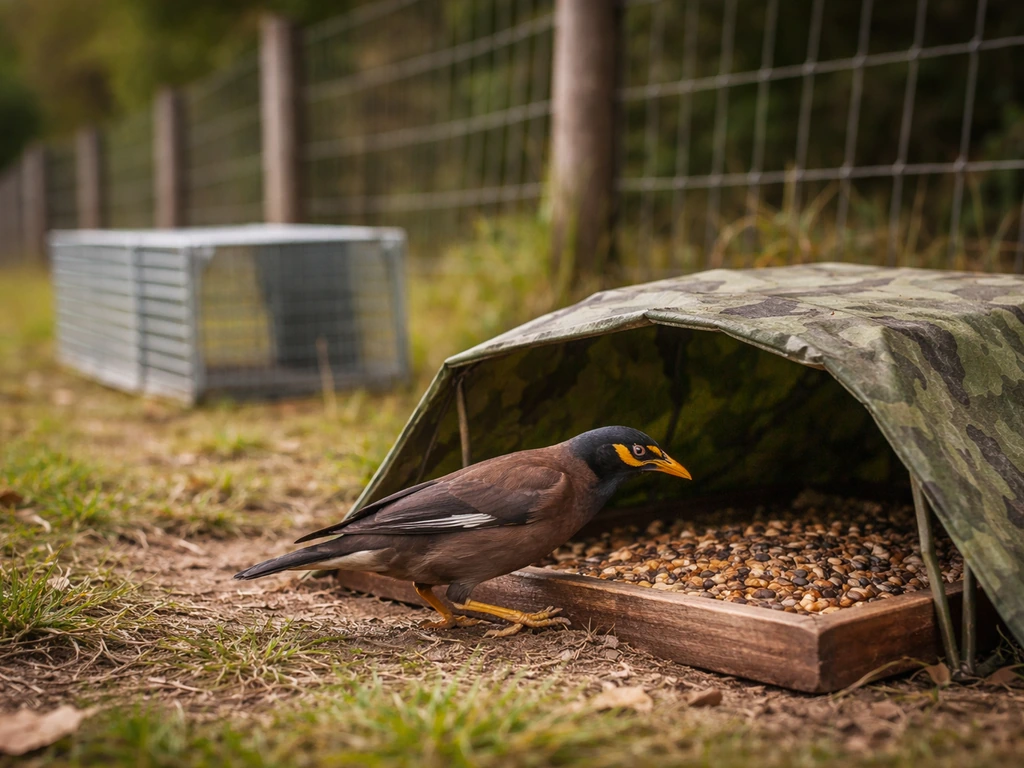
Whippoorwills are protected under the Migratory Bird Treaty Act. The blank" rel="noopener noreferrer">Migratory Bird Treaty Act (MBTA) is a U.S. federal law intended to protect migratory birds, and “take” includes pursuing, hunting, shooting, wounding, killing, trapping, capturing, collecting, or attempting to do so. That means you cannot trap, capture, collect, or intentionally harm them in any way. If you're specifically trying to catch a myna bird, avoid trapping or harming it and instead follow humane, legal wildlife guidance for your area intentionally harm them. But beyond legal compliance, there are practical ethics to keep in mind when attracting any wild bird to your property.
- Do: Observe from a distance. Whippoorwills that sense human presence will go quiet quickly, so stay still and use binoculars or a red-light flashlight (which is less disruptive than white light) if you want to watch.
- Do: Protect ground nesting habitat by marking known nesting areas and keeping people and pets away during breeding season (May through July).
- Do: Report sightings to eBird. It genuinely helps researchers track population trends for this declining species.
- Don't: Approach or attempt to handle a whippoorwill. Even a bird that appears tame or disoriented should be left alone unless it's clearly injured, in which case contact a licensed wildlife rehabilitator.
- Don't: Relocate eggs or a nest. It's illegal under the MBTA and will cause abandonment.
- Don't: Use continuous playback to force a bird to approach for photography or close observation. The stress it causes is real even if the bird doesn't visibly show it.
- Don't: Share precise nest location information publicly. Whippoorwills nest on open ground and a stream of curious visitors will cause abandonment.
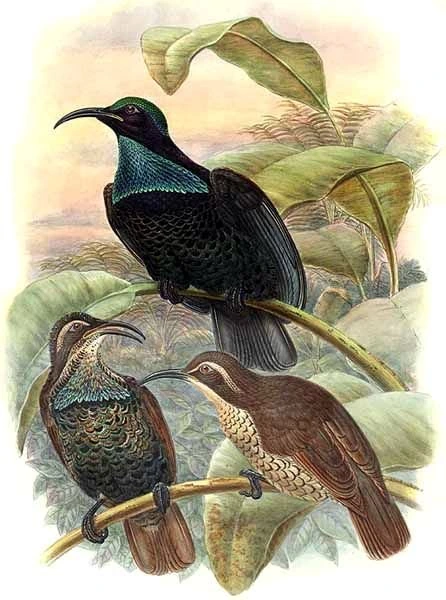
Attracting whippoorwills is really about building a quieter, darker, more insect-rich version of your outdoor space and then stepping back and listening. While whippoorwills rely on habitat and natural calls rather than elaborate courtship displays, birds like the rifle bird use visual displays and behavior to attract mates. Success sounds like that unmistakable repetitive 'whip-poor-WILL' echoing from your tree line on a warm May night, and honestly, that alone is worth every amber light bulb you swap in. If you enjoy attracting other backyard species too, the same principles around native plants, reduced pesticides, and habitat diversity that draw whippoorwills will support other birds that visit at different times of day.
FAQ
How do I know if I live in an area where whippoorwills are even likely to show up?
Check your location against their breeding range (roughly late April through August in the eastern U.S. and southern Canada). If you are west of the Great Plains or outside that seasonal range, habitat improvements may still help insects, but they are unlikely to bring whippoorwills to your yard.
Is it possible to attract whippoorwills in a suburban neighborhood with no nearby forest?
It is difficult if there is truly no wooded edge within foraging distance, because they rely on continuous forest nearby for nesting and roosting. A workaround is enhancing any existing tree line or shrub belt (dense cover plus adjacent open ground) and reducing nighttime lighting to make the edge feel natural.
What outdoor lighting changes matter most, if I can only do one thing?
Switch from cool white or blue-heavy bulbs to warm amber or red-spectrum lighting, then turn off decorative and floodlights between dusk and midnight. Motion sensors help because they prevent continuous glow that pulls insects away from normal movement patterns.
Do I need to eliminate all night lighting around my yard?
Not necessarily, but you should remove harsh, broad-spectrum sources during the first half of the night. If light spills from neighboring properties, try adding a barrier like a shrub row or a遮光 curtain on the side facing the light, because even indirect brightness can reduce calling.
How long should I wait after changing the yard before concluding it is not working?
Give it one full spring season for the first realistic sign (hearing a call). Noticeable increases in insect activity and prey abundance, which support longer-term settling, often build over 2 to 3 growing seasons.
Will planting more flowers at night help because it attracts insects?
It may increase some daytime or general pollinator insects, but whippoorwills are primarily tuned to night-flying moths and beetles. Focus more on reducing pesticide use, maintaining shaded leaf litter, and supporting native plants that sustain those specific nocturnal prey communities.
Should I leave leaf litter and brush piles even if I prefer a tidy yard?
Yes, at least in shaded woodland-edge pockets. Ground-nesting happens in leaf litter, so avoid raking it away in those areas. If you must clean, do it on a limited schedule and keep a portion undisturbed rather than clearing everything.
What types of pesticides are the biggest mistake for attracting whippoorwills?
Broad-spectrum insecticides are the most problematic because they knock down moths and beetles directly. If treatment is necessary, use targeted, minimal-impact methods and avoid systemic products that can affect insects that feed on native plants.
Can I use a bird feeder or birdbath to lure whippoorwills?
No, they do not rely on feeders or typical water setups because they hunt insects in low, open-edge habitat at night. Your best “feeding” strategy is improving insect habitat and making the area dark and sheltered enough for them to hunt comfortably.
My yard is quiet at night, but I hear barking dogs or neighbors talking. Will that stop them?
It can. Whippoorwills are vocal and active during dusk to midnight, so persistent noise or repeated disturbances near the edge may prevent settling even if insects are present. Reducing pet noise and limiting foot traffic near the wooded edge during peak hours gives them a better chance to call and stay.
Is playback ever a good idea, or should I avoid it entirely?
Playback is the lowest priority after habitat and lighting changes because it can stress territorial males, cause them to waste breeding energy, and raise ethical or legal disturbance concerns. If you do try it at all, use one brief clip on a calm night, do not loop repeatedly, and stop immediately if the bird responds.
If a whippoorwill calls from far away, how can I encourage it to come closer without playback?
Reduce every source of disturbance and light in the direction of the call, then wait for calm, moonlit nights. Also make sure there is nearby edge habitat (shrub density plus open foraging space) and undisturbed ground cover so the bird has a safe perch and roosting option if it investigates.
Do whippoorwills perch at a consistent height, and how should I prepare to observe them safely?
They often perch low in trees or on fence posts and may sally out roughly within 15 feet off the ground. For observation, use a dim red or very low light rather than a bright headlamp, since sudden bright illumination can disrupt both their foraging rhythm and your ability to track natural behavior.
What are the signs that my changes are working?
Early success is an unmistakable repetitive call from your property during warm late-spring or early-summer nights, especially on calm, moonlit evenings. Longer-term improvement includes repeated calls from similar edge locations and occasional brief perching or foraging glimpses.