
Put out ripe fruit, set up a shallow birdbath within a few feet of some shrubby cover, and place everything within clear sight of where bulbuls already perch in your neighborhood. To attract a whippoorwill, also focus on a quiet, natural patch of ground cover where insects have a chance to thrive at dusk shallow birdbath. Do those three things today and you have a realistic shot at your first visit within a week or two, sometimes sooner if bulbuls are already foraging nearby.
How to Attract Bulbul Birds: Step-by-Step Yard Guide
Clara Hayes
29 Apr 2026
Bulbul basics: what actually draws them in
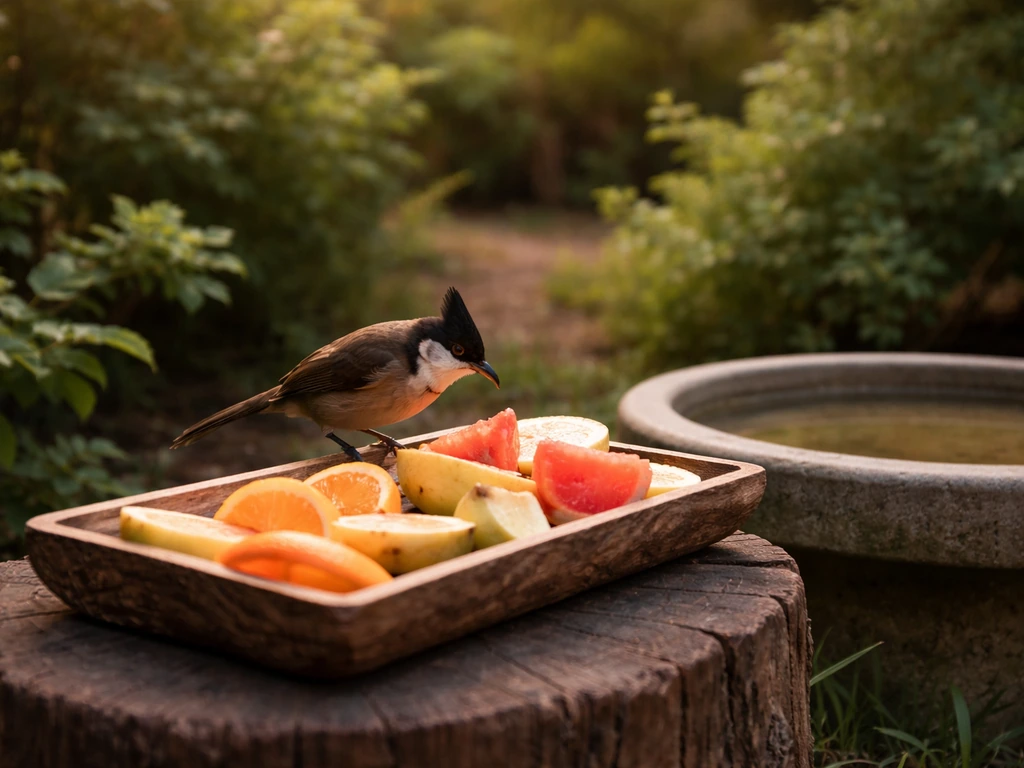
Bulbuls are adaptable, curious birds that thrive in gardens, orchards, scrublands, and forest edges. The two species most likely to visit a backyard in suburban or semi-rural areas are the red-vented bulbul and the red-whiskered bulbul, and both of them are genuinely comfortable around human habitation. They forage while perched on twigs and stems, scanning for ripe fruit, insects, flower buds, and nectar. That foraging style tells you exactly what a good bulbul yard looks like: it has food at perchable heights, not scattered on open ground, plus nearby cover to retreat to when something spooks them.
What bulbuls respond to most is a consistent, reliable combination of food, clean water, and safe resting spots. When a yard delivers all three at once, bulbuls don't just visit once. They come back regularly, sometimes in small groups once the word gets out among the local flock. A stable food supply in particular is a strong driver. Red-vented bulbuls are known to gather in large numbers wherever food is reliably abundant, so consistency matters more than variety.
Food that works: fruit, nectar, and insects
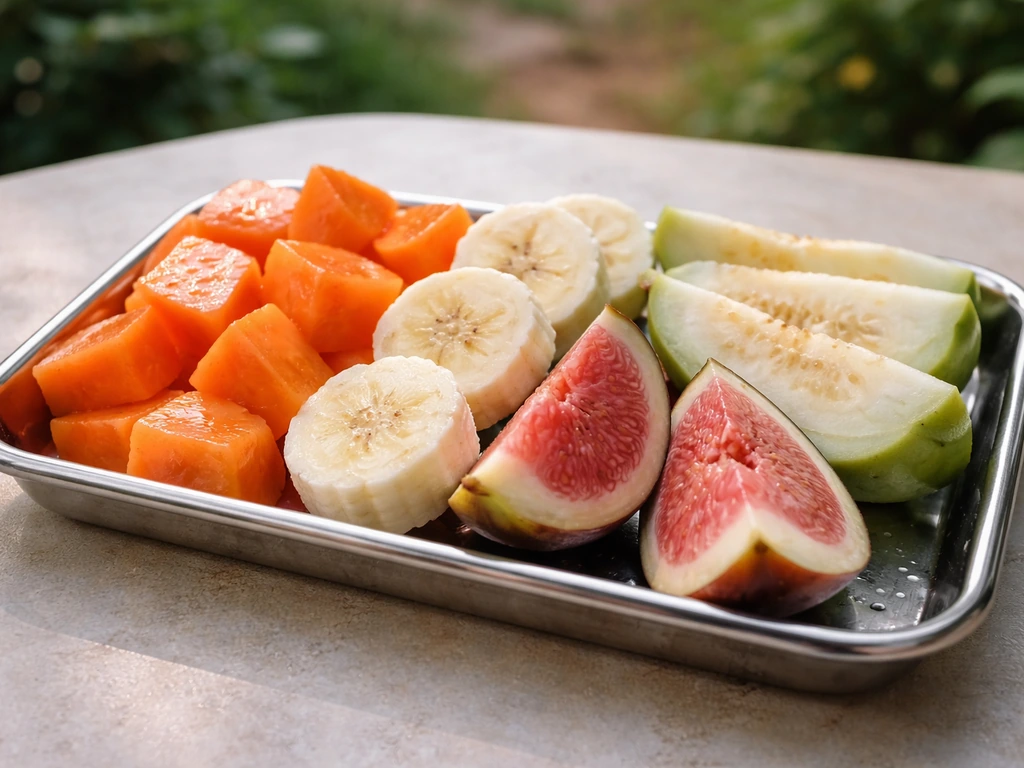
Fruit is the centerpiece of a bulbul's diet. Start with whatever is ripe and locally available. Papayas, bananas, guavas, figs, and berries of almost any kind are excellent. Slice fruit in half so the flesh is exposed and easy to peck at, and place pieces on a small platform feeder, a wooden board, or even a sturdy branch at roughly 3 to 6 feet off the ground. That height sits right in their comfortable foraging zone.
Nectar is a secondary but real attractant, especially for red-vented bulbuls, which consume nectar and pollen as a regular part of their diet. If you already have flowering plants like hibiscus, bottlebrush, or other tubular nectar-producers, those will pull bulbuls in naturally. A simple sugar-water feeder designed for nectar drinkers can also work, but you need to change the liquid every three to five days, and more often when temperatures climb, to prevent mold and fermentation. In hot weather, every two days is safer.
Insects round out the menu. You don't need to source live insects unless you want to; planting flowering shrubs that attract small insects naturally does the job. Bulbuls will snap up spiders, small caterpillars, and other invertebrates they find while moving through vegetation. Avoid using pesticides in the areas where you want bulbuls to forage. Even if pesticides don't directly harm the birds, they eliminate the insect food source and can poison birds indirectly through contaminated prey.
Feeder placement and setup tips
- Use an open platform feeder or tray at 3 to 6 feet high so bulbuls can land and perch naturally while eating.
- Place the feeder within 10 to 15 feet of shrubs or trees so birds can dash to cover if startled.
- Refresh fruit daily in warm weather; cut fruit spoils fast and moldy food will deter birds.
- Keep nectar feeders in partial shade to slow fermentation and reduce ant problems.
- Install an ant moat (a small water-filled cup) between the hanger and the feeder to block ants from reaching nectar ports.
- Add a bee or wasp guard to nectar feeders if wasps become a nuisance.
Water setup: birdbath depth, placement, and hygiene
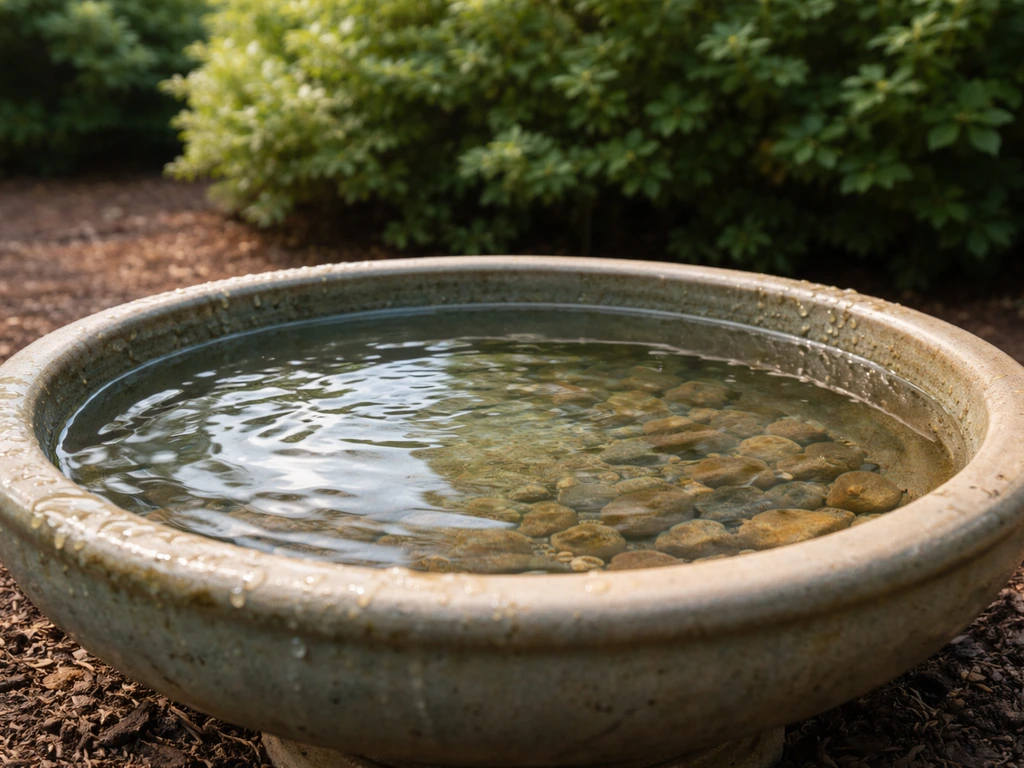
A birdbath is one of the fastest ways to get bulbuls interested in your yard. Birds need water every day, and in hot climates where bulbuls are common, a clean water source is a genuine resource. Keep the water depth shallow, no more than 1.5 to 2 inches deep at the center. Bulbuls are medium-sized songbirds and they'll use a standard birdbath, but they don't want to wade into deep water. If your bath is deeper, place a flat stone in the center so they have a safe footing point.
Position the birdbath within about 10 feet of shrubby cover so birds feel safe while bathing, but not directly under a dense canopy where cats can hide. If cats are a problem in your area, mounting the bath on a pedestal at least 3 feet high is a solid deterrent. Place it somewhere you can see it from indoors too, which makes monitoring easy and gives you a better chance of spotting your first visitors.
Hygiene is non-negotiable. Algae, mosquito larvae, and bacterial slime build up fast, especially in warm climates. Scrub the bath and refill it with fresh water at least once a week. Once a month, do a deeper clean with a diluted bleach solution (about 10 percent bleach to water), scrub thoroughly, rinse multiple times, and let it air dry before refilling. In very hot weather, check the water level daily since evaporation can leave the bath dry within 24 to 48 hours.
Shelter and perches: plants, cover, and safe landing spots
Bulbuls need perches to forage from and cover to retreat into. They nest low, typically between 2 and 8 feet above the ground in shrubs, vines, or small trees with good concealment. Even if you're not trying to encourage nesting, providing the same kind of dense, low shrubby habitat signals to bulbuls that your yard is a safe place to hang around.
Native fruiting shrubs and small trees do double duty. They provide both cover and food, which is exactly what bulbuls are looking for. Think about plants that produce small berries, have dense branching, or flower in ways that attract insects. If you have the space, a layered planting with some low ground cover, medium shrubs, and taller trees mimics the forest-edge habitat that red-vented and red-whiskered bulbuls naturally prefer.
Thorny shrubs near your feeding area add an extra layer of safety by deterring cats and other predators. Audubon specifically recommends them for this reason. Even a simple wooden perch stake near a feeder gives bulbuls a spot to land and survey the area before committing to eat. The key is making sure there's always a clear escape route in two or three directions from any spot you want them to use.
Your action plan for today
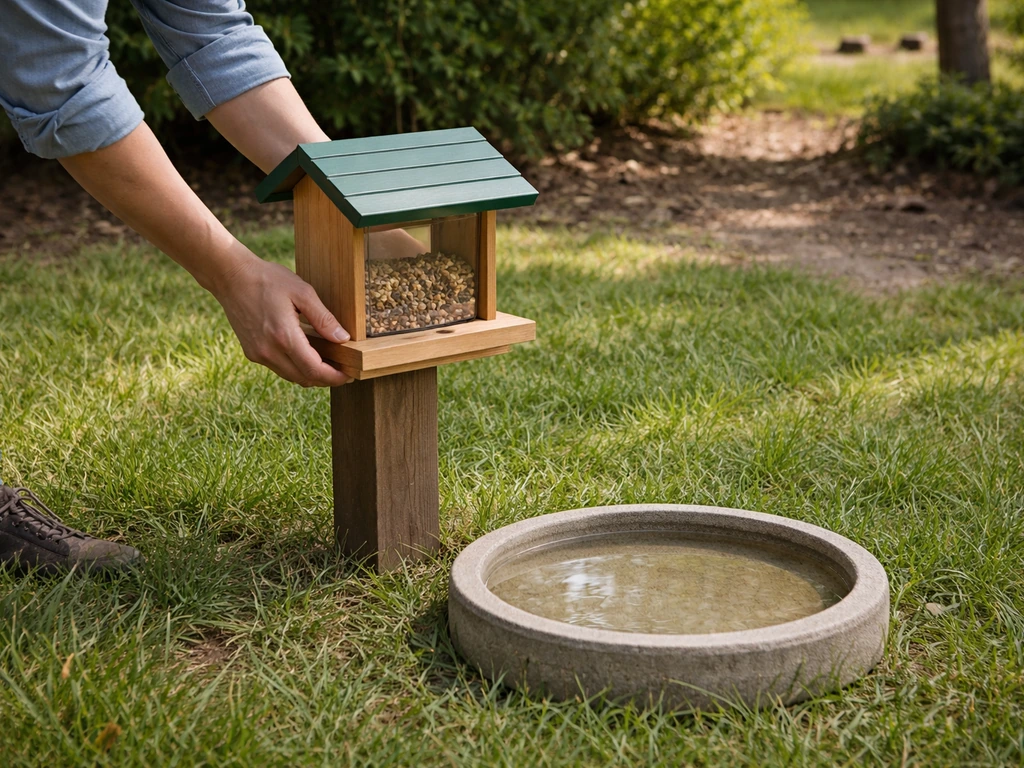
- Walk your yard and identify where bulbuls or other similar-sized birds already perch or move through nearby. That's your best target zone for feeders and baths.
- Set up a simple platform or tray feeder at 3 to 6 feet high, placed near existing shrubs or a fence line with cover within 15 feet.
- Place ripe, sliced fruit (banana, papaya, or guava works well) on the feeder. Enough for a few birds, not a pile that will rot overnight.
- Fill a birdbath with 1 to 2 inches of fresh water and position it nearby. Add a flat stone if the bath is deeper than 2 inches.
- Check for and remove any cat access points near the feeder and bath. Move feeders higher or add thorny plants around the base of pedestals if cats are present.
- Check your windows. If your feeder is within 30 feet of a large glass pane, apply window collision deterrents (patterned decals or break-up tape spaced no more than 2 inches apart vertically or 4 inches horizontally).
- Commit to daily checks for the first two weeks: refresh fruit, top up water, and remove any spoiled food.
Realistic timeline: if bulbuls are already present in your neighborhood, expect exploratory visits within 3 to 14 days. In areas with fewer bulbuls or more competition from other species, give it 3 to 4 weeks of consistent setup before adjusting your approach. Once they find the spot and feel safe, return visits become predictable, often at similar times each morning.
If you are also curious about how mate attraction works in other species, you can compare this predictable pattern to how does a rifle bird of paradise attract a mate in its own courtship context. If you're wondering how to attract blue bird, focus on offering the right food, water, and safe perches in a way that fits their natural habitat.
Common problems and how to fix them
| Problem | Likely cause | Fix |
|---|---|---|
| No visits after 2 weeks | Feeder too exposed or placed in wrong location | Move feeder closer to existing vegetation; ensure cover is within 10 to 15 feet |
| Other birds dominating the feeder | Larger or more aggressive species taking over | Use a smaller platform or tray that's harder for big birds to land on; try a second feeder in a quieter spot |
| Fruit spoiling before birds find it | Too much food put out at once or feeder too far from regular bulbul routes | Reduce portion size; move feeder closer to where bulbuls are already active |
| Ants overwhelming the feeder | No ant barrier in place | Add an ant moat filled with water between hanger and feeder; keep nectar feeders in shade |
| Wasps at nectar feeder | Sweet liquid attracting insects | Install wasp/bee guards on feeder ports; move feeder to a shadier spot |
| Mold in birdbath or feeder | Infrequent cleaning or hot weather speeding decay | Clean bath every 3 to 7 days; change fruit daily; change nectar every 2 to 3 days in heat |
| No bulbuls in the area at all | Local habitat or season doesn't support bulbul activity right now | Focus on native flowering and fruiting plants to build long-term habitat; check local birding groups for recent sightings nearby |
Humane practices and legal considerations
Attracting wild birds to your yard for observation is perfectly fine and widely encouraged. What you want to avoid is creating dependency or crossing into territory that's harmful to the birds or illegal. blank" rel="noopener noreferrer">Never attempt to trap, cage, or handle wild bulbuls. If you're wondering how to catch a myna bird, the safer answer is to never try to trap or handle wild birds, and instead use humane ways to attract them Never attempt to trap, cage, or handle wild bulbuls.. In most countries and regions, capturing wild birds without a permit is illegal, and bulbuls are no exception. The goal here is to make your yard appealing, not to take ownership of the birds.
Be mindful that supplemental feeding should complement, not replace, natural food sources. Offer foods that are appropriate for bulbuls (fresh fruit, nectar, naturally occurring insects) rather than processed foods, bread, or anything salty or sugary beyond natural fruit sugars and simple sugar water. Bread and processed foods have no nutritional value for wild birds and can cause harm. Fresh fruit and flowering plants are always the safer, more natural choice.
Window collisions are a real hazard when you start attracting birds to your yard. Homes with bird feeders experience nearly twice the number of window strikes as homes without them. Treat any large windows or glass doors within 30 feet of your feeders with visible deterrents: frosted tape, patterned decals, or external screens all work. Spacing matters: vertical stripes every 2 inches or horizontal stripes every 4 inches is the effective threshold for breaking up the reflective surface birds can't otherwise distinguish from open air.
Cats are the other major hazard. If outdoor cats (yours or neighbors') visit your yard, position feeders and baths on pedestals at least 3 feet high, place spill trays underneath to reduce ground-level food waste, and consider physical deterrent mats around the base of stands. Thorny shrubs planted strategically around feeding areas also discourage cats from crouching nearby. The goal is a setup where bulbuls can always see a threat coming and have a clear escape route.
Finally, keep your setup clean. Moldy feeders, standing dirty water, and rotting fruit create disease risks for the birds you're trying to help. A weekly scrub of the birdbath, daily fruit refresh, and a monthly deep-clean of any feeders with a diluted bleach solution is the minimum maintenance routine. It's not a big time commitment and it makes a genuine difference to whether birds stay healthy and keep coming back.
FAQ
Can I use sugar-water nectar to attract bulbuls, and how often should I change it?
Yes, but time it correctly. Place nectar feeders 3 to 6 feet off the ground near low cover, use only nectar-style sugar water (no dye), and change it more often than fruit since it spoils faster. In hot weather, replace liquid every 2 days and remove any leftover nectar after peak activity so it does not sour and repel birds.
What is the best way to keep fruit available without overripe leftovers?
If you want more consistent visits, offer food in small portions daily rather than leaving a large pile. Slice fruit and refresh pieces before they get overly ripe or attract excessive insects that signal risk. Bulbuls respond strongly to reliability, so aim for the same feeding spots and similar times each day.
Where should I place the feeder or birdbath if I have open yard space?
Avoid placing feeders where bulbuls have no escape. Keep feeding and bathing within a short distance of cover, and do not set them right in the open. A helpful rule is to ensure from each perching spot there is dense cover in at least two directions, so a bird can retreat immediately if startled.
My birdbath is shallow, but birds still do not use it. What else should I fix?
Sufficient water depth is critical, even if you have a birdbath. Keep the center shallow (about 1.5 to 2 inches) and add a flat stone for footing if needed. Also avoid baths that become muddy, since bulbuls prefer a stable, clean surface and will move on if the water looks dirty or unsafe.
How do I attract bulbuls if other birds are taking over the feeders?
If other birds are dominating the feeders, reduce competition by using feeder designs that favor perching and access, and place feeders close to cover so bulbuls can approach quickly. Also prioritize food items bulbuls favor (ripe fruit and nectar), then keep everything consistent for a few weeks before changing the setup.
What is the most effective way to prevent neighbor cats from stopping bulbuls from visiting?
Use deterrents before you add food and water. Keep outdoor cats from having line-of-sight to the feeding area, elevate stands on pedestals, and consider physical barriers like deterrent mats at the base. Thorny cover near but not blocking the approach route also helps, but make sure bulbuls still have an easy escape path.
Do I need to adjust feeder height after I see where bulbuls are landing?
Start by matching the natural perch height you mentioned in your setup, then adjust gradually. If you see bulbuls foraging higher than expected, raise fruit pieces or a platform feeder slightly. If they are reluctant, lower it closer to 3 feet and increase nearby shrub density so they can retreat quickly.
How do I maintain hygiene year-round, especially in hot weather?
Use the right scale and cleaning rhythm for the climate. In warm weather, check daily for evaporation and replace any dirty water quickly. For feeders, remove spoiled fruit and wash perches often, since sticky residues attract pests and can reduce repeat visits even when food is present.
Is it ever okay to lure or handle bulbuls for closer viewing?
Do not handle or attempt to bait bulbuls directly in a way that escalates risk, and do not use traps or cages. If you are concerned about wildlife laws, focus on habitat improvement instead (fruit, shallow clean water, perches, cover) and let birds choose the yard naturally. Any contact beyond observation can increase stress and may be illegal.
How can I reduce window collisions when I start seeing more bulbuls around my house?
Most window collisions happen near feeders and reflective doors, so fix it early. Treat nearby glass within about 30 feet with visible deterrents like decals or external screens, and keep feeders and baths away from large reflective panes when possible. After applying deterrents, monitor for a few days to confirm strikes stop.
Can I attract bulbuls if I do not want to place food directly on the ground?
You can attract them without ever leaving food on the ground. Provide fruit on a platform, board, or sturdy branch so bulbuls can perch while feeding, then place it near cover. Ground-feeding increases risk from predators and can also lead to faster spoilage.