Catching a wild bird to keep as a pet is almost always illegal in the United States and most other countries, so the honest answer is: don't do it with that goal in mind. But if you're here because a bird is injured in your yard, trapped inside your house, or sitting somewhere it clearly can't get away from on its own, there are safe and legal steps you can take right now to help it without breaking the law or hurting the bird. But if you're here because a bird is injured in your yard, trapped inside your house, or sitting somewhere it clearly can't get away from on its own, there are safe and legal steps you can take right now to help it without breaking the law or hurting the bird how to catch a loose bird. This guide walks you through exactly what to do depending on your situation.
How to Catch a Wild Bird for a Pet: Humane Steps
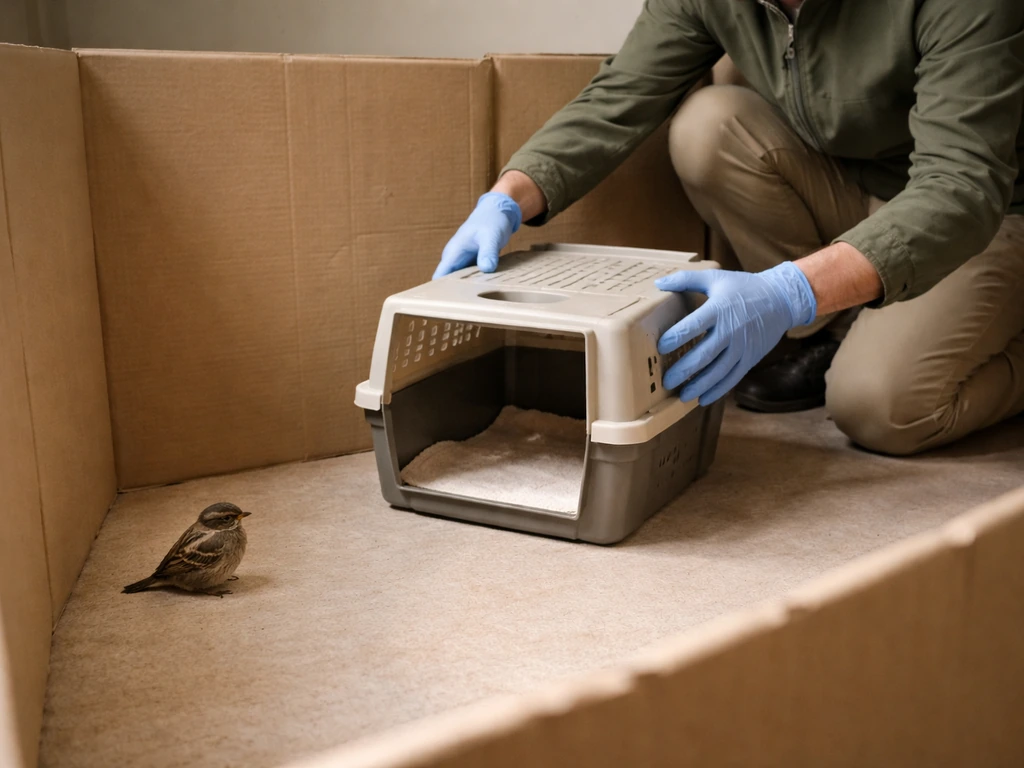
The law is pretty clear: wild birds are protected
In the U.S., the Migratory Bird Treaty Act (MBTA) makes it unlawful to take, possess, transport, or sell migratory birds without a federal permit. The list of protected species under 50 CFR 10.13 is enormous and covers the vast majority of songbirds, raptors, waterfowl, and shorebirds you'd encounter in your yard. That means robins, sparrows, finches, mourning doves, hawks, and hundreds of other species are all federally protected. Keeping one as a pet, even with the best intentions, puts you on the wrong side of federal law.
State laws add another layer. Michigan requires a DNR wildlife rehabilitation permit to possess any native wild bird, even temporarily. North Carolina allows you to hold an injured bird for up to 24 hours but only if you then surrender it to a licensed vet or rehabilitator. Kentucky requires both a state and a federal rehabilitation permit for any MBTA-protected species. The pattern is the same everywhere: ordinary people cannot legally hold wild birds long-term, full stop.
There is one important exception written into federal regulations: the 'blank" rel="noopener noreferrer">Good Samaritan' provision at 50 CFR 21.31(a). It allows any person who finds a sick, injured, or orphaned migratory bird to take temporary possession specifically to transport it to a permitted rehabilitator. You are not allowed to keep it. You are allowed to help it get to someone who can.
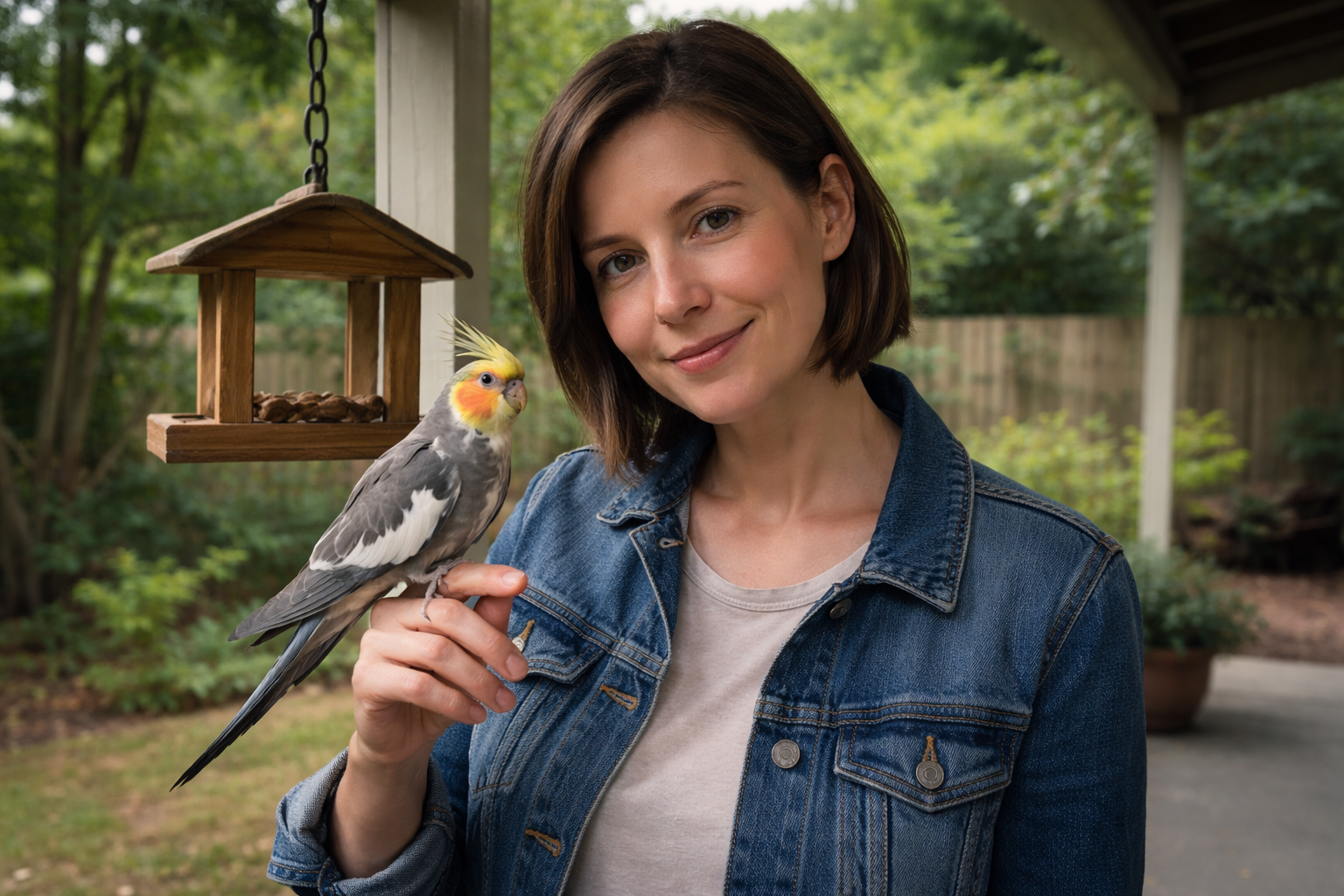
If you genuinely want a bird as a companion, the right path is to look into captive-bred, legally sold species like budgerigars, cockatiels, canaries, or domestically bred parrots. These birds are bred for life with people and will bond with you in ways a wild-caught bird almost never will, no matter how much patience you invest.
First: read the bird before you do anything else
Before you move toward any bird, spend 60 seconds just watching it from a few feet away. A bird that looks approachable is often in serious distress, and moving too fast will compound that stress and potentially cause the bird to injure itself further trying to escape. Here's what to assess:
- Is the bird able to stand upright, or is it listing to one side, sitting flat, or unable to hold its head up? Neurological or head injury is likely if it can't orient itself.
- Are the eyes open and tracking you, or are they closed or half-closed? Closed eyes in a wild bird almost always mean something is seriously wrong.
- Is it breathing with its beak open and heaving? Open-mouth breathing is a stress and respiratory distress signal.
- Are there visible wounds, blood, protruding bones, or feathers missing in patches? These indicate trauma, often from window strikes, cat attacks, or collisions.
- Is the bird panting or fluffed up even in warm weather? Fluffing while on the ground is a thermoregulation or illness signal.
- Does it attempt to fly when you take a slow step closer? A bird that can hop or flutter but won't lift off may have a wing injury. A bird that simply walks away calmly may be a fledgling (see below).
Fledglings (young birds with short tail feathers who hop on the ground) are frequently mistaken for injured birds. They're learning to fly and their parents are almost certainly nearby. The best thing you can do for a fledgling is leave it alone and keep cats and dogs away. If you have to move it out of immediate danger, gently place it in a nearby bush or on a low branch. Do not 'rescue' a fledgling that is not visibly injured.
How to get a wild bird to approach without trapping it
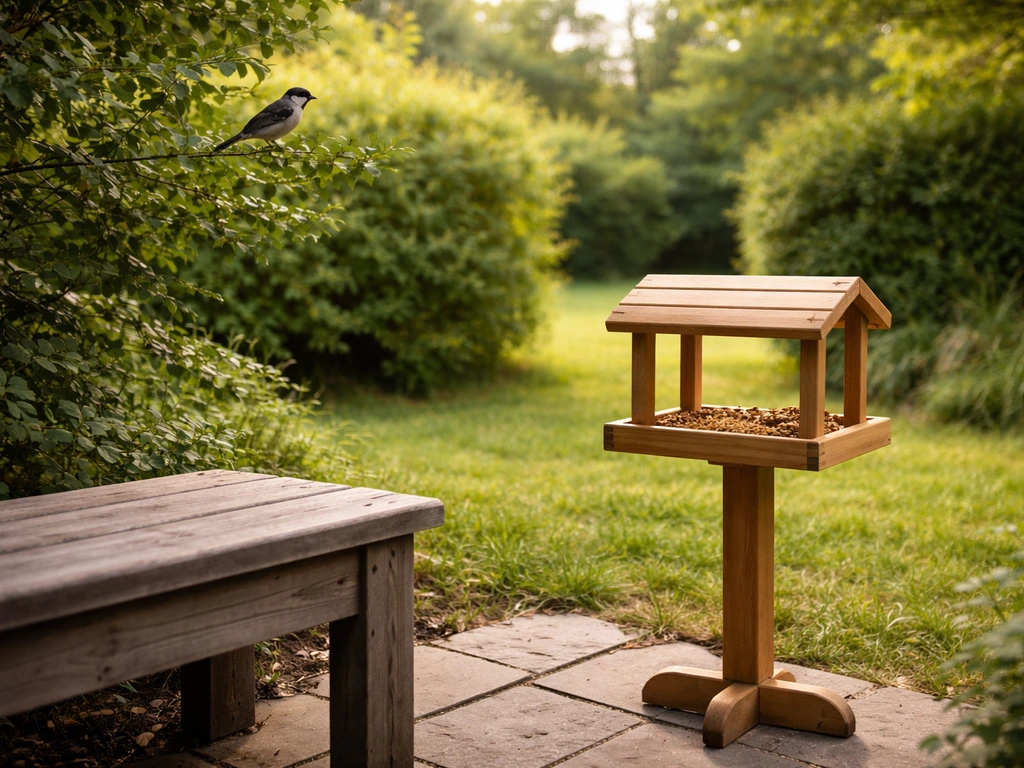
If your goal is simply to get a wild bird closer to you, perhaps one that's been visiting your yard and you'd like to observe up close, the most effective approach has nothing to do with catching. If you also need guidance on how to catch a bird outside legally and safely, follow the steps in the next section of this article catching a bird.
If you need the specific steps for how to catch a bird in your area without breaking the law, use the guidelines in this section catch a bird outside legally and safely. Wild birds respond to food, safety, and repetition. This is similar to the trust-building work involved in taming a new pet bird, just applied in an outdoor context.
- Set up a feeder station close to a spot where you can sit quietly, within 6 to 10 feet. Use species-appropriate food: black-oil sunflower seeds for finches and chickadees, suet for woodpeckers, millet for sparrows and doves.
- Sit still in that spot daily at the same time. Birds learn human routines faster than most people expect. Within one to two weeks, most backyard species will feed while you're present.
- Gradually move your chair closer, a foot or two per session. Never lean forward or make direct eye contact for long, as this registers as predatory behavior.
- Offer seeds from an open palm only after the bird is comfortable with you at 3 to 4 feet. Some species, particularly chickadees and house sparrows, will land on an open hand within a few days of consistent hand-feeding attempts.
- Never grab. If the bird lands on you, stay still. Let it leave on its own. This builds far more trust than any restraint would.
If a bird has flown into your home or garage and can't find its way out, that's a different situation entirely. Turn off lights in the room, open the largest available exit (window or door), and close off all interior doors. Birds move toward light, so darkening the room and leaving one lit exit point is usually enough to guide them out within a few minutes. Chasing the bird only exhausts it and increases injury risk. This scenario overlaps with guidance for catching a bird outside or inside a room, which is worth reading alongside this article if you're dealing with a loose bird situation.
Setting up a low-stress capture when it's actually appropriate
There are only a handful of situations where physically catching a wild bird is the right call: the bird is clearly injured and cannot get away, the bird is trapped somewhere it can't self-rescue (inside a room, inside a structure, tangled in netting or line), or you are transporting it to a rehabilitator. If you are dealing with the kind of situation people often describe as a lost bird, those legal, low-stress capture steps are still the related option, and they only apply when the bird cannot self-rescue or needs urgent transport how to catch a lost bird. If you’re dealing with an actual catch situation, focus on safe, legal capture methods for getting the bird to a licensed rehabilitator. If that describes your situation, here's how to do it without causing more harm.
Setting up the space
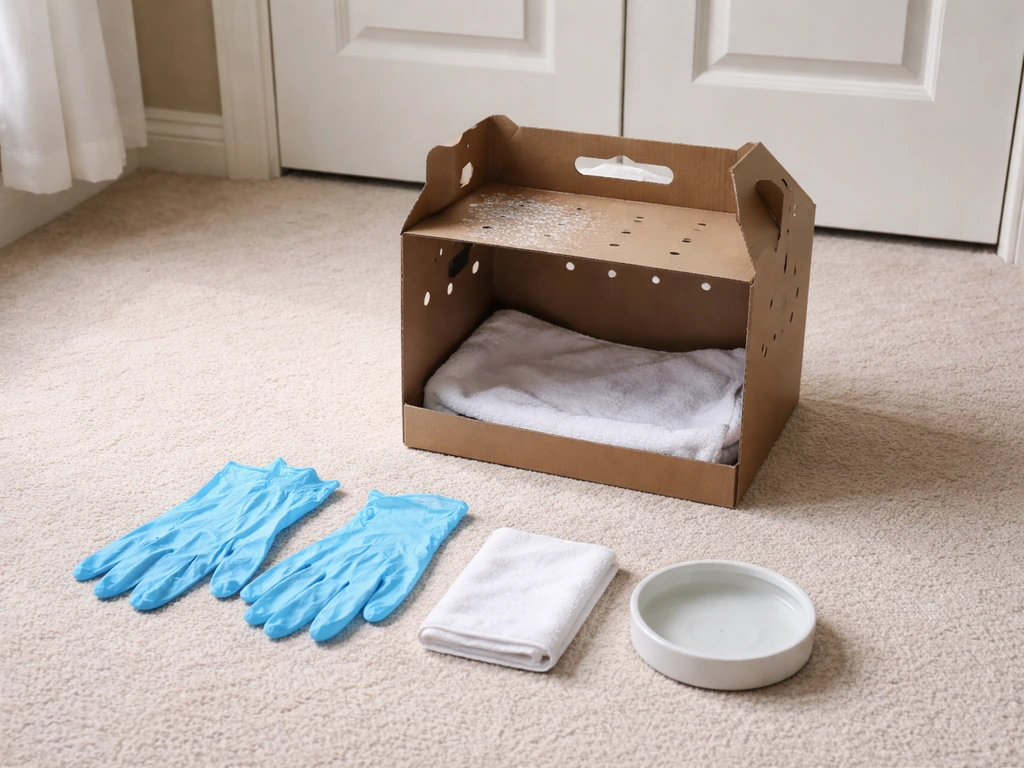
- Work in the smallest space available. If the bird is in a large room, close doors to section it off into a corner or smaller area. A bird with less flight room will exhaust itself less.
- Remove objects it can fly into or get trapped behind: fans, open fireplaces, gaps behind furniture. Clear the landing zone.
- Dim the lights if possible. Reducing visual stimulation lowers stress and slows a panicked bird's movements.
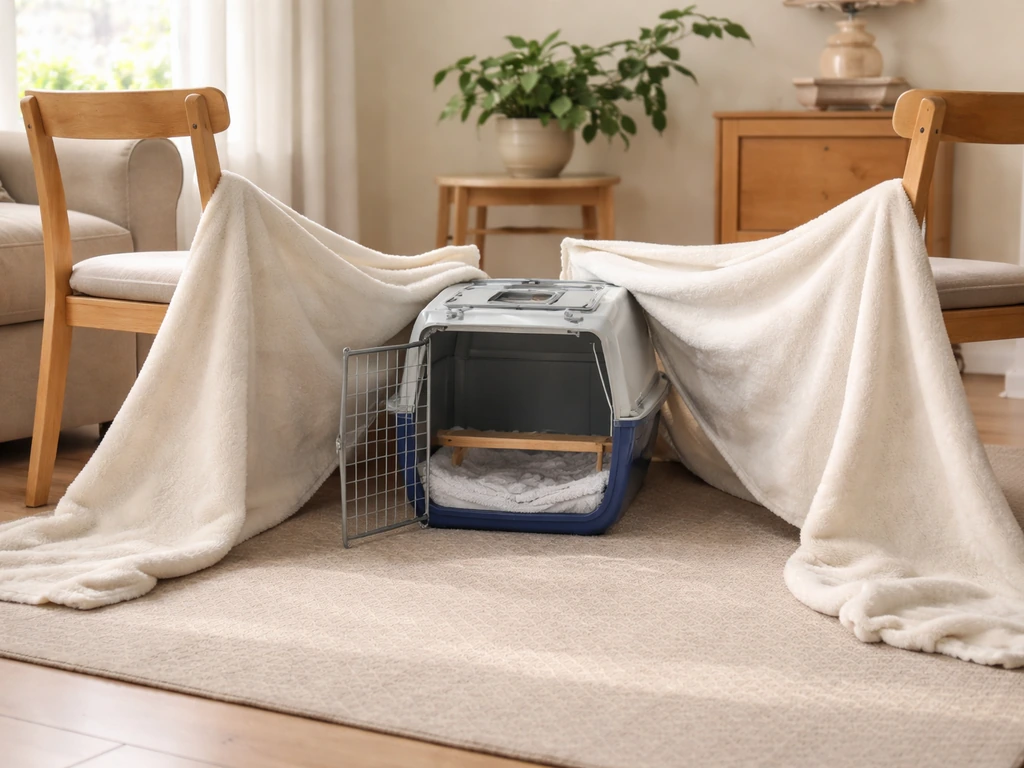
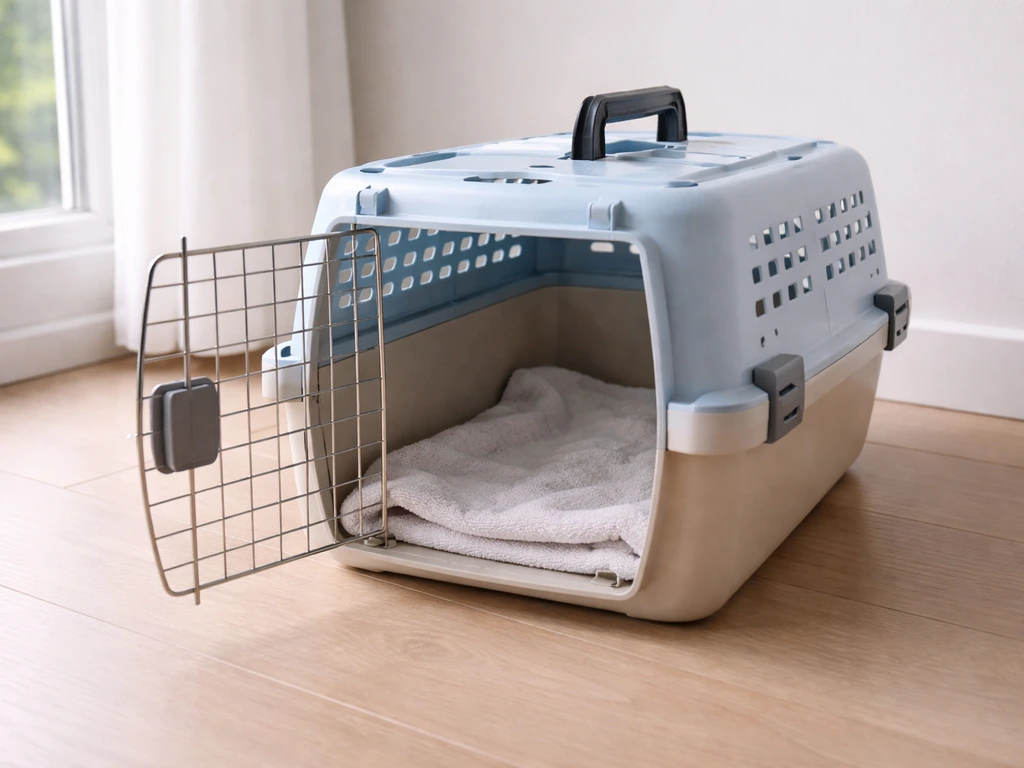
- Have your containment box ready before you try to approach: a cardboard box with a lid and small ventilation holes punched in the sides. Line it with a thin towel. Do not use a cage with wire bars for transport, as the bird will injure its beak and feathers trying to escape through the gaps.
The actual catch
- Put on a pair of thin leather or nitrile gloves. This protects you from bites and scratches and prevents the transfer of human scent oils onto the bird's feathers.
- Get a lightweight bath towel or hand towel. This is your primary tool.
- Approach slowly from the side, not head-on. Lower your body by crouching rather than leaning over the bird.
- Drape the towel gently over the bird in one calm, deliberate motion. Do not grab at it bare-handed first.
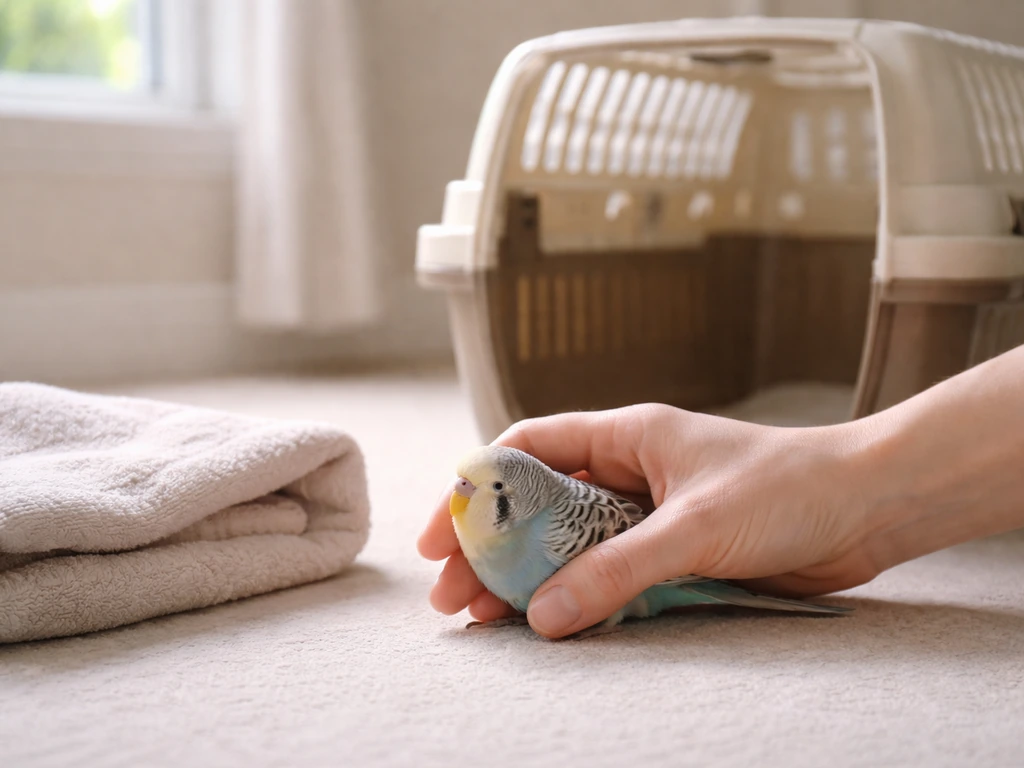
- Scoop the bird up through the towel with both hands, enclosing the wings against its body. The wings need to be held lightly against the sides to prevent flapping injuries. Do not squeeze.
- Place the bird in the prepared box immediately and close the lid. Minimize the time it's in your hands to under a minute if possible.
- Keep the box in a warm, quiet, dark place away from pets, children, and noise while you arrange next steps.
For small birds like sparrows or finches, a single large hand is often enough to gently enclose the bird once the towel is over it. If you are trying to catch a small bird as part of an emergency rescue, follow the steps for low-stress capture and safe handling until you can get help from a permitted rehabilitator how to catch a small bird. For larger birds like pigeons, crows, or raptors, use both hands firmly through the towel and be aware that raptors have powerful talons that can puncture through light gloves. For anything larger than a pigeon or any bird of prey, call a rehabilitator before attempting the catch yourself.
If the bird is injured or orphaned: call a rehabilitator now
This is the situation where the Good Samaritan provision applies. You are legally allowed to pick up an injured migratory bird and transport it directly to a licensed wildlife rehabilitator. blank" rel="noopener noreferrer">You are not allowed to hold it at home for days or attempt to treat it yourself without a permit. The fastest way to find a permitted rehabilitator near you is to call your state's fish and wildlife agency, call a local wildlife veterinary clinic, or search the National Wildlife Rehabilitators Association directory online. The National Wildlife Rehabilitators Association (NWRA) maintains a directory designed to help the public find licensed rehabilitators for injured wildlife National Wildlife Rehabilitators Association directory online.
While you're waiting or arranging transport, here's what to do according to guidance from Tufts Wildlife Clinic and standard rehabilitator protocols:
- Keep the bird warm. If it's cold to the touch or clearly hypothermic, place a heating pad set on the lowest setting under half of the box (not the whole floor, so the bird can move away from heat if needed). Put a thin towel between the heating pad and the box bottom.
- Do not offer food or water unless a rehabilitator specifically tells you to over the phone. Force-feeding is one of the most common ways people accidentally harm injured wild birds. Many species aspirate liquid easily.
- Do not handle the bird more than necessary. Check on it by lifting the lid briefly every 20 to 30 minutes to confirm it's still breathing and upright.
- Keep the box away from cats, dogs, and loud environments. Stress alone can kill an already-compromised bird.
- Write down where and when you found the bird, what it was doing, and any visible injuries. The rehabilitator will need this information.
- Do not post about the bird on social media while it's in your care. Well-meaning comments to offer food or advice can delay appropriate care.
Note that this 24-to-transport window varies by state. In North Carolina, the legal limit is 24 hours before you must surrender the bird to a licensed vet or rehabilitator. Michigan requires the permit immediately for any possession. Don't assume you can hold it for a week while you figure things out; call first and ask what the rules are in your state.
Handling basics that actually reduce harm
Whether you're moving an injured bird to a box or handing it to a rehabilitator, the way you handle it in those 30 to 60 seconds matters. Here's a practical summary of what to do and what not to do:
| Do this | Don't do this |
|---|---|
| Use a towel to cover the bird before picking it up | Grab the bird bare-handed without a towel wrap |
| Hold wings gently against the body with light, even pressure | Let the wings flap freely (causes fractures and dislocations) |
| Support the feet and keel (breastbone) from below | Hold the bird upside down or by a single leg or wing |
| Work in a small, dim, quiet space | Chase the bird around a large lit room |
| Transfer directly to a ventilated cardboard box | Place the bird in a wire cage or glass container |
| Keep handling time under 60 seconds | Hold or examine the bird for extended periods out of curiosity |
| Wear gloves for your safety and the bird's feather condition | Handle without protection, especially with raptors or herons |
Transport the box in the passenger footwell or back seat rather than in the trunk. Keep the car quiet, avoid loud music, and drive smoothly. A box sliding around in a corner while the bird panics inside causes real injury.
What trust-building actually looks like (and when it applies)
If you've arrived at this section, it's likely because you're working with a bird that's been placed in your care through a legitimate channel: you're a permitted rehabilitator, you've adopted a captive-bred bird, or you've acquired a legally kept species. Trust-building with a bird that isn't domestically raised takes patience and a realistic timeline. Here's what to actually expect:
| Phase | Timeline | What the bird does | What you do |
|---|---|---|---|
| Acclimation | Days 1 to 7 | Stays in the far corner, avoids eye contact, may not eat while observed | Limit interaction, speak softly, let the bird set the pace |
| Tolerance | Weeks 1 to 3 | Stops fleeing your presence, eats while you're nearby | Sit near the enclosure without engaging directly, offer food from increasing proximity |
| Curiosity | Weeks 3 to 8 | Begins approaching the enclosure edge, may chirp or vocalize at you | Introduce hand-feeding, move slowly, avoid direct stares |
| Comfort | Months 2 to 6+ | Steps onto a perch or hand voluntarily, reduces stress vocalizations | Consistent short sessions daily, reward calm behavior with preferred food |
| Trust | Months 6 and beyond | Seeks interaction, shows relaxed body posture, may preen near you | Maintain routine, expand handling gradually, respect signals to stop |
These timelines are longer for wild-origin birds than for captive-bred species. A captive-bred cockatiel may reach the comfort phase within two to four weeks. A wild bird in a rehabilitation scenario, even one being socialized for an education permit, may take six months to a year to tolerate close handling without extreme stress. Some never do, and for those birds, life in a quiet, appropriately sized enclosure with minimal handling is genuinely the most humane outcome.
The key signals that trust is building are subtle: a bird that looks at you with one eye (relaxed scanning) rather than both eyes wide open (threat response), a bird that fluffs briefly and then smooths its feathers when you enter the room (brief alert, then calm), or a bird that continues eating when you approach rather than freezing. These are the behaviors to watch for, not dramatic gestures like flying to your shoulder on day three.
Quick decision guide: what's your situation right now?
Use this to figure out which path applies to you today:
- Bird is in your yard, appears healthy, and can fly: Do not attempt to catch it. Enjoy it from a distance. Set up a feeder if you want it to return.
- Bird is a fledgling on the ground with no visible injury: Leave it alone. Remove pets from the area. The parents are nearby.
- Bird has flown into your house or garage: Darken the room, open one exit, step back, and wait. Do not chase.
- Bird is on the ground, cannot fly, has visible injury: Towel-wrap gently, place in a ventilated cardboard box, keep warm, and call a wildlife rehabilitator immediately.
- Bird appears sick (closed eyes, open-mouth breathing, unable to stand): Same as above. Time matters more with illness than injury. Call first, handle second.
- You want a pet bird: Contact a reputable breeder or rescue organization for a captive-bred species. Budgies, cockatiels, canaries, and lovebirds are excellent starting points and legal everywhere in the U.S.
The goal in almost every wild bird encounter is the same: minimize your involvement, minimize the bird's stress, and get it back to its natural environment or into qualified professional hands as quickly as possible. That's the most humane outcome, and it's the legal one too.
FAQ
Do I need a permit to hold an injured wild bird overnight while I look for help?
In most U.S. cases, you do not have blanket permission to keep migratory birds at home. The federal “temporary possession” allowance is meant to move the bird to a permitted rehabilitator, so ask the rehabilitator you plan to contact whether you can wait and for how long in your state. If your state requires an immediate permit for possession, waiting overnight may already be noncompliant.
What if the bird is not moving, but I cannot tell if it is injured or just exhausted?
Treat “unable to escape” as the key factor, not whether you can see a wound. If it appears unable to get away, keep cats and dogs away, reduce disturbance, and contact a rehabilitator for guidance before attempting to hold it. Many birds need only safety and time, but the fastest way to avoid illegal possession is to call first and follow their handling instructions.
Can I keep a wild bird in a cage temporarily to “calm it down” before releasing it?
Generally, no for migratory species. Even short-term keeping at home for your convenience can be considered possession under federal rules. The safer approach is to contain the bird’s movement only to prevent harm, then transport it directly to a permitted rehabilitator if it needs help, or return it to the wild once it can escape on its own.
Does the law differ if I found a bird outside my yard, like on the sidewalk or in a park?
The location does not remove federal protections for migratory birds. Whether you found it on private property or public land, you typically still cannot keep or transport it as a pet, except under the narrow “help it to a permitted rehabilitator” pathway. If it is trapped somewhere, the goal is the same, minimize stress and get it to the right licensed person.
What should I do if a bird’s wing looks broken, but it is still able to hop or fly a little?
If the bird can still escape, it may be able to recover without you taking it. Watch from a few feet away and look for repeated signs of distress (unable to get off the ground, obvious inability to regain height, ongoing entanglement). If it cannot self-rescue or seems to be deteriorating, contact a rehabilitator immediately and follow their capture and transport advice.
Can I bring the bird to a wildlife center that is not a licensed rehabilitator?
You should assume you may need to deliver it specifically to a permitted rehabilitator or a facility that is authorized to receive migratory birds. Before you transport, call the facility and ask whether they are permitted to accept that species and whether they want you to bring it immediately or wait. This avoids driving it long distance only to be turned away.
If the bird is a dove, sparrow, or pigeon, are they still protected like other songbirds?
Yes, many common backyard species are included among protected migratory birds. The practical takeaway is to avoid treating any wild bird as “probably legal to keep.” If you are unsure, handle it as protected and use the permitted-help route (call a rehabilitator first).
How do I safely transport the bird if I cannot drive straight there?
Minimize transport time, keep the car quiet, and secure the container so it cannot slide. Avoid trunk storage, where movement and temperature swings can add stress. If delays are unavoidable, tell the rehabilitator your expected arrival time so they can confirm whether you are within your state’s allowable window for possession before transfer.
What’s the difference between a fledgling and an injured nestling when it comes to “catching”?
Fledglings typically have more developed tail feathers and are often hopping on the ground while parents remain nearby, so rescuing them can reduce their chance to learn. Nestlings look less developed and may truly need assistance, but you still should verify the situation by contacting a rehabilitator or wildlife hotline before handling. The safest decision aid is whether the bird can survive without being picked up, not just its appearance.
If I want a bird companion, can I legally buy a wild-caught bird from someone?
In many cases, selling or possessing migratory birds without the right federal and state permits is unlawful, even if the bird is already alive and you “just want to keep it.” The reliable path is purchasing captive-bred species from reputable sources that provide legal documentation, and avoiding any purchase described as wild-caught.
Is it okay to try to “catch and release” quickly so it escapes unharmed?
Sometimes you can help without capturing for possession by improving access and reducing stress, especially if the bird can still get away when given a clear route. However, if it is injured or trapped such that it cannot self-rescue, quick handling may be necessary only to transport it to a permitted rehabilitator. If you find yourself having to cage it to “work on it,” stop and contact the proper professional.