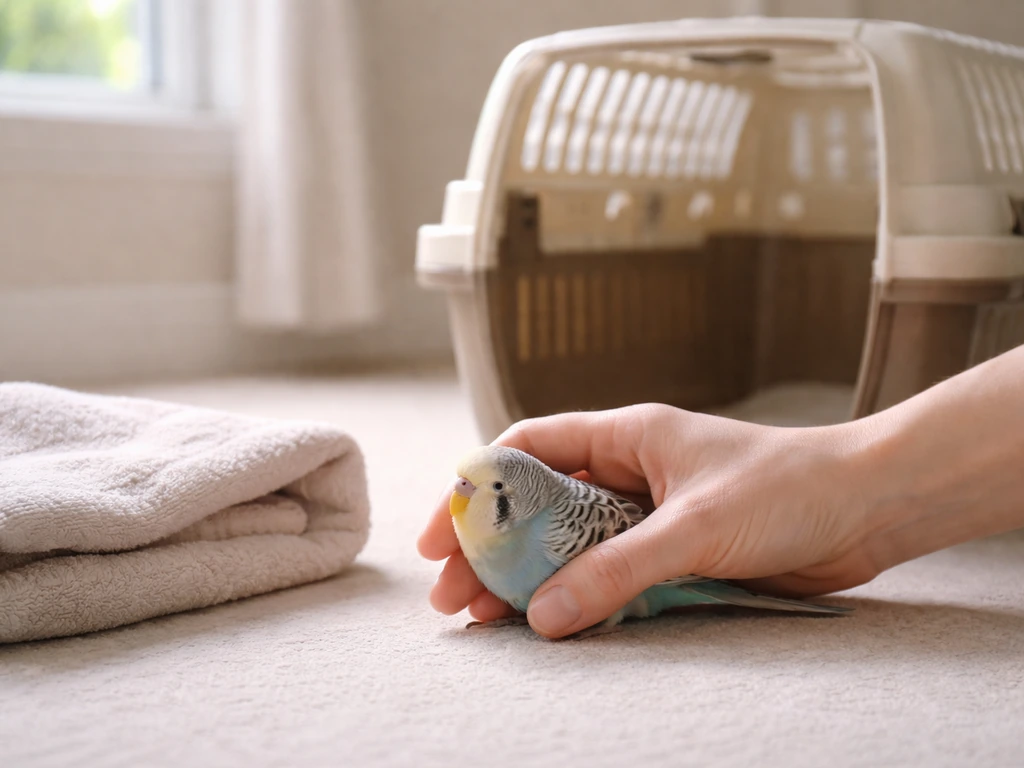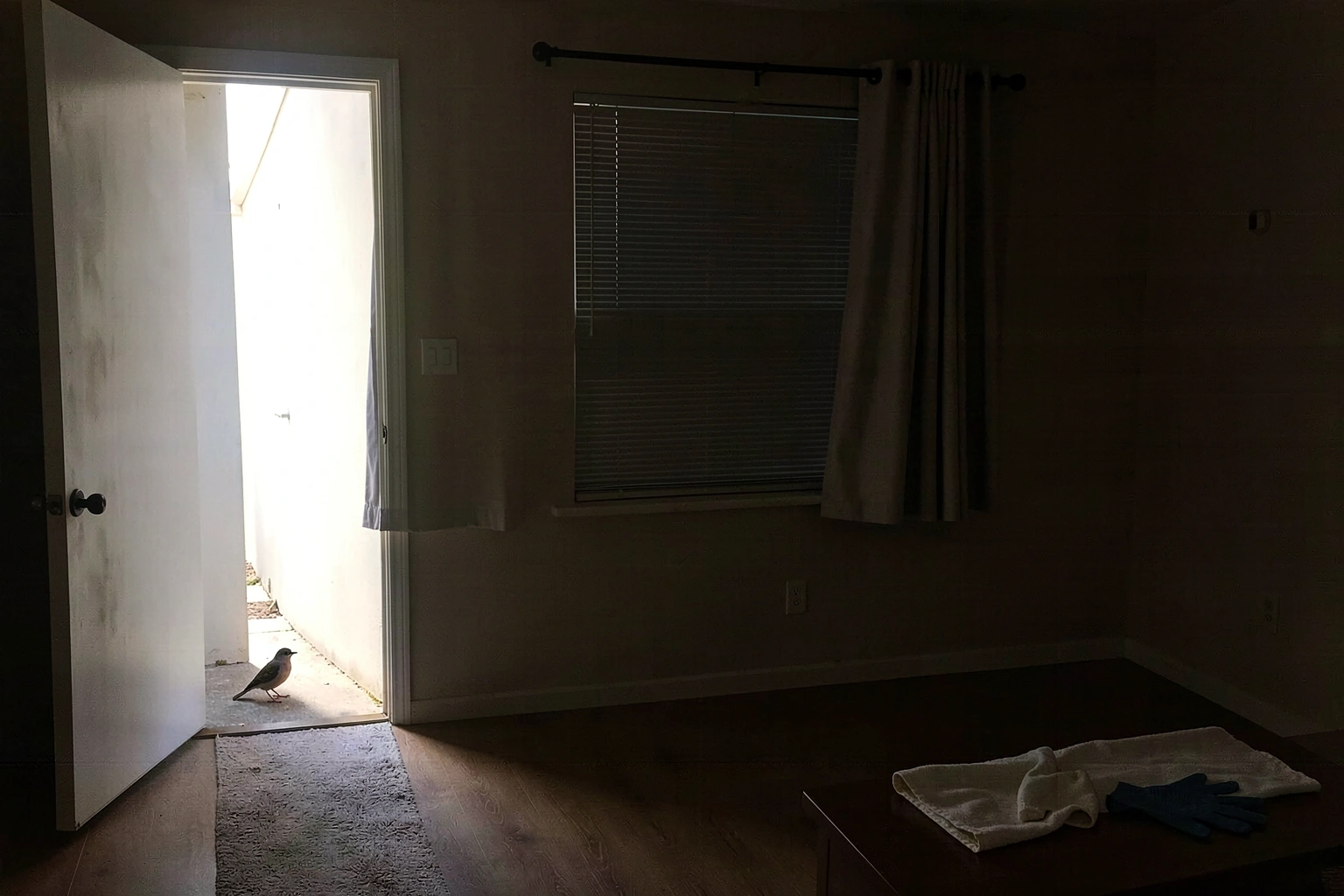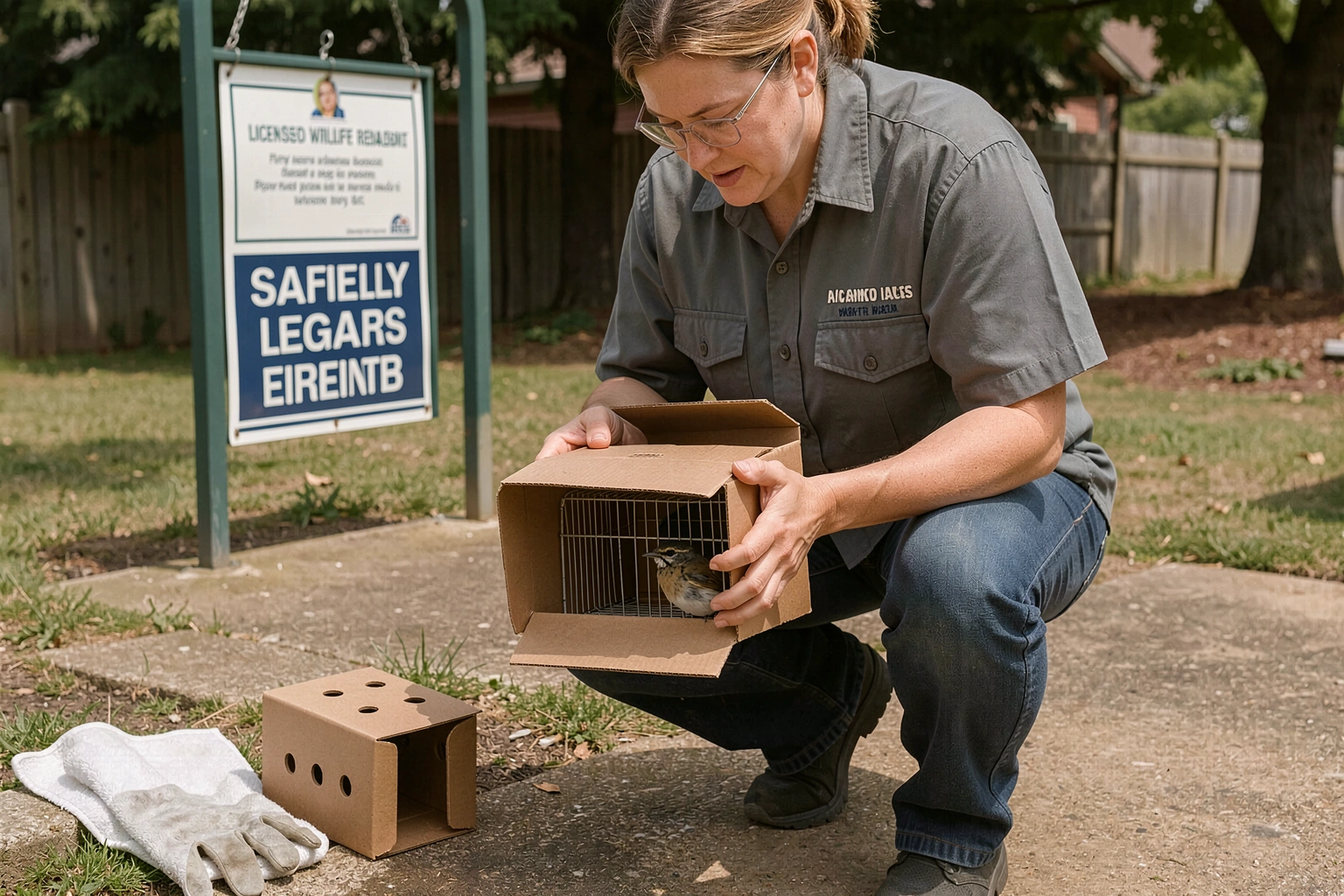
The safest, most effective way to catch a small bird, whether it is a wild bird in your yard or an escaped pet, is to slow everything down, reduce stimulation, and use the bird's natural behavior to guide it rather than chase it. Chasing almost always makes things worse: it spikes the bird's stress hormones, causes collisions with windows or walls, and can result in broken feathers, fractured bones, or a bird that simply disappears. This guide covers both the wild-bird rescue scenario and the escaped-pet scenario, because the core principles overlap even though the tactics differ.
How to Catch a Small Bird Humanely and Safely Step by Step
Clara Hayes
14 Apr 2026
Before you try: safety, legality, and ethics
Before you touch anything, take thirty seconds to think through three things: your safety, the bird's legal status, and whether you actually need to catch it at all.
Your personal safety matters more than people expect. Small birds can scratch and bite, and even a sparrow's beak can break skin. Feather dust and dander can trigger allergies or respiratory reactions, especially indoors. Wear thin nitrile gloves when handling any wild bird, and wash your hands thoroughly afterward. Keep your face away from the bird's beak, especially if you are holding it close to your body.
On the legal side: in the United States, almost every wild bird you will encounter in a yard or neighborhood is a migratory species protected under the Migratory Bird Treaty Act. blank" rel="noopener noreferrer">Capturing, possessing, or transporting one, even with the best intentions, requires either a federal permit or a state wildlife rehabilitation permit. Many states require both. Michigan, for example, blank" rel="noopener noreferrer">requires a DNR wildlife rehabilitation permit to capture, transport, house, or treat any native wild bird, and federally protected species may require additional federal authorization. Washington state requires a WDFW permit to practice wildlife rehabilitation, and that permit does not exempt you from complying with other state, federal, county, or city laws. North Carolina further requires rehabilitators to hold a federal rehabilitation permit before they can even obtain a state license for songbirds, raptors, or waterfowl. A limited exception exists in some states: West Virginia law, for instance, allows a private citizen to capture and transport injured or orphaned wildlife without a permit, but only to transport it directly to a permitted rehabilitator or licensed veterinarian, and only after contacting that entity first to confirm they can accept the animal. The point is: your goal should be to secure the bird and hand it off, not to keep it. If you are curious about the broader question of whether you can catch a wild bird and keep it, the short legal answer is almost always no without the proper permits.
Ethically, ask yourself whether the bird actually needs help. A bird sitting quietly on the ground after flying into a window may just be stunned. Give it 20 to 30 minutes of undisturbed space; most will recover and fly off. A bird that is flopping, cannot hold its head up, has a visibly broken wing, or has been sitting in the same spot for hours is genuinely in trouble. A nestling on the ground may simply have fallen from a nest that is still close by. The ethical approach is minimal intervention: if the bird does not need you, leave it alone.
Identify the bird: species and behavior cues
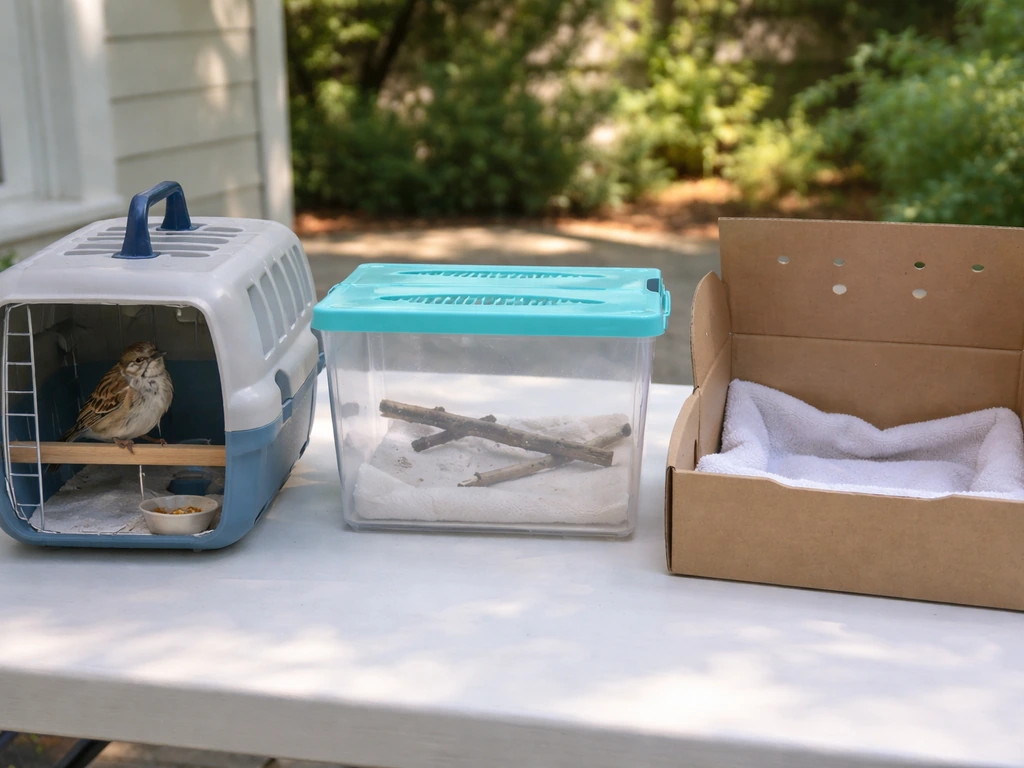
Knowing roughly what kind of bird you are dealing with tells you a lot about how it will respond and what technique will work. Small birds generally fall into two categories for catching purposes: wild passerines (sparrows, finches, wrens, warblers, and similar small songbirds) and companion birds (budgies, cockatiels, finches kept as pets, lovebirds, and small parrots). Their behavior under stress is completely different.
Wild passerines are fast, highly reactive, and have almost no trust of humans. Their instinct is to flee at the slightest movement. A wild house finch or song sparrow will burst into flight the moment you get within several feet. If it is grounded and not flying away, that is actually a strong signal that something is wrong, which changes your approach significantly.
Escaped companion birds like budgies and cockatiels have varying degrees of human-trust depending on how tame they are. A hand-raised budgie that escaped yesterday may still respond to its owner's voice or a familiar perch. A bird that has been loose for days starts reverting to more wild instincts and becomes harder to approach. Watch for behavioral cues before you move: is the bird alert and actively trying to flee, or is it sitting still and looking confused? Is it calling out? Does it react to your voice? These cues tell you which playbook to use.
For any bird you cannot identify confidently, treat it as a wild bird from a legal and safety standpoint. If you are in the middle of figuring out a situation that goes beyond what this article covers, the broader guide on how to catch a wild bird goes deeper into species-specific field techniques.
Humane ways to get a small bird to come closer
The best catch is one where the bird more or less cooperates. That sounds optimistic, but it is genuinely achievable, especially with escaped companion birds and with wild birds that are too weak or injured to flee aggressively.
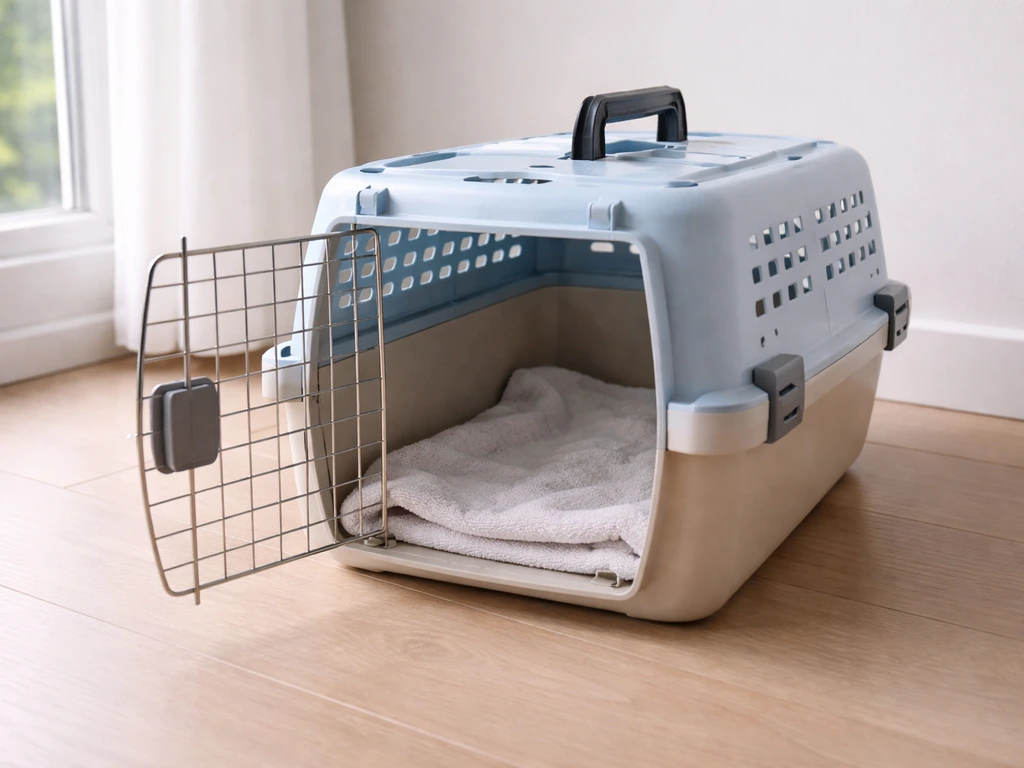
For an escaped pet bird, start with food. Millet spray is almost irresistible to budgies, cockatiels, and finches. Hold it still at arm's length and wait. Do not move toward the bird; let the bird move toward you. If the bird was hand-trained, offer your finger at a low angle (below the bird's feet, not above) and say its name calmly. You can also place a familiar cage or carrier on the ground near the bird with the door open and food visible inside. Many birds will walk straight in on their own if you simply leave and give them a few minutes of quiet.
For a weak or grounded wild bird, you can often reduce the need to physically grab it at all by placing an open container (a small cardboard box or pet carrier) near the bird and then using your body, held low and still, to gently block escape routes. The bird may hop or walk into the container without any direct handling. Attracting with food works for some wild species too, particularly birds that regularly visit feeders and are accustomed to human proximity.
The key principle across both scenarios is to create a predictable path toward the container, not toward you. Move slowly, keep low, and eliminate other distractions or stressors. Turn off TVs, ask other people to leave the room, and if you are outdoors, ask bystanders to step back. A quiet, calm environment dramatically improves your odds.
Setting up a catch without harming the bird
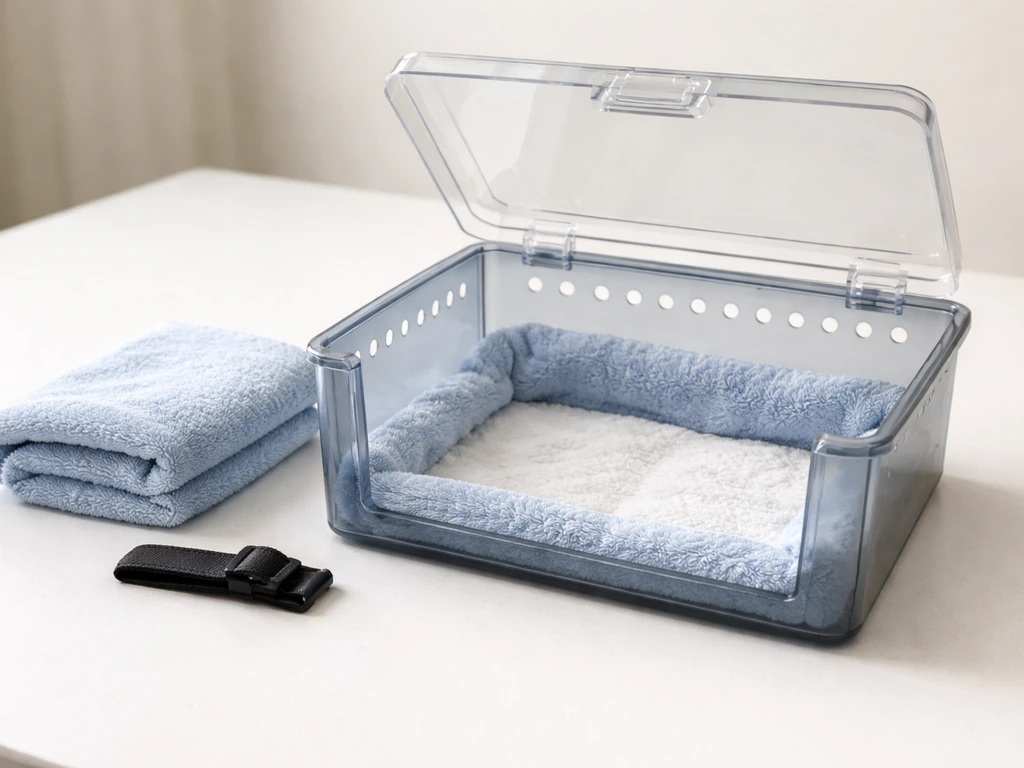
The right containment setup makes the difference between a stressful, risky grab and a controlled, calm capture. Choose your container before you start moving around the bird.
Container options compared
| Method | Best for | Key advantage | Watch out for |
|---|---|---|---|
| Small pet carrier with perch | Escaped companion birds | Familiar, less stressful; bird may enter on its own | Bird may hesitate if carrier is unfamiliar |
| Cardboard box (ventilated) | Wild birds; stunned or injured birds | Dark interior calms the bird quickly; easy to source | Cut ventilation holes before use; do not seal completely |
| Paper bag (ventilated) | Very small wild birds; emergency capture | Lightweight, non-threatening, easy to contain | Must add ventilation holes; not for long holds |
| Towel drape | Last resort for companion birds; resistant wild birds | Controls wings without a container | High stress if done wrong; requires correct technique |
| Funnel/one-way enclosure | Yard birds; birds trapped in a room | Bird guides itself in; minimal human contact | Requires setup time; must be checked frequently |
For wild birds, line the bottom of your box or carrier with a paper towel or small towel to prevent slipping, which itself causes panic and injury. The Hawaiʻi Audubon Society recommends a simple paper bag with ventilation holes punched in the sides and a paper towel on the bottom as a perfectly adequate emergency container for small birds. It works because it is dark, it contains the bird's movement, and it is easy to close quickly. Keep the container in a warm spot away from air conditioning drafts, direct sun, and noise.
For room-trapped birds, reduce light first. Darkening the room by closing blinds and turning off bright lights significantly reduces a bird's flight response and panic, making it much easier to guide toward an open door or window. This is a well-documented principle in animal handling: lower light levels calm birds and reduce the likelihood of them launching into repeated collision attempts against glass.
If the bird is in your yard and you have time, a funnel-style temporary enclosure using garden netting, a laundry basket propped with a stick, or a dog crate with a propped door can work well. Bait it with seed and check it every 15 minutes. These passive setups reduce the stress of human presence entirely.
Step-by-step catching process
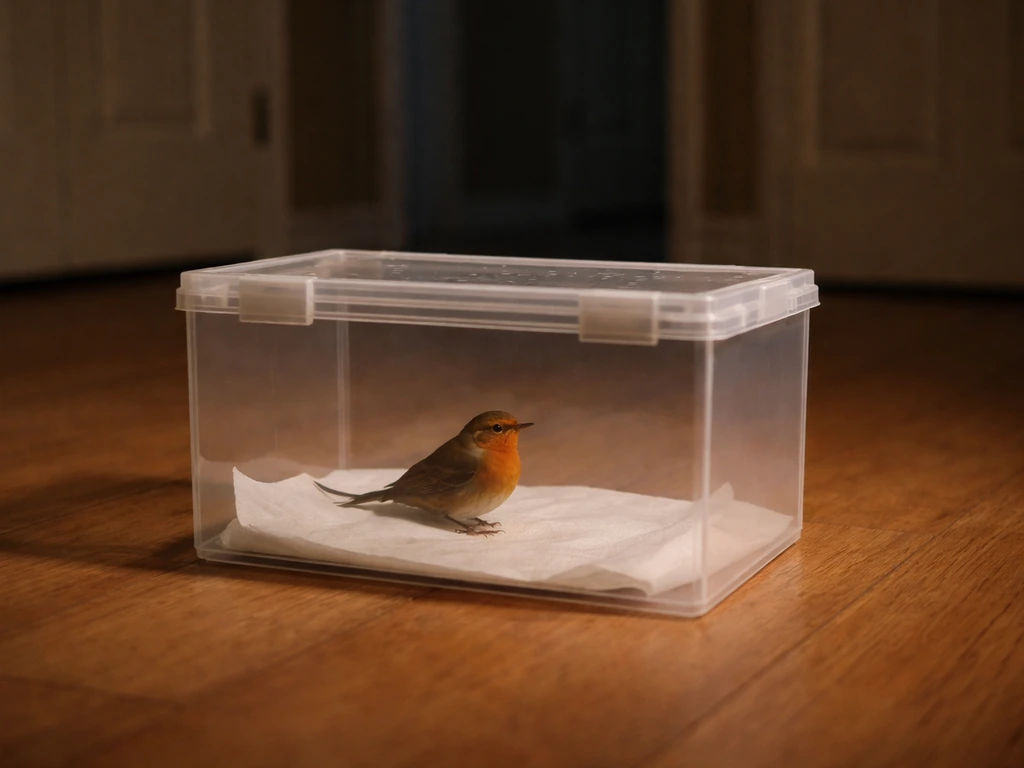
Once your container is ready and you have observed the bird long enough to understand its behavior, here is the process to follow:
- Reduce stimulation first. Close doors to limit the bird's escape routes. Lower the light level if you are indoors. Ask anyone else in the space to leave or stand still.
- Move in slowly and diagonally, never directly toward the bird. Straight-line approaches trigger the strongest flight response. Come in at an angle, crouch down to reduce your apparent size, and move in short pauses rather than continuously.
- Position your container opening toward the bird, not your hands. Slide the box or carrier along the floor or ground rather than holding it overhead. You want the bird to see the container as a shelter option, not as a threat.
- Use your body as a gentle barrier. Spread your arms or use a piece of cardboard held low to the ground to close off one side without lunging. The goal is to guide, not to herd. If the bird panics and launches, freeze and wait for it to land again before resuming.
- Wait for the right moment. The best moment to complete the catch is when the bird is low to the ground, facing away or distracted by food, and not actively moving. Patience here saves you multiple failed attempts.
- For a direct towel catch (only if necessary): drape the towel over the bird in one smooth, confident motion. Do not slap or throw it. Once the bird is covered, gather the towel gently around it with both hands, keeping the wings against the body. Move the bird into the container immediately. Do not hold the towel bundle in the air longer than you need to.
- Secure the container and step back. Give the bird two to three minutes of undisturbed quiet before doing anything else.
Troubleshooting common problems
- Bird won't come close: Stop moving entirely and wait 10 minutes. Reduce noise and other people. Place food near the container and leave the room if possible.
- Bird keeps flying to windows: Cover windows with sheets or towels to remove the visual illusion of open space. Lower the light level in the room.
- Bird lands high and won't come down: Do not climb after it. Lower all light sources and wait; birds almost always descend as light drops. A familiar food smell at ground level helps.
- Bird panics repeatedly and crashes: Stop the attempt. Dim the room fully, place the open container on the floor with food inside, and leave completely for 20 minutes.
- Bird hides in a corner or under furniture: Use a large piece of cardboard as a gentle barrier rather than reaching in. Slide the container opening toward the bird from the front.
- Escaped bird has been loose for days: The bird may have reverted to more skittish behavior. Treat it more like a wild bird than a pet. Focus on food-luring and passive trapping rather than direct approach.
If you are dealing with a bird that got out of the house and is now somewhere in the yard, the specific outdoor environment brings additional challenges worth reading about. The guide on how to catch a bird outside covers outdoor-specific tactics in more detail, including dealing with trees, fences, and open spaces where birds have far more escape options.
After you have it: handling, settling, and checking for injuries
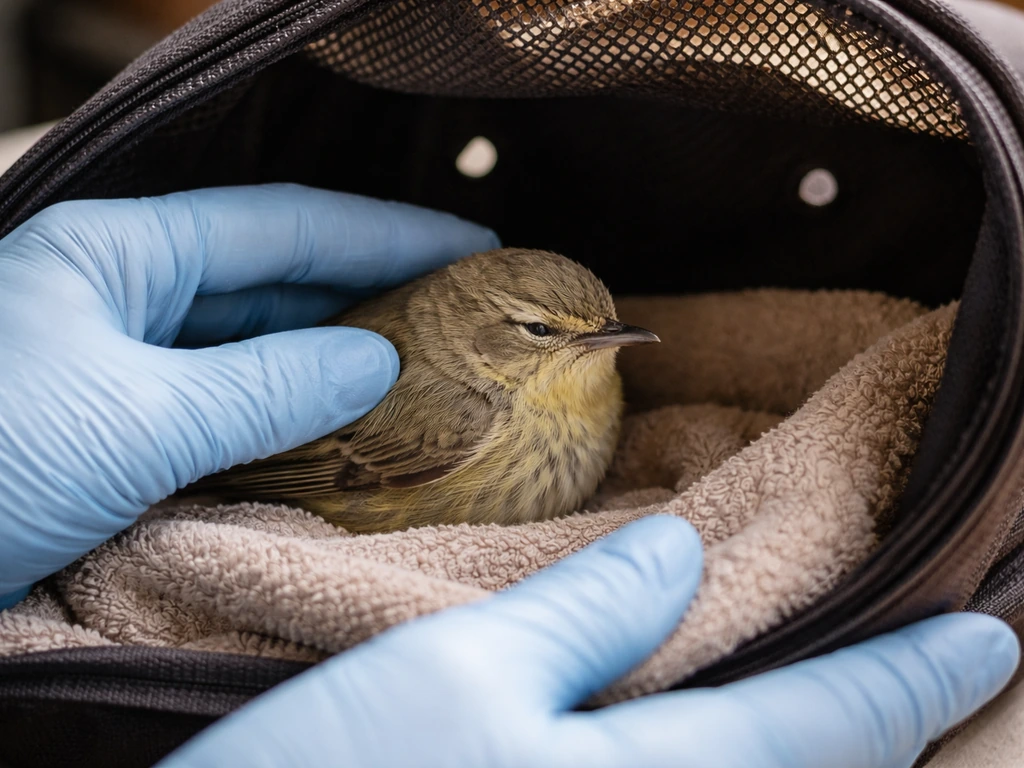
The first few minutes after capture are critical. The bird is stressed and potentially injured, and your job is to reduce that stress as quickly as possible.
How to hold a small bird safely
If you need to hold the bird directly rather than immediately placing it in a container, use the "photographer's grip": place the bird in one hand with its back resting in your palm, your index and middle finger loosely on either side of its neck (not squeezing), and your other fingers gently wrapping around the wings to keep them folded against the body. Support the feet and legs with your other hand. Hold the bird at waist level and away from your face. Never grip around the chest tightly, as birds breathe using their chest muscles and squeezing can suffocate them within seconds.
When using a towel, the principle is the same: keep the wings held against the bird's body, support the legs with one hand, and hold the bird at waist level rather than near your face or near other people. Towel restraint done correctly is low-stress; done incorrectly, it is one of the most stressful things you can do to a bird.
Quick injury assessment
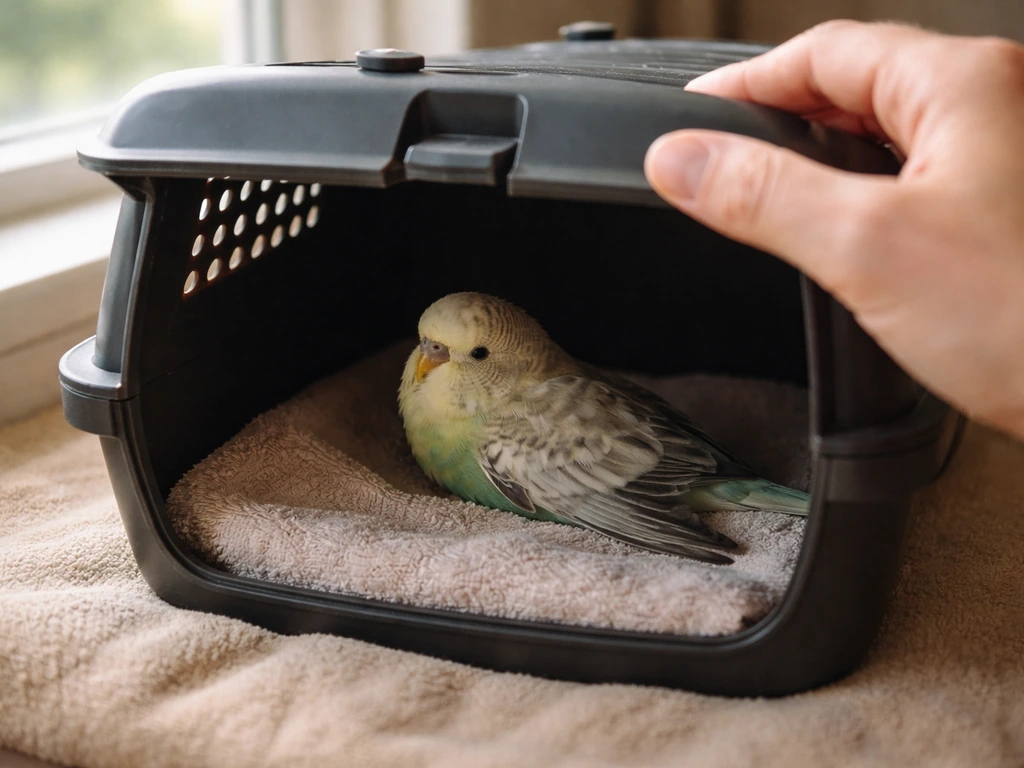
Once the bird is in a dark, quiet container, give it five to ten minutes to settle before assessing. Open the container just enough to observe. Look for: obvious wing droop (one wing hanging lower than the other), inability to grip a perch or stand upright, bleeding, eye cloudiness, or labored breathing. A bird that rights itself, grips the perch or towel, and is alert is a much better candidate for self-recovery or a short hold before release. A bird that cannot stand, has visible bleeding, or appears unresponsive needs to go to a professional today, not tomorrow.
Keep the container warm (around 85 to 90 degrees Fahrenheit for a small bird in shock; a heating pad on the lowest setting under half the box works well). Keep it dark and quiet. Do not offer food or water until you have confirmed the bird can swallow and hold its head up, as force-feeding a bird that cannot control its throat can cause aspiration.
Transport and settling
During transport, reduce noise in the vehicle: no radio, no AC blowing directly at the container, and minimal talking. A dark, quiet car ride is dramatically less stressful than a loud one. Place the container on a flat surface so it cannot tip.
If your goal is eventual taming of a companion bird, understand that even a previously hand-tame bird needs a settling period after a stressful capture. Give the bird 24 to 48 hours in a quiet space before resuming regular interaction. Rushing back to handling too soon can set back trust significantly. A realistic timeline for rebuilding trust with a tame bird that has had a stressful episode is one to two weeks of calm, consistent, low-pressure daily contact. For a bird that was never fully tame to begin with, expect four to eight weeks of patient step-up and food-reward work before handling feels comfortable for the bird.
If you are dealing specifically with a bird that got away from you and you are now in recovery mode, the article on how to catch a lost bird has useful recovery-specific steps, including how to set up your space to encourage a voluntary return.
For situations where the bird is loose inside your home rather than fully escaped outdoors, the guide on how to catch a loose bird walks through the specific indoor containment and guiding techniques that work best in that confined setting. If your bird is already “gone” and you are focusing on a recovery plan, also see how to catch a lost bird for next steps.
When NOT to DIY: get a professional involved
There are situations where attempting to catch or handle a bird yourself is not the right call, and recognizing them quickly is part of being responsible about this.
- The bird is a raptor (hawk, owl, falcon, kite): even small raptors have talons capable of serious injury, and these birds are tightly regulated. Call a licensed wildlife rehabilitator or your state wildlife agency.
- The bird has severe injuries: visible broken bones, heavy bleeding, puncture wounds, or seizure-like movements require professional veterinary care, not a cardboard box.
- It is a nestling (no feathers or very few pin feathers): if you can locate the nest, the best option is to place it back. If you cannot, a rehabilitator is needed. These birds require specialized feeding schedules.
- You have made three or more catch attempts and the bird is still loose and increasingly stressed: stop. A bird that has been chased repeatedly is in significant physiological stress. Step back, secure the space, and call for help.
- You are not sure what species it is: if the bird looks unusual or is a species you do not recognize, do not assume it is a common songbird. Some species have protected status beyond the MBTA.
- The bird appears sick rather than injured: listless birds with ruffled feathers, discharge from eyes or nostrils, or neurological symptoms may have a communicable disease. Wear gloves, minimize handling, and contact a professional.
To find a licensed wildlife rehabilitator near you, contact your state's fish and wildlife agency or search the National Wildlife Rehabilitators Association directory. Most rehabilitators will give you phone guidance on what to do while you wait or arrange a drop-off. Calling ahead is not just courtesy: in some states it is legally required before you transport a wild bird anywhere.
The general article on how to catch a bird covers the full range of bird-catching scenarios in one place if you want a broader reference. And if part of your situation involves a bird you found and you are wondering about your options more generally, the piece on how to catch a wild bird for a pet addresses the legal and practical realities of that specific goal honestly.
The bottom line: catching a small bird humanely is about patience and setup, not speed and reflexes. Slow down, reduce stimulation, choose the right container, and let the bird's behavior guide your timing. If at any point the situation exceeds what you can safely manage, a wildlife rehabilitator is not a last resort; they are the right resource from the start.
One last note for anyone who found this page from a very different angle: if you are looking for how to catch a bird in Wildcraft: Club for Kids (WCUE), that is an entirely different topic, and there is a separate guide for it.
FAQ
What should I do if the small bird is not flying but looks otherwise okay?
If the bird is moving but seems stuck, wait 20 to 30 minutes in a quiet area with no sudden motions. Birds often look “grounded” when they are stunned, and forcing a grab before they recover increases collisions and injuries.
Can I give a small bird food or water right after I catch it?
Once you have it in a container, you can offer a brief low-stress look for breathing and responsiveness, but do not give food or water until the bird can hold its head up and swallow normally. If you are unsure, treat it as needing professional help rather than experimenting with feeding.
What kind of container is safest if I need an emergency setup right away?
Use a container that you can close quickly and keep dark, ventilated, and stable. For paper bag containers, ventilation holes must be clear (not covered by bedding), and the bag should not be lined in plastic. Avoid tight-lidded jars or anything airtight that traps heat and reduces airflow.
Is it okay to keep checking by turning lights on and off or looking closely with a flashlight?
Do not attempt to “calm” the bird by covering its eyes with your hand or by shining a flashlight repeatedly. Instead, keep the space dim and quiet, then watch through the open seam or vent to assess posture, breathing, and bleeding.
When does a “stunned” small bird become an urgent case?
If the bird is bleeding, cannot stand, has one drooping wing, or is breathing heavily or with open-mouth gasping, that is an emergency requiring a wildlife rehabilitator or licensed veterinarian the same day. “Wait and see” increases the chance of shock worsening or internal injury.
How can I tell whether I’m dealing with an escaped pet versus a wild passerine before I try to catch it?
If you suspect an escaped pet bird rather than a wild bird, don’t assume it can be handled safely. Many will panic when approached, even if they come to food. The safest approach is to guide it into an open carrier and avoid touching unless it is required for immediate containment.
What if the bird is panicking inside the container or won’t settle?
If the bird keeps flopping or hitting the container, reduce stimulation instead of trying new grab tactics. Make the container darker, quieter, and slightly warmer, and double-check that the inside surface is not slick. The goal is to let it settle for several minutes, not to force movement.
Should I cool or warm the bird depending on the weather?
In general, avoid bathing or cooling a small bird. If it seems overheated, move the container to shade and indirect airflow, but keep it warm enough to prevent shock. Cooling too fast can be dangerous for small birds.
What should I do if the bird gets away while I’m trying to close the container?
If the bird escapes during capture, stop advancing toward it and give it space to move into the container you already set up. Sudden chase attempts are the most common mistake and often reset the bird’s fear response, making future capture harder.
What are the biggest handling mistakes that can injure a small bird?
Yes. If handling is unavoidable, keep the bird away from your face, support the legs fully, and avoid squeezing the chest. Using a towel incorrectly is a common reason birds become more stressed, so prioritize container guiding whenever possible.
How do I decide when it’s safe to release the bird back outside?
For birds you plan to release, choose a location near where you found it (especially for grounded birds) and release when it is alert, standing, and able to right itself. If it is still lethargic or cannot grip, do not release and contact a professional instead.
Why is it important to call a rehabilitator before transporting the bird?
“Contact first” matters because some states require rehabilitators to be ready to accept the animal, and many will instruct you on temporary containment. Calling ahead can prevent unlawful transport and reduces the chance you bring the bird to an unprepared facility.
If it might be my neighbor’s pet bird, when can I resume trying to build trust?
Long-term taming works best after the bird is fully settled, typically 24 to 48 hours after capture for handling reintroduction. Even hand-tame birds may bite or avoid touch when rushed, so start with low-pressure steps like sitting nearby and offering food through the cage.