You can absolutely keep a pet bird with much less reliance on a cage, and for some species, nearly cage-free living is realistic. This guide walks you through how to make a pet bird setup feel safe and secure even when you are reducing cage time. The key is swapping the cage for a bird-safe room or designated roaming area, building solid trust through training, and setting up feeding, sleeping, and bathing stations that replace what a cage normally provides. For wild birds, 'keeping' them means attracting and supporting them humanely in your yard, not bringing them indoors. Both paths are doable, but each needs a clear plan before you open any door or remove any lock.
How to Keep a Bird Without a Cage: Safe Plans
Clara Hayes
3 May 2026
Reality check: what 'without a cage' can safely mean
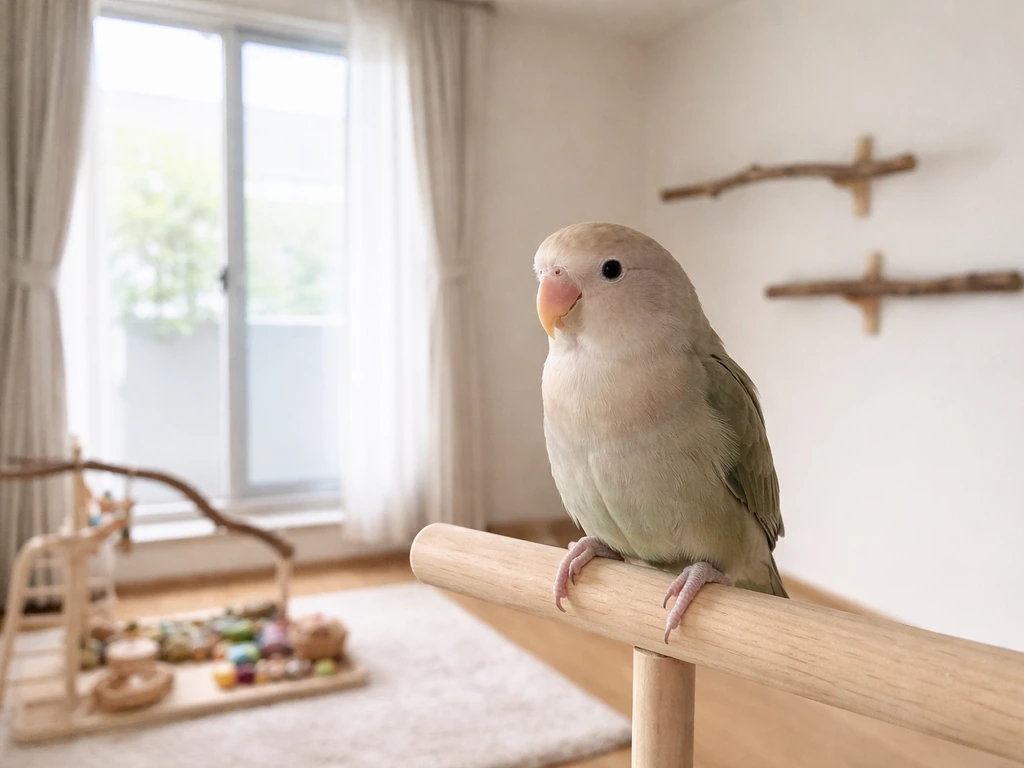
Let's be honest about the spectrum here. 'No cage' can mean anything from 'my bird free-roams a bird-proofed room 24/7' to 'I want supervised out-of-cage time every day' to 'I want to avoid a cage altogether and use a bird room or aviary instead.' All of these are legitimate goals, and all are achievable with the right setup. What it cannot safely mean is letting a bird wander an unmodified home unsupervised, especially with ceiling fans, open windows, other pets, or kitchen fumes in the picture. Ceiling fans are a common cause of bird injuries, so they should not be on when birds are flighted (PetMD, with avian vet attribution).
Here are the realistic cage-free or reduced-cage options, ranked from least to most freedom:
- Supervised free-roam sessions in a bird-safe room for 2 to 4 hours daily, with the bird returning to a cage or sleep perch overnight
- A dedicated bird room where the bird lives full-time, with perches, play stands, foraging stations, and no access to hazards
- An indoor/outdoor aviary or walk-in flight cage that gives continuous flight space without open-home access
- A harness and leash for outdoor time under direct supervision (never left unattended)
- A travel carrier used short-term for trips only, not as a permanent housing solution
Most pet owners land somewhere between option one and two. A fully free-roaming bird in an unmodified home is genuinely difficult to manage safely, so the goal should be expanding freedom gradually as trust and training progress, not going cage-free on day one.
Bird-safe home setup and escape prevention
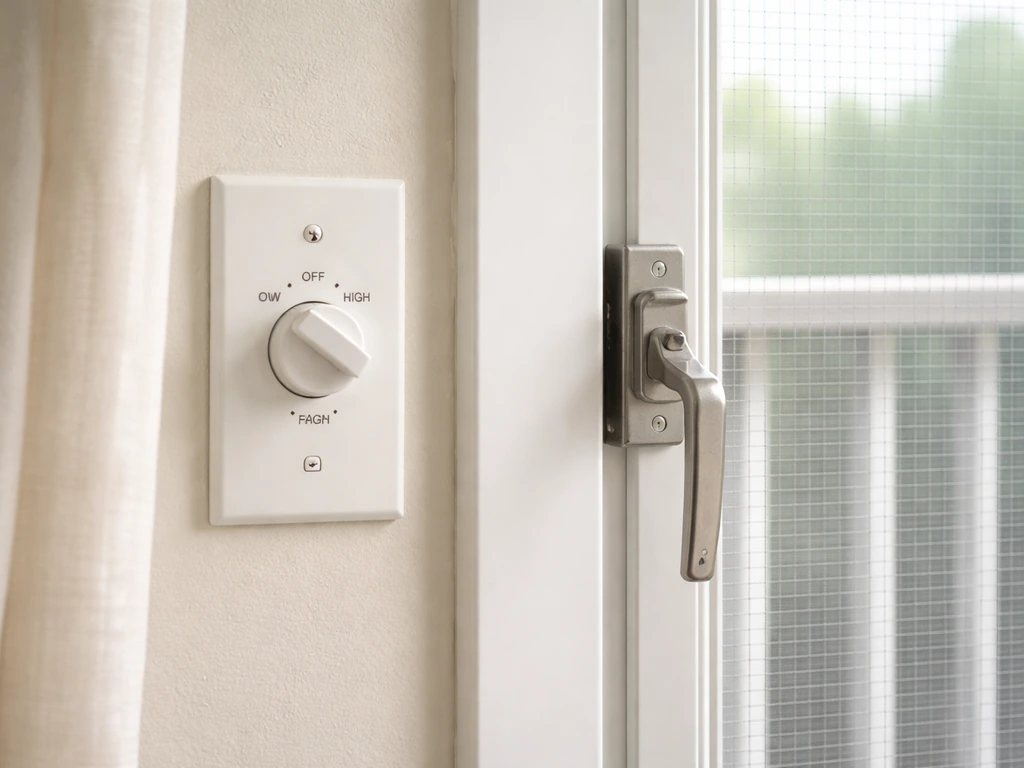
Before your bird spends a single unsupervised minute outside a cage, walk every room they might access and blank" rel="noopener noreferrer">run through this checklist. I cannot overstate how fast a bird can get into trouble in a standard home.
The safety checklist
- Ceiling fans: turn them off entirely when the bird is out, no exceptions
- Windows and doors: close and latch all windows; add door alarms or 'bird out' signs so housemates don't walk in and let the bird escape
- Mirrors and glass: birds fly into them at full speed, so cover large glass panels or apply window clings at bird flight height
- Cooking area: Teflon and non-stick cookware emit polytetrafluoroethylene (PTFE) fumes that are fatal to birds even in small concentrations; keep birds out of kitchens entirely during and after cooking
- Electrical cords: cover or encase any cord a bird can reach, especially for species like parrots that chew
- Toxic plants: remove or move any plant that is toxic to birds (avocado, philodendron, pothos, oleander, and many more) out of reach
- Toilet seats and water containers: keep toilet lids closed; birds can drown in surprisingly small amounts of water
- Other pets: cats and dogs should be completely separated from bird roaming areas, even if they seem calm
- Ropes and fabric loops: foot entanglement is a real risk; avoid loose rope perches or frayed fabric in roaming areas
- Fumes and aerosols: no scented candles, air fresheners, cleaning sprays, or cigarette smoke in bird spaces
Setting up a bird-safe room or roaming area
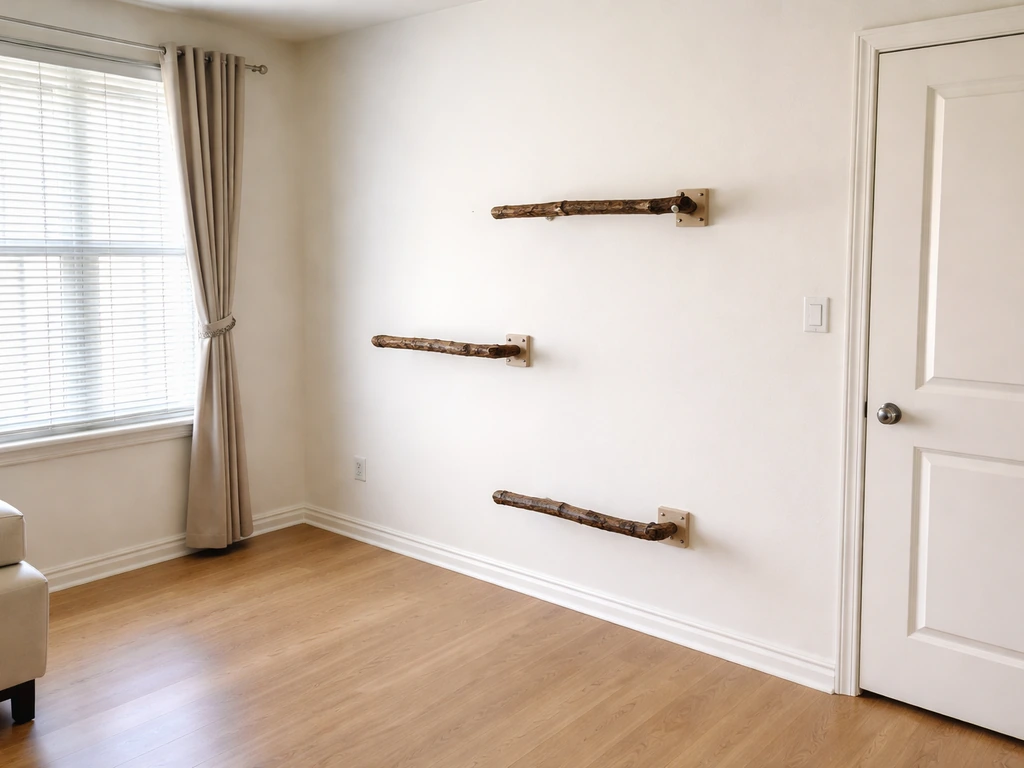
Choose one room to start. A spare bedroom or living room with a closable door is ideal. Install multiple perch stations at different heights so your bird has obvious landing spots and doesn't default to your curtain rod or a bookshelf. Place a play stand near a window (closed and screened) so the bird gets natural light and stimulation.
Put food and water stations at perch height, not on the floor. Add a sleep perch in a quieter corner covered with a breathable cloth at night to replicate the security a cage hood provides. Once your bird consistently uses the designated stations and responds to your recall cue, you can gradually introduce more of the home.
The Texas A&M Veterinary Medical Diagnostic Laboratory case study on PTFE (Teflon) toxicosis notes that overheating releases fluorinated gases that can cause respiratory signs and may be fatal for exposed birds PTFE (Teflon) overheating releases fluorinated gases.
Species-specific housing and roaming plans
Not all birds need or handle cage-free living the same way. Size, temperament, and natural behavior all shape how much freedom is realistic and how you set it up.
| Species | Roaming Potential | Main Hazard | Recommended Setup |
|---|---|---|---|
| Large parrots (African Grey, Amazon, Macaw, Cockatoo) | High, with training | Chewing, escape, aggression | Dedicated bird room or large indoor aviary; heavy-duty perch stands; chew-safe toys on rotation |
| Cockatiels | Moderate to high | Flight into windows/mirrors, cold drafts | Bird-safe room with covered windows; multiple perch heights; supervised outdoor time with harness if tame |
| Budgies (Budgerigars) | Moderate | Flight injury, toxic items, other pets | Small bird room or large flight cage used as home base; daily supervised roaming sessions |
| Finches (Zebra, Gouldian, Society) | Low for free-roaming; high in aviaries | Stress from handling, predator response | Large indoor flight aviary is best; free-roaming in open rooms is stressful and risky for this species |
Parrots
Parrots are the best candidates for cage-free or reduced-cage living because they bond closely to people and can learn complex behaviors. The tradeoff is that they are also the most destructive, the loudest, and the most likely to get into trouble when bored. A parrot living in a bird room needs more enrichment than you might expect: rotate foraging toys every few days, offer safe wood blocks to chew, and provide a variety of perch diameters to keep their feet healthy. Expect to replace items regularly. Large parrots especially need at least 3 to 4 hours of direct interaction daily or behavioral problems will develop fast.
Cockatiels
Cockatiels are gentle, sociable, and adapt well to supervised free-roaming once tame. They are strong flyers and will use every bit of a room, so window coverage is your top priority. They are also sensitive to temperature changes, so keep roaming areas between 65 and 80 degrees Fahrenheit and away from air conditioning vents. Cockatiels do well returning to a sleep perch or a smaller cage at night because the enclosed feeling helps them feel secure.
Budgies
Budgies are small but fast, and they have a talent for disappearing into tight spaces behind furniture. Before giving a budgie roaming access, check every gap behind shelves, under doors, and inside cabinets. Daily supervised sessions of 30 to 60 minutes are realistic and safe for most budgies. A large flight cage that serves as their home base, with the door left open during supervised time, is a comfortable middle ground that gives them security without constant confinement.
Finches
Finches are flock birds that are not typically hand-tamed and do not seek human interaction the way parrots do. Free-roaming a finch in an open room is stressful for the bird and risky because they are fragile and fast. The best 'cage-free' solution for finches is a large indoor flight aviary, at minimum 4 to 6 feet long, where they can fly freely, interact with flockmates, and live naturally without being confined to a small cage. This is genuinely the most humane setup for this species.
Humane training for cage-free time
A bird that is not trained is a bird that cannot safely have freedom. Training is not optional here, it is the foundation. The good news is that the core behaviors you need are simple, and even a few minutes of daily practice adds up quickly.
Start with trust, not tricks
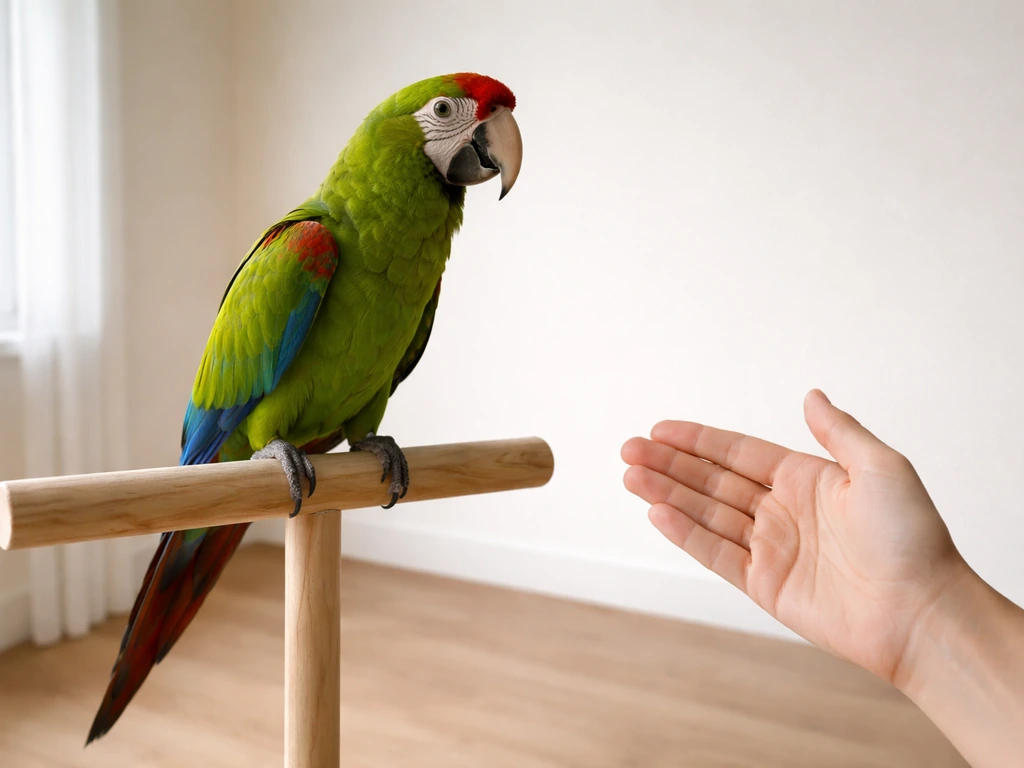
Before asking your bird to do anything, spend time near them without demands. Sit close to their perch, talk quietly, offer small treats by hand without requiring the bird to come to you. The goal in the first week or two is simply for the bird to associate your presence with good things. Rushing past this stage makes everything else harder. How long trust-building takes depends on the bird's history: a hand-raised parrot may take days, while a recently rehomed or scared bird may take several weeks. Be patient, and watch for relaxed body language (feathers slightly fluffed, slow blinking, leaning toward you) as your progress signal.
Step-up: the most important behavior for cage-free living
The step-up is the single most useful thing you can teach a bird that will have roaming freedom. Hold one finger (or your whole hand for larger birds) horizontally in front of the bird's lower chest, just above the feet, and apply gentle upward pressure while saying 'step up' in a calm, consistent tone. The moment the bird puts one foot on your hand, reward immediately with a small treat and verbal praise.
Keep sessions to 3 to 5 minutes, two or three times a day. Most tame cockatiels and budgies learn a reliable step-up in one to two weeks. Parrots may take longer if they are testing boundaries. Never force a bird onto your hand; always give them the choice and reward the choice to comply.
Recall training for free-roaming birds
Once step-up is solid, start building a recall cue so you can call your bird to you from across the room. Once step-up is solid, you can also focus on petting cues, so your bird learns when it is safe and rewarding to let you gently stroke it recall cue. Many owners also teach simple talking and chirp-friendly cue routines, so your bird feels social and engaged how to make pets alive chirpy bird talk.
Start with the bird perched nearby, say your recall word (something short and distinct, like 'come' or the bird's name), and hold your hand out. The instant they fly or step to you, reward heavily with a high-value treat. Gradually increase the distance over several sessions. A reliable recall gives you the safety net that makes expanded freedom realistic: if the bird flies somewhere it shouldn't be, you can call it back rather than chasing it.
Realistic timelines
- Week 1 to 2: trust-building, hand presence, treat acceptance
- Week 2 to 4: reliable step-up on cue
- Week 4 to 8: short supervised roaming sessions in one room with recall practice
- Month 2 to 3: longer sessions, introduction to more of the home, consistent recall in a larger space
- Month 3 and beyond: expanded freedom based on the bird's individual reliability
Training a bird to let you handle it comfortably and training it to enjoy interaction are closely related goals that overlap naturally with the cage-free lifestyle. The more a bird associates people with positive experiences, the easier all of this becomes.
Feeding, water, bathing, sleep, and daily cleaning without a cage
One thing a cage does automatically is contain mess and organize daily resources in one place. Without a cage, you need to build that structure intentionally.
Feeding and water stations
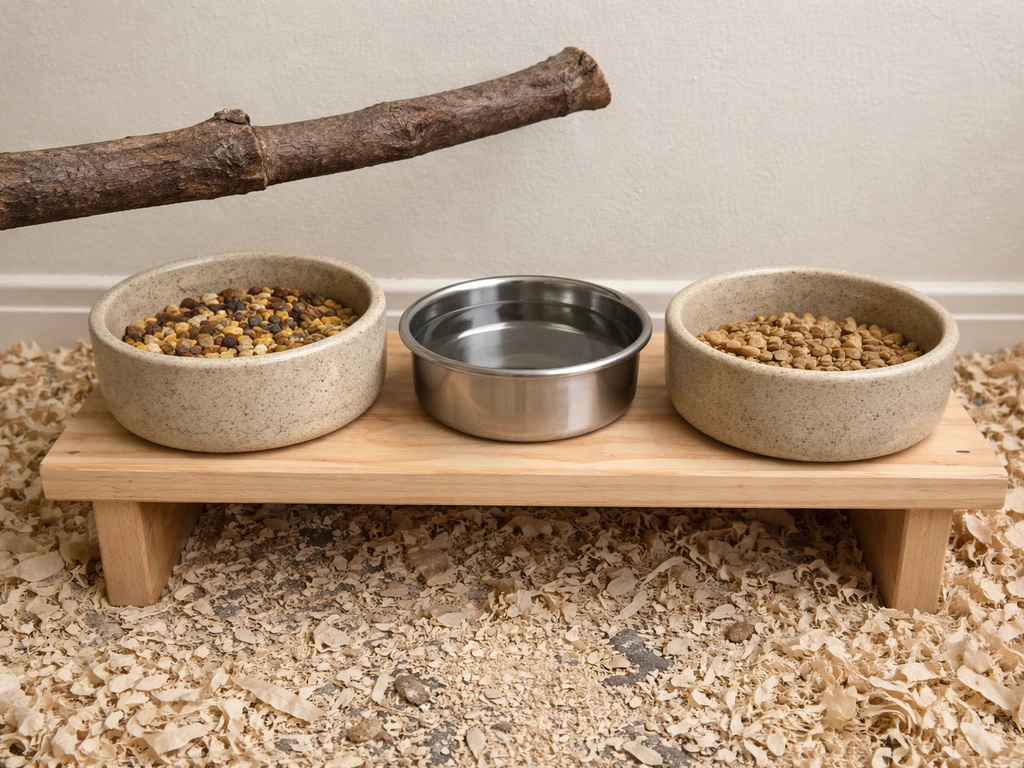
Place two or three feeding stations at perch height around the roaming area so the bird always has easy access. Use heavy ceramic or stainless steel dishes that cannot be tipped easily. Refresh water at least twice daily because birds drop food into water quickly and contaminate it. For foraging enrichment, hide small amounts of food in paper cups, cardboard rolls, or puzzle feeders so the bird works for some of its meals. This dramatically reduces boredom-related behavior problems in free-roaming birds.
Bathing
Most pet birds benefit from bathing two to three times a week. Without a cage to contain the splash, use a shallow dish placed on a waterproof mat, or mist the bird lightly with a spray bottle while it perches on a designated bathing stand. Do this in the morning so the bird has time to dry before the cooler evening hours. Never use hot water; lukewarm or room temperature is correct.
Sleep routines
Birds need 10 to 12 hours of quiet, dark sleep. Without a cage, designate a specific sleep perch in a low-traffic area of the roaming room and cover it with a breathable cloth at the same time each night. Consistency is key: irregular sleep schedules cause hormonal and behavioral issues over time, especially in parrots. If the bird keeps flying off the sleep perch, you may need a smaller enclosed sleeping box or a travel carrier with the door left open as a voluntary sleep spot.
Daily cleaning
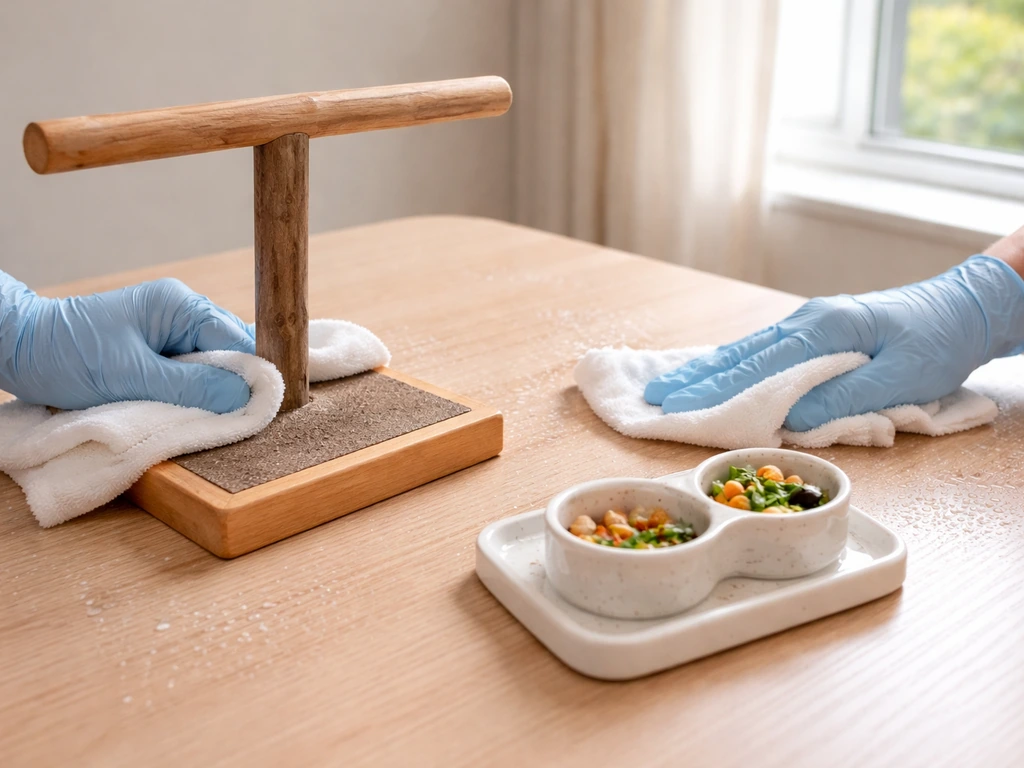
Free-roaming birds produce more visible mess than caged birds simply because it spreads. Plan for daily spot cleaning under perches and food stations, weekly washing of perches and dishes, and a full floor clean every few days. Place washable mats or newspaper under perch areas to simplify cleanup. The time investment is real but manageable if you set the roaming area up thoughtfully from the start.
Wild birds in your yard: humane attracting vs captivity
If the bird you want to 'keep without a cage' is a wild bird, the answer is different and very clear: you cannot legally or ethically keep most wild birds indoors or in captivity in the United States. Under the Migratory Bird Treaty Act (MBTA), administered by the U.S. Fish and Wildlife Service (FWS), the vast majority of wild bird species found in the U.S. are protected, and possessing, confining, or attempting to tame them is a federal offense, regardless of whether they seem to be injured, orphaned, or friendly.
What you can do, and what actually works beautifully, is create a yard habitat that wild birds choose to visit and return to every day. That is a genuine, rewarding, and completely legal way to 'keep' wild birds in your life.
How to attract and support wild birds humanely
- Set up species-appropriate feeders: tube feeders for finches and chickadees, platform feeders for ground-feeding birds, suet cages for woodpeckers
- Use fresh, quality seed and clean feeders every one to two weeks with hot soapy water to prevent disease spread
- Install a shallow birdbath no deeper than 2 to 3 inches and change the water every two days; add a small dripper or wiggler to attract more species
- Plant native shrubs and trees that provide natural food, shelter, and nesting sites, such as serviceberry, native oaks, and coneflowers
- Place feeders within 3 feet of a window or more than 30 feet away to reduce window collision risk
- Add dense shrubs near feeders so birds have quick escape cover from predators
What not to do with wild birds
- Do not bring a wild bird indoors, even one that appears injured or tame; contact a licensed wildlife rehabilitator instead
- Do not attempt to hand-tame a wild bird or condition it to eat from your hand on a regular, dependency-building basis
- Do not confine a wild bird to a box, cage, or enclosure for longer than the absolute minimum needed to get it to a rehabilitator
- Do not relocate wild birds or their nests; this is also protected under federal law
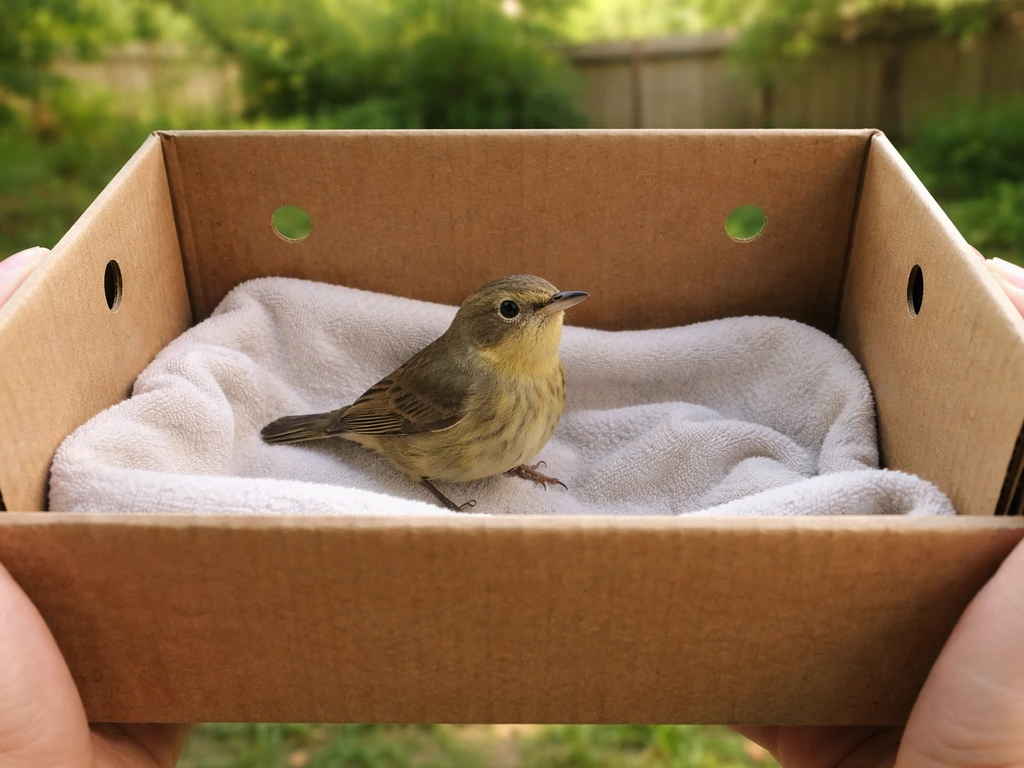
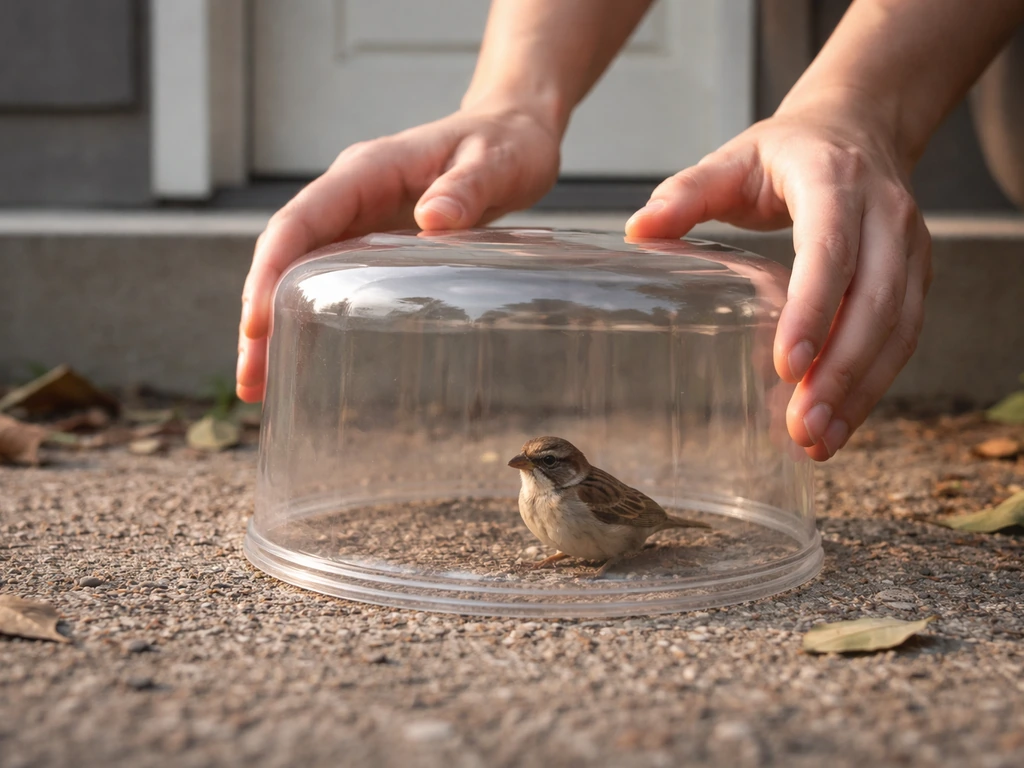
If you find an injured wild bird, the FWS guidance is clear: licensed rehabilitators can hold a bird for up to 180 days for recovery, and recovered birds must be released to suitable habitat as soon as conditions allow. Your job as a finder is to minimize stress, keep the bird warm and quiet in a ventilated box, and contact a licensed rehabilitator or wildlife center as quickly as possible, not to attempt care at home.
Troubleshooting, legal considerations, and your step-by-step start plan
Common problems and quick fixes
| Problem | Likely Cause | What to Do |
|---|---|---|
| Bird keeps escaping or flying at windows | Windows not covered, too much unsupervised time too soon | Add window clings or frosted film; reduce roaming area until recall is reliable |
| Bird refuses to step up or bites when approached | Trust not established, moving too fast | Go back to treat-by-hand sessions with no demands; slow down the timeline |
| Bird panics and crashes into walls during roaming | New environment, too much space too soon | Start with a small single room, keep sessions short (10 to 15 minutes), add perch stations at every level |
| Bird won't use sleep perch, roams at night | Sleep perch not comfortable or secure enough | Try a sleep box or a partially covered small enclosure as a voluntary overnight option |
| Mess is unmanageable | Too many roaming areas without containment | Limit roaming to one or two rooms; add more perch mats and feeding station trays |
| Bird is destructive: chewing trim, furniture, cords | Insufficient enrichment, normal parrot behavior | Add more chew toys on rotation; redirect to acceptable items immediately; cover or remove targets |
Legal and ethical considerations for pet birds
For domestically kept pet birds (parrots, cockatiels, budgies, finches, and similar species bred in captivity), the primary legal framework in the U.S. is the Animal Welfare Act (AWA), which sets federal standards for the humane handling, care, and housing of certain bird species through USDA APHIS. These standards apply to breeders, dealers, and exhibitors, but they also set the bar for what 'humane' means in practice. Essentially, any housing arrangement, caged or not, must meet the birds' physical and behavioral needs. A bird-safe room that provides space, enrichment, social interaction, proper nutrition, and veterinary access absolutely meets that bar. A neglected bird left alone in an empty room does not.
Note that MBTA-protected species (most wild birds native to the U.S.) are explicitly excluded from the pet bird category under the AWA framework. If a bird falls under MBTA protection, it cannot be kept as a pet at all, regardless of how you house it.
Your starter plan: what to do today
- Choose the room: pick one room to designate as your bird-safe roaming space and run through the full safety checklist before doing anything else
- Set up the stations: install at least two perch stands at different heights, one food and water station, and a designated sleep perch in a quiet corner
- Cover the hazards: apply window clings, secure or cover electrical cords, remove toxic plants, and put a sign on the door
- Start trust-building today: spend 15 to 20 minutes near your bird's current housing, offer treats by hand, and do nothing else for the first few days
- Begin step-up training: once the bird accepts treats from your hand reliably, start short step-up practice sessions (3 to 5 minutes, twice daily)
- Open the door when ready: only when step-up is solid and the room is fully prepped, open the bird's housing into the safe room and let the bird explore at its own pace
- Build recall over the following weeks: use a consistent cue, reward heavily, and gradually increase distance
Species-specific starter checklist
| Species | First week priority | Month one goal | Cage-free milestone |
|---|---|---|---|
| Large parrot | Trust and hand acceptance | Reliable step-up, 30-min daily supervised roaming | Full bird room access with recall trained |
| Cockatiel | Trust and step-up | 20 to 30 min roaming in covered-window room | 1 to 2 hours supervised daily, recall reliable |
| Budgie | Trust and hand acceptance | Short 15-min sessions in small safe room | 30 to 60 min daily with reliable step-up |
| Finches | Large flight aviary setup | Finches settled and using all aviary space | Comfortable, low-stress aviary life (no open roaming needed) |
Expanding a bird's freedom is a process, not an event. The birds that thrive with minimal or no caging are the ones whose owners took the time to build the foundation first: a safe space, clear training, and consistent routines. Start with one room, one behavior, and one week. You'll be surprised how quickly both you and your bird settle into a rhythm that works for both of you.
FAQ
What should I do about windows, ceiling fans, and other common home hazards when I’m trying to keep a bird without a cage?
If your bird is allowed out, your window plan should be two layers, screens plus additional coverage (like blinds or window film). Screens can fail for small birds that squeeze through, and sudden wing strikes can injure birds even when windows are screened. Also remove or secure ceiling fans (turn off, cover fan blades, or keep them inaccessible) and close off bathrooms and laundry rooms where fumes and aerosols are more likely.
How do I decide how much freedom is safe if my bird’s recall is still improving?
For routine “out-of-cage” time, use your training cue system to create a predictable loop: step up, move to the target perch/station, eat at the station, then return to sleep or a base spot. Avoid “free wandering” during the early phase. If you cannot call your bird reliably from the farthest corner, treat that corner as off-limits until recall is consistent.
Do I still need a “home base” spot if I want to minimize or eliminate cage time?
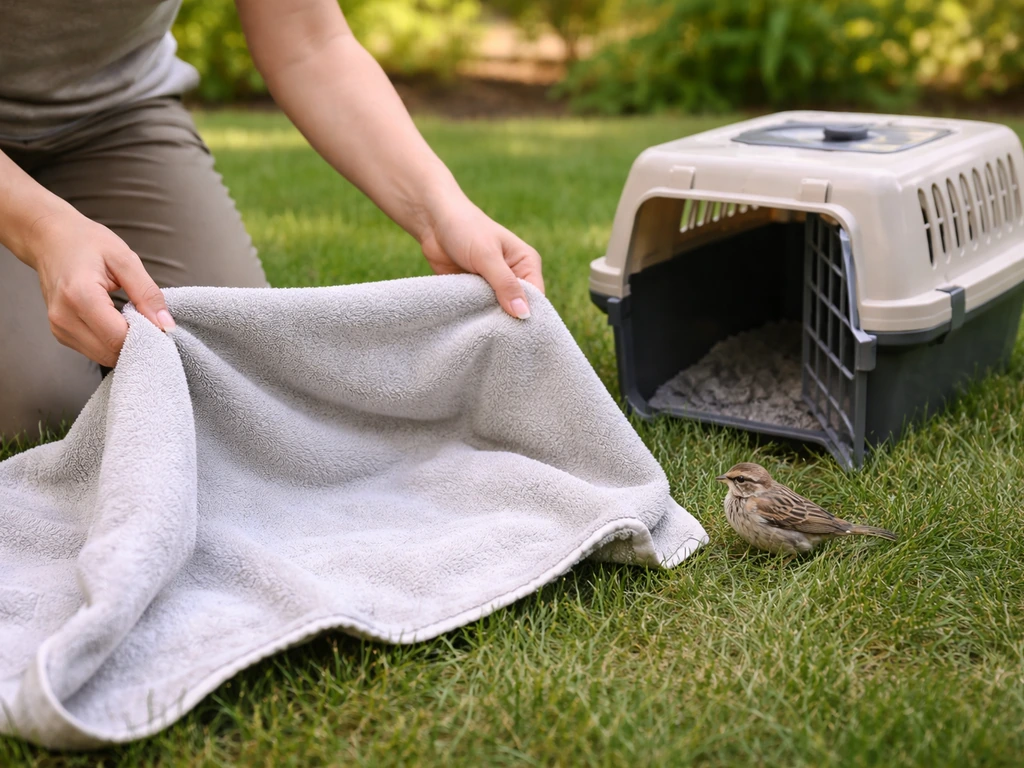
Many birds will still need a controlled base even in a no-cage setup, because it provides a consistent place for sleep, grooming, and vet transport. A simple approach is to keep a travel carrier or small enclosed sleep option available during the day as a voluntary retreat. Make it comfortable and familiar (soft towel, favorite perch, treats there) so it is not only used as a trap.
How should I handle transport or vet visits if my bird usually lives cage-free?
If you travel with an out-of-cage bird, plan the carrier routine ahead of time. Practice carrier entry during training sessions (door open, treats inside) so your bird chooses it willingly. On the day of travel, you should never rely on a bird-room or roam at home rules, because car motion, unfamiliar sounds, and stress increase escape risk.
What are the biggest cleanup mistakes people make when switching from a cage to a roaming room?
Not all mess-management fixes are equal. Avoid letting food sit on fabric areas, because spilled seed and pellets attract pests and can grow bacteria quickly. Use hard, washable surfaces around stations (stainless, ceramic, sealed mats). Also remove paper towels, strings, and loose threads, since birds can shred them and ingest fragments.
How can I tell if behavior problems are from boredom versus stress versus an unsafe setup?
If your bird starts screaming, biting, or obsessively chewing, first check the basics in order: daily interaction blocks (especially for parrots), enrichment rotation (foraging items on different days), and whether the sleep schedule is consistent. Then review the environment, boredom or frustration can be a sign the bird cannot reach the stations easily or is spending too much time where they feel unsafe.
Can I still offer baths if I’m keeping a bird without a cage, and what’s the safest way to do it?
Yes, but do it strategically. Provide a perching option that keeps the bird above water and keep bathing time short (for many birds, a few minutes and then dry off). Never bathe late in the evening, because cooler temps and damp feathers can increase health risks. If your bird dislikes bathing, use light misting or trial smaller sessions rather than forcing full baths.
Which household items or routines are most likely to become dangerous when a bird is roaming?
In an out-of-cage setup, the “no” list is broader than it is for caged birds. Skip nonstick cookware with overheated fumes, strong air fresheners, candles, and aerosols, and avoid cooking when the bird is roaming unless the room is well ventilated and the bird is safely secured. Also watch for hidden toxins you would not notice with a cage, like houseplants, leaded glass, and exposed cords.
What’s a good way to expand roaming time without falling back into unsafe habits?
The fastest way to prevent setbacks is to create a graduated schedule and a measurable benchmark. For example, increase time outside only after your bird consistently step-up returns and eats at the stations without getting stuck behind furniture or panicking when you cue recall. If you see repeated escape attempts from one area, keep that area blocked, even if the rest of the room works.
How does cage-free living change what I should provide for companionship and daily enrichment when I’m busy?
Yes, especially for flock-oriented or non-fully tame species. If you are away most of the day, cage-free does not automatically mean “less loneliness,” it can increase it because the bird is more exposed but may still lack appropriate stimulation. Use engagement tools like foraging puzzles, rotate toys regularly, and if possible provide predictable companionship from consistent humans or safe flockmates.