
If you need to catch a kingfisher right now because it's injured or grounded, the safest move is to drape a lightweight towel over it, scoop it gently into a ventilated cardboard box lined with a cloth, and get it to a licensed wildlife rehabilitator as quickly as possible. This same careful, legal approach is how to catch a sparrow bird safely when you’re dealing with an injured or trapped bird. That's the short, legal version. If you're hoping to attract kingfishers to your yard so you can watch them up close, that's a completely different goal and an easier one to achieve without touching the bird at all. This guide covers both situations honestly, including the legal limits you need to know before you do anything.
How to Catch a Kingfisher Safely or Attract One for Viewing
Clara Hayes
16 May 2026
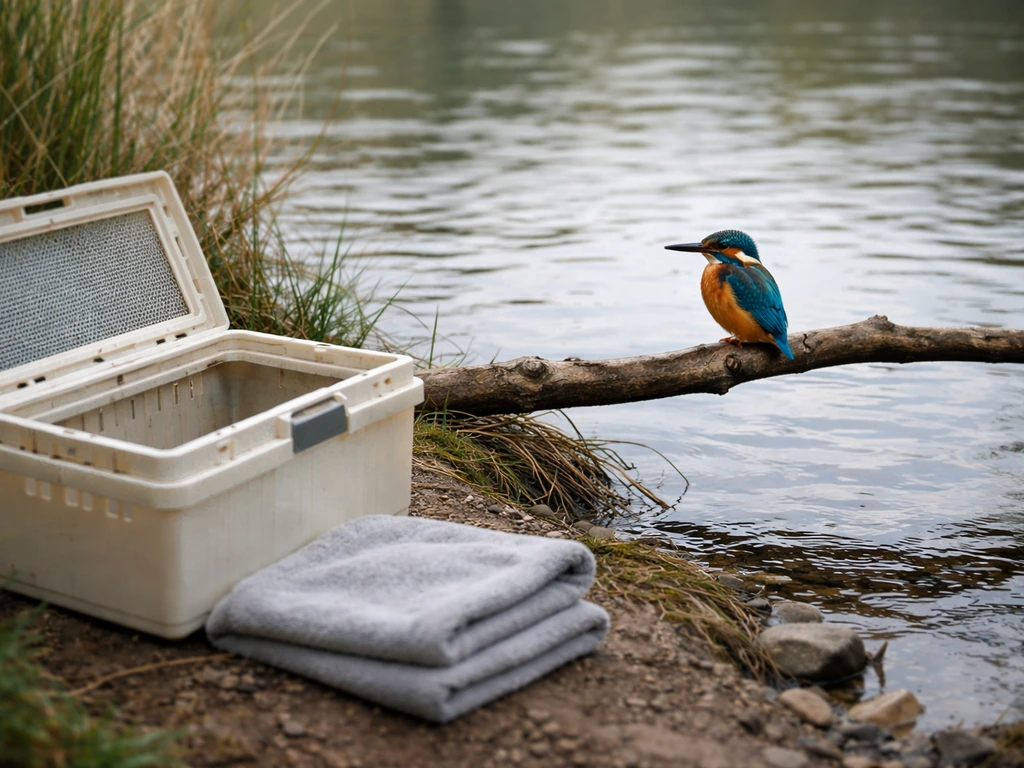
What 'catching' a kingfisher actually means (and what it doesn't)
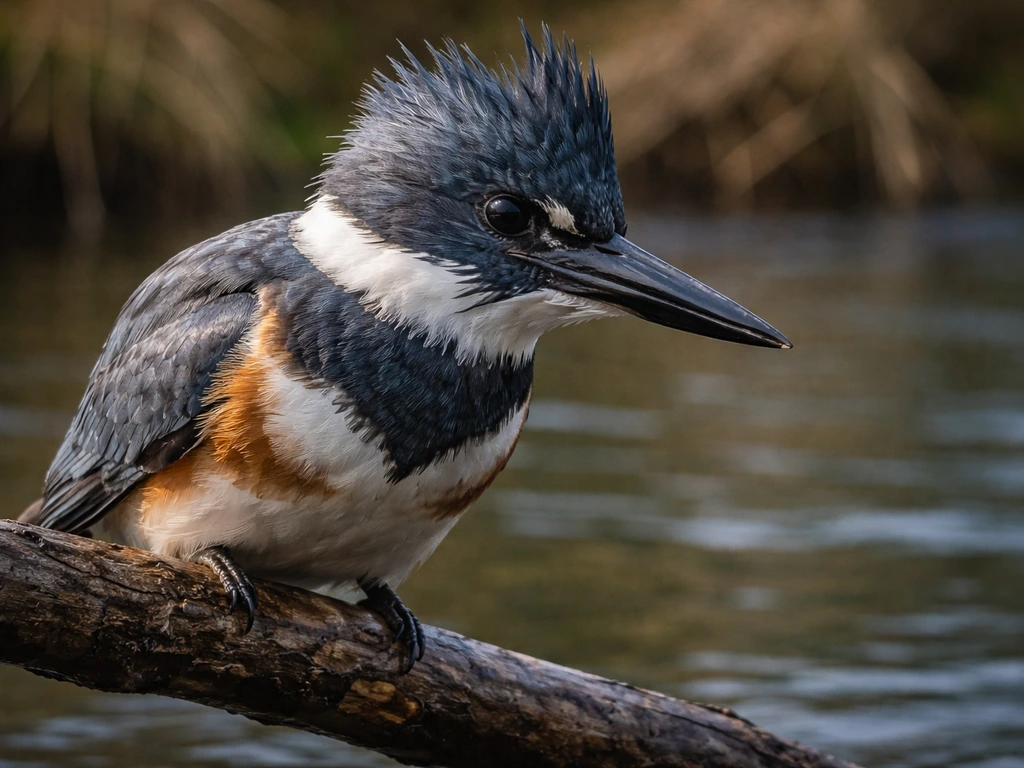
Kingfishers are wild, protected birds with lightning-fast reflexes, a powerful beak that can draw blood, and an extreme sensitivity to stress. Catching one in the casual sense, just to hold it or keep it around, is not a realistic or legal goal. What most people actually need falls into one of two categories: emergency rescue (the bird is clearly injured, grounded, or in immediate danger) or attraction (you want kingfishers visiting your property regularly so you can observe and photograph them). These require very different approaches, and mixing them up leads to a stressed bird, possible legal trouble, and an unhappy outcome for everyone.
In North America, the belted kingfisher is the most commonly encountered species. blank" rel="noopener noreferrer">It hunts from bare perches overhanging water, like low branches, telephone wires, or pier pilings, then makes a headlong dive for small fish. It's a solitary, territorial bird that does not tame easily, does not benefit from human contact, and is almost never a candidate for long-term captivity. The goal any time you physically handle one should be rescue and release, nothing more.
The legal reality: what you can and can't do
Before you touch any wild kingfisher, you need to understand the legal framework. In the United States, kingfishers are protected under the Migratory Bird Treaty Act, which makes it unlawful to pursue, hunt, take, capture, or kill migratory birds without federal authorization. That word 'take' includes trapping and physical capture. There is one narrow exception: under 50 CFR 21.76, a member of the public may take possession of a sick, injured, or orphaned migratory bird without a permit, but only for the immediate purpose of transporting it to a licensed wildlife rehabilitator or licensed veterinarian. USGS also describes the U.S. Fish & Wildlife Service guidance framework for humane capture, handling, and disposition of migratory birds, which underscores the need for proper standards and professional handling rather than DIY methods licensed wildlife rehabilitator. You cannot keep it, rehome it yourself, or release it somewhere new without that professional step in the middle.
State rules add another layer. Some states require their own permits on top of the federal framework, and moving wildlife off your property, even with good intentions, can be illegal in many jurisdictions. Wildlife agencies like WDFW and organizations like Mass.gov both emphasize that there is almost never a good reason for a member of the public to remove wildlife from its natural environment, and that calling a licensed wildlife rehabilitator before doing anything is always the right first step if you're unsure.
The bottom line: if the bird is visibly injured or in immediate danger, brief handling to contain and transport it is legally acceptable. If the bird looks healthy but is simply close by, the correct move is to observe it and leave it alone. If you're not in an emergency rescue situation, this same principle applies to how to catch goldfinch bird by avoiding physical capture and focusing on safe observation instead observe it and leave it alone. Capture for relocation, pet-keeping, or 'taming' is not legal and is not something this guide supports.
When to call a wildlife rehabilitator instead of acting yourself
- The bird has a visibly broken wing, leg, or is bleeding
- It's been grounded for more than 20 to 30 minutes and can't fly away when approached
- It was hit by a car or struck a window and hasn't recovered within 15 to 20 minutes
- It's near a predator, traffic, or water with no way to escape on its own
- You're unsure whether it's actually injured or just resting
- The bird is showing open-mouthed or labored breathing
- You're in a state or country where you're uncertain about local wildlife handling laws
To find a licensed rehabilitator near you, search the National Wildlife Rehabilitators Association (NWRA) or Wildlife Rehabilitator's Directory, or call your local animal control, wildlife agency, or a veterinary clinic that works with wildlife. Having this number saved before you ever need it is genuinely useful.
Gear to have ready before you attempt any capture

Preparation matters a lot with kingfishers. They can deliver a sharp bite with that long, pointed bill, and sudden wing flaps during handling can cause both parties harm. Having the right items on hand before you approach the bird keeps the whole process faster, calmer, and safer.
- A lightweight towel or small fleece blanket (dark-colored is ideal, as it is less startling)
- Thick gloves, leather or heavy fabric, to protect your hands from the beak
- A cardboard box with a secure lid and several small air holes punched in it (shoebox-size works well for a kingfisher)
- A cloth or paper towel lining for the bottom of the box
- A small flashlight for low-light environments like thick brush
- A phone with a wildlife rehabilitator contact already saved
- Optional: a soft-rimmed padded net if the bird is highly mobile and in an open space
Avoid wire cages for transport. Wire can damage feathers and cause abrasion injuries during the stressful confinement period. A plain cardboard box is quieter, darker, and far less stressful for the bird. Do not use large-mesh nets, which can tangle wings and cause serious feather damage.
Step-by-step rescue capture: how to do it calmly and safely
Move slowly and minimize noise throughout this entire process. The more agitated the bird becomes, the harder capture gets and the more harm it risks. Think calm, deliberate, and unhurried, even if you feel anxious.
- Assess before acting: Watch the bird for a minute or two from a distance of about 10 to 15 feet. Is it trying to fly? Is it alert and tracking your movement? A bird that is clearly conscious but not fleeing is likely injured enough to need help. A bird that flaps and hops away from you may simply be stunned and recovering.
- Put your gloves on before approaching. Kingfishers can strike at eye level if they feel cornered.
- Approach slowly from the side, not head-on. Avoid direct eye contact, which birds perceive as a threat. Keep low if possible.
- Hold the towel loosely in both hands, spread wide. Drape it gently over the bird in one smooth motion, covering wings and body. Do not throw it forcefully.
- With the bird covered, cup both hands around it through the towel and hold the wings gently but firmly against its body. The bird must be able to expand its chest to breathe, so do not squeeze.
- Lower the towel-wrapped bird into the prepared box and release. Replace the lid immediately.
- If the bird is in water or near the edge of a pond and cannot be safely reached, do not wade in after it. Contact a rehabilitator and describe the situation. Getting injured yourself helps no one.
- Once boxed, do not open the box repeatedly to check on the bird. Minimizing visual contact is critical to reducing stress.
If the bird is in a larger space and actively fleeing (still ambulatory but clearly injured), try to gently herd it into a corner or against a wall before using the towel. Never chase a bird in open space; it will exhaust itself and risk further injury. If it's able to consistently evade you, step back, call a wildlife rehabilitator, and let them advise you on next steps. If you are dealing with a magpie call bird instead of a kingfisher, the safest move is still to contact a licensed wildlife rehabilitator for guidance. Some captures are genuinely best left to professionals.
What to do in the next hour and day after capture
The period right after capture is when most well-meaning people accidentally cause harm by doing too much. The instinct to help by offering food or water, checking on the bird frequently, or warming it with a heat lamp can all make things worse. Here's what actually helps.
In the first 30 minutes
- Place the closed, ventilated box in a warm (not hot), quiet, dimly lit room away from pets, children, and foot traffic
- Do not offer food or water. Kingfishers are specialist fish-eaters and giving the wrong food can cause aspiration or make injuries worse
- Do not handle the bird again unless it is in immediate danger inside the box
- Call a wildlife rehabilitator right now if you haven't already
- Keep the room quiet: no TV, no radio, no loud conversation nearby
Transporting to a rehabilitator
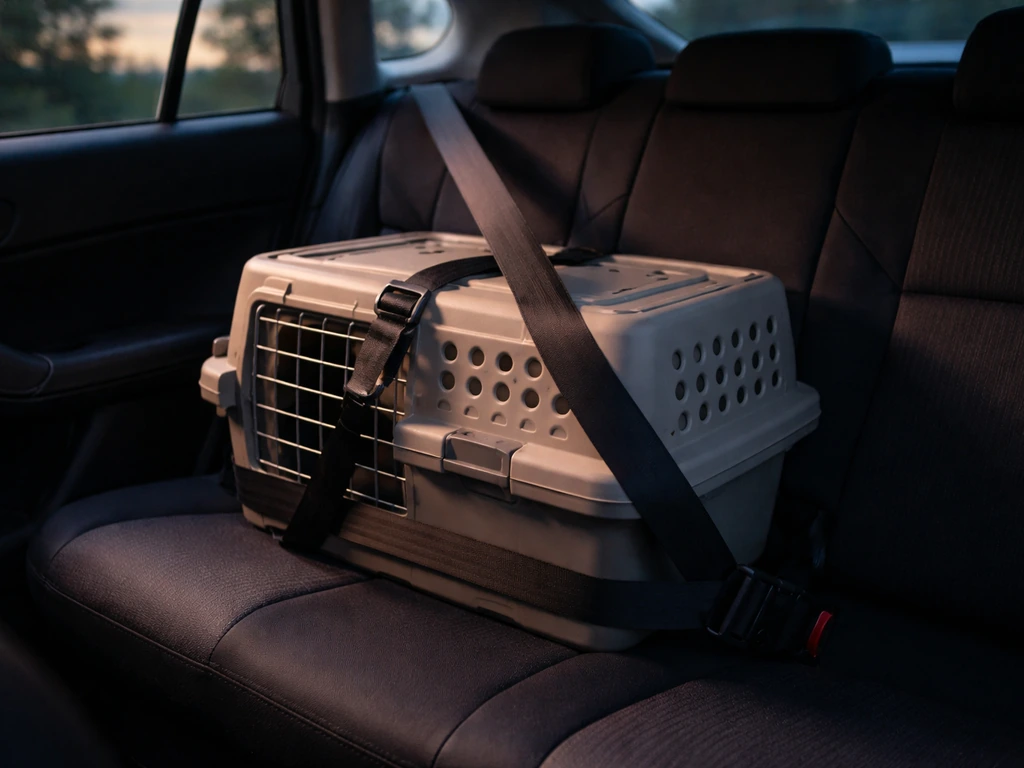
Keep the box secured so it won't tip or slide during the drive. Turn the car radio off and drive smoothly. Do not open the box during transport. The dark, quiet environment inside the box is actually calming the bird down, and every time you open it, you undo that progress. When you hand the bird off, describe exactly what you observed: how long it was grounded, whether it struck a window, any visible injuries, and how it behaved during capture. That information helps the rehabilitator provide the right care immediately.
Window-strike cases: a slightly different timeline
If a kingfisher hit your window, it may be stunned rather than injured. Box it immediately anyway, since window strikes can cause internal injuries that aren't visible even when the bird seems to recover. Keep it in a dark, quiet box for 15 to 20 minutes. If it is fully alert, upright, and trying to fly within that window, you can release it near the area where you found it. If there is any doubt, take it to a rehabilitator. Anti-inflammatory treatment from a professional can make the difference between a full recovery and a bird that dies hours later from internal bruising.
How to attract kingfishers to your yard without catching them
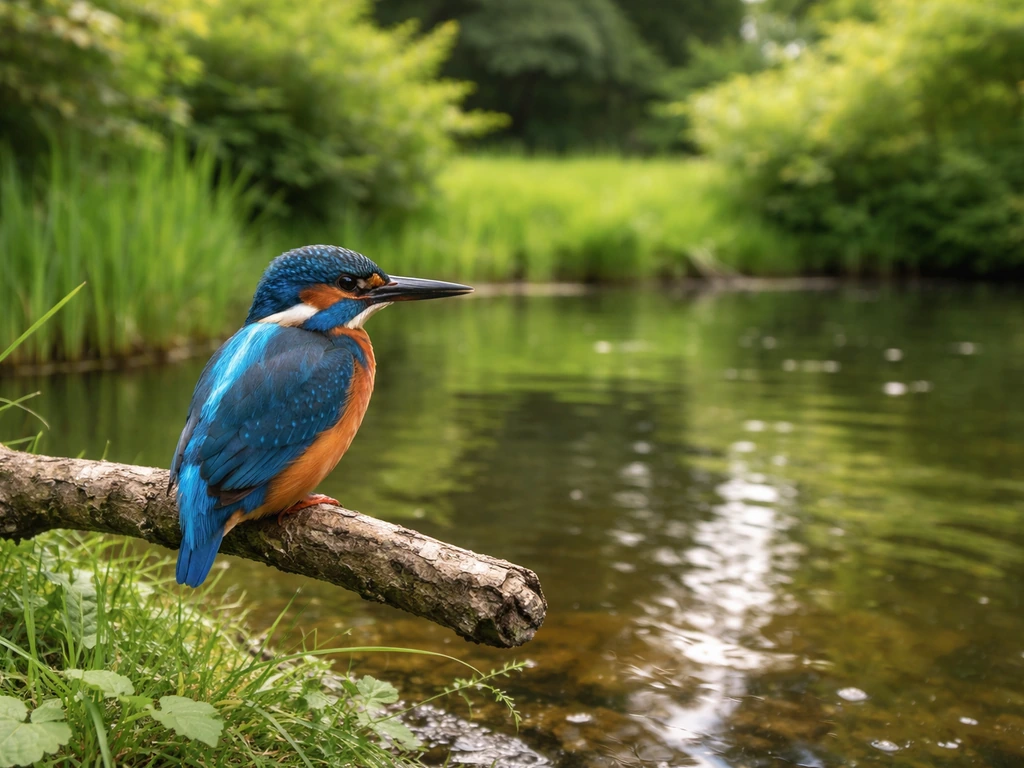
This is genuinely the better goal for most people, and it's more rewarding than you'd expect. A kingfisher that chooses to visit your yard does so on its own terms, and you can watch it hunt, perch, and dive without either of you being stressed. The setup is straightforward if you understand what the bird actually needs.
Water is everything
Kingfishers are not feeder birds. They won't come for seeds or suet. What they need is clear, accessible water with small fish or aquatic invertebrates. If you have a backyard pond, a stream running through your property, or live near a river or lake, you're already in a good position. A pond stocked with small fish like minnows is the single most effective kingfisher attractant you can create. The water needs to be clear enough for the bird to see prey from above, because kingfishers hunt by sight from a perch before diving.
Make sure any water feature is deep enough to support fish but not so deep or steep-sided that it becomes a hazard. A natural-looking pond edge with gradual depth changes is ideal. Very shallow bird baths won't attract kingfishers since they need actual depth to dive into, but a well-stocked garden pond absolutely can.
The right perch makes a huge difference
Kingfishers hunt from elevated perches directly over or near water. A bare branch, a low horizontal pole, or even a wooden pier piling positioned 4 to 8 feet above the water's surface and close enough to allow a dive gives the bird exactly what it's looking for. Remove dense vegetation from the immediate perch area so the bird has a clear line of sight down into the water. You don't need anything fancy: a simple wooden post or a dead tree branch positioned over the pond edge will work.
Reducing disturbance near the water
Kingfishers are wary birds. They will abandon a site if there's frequent human activity, dogs, or cats near the water. If you want them to return consistently, create a buffer zone around your pond or water feature: no foot traffic within 15 to 20 feet of the perch area, and keep pets away. Use a bench or viewing spot set back from the water so you can observe without getting close. The bird will habituate to a still, quiet observer over time.
Yard habitat at a glance
| Feature | What Kingfishers Need | What to Avoid |
|---|---|---|
| Water | Clear pond or stream with small fish, natural edges | Murky water, steep-sided containers, chlorinated water |
| Perch | Bare branch or post 4 to 8 feet above water, clear sightline below | Dense foliage obstructing view of water, perches too far from water |
| Depth | Enough depth for a plunge dive (12 to 18 inches minimum) | Shallow baths or decorative fountains only |
| Buffer zone | 15 to 20 feet of low-disturbance space around the water | Heavy foot traffic, free-roaming cats, loud machinery |
| Food source | Live small fish or invertebrates in the water | Bird seed, suet, bread, any artificial food |
| Bank/surroundings | Earthen bank or riparian vegetation nearby for nesting context | Concrete edges, heavily manicured lawns to water's edge |
Troubleshooting: when things don't go as planned
The bird won't approach your yard
Patience is the main ingredient here. If you've set up a good pond with fish and a clear perch, a kingfisher may still take weeks to discover and trust the spot. Check that the water is clear (not green or turbid), that fish are actually visible from above, and that foot traffic near the pond has been minimized. Kingfishers are territorial and may already have an established route nearby. They'll explore new sites when their usual hunting grounds are disrupted, so early morning is the best time to spot them checking out new territory.
The bird escaped during capture
If the bird got away during an attempted rescue and you're confident it was genuinely injured, monitor from a distance and try again after giving it 10 to 15 minutes to settle. If it escaped and flew off strongly, it may have been stunned rather than seriously injured and likely didn't need capture in the first place. Do not chase it. Contact your local rehabilitator and describe what you saw; they can advise whether a follow-up attempt is warranted or whether the bird is likely fine.
The bird seems injured but won't let you approach
This is actually a common situation. A bird that is injured enough to be grounded but still alert enough to flee when you get close is in a genuinely tricky spot. The best approach is to call a wildlife rehabilitator immediately and describe the situation. They may be able to come out, or they can coach you through a more specific capture technique over the phone. Attempting repeated failed captures causes significant additional stress and can worsen injuries.
Window strike: bird looks dead but isn't
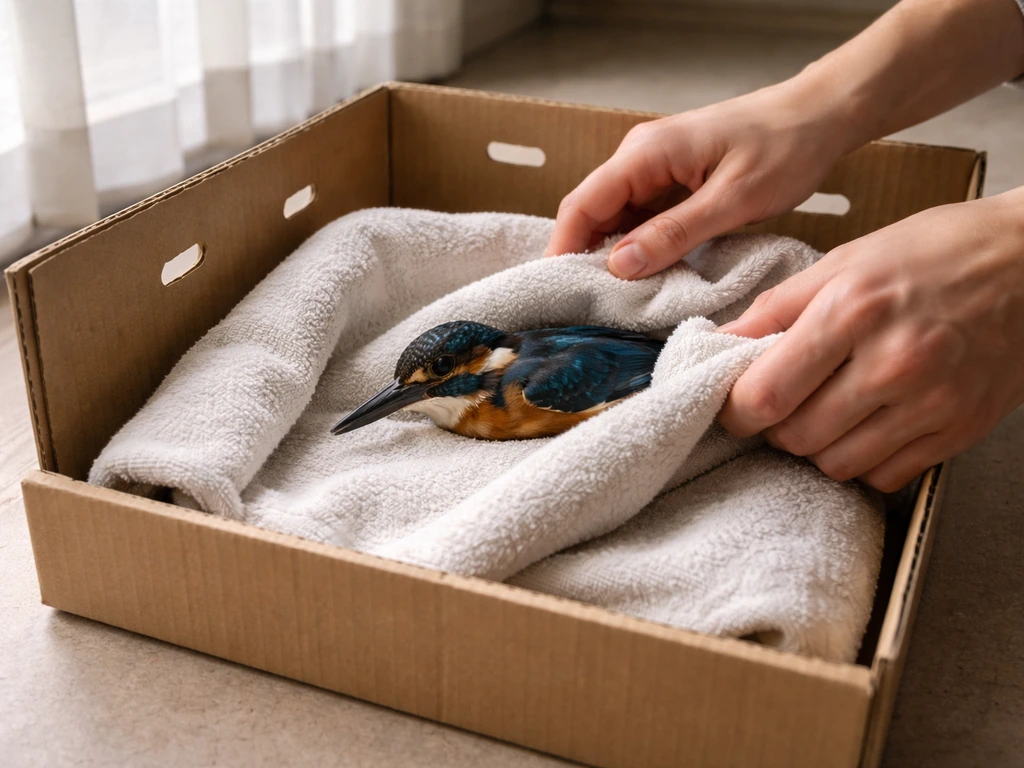
Kingfishers can be completely limp after a window impact and still recover. Do not assume a motionless bird is dead. Box it carefully using the towel method, place it in a dark and warm location, and wait 15 to 20 minutes. Revisit cautiously. If the bird is alert and upright, it may be ready to release near where it was found. If there's no improvement, it needs professional care. Even apparently recovered birds should ideally be seen by a rehabilitator, since internal injuries from window strikes are common and not visible to the naked eye.
Preventing window strikes in the first place
If you have a pond or water feature near a large window, you may attract kingfishers directly into a window-strike risk. Break up the reflection by applying window decals, external screens, or tape strips at 2-inch intervals across the glass. External solutions work better than internal ones because they disrupt the reflection that birds are responding to. This is especially worth doing if you've already had one strike at a particular window.
A note on 'taming' and repeated contact
Unlike some wild birds (robins and sparrows, for example, will sometimes approach closely over time with patient conditioning), kingfishers are not good candidates for taming or trust-building in the traditional sense. They are solitary, highly territorial, and extremely stress-sensitive. The closest you'll get to a 'tame' kingfisher is one that visits your pond daily and tolerates a quiet observer at a respectful distance. That's actually a wonderful outcome, and it's achievable with the right habitat setup and consistent low-disturbance behavior on your part. Aim for that, not physical closeness.
FAQ
If the kingfisher is moving but looks “grounded,” can I still try to rescue it?
Yes. If a kingfisher is injured but still responsive, briefly containing it in a towel and box for transport can be appropriate, but you should not attempt repeated or prolonged handling. If it can fly away strongly or is able to escape easily, treat that as a sign to stop chasing, back off, and call a rehabilitator for guidance.
What should I do if the kingfisher seems overheated or panting after capture?
Do not try to “cool it down” with water baths or ice. Instead, use the quiet, dark cardboard box approach, keep it away from noise and activity, and get it to a licensed rehabilitator or veterinarian. Sudden temperature changes can worsen shock in small wild birds.
Can I open the box to check on the bird or to give it water during transport?
For kingfishers, use a dark, ventilated cardboard box lined with cloth, and keep it closed during transport. Avoid opening to “check,” offering water, or feeding. If you must verify breathing, do it quickly from outside the box without extended handling or bright light.
I’m not sure if this kingfisher is covered by local rules, what should I do?
If you are unsure whether the bird is protected and whether you are authorized to possess it, assume it is protected and do not keep it. The safe rule is, if you did not receive professional instruction from a rehabilitator or wildlife agency, your next step should be calling them and following their instructions.
How should I secure the box at home or in the car so the bird stays safe?
Keep the bird away from other animals and from direct public view. Put the transport box somewhere calm, out of sun, and secured so it cannot slide. If you have to hold it in your car, place the box on the floor or a stable seat (not on your lap) so sudden stops do not injure the bird.
The kingfisher keeps hitting or attacking nearby people, does that mean it’s injured and I should catch it?
If it is on the ground and actively dive-bombing or striking, that is often stress and territorial behavior rather than friendliness. Do not approach closely to “catch it,” instead watch from a distance and focus on calling a rehabilitator only if it is injured, grounded, or behaving abnormally.
If it seems fine after a window strike, should I still contact a rehabilitator?
Treat any window strike as potentially more serious than it looks. Even if the bird appears to recover, do not release immediately if it is sluggish, uncoordinated, or unable to fly straight. When in doubt, wait in the dark for the recommended rest period and then get professional advice if there is no clear improvement.
What if I start to rescue it, and it flies away before I can secure it?
If the bird escapes during an attempted rescue, stop the chase. Monitor from a distance for alertness and normal perching and flying. Then call a local rehabilitator with what you observed, because a follow-up rescue attempt can increase stress and injuries.
Do kingfishers come to bird feeders, and how do I attract them if I cannot stock fish?
For attraction, skip feeders and instead prioritize a hunting habitat: clear water that supports small fish or invertebrates, and an elevated bare perch 4 to 8 feet above the water. If you cannot support fish, you can still improve habitat by improving water clarity and perch placement, but expect fewer visits.
How much do dogs and cats affect kingfisher visits, and what can I do to reduce it?
Yes, pets can prevent consistent visits even if your pond is perfect. Create a buffer zone so dogs and cats cannot reach the perch or the water edge, and plan for barriers or supervision during times when the kingfisher is most active.
Why might kingfishers ignore my pond even though there’s water and a perch?
If the water feature is too shallow, murky, or dangerous (steep sides that trap or injure wildlife), kingfishers may avoid the area entirely. Check that there is enough depth to support prey and that the edge provides a safe, gradual area where fish can be pursued.
How close can I stand to photograph or watch them without stressing them?
If you want a kingfisher to habituate to observation, keep your distance and reduce sudden movement, loud noises, and frequent traffic near the perch. A practical target is to stay back from the water and let the bird adjust at its own pace, since kingfishers do not respond like more social backyard birds.
I’ve had repeated window strikes, what’s the most effective way to prevent more?
If you have a historical window strike problem, address it proactively. Use external solutions that disrupt reflections (window decals, external screens, or tape strips at intervals) and treat other reflective surfaces near the pond the same way.
Next Articles
How to Catch a Robin Bird Safely and Humanely
Humane, safe guide to attract or temporarily contain a robin, avoid injury, and what to do if it’s hurt or tangled.
How to Catch a Bird Without Killing It: Humane Steps
Humane, trap-free steps to catch a wild backyard bird safely, minimize stress, contain it calmly, then release or reloca
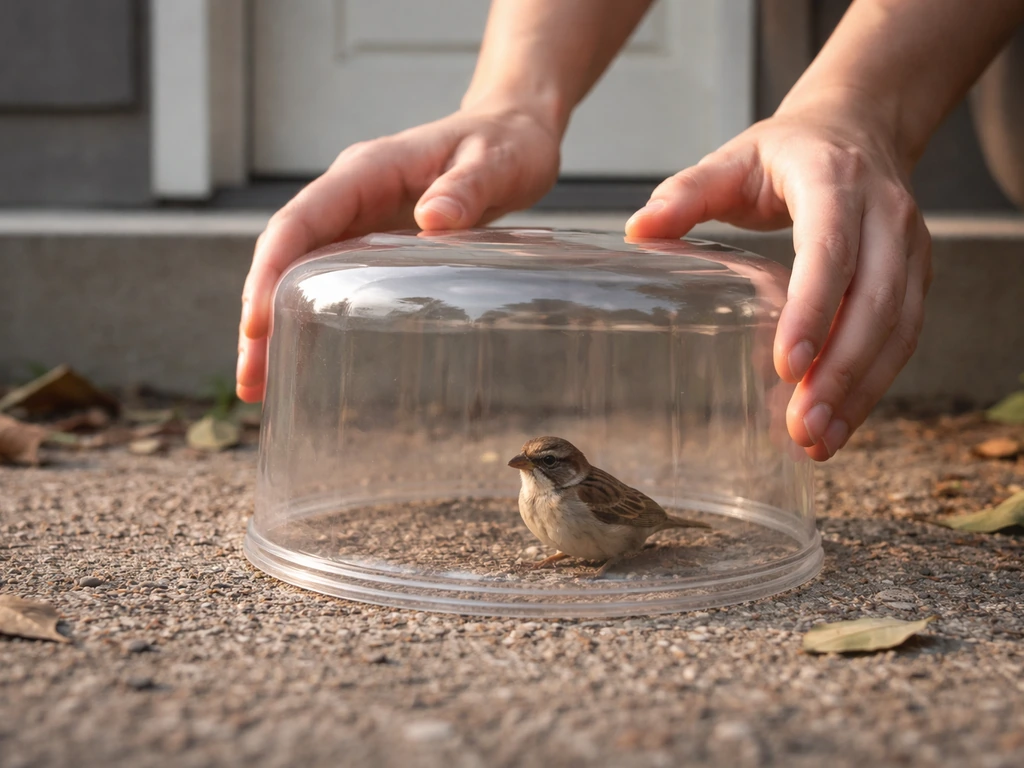
How to Catch a Bird With a Bottle Safely and Humanely
Humane, safety-first steps to catch a bird with a bottle or cover, plus safer alternatives and what to do after capture.