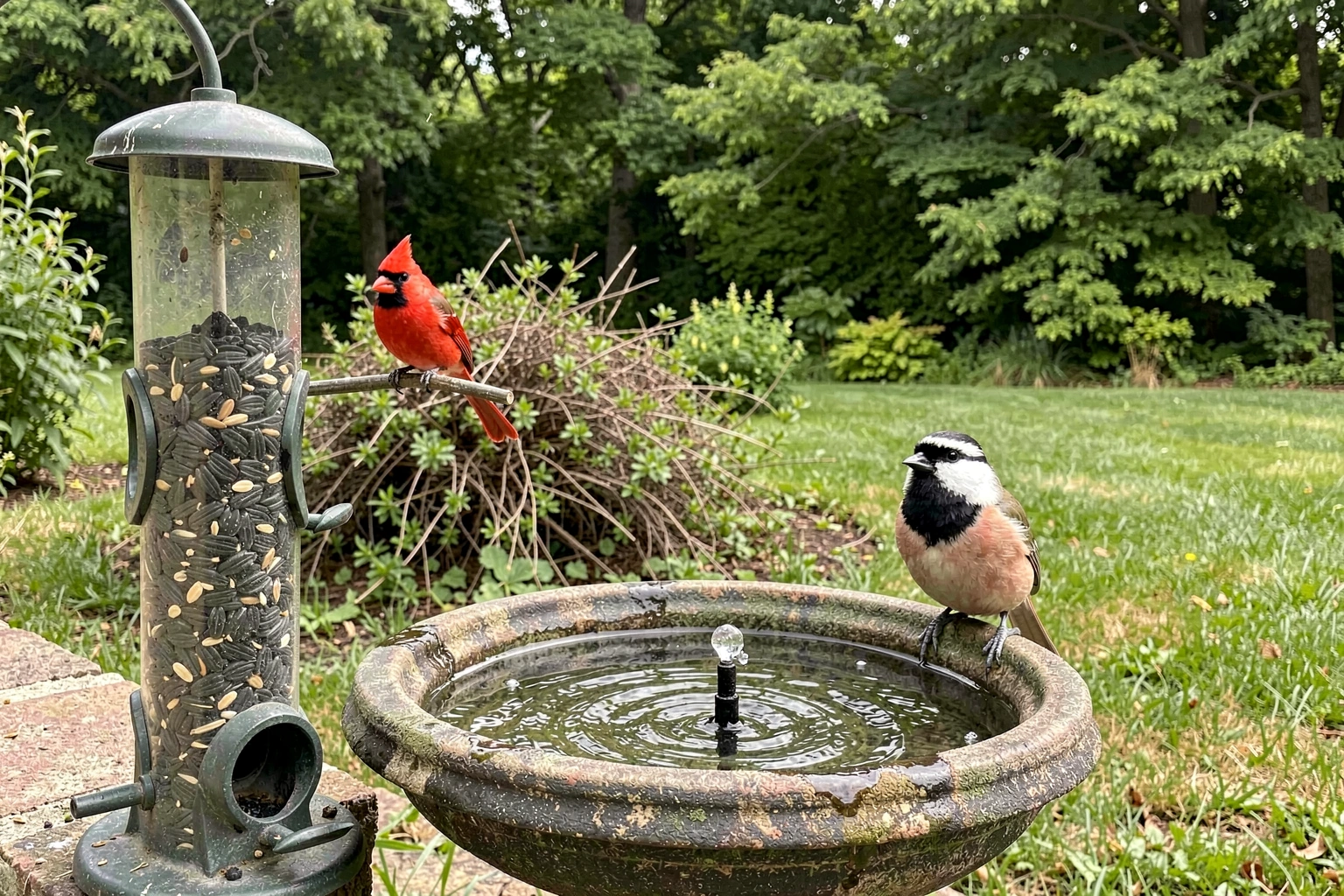
You can start attracting birds to your yard today, not weeks from now. Set up one feeder with black-oil sunflower seeds, add a shallow birdbath nearby, and you will likely see your first visitors within a few days. From there, it is about layering in more food variety, water, shelter, and habitat over time. This guide walks you through every step, from the quick wins you can do this afternoon to the longer-term changes that will turn your yard into a place birds return to year after year.
How to Attract Birds to Your Yard: Step-by-Step
Clara Hayes
22 Mar 2026
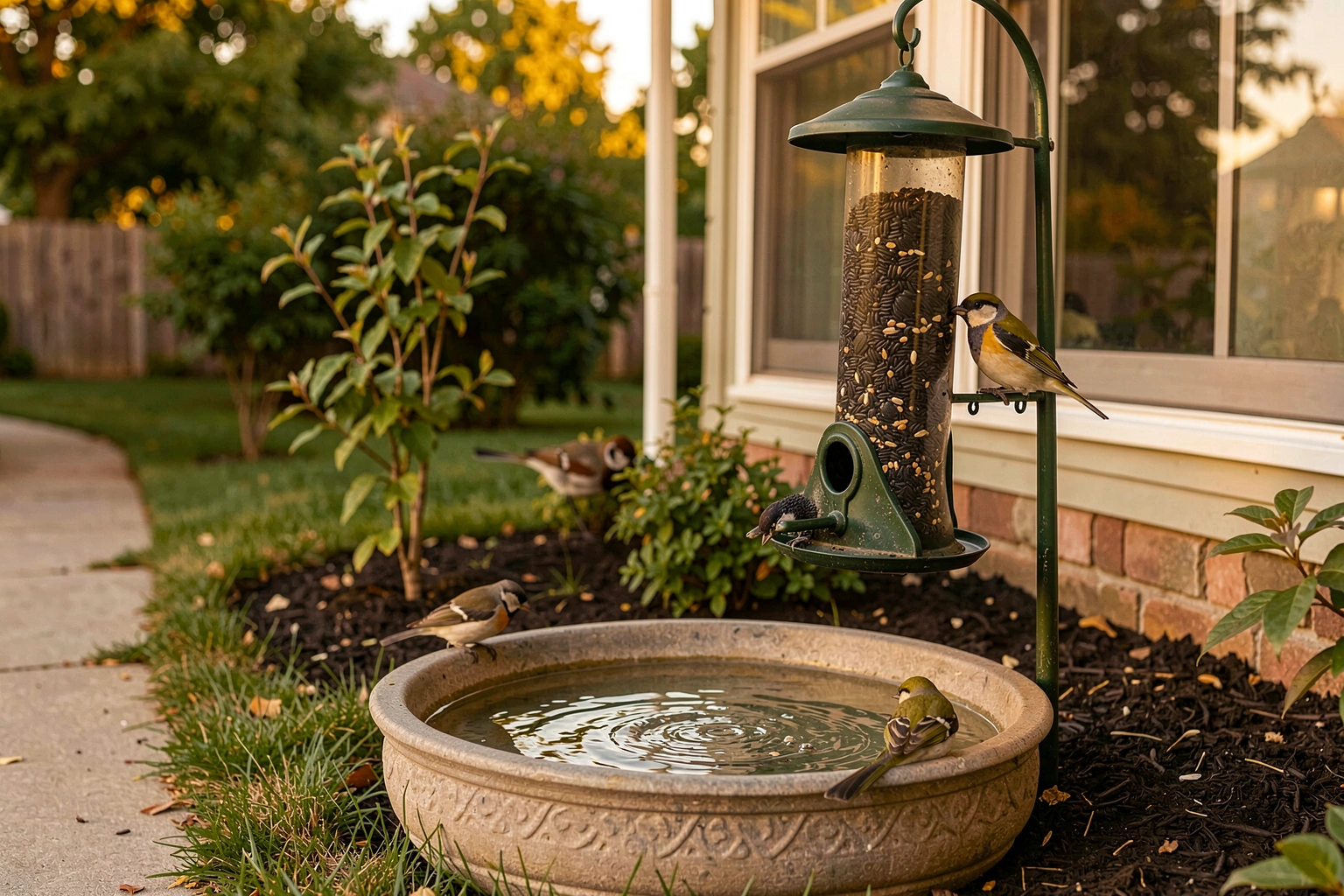
Quick checklist to start attracting birds today
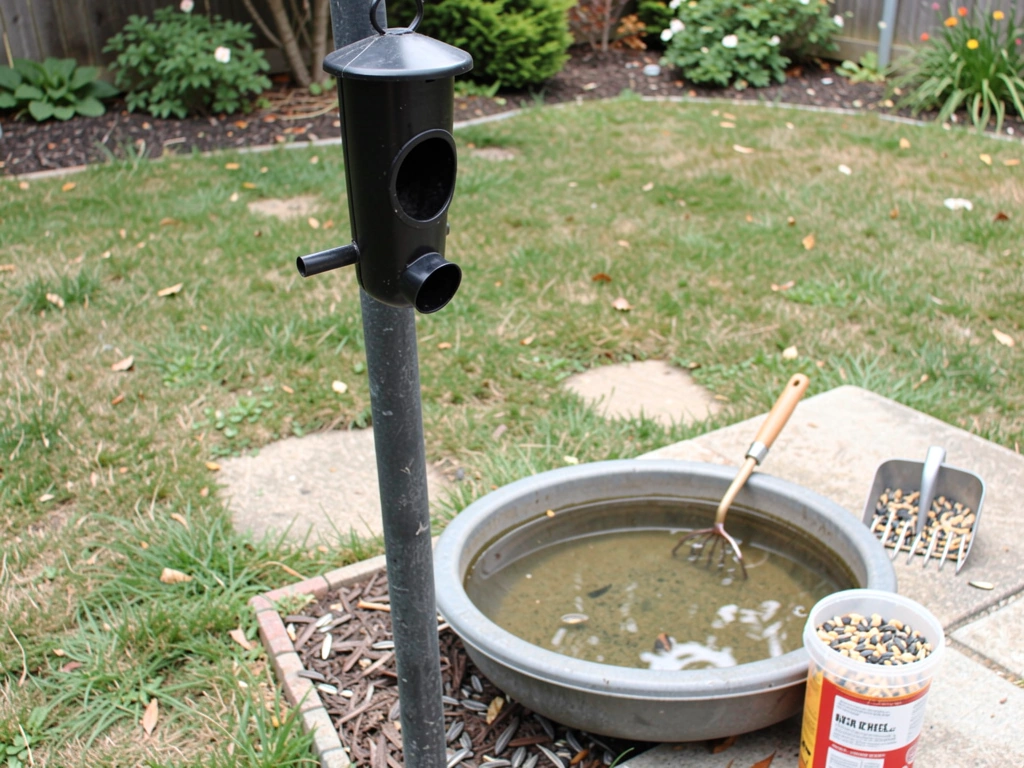
If you want results fast, focus on these first. You do not need to do everything at once, but even one or two of these will make a real difference immediately.
- Put up a tube or hopper feeder filled with black-oil sunflower seeds, the single most universally attractive seed you can offer.
- Place the feeder either within 3 feet of a window (to reduce window strike risk) or at least 10 feet away from windows and climbing surfaces.
- Set out a shallow birdbath, no more than 2 to 3 inches deep, in a spot with some open space around it so birds can watch for predators.
- Fill the birdbath with fresh water and plan to change it every day or every other day.
- Remove any obvious hazards: loose cats, reflective windows with no markings, and areas of dense low cover right next to your feeders where predators can hide.
- If you have no plants or shrubs at all, pick up one native shrub or small tree this week and plant it near your feeding area for future shelter.
Food setup: feeders, seed types, and what birds like
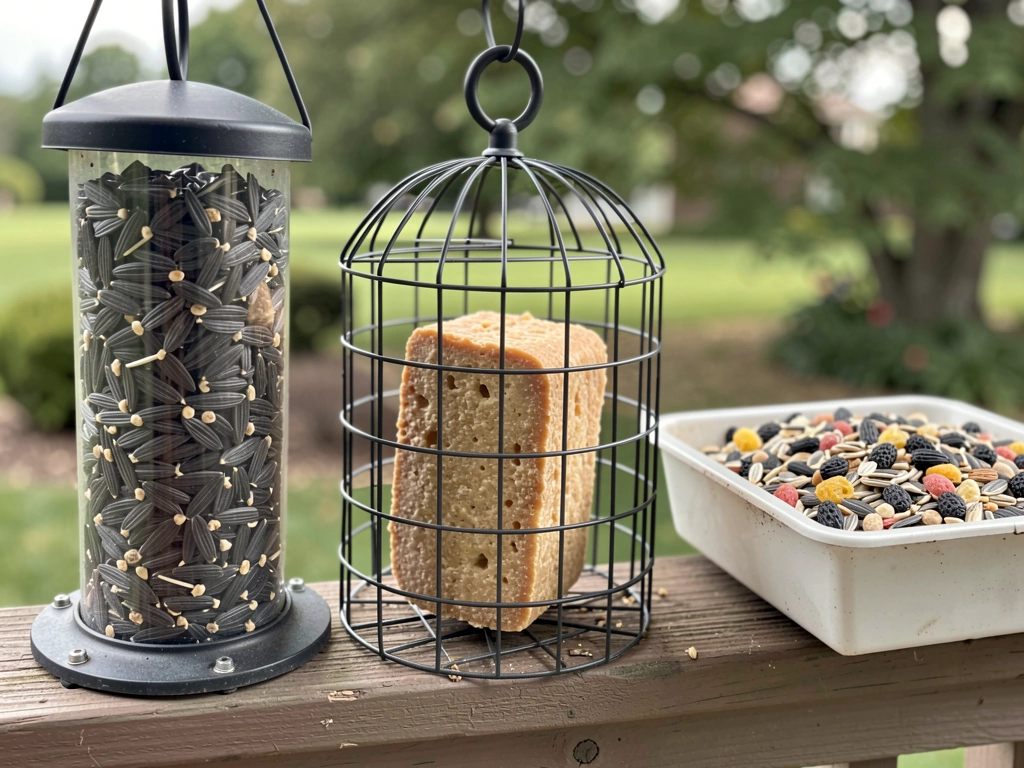
The food you offer determines which birds show up. Black-oil sunflower seeds are the best starting point because most North American songbirds eat them, including chickadees, nuthatches, finches, cardinals, sparrows, and jays. If you only ever put out one type of seed, make it this one. Nyjer seed (also called thistle) is a close second if you want to attract finches specifically, including goldfinches and pine siskins, but it requires a special feeder with small ports so the tiny seeds do not spill.
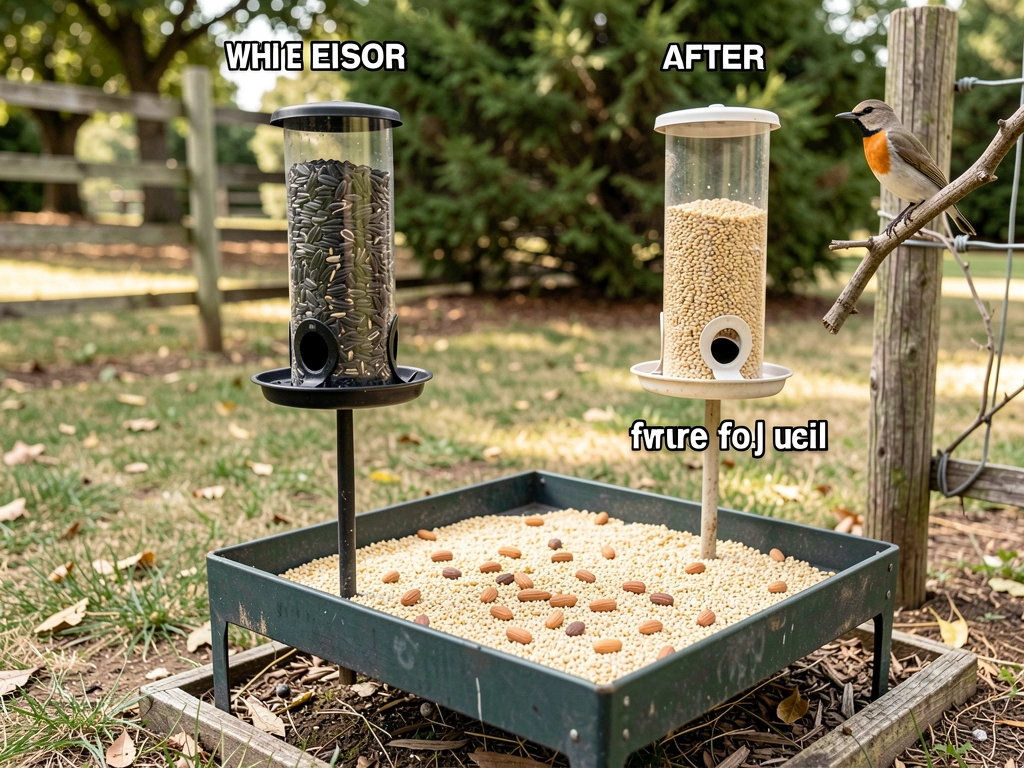
Suet is a high-energy food that draws woodpeckers, nuthatches, chickadees, and jays, especially in cooler months. You offer it in a simple wire cage feeder. Just make sure the lid of any suet cage is secured so that animals cannot get trapped inside. Platform feeders are great for ground-feeding birds like juncos, doves, and sparrows, and placing them at a lower height (while still keeping them safe from cats) brings in species that will not use a hanging tube feeder.
For hummingbirds, make your own nectar: mix 1 part plain white sugar with 4 parts boiling water, stir until dissolved, and let it cool completely before filling the feeder. Do not use honey, brown sugar, or red food dye. Change the nectar every 3 to 4 days, and clean the feeder weekly. In warm weather, nectar ferments quickly and can harm birds.
One practical tip from UF/IFAS: offering feeders at different heights dramatically increases the variety of species you attract. Hang a tube feeder at eye level, put a suet cage on a tree trunk, and set a platform feeder low to the ground. This simple layering covers the feeding preferences of a much wider range of birds than any single feeder can.
Avoid corn in wet or damp weather. It molds quickly and can make birds sick. Keep all seed dry; if a feeder gets rained into, scrape out and discard any clumped or wet seed before refilling. Old, moldy seed is one of the most common ways backyard birders accidentally harm the birds they are trying to help.
Which feeder for which bird
| Feeder Type | Best Seed or Food | Birds Attracted |
|---|---|---|
| Tube feeder | Black-oil sunflower, safflower | Chickadees, finches, nuthatches, cardinals |
| Nyjer/thistle feeder (small ports) | Nyjer seed | Goldfinches, pine siskins, house finches |
| Suet cage | Suet cakes | Woodpeckers, nuthatches, chickadees, jays |
| Platform/tray feeder | Mixed seed, millet, peanuts | Sparrows, juncos, doves, towhees |
| Hummingbird nectar feeder | 1:4 sugar-water solution | Hummingbirds (species vary by region) |
| Hopper feeder | Black-oil sunflower, mixed seed | Wide variety of songbirds |
Feeder placement and predator safety
Placement matters as much as what you put in the feeder. The FWC recommends suspending feeders at least 10 feet from the ground and away from surfaces that cats, raccoons, or squirrels can use to climb or jump from. Baffles on feeder poles are one of the most effective deterrents. And the U.S. Fish and Wildlife Service's Bird-Friendly Home Toolkit gives a specific window-strike guideline: place feeders either within 3 feet of a window (so birds cannot build up speed before impact) or more than 10 feet away. The danger zone is the space in between.
Cleaning feeders the right way
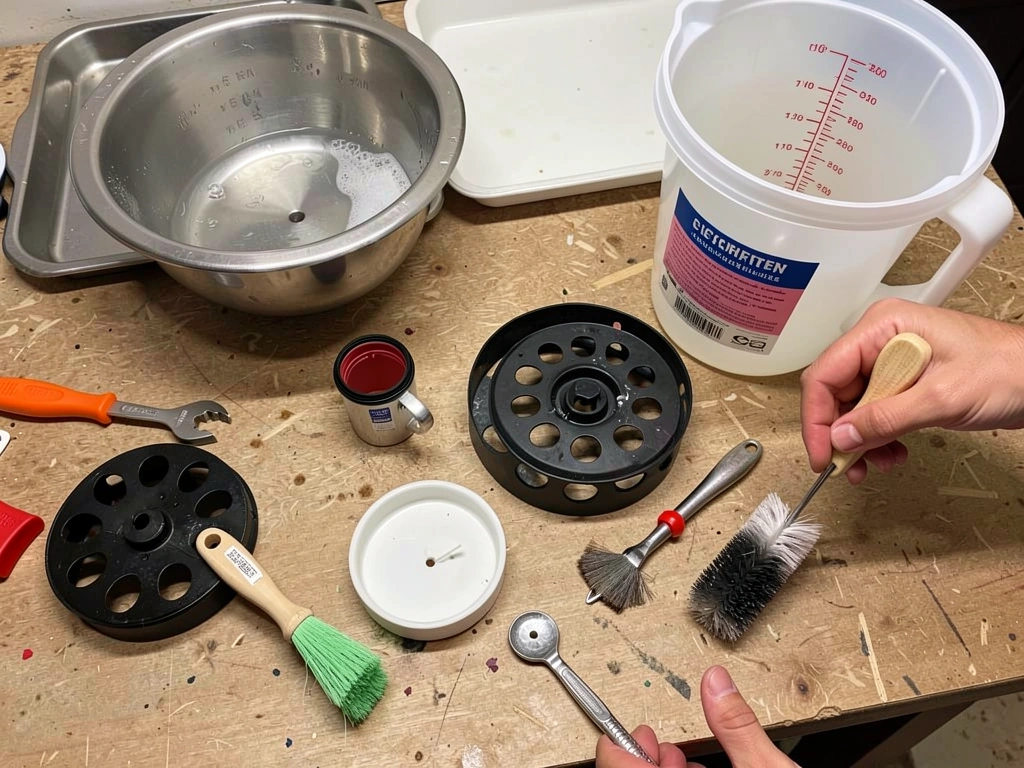
Dirty feeders spread disease, full stop. Salmonella, avian pox, and other illnesses move from bird to bird at crowded, unclean feeders. The cleaning protocol recommended by the National Wildlife Health Center (and echoed by Audubon) is simple: take the feeder apart, scrub off all visible debris, then soak in a solution of 1 part bleach to 9 parts water, scrub again, rinse thoroughly, and let it dry completely before refilling. Do this at least a few times a year, and definitely between seasons. If you see sick birds near your feeders, take them down entirely for a week or two to let the birds disperse and reduce transmission risk.
Also clean up underneath your feeders regularly. Seed hulls and spilled food accumulate on the ground, attract rodents, and create conditions for mold and bacteria. A quick rake or sweep every week or two keeps the feeding area healthier for everyone.
Water setup: birdbaths, placement, and keeping water clean
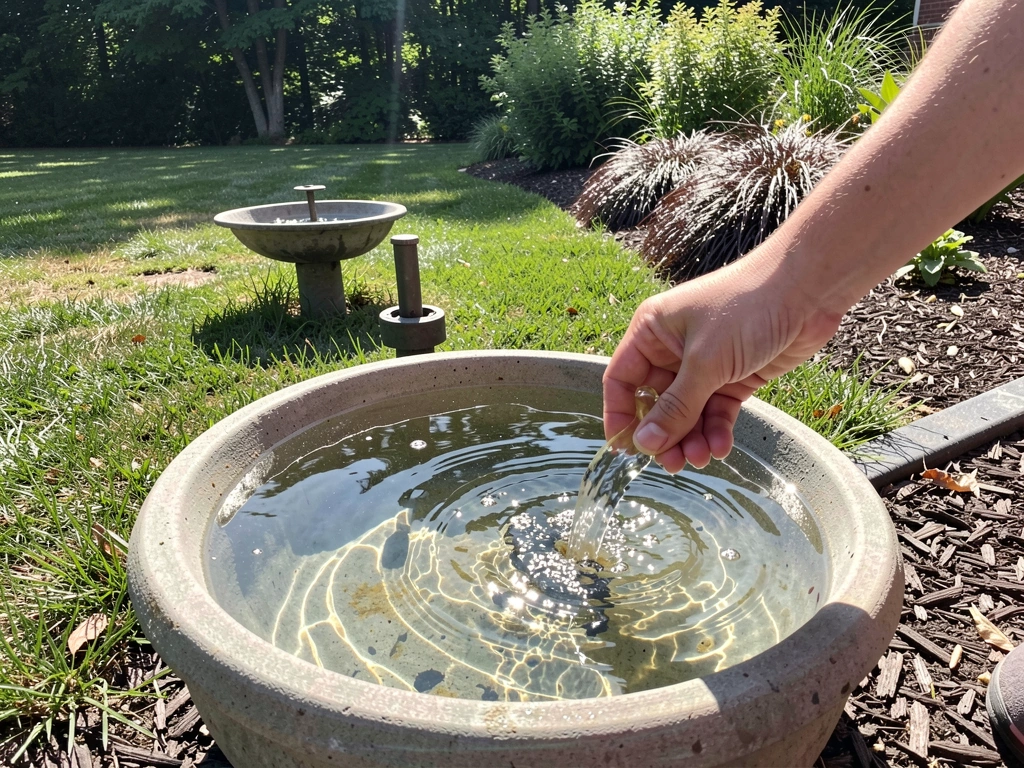
Water is the single most underrated thing you can add to your yard for birds. Every bird needs it, even species that never visit feeders. A simple, shallow birdbath, 1 to 3 inches deep at most, with a textured bottom so birds can grip it, is enough to attract a remarkable variety of visitors. The U.S. Fish and Wildlife Service specifically notes that birdbaths help birds hydrate and cool down during hot weather, which in many parts of the country makes water even more critical than food in summer.
Place your birdbath in an open area where birds can see approaching predators, but within about 10 feet of some shrubs or trees so they have a quick escape route if needed. Keep it away from your feeders so falling seeds and hulls do not contaminate the water. Birdfy's placement guidance makes exactly this point: seed debris in the bath fouls the water faster and discourages birds from using it.
Change the water every day or every other day. Audubon recommends this specifically to prevent mosquito larvae, algae growth, and bacterial buildup. In warm weather, standing water can become a mosquito breeding site within 72 hours. A quick dump and refill is all it takes. If you want to upgrade, a small solar-powered fountain or dripper adds moving water, which birds find irresistible and which also keeps the water fresher longer. You do not need to spend much: even a $15 to $20 solar dripper placed in a basic birdbath makes a significant difference in how many birds show up.
Shelter and nesting habitat: plants, trees, and safe cover
Food and water bring birds in, but shelter is what keeps them coming back and encourages them to actually nest in your yard. Shelter means places to perch, hide from predators, take cover in bad weather, and raise young. The good news is that you can build this incrementally, and even small changes make a difference.
Native plants are the foundation. Audubon has long emphasized that native trees, shrubs, and flowering plants support the insects, berries, and seeds that birds actually depend on. A native oak, for example, supports hundreds of caterpillar species, which are critical food for baby birds of almost every species. Non-native ornamentals, no matter how beautiful, often provide little to none of that ecological value. If you are starting from scratch, prioritize native species for your region: oaks, native cherries, serviceberries, native viburnums, and coneflowers are all excellent choices that provide food and cover simultaneously.
Cavity-nesting birds, including chickadees, bluebirds, wrens, and woodpeckers, need holes to nest in. If your yard does not have old trees with natural cavities, a nest box solves this. Match the hole size to the species you want: a 1.5-inch hole for chickadees, 1.5 inches for wrens, and about 1.75 to 2 inches for bluebirds. Place nest boxes away from your feeders, on a post with a predator baffle, and in the habitat type the target species prefers (bluebirds like open areas, wrens like brushy edges).
Brush piles are one of the most overlooked and easiest habitat additions you can make. The U.S. Fish and Wildlife Service notes that birds use woody brush piles for cover and may nest along logs or under piles of branches. Audubon Great Plains adds that leaf litter, pruned stems, and gathered plant debris piled in a protected corner of your yard serve as both shelter and spring nesting material. Instead of hauling that stuff to the curb, pile it up near a fence or garden edge and let it work for you.
Dense hedges and shrubs, especially native ones with thorns like hawthorn or native roses, give birds protected perching and nesting spots that predators cannot easily reach. If you have the space, a layered planting scheme with ground covers, shrubs, and trees at different heights mirrors natural habitat and supports the widest variety of species.
Yard improvements and common mistakes to avoid
A few common habits that seem harmless can actually undermine everything you are trying to do. Here are the most important ones to address.
Stop using pesticides and herbicides indiscriminately
Pesticides kill insects, and insects are what birds feed their babies. Even seed-eating adults rely heavily on insects during breeding season. Herbicides eliminate the native weeds and wildflowers that support those insects. Reducing or eliminating chemical use in your yard is one of the highest-impact changes you can make, and it costs nothing. If you have a pest problem in a specific area, consider targeted treatments rather than blanket spraying.
Window strikes are a bigger problem than most people realize
Window collisions kill an estimated hundreds of millions of birds in North America every year. The FWS Bird-Friendly Home Toolkit is specific here: keep feeders either within 3 feet of windows or more than 10 feet away. If birds are striking your windows, apply window tape, film, or collision-deterrent stickers in a grid pattern with no more than 2-inch horizontal or 4-inch vertical spacing. Birds see these patterns and avoid the glass.
Free-roaming cats are the number one predator threat
Keep cats indoors or in a contained outdoor space. Even well-fed domestic cats hunt instinctively and kill birds. If neighbor cats are a problem, place your feeders and birdbath in the open where cats cannot sneak up on birds undetected, and use tall pole mounts with baffles.
Do not over-rely on feeders as a substitute for habitat
Feeders are a great tool, but MassWildlife and the USDA APHIS both point out that wildlife feeding can create dependency and bring birds into crowded, stressful conditions that spread disease. The goal is to complement feeders with genuine habitat: native plants, water, and shelter that support birds whether or not you fill the feeder on any given day. This creates a yard that functions as real habitat rather than just a snack bar.
Avoid these specific mistakes
- Never use red food dye in hummingbird nectar. Plain white sugar and water is all they need.
- Do not let seed sit in feeders and get wet or clumped. Moldy seed makes birds sick.
- Do not place feeders directly adjacent to dense low shrubs where cats or other predators can hide.
- Do not skip cleaning the ground below feeders. Accumulated hulls and debris attract rodents and disease.
- Avoid corn in feeders during wet weather, as it molds rapidly.
Seasonal and ongoing maintenance for consistent visits
Different seasons call for different approaches, and birds' needs shift throughout the year. Understanding this keeps your yard active in every season, not just when migration is happening.
Spring (now through early summer)
Spring is when things really pick up. Migratory birds return, resident birds start nesting, and food demand is high. This is the time to make sure nest boxes are clean and in place, native plants are going in the ground, and your feeders are fully stocked and freshly cleaned from winter. Hummingbirds return in spring, so have your nectar feeder ready before you expect to see them rather than after. Check your regional migration timing (typically March through May in most of North America) and have everything in place a week or two early.
Summer
Summer is the breeding season. Keep the water fresh and available, as heat stress is real for birds. Change nectar every 3 to 4 days, or more often in high temperatures. You may see fewer feeder birds as adults shift to feeding their young insects rather than seeds, so do not panic if activity dips. This is exactly when your native plant investment pays off: insects on those plants feed baby birds more effectively than anything in your feeder.
Fall
Fall migration brings new species through your yard that may never visit at other times of year. Keep feeders stocked and add fruit (halved oranges or apples on a platform) to attract thrushes, waxwings, and other fruit-eating migrants. Leave seed heads on native plants rather than cutting them back. These are food for both resident and migrating birds through fall and winter. Avoid the urge to do a total yard cleanup: that leaf litter and those dead stems are habitat.
Winter
Winter is when feeders matter most, especially in cold climates where natural food is scarce. High-fat foods like suet and black-oil sunflower are especially valuable now. Cornell's Project FeederWatch specifically notes that stocking feeders with quality seed dramatically increases the chance of winter species visiting. Keep feeders free of ice and snow buildup. Clean them between seasons (fall to winter transition is a key cleaning moment). If you are in a region with bears or other large wildlife, follow local guidance about bringing feeders in at night or using bear-resistant setups.
Year-round maintenance schedule
| Task | Frequency |
|---|---|
| Refill feeders with fresh seed | Every 2 to 5 days depending on traffic |
| Change birdbath water | Daily or every other day |
| Change hummingbird nectar | Every 3 to 4 days (more often in heat) |
| Sweep or rake below feeders | Weekly or biweekly |
| Deep clean feeders (bleach soak) | At least 3 to 4 times per year, between seasons |
| Clean birdbath | Weekly scrub, more often if algae develops |
| Check and clean nest boxes | After each brood fledges; full clean in fall |
| Evaluate and replant native plants | Each spring |
How to measure progress and troubleshoot low bird activity
If you set everything up and birds are not coming, do not give up after two days. In a new location with no established food source, it can take one to three weeks before birds discover and start regularly using your feeders and bath. Birds are creatures of habit and route, and they need time to incorporate a new resource into their regular patterns. Patience is the first troubleshooting step.
After two to three weeks with no activity, start working through this checklist:
- Check your seed. Is it fresh and dry? Stale or moldy seed has less scent and birds will pass it by. Dump it and start fresh.
- Check feeder placement. Is there a clear flight path to the feeder? Is it too close to dense cover where predators hide?
- Look for predator activity. A hawk, cat, or other predator patrolling your yard can suppress bird activity for days at a time. Project FeederWatch's behavior research confirms that predator presence is one of the most common reasons feeder use drops suddenly.
- Is the water fresh? A stale or green birdbath is actively off-putting to birds.
- Do you have any perching spots near the feeder? Birds like to approach cautiously, land on a nearby branch or fence first, then move to the feeder. If there is nowhere to perch within 10 feet, add a simple branch or shepherd's hook.
- Consider your yard's overall habitat. If it is all lawn and no shrubs, birds may visit briefly but will not linger or return as reliably.
To track your progress, keep a simple list. Cornell's Project FeederWatch recommends counting birds and noting even birds that visit the yard but do not eat at feeders or use the bath. A basic notebook or a free app like eBird (from the Cornell Lab) lets you log what you see and compare it over time. After a month or two, you will have a real picture of which species are using your yard, which food sources are most popular, and where the gaps are. This data also makes it easy to identify if something has changed, like a predator moving in or a feeder going empty too long.
Finally, be realistic about what your yard can support. A small urban plot surrounded by concrete will attract different species and fewer overall birds than a suburban yard with mature trees. That does not mean it is not worth doing, even a single feeder and birdbath on a city balcony will get regular visitors. The goal is to maximize what your specific yard can offer, not to match a rural property with acres of habitat. Every improvement you make compounds over time, and once birds find your yard and make it part of their territory, they will keep coming back.
FAQ
How long does it take before birds notice feeders and a birdbath?
Even with the right setup, many people see first visitors within a few days, but regular use often takes 1 to 3 weeks, especially in a new location. Keep the food consistent and avoid frequent changes during that window so birds can learn reliable routes.
What if I only want one or two specific bird species, like cardinals or finches?
Start with the seed those species prefer and do not dilute it with many options right away. For finches, use nyjer with a proper small-port feeder. If you want cardinals, black-oil sunflower is the most reliable single starting seed, then layer in compatible foods later.
How do I keep seed dry and still attract birds during rainy weather?
Use feeders with good drainage and check them after storms. If seed gets rained into and clumps, scrape it out and discard it before refilling, since damp seed can mold quickly. Consider temporarily switching to a feeder design that protects seed from direct rain.
Is it better to put feeders close to windows or far away?
Follow the window rule to prevent collisions: place feeders either within 3 feet of windows or more than 10 feet away. The in-between zone is highest risk. If birds are already striking, add a collision deterrent pattern (grid) and recheck placement.
Do I need to use different feeders at different times of year?
Not necessarily, but you should adjust what you offer. In winter, emphasize high-fat foods like suet and black-oil sunflower. In warmer months, prioritize keeping water fresh and consider that many adults shift to insects while nesting, so habitat plants matter even if feeder activity dips.
How often should I clean bird feeders to prevent disease?
At minimum, follow a deeper clean a few times per year and always between seasons. Also scrub and rinse any time you notice visible debris buildup. If you see sick birds nearby, take feeders down for a week or two to lower transmission risk.
What is the safest way to clean feeders without harming birds?
Take feeders apart, scrub off debris, then soak in the recommended bleach-to-water ratio, scrub again, rinse thoroughly, and let everything dry completely before refilling. Reassemble only when fully dry, so you do not leave bleach residue or create a damp environment.
Should I leave seed and hulls on the ground under feeders?
No. Spilled seed and hulls can attract rodents and foul the area, and debris can contaminate birdbath water if they’re too close. Sweep or rake the ground regularly, and keep the birdbath away from feeding zones.
How deep should a birdbath be, and what if birds do not use it?
Keep it shallow, about 1 to 3 inches, with a textured bottom for grip. If birds ignore it, move it into a visible open area with nearby escape cover (shrubs or trees within about 10 feet) and ensure it is not contaminated by falling seed.
How do I prevent mosquitoes without making the water unsafe for birds?
The simplest approach is changing the bath water daily or every other day, especially in warm weather, which prevents larvae from developing. If you use a dripper or fountain, keep it running and still monitor water condition, since stagnant pockets can form.
Will suet feeders attract other wildlife I do not want, like rodents?
They can if access points are easy. Use feeder designs that are hard to climb and consider pole mounts with baffles. Also keep the area clear beneath feeders so food does not accumulate and become a rodent attractant.
Is nectar safe if I forget to change it for a few days?
It depends on temperature, but in warm weather nectar can ferment and become harmful quickly. Stick to changing every 3 to 4 days (or more often in heat) and clean the feeder weekly to remove sticky buildup.
What should I do if a feeder is emptying too fast but birds are not showing up?
First check for wet or spoiled seed, then look for squirrels or other visitors taking it. If you find clumped or moldy seed, discard it and replace with dry seed. Improve deterrents with baffles, and avoid placing feeders on surfaces that predators use as launch points.
Can I attract birds without planting anything in the yard?
Yes, feeders and water can work quickly, but planting is what builds long-term nesting and insect food. If you cannot plant immediately, use brush piles or add a few native shrubs when possible, since insects on native plants are critical during chick-rearing.
What’s a good nest box approach if I want nesting but I do not have old trees?
Add a nest box matched to the target species and hole size, then place it away from feeders and with a predator baffle. Put boxes in the habitat pattern the birds prefer, for example open areas for bluebirds and brushy edges for wrens.
Are pesticides and herbicides always bad for attracting birds?
They are a major problem because they reduce the insects and native plants that feed chicks, not just adult birds. If you must treat a localized pest issue, choose targeted approaches rather than blanket spraying, and minimize chemical exposure in bird-visitor areas.
How do I stop cats or other pets from interfering at the bird station?
Use safety-first placement: set feeders and baths in open sight lines where cats cannot sneak close, and use tall pole mounts with baffles. If you have neighbor cats, prioritizing open placement and baffles is often more effective than relying on feeding alone.
My birds are not eating from the feeder, but they seem interested. What should I try?
Keep the food type consistent for a couple of weeks, and confirm the feeder height and design match the birds you want. Ground-feeding birds often require platform placement low to the ground, while others prefer specific feeder styles, like tubes at appropriate heights.
What if my yard is small or urban, will it still attract birds?
Yes. Even a small balcony or patio can get regular visits if you provide consistent food, shallow water, and safe placement with window/cat deterrence. Focus on maximizing what your space can support, since bird variety will differ from larger properties with mature trees.
Next Article
How to Attract a Bird: Food, Water, Shelter, Placement Tips
Attract birds with the right food, clean water, shelter, and smart feeder placement plus quick troubleshooting tips.